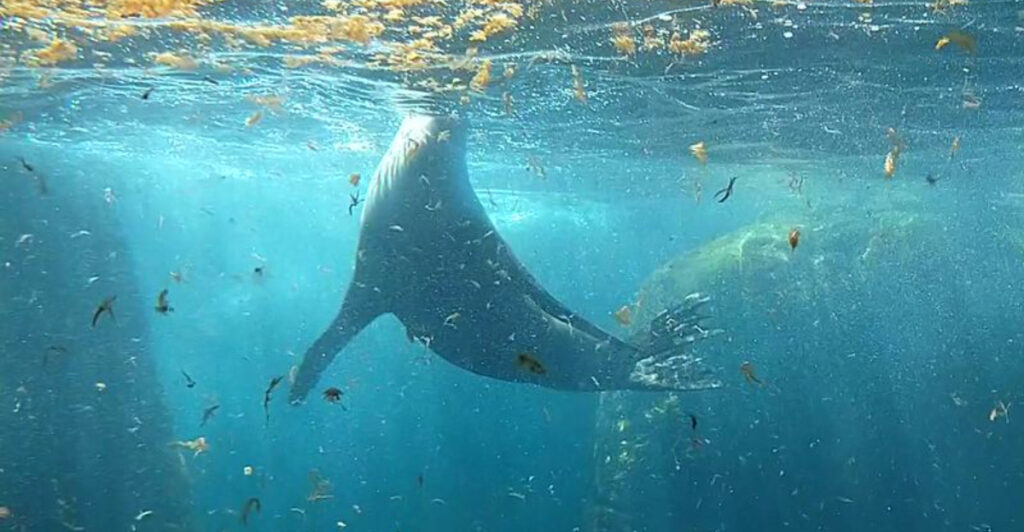
There is a place on the Oregon coast where sea otters splash, sharks glide overhead, and kids press their faces against glass tanks with pure wonder in their eyes. Tucked into the charming coastal city of Newport, this aquarium has been quietly winning over families, solo travelers, and marine life fans for decades.
The animals here are not just on display, they are the main event, and every feeding session, every playful otter roll, and every jellyfish drift feels like a small gift from the ocean. By the time you finish reading, you will know exactly why this spot keeps pulling people back, trip after trip.
Where the Adventure Begins: Address, Location, and First Impressions

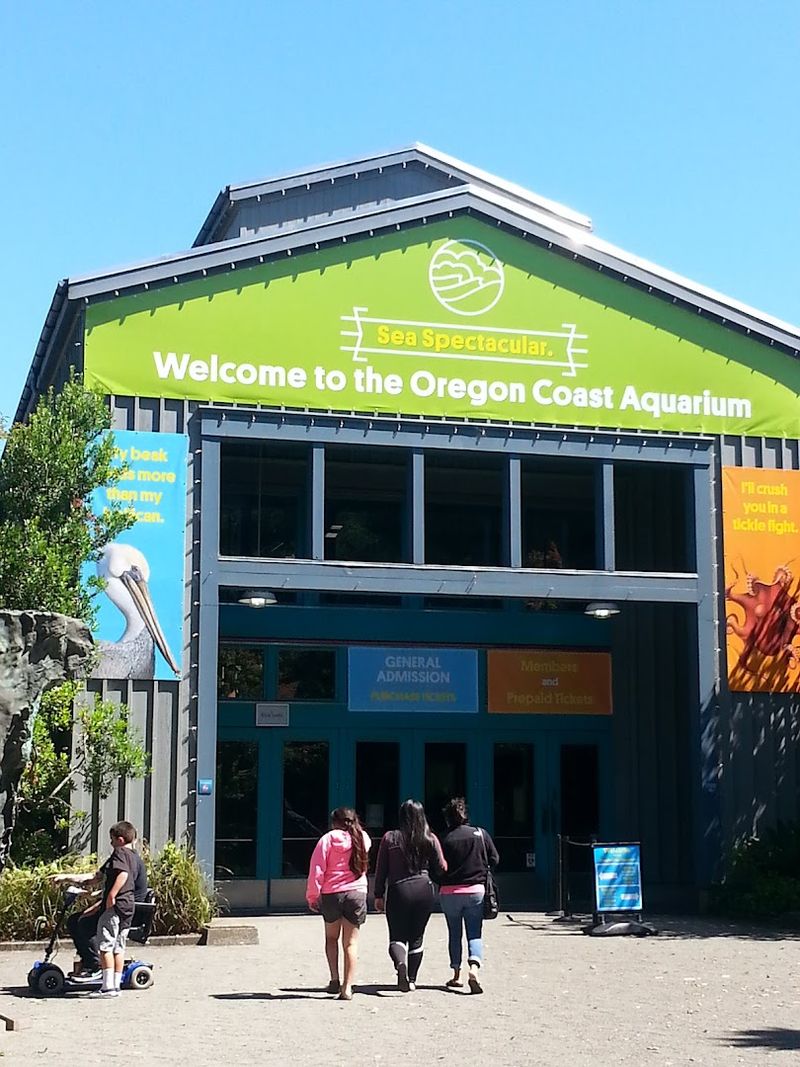
The Oregon Coast Aquarium sits at 2820 SE Ferry Slip Rd, Newport, OR 97365, right along the Yaquina Bay waterfront. Newport is a lively coastal town on the central Oregon coast, and the aquarium fits right into its salty, seafaring personality.
Parking is ample, which is a relief on busy summer days, though it does require a short walk to the entrance from the lot.
The moment you step through the entry gate, the outdoor setting greets you with a sense of open space. Rocky formations, ocean sounds, and the smell of the bay all set the mood before you even see your first animal.
The grounds cover 23 acres, which gives the whole experience a roomy, unhurried feel compared to tightly packed indoor-only facilities.
The staff at the front are friendly and ready to answer questions about the day’s schedule. Feeding times and animal presentations happen throughout the day, so it helps to ask about the lineup when you arrive.
A well-planned visit here can easily stretch into a full and satisfying half-day outing without ever feeling like you are rushing through anything.
The Sea Otter Show That Steals Every Single Scene
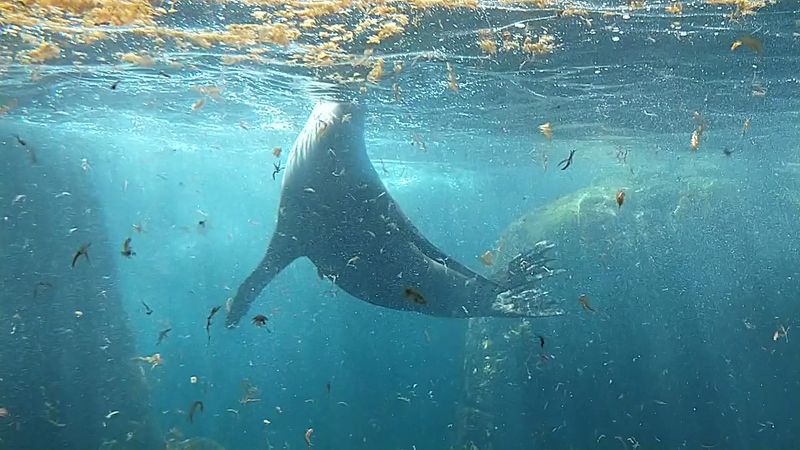
Few things in the animal kingdom match the pure entertainment value of a sea otter during feeding time. At the Oregon Coast Aquarium, the otter presentation is one of the most talked-about events on the daily schedule, and it earns every bit of that reputation.
The staff walk visitors through the natural history of sea otters, explaining how these animals came to live at the facility and what their daily care involves.
Watching an otter crack open its food with focused precision while floating effortlessly on its back is genuinely hard to look away from. The animals seem completely comfortable with their audience, rolling, splashing, and going about their routines with cheerful indifference.
Handlers are clearly knowledgeable and passionate, and their enthusiasm for these animals comes through in every word they share.
Sea otters have a fascinating conservation story, and the aquarium does a solid job of weaving that context into the presentation without making it feel like a lecture. Kids especially light up during this segment, and adults tend to find themselves just as captivated.
If you can time your arrival to catch the otter feeding, make that your first priority when planning your visit to Newport.
Passages of the Deep: The Shark Tunnel Experience
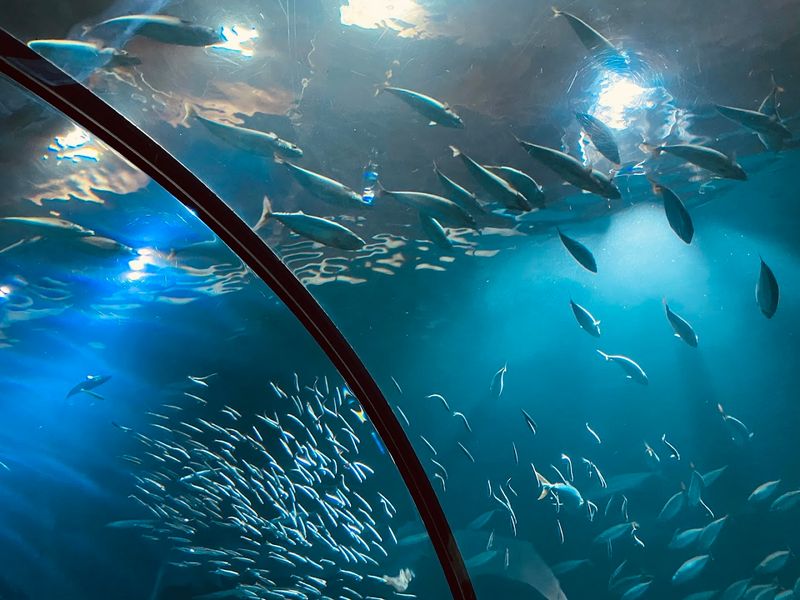
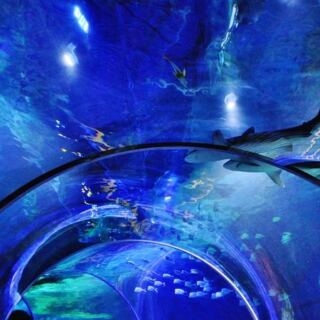
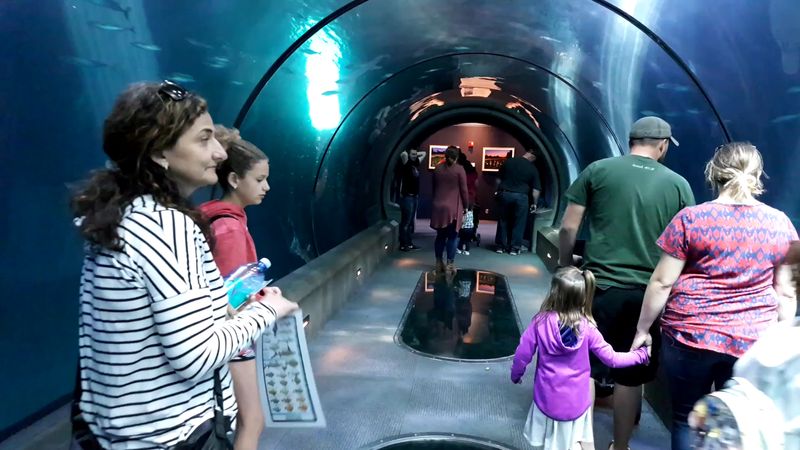
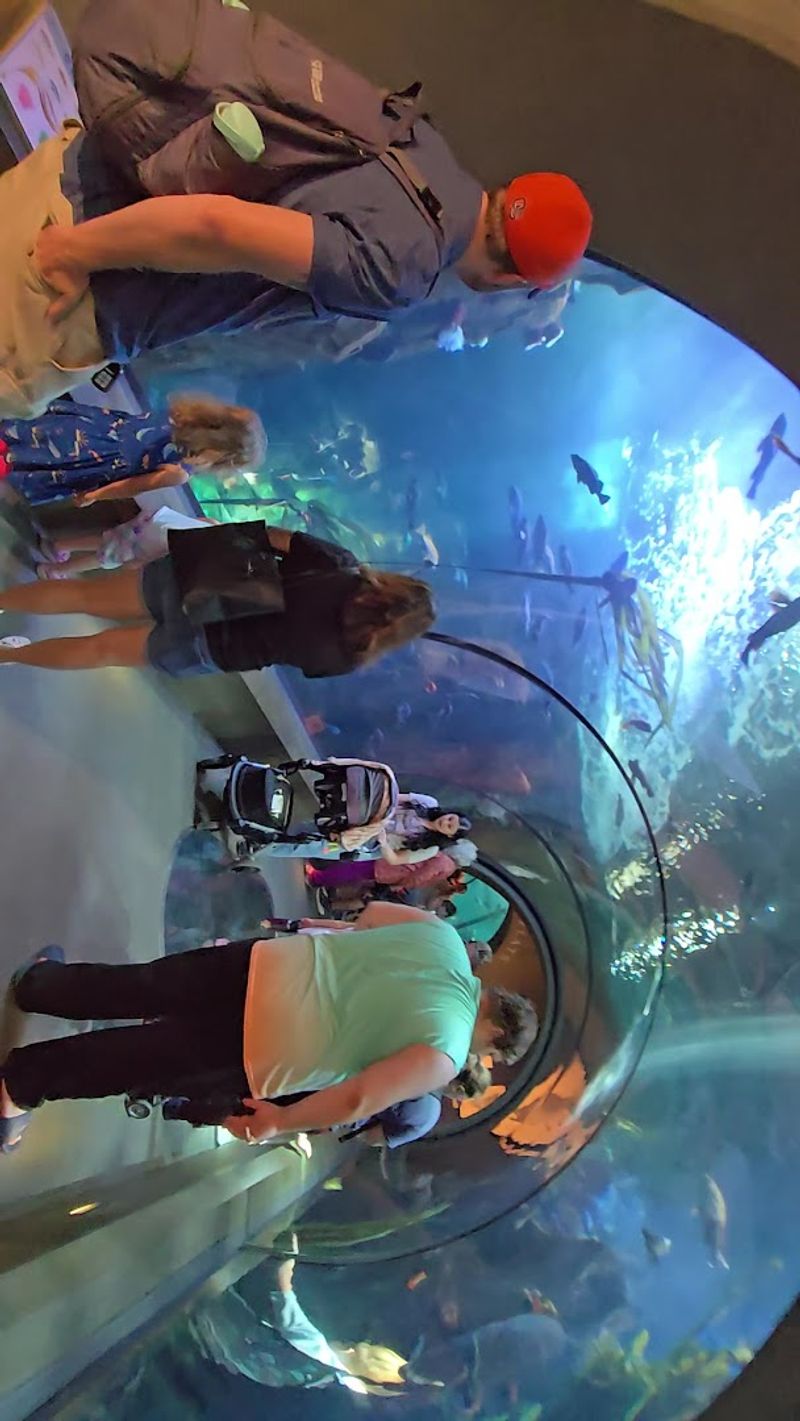
The Passages of the Deep exhibit is the crown jewel of the indoor experience at this Newport aquarium. Three connected underwater tunnels give you a full 360-degree view of ocean life swimming all around and above you, including sharks, rays, and a dazzling variety of fish moving through the water in natural-looking formations.
The effect is genuinely immersive in a way that photos simply cannot capture.
Sharks glide just inches above your head with an unhurried calm that is both thrilling and oddly peaceful. The tank design mimics different ocean zones, taking you from a shallow bay environment through an open sea setting, so the species you see shift as you move through each section.
It is one of the more thoughtfully designed exhibits you will find at a Pacific Northwest aquarium.
Visitors of all ages tend to slow down significantly in this tunnel, and many people walk through it more than once. Children who were nervous about sharks at the start of the day often end up pressing their palms against the curved glass with big smiles by the time they exit.
The shark tunnel alone makes the trip to the central Oregon coast worthwhile for anyone who has even a passing interest in ocean life.
The Touch Tank: Getting Hands-On With Ocean Life
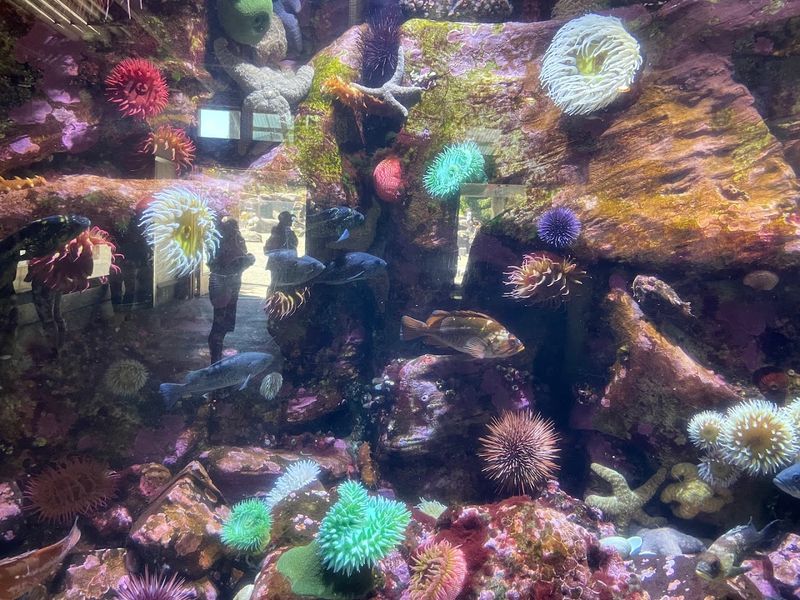
There is something uniquely satisfying about reaching into a tank and feeling a starfish or a sea cucumber for the first time. The touch tank at the Oregon Coast Aquarium gives visitors that exact opportunity, and the reactions from first-timers are priceless every single time.
What looks smooth and rubbery in photos turns out to have a completely different texture in real life, and that surprise is part of the fun.
Knowledgeable volunteers stand at the tank ready to guide your hand and share facts about each creature you encounter. They are patient, enthusiastic, and genuinely good at making the experience feel personal rather than rushed.
Young children especially benefit from having someone explain what they are touching and why it feels the way it does.
The tide pool setup is substantial and well-stocked, giving everyone enough space to explore without crowding. Starfish, anemones, and urchins are among the regulars in the tank, and the staff rotate animals to keep conditions healthy and comfortable for the creatures.
Families with kids under ten consistently rank this as one of their favorite stops in the entire facility, and it is easy to understand why once you see a three-year-old giggling at the feel of a sea cucumber for the very first time.
Jellyfish Gallery: Hypnotic, Glowing, and Totally Mesmerizing
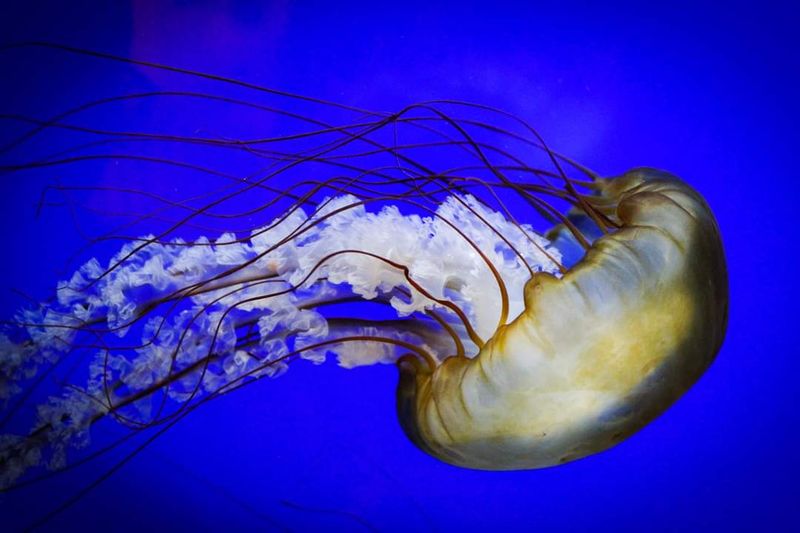
The jellyfish exhibit at this Newport aquarium has a way of stopping people mid-stride. Backlit tanks display multiple species of jellyfish drifting in slow, hypnotic loops, and the combination of color, light, and movement creates an atmosphere that feels almost meditative.
It is the kind of display that makes you forget you were in a hurry to see anything else.
What makes this section particularly impressive is the variety on display. Most people have seen moon jellyfish before, but the aquarium features species that many visitors have never encountered in any other facility, each with its own distinct shape and movement pattern.
The signage is clear and informative without being overwhelming, so you actually learn something while standing there in quiet awe.
Photography enthusiasts tend to spend extra time here because the lighting conditions are genuinely beautiful for capturing images. Even a phone camera can produce stunning shots in this section.
The jellyfish gallery consistently earns praise as a personal favorite from visitors of all ages, and it has a calming quality that offers a nice contrast to the more energetic parts of the aquarium experience. Oregon has no shortage of natural wonders, but this little glowing room earns its place among them.
The Aviary: Where Seabirds Rule the Sky
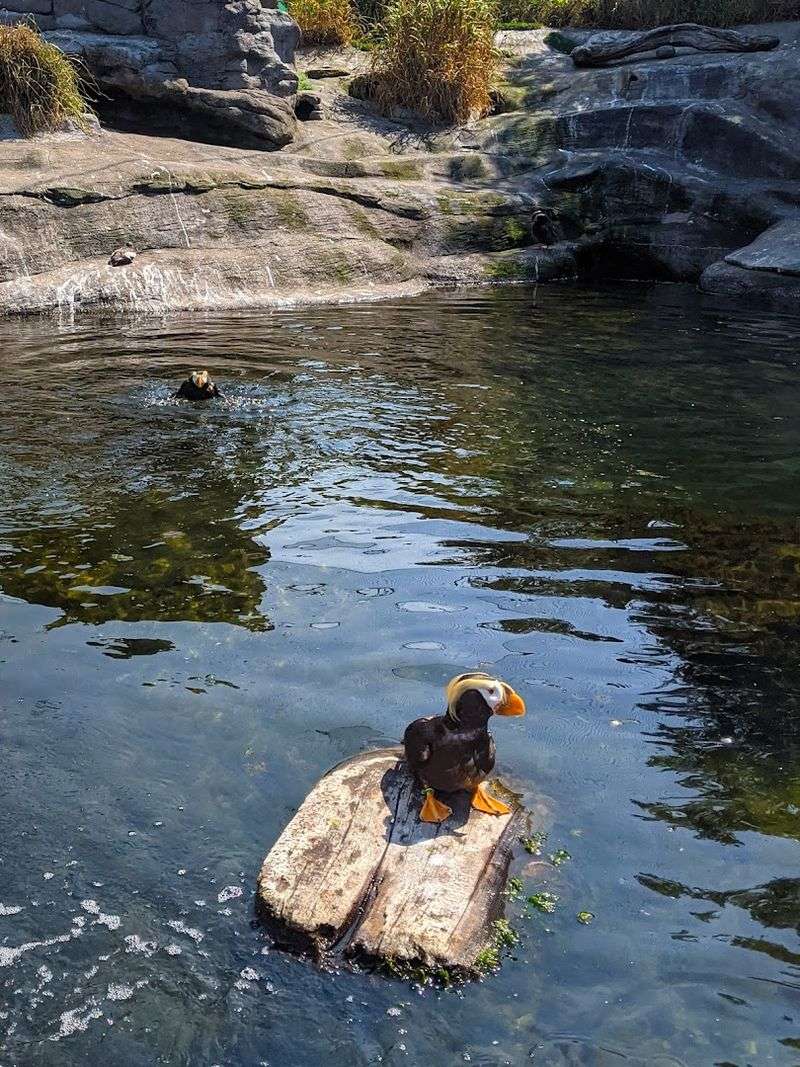
Not every aquarium gives birds their own dedicated space to truly behave like birds, but the Oregon Coast Aquarium takes its aviary seriously. A large enclosed outdoor structure houses a rotating cast of Northwestern seabirds, and the double-entry door system keeps them safely inside while allowing visitors to walk through and observe at close range.
Puffins are the clear fan favorites, and watching them flap their wings and dive into the water is genuinely delightful.
The aviary feels wilder than a typical zoo bird exhibit because the birds are active and moving freely through a space that mimics their natural coastal habitat. Tufted puffins, pigeon guillemots, and other Pacific seabirds share the space, and the rocky, water-filled environment gives each species room to do what it naturally does.
Volunteers in the aviary are happy to point out specific behaviors and identify the birds for anyone who wants to learn more.
Many visitors who came primarily for the marine animals end up spending more time in the aviary than they expected. The combination of open sky, bird calls, and the proximity of these wild-looking creatures creates an experience that feels distinctly Pacific Northwest.
It is a reminder that the Oregon coast is home to an extraordinary range of wildlife both above and below the waterline.
Ocean Trash Art Installations: Beauty With a Serious Message
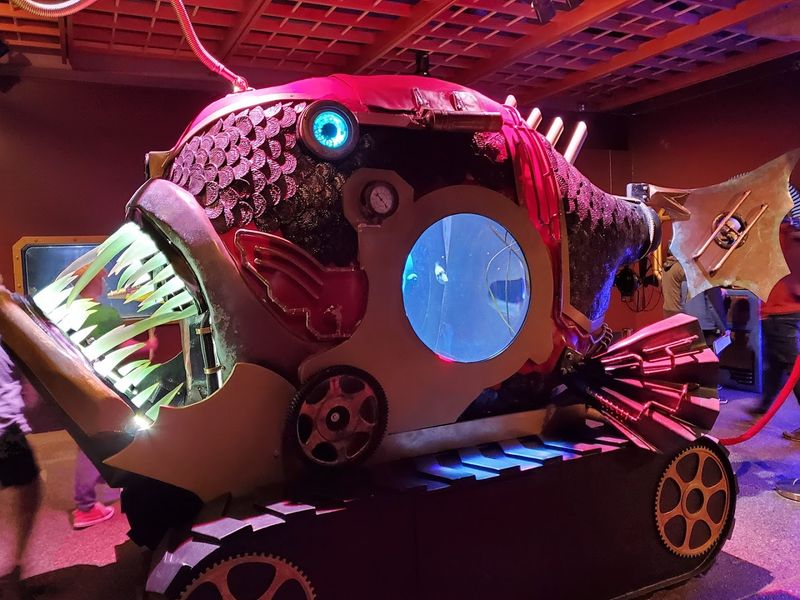
Art made from ocean trash might sound like an unusual addition to an aquarium, but the installations at this Newport facility hit harder than you might expect. Striking sculptures and visual displays crafted entirely from plastic and debris collected from the ocean serve as a powerful reminder of what human waste does to marine environments.
The pieces are visually arresting and thought-provoking in equal measure.
The exhibit does not lecture or guilt-trip visitors, but it does make you stop and think. Seeing a recognizable bottle cap or food wrapper transformed into part of a large-scale artwork puts the scale of ocean pollution into a very human context.
Children often engage with this section in surprisingly deep ways, asking questions and making connections that lead to real conversations about environmental responsibility.
The aquarium deserves credit for using its platform to address conservation issues without turning the visit into a somber experience. The art installations coexist naturally with the living exhibits, and the overall effect is one of awareness rather than despair.
Several visitors have described this section as unexpectedly moving, and that reaction makes sense once you stand in front of one of the larger pieces and take in just how much material went into creating it from what was once floating in the sea.
Pinniped Presentations: Seals and Sea Lions Up Close
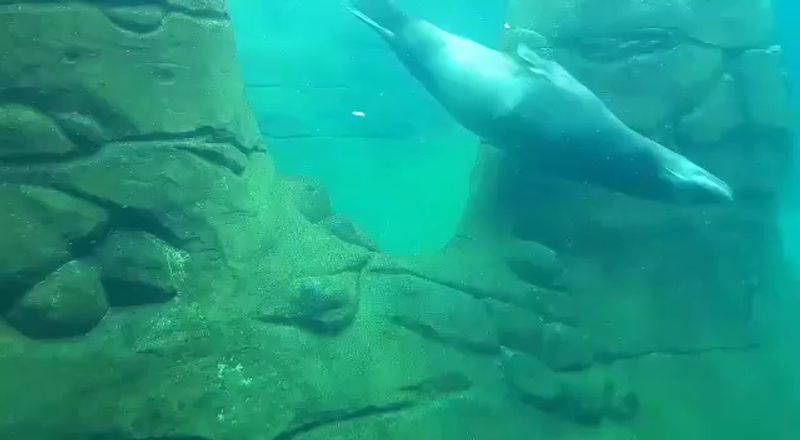
The pinniped area is one of the liveliest corners of the entire aquarium grounds. Harbor seals and sea lions occupy outdoor pools surrounded by naturalistic rock structures, and during feeding presentations, these animals show off a level of personality that is hard not to love.
The energy in this section picks up noticeably when a handler appears with a bucket of fish.
Presentations cover the biology and behavior of both species, highlighting the differences between seals and sea lions in a way that is easy to remember. The animals respond to their handlers with clear enthusiasm, and the whole session feels more like a genuine interaction than a performance.
Staff members are skilled at keeping the educational content engaging for both kids and adults without dumbing anything down.
The outdoor setting adds a nice dimension to this part of the visit, especially on a clear Oregon coast day when you can see the bay in the background behind the pools. Seals have a particular talent for making sustained eye contact that feels oddly personal, and more than a few visitors have walked away from this exhibit feeling like they made a genuine connection with an animal.
Whether that feeling is mutual is between you and the seal.
The Jr. Aquarist Program: Learning While Exploring
The Jr. Aquarist program is one of those thoughtful additions that elevates a good aquarium visit into a genuinely memorable one for young children. Kids work through a series of activities and observations throughout the facility, earning a badge at the end that most of them wear with considerable pride for the rest of the day.
The program gives children a structured reason to look closely at every exhibit rather than rushing past.
Parents appreciate that the activities are age-appropriate and genuinely tied to what the aquarium has on display. The questions prompt kids to observe, compare, and think about what they are seeing rather than just glancing at a tank and moving on.
Volunteers are helpful throughout the process, offering hints and encouragement without giving away the answers.
The badge reward at the end carries real weight for a five or seven-year-old, and several families have noted that their children talked about earning it long after the trip was over. Programs like this reflect a broader commitment to education that runs through the entire Oregon Coast Aquarium experience.
It transforms a visit from passive sightseeing into active discovery, which is exactly the kind of engagement that makes children curious about science and nature as they grow. Oklahoma families traveling the Pacific coast have made this a must-stop for that reason alone.
Practical Tips for Planning Your Visit
The aquarium is open daily from 10 AM to 5 PM, which gives you a solid window for a half-day visit. Arriving right at opening on a weekday is the smartest move if you want to avoid the largest crowds and have the best chance of catching multiple animal presentations throughout the morning.
Weekends during summer bring significantly more visitors, so a Thursday or Friday arrival is worth planning around if your schedule allows.
Admission runs around 30 dollars per adult, which some visitors find on the higher side for a smaller facility. That said, the quality of the exhibits and the number of included presentations make the price feel reasonable once you are actually inside.
Annual memberships are available and make strong financial sense for anyone who lives within driving distance or plans to visit the Oregon coast more than once a year.
The paths through much of the outdoor area are gravel, which can be challenging for wheelchairs and strollers, so it is worth calling ahead if mobility access is a concern. A cafe and coffee bar on-site handle lunch needs nicely, and there is a covered picnic area near the parking lot for families who prefer to bring their own food.
The gift shop, which you exit through, stocks items ranging from about five dollars up to one hundred fifty dollars.
The Aquarium’s History and Its Famous Former Resident
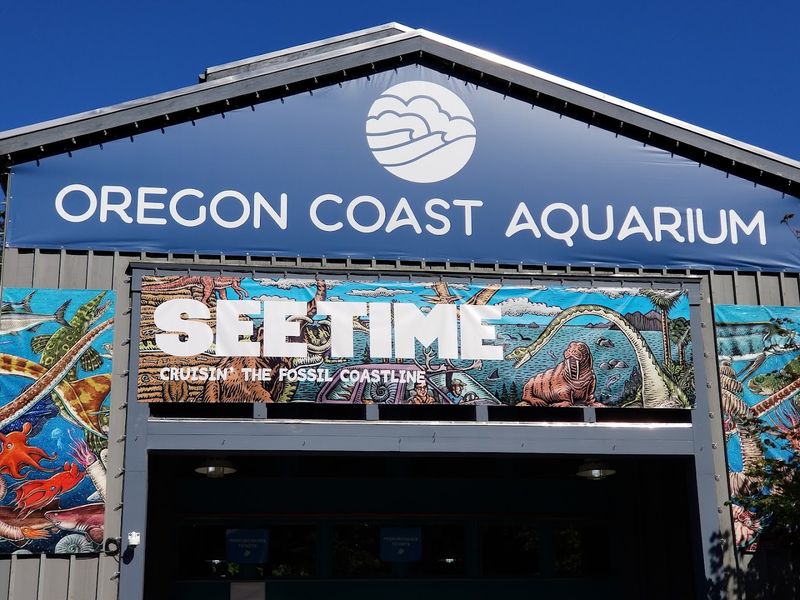
Long before the sea otters and shark tunnels became the main draw, this aquarium made international headlines as the temporary home of Keiko, the orca made famous by the 1993 film Free Willy. Keiko lived here during his rehabilitation in the mid-1990s, and the facility built a massive tank specifically for his care.
That chapter in the aquarium’s history brought global attention to Newport and sparked serious conversations about marine mammal welfare.
Keiko eventually completed his rehabilitation and was released to the wild, but the aquarium retained its reputation as a serious conservation facility long after his departure. The infrastructure and expertise developed during that period shaped the institution into what it is today.
Visitors who remember the Free Willy era often feel a genuine sense of nostalgia when they arrive, and the staff are happy to share that history with anyone who asks.
That legacy continues to influence the aquarium’s approach to animal care and public education. The focus has always been on authentic marine life from the Pacific Northwest rather than exotic spectacle, and that regional identity gives the place a grounded, purposeful character.
Oklahoma visitors and travelers from across the country who grew up watching Free Willy often describe arriving here as a full-circle moment, and that emotional connection adds a layer to the experience that no other aquarium on the Oregon coast can replicate.
Why This Aquarium Keeps Drawing People Back
Repeat visitors are the truest measure of any attraction’s quality, and the Oregon Coast Aquarium has no shortage of them. Families who visited years ago return with their own children.
Couples who stopped in on a road trip plan a second trip specifically around coming back. A five-year-old who visits once will beg to come back before the car has even left the parking lot, which is either adorable or exhausting depending on your perspective.
The combination of live animal presentations, hands-on exhibits, conservation messaging, and a genuinely beautiful coastal setting creates an experience that is hard to replicate elsewhere in the Pacific Northwest. The scale is intimate enough that nothing feels overwhelming, but there is enough variety to keep everyone engaged for two to three hours without any lulls.
Staff and volunteers consistently receive high marks for their warmth and genuine enthusiasm for the animals in their care.
Oklahoma travelers heading up the Pacific coast have increasingly added this Newport stop to their itineraries, and the word-of-mouth praise from those visits keeps spreading. Whether you are a marine biology enthusiast, a parent looking for a meaningful family outing, or simply someone who has always wanted to stand inside a shark tunnel, this aquarium on the Oregon coast delivers something real.
The sea creatures here are not performing for you; they are simply living their lives, and somehow that makes watching them all the more worthwhile.
Share this story