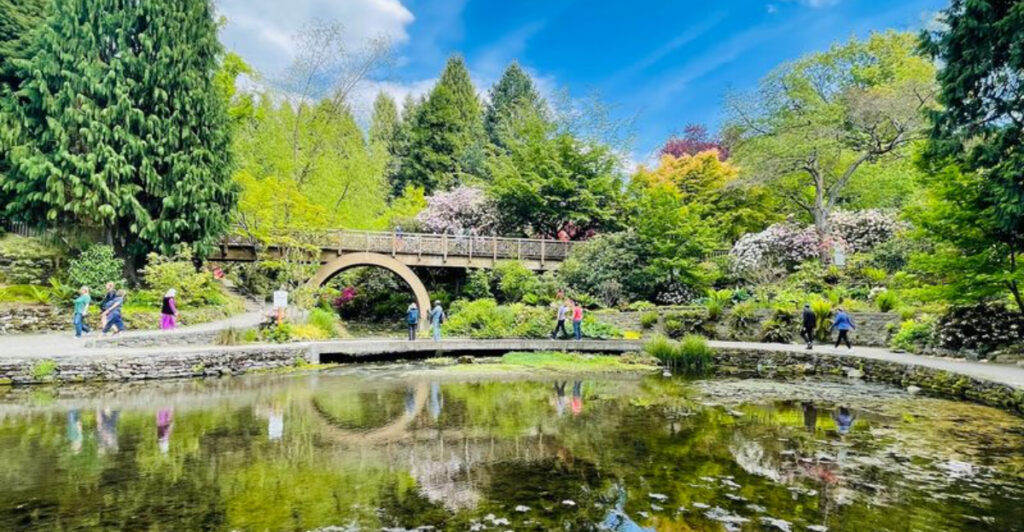
There is a place in Portland, Oregon, where the air smells like petals, ducks glide across calm water, and bald eagles perch overhead like they own the place. Every spring, thousands of rhododendrons burst into bloom in shades of pink, red, purple, and white, turning the entire garden into something that looks almost unreal.
The water features, though, are the quiet stars of the show no matter what month you visit. I went expecting pretty flowers and left completely hooked on the bridges, ponds, and gentle waterfalls that give this spot its soul.
Keep reading, because this garden has a lot more going on than most people expect.
Where You Will Find This Garden and How to Get There
Crystal Springs Rhododendron Garden sits at 5801 SE 28th Ave, Portland, OR 97202, tucked into the southeast corner of the city near the Eastmoreland neighborhood and right next to the Reed College campus and a golf course.
The address is easy enough to find on any map app, but the parking situation is a different story. The on-site lot holds only about ten to fifteen cars, so arriving early on a weekday gives you the best shot at a spot.
On busy spring weekends, street parking fills up fast, and some visitors end up walking half a mile or more from the nearest open spot on a residential block. Carpooling is a smart move, especially in April and May when bloom season pulls in the biggest crowds.
The garden is open daily, with hours running from 10 AM to 4:45 PM most days, though Wednesday hours begin at 1 PM instead. You can reach the garden by phone at 503-267-7509 or check the website at crystalspringsgardenpdx.org for updates before your visit.
The Story Behind the Garden and Its Long History
The garden has been part of Portland’s landscape since 1950, when the American Rhododendron Society began developing the site in partnership with the city’s parks department. What started as a test garden for rhododendron varieties slowly grew into one of the most respected botanical collections in the Pacific Northwest.
The “crystal springs” in the name come from the natural spring-fed creek and lake that run through the property, which were already part of the land long before the first plant was ever placed in the ground. That natural water source is a big reason the site was chosen in the first place, since rhododendrons thrive with consistent moisture.
Over the decades, the collection grew to include more than 2,500 plants spanning hundreds of named varieties, many of which are labeled so visitors can learn exactly what they are looking at. The garden is now managed by the Crystal Springs Rhododendron Garden Foundation, which works hard to keep both the plants and the water features in top shape year-round.
Walking through it today, you can feel the decades of careful, loving work that have gone into every corner.
The Rhododendron Collection and What Makes It So Special
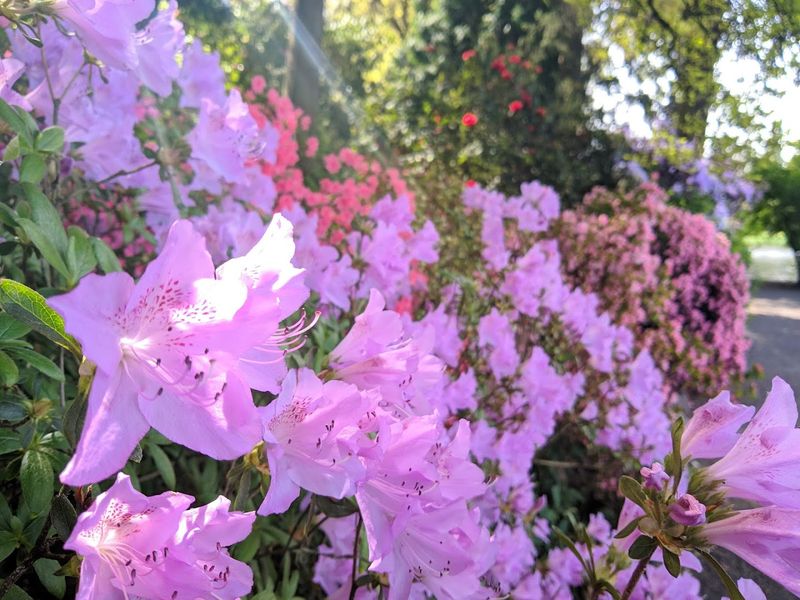
More than 2,500 individual plants fill this garden, and the rhododendron collection alone covers hundreds of named varieties, each one labeled with a small sign so you actually know what you are looking at. Some of these plants have grown so tall over the decades that they look more like small trees than shrubs, which surprises a lot of first-time visitors who expect knee-high bushes.
The color range is genuinely impressive. Deep crimson sits next to soft lavender, and bright coral blooms next to creamy white, all within a few steps of each other along the winding paths.
Early May tends to be the peak of the blooming season, when the widest variety of colors shows up at the same time.
Azaleas, which are close relatives of rhododendrons, also bloom throughout the garden in spring, adding even more layers of color to the mix. Some of the older, larger rhododendron specimens are true showstoppers, with thick, gnarled trunks and canopies wide enough to shade an entire bench.
The plant labels are a thoughtful touch that turns a casual stroll into a small education, even for people who have never thought much about botany before.
Water Features That Earn Their Own Fan Club
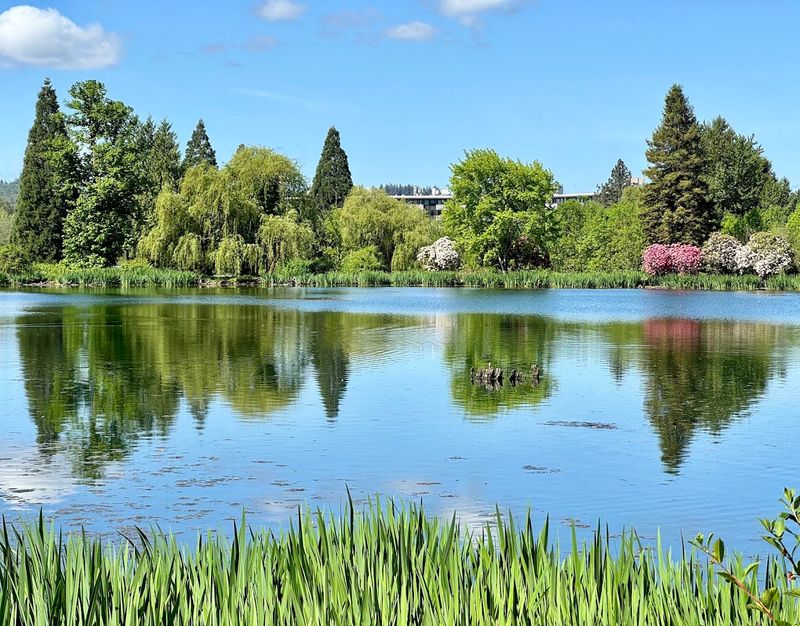
The ponds, creek, waterfalls, and bridges at this garden are not just background scenery. They are the reason many regular visitors keep coming back even in winter, when the rhododendrons are bare and the blooms are months away.
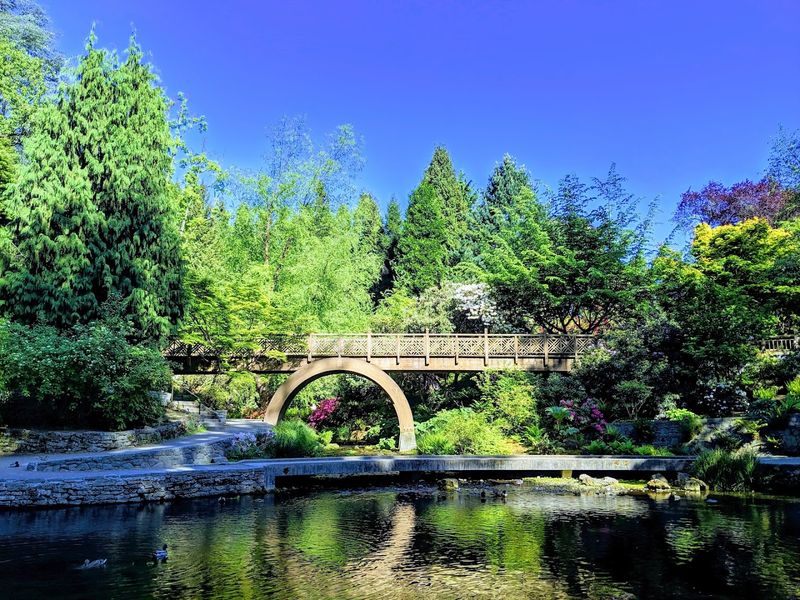
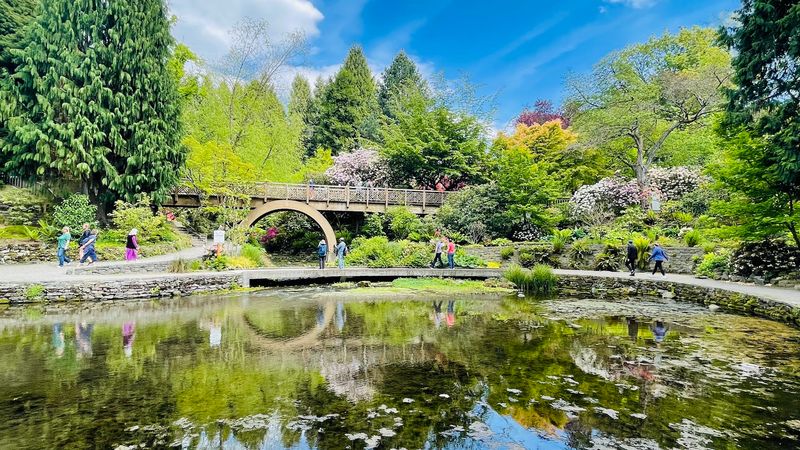
The spring-fed lake at the center of the garden stays full and clear throughout the year, and the sound of water moving over small falls and through narrow channels adds a calming layer of sound to every walk. Several wooden bridges cross over these water channels at different points, and each one offers a slightly different view of the garden around it.
The waterfalls are modest in size but surprisingly satisfying to stand near, especially on a quiet weekday morning when the only other sounds are birds and rustling leaves. The water draws a steady stream of wildlife too, including ducks, geese, herons, and the occasional bald eagle that likes to perch in the tall trees overlooking the lake.
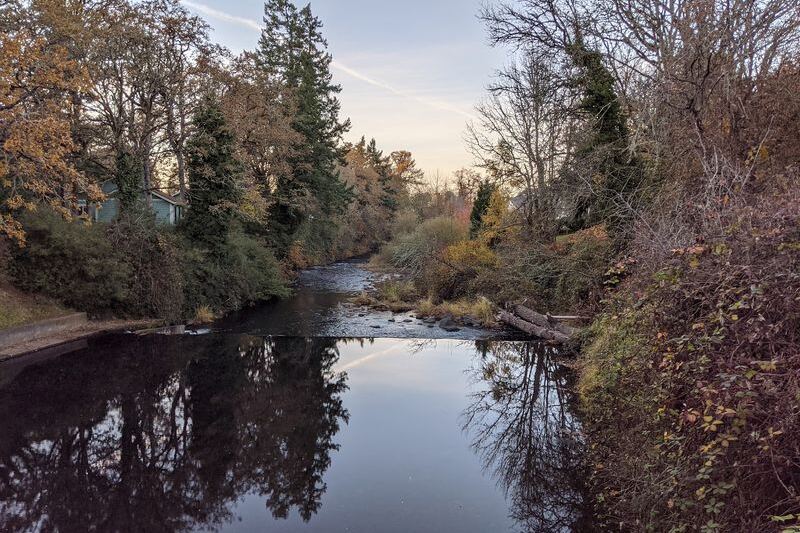
Even on a gray November afternoon, the reflections of bare branches in still water make the place feel worth the trip, which says a lot about how well the water features were designed into the overall layout.
Wildlife That Shares the Garden With You
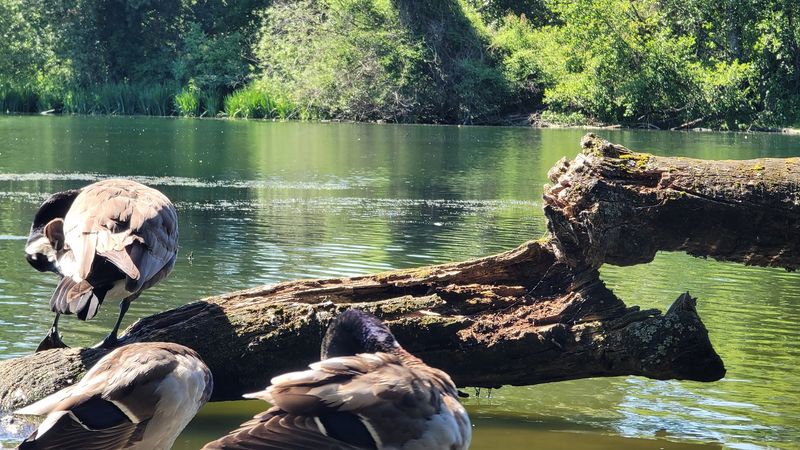
Bald eagles nesting inside a city garden might sound unlikely, but Crystal Springs has a resident eagle pair that has become one of the garden’s most talked-about attractions. Visitors have spotted the eagles perched high in the trees above the lake, and baby eagles have even been seen in the nest, which makes the garden feel more like a wildlife refuge than a city park.
Nutria, which look something like a cross between a beaver and a large rat, also live around the water and are often spotted sitting on logs near the lake. They are not native to Oregon but have settled into the ecosystem here, and most visitors find them oddly charming once they get over the surprise of seeing one.
Ducks and geese are everywhere, especially in spring when ducklings paddle behind their mothers across the ponds. Great blue herons stand motionless at the water’s edge with the patience of professionals, and a variety of smaller songbirds fill the trees with sound throughout the warmer months.
The garden’s wildlife is not just a bonus feature; it is a full part of the experience that makes every visit feel a little unpredictable in the best way possible.
Best Times to Visit and What to Expect Each Season
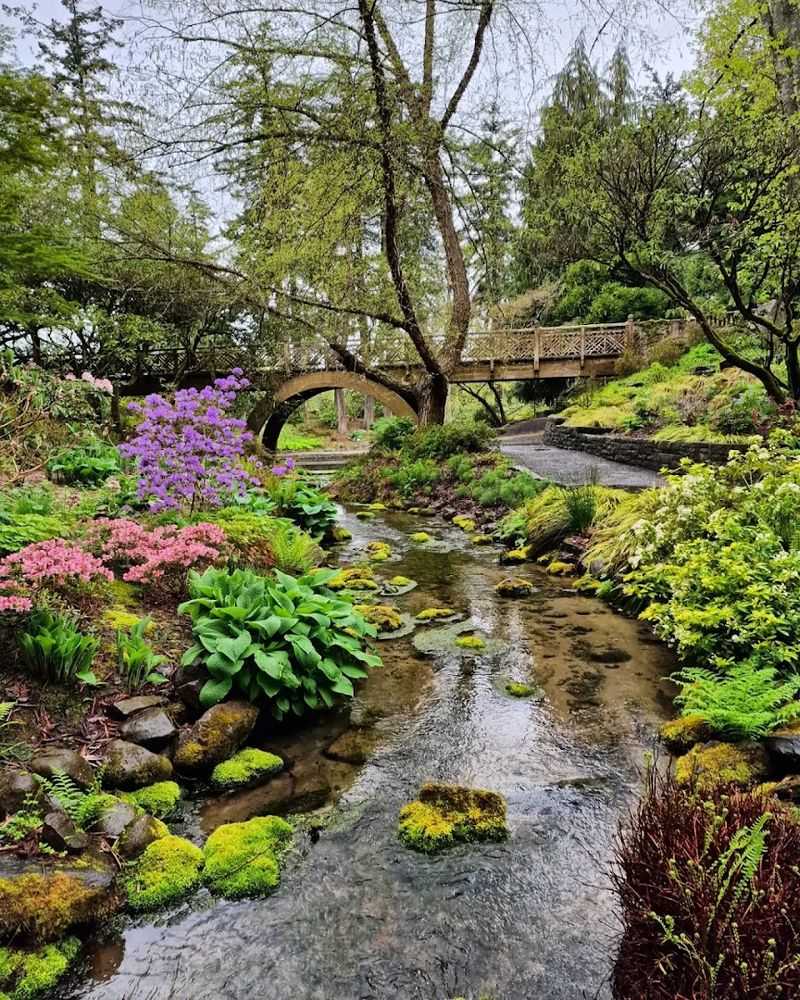
Spring is the obvious peak season here, and mid-April through early May delivers the most spectacular color, with the widest range of rhododendrons blooming at the same time. Early May also brings ducklings, Columbine flowers, and a general sense of the garden operating at full power.
Summer keeps the garden lush and green even after the main bloom fades, and the water features look especially inviting during warm afternoons when the foliage is at its thickest. Fall brings a quieter kind of beauty, with changing leaf colors and fewer crowds, which makes it one of the most peaceful times to walk the trails at a slow pace.
Winter is the most stripped-down version of the garden, but the water features, bridges, and overall layout still make it a worthwhile stop, especially for anyone who lives nearby and wants a calm outdoor reset. A few early-blooming rhododendrons sometimes surprise visitors as early as mid-March.
The garden’s operating hours shift slightly by season, so checking the website before a winter or holiday visit is always a good idea to avoid showing up at a closed gate.
Admission Fees and Accessibility Programs Worth Knowing About
The admission fee runs around nine dollars per adult, with a reduced rate of eight dollars for seniors. For a maintained botanical garden with this much to offer, most visitors agree the price is fair, and some even say it feels like a bargain once they are actually inside walking around.
One of the most community-minded things about this garden is its policy for SNAP cardholders. People who receive food assistance benefits can enter on a pay-as-you-wish basis, which opens the garden up to visitors who might otherwise not be able to afford the entry fee.
That kind of accessibility is genuinely rare among botanical gardens.
An annual pass is also available and makes a lot of sense for anyone who plans to visit more than twice in a year, since the garden rewards repeat visits across different seasons. The staff is consistently described as friendly and welcoming, which adds to the overall experience from the moment you arrive at the entrance booth.
Parking is free but limited, and the small lot fills up fast during peak bloom weekends, so factor that into your planning if you are driving.
The Trails, Bridges, and Layout of the Garden
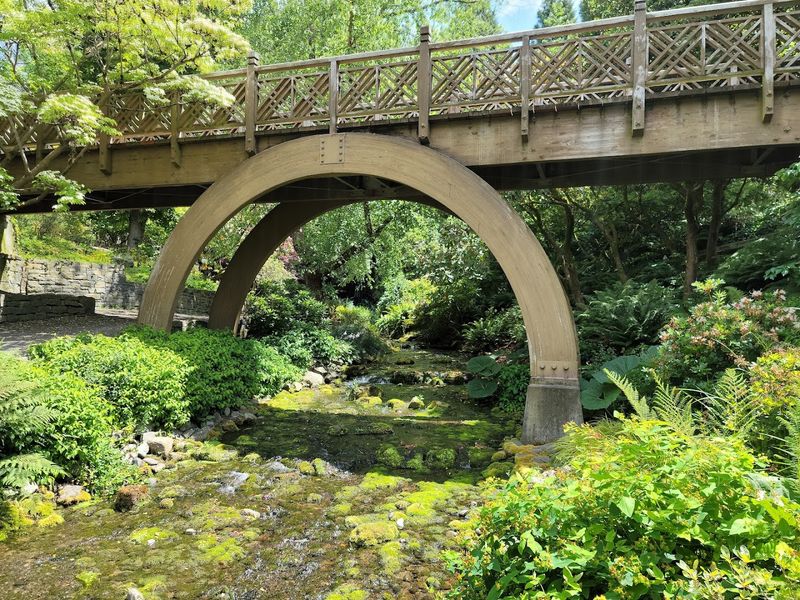
The trail network at Crystal Springs is compact but cleverly designed, with paths that curve and intersect in ways that make the space feel larger than it actually is. Both paved and gravel surfaces run through the garden, making it accessible for most visitors, though some uneven sections near the water’s edge call for reasonable footwear.
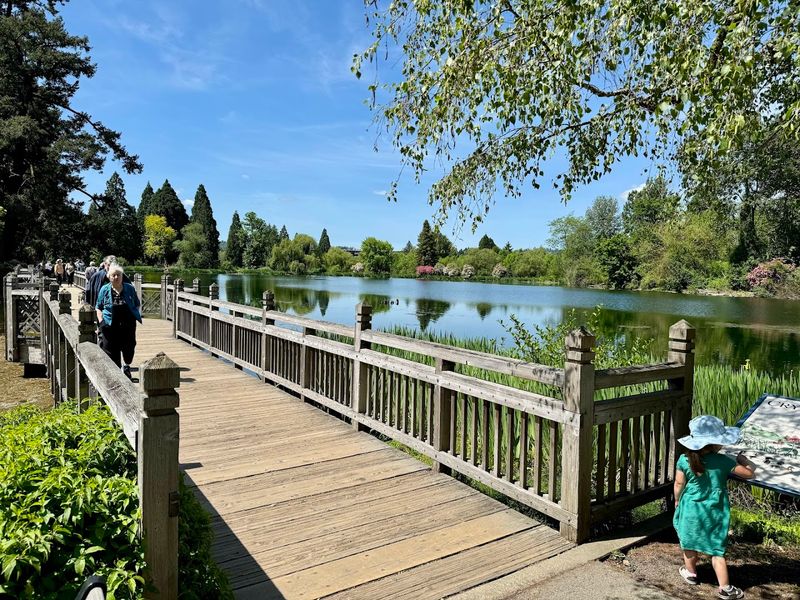
Bridges appear at several points along the route, each one crossing a different section of the creek or connecting separate areas of the garden. They are simple wooden structures, not dramatic or elaborate, but they frame the water and the surrounding plants in a way that makes them natural stopping points for photos and quiet moments.
Benches are scattered generously throughout the garden, placed at turns and viewpoints where the scenery is at its best. A full loop through the garden takes roughly thirty minutes at a relaxed pace, though most people end up lingering longer once they find a favorite bench or a particularly photogenic spot near the water.
The layout rewards slow walking and frequent stops more than brisk exercise, so think of it less as a workout trail and more as a curated outdoor experience designed to make you slow down.
Photography Opportunities Around Every Corner
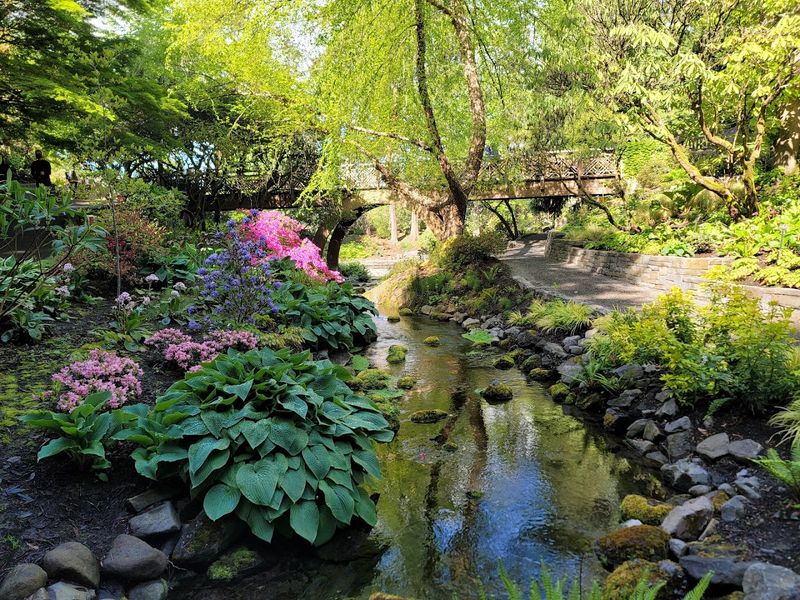
Photographers, both casual and serious, find this garden almost embarrassingly photogenic. The combination of water reflections, layered blooms, wooden bridges, and wildlife creates the kind of natural composition that most people spend hours trying to find elsewhere.
The still surface of the lake acts like a mirror on calm mornings, doubling the visual impact of the trees and flowers that line its banks. Getting there early on a weekday, before the light gets too harsh and before other visitors fill the paths, gives you the best conditions for clean shots without people walking into the frame.
Wildlife photography is its own reward here. A patient wait near the lake’s edge can result in a heron shot, a nutria sighting, or even a glimpse of the resident bald eagles.
Spring brings the most colorful subjects, but the reflections of bare winter branches in still water and the soft greens of early summer are worth shooting in their own right. The garden does not restrict photography for personal use, so feel free to bring a tripod and take your time.
Every bend in the path seems to reveal a new angle that you did not notice on the last pass.
Tips for Making the Most of Your Visit
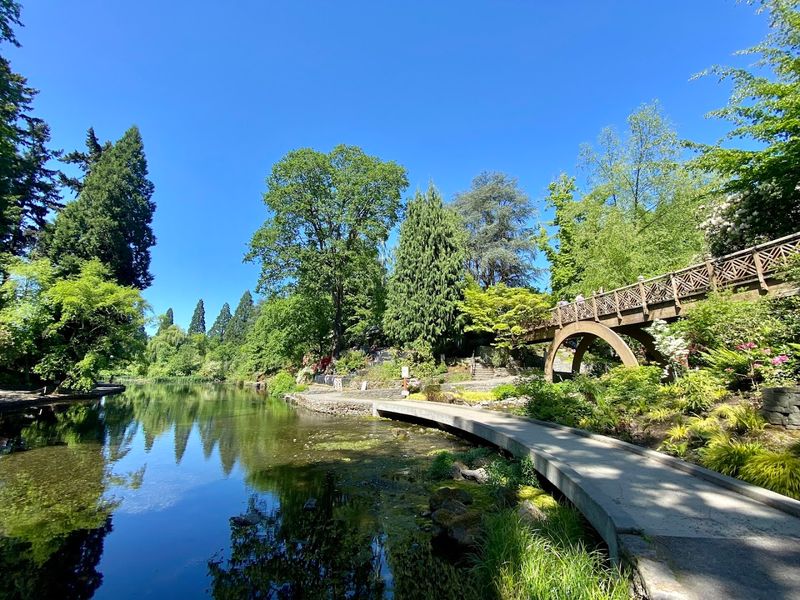
A few practical habits can make a real difference in how much you enjoy this garden. Arriving right when the gates open at 10 AM gets you the quietest version of the experience, with fewer people on the paths and better light for photos near the water.
Bringing a picnic is allowed and makes a lot of sense, since the benches and open grassy areas near the lake are genuinely pleasant spots to sit and eat without feeling rushed. Midweek visits in late April tend to hit a sweet spot between peak bloom and manageable crowd levels, so that window is worth targeting if your schedule allows it.
Wear comfortable shoes with some grip, because the paths near the water can get slippery after rain, and Portland gets plenty of that. The garden’s small parking lot fills up fast, so having a backup plan for street parking or carpooling is smart for weekend visits.
Wednesday hours start at 1 PM instead of 10 AM, so double-check the schedule before showing up mid-morning on that day. A visit that starts with low expectations almost always ends with a plan to come back sooner than expected.
Share this story