There is a forest in northwestern Oregon where the trees grow so tall they seem to be holding up the sky, and where a swaying suspension bridge makes your heart do a little skip. The air smells like pine and rain, the trails wind through centuries-old growth, and the whole place feels like it was designed for people who love the outdoors but also appreciate a good view.
Tillamook State Forest covers more than 364,000 acres in the Coast Range, making it one of the largest publicly owned forests in Oregon. Whether you are a seasoned hiker, a casual nature lover, or someone who just wants to stand on a bridge and feel the wind, this forest has something genuinely worth the drive.
Where the Forest Begins: Location and How to Get There
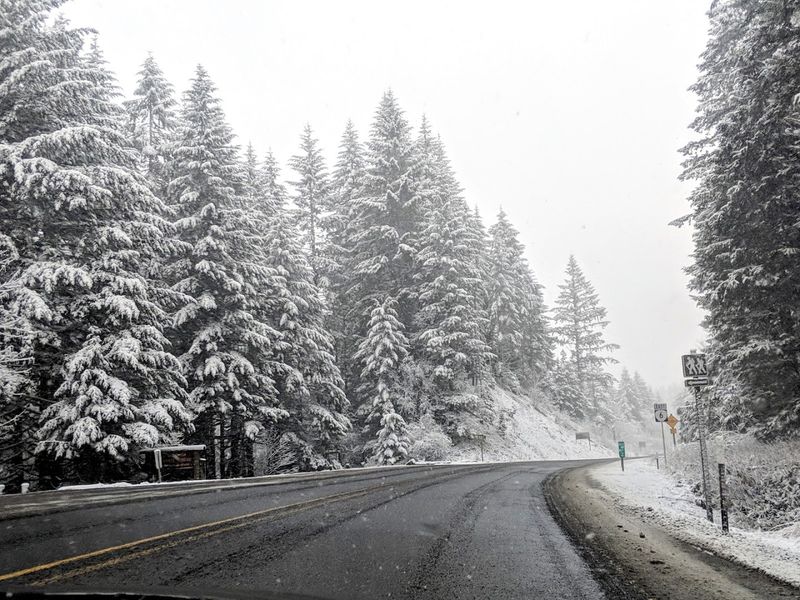
The forest stretches across Tillamook County in northwestern Oregon, and the main access point is along Oregon 6, also known as the Wilson River Highway, near the zip code 97119. The Tillamook State Forest Discovery Center, one of the best starting points for any visit, sits at 4907 NE 3rd Street in Tillamook, Oregon, though most trailheads are accessed from the highway corridor itself.
From Portland, the drive takes roughly 90 minutes heading west on Highway 26 and then south on Highway 6. The road curves through hills and river valleys, giving you a preview of the landscape before you even park the car.
The scenery on the way in is already worth the trip.
One practical tip: download an offline map before you go, because cell service disappears quickly once you are inside the forest. The Oregon Department of Forestry website offers detailed trail maps you can save ahead of time.
Going prepared turns a potentially frustrating navigation experience into a smooth and enjoyable adventure.
The Suspension Bridge That Stops Everyone in Their Tracks
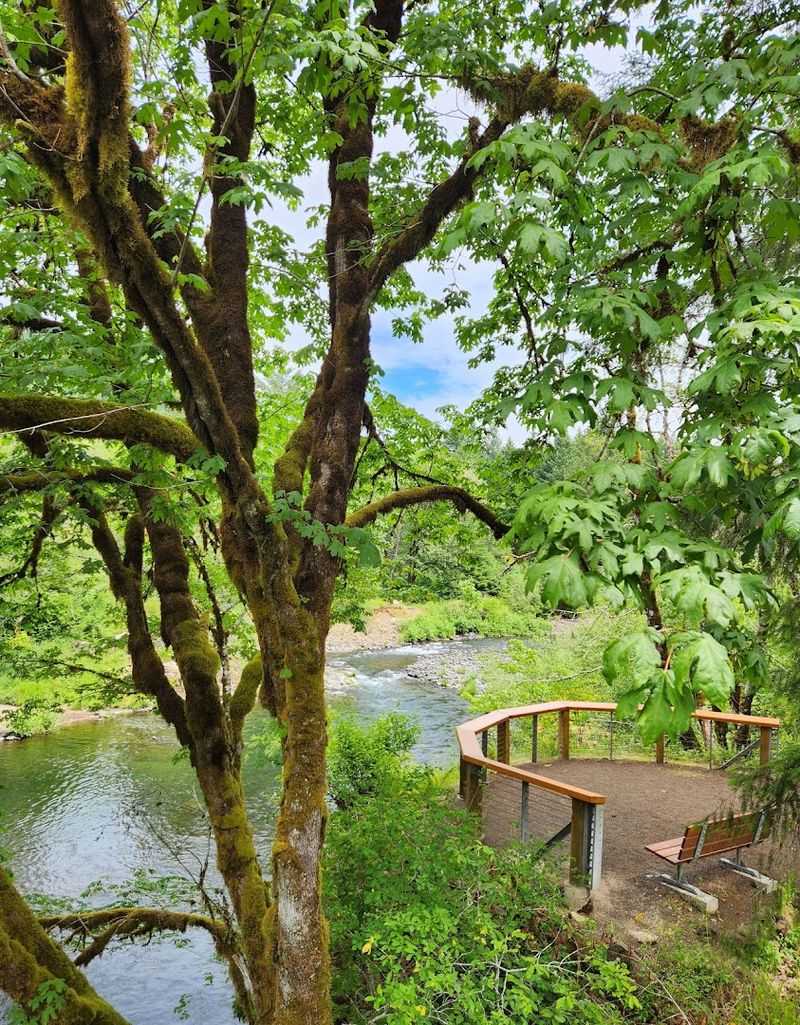
Few things in the forest get more camera time than the suspension bridge near the main trailhead areas along the Wilson River. The bridge sways gently when you walk across it, offering a view straight down into clear, rushing water below.
It is the kind of structure that makes you slow down, grip the railing, and actually look at where you are.
The bridge connects hiking trails on both sides of the Wilson River, making it both a functional crossing and a genuine highlight of the visit. Photographers love it at golden hour, when the light filters through the canopy and hits the water at just the right angle.
Families tend to linger here longer than anywhere else on the trail.
The engineering is straightforward but the experience is anything but ordinary. Standing at the midpoint of the bridge with the river rushing beneath you and old-growth trees rising on both sides creates a moment that is hard to replicate anywhere else in the Pacific Northwest.
It is photogenic, peaceful, and just a little thrilling all at once.
Towering Evergreens and the Forest That Grew Back
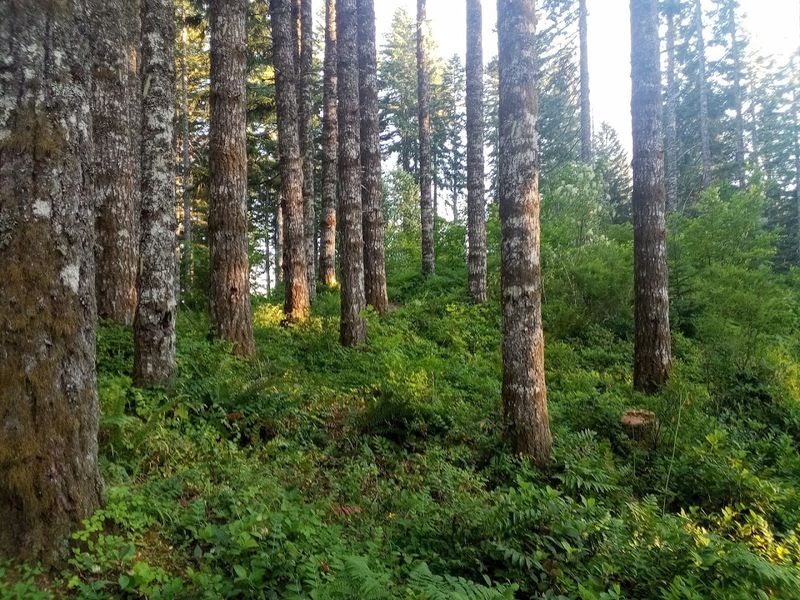
The trees here are the main event. Douglas firs, western red cedars, and Sitka spruces rise to extraordinary heights, their canopies creating a ceiling of green that filters sunlight into soft, shifting beams.
On a clear day, looking up feels like staring into a cathedral built entirely from wood and sky.
What makes these trees even more remarkable is the history behind them. The Tillamook Burn was a series of devastating wildfires that swept through this region between 1933 and 1951, destroying hundreds of thousands of acres of old-growth forest.
What you see today is the result of one of the largest reforestation efforts in American history, with schoolchildren across Oregon planting millions of seedlings throughout the 1950s.
That story gives the forest a different kind of weight. Every towering tree you walk past is evidence of collective effort and natural resilience working together over decades.
The forest did not just survive; it came back stronger and denser than many expected. Walking beneath these trees with that history in mind turns a simple hike into something that feels genuinely meaningful.
Hiking Trails for Every Pace and Skill Level
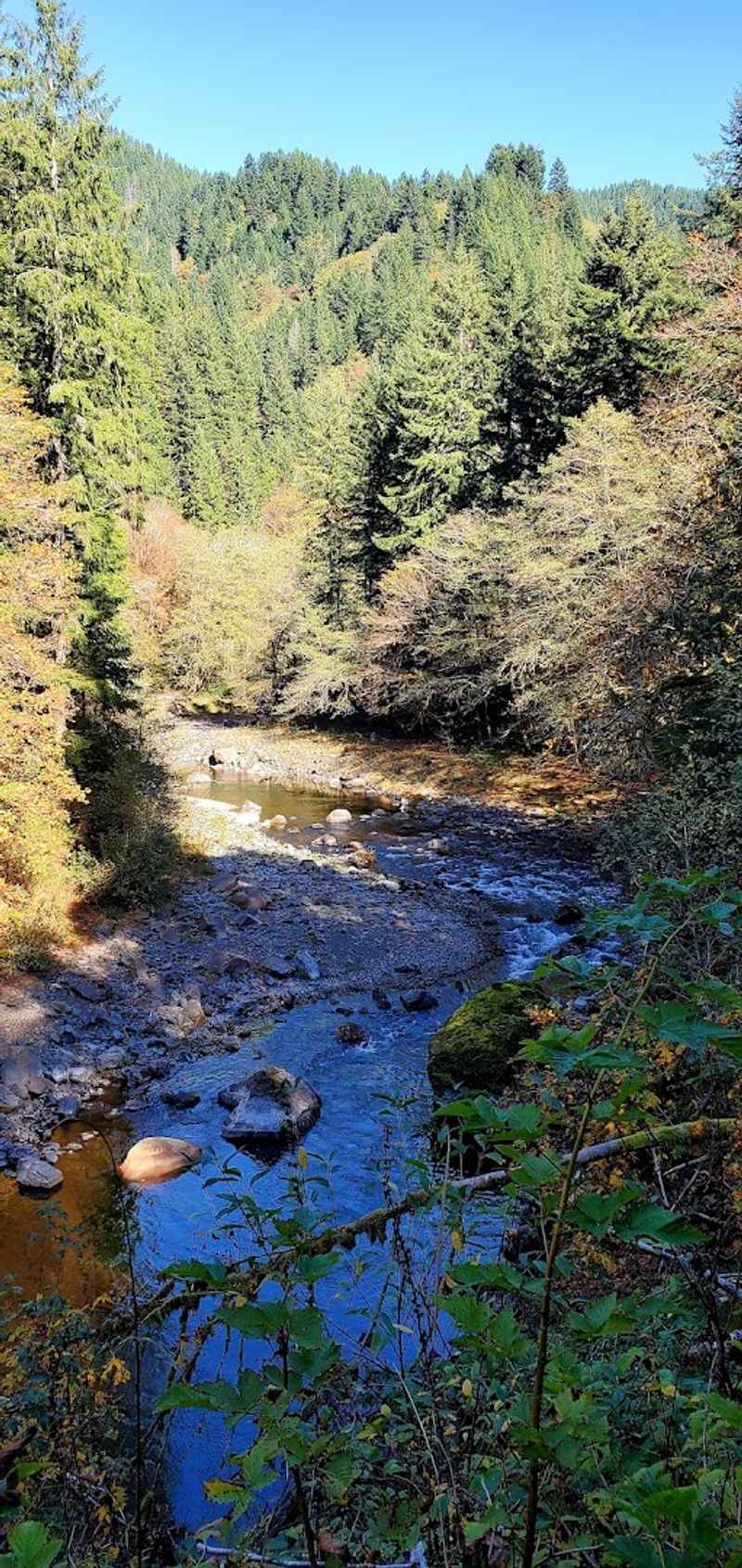
The trail system inside this forest is extensive and varied, offering routes that range from short, easy walks along the river to long, demanding climbs with panoramic ridge views. The Wilson River Trail is the most well-known, running for about 34 miles and passing through some of the most scenic terrain in the entire Coast Range.
Shorter segments of the Wilson River Trail are perfect for day hikers who want a taste of the forest without committing to a full-day effort. The trail hugs the river for much of its length, giving hikers constant access to the sound and sight of moving water.
Longer sections gain elevation and reward you with sweeping views of forested ridgelines stretching toward the coast.
For those who prefer a challenge, the difficult trails in the upper sections of the forest involve steep climbs and uneven terrain that test your legs and your lungs in the best possible way. Trail conditions vary by season, so checking with the Oregon Department of Forestry before your visit is always a smart move.
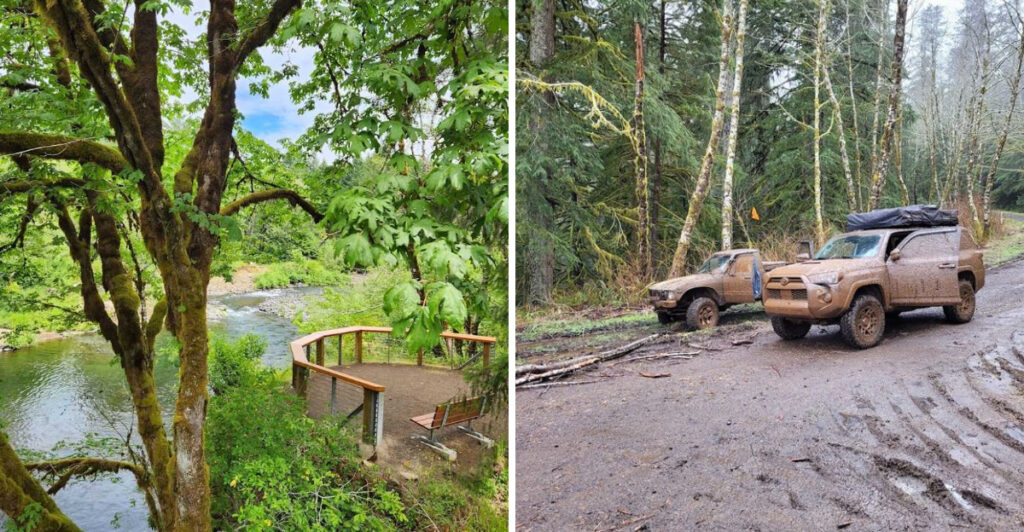
Mud is a real factor here, especially in spring.
Free Dispersed Camping Under the Stars
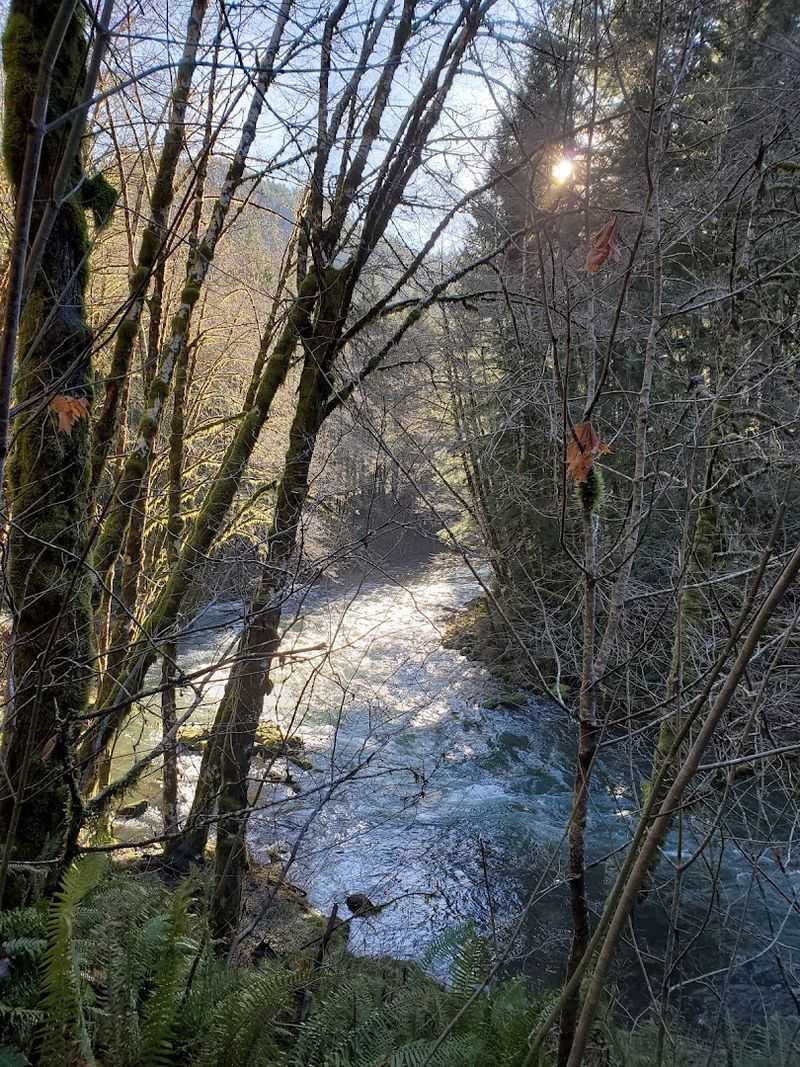
One of the most appealing things about this forest is that dispersed camping is available at no cost in many areas. You can set up a tent along the river or in a quiet clearing without paying a nightly fee, which makes the experience accessible to a wide range of visitors.
The only rule is simple: leave the site cleaner than you found it.
Campsites are spread throughout the forest, and many are close enough to the river that you fall asleep to the sound of water moving over rocks. There are no electric hookups, no camp stores, and no assigned spots, so the experience leans toward the rustic side.
That is part of the appeal for people who want to disconnect completely.
Basic amenities like portable toilets are available at some access points, which makes the experience more comfortable without stripping away the wilderness feel. Bringing your own water filtration system is highly recommended since tap water is not available at dispersed sites.
A weekend here, cooking over a camp stove and waking up to birdsong, resets something in you that city life tends to wear down gradually.
Wildlife, Birds, and the Quiet Art of Paying Attention
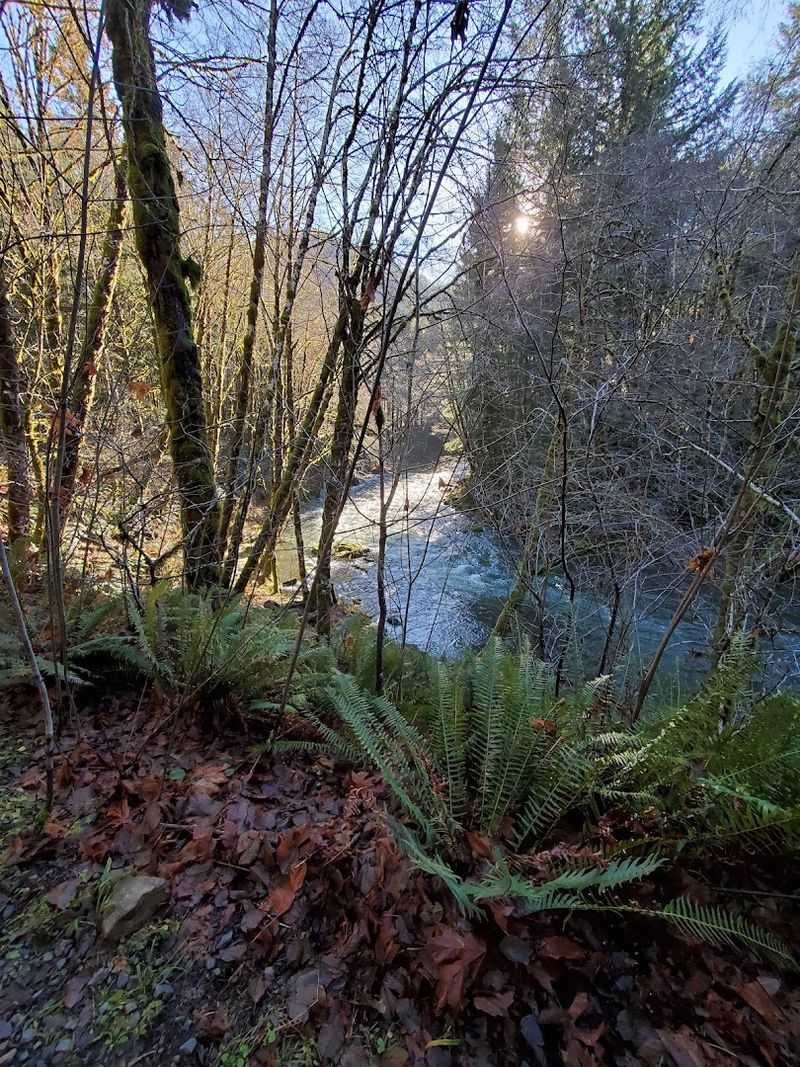
The forest is home to a remarkable variety of wildlife, and slowing down your pace rewards you with encounters that a fast hiker would miss entirely. Roosevelt elk are spotted regularly in the meadow areas and along forest roads, especially in the early morning hours.
Black-tailed deer are practically a daily sighting on many trails.
Birdwatching here is genuinely rewarding. The forest supports populations of great blue herons, bald eagles, osprey, and a wide range of songbirds that fill the canopy with noise from dawn onward.
The Wilson River corridor is particularly good for spotting water-loving species like dippers, which walk along streambeds in a way that seems to defy physics.
Mushroom hunting is another popular activity, especially in the fall when chanterelles, hedgehogs, and other edible species emerge after the rains. The forest floor becomes a quiet treasure hunt for foragers who know what to look for.
Bringing a field guide and a mesh bag turns a regular walk into something more interactive and satisfying than a standard trail experience.
The Wilson River: Swimming Holes and Cold, Clear Water
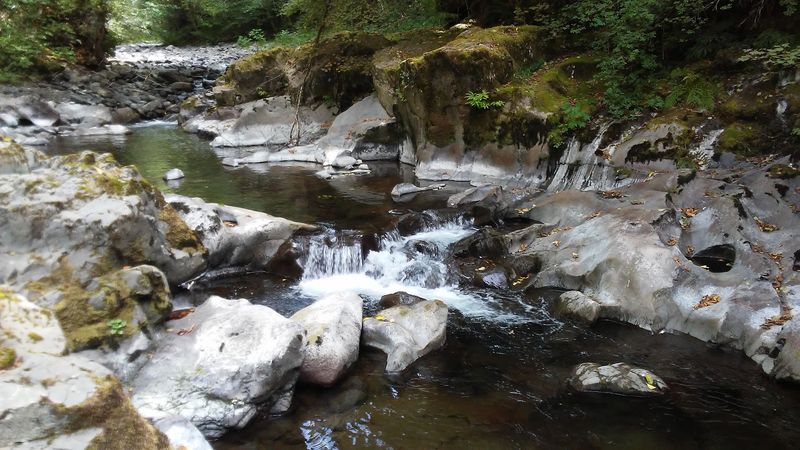
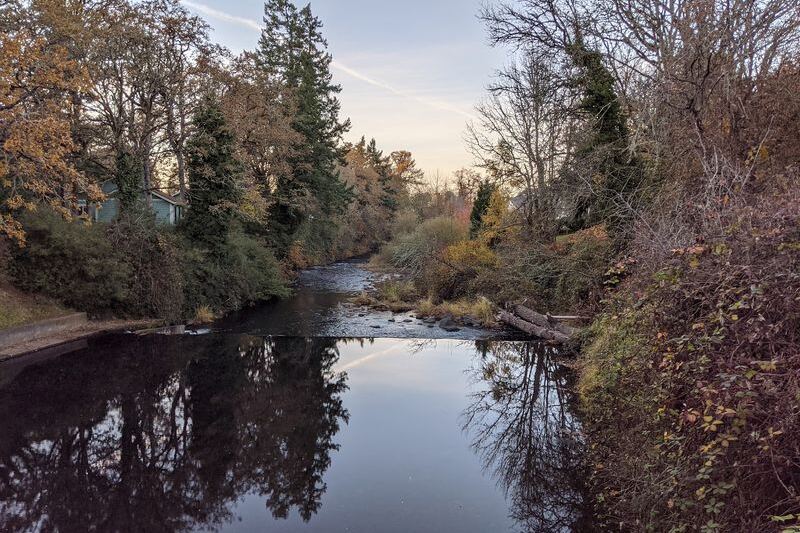
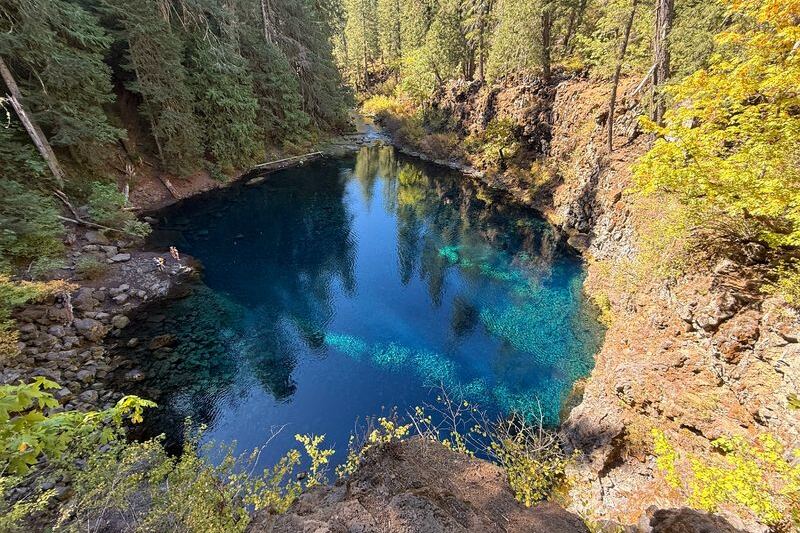
The Wilson River runs through the heart of the forest and serves as one of its most popular attractions. The water is famously clear, taking on a striking blue-green color in certain pools that photographs almost too well to look real.
On a warm summer day, the swimming holes along the river draw families, solo hikers, and everyone in between.
Fair warning: the water is cold. Even in the middle of summer, the river stays bracingly chilly because it originates in the higher elevations of the Coast Range and moves quickly.
Most people wade in, gasp, and then either commit fully or retreat to a sunny rock to dry off. Both responses are completely reasonable.
Fishing is another draw along the Wilson River, with chinook salmon, steelhead, and cutthroat trout all present depending on the season. An Oregon fishing license is required, and regulations vary by time of year, so checking the current rules before casting a line is essential.
The river offers a kind of peaceful rhythm that makes even non-anglers happy to sit on its banks and watch the water go by.
Mountain Biking and Horseback Riding Through the Trees
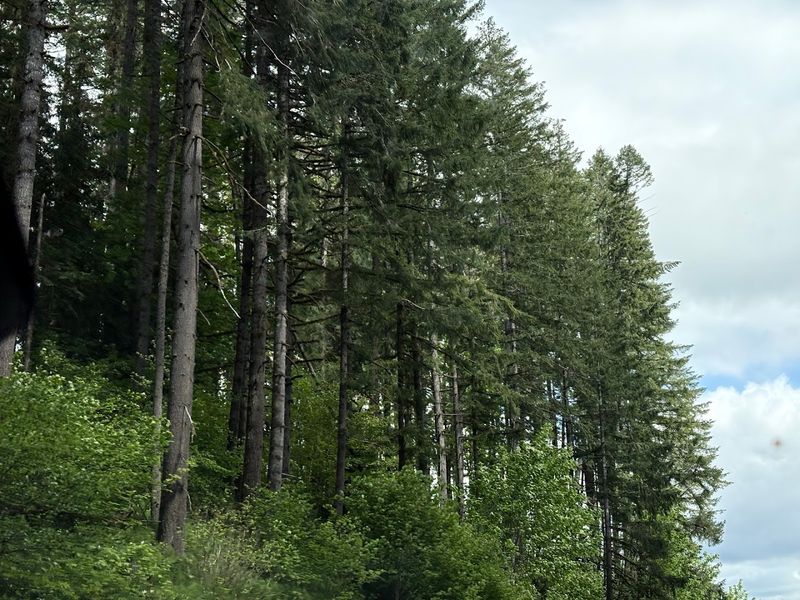
The forest is not just for hikers. A network of roads and trails throughout the area welcomes mountain bikers and equestrians, making it one of the more versatile outdoor recreation destinations in the Oregon Coast Range.
Bikers will find everything from smooth gravel forest roads to technical singletrack that demands real skill and focus.
The Tillamook State Forest trail system includes routes specifically designated for multi-use access, meaning bikes and horses share certain corridors with hikers. Trail etiquette matters here: bikers yield to horses, and everyone yields to horses on narrow paths.
Following these simple norms keeps the experience positive for every user group.
Horseback riding through old-growth corridors is a genuinely different way to experience the forest. The elevation and pace of a horse changes your perspective, literally and figuratively, giving you sightlines and a sense of the landscape that foot travel does not always provide.
Several trailheads have horse trailer parking areas, which shows that the forest has been thoughtfully designed for riders as well as walkers and cyclists.
The Tillamook Forest Center: History, Exhibits, and a Great Starting Point
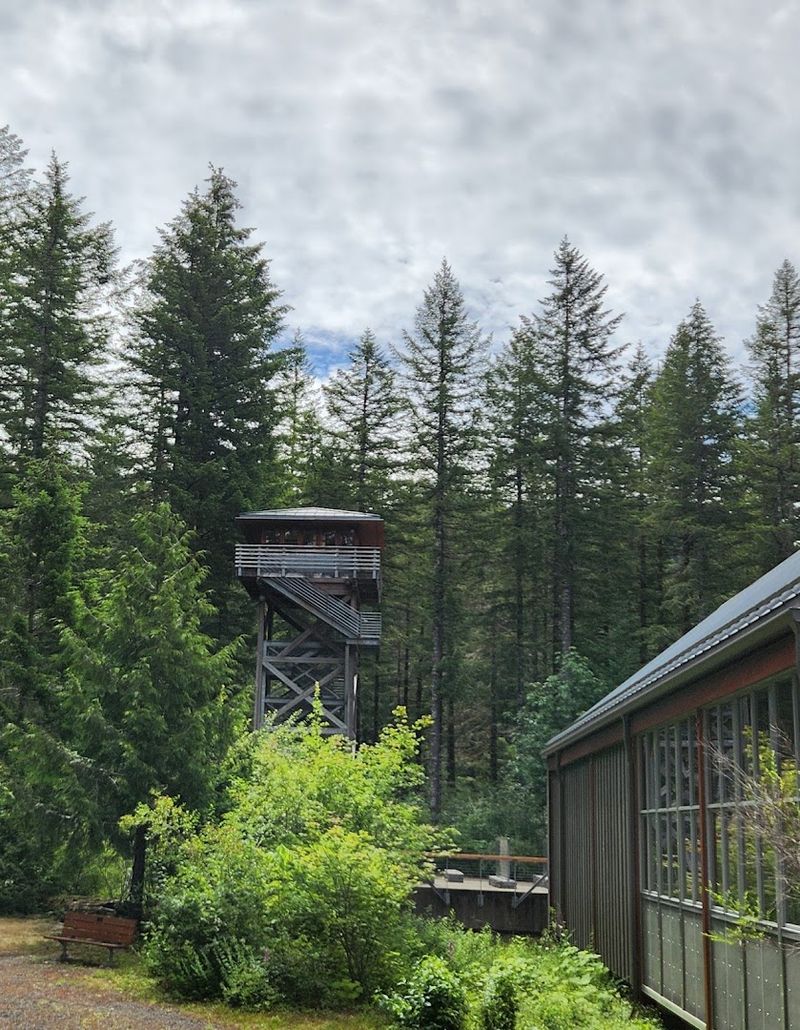
Before heading into the trails, many visitors stop at the Tillamook Forest Center, which serves as both a visitor center and an educational hub for understanding the forest’s past and present. The center tells the story of the Tillamook Burn fires and the massive reforestation campaign that followed, using exhibits, films, and interactive displays that work for adults and kids alike.
The building itself is architecturally interesting, designed to blend with the surrounding landscape while offering large windows that frame views of the forest and river. Rangers and volunteers are on hand to answer questions, recommend trails based on your fitness level, and provide current trail condition updates.
It is the kind of stop that turns a casual visit into a more informed and enriching one.
The center also has restrooms, which hikers returning from long trails appreciate more than almost anything else. Several hours can disappear inside the exhibits without feeling like time wasted, as the story of how this forest was rebuilt through community effort is genuinely compelling.
The suspension bridge near the center is a short walk from the parking area and makes a perfect first stop on any visit.
Best Times to Visit and What to Pack
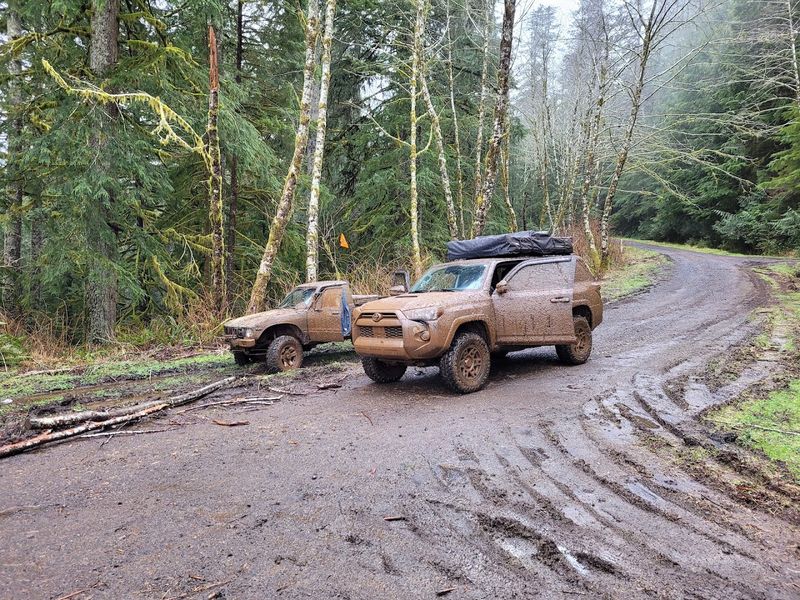
The Pacific Northwest has a reputation for rain, and Tillamook State Forest earns that reputation honestly. The Coast Range receives heavy precipitation from fall through spring, which keeps the forest lush and green but also keeps the trails muddy and the rivers high.
Summer offers the most reliable dry weather, but even then, a light rain jacket is worth carrying.
Fall is a particularly beautiful time to visit. The deciduous trees mixed into the evergreen canopy turn gold and amber, and the mushroom season peaks, making the forest floor an extra-interesting place to explore.
Crowds are lighter than in summer, and the cooler temperatures make longer hikes more comfortable.
Packing the right gear makes a meaningful difference here. Waterproof boots are almost non-negotiable for trail hiking, and layering is smarter than a single heavy jacket because temperatures shift as you gain or lose elevation.
Bringing plenty of water, snacks, a physical map or downloaded offline version, and a fully charged phone covers most of the practical bases. The forest rewards visitors who come prepared and take the conditions seriously, and it does so with scenery that is hard to find anywhere else in Oregon.
Share this story