There is a place tucked inside Washington Park in Portland, Oregon, where the noise of the city simply stops. The paths wind through moss-covered stone lanterns, koi-filled ponds, and centuries-old design principles brought to life on American soil.
This garden has earned a reputation as one of the most authentic Japanese gardens outside of Japan, and once you set foot inside, it is easy to understand why. From the teahouse to the waterfall garden, every corner tells a story worth slowing down for.
Where the Garden Begins: Address, Location, and Getting There
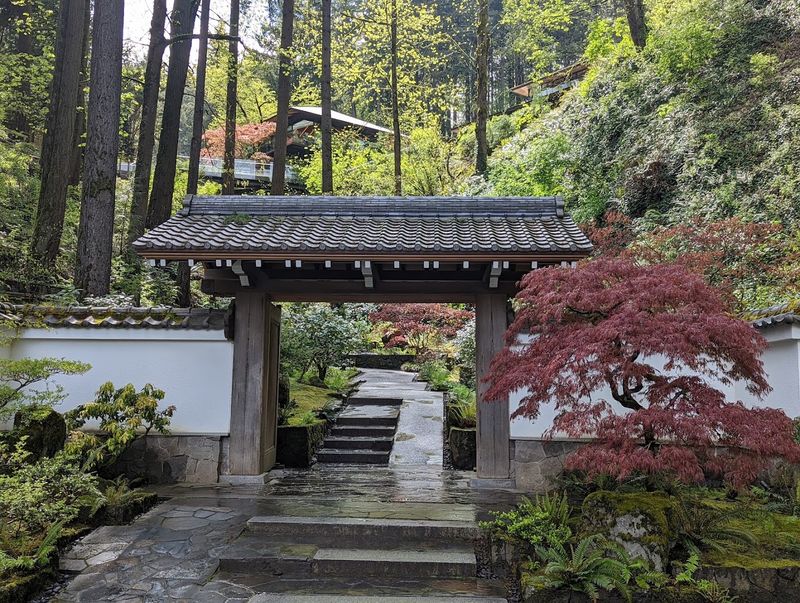
The Portland Japanese Garden sits at 611 SW Kingston Ave, Portland, OR 97205, inside Washington Park on the west side of the city. The address is easy to find on any map, but the experience of arriving feels like crossing into a completely different world from the busy streets below.
The garden is open most days from 10 AM to 5:30 PM, though on Tuesdays it opens at noon. Members enjoy early access starting at 8 AM, which is a smart option if you want the paths mostly to yourself before the general public arrives.
Parking on site can fill up quickly, especially on weekends and during peak bloom seasons. A free shuttle runs from a nearby lot, and many visitors arrive by public bus and walk up the hill, which adds a bit of a workout to the adventure.
Rideshare drop-offs near the International Rose Test Garden just below are also a popular option. For current hours and shuttle details, the official website at japanesegarden.org keeps everything updated.
Planning ahead makes the arrival smooth and stress-free, so you can focus entirely on what waits inside.
A Garden Born From Friendship: The History Behind the Design
The story of this garden starts with a postwar handshake between two cultures. After World War II, Portland and Sapporo, Japan, formed a sister city relationship, and the idea of building a Japanese garden in Washington Park grew from that spirit of reconciliation and mutual respect.
The garden opened in 1967 and was designed by Professor Takuma Tono, a landscape architect from Tokyo who carefully shaped the land into five distinct garden styles. His vision was not just decorative but deeply philosophical, rooted in Japanese principles of harmony between nature and human design.
Over the decades, the garden has expanded and evolved, with a major Cultural Village addition designed by renowned Japanese architect Kengo Kuma opening in 2017. The new structures blend cedar wood, glass, and natural stone in a way that feels both modern and timeless.
The garden is widely regarded by Japanese diplomats and cultural experts as one of the most authentic Japanese gardens outside of Japan, a reputation it has earned through consistent care, scholarship, and cultural partnership that spans more than five decades.
Five Gardens in One: The Distinct Landscape Styles You Will Walk Through
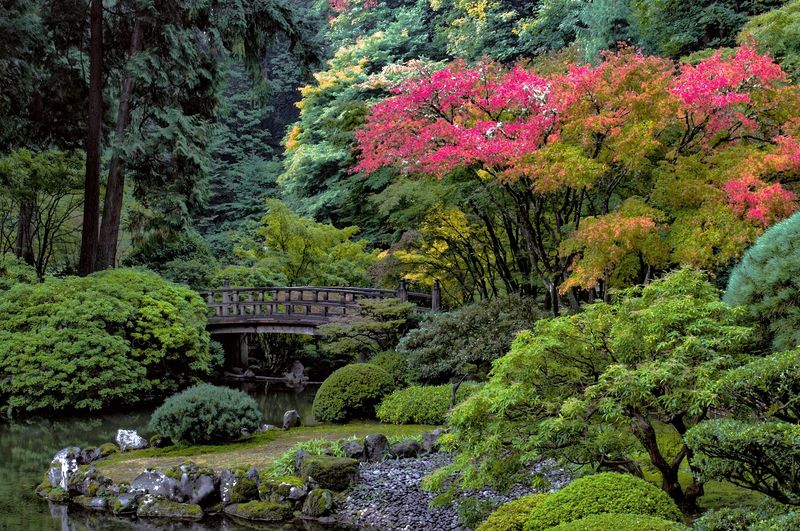
Most visitors are surprised to discover that this is not a single garden but five separate gardens woven together across 5.5 acres. Each one reflects a different tradition in Japanese landscape design, and moving between them feels like flipping through chapters of a beautifully illustrated book.
The Strolling Pond Garden is the largest and most photographed section, featuring a winding path around two koi ponds connected by a graceful wooden bridge. The Natural Garden feels wilder and more forested, with ferns and native plants framing a narrow creek.
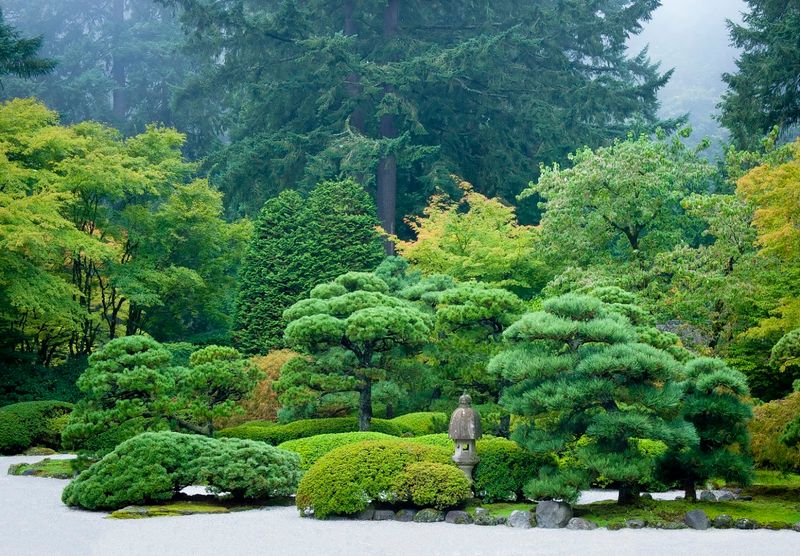
The Sand and Stone Garden, also called the Flat Garden, uses raked gravel and carefully placed rocks to represent water and mountains without using either.
The Tea Garden surrounds the traditional teahouse and invites quiet reflection, while the Moss Garden is a hushed, green carpet of texture that rewards slow walkers. Each garden has its own mood and its own visual rhythm.
The layout is clever because you can complete the full loop in about an hour, but most people find themselves doubling back to linger longer in their favorite spots. The variety keeps every visit feeling fresh, even for those who return regularly throughout the year.
The Koi Ponds: Where Patience and Beauty Meet
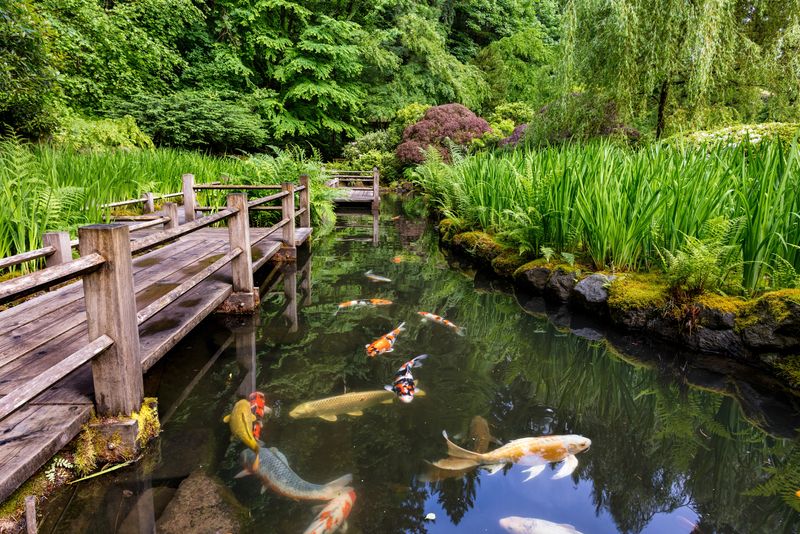
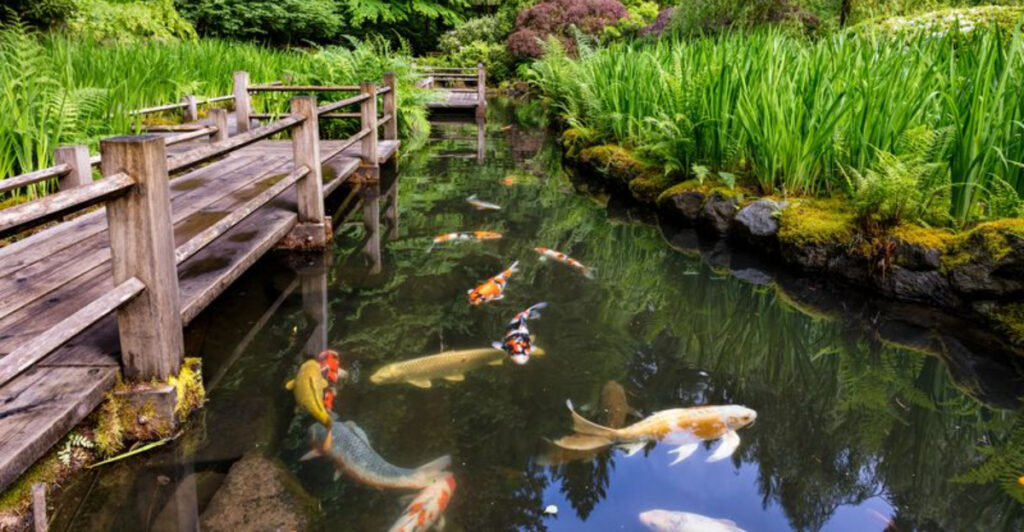
Few things at this garden stop people in their tracks quite like the koi ponds. The fish are large, bold, and unhurried, gliding through the water in slow arcs of orange, white, black, and gold.
Watching them has a genuinely calming effect that is hard to explain until you have experienced it yourself.
The ponds are part of the Strolling Pond Garden and are connected by a classic zigzag bridge that lets you pause directly above the water. The reflection of the surrounding trees and sky on the surface creates a layered visual that photographers absolutely love.
Early mornings tend to offer the clearest light and the calmest water.
The koi become noticeably more active as the weather warms, which makes late spring and early summer visits especially rewarding for pond-watchers. The garden staff clearly takes pride in the health and presentation of the fish, and the ponds are kept in excellent condition year-round.
Children and adults alike tend to spend far more time here than they originally planned. There is something about the combination of color, movement, and quiet that makes the koi pond one of the most memorable parts of the entire visit.
Bonsai, Blooms, and Botanical Wonders Throughout the Seasons
The plant life at this garden operates on its own seasonal calendar, and every time of year brings something worth seeing. Spring is the most popular season, and for good reason.
Cherry blossoms typically peak from late March through early April, painting the paths in soft pink. Irises follow in May and June, and the garden even maintains a live iris tracker on its website so visitors can time their trip perfectly.
Fall transforms the garden into a tapestry of red, orange, and gold. The Japanese maples are particularly dramatic in autumn, their leaves glowing against the dark green backdrop of the conifers.
Even winter visits have their own quiet beauty, with moss and stone taking center stage when the flowering plants rest.
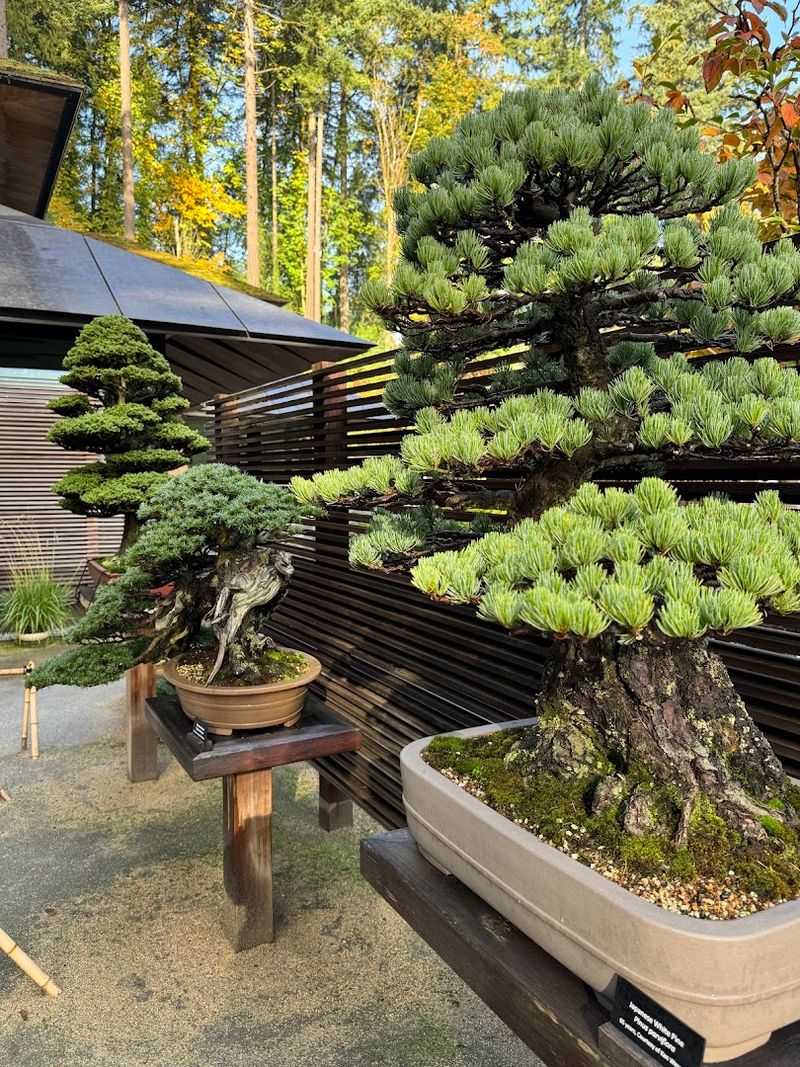
Bonsai trees are displayed throughout the garden, and they deserve a slow, close look. These are not decorative props but living sculptures that represent decades of careful training.
Some of the bonsai on display show the progression of the art form from a two-year-old seedling all the way to a 45-year-old specimen, which puts the patience required for the craft into vivid perspective. The garden collaborates with local bonsai artists and offers workshops and demonstrations for anyone curious to learn more.
The Teahouse and the Art of Slowing Down
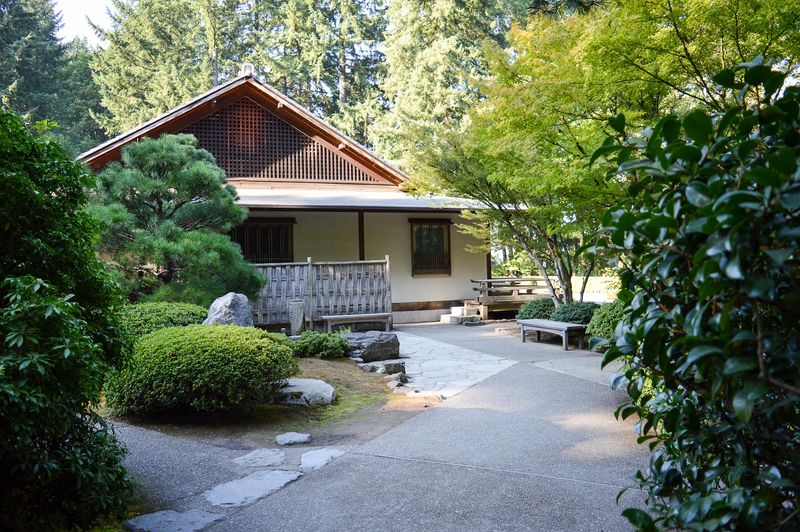
Tucked within the Tea Garden is a traditional teahouse that serves as both a cultural artifact and a quiet invitation to pause. The structure follows classical Japanese architectural principles, with clean lines, natural wood, and a design that keeps the surrounding landscape at the center of attention rather than the building itself.
The Tea Garden surrounding the teahouse is deliberately understated. The plantings are restrained, the stone pathways are narrow, and the overall effect is one of focused simplicity.
This is intentional. Traditional Japanese tea culture values the idea of removing distraction so that small details, a drip of water, the texture of moss, the sound of wind through bamboo, become the main event.
The garden periodically hosts tea ceremonies and cultural programming connected to the teahouse, which gives visitors a chance to engage with the space beyond just admiring it visually. Checking the events calendar on the garden’s website before your visit is a good habit because these programs fill up and are genuinely special.
Even without a formal ceremony, sitting near the teahouse on a quiet afternoon and watching the light shift through the trees is its own kind of meditation that requires no instruction at all.
Views of Mount Hood and the Portland Skyline

One of the most unexpected rewards of walking the garden’s upper paths is the view that opens up toward the east. On clear days, Mount Hood rises in the distance, its snow-capped peak visible above the tree line.
There is a specific spot within the garden where visitors regularly line up to capture a photograph with the mountain as the backdrop, and it earns every bit of that attention.
The Portland city skyline also appears from certain vantage points, which creates an interesting contrast between the carefully curated natural world of the garden and the urban landscape just a few miles away. The fact that both exist so close together is part of what makes this place feel special.
Morning visits on clear days offer the sharpest views of Mount Hood before any afternoon haze develops. June tends to bring reliable sunny skies to Portland, making it a strong choice for those who want both the blooms and the mountain views in the same trip.
The elevation change throughout the garden is real, with some uphill sections that get your heart rate going, but the payoff at the top is a view that feels genuinely earned. Good walking shoes are a practical must.
The Waterfall and Natural Garden: Sound as Part of the Experience
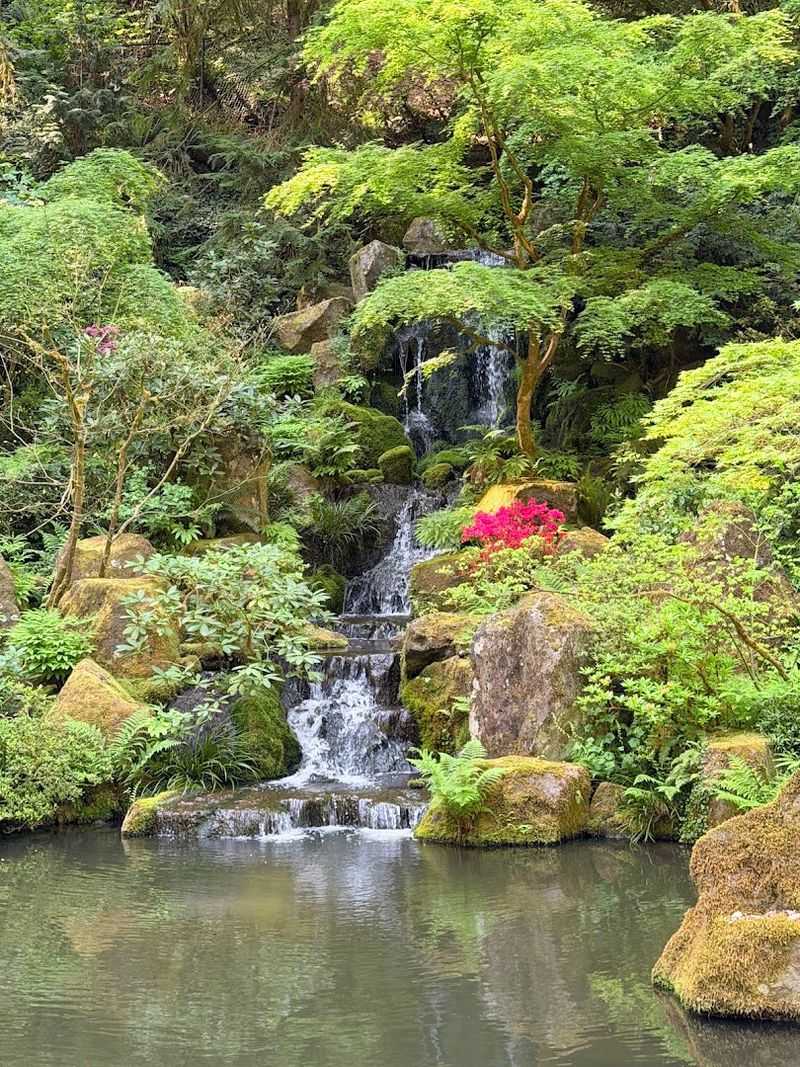
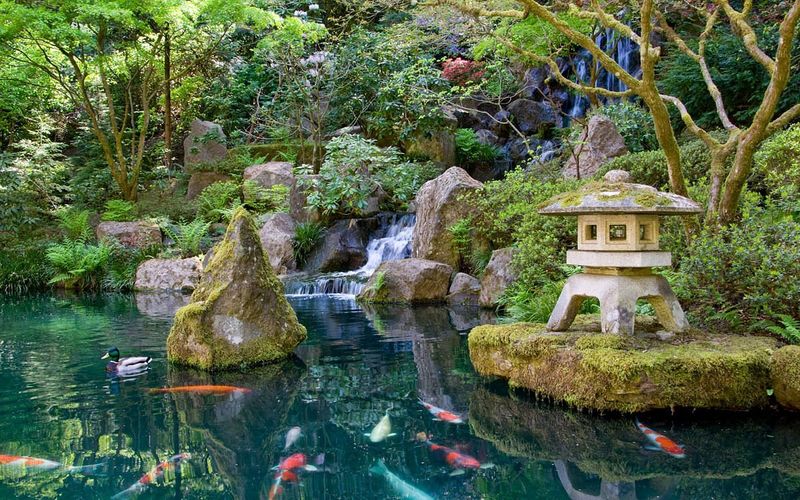
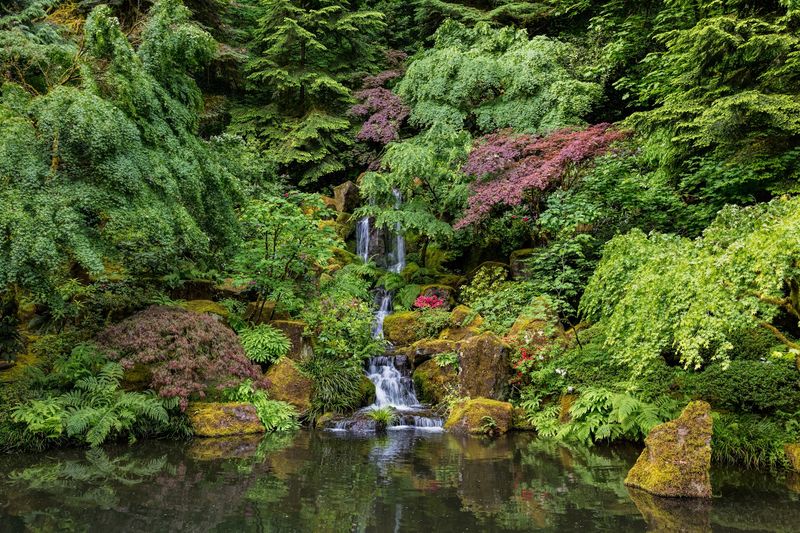
Sound is a design element in Japanese garden philosophy, and the waterfall in the Natural Garden section makes that idea immediately clear. The soft rush of water over stone can be heard before it comes into view, which builds a kind of anticipation as you follow the path around a bend and suddenly find it there.
The waterfall is not dramatically large, but its scale feels exactly right for the surrounding space. The water moves over layered rocks and feeds into a narrow stream that winds through the fern-lined lower section of the garden.
The sound it creates is consistent and gentle, functioning almost like a natural white noise machine that softens everything around it.
The Natural Garden section as a whole feels less manicured than the other areas, with taller trees creating a forest canopy overhead and the path becoming narrower and more intimate. This section rewards visitors who take their time and resist the urge to rush toward the next landmark.
Sitting on one of the benches near the stream and simply listening is one of the most underrated activities the garden offers. The combination of shade, sound, and greenery in this section makes it a favorite for repeat visitors who know exactly where to find their quiet corner.
The Cultural Village: Architecture That Honors Tradition and Modernity
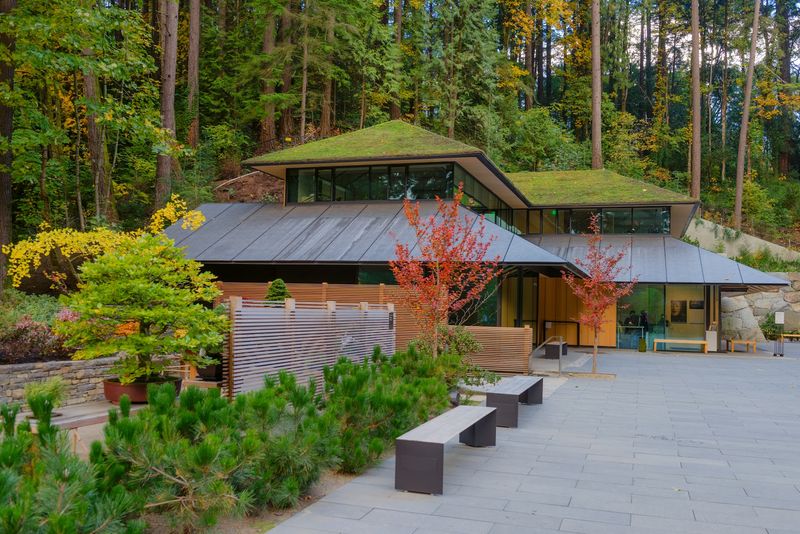
The 2017 expansion brought something truly significant to the garden: a Cultural Village designed by world-renowned Japanese architect Kengo Kuma. His approach was to create structures that feel like they grew from the landscape rather than being placed on top of it, and the result is a series of buildings that use cedar, stone, and glass with extraordinary restraint.
The Cultural Village includes a gift shop, the Umami Cafe, gallery spaces, and educational facilities. The gift shop carries a thoughtful selection of items connected to Japanese craft and garden culture, from handmade ceramics to books on bonsai and landscape design.
Nothing about it feels like a generic tourist trap, which is refreshing.
The gallery spaces rotate exhibitions that highlight Japanese art, craft, and cultural history, adding an intellectual layer to the visit that goes beyond the garden itself. The architecture of the buildings is worth studying on its own terms.
The way natural light filters through the wooden screens, and the way the buildings frame views of the surrounding trees, reflects the same principles of harmony and balance that shape the garden outside. Kengo Kuma’s work here is subtle enough that many visitors walk through without realizing they are standing inside a significant piece of contemporary architecture.
The Umami Cafe: A Practical Pit Stop with a Japanese Touch
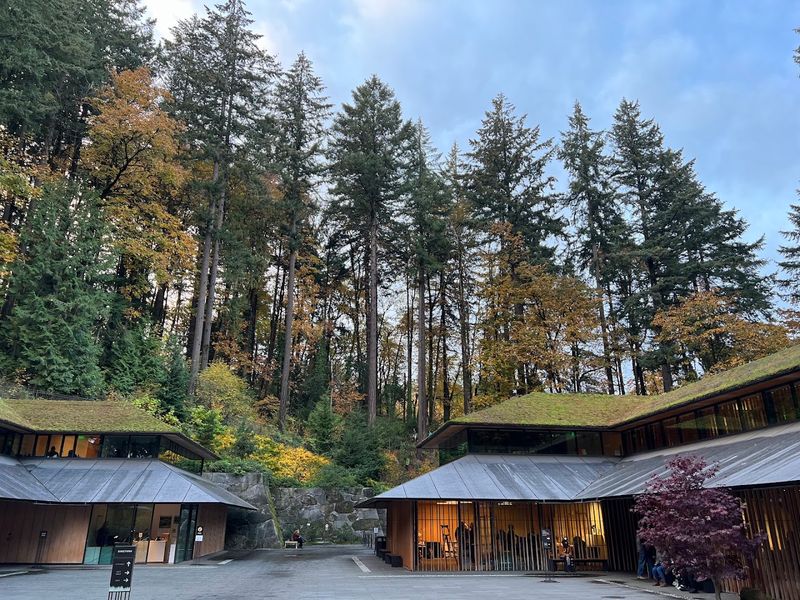
After a full loop through the garden, a stop at the Umami Cafe is a practical and pleasant way to extend the visit. The cafe sits within the Cultural Village and offers drinks, light snacks, and a few Japanese-inspired menu items that fit the overall tone of the space without trying too hard.
One item worth seeking out is the Mugicha, a roasted barley tea served cold. It has a toasty, nutty flavor that is completely different from standard iced tea and pairs well with the quiet mood of the garden.
The cafe tends to close about 30 minutes before the garden itself closes, so timing matters if you want to grab something before heading out.
The seating area looks out toward the garden, which makes it a genuinely nice spot to sit and decompress before returning to the city. Food options are limited and the menu leans simple rather than elaborate, so this is best treated as a refreshment stop rather than a full meal destination.
Checking the garden’s website for current cafe hours before your visit is wise, especially if the cafe is part of your plan. The overall vibe is calm, unhurried, and consistent with everything else the garden does well.
Best Times to Visit and Practical Tips for a Great Trip
Timing a visit to this garden well makes a noticeable difference in the experience. Late March through early April brings cherry blossoms.
May and June deliver iris blooms and reliable sunshine. Fall, particularly October and November, offers fiery foliage that rivals anything the garden produces in spring.
Even winter has its advocates, with fewer crowds and a stripped-back beauty that feels meditative.
Weekday mornings are consistently the calmest time to visit. The garden opens at 10 AM for general admission, but members can enter as early as 8 AM, which is worth considering for anyone planning multiple visits or wanting a truly quiet experience.
Arriving right at opening on a weekday in June offers a good balance of good weather and manageable crowds.
Tickets can be purchased online, and doing so puts you in a separate, faster entry line. Admission is around $22.50 for adults, which reflects the quality and scale of what is offered.
The garden is also free to veterans on Veterans Day, which is a meaningful gesture. Comfortable shoes with good grip handle the elevation changes well.
The garden offers stroller accessibility and a shuttle service for those who need it, and the staff is consistently described as friendly and genuinely knowledgeable.
Why This Garden Keeps Drawing People Back
There is a quality to this garden that is difficult to put into words but easy to feel. It is the kind of place that does not demand anything from you.
No agenda, no performance, no rush. You walk, you look, you slow down, and somewhere between the stone lanterns and the koi pond you realize your shoulders have dropped about two inches from where they started.
The garden holds a 4.6-star rating from over 8,000 reviews, and the consistency of that praise across seasons, weather conditions, and visitor types says something real. People come alone, with partners, with families, and on corporate retreats.
They come in rain and in sun. They keep coming back.
Part of the appeal is that the garden genuinely rewards multiple visits. Something is always changing, whether it is a new bonsai on loan, a gallery exhibition, a seasonal bloom, or simply the angle of afternoon light through the maples.
The staff and volunteers who maintain this space treat it with obvious care, and that care is visible in every raked line of gravel and every moss-covered stone. Portland has a lot to offer visitors, but few places in the city deliver this particular combination of beauty, quiet, and cultural depth in a single afternoon.
Share this story