There is a place tucked away at the back of a sprawling heritage park in Oregon where time seems to have stopped somewhere around 1955. Chrome fenders catch the light, hand-stitched leather seats still hold their shape, and motorcycle engines that once roared down open highways now sit in dignified silence behind glass.
The collection changes regularly, so no two visits feel exactly the same. Whether you are a lifelong car enthusiast or just someone who appreciates beautiful craftsmanship, this spot has a way of pulling you in and keeping you there far longer than you planned.
Where You Will Find This Time Capsule on Wheels
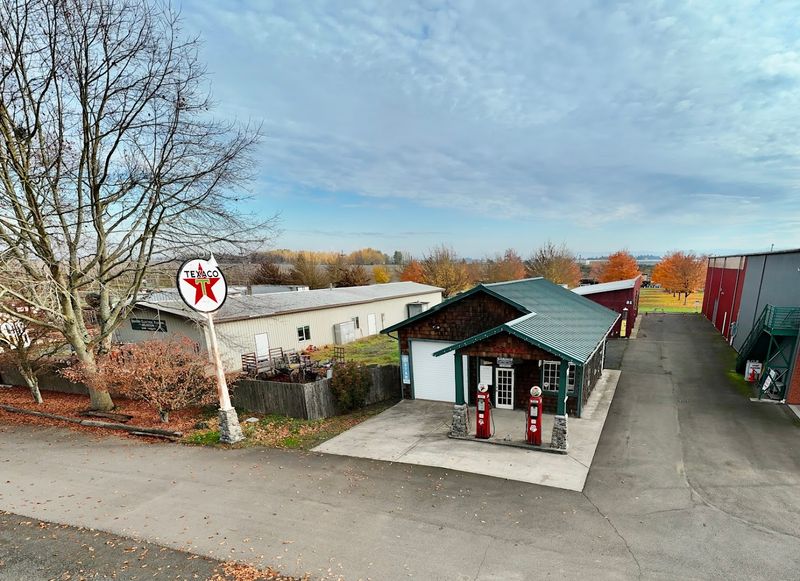
The Northwest Vintage Car and Motorcycle Museum sits at 3995 Brooklake Rd NE, Salem, OR 97303, tucked at the very back of Powerland Heritage Park in Brooks, Oregon. Many visitors who come to the park for other events never even make it this far, which is part of what makes the place feel like such a personal discovery.
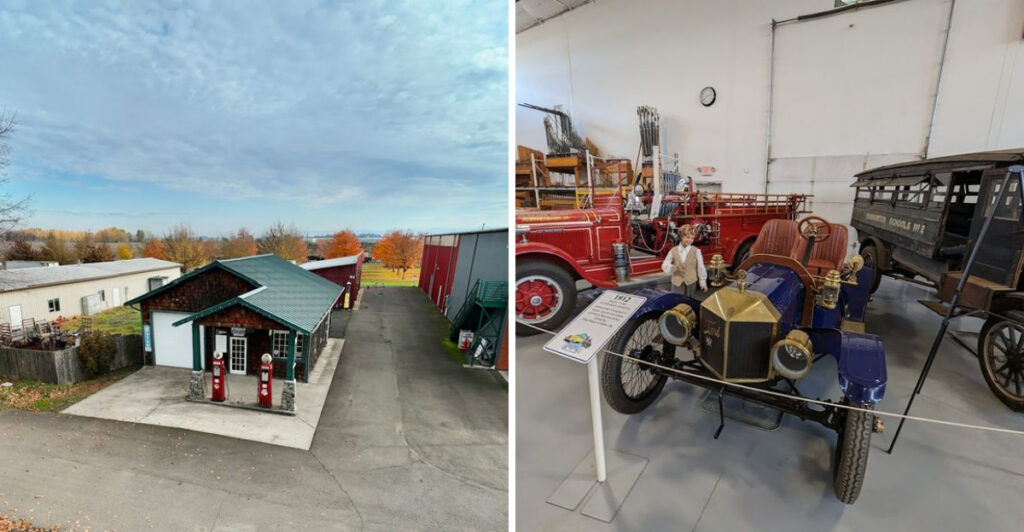
A vintage Texaco service station sign marks the spot, acting as a beacon for anyone willing to walk a little farther than the crowd. Once you spot that sign, you know you are in the right place.
Admission to the museum is free, though donations are warmly accepted and clearly appreciated by the all-volunteer staff. Parking costs around ten dollars in the grass lot, which is standard for the broader park.
The museum is open Thursdays from 9 AM to 2 PM, Saturdays from 10 AM to 4 PM, and Sundays from noon to 4 PM. You can also reach them at 503-432-6631 or visit nwcarandcycle.org for event updates before you make the drive out.
The Story Behind the Collection
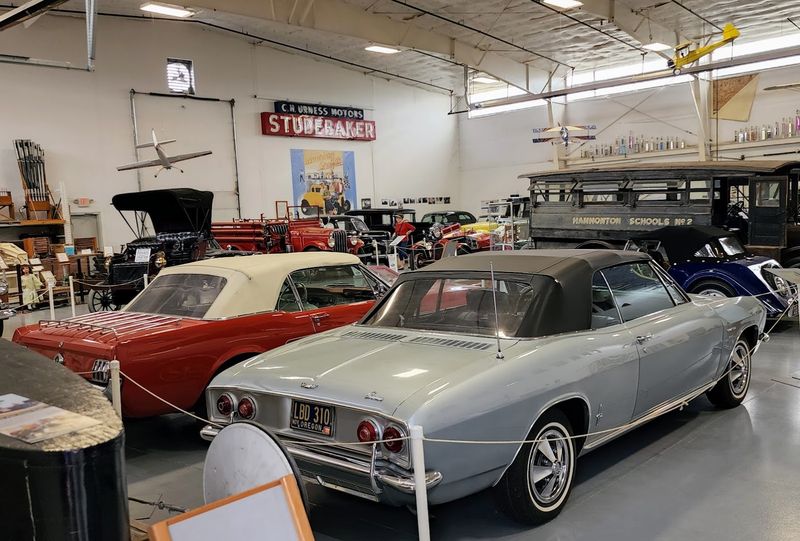
Most museums are built around a single donor or a single era, but this one grew organically from the passion of a community of collectors who wanted to share what they loved. The result is a rotating, ever-evolving display that rewards repeat visitors with fresh surprises every time they return.
The collection does not stay frozen in one moment. Cars and motorcycles are swapped in and out regularly, meaning a rare Alfa Romeo might be on the floor one season and something entirely different the next.
That constant rotation is one of the most talked-about features among regulars who make the trip multiple times a year.
The museum also operates as part of a larger ecosystem at Powerland Heritage Park, which hosts everything from steam-powered equipment demonstrations to veteran-supported car shows throughout the calendar year. The museum itself has become a cornerstone of that community, earning a reputation not just for its vehicles but for the knowledgeable and enthusiastic volunteers who bring each exhibit to life with real stories and firsthand knowledge.
Classic Cars That Stop You Mid-Step
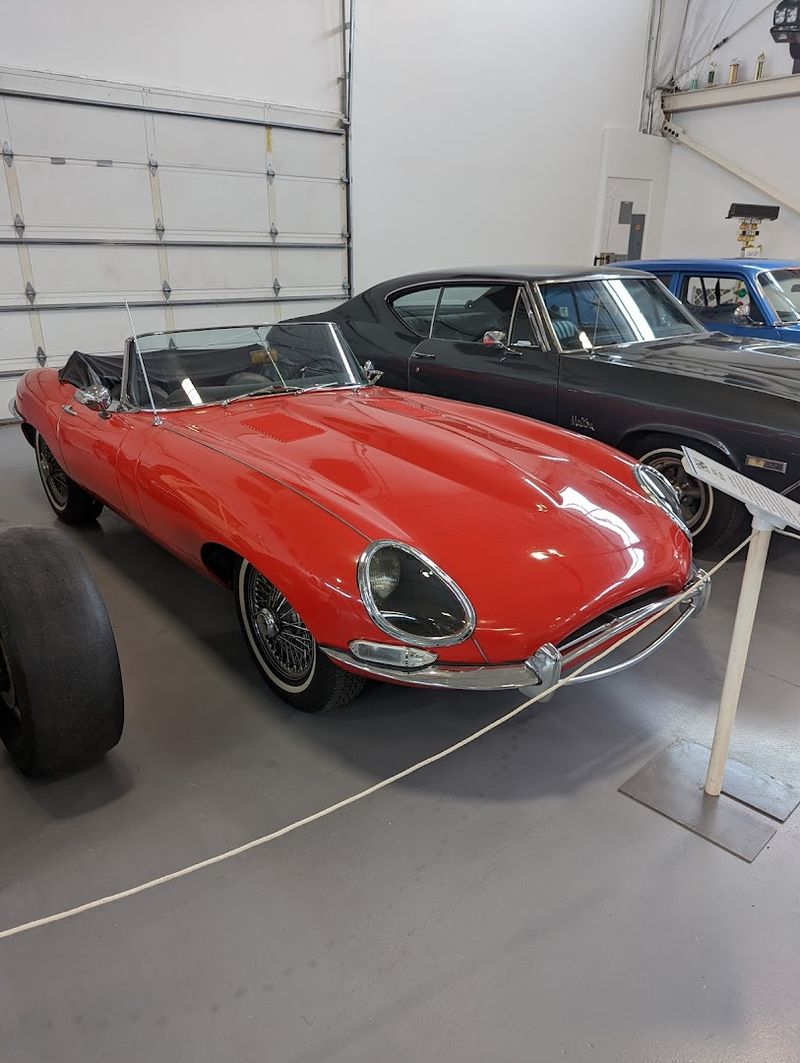
There is a particular kind of quiet awe that happens when you round a corner and find yourself face to face with a 1937 Cord or a V12 Cadillac. These are not cars you see at your average weekend swap meet.
The museum has a talent for sourcing vehicles that most people have only ever seen in old photographs or black-and-white films.
The Cadillacs on display carry that unmistakable mid-century confidence, all long hoods and sweeping chrome trim. Nearby, an Alfa Romeo that was recently brought in turned more than a few heads, reminding visitors that the collection has an international flair alongside its American classics.
What makes the car displays especially satisfying is how well each vehicle is presented. Nothing feels thrown together or cluttered.
Each car gets room to breathe, and the lighting is arranged to highlight the curves and details that make these machines so compelling. Spend enough time here and you start to understand why people dedicate entire garages and lifetimes to preserving these rolling works of art.
The craftsmanship on display is genuinely hard to walk away from quickly.
A Triumph Motorcycle Collection Worth the Trip Alone
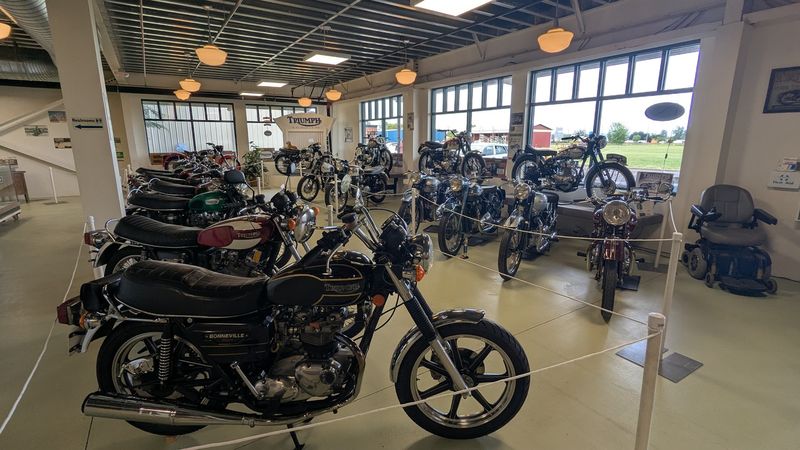
The motorcycle side of the museum is no afterthought. At the time of my visit, a full Triumph motorcycle collection spanning from the 1940s forward dominated a significant portion of the floor space, and it was genuinely jaw-dropping for anyone who appreciates British engineering from that era.
Each Triumph was presented in excellent condition, with chrome that still gleamed and bodywork that showed the kind of care these machines deserved. Seeing them lined up in chronological order gave a clear visual sense of how the brand evolved over the decades, from the lean, purposeful post-war models to the more sculpted designs of the 1960s and 1970s.
The Honda collection also drew attention, with a strong representation of that brand’s classic lineup that sparked lively conversations among visitors who recognized specific models from their own riding histories. The museum’s motorcycle displays manage to appeal equally to hardcore collectors who can name every part and casual visitors who simply appreciate a beautiful machine.
A few of the bikes are even in working condition, which adds a layer of authenticity that photographs and replicas simply cannot match.
The Theatre Pipe Organ Hidden Among the Horsepower
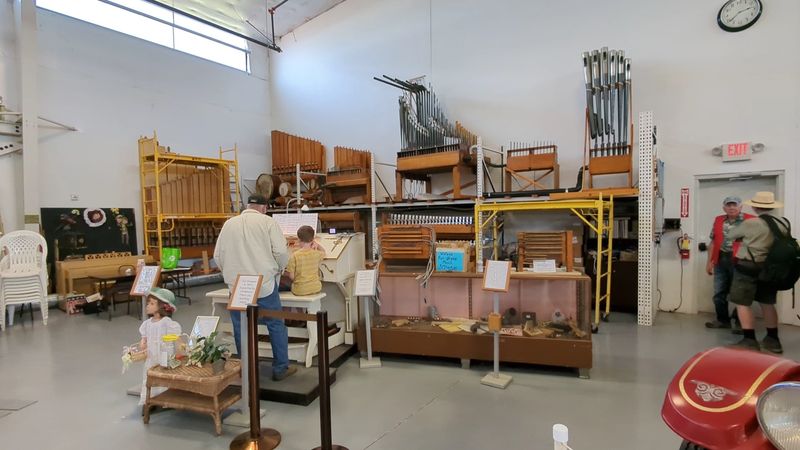
Not every museum surprises you with a pipe organ, but this one does, and it is one of the most unexpectedly delightful things about the whole visit. Assembled from pipes and components sourced from multiple different organs, the instrument produces a sound range that no single original organ could replicate on its own.
The curator has essentially built a custom instrument out of musical history, combining pieces from various sources into something genuinely one of a kind. When someone sits down to play, the sound fills the building in a way that feels completely at odds with the surrounding machinery, and yet somehow absolutely right.
Visitors are welcome to join the organist and try a few notes themselves, which turned out to be a highlight for families with kids. My own experience watching a young girl sit down at the keys and produce an unexpectedly confident melody was one of those small, charming moments that stick with you long after you have left the parking lot.
It is the kind of quirky, generous detail that sets this museum apart from every other vehicle collection I have visited. The organ alone justifies a longer stay.
The 1930s Texaco Service Station That Sets the Scene
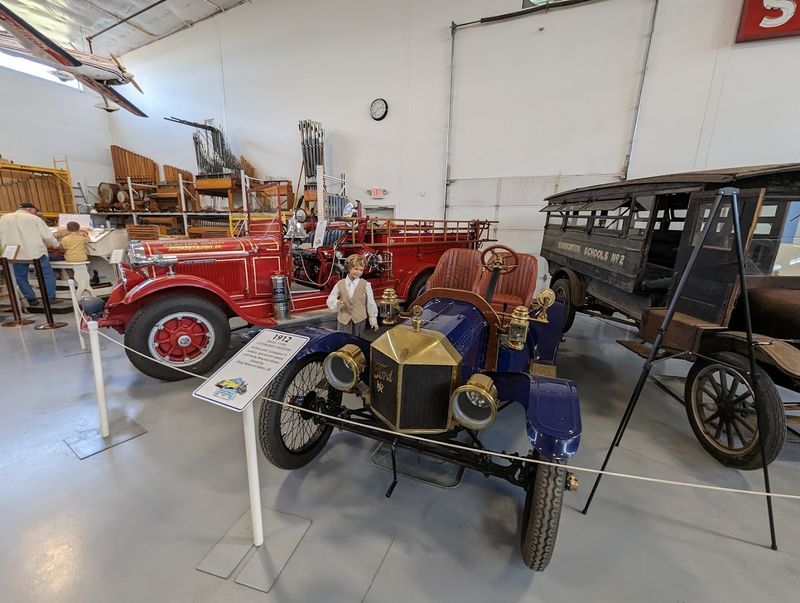
Before you even get fully inside the main collection, the 1930s-era Texaco service station display grabs your attention and sets the entire mood for the visit. It is not just a prop or a sign on a wall.
The display is detailed enough to feel like you have actually wandered into a working garage from ninety years ago.
Period-accurate signage, vintage fuel pumps, and tools arranged as if a mechanic just stepped away for lunch all contribute to an atmosphere that is genuinely immersive without being overdone. The attention to historical detail here reflects the same care that carries through every corner of the museum.
The Texaco station also serves a practical purpose beyond atmosphere. The sign is visible from a distance within the park and acts as a landmark that guides visitors toward the museum entrance, which is easy to miss if you are not specifically looking for it.
For a museum that describes itself as one of the best-kept secrets in Oregon vintage car culture, that little roadside beacon feels like a fitting invitation. It says, without any fanfare, that something worth your time is waiting just beyond.
Vintage Clothing Mannequins and the Human Side of History
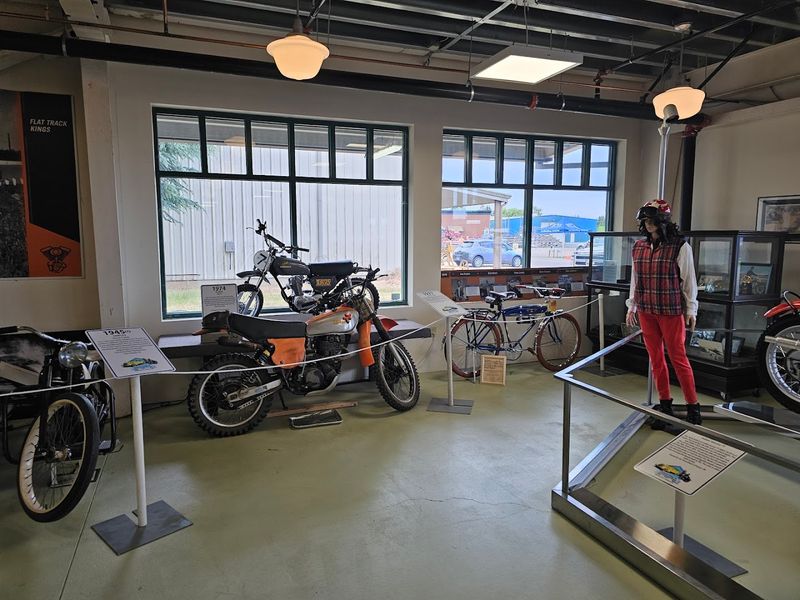
Cars and motorcycles tell one part of the story, but the vintage clothing mannequins scattered through the museum add a human dimension that a lot of vehicle collections overlook entirely. Dressed in period-accurate outfits from various decades, the mannequins give context to the machines around them.
Seeing a 1940s dress displayed next to a car from that same era helps visitors connect the dots between the vehicle and the culture that produced it. Fashion, transportation, and daily life were all intertwined in ways that a standalone car on a pedestal cannot fully communicate on its own.
Several visitors I spoke with during my time there mentioned that the mannequins were a standout detail, particularly for people who came along with a partner or family member who was less focused on the mechanical side of things. The clothing displays gave everyone something to engage with, turning what might have been a one-sided experience into something genuinely shared.
It is a small curatorial choice that makes a meaningful difference in how the whole museum feels, and it reflects a thoughtful approach to telling complete historical stories rather than just showcasing impressive machines.
Events, Car Shows, and the Veteran Connection
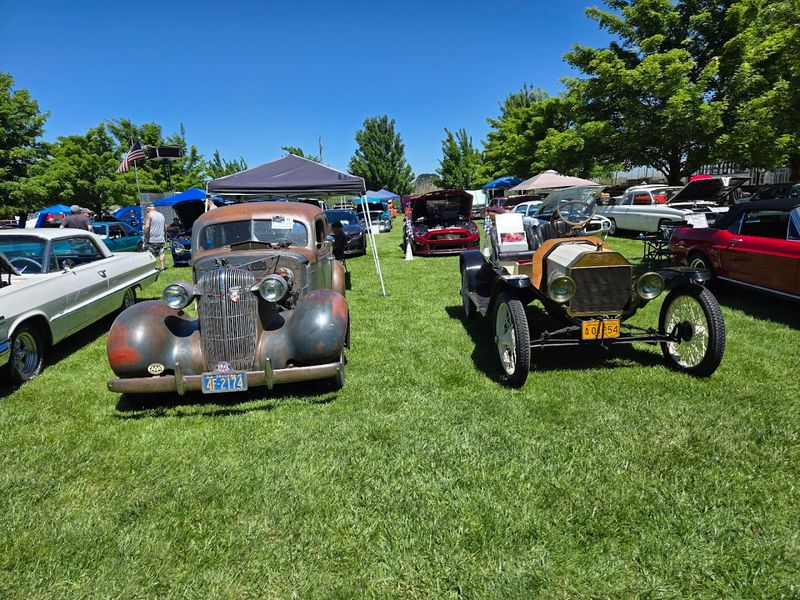
The museum does not just sit quietly waiting for visitors to wander in. Throughout the year, it hosts and participates in a packed schedule of events that draw crowds from across the Pacific Northwest.
The Paralyzed Veterans of America Tri-State Chapter Car Show is one of the most prominent, bringing hundreds of classic vehicles onto the grounds and turning the surrounding park into a celebration of both automotive history and veteran support.
The museum’s commitment to the veteran community is genuine and consistent. It has earned a reputation as a top-tier veteran-supporting institution, and that spirit is visible in how events are organized and who is welcomed through the doors.
The annual Great Steam Up, held at the end of July into August, is another major draw that fills the broader Powerland Heritage Park with working steam-powered equipment and draws enthusiasts of all kinds.
Kenworth truck shows, PVA car shows, and rotating themed exhibits mean there is almost always something new happening on site. Checking the museum’s website or social media before visiting is genuinely worthwhile, because arriving on an event weekend transforms the experience from a quiet museum visit into a full-day celebration of mechanical heritage that is hard to replicate anywhere else in Oregon.
The Barn Find Display and the Thrill of Discovery
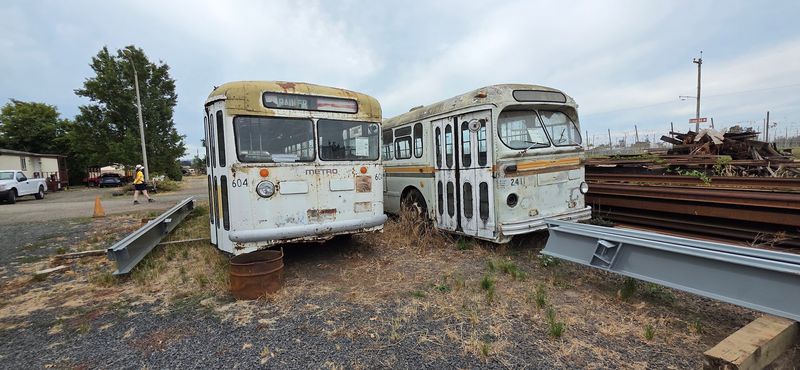
One of the more theatrical touches inside the museum is the barn find display, which recreates the experience of stumbling across a forgotten collection of vehicles in an old outbuilding. For anyone who has ever watched a barn find video online and felt that particular rush of excitement, this display delivers a version of that feeling in person.
Unrestored or partially restored vehicles are arranged to suggest a space that has been sealed up for decades, complete with the kind of dusty, layered atmosphere that makes the whole thing feel authentic. The contrast between these raw, time-worn machines and the polished classics elsewhere in the museum is striking and intentional.
The barn find section tends to attract a different kind of attention than the pristine showpieces. Visitors slow down here, lean in closer, and start speculating about the histories of individual vehicles.
There is something about an unrestored car that feels more honest than a fully buffed-out show piece, and the museum clearly understands that. Preserving vehicles in various states of their journey, rather than only showcasing the finished product, gives the collection a depth and authenticity that makes the whole visit feel more like a real conversation with history.
Practical Tips for Making the Most of Your Visit
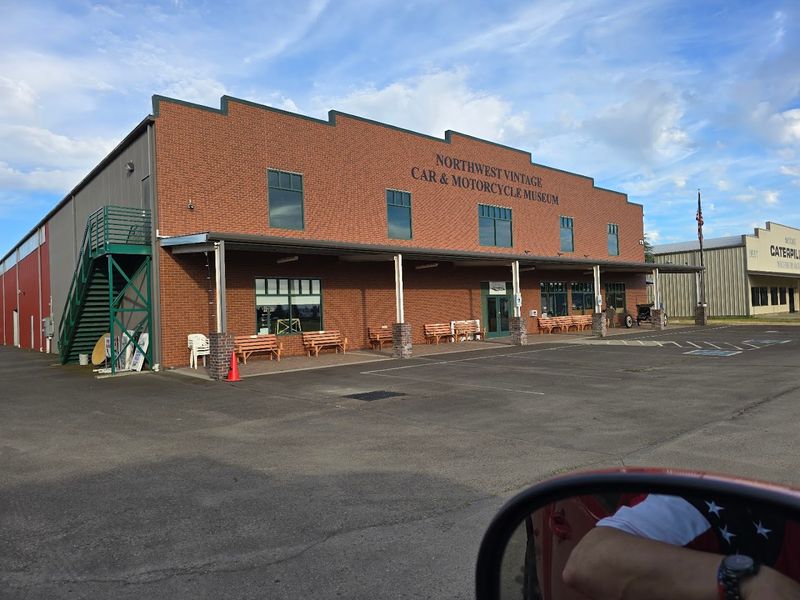
A few practical details can make the difference between a good visit and a great one. The museum keeps limited hours, so planning ahead is essential.
Thursday hours run from 9 AM to 2 PM, Saturday from 10 AM to 4 PM, and Sunday from noon to 4 PM. The museum is closed Monday, Tuesday, Wednesday, and Friday, so a spontaneous mid-week detour will leave you looking at a locked door.
Parking in the grass lot at Powerland Heritage Park runs about ten dollars, which covers access to the broader grounds. The museum itself is free to enter, though the donation box near the entrance is worth using if the experience delivers, and it almost certainly will.
The volunteer staff is knowledgeable and genuinely happy to talk through the history of specific vehicles, so do not hesitate to ask questions.
Comfortable shoes are a practical necessity since the museum covers a solid amount of floor space and the surrounding park invites exploration beyond the main building. Bringing a camera is equally worthwhile because the lighting inside is surprisingly flattering for photography.
The museum’s phone number is 503-432-6631 and the website at nwcarandcycle.org keeps event listings current, which is the best way to time your visit around something special.
Share this story