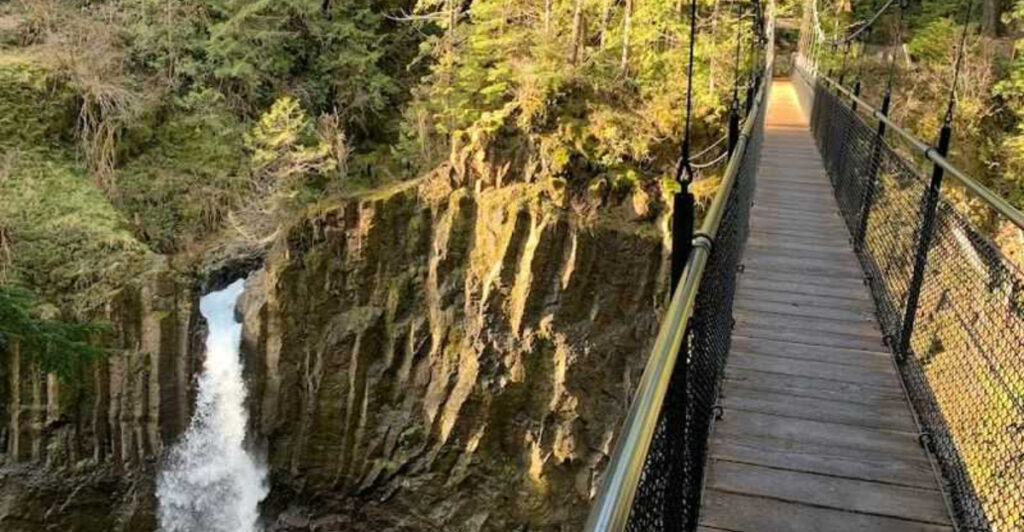
There is a trail tucked into the coastal forests of Oregon that ends with one of the most unexpected payoffs in the Pacific Northwest. You walk through towering Sitka spruce and Douglas fir, the forest getting quieter and greener with every step, and then suddenly you are standing on a 240-foot suspension bridge swaying gently above a roaring waterfall.
The whole scene feels almost too good to be real. This is Drift Creek Falls Trail 1378, and it has earned every one of its nearly perfect reviews from thousands of hikers who made the drive out to BLM Road 1770 near Otis, Oregon, and never once regretted it.
Finding the Trailhead: Getting to BLM Road 1770
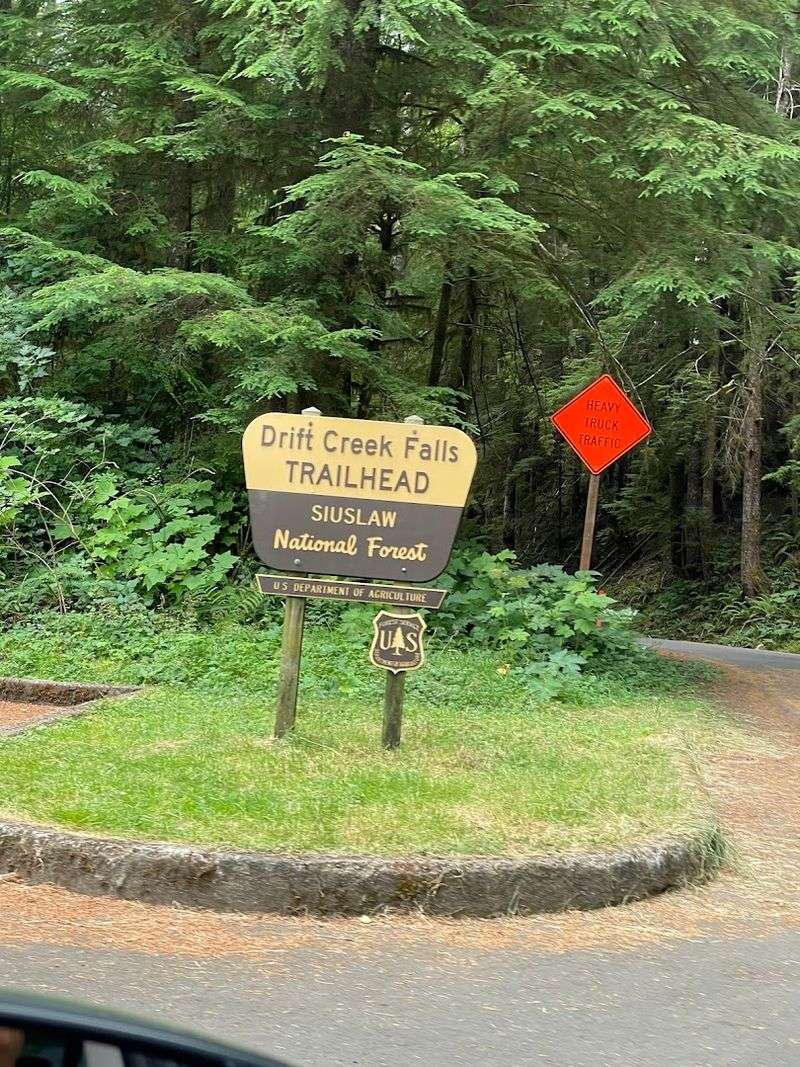
The drive to the trailhead is an adventure in itself, and not everyone is prepared for it. The trail is accessed via BLM Road 1770 near Otis, Oregon 97368, south of mile marker 119 close to Lincoln City, and you will spend roughly 9.5 miles navigating a narrow, winding National Forest road with sharp curves and limited visibility around bends.
The road is mostly paved but narrows to a single lane for a good stretch of the final miles. There are pullouts along the way where cars can pass each other, so patience and a slow pace are your best tools here.
Cell service disappears well before you reach the parking area, which is a detail worth taking seriously. The $5 parking fee is paid via a QR code kiosk, and the last reliable spot to complete that transaction is at the base of the final hill before the lot.
Download your directions, pay your fee in advance, and screenshot your confirmation before you lose signal. Make sure your gas tank is full before you head out, because the nearest station is not close.
The Trailhead Parking Area and Facilities
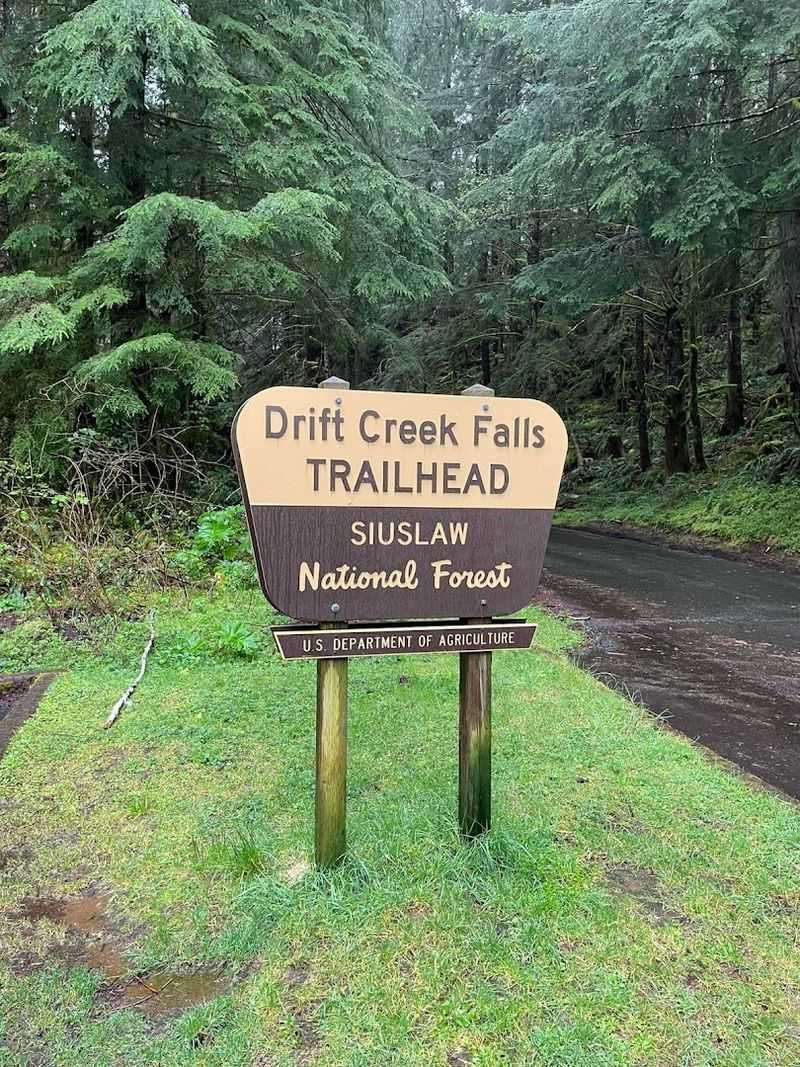
Arriving at the parking lot feels like a small reward after that winding drive, and the setup is simple but functional. The lot is a reasonable size, though it can fill up on busy weekends, so an early arrival on Saturdays and Sundays is a smart move.
Two vault-style restrooms are available right at the trailhead. They are not going to win any awards for ambiance, but they are generally kept as clean as that style of facility allows, and having them there before a three-mile round trip is genuinely appreciated.
A trail information board near the start gives you a good overview of the route, distances, and any current conditions. The trailhead is open 24 hours a day, every day of the year, which makes it a flexible option for early risers who want the trail to themselves.
That said, the road conditions in the dark are not ideal, so most hikers plan for a daylight start. The phone number for trail information is +1 503-392-5100 if you want to check conditions before heading out.
The Forest Setting: Sitka Spruce and Douglas Fir
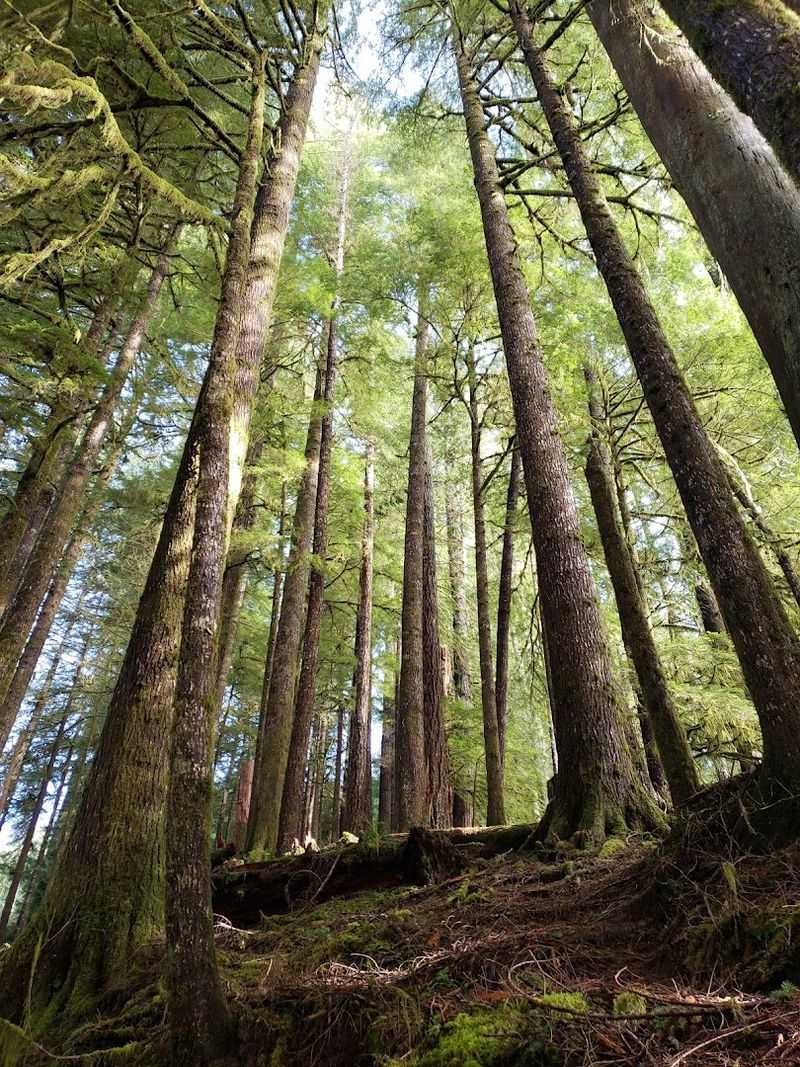
From the first steps on this trail, the forest takes over completely. The canopy is dense with Sitka spruce and Douglas fir, some of them enormous in diameter, and the undergrowth is that particular shade of deep, saturated green that you only find in the wet forests of the Oregon Coast Range.
The trail is wide enough for two people to walk side by side for most of its length, and the surface is well-groomed with relatively few exposed roots or rocks to trip over. A few muddy patches show up after rain, which is not unusual for western Oregon, so waterproof footwear is worth considering.
The whole atmosphere is genuinely calming. The sounds of the outside world fade quickly, replaced by birdsong, the rustle of the canopy overhead, and eventually the growing sound of moving water below.
There is a north fork loop option that takes you through an even older section of forest, adding some extra distance and a noticeably steeper grade in places, but the old-growth character of that section makes it worth the extra effort for anyone who wants more than the standard out-and-back route.
Trail Difficulty and What to Expect on the Way Down
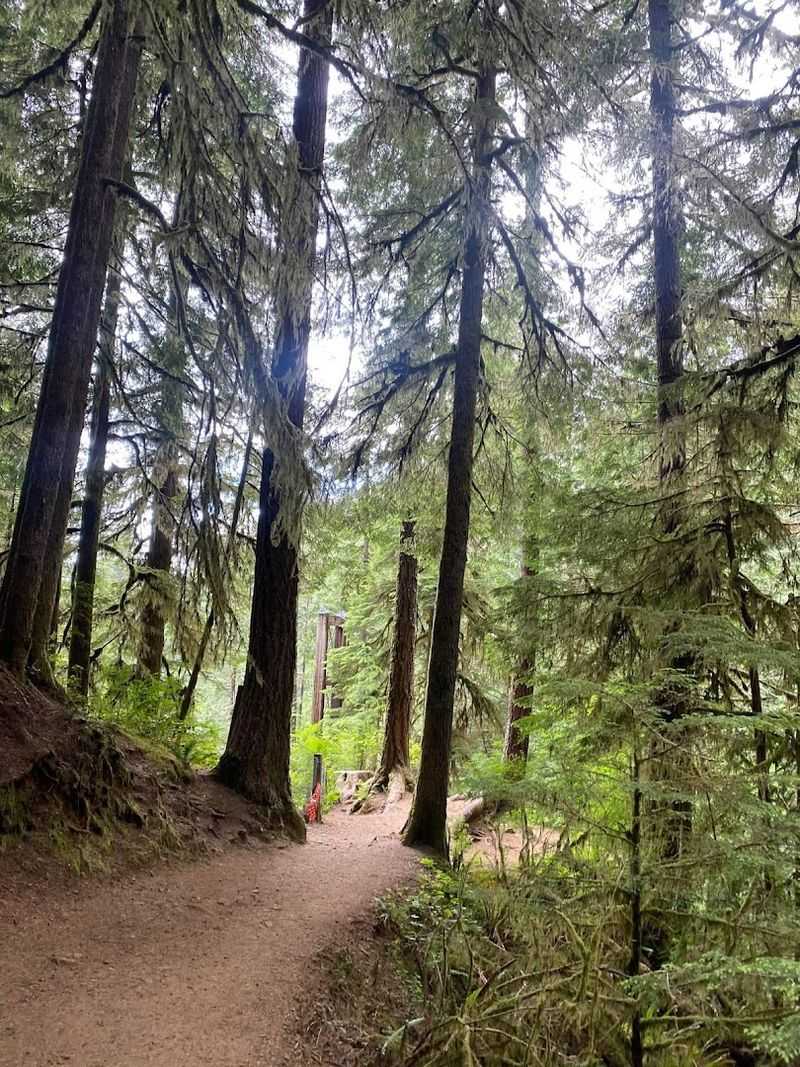
The trail runs about 1.5 miles from the trailhead to the suspension bridge and falls, making the full out-and-back trip just over three miles total. Most hikers complete the round trip in about 1.5 hours, though taking it slow and stopping for photos can stretch that to two hours comfortably.
The descent to the falls is gradual and steady rather than steep, which makes the hike accessible to a wide range of fitness levels. Young children, older adults, and first-time hikers all manage it without much trouble, and dogs on a leash are welcome on the trail as well.
The return trip is where you feel the elevation change more directly, since everything that went down on the way in comes back up on the way out. It is not punishing, but hikers who underestimate it sometimes find themselves wishing they had saved a little more energy.
Packing water and a snack is always a good idea, and the area near the base of the falls makes an excellent spot to sit down and have lunch before the climb back out. The trail is rated as moderate overall.
The 240-Foot Suspension Bridge: The Star of the Show
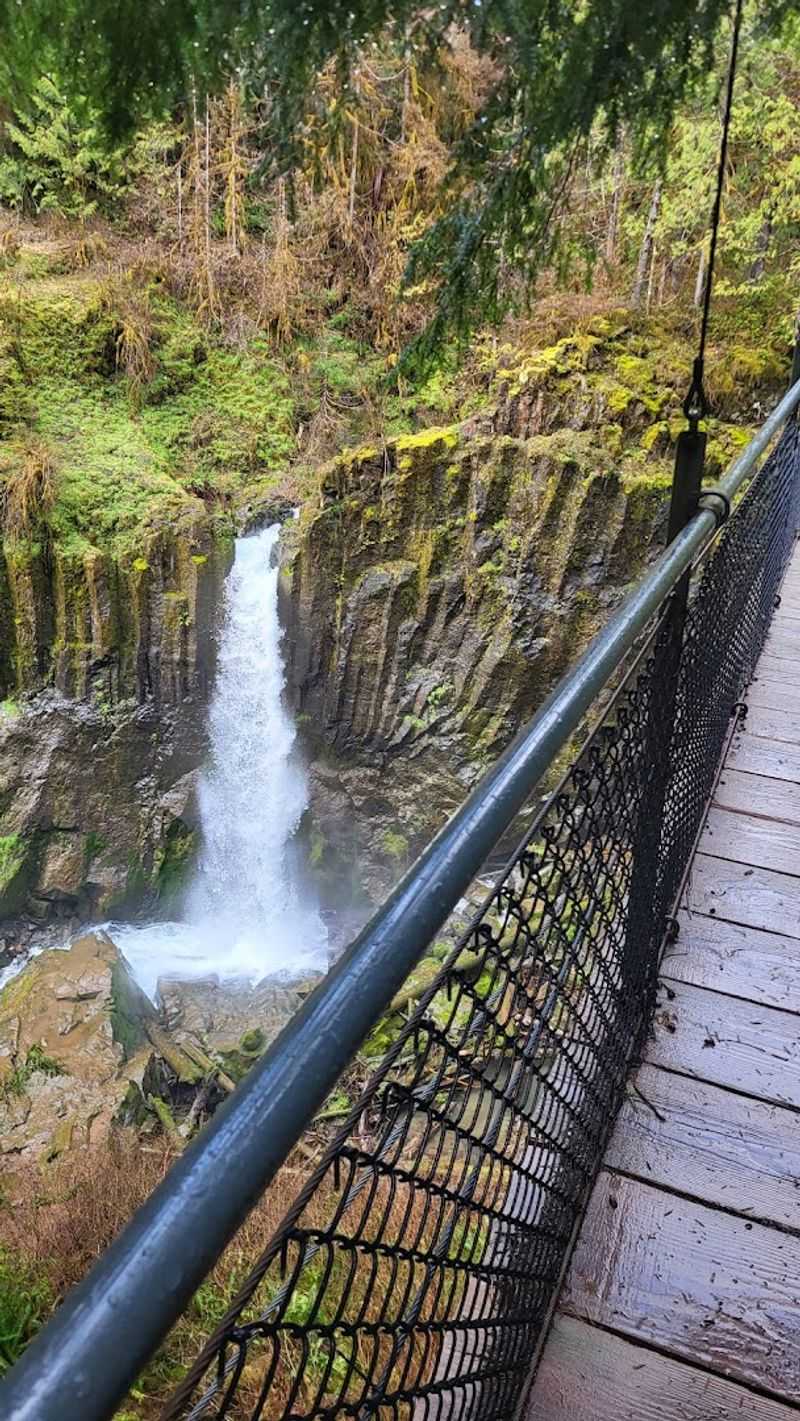
Nothing quite prepares you for the first look at the suspension bridge. After nearly 1.5 miles of forest walking, you come around a bend and suddenly the bridge appears, stretching 240 feet across the gorge with Drift Creek Falls visible just below and beyond it.
The structure is impressive both in scale and in the way it fits into the landscape.
The bridge does sway when multiple people are on it at the same time, and a bit of wind adds to the movement. For hikers who are comfortable with heights, this is part of the fun.
For those who are not, it can be a genuine challenge, though many people push through it and are glad they did.
Standing at the center of the bridge, you are looking almost directly down onto the waterfall, which gives a perspective you simply cannot get from any other point on the trail. The sound of the water is loud and constant, and the view in every direction is layered with forest and canyon.
Waiting for fewer people to be on the bridge at once can reduce the swaying significantly, which is worth keeping in mind on busier days.
Drift Creek Falls: The 75-Foot Waterfall Up Close
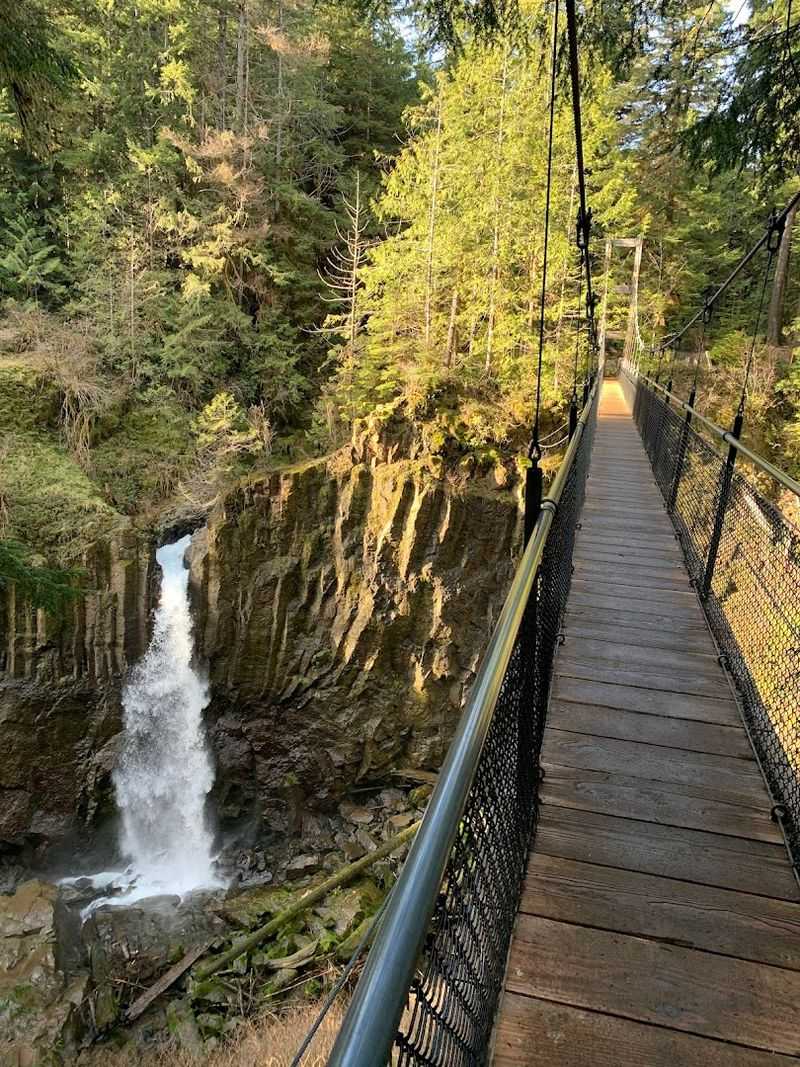
Drift Creek Falls drops about 75 feet into a rocky pool below, and the volume and energy of the water changes noticeably with the seasons. Winter and early spring bring the highest flow, when the falls are at their loudest and most dramatic, with water thundering into the basin and mist drifting through the canyon.
Summer visits are quieter and the flow is reduced, but the surrounding forest is at its greenest and the trail conditions are drier and more forgiving underfoot. Each season offers something different, and hikers who return multiple times often say the winter version of the falls is the most memorable.
After crossing the bridge, a trail on the opposite side leads down toward the base of the falls and the creek itself. Getting down to the water level completely changes the experience, putting you right next to the pool where the falls land and giving you an unobstructed view back up at the bridge overhead.
The combination of the bridge above and the falls beside you from that vantage point is genuinely striking. Many hikers consider this lower viewpoint the best spot on the entire trail, and it is easy to see why.
Seasonal Highlights: When to Visit for the Best Experience
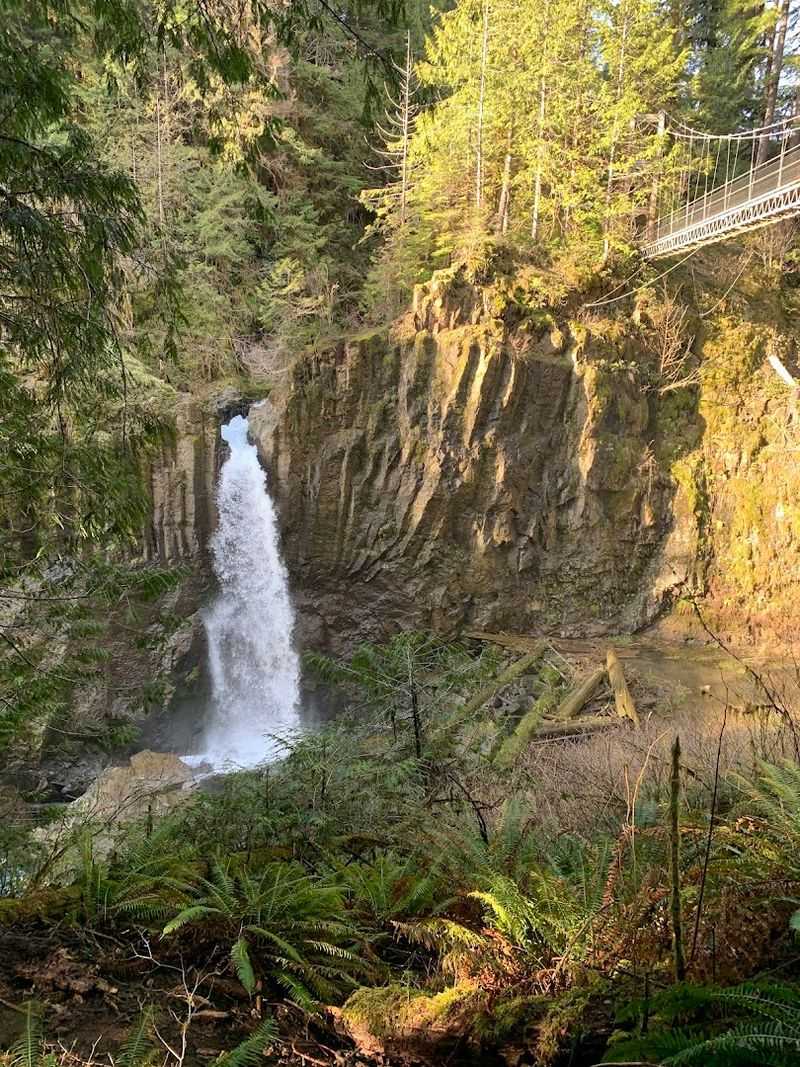
Every season on this trail has its own character, and the right time to visit depends on what you are looking for. Fall is widely considered the most visually rewarding season, with the forest taking on warm golden and amber tones while the waterfall regains its volume after the dry summer months.
Winter brings the highest water flow and the most dramatic falls, but the trail can be muddy and the access road requires extra care in wet conditions. The reward for braving the cold is a nearly empty trail and a waterfall running at full power, which is a combination hard to match in the warmer months.
Spring is similar to fall in terms of water volume, and the fresh green growth emerging through the forest adds its own kind of visual energy. Summer is the busiest season, with families and casual hikers filling the trail on weekends, so an early weekday start is the best strategy if you want a quieter experience.
No matter when you go, the forest itself is worth the trip. The light filtering through the canopy on a partly cloudy Oregon morning is the kind of thing that stays with you long after you have driven back down that winding road.
Kid-Friendly and Family Hiking Details
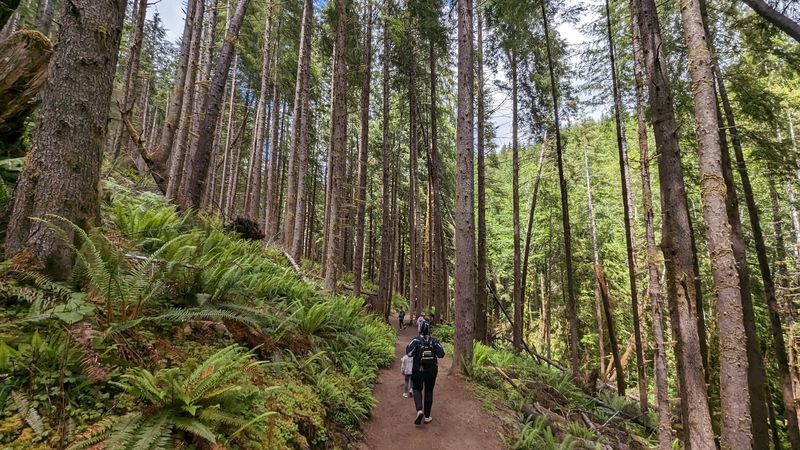
Few trails near the Oregon coast are as genuinely suitable for young children as this one. The path is wide, the grade is manageable, and the payoff at the end is dramatic enough to hold a kid’s attention through the whole hike.
The trail does not require any technical skills or special gear beyond comfortable footwear.
Families have brought children of all ages here, including infants carried in hiking packs, and the general consensus is that the trail works well for the whole group as long as everyone is prepared for the return uphill stretch. Snacks, water, and a little patience go a long way on the way back.
The suspension bridge is a genuine highlight for kids, who tend to love the swaying and the view down to the water. Parents with children who are sensitive to motion or heights may want to assess the bridge situation before committing to crossing, since the movement can be surprising if you are not expecting it.
Dogs are welcome on leash throughout the trail, which makes this a popular outing for families with pets as well. The vault restrooms at the trailhead are a practical detail that families with young children will appreciate before hitting the trail.
Trail Conditions and What to Wear
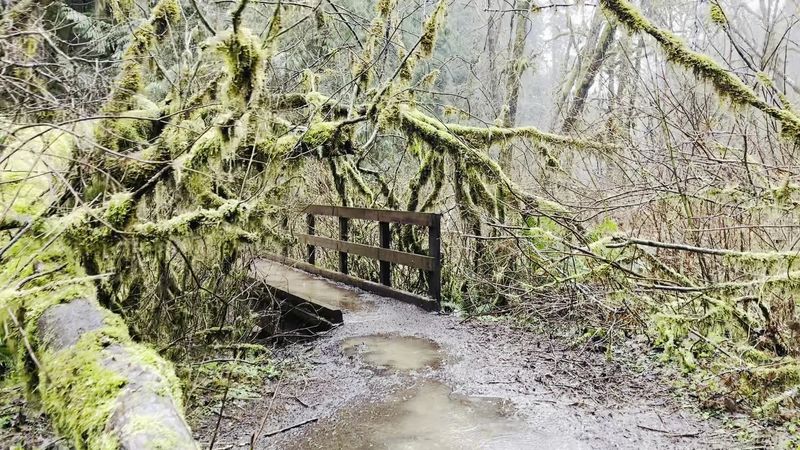
The trail surface at Drift Creek Falls is well-maintained by national forest standards, but this is coastal Oregon, and mud is part of the deal for most of the year. The path stays damp long after rain events, and certain low-lying sections hold water and soft soil even in relatively dry stretches.
Waterproof or water-resistant footwear makes a noticeable difference in comfort, particularly in fall, winter, and spring. Trail runners or light hiking boots with decent grip are appropriate for most conditions, and trekking poles are helpful for the uphill return if your knees prefer a little extra support.
Layers are worth packing regardless of the season, since the forest stays cool and shaded throughout the hike, and the gorge near the falls can feel noticeably colder than the trailhead. A light rain jacket takes up almost no space and earns its keep on the Oregon coast.
The trail is described as mostly flat on the way down with a steady climb on the return, so comfortable, broken-in footwear matters more than anything else in your pack. Bringing more water than you think you need is always the right call on any hike, and this one is no exception.
Parking Fees, Permits, and No Cell Service Zone
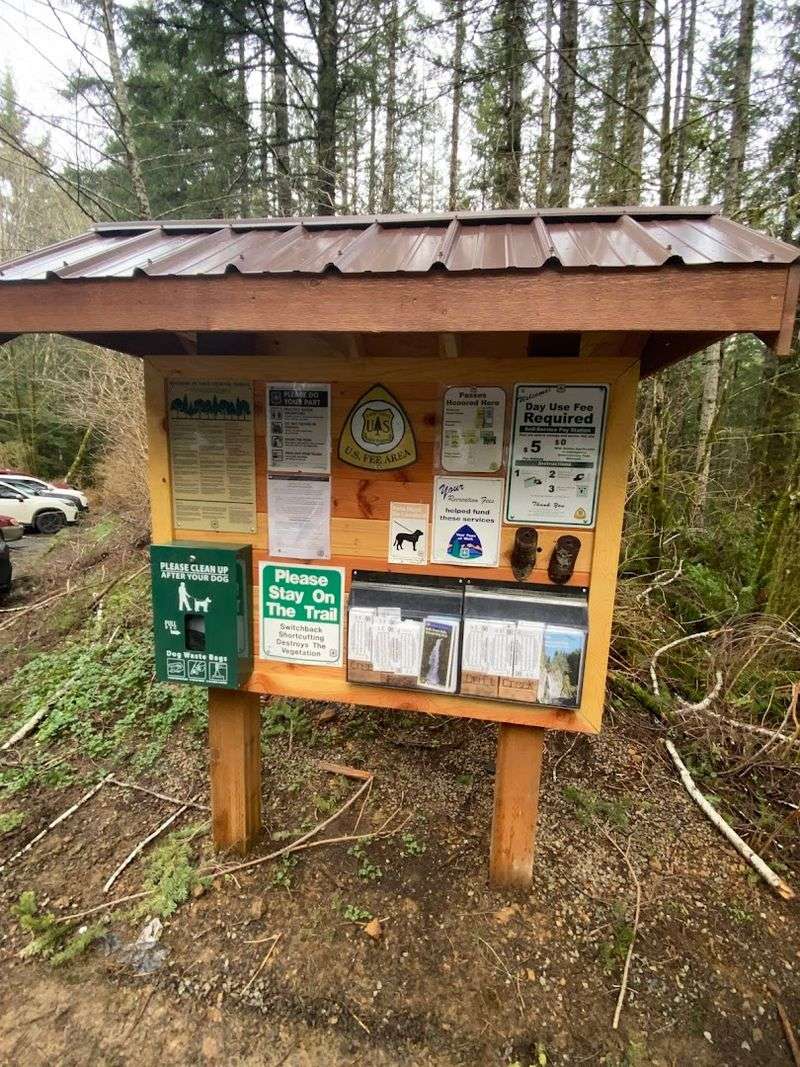
The $5 parking fee at Drift Creek Falls is one of those logistical details that catches people off guard if they have not done their research. The fee is collected via a QR code kiosk near the parking area, and the system requires a working data connection to complete the payment online.
The problem is that cell service becomes unreliable well before you reach the parking lot, exactly as the posted signs warn. The practical solution is to pay online before you leave home or at the last point of reliable service on the drive in, which is roughly at the base of the final hill before the parking area.
Taking a screenshot of your confirmation or QR code receipt means you have proof of payment even without a live connection. Some hikers also recommend downloading offline maps before leaving home, since navigation apps lose their real-time functionality once you enter the dead zone.
The trail itself does not require any additional permit beyond the parking fee. The national forest website at fs.usda.gov has current fee information and trail conditions, and a quick check before your trip can save you from surprises at the kiosk.
The North Fork Loop: The Trail Less Traveled
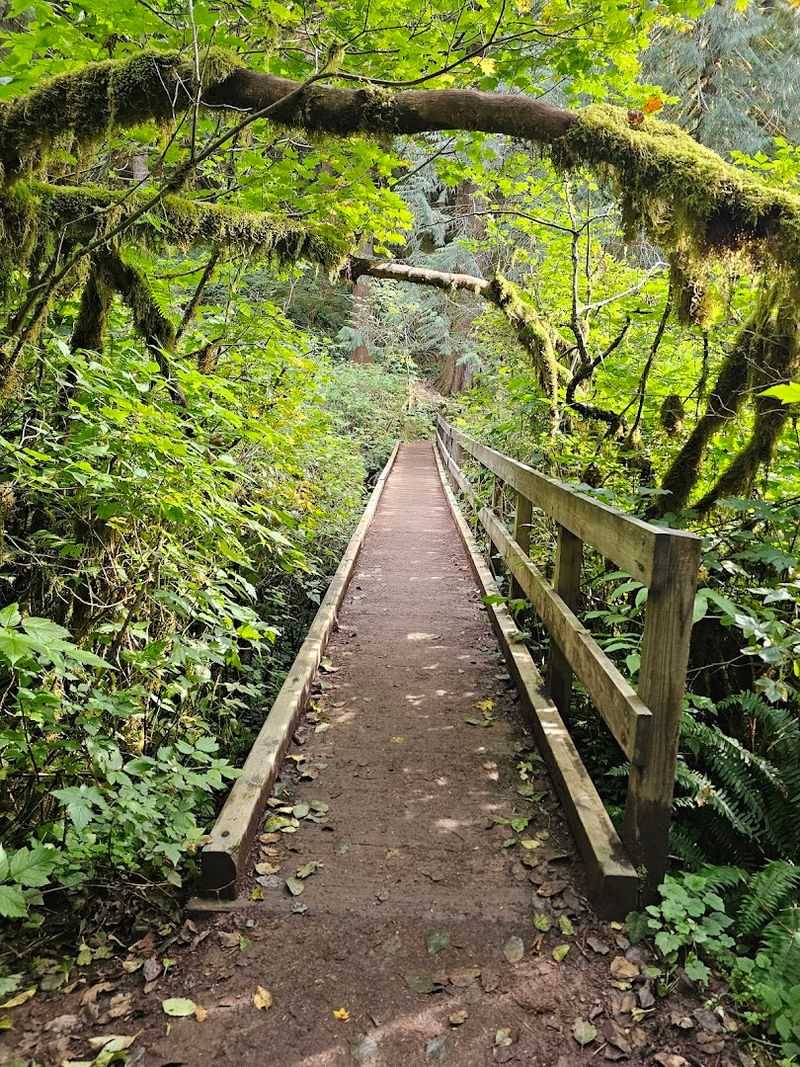
Most visitors to Drift Creek Falls do the standard out-and-back route to the bridge and waterfall, and that alone makes for a satisfying day. But there is a second option that relatively few hikers take, and it adds a completely different character to the experience.
The North Fork loop branches off from the main trail and takes you through a section of old-growth forest that feels noticeably more remote and less traveled. The path is narrower here, and the terrain is steeper in several places, giving your legs a more meaningful workout than the main route alone provides.
The forest in this section has a wilder, more untouched quality, with larger trees and a denser understory than the primary trail. The loop eventually rejoins the main path, so you are not retracing your steps the entire way.
Hikers who have done both routes consistently say the loop adds worthwhile variety and a sense of real exploration to the outing. If you have the time and the energy after visiting the falls, following the signs for the north loop is a decision you are unlikely to regret.
The extra distance and elevation are modest, and the scenery is genuinely rewarding.
Nearby Lincoln City and Making a Full Day of It
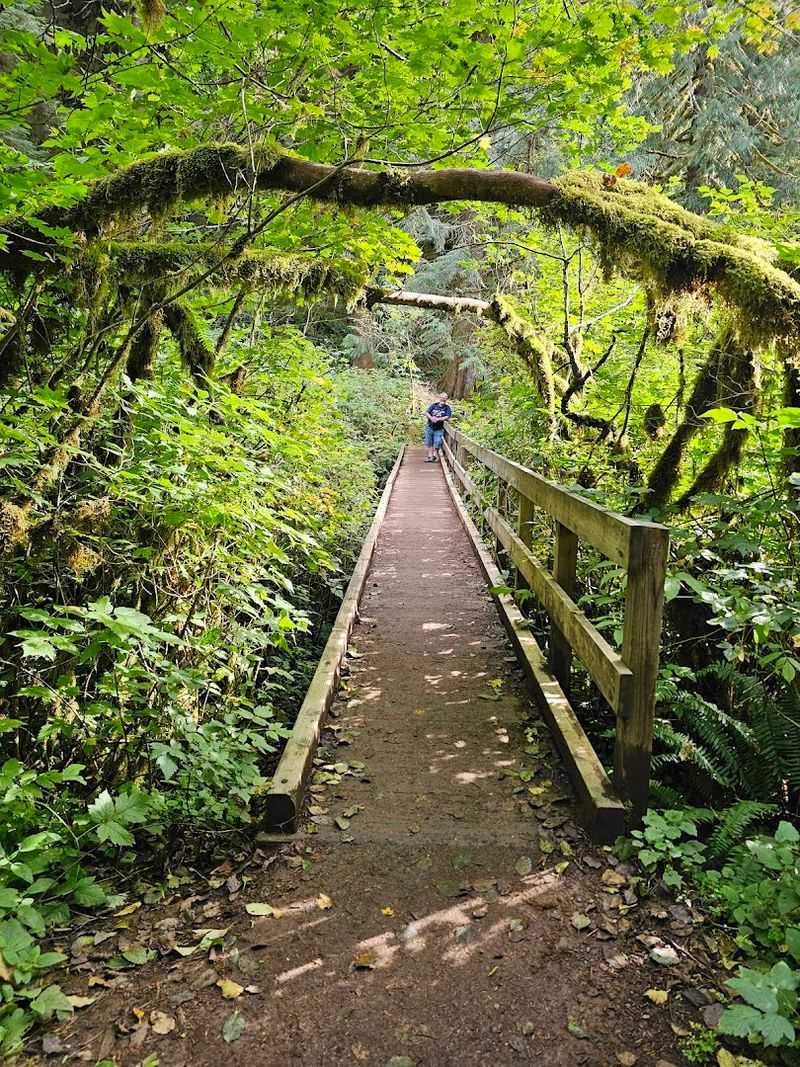
The proximity of Drift Creek Falls to Lincoln City is one of the reasons this trail gets so much traffic from visitors who are already exploring the Oregon coast. The drive from Lincoln City to the trailhead takes roughly 30 to 45 minutes depending on how cautiously you navigate the forest road, which makes it a very reasonable half-day side trip.
Lincoln City itself sits right on the coast and offers a full range of options for extending your day, from beach access and tide pool exploration to shops and restaurants along Highway 101. The combination of a forest hike in the morning and an afternoon on the Pacific coast is a hard itinerary to argue with.
The trail typically takes between two and three hours for most hikers including time at the falls and bridge, which leaves plenty of afternoon left for whatever the coast has to offer. The drive back from the trailhead to Lincoln City retraces the forest road and then drops you back onto the highway, making the return straightforward once you are familiar with the route.
For anyone spending a few days on the central Oregon coast, this trail belongs on the schedule without question.
Share this story