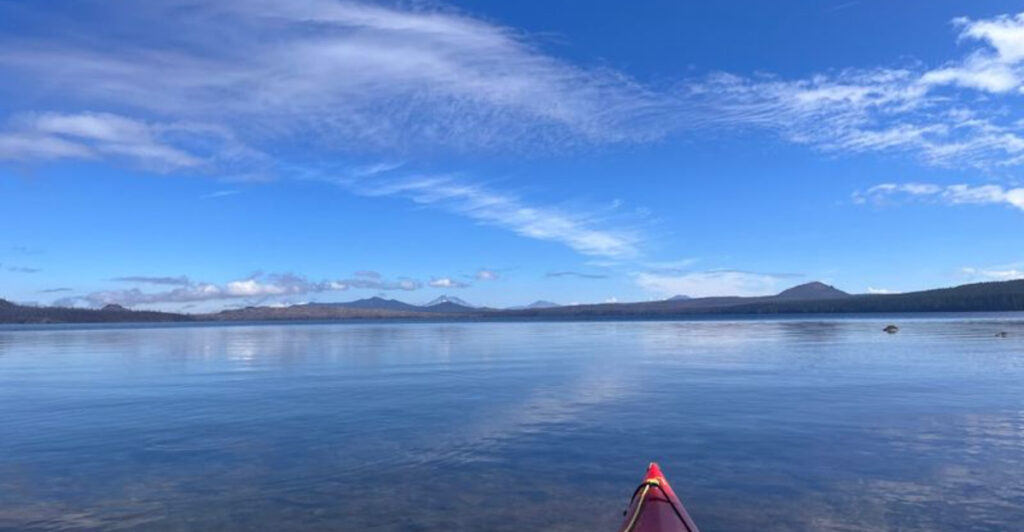
There is a lake in Oregon that sits so still on certain mornings that the water looks like polished glass. The trees, the sky, and the distant Cascade peaks all reflect perfectly on its surface, and for a moment, you forget you are standing on solid ground.
This is not a small roadside pond or a crowded tourist spot with speedboats churning up the water. This is one of the purest alpine lakes in the entire world, tucked into the forested hills near Willamette National Forest, and once you see it for yourself, it is genuinely hard to leave.
Where Exactly You Will Find This Mirror Lake
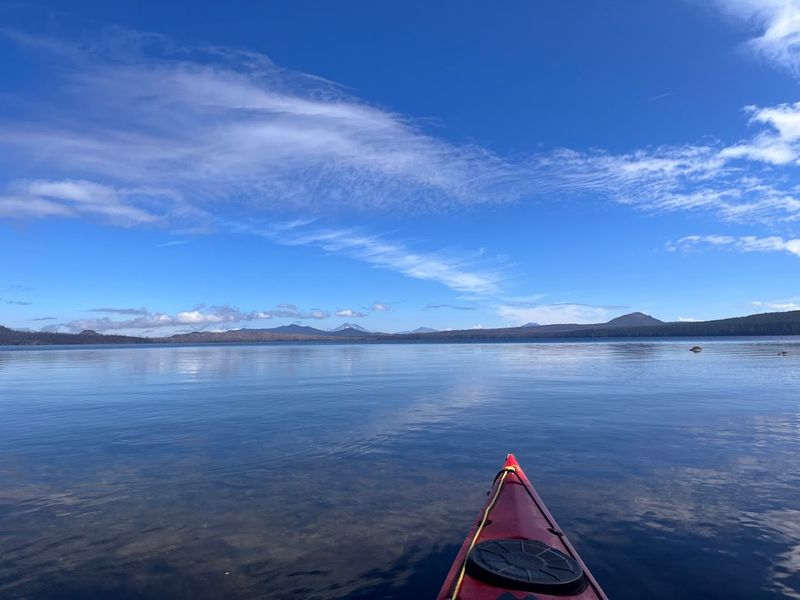
Waldo Lake sits high on the western slopes of the Oregon Cascades, reachable by taking Highway 58 east from Eugene and then turning onto Forest Road 5897. The lake is located within the Willamette National Forest in Lane County, Oregon, at an elevation of about 5,414 feet above sea level.
The drive itself is part of the experience. Tall conifers line the road, the air gets noticeably crisper, and by the time you reach the lake access area, you already feel far away from everyday life.
There are three campgrounds around the lake: Shadow Bay, North Waldo, and Islet. Each one offers a slightly different angle on the shoreline, so your choice of campsite can shape your whole visit.
Shadow Bay tends to be the most sheltered, while North Waldo puts you closest to open water views.
The lake covers just under ten square miles of surface area, making it the second largest natural non-alkali lake in Oregon. Getting here takes some planning, but the reward waiting at the end of that forest road is absolutely worth the effort.
The Jaw-Dropping Clarity of the Water
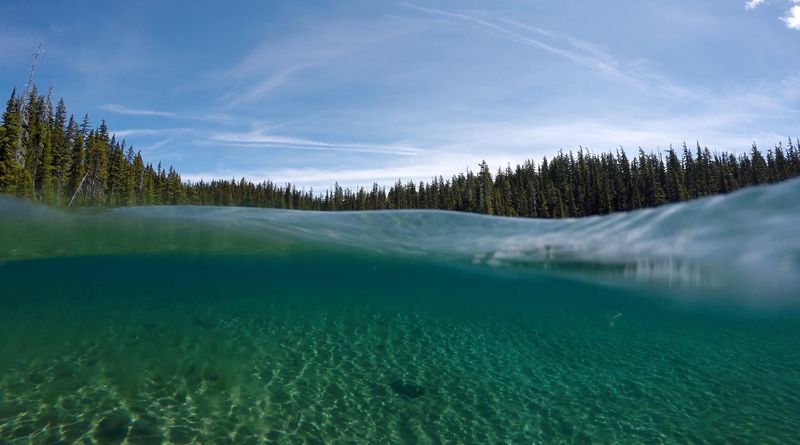
Most lakes have a greenish or brownish tint from algae, sediment, or plant matter. Waldo Lake has almost none of that.
On a calm day, you can see straight down to the sandy bottom at depths of 100 feet or more, and in ideal conditions, visibility can reach up to 120 feet.
The reason for this extraordinary clarity is fascinating. The lake has no permanent inlet, which means no outside nutrients flow in to feed plant or algae growth.
Without that biological activity, the water stays almost disturbingly pure and transparent.
Paddling a kayak or canoe over the surface feels surreal. You look down and see the lake bed far below you, almost like floating over open air.
The color shifts from pale turquoise near the sandy shallows to a deep, rich blue in the center of the lake.
Scientists have ranked Waldo Lake among the purest lakes in the world, which is a title very few bodies of water can honestly claim. That purity is not just a talking point either.
Visitors have reported that the water is clean enough to drink straight from the lake, though you should always check current guidelines before trying that yourself.
No Motor Boats Allowed, and That Is a Very Good Thing
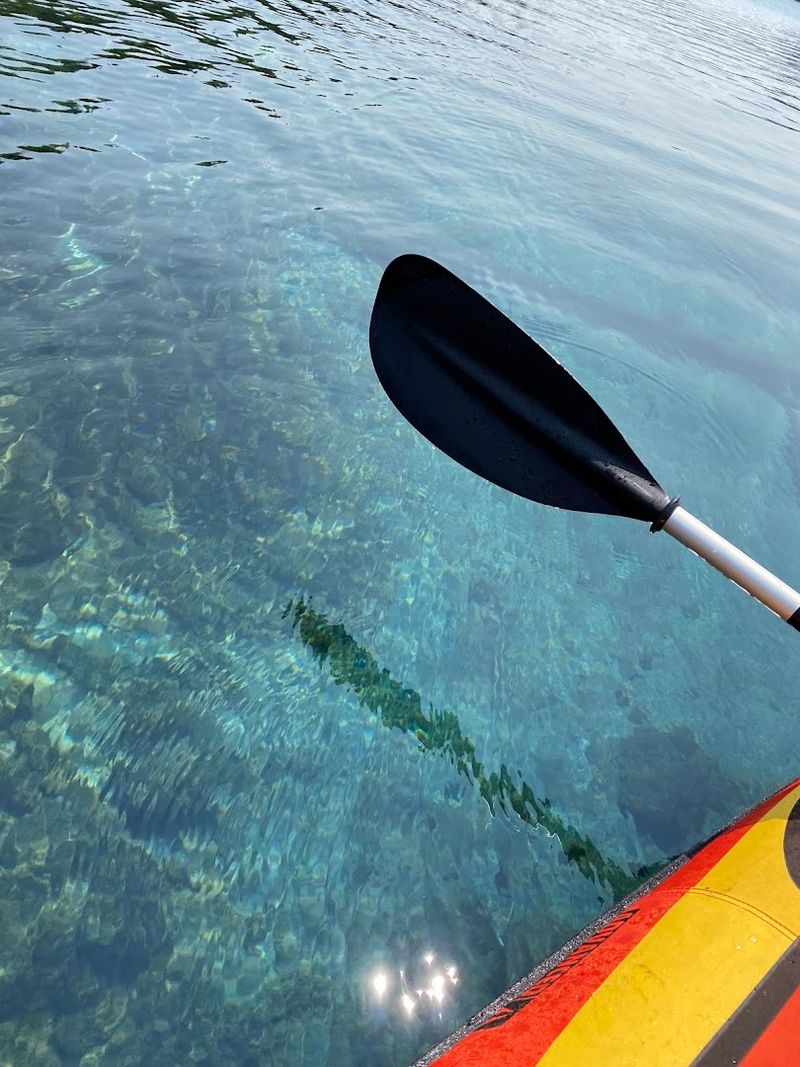
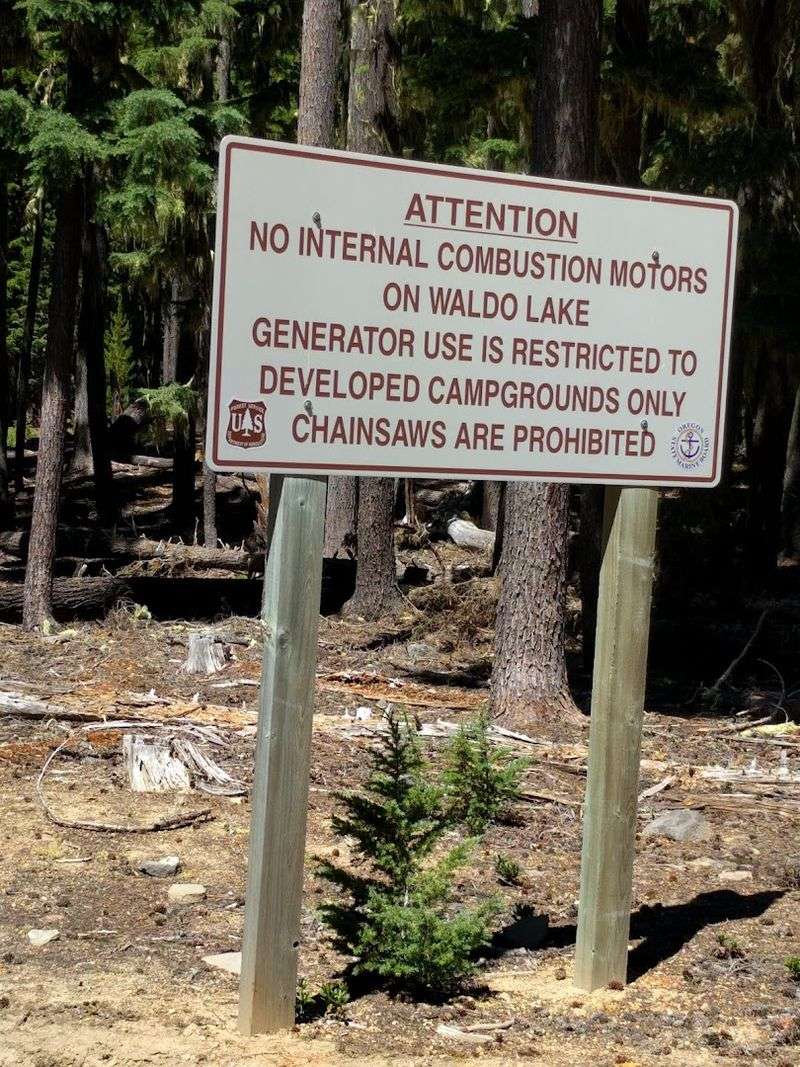
One of the best decisions ever made about this lake was banning gas-powered motorized watercraft entirely. No speedboats, no jet skis, no roaring engines cutting through the silence.
The only sounds you hear on the water are paddle strokes, birdsong, and the occasional breeze moving through the treetops.
That rule transforms the experience completely. The surface of the lake stays calm and undisturbed for long stretches of time, which is exactly what creates that famous mirror effect on quiet mornings.
When the wind is low and no one is stirring yet, the reflection is so perfect it can genuinely disorient you for a second.
Electric motors are permitted, so some visitors do bring small electric trolling motors for fishing or slower exploration. But the overall vibe on the water remains peaceful and unhurried in a way that motorized lakes simply cannot match.
Kayaking here is the activity most visitors rave about. The combination of glassy water, astonishing depth visibility, and total quiet makes every paddle stroke feel meditative.
Renting or bringing your own inflatable paddleboard also works beautifully, and even beginners tend to feel comfortable on the calm surface.
Camping Under the Stars at Three Different Campgrounds
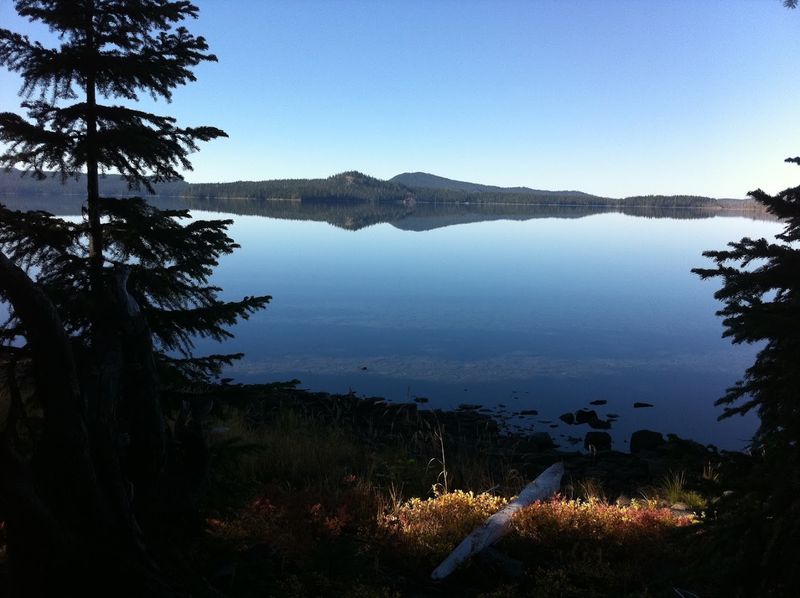
Spending a night or two at Waldo Lake is a completely different experience from just visiting for the day. The three campgrounds, Shadow Bay, North Waldo, and Islet, are all maintained during their operating seasons and offer vault toilets that are kept surprisingly clean.
Shadow Bay is the largest of the three and tends to be the most popular, offering direct lake access and some spots with partial water views. North Waldo sits closer to the northern shoreline and gives you easy access to the trailheads that circle the lake.
Islet campground sits on a small peninsula and offers some of the most scenic waterfront spots available.
The campsites are spread out enough that you rarely feel crowded, even on busy summer weekends. Waking up at the lake before the rest of the camp stirs, stepping down to the shoreline, and finding the water completely still and reflective is the kind of morning that stays with you for years.
A night kayak paddle under a clear sky full of stars is something several visitors describe as genuinely unforgettable. The darkness out here is real darkness, with very little light pollution to soften it, and the Milky Way appears with startling clarity.
Hiking the Trails Around the Lake
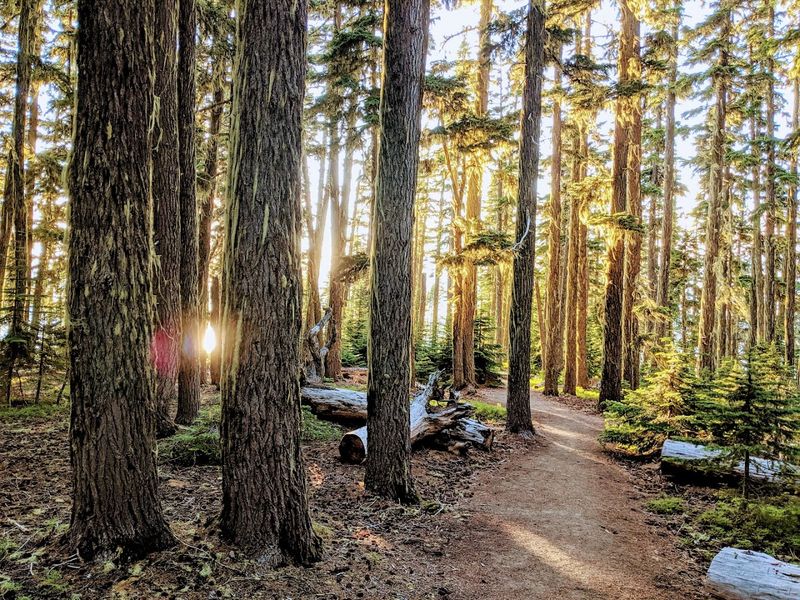
The trail system around Waldo Lake offers options for all experience levels, and most of the paths are considered moderate rather than punishing. Good, sturdy footwear is the main thing you need, since some sections cross rocky or rooted terrain.
The full loop around the lake is a serious undertaking that covers roughly 22 miles of trail. Hikers who have completed it typically take two to three days, camping along the way and stopping at the many smaller lakes visible from the trail.
Those smaller alpine lakes scattered through the Waldo Wilderness add an extra layer of beauty to an already scenic route.
For visitors who prefer a shorter outing, there are plenty of out-and-back options that still deliver gorgeous lake views without committing to a multi-day adventure. The trail sections near each campground are well-traveled and easy to navigate even for beginners.
Mountain biking is also permitted on certain trails in the area, which adds another reason to visit for those who prefer wheels over boots. The forested scenery stays consistently beautiful throughout, with towering Douglas fir and Western Hemlock creating a canopy overhead that filters the sunlight into shifting golden patches on the ground.
The Mosquito Situation Is Very Real
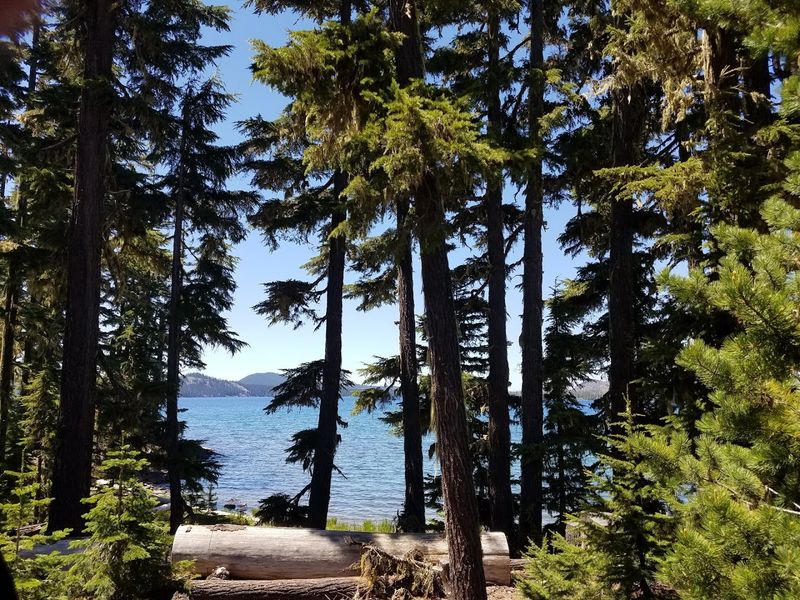
Every honest review of Waldo Lake eventually gets around to the mosquitoes, and there is no point pretending otherwise. In early summer, particularly from late June through July, the mosquito population around the lake reaches levels that most visitors describe as genuinely overwhelming.
The wet, boggy areas near the shoreline and the dense forest surrounding the lake create perfect breeding conditions. Visitors who show up without bug spray or protective clothing tend to regret it very quickly.
Packing enough repellent to last the entire trip is not optional here, it is essential.
The good news is that the mosquito season does ease up as summer progresses. Late August and September tend to bring far fewer insects, and visiting during those months means you still get warm enough weather for paddling and swimming without the relentless buzzing.
Some campers bring mosquito head nets, which look a little silly but work remarkably well. Treating your clothing with permethrin before the trip is another strategy that experienced Waldo Lake visitors swear by.
The bugs are a real inconvenience, but the lake is genuinely spectacular enough that most people who have dealt with the mosquitoes still say the trip was worth every bite.
The History Behind the Name
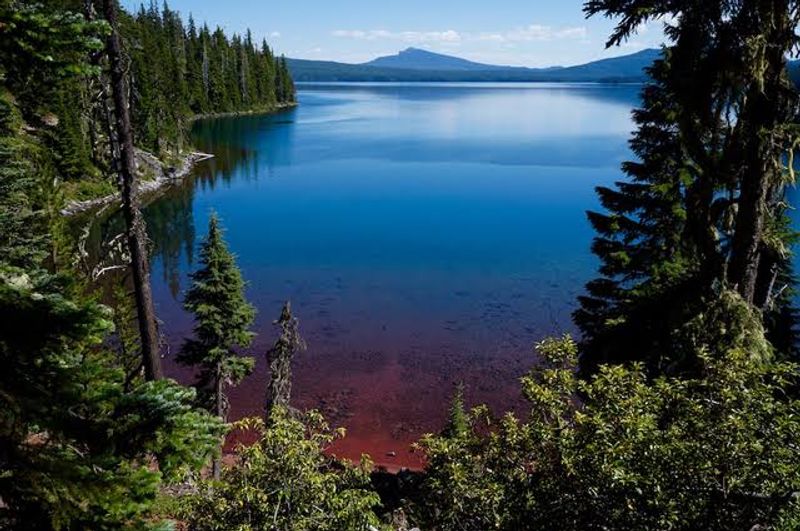
The lake carries the name of John B. Waldo, an Oregon politician, judge, and conservationist who lived in the 1800s.
Waldo was a passionate advocate for protecting Oregon’s wild places, and naming this extraordinary alpine lake after him feels like an appropriate tribute to someone who spent much of his life arguing for the preservation of natural landscapes.
He reportedly spent significant time exploring the Cascade Mountains on horseback and on foot, long before the area had trails or campgrounds. His advocacy helped shape early conservation thinking in Oregon, and his legacy is woven into the identity of the Waldo Lake Wilderness area that surrounds the lake today.
The Waldo Lake Wilderness designation protects a large chunk of land beyond just the lake itself, including dozens of smaller lakes, streams, and old-growth forest stands. That protection means the ecosystem here remains largely intact compared to more heavily developed recreation areas.
Knowing the story behind the name adds a quiet layer of meaning to a visit. Every paddle stroke across that impossibly clear water is, in a small way, a nod to the people who fought to keep places like this from being developed or degraded over the past century and a half.
Swimming and Beachside Relaxing
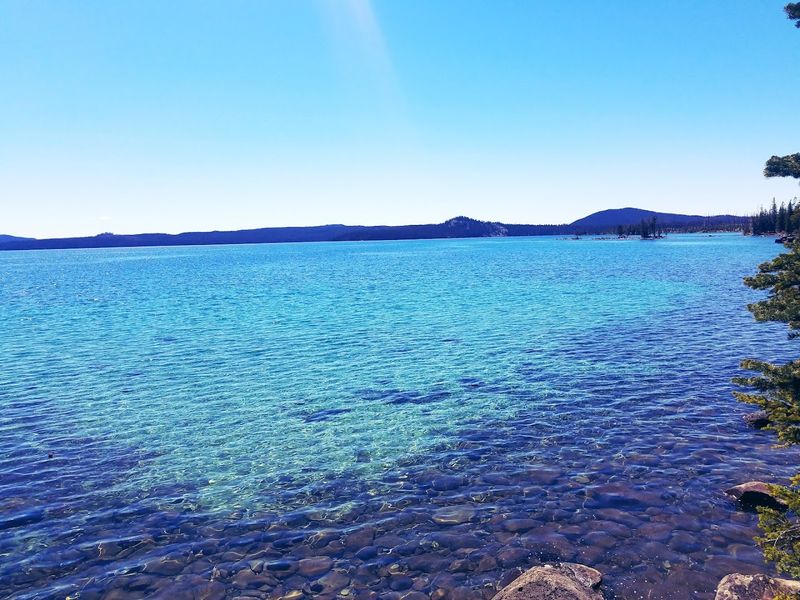
The sandy bottom that makes the water so visually stunning also makes swimming here genuinely pleasant. Several beach areas around the lake let you wade in gradually, and the sandy lakebed underfoot feels clean and natural rather than silty or muddy.
Water temperature is the main thing to manage expectations around. At over 5,000 feet of elevation, Waldo Lake does not warm up the way a lowland lake might.
Even in August, the water stays cool enough that extended swimming sessions require some tolerance for cold.
That said, on a warm sunny afternoon after a long hike, the cool water feels like exactly what your body needs. Plenty of visitors spend hours alternating between lounging on the beach, wading in to cool off, and paddling just offshore.
Some sections of shoreline do have mossy rocks, so water shoes or sandals are a smart choice for anyone who plans to spend time near the water’s edge. The beaches near the campgrounds are the easiest to access and the most comfortable for a relaxed afternoon by the water.
Multiple little sandy coves dot the shoreline, giving you options to find a quieter spot if the main beach areas feel too busy.
The Mirror Effect That Gives the Lake Its Magic
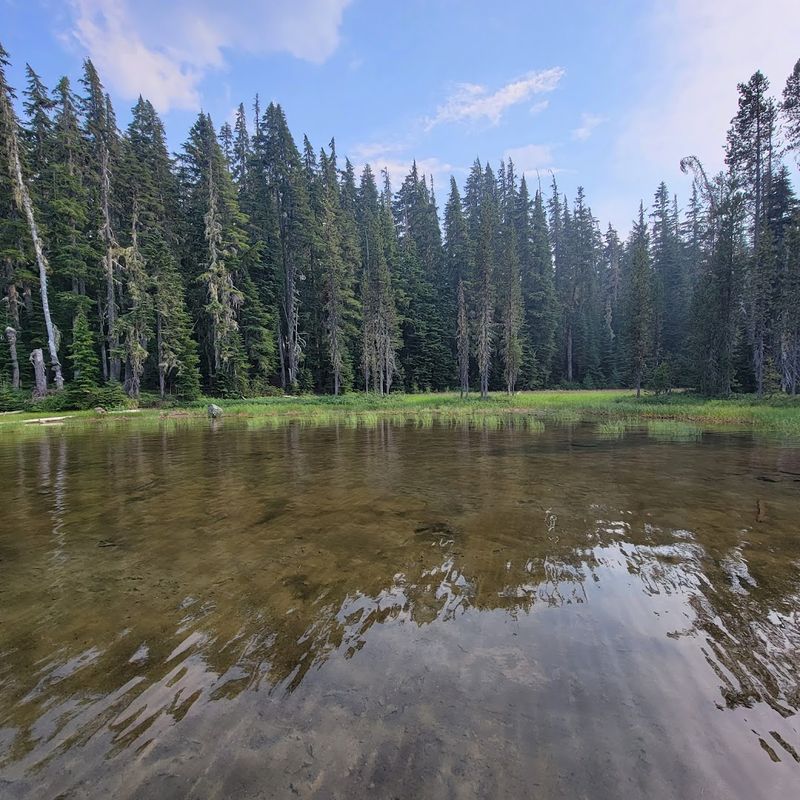
The title of this article is not an exaggeration. On calm mornings, typically in the early hours before any wind picks up, the surface of Waldo Lake becomes so still that it reflects the surrounding forest, sky, and mountains with almost photographic precision.
The combination of factors that creates this effect is specific to this lake. The lack of motorized boats means no artificial wave action.
The sheltered position of the lake within the forested Cascades means wind is often minimal in the early morning. The extraordinary water clarity means the reflection has depth and dimension rather than just a flat shimmer.
Photographers who have visited describe the experience of seeing the mirror reflection as one of the most visually striking natural moments they have encountered. The image of pine trees doubling themselves on the water surface, with the sky appearing both above and below you, creates a quiet kind of wonder that is hard to put into words.
Getting out on the water at first light in a kayak or canoe is the best way to experience this effect fully. The shoreline looks different from the middle of the lake, and on a truly calm morning, the whole scene feels suspended in a kind of perfect stillness.
Best Times of Year to Plan Your Visit
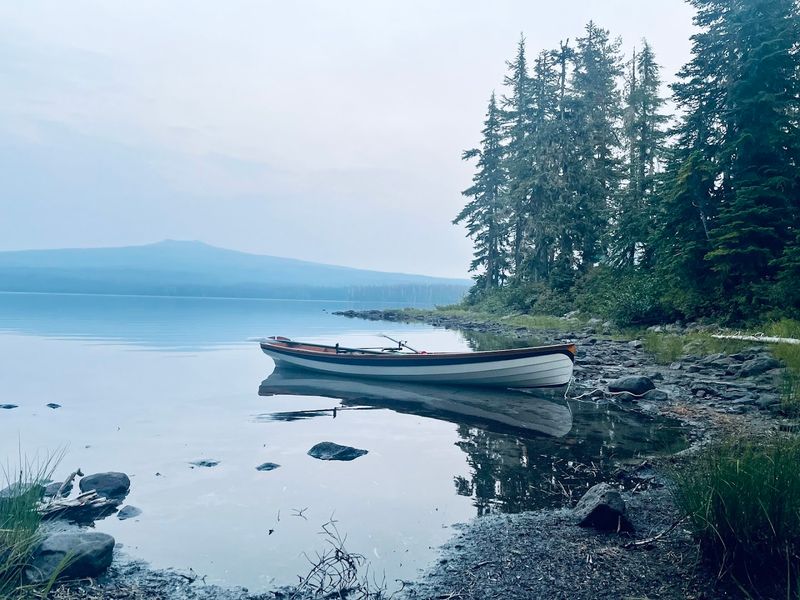
The road to Waldo Lake is typically open from late June through October, depending on snowpack and road conditions each year. Winter and early spring keep the area inaccessible under heavy snow, which is part of what keeps the lake so pristine and undeveloped.
Late August and September are widely considered the sweet spot for a visit. The mosquito population drops significantly compared to early summer, the days are still warm enough for paddling and swimming, and the campgrounds are slightly less crowded than peak July weekends.
Early July can be stunning in terms of wildflowers and lush green forest, but the mosquito situation during that window is at its worst. Visitors who go in early summer should treat it as a non-negotiable part of the trip and prepare accordingly rather than hoping for the best.
Fall visits in late September and early October bring a different kind of beauty, with the surrounding vegetation shifting color and the air turning sharp and cool. Fishing tends to be productive in the fall as well, since the lake holds rainbow trout and brook trout.
The lake closes to camping after the season ends, so checking current Forest Service dates before planning a fall trip is always a smart move.
Fishing on One of Oregon’s Purest Lakes
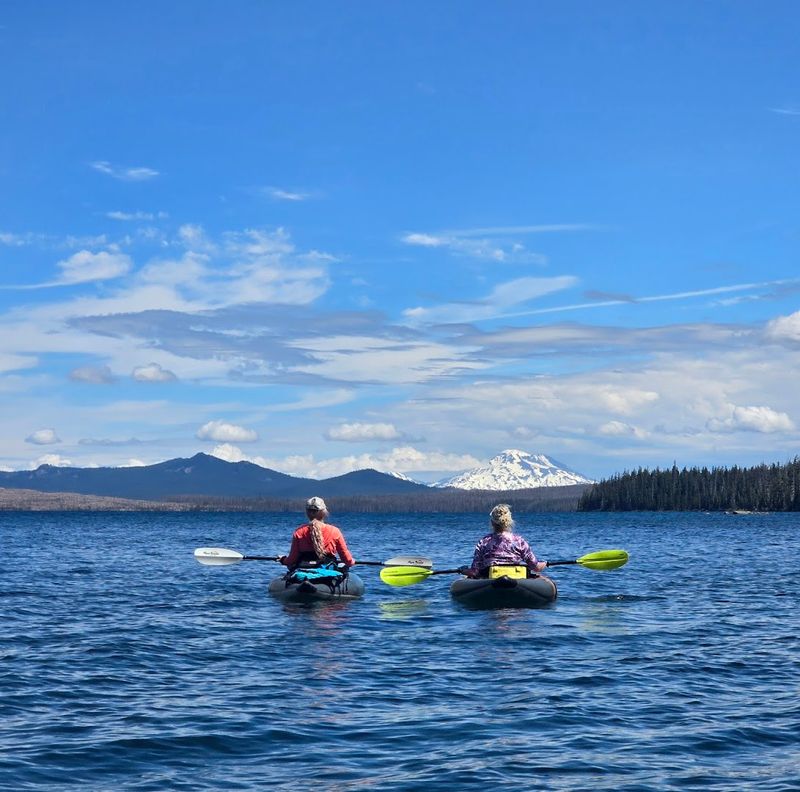
Fishing at Waldo Lake is a quieter, more contemplative experience than at most Oregon lakes, and that suits a certain kind of angler perfectly. The ban on gas-powered motors means the water stays calm and undisturbed, which makes reading the surface for fish activity much easier.
The lake holds rainbow trout and brook trout, and while the fish population is not as dense as in more nutrient-rich lakes, the setting more than compensates. Casting a line from a canoe or kayak on water so clear you can see the bottom far below you is a genuinely unusual experience.
The purity of the lake actually works against large fish populations in some ways, since the low nutrient levels limit the food chain from the bottom up. Anglers who come here expecting a high-volume catch may be disappointed, but those who appreciate the atmosphere and the occasional strike in a spectacular setting find it deeply satisfying.
Fishing regulations for Waldo Lake fall under Oregon Department of Fish and Wildlife rules, so checking current season dates and limits before your trip is important. A valid Oregon fishing license is required, and the rules around specific gear and catch limits can vary by season and species.
Practical Tips Before You Make the Drive
A few practical details can make the difference between a smooth trip and a frustrating one. The access road to Waldo Lake is paved but narrow in sections, and larger RVs or trailers may find some parts of the drive challenging.
Checking road conditions through the Willamette National Forest website before heading out is always a good idea.
Campsite reservations fill up quickly, especially for summer weekends. Booking through Recreation.gov well in advance is the standard approach, and waiting until the last minute rarely works out during peak season.
The campgrounds do not have hookups for electricity or water, so self-sufficiency is key.
Cell service is essentially nonexistent at the lake, so downloading offline maps and any information you need before leaving town is important. A Wilderness Pass or Northwest Forest Pass may be required depending on where you park and what trails you access, so checking the current requirements saves a potential headache.
Pack out everything you bring in, since the Leave No Trace ethic is taken seriously here and helps keep the lake as pristine as it currently is. The combination of preparation and respect for the environment is exactly what allows a place this extraordinary to stay that way for the next generation of visitors.
Share this story