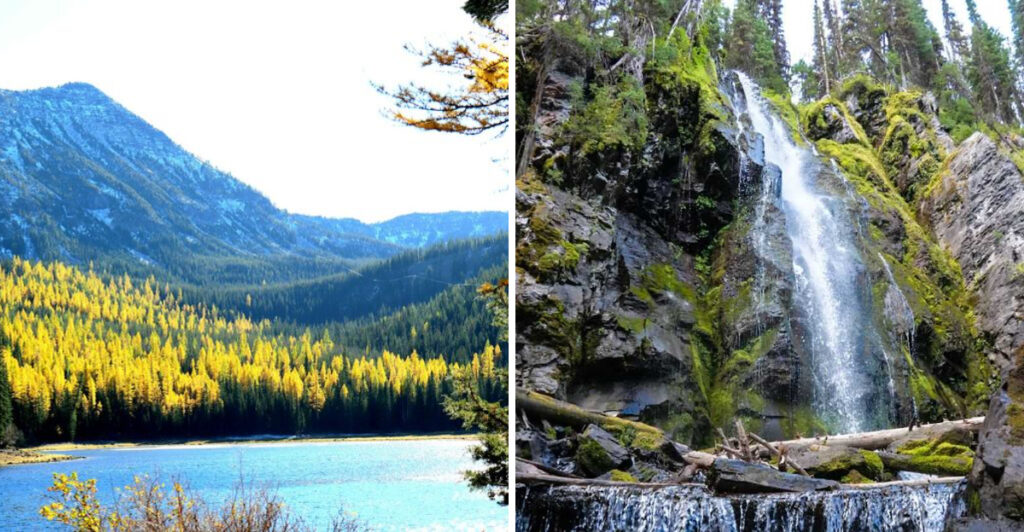
There is a corner of eastern Oregon where the mountains rise sharply, the creek water runs ice-cold even in July, and the trails lead you past waterfalls and into open meadows that feel like they belong in a painting. Most people blow right past this part of the state without realizing what is hiding in the Strawberry Mountain Wilderness.
That is honestly their loss, because this area delivers the kind of mountain scenery that stops you mid-step and makes you forget whatever was stressing you out back home. I made the drive out here expecting a decent camping trip, and I ended up with one of the most memorable outdoor adventures I have had anywhere in the Pacific Northwest.
Where Exactly You Are Going
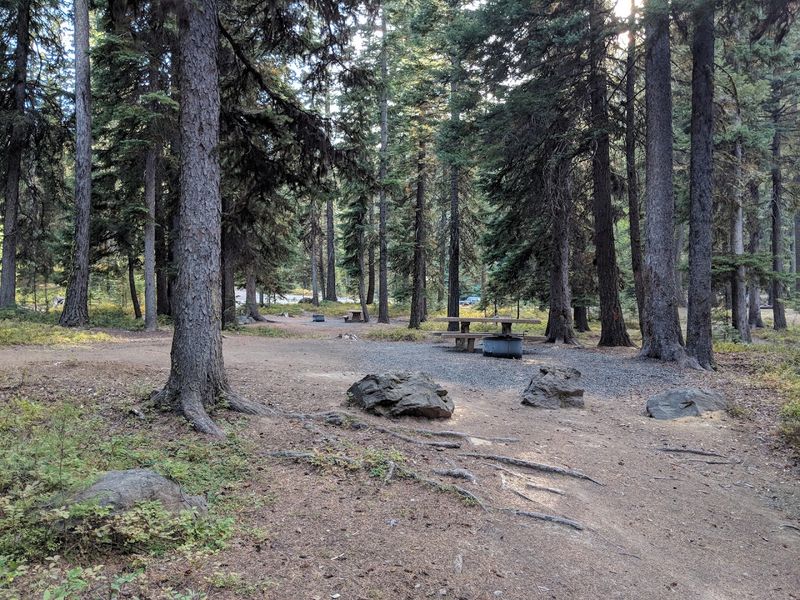
Strawberry Campground sits about 11 miles south of Prairie City, Oregon, tucked into the Malheur National Forest at the edge of the Strawberry Mountain Wilderness. The full address puts it near Prairie City, OR 97869, and you can reach the ranger station at 541-575-3000 for current road and site conditions before you head out.
Getting there requires navigating a narrow, winding backroad that gets progressively rougher the closer you get to the campground. The last mile or so is the bumpiest stretch, so a high-clearance vehicle is a smart choice, though plenty of people have made it in standard passenger cars by taking it slow.
The campground sits at a solid elevation, which keeps temperatures cooler than the valley below even on hot summer days. That elevation also means the surrounding landscape shifts from dry eastern Oregon scrub into a proper mountain forest with towering conifers, open meadows, and a creek that sings through the whole site.
Worth every bump in the road to get here.
The Campground Layout and What to Expect
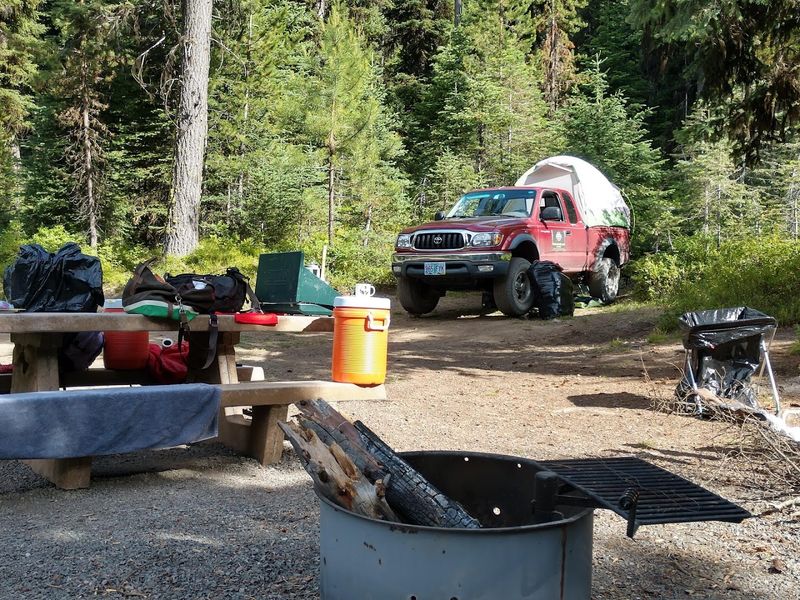
Ten campsites make up the main campground, each one spaced generously under a thick canopy of conifers that keeps the area shaded and cool throughout the day. Every site comes with a picnic table and a fire ring fitted with a cooking grate, which makes meal prep over an open fire surprisingly straightforward.
This is a first-come, first-served campground with no reservation system, so arriving early is not just a suggestion but a real strategy. Weekends fill up fast, and I have heard of campers arriving in the early afternoon on a Saturday only to find every spot taken.
A Thursday or Friday arrival gives you the best shot at landing a prime site.
Site number one has a reputation for being the most secluded of the bunch, with its own small private waterfall nearby that you can hear from your sleeping bag at night. The fee is cash only, so bring bills before you leave town.
Running water is available on site, and the vault toilets are kept reasonably clean given how remote the location is.
Strawberry Creek Running Through Camp
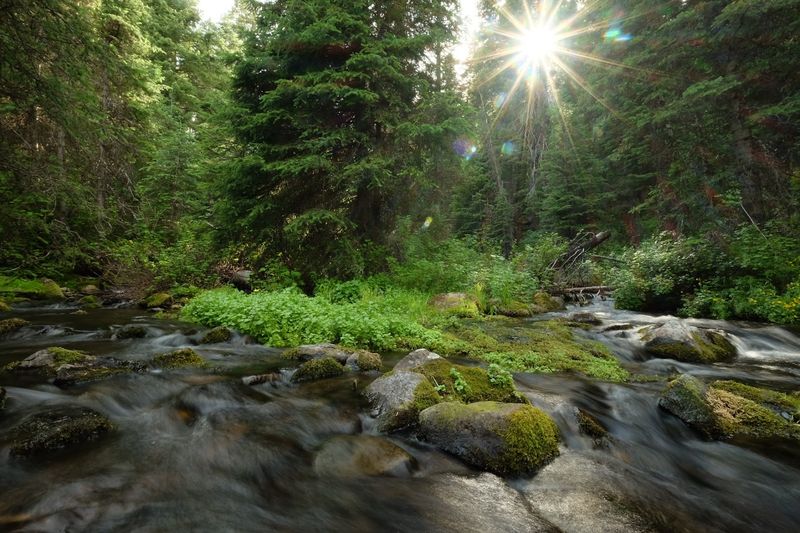
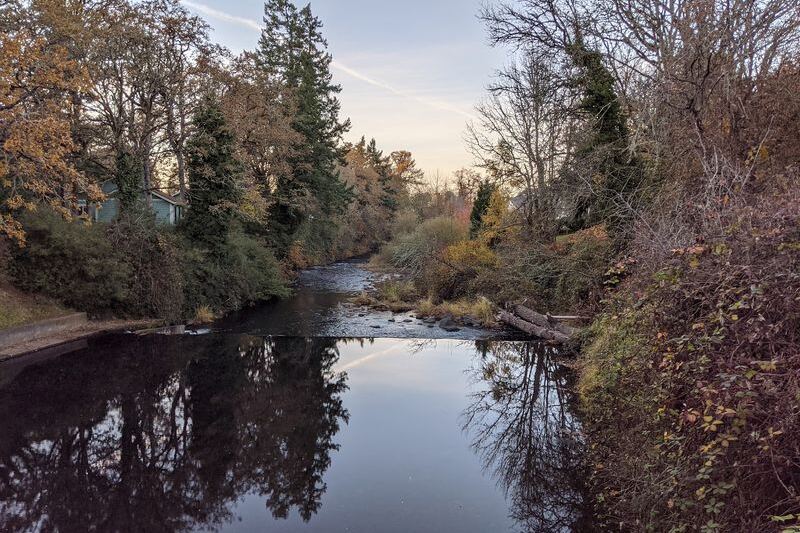
Strawberry Creek is the sound that defines this campground. It runs along the western edge of the sites, and the constant rush of cold, clear water over smooth rocks creates a background soundtrack that makes it genuinely hard to stay stressed about anything.
On a hot summer afternoon, the creek is refreshing in the most direct way possible. The water comes straight down from snowfields higher up in the Strawberry Mountain Wilderness, so it stays cold well into August.
Dipping your feet in after a long hike is one of those simple pleasures that feels almost unreasonably satisfying.
One thing worth knowing is that the creek sound can mask other noises around camp at night, which some people love and others find a little unnerving in the dark. If you are a light sleeper who wants to hear every sound in the forest, choosing a site farther from the water makes sense.
For everyone else, falling asleep to the sound of moving water in the Oregon mountains is about as good as it gets for a camping experience.
The Hike Up to Strawberry Lake
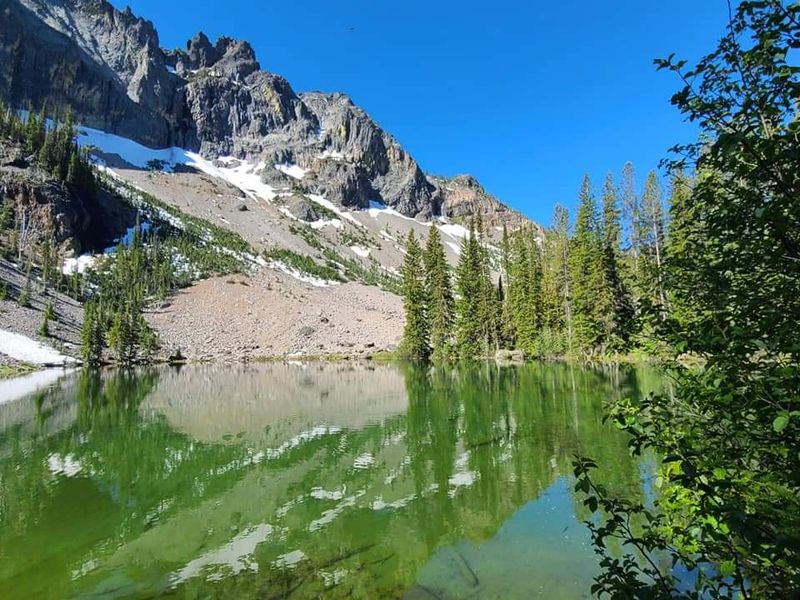
The trail to Strawberry Lake starts right at the campground trailhead, which means you roll out of your sleeping bag and you are practically already on the path. The hike covers roughly two miles one way and gains elevation steadily but never brutally, making it accessible for most fitness levels including kids and older hikers.
Most people complete the uphill stretch in about 40 to 60 minutes, while the return trip downhill tends to go faster. The trail is well-maintained and easy to follow, winding through dense forest before the trees begin to open up as you gain altitude.
The views that greet you near the top make the effort feel almost laughably worthwhile.
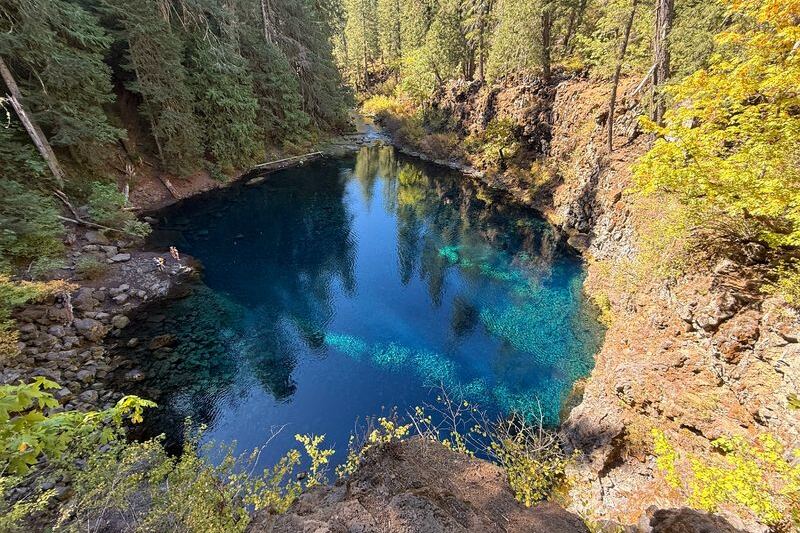
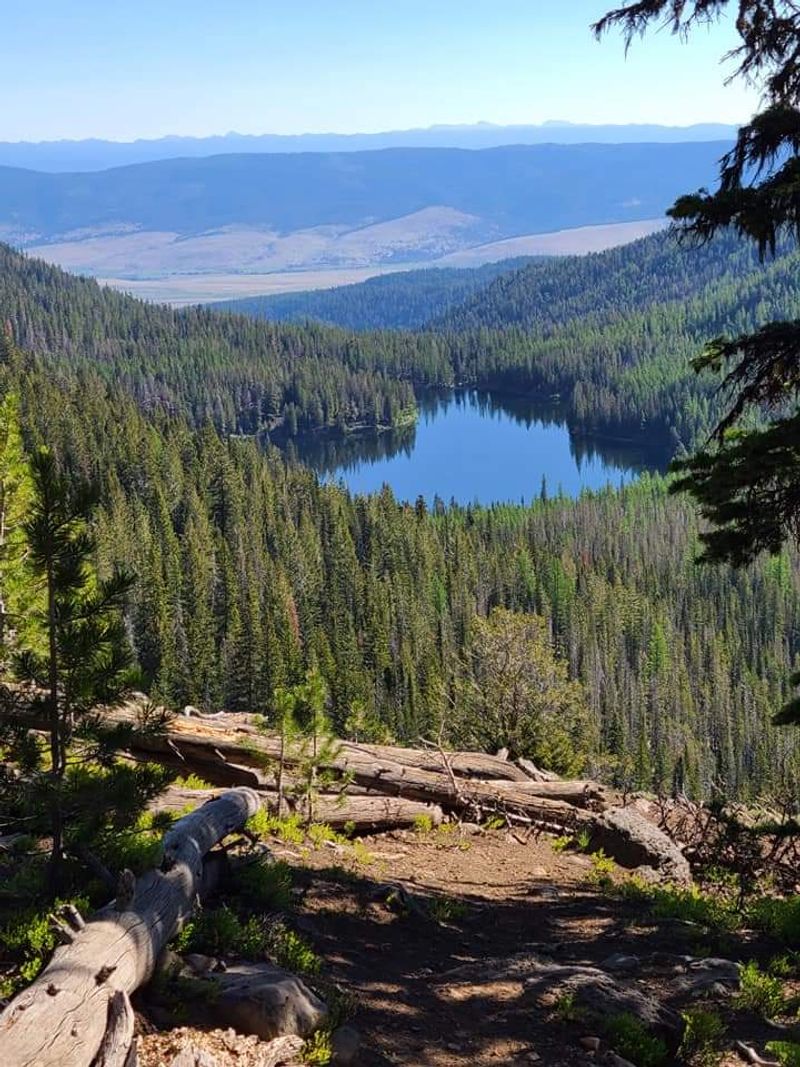
Strawberry Lake itself is a classic alpine lake with clear water, rocky shores, and a dramatic mountain backdrop that makes every photo look professionally composed. The lake sits at the base of Strawberry Mountain, and on calm mornings the reflection on the water is genuinely stunning.
Swimming is possible and the water is cold enough to wake up every nerve ending in your body all at once.
Strawberry Falls and Little Strawberry Lake
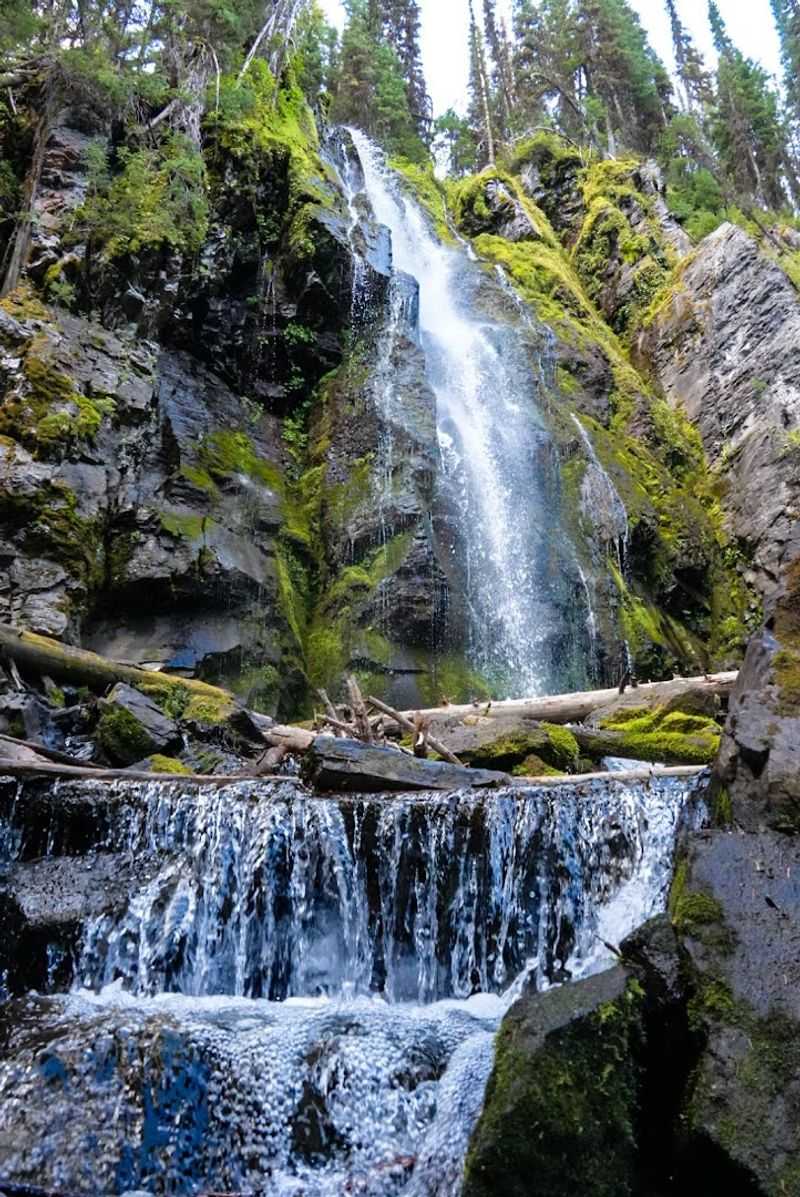
Past Strawberry Lake, the trail continues deeper into the wilderness toward two more rewarding destinations that many day hikers skip simply because they do not know about them. Little Strawberry Lake is a quieter, more intimate version of its larger neighbor, tucked close against the mountain in a way that feels almost secretive.
Strawberry Falls is the real showstopper on this stretch of trail. The waterfall drops with serious force over a rocky ledge and the mist it throws out reaches you well before you can see the falls themselves.
Near the end of the lake trail, there is a marker in permanent ink pointing the way directly to the falls, and following it is absolutely the right call.
The round trip to see both the lake and the falls adds meaningful mileage to your day, so packing enough water and snacks is essential. The payoff is a series of landscapes that shift from dense forest to open rocky terrain to the spray-filled air near the waterfall, all within a single connected hike that feels like a highlight reel of Oregon mountain scenery packed into one outing.
High-Country Meadows and Open Ridgelines
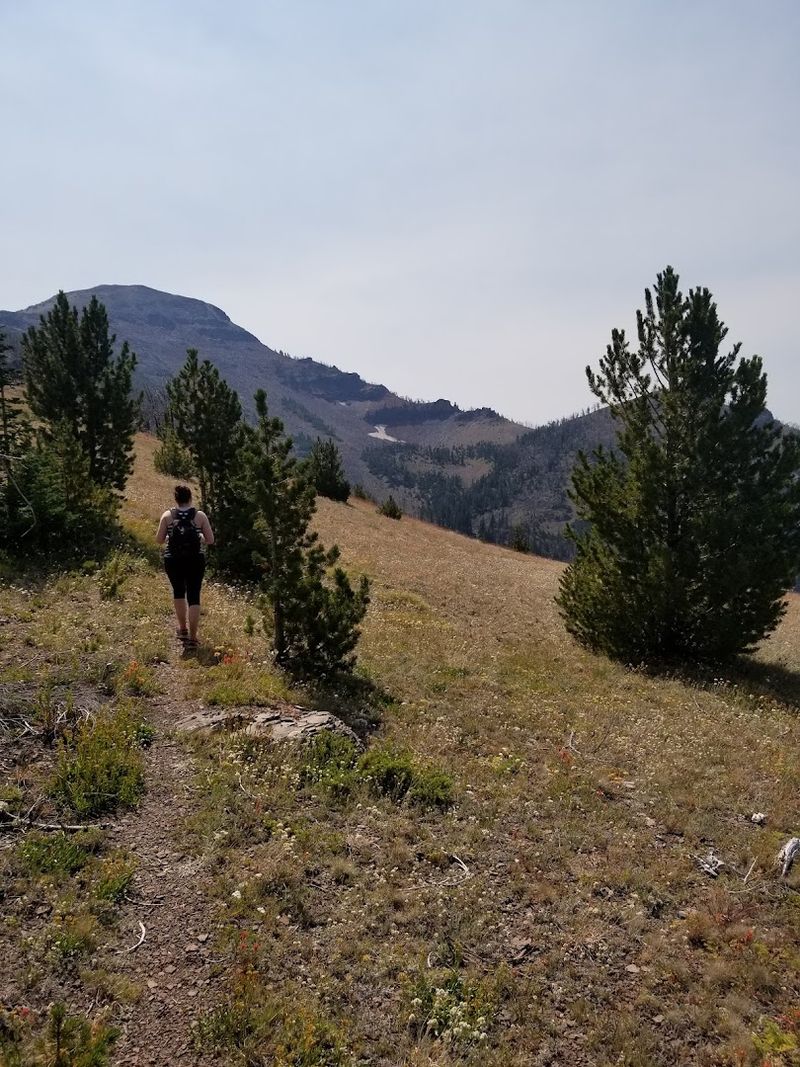
Higher up in the Strawberry Mountain Wilderness, the forest gives way to open meadows that stretch across the landscape in a way that makes you feel genuinely small in the best possible sense. These high-country meadows sit above the treeline and offer unobstructed views of the surrounding peaks and valleys that extend for miles in every direction.
The meadows bloom with wildflowers through the summer months, painting the open ground in shades of yellow, purple, and white that contrast sharply against the dark green of the forest below. Late July tends to be the peak of the wildflower display, though early August can also be spectacular depending on the snowpack from the previous winter.
Hikers willing to push beyond the lake and falls will find that the trail system connects to longer routes that traverse these ridgelines and open benches. Backpackers regularly use the campground as a launching point for multi-day trips deeper into the wilderness.
The sense of space up on those ridges is something that is difficult to convey in words and very easy to feel the moment you step out of the trees and the whole landscape opens up around you.
Wildlife You Might Actually See
Mountain goats are one of the more unexpected wildlife encounters in this area, and several visitors have spotted them on the rocky slopes above the lake. Seeing a mountain goat for the first time in the wild is a genuinely memorable moment, the kind that makes you stop and stare long enough to forget you were supposed to be hiking somewhere.
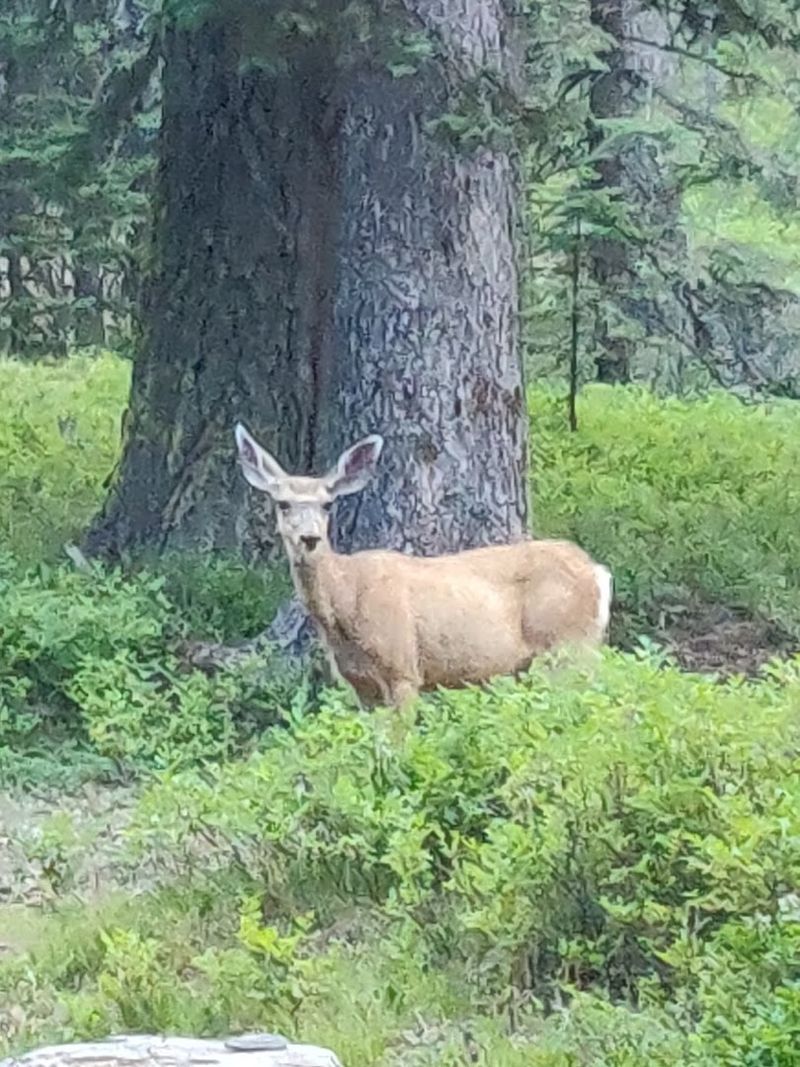
Deer are common throughout the campground and trail system, often appearing at dawn and dusk near the creek and meadow edges. Birds are plentiful in the forest canopy, and the creek attracts species that prefer moving water.
Bringing a pair of binoculars adds a whole layer of interest to any walk through this landscape.
Yellow jackets are a known nuisance around camp during warmer months, so keeping food sealed and being mindful around cooking areas helps reduce unwanted visitors of the buzzing variety. Mosquitoes, interestingly, tend to be less of a problem at night than you might expect at this elevation.
The wildlife here is part of what makes the experience feel like a genuine wilderness trip rather than just a pleasant drive into the hills.
The Road In and How to Prepare Your Vehicle
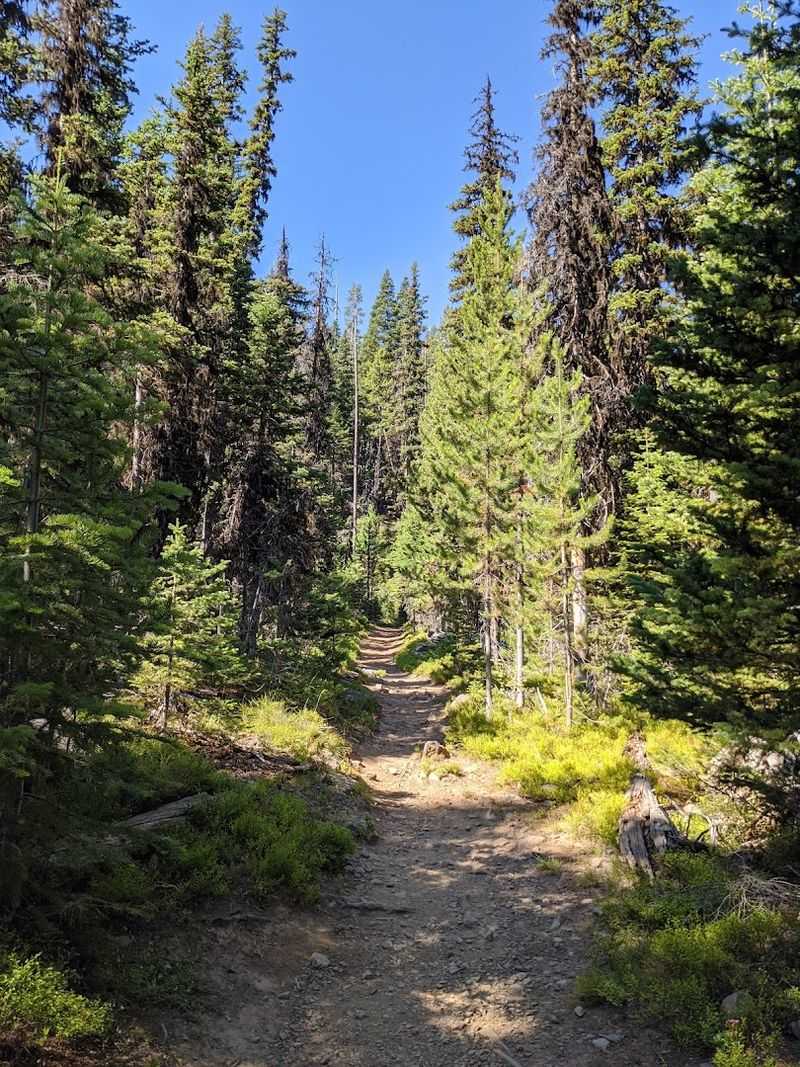
The road to Strawberry Campground is one of those situations where what you drive matters more than usual. The first several miles are manageable, but the final stretch gets rough enough that the suspension of a low-clearance vehicle is going to have a bad time.
High-clearance trucks and SUVs handle it without drama, while standard sedans can make it but require patience and a slow pace.
Road conditions vary significantly by season and by how recently the Forest Service has graded the surface. Calling the ranger station at 541-575-3000 before your trip is a genuinely useful step, especially in spring when the road may still be recovering from winter.
The phone call takes two minutes and can save you a long frustrating drive only to turn around.
There are two or three other campgrounds along the road leading up to Strawberry, which serves as a backup plan if the main campground is full by the time you arrive. These lower campgrounds are less polished but still offer access to the wilderness trail system.
The drive itself, rough patches and all, passes through beautiful eastern Oregon forest that sets the mood for everything that follows once you arrive at camp.
Best Times to Visit and Seasonal Conditions
Summer is the prime season here, with July and August offering the most reliable weather and the best trail conditions. Snowpack from the previous winter can linger into early summer at higher elevations, so checking conditions before a June visit is a smart move.
The campground typically opens sometime in late spring depending on how quickly the road dries out.
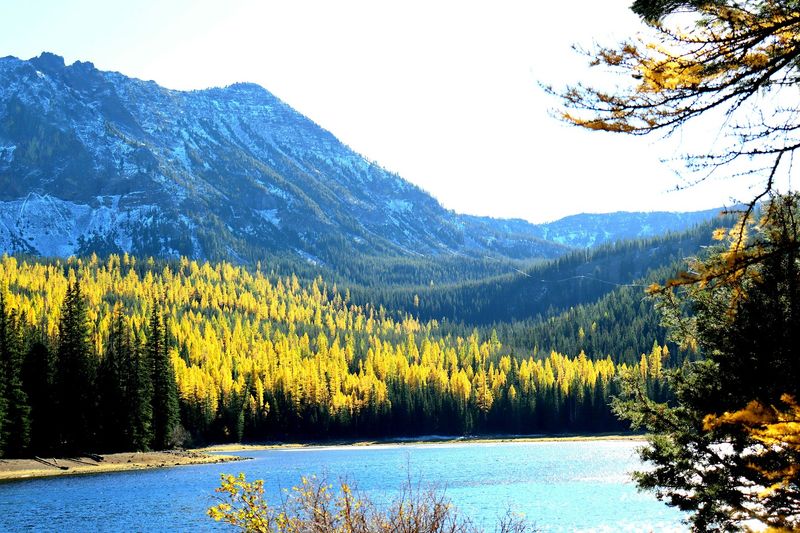
Fall brings one of the most visually striking experiences this area offers. The tamarack trees, which are a deciduous conifer, turn a brilliant gold before dropping their needles, and hiking through the wilderness when those trees are at peak color is something that sticks with you long after the trip ends.
Early October tends to be the sweet spot for fall color in this part of eastern Oregon.
Winter closes the campground and makes the road impassable for most vehicles, so this is firmly a three-season destination. Spring visits are possible for those with the right vehicle and a flexible attitude toward muddy conditions.
The shoulder seasons also mean fewer people, which is its own kind of reward in a campground with only ten sites and a tendency to fill up quickly on summer weekends.
Why This Trip Belongs on Your Oregon List
Eastern Oregon does not always get the attention it deserves compared to the coast or the Cascades, and that works entirely in favor of anyone willing to make the drive. Strawberry Campground and the wilderness it accesses deliver a mountain experience that feels raw and unhurried in a way that more famous destinations in the state simply cannot match anymore.
The combination of a waterfall, an alpine lake, high-country meadows, and genuine wildlife sightings all within reach of a single trailhead is rare. Most destinations offer one or two of those things.
This corner of Oregon delivers all of them connected by a well-maintained trail that welcomes hikers of varying experience levels.
It is worth noting that visitors from far-flung states, including some who have traveled from as far as Oklahoma, have made this campground a destination specifically because of how unspoiled it remains. Oklahoma travelers and others who seek out places far from the beaten path consistently describe this spot as the kind of find that makes long road trips worthwhile.
The mountains here do not need to shout to get your attention, they just need you to show up, and then they do the rest.
Share this story