There is a place on the Florida Panhandle where the ocean’s most daring secrets are preserved behind glass, mounted on walls, and parked right outside in the sunshine. Most visitors to Panama City Beach spend their days on the sand, but tucked along the main parkway is a museum that tells a completely different story about what humans have done beneath the waves.
From Cold War-era underwater habitats to vintage diving helmets that look straight out of a science fiction film, this spot is packed with history that most people never knew existed. Whether you are traveling with kids, a history-loving partner, or just your own curious mind, this museum is one of those rare stops that genuinely surprises you.
Where the Museum Calls Home
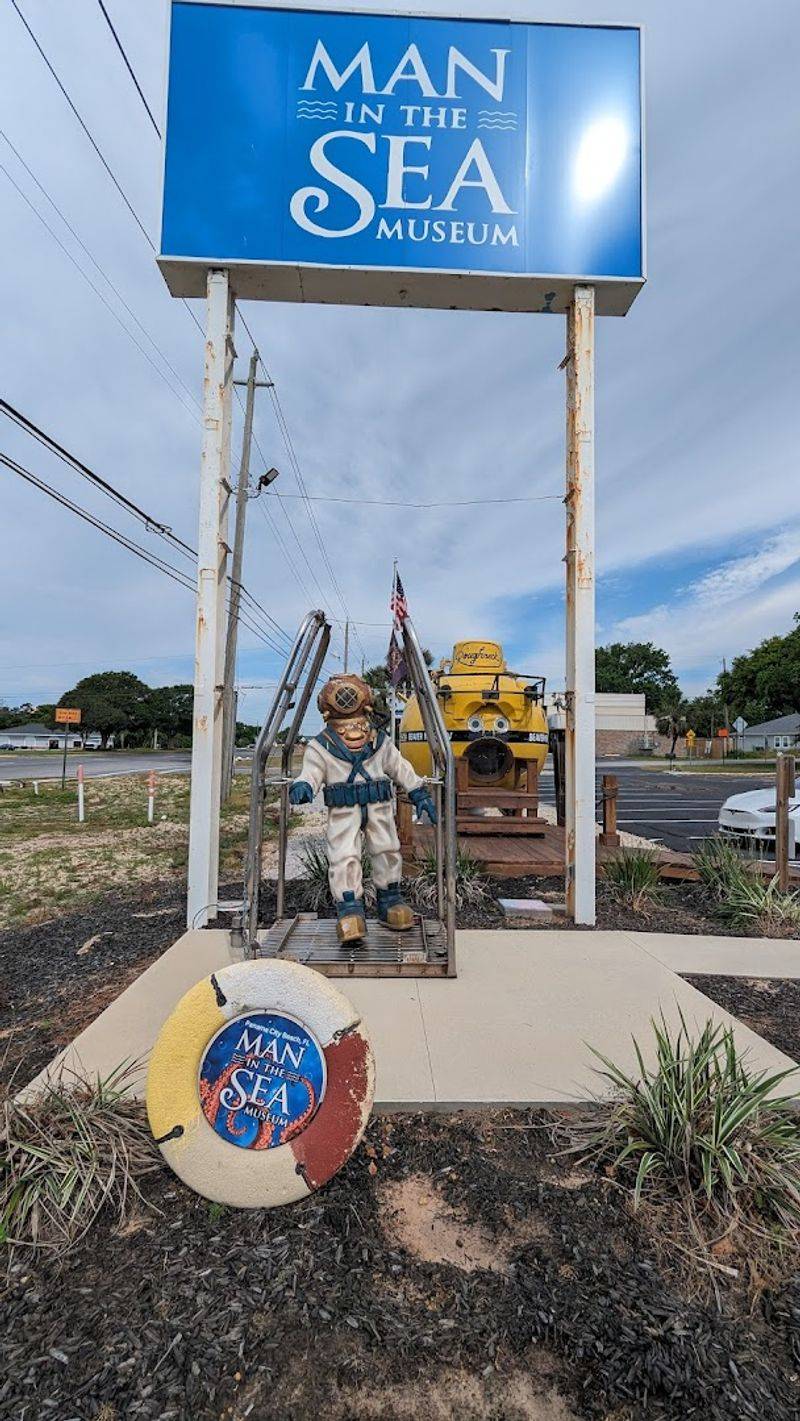
The Man in the Sea Museum sits at 17314 Panama City Beach Pkwy, Panama City Beach, right along one of the busiest roads on the Florida Panhandle.
You will probably spot it before you even park, because the outdoor exhibits are hard to miss. Submersibles, diving bells, and large equipment are arranged in the lot like a preview of everything waiting inside.
The museum is open Wednesday through Saturday, 10 AM to 4 PM, and is closed Sunday through Tuesday, so planning ahead matters.
The location is convenient whether you are staying on the beach or passing through. It sits just far enough from the tourist strip to feel like a real discovery, but close enough that adding it to your itinerary takes almost no extra effort.
America’s Oldest Dive Museum
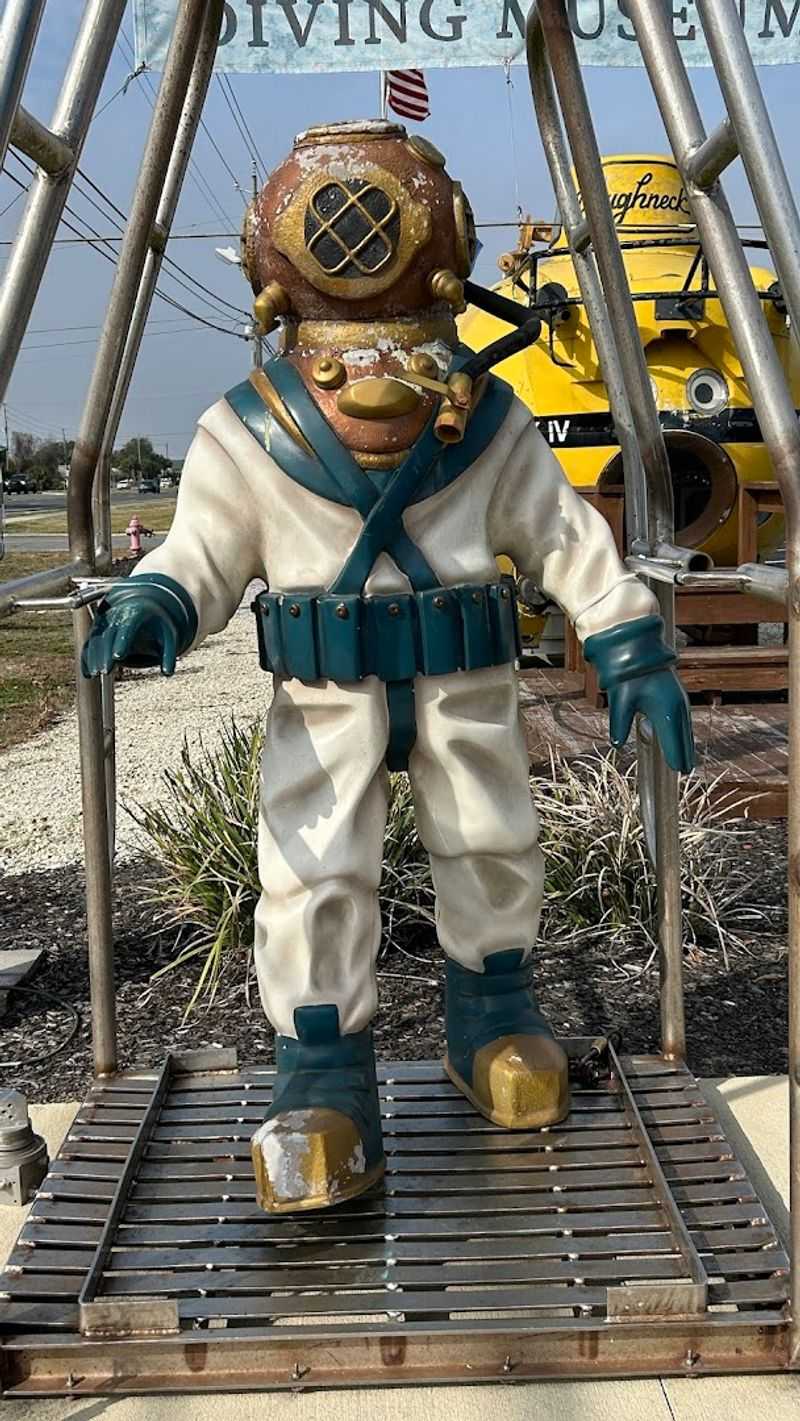
Not many museums can claim the title of oldest in their category, but this one genuinely holds that distinction. The Man in the Sea Museum is recognized as the nation’s oldest dive museum, which is a remarkable fact for a building that sits so quietly along a Florida beach highway.
That history gives the whole place a weight that you feel as soon as you walk through the door. The exhibits are not just interesting, they are irreplaceable.
The museum traces humanity’s relationship with the ocean from as far back as the 1500s, moving through centuries of innovation, risk, and discovery. Each era gets its own chapter in the story, told through real equipment, photographs, and detailed explanations that are easy to follow at any age.
Knowing that no other museum in the country has been telling this story longer makes every artifact feel that much more significant.
The Sealab Story That Changed Everything
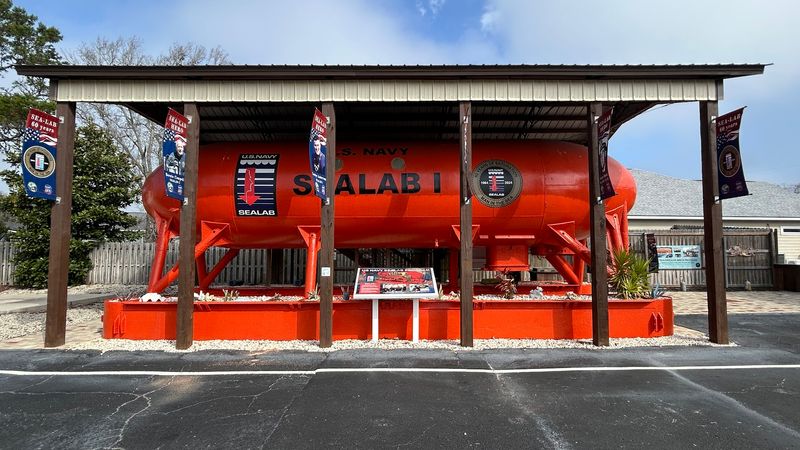
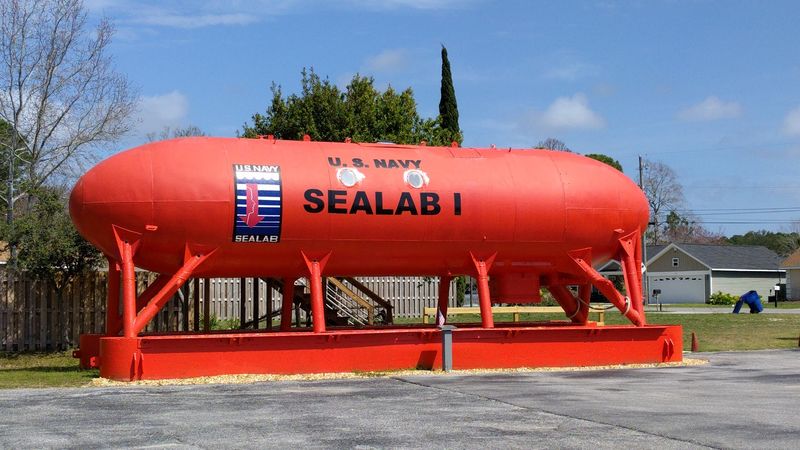
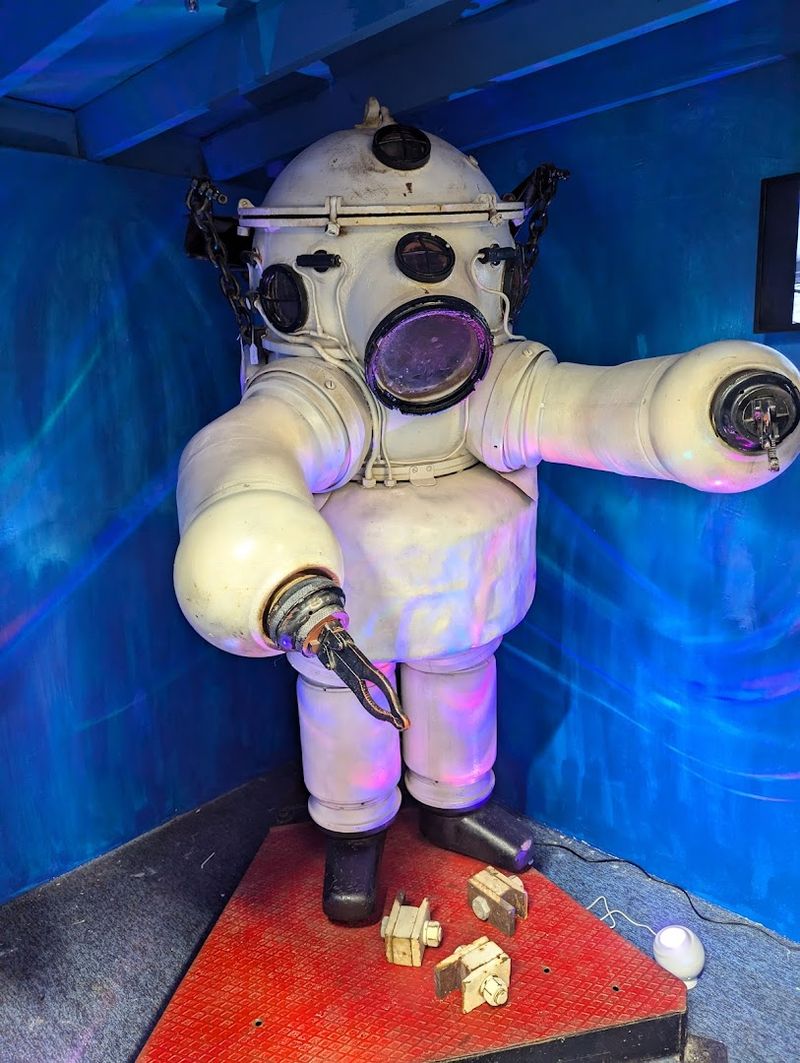
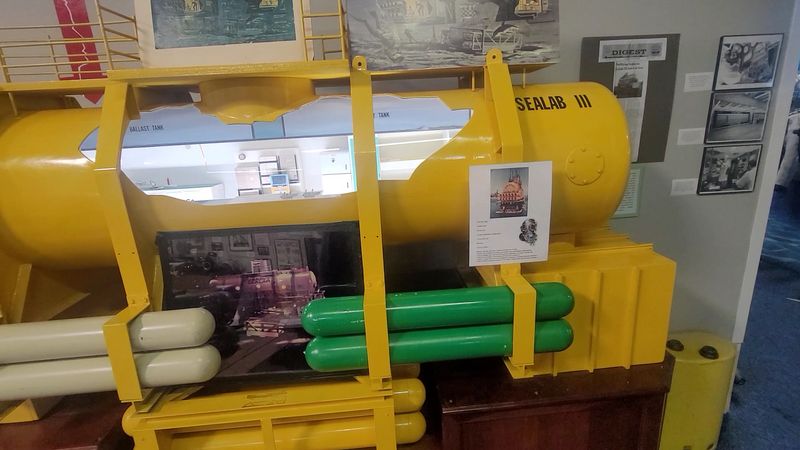
The centerpiece of the outdoor collection is something most Americans have never heard of, yet it quietly changed the course of underwater science. Sealab I was the United States Navy’s first experimental underwater habitat, designed to test whether humans could live and work beneath the ocean’s surface for extended periods.
The actual structure sits in the museum’s parking lot, and visitors can walk right up to it and step inside. That access makes the experience feel completely different from reading about it in a textbook.
A 45-minute documentary screened inside the museum covers the entire Sealab program in detail, from its ambitious beginnings to its lasting impact on deep-sea research. Watching the film before exploring the hardware outside helps everything click into place.
The moment you squeeze through the hatch and realize how small the living quarters actually were, the bravery of the people who lived inside becomes very real, very fast.
A Documentary Worth Every Minute
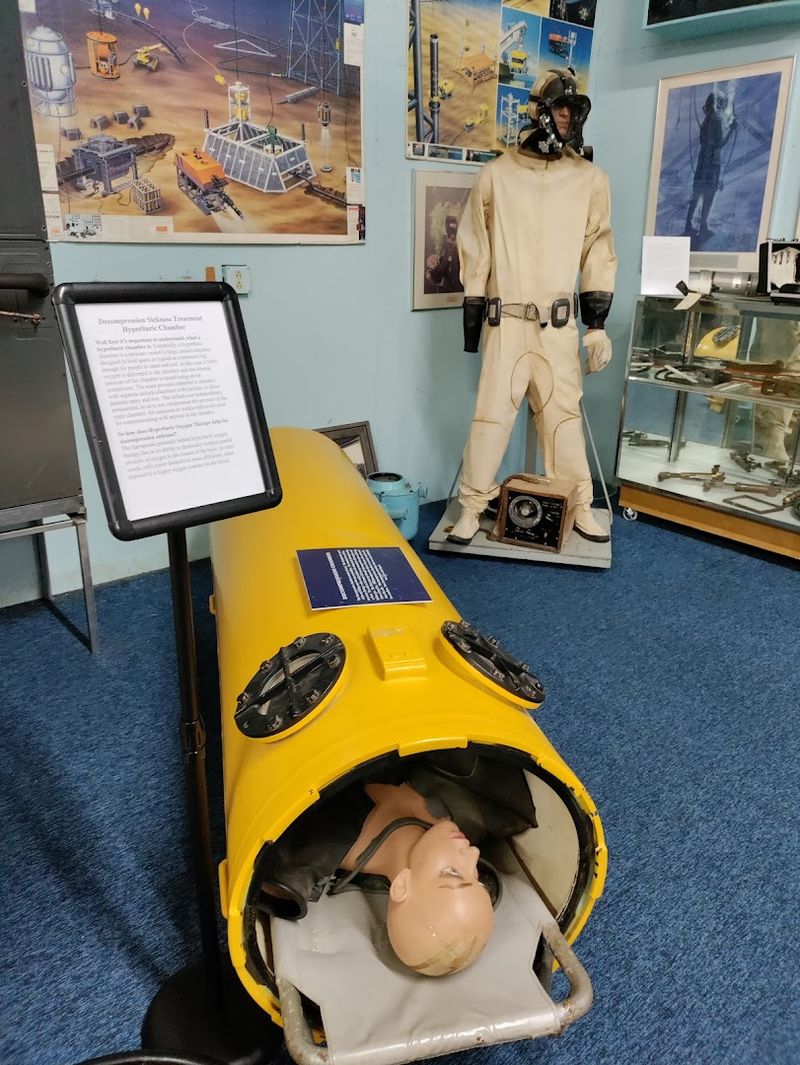
Before wandering through the artifact halls, most staff members encourage visitors to watch the 45-minute documentary first, and that advice is worth following. The film covers the history of deep-sea exploration and the development of the Sealab projects in a way that gives context to every exhibit you will see afterward.
The production is genuinely engaging, packed with archival footage, interviews, and technical details that feel surprising rather than dry. It is the kind of documentary that makes you lean forward in your seat.
Snacks and drinks are included as part of admission while you watch, which adds a comfortable, relaxed feel to the experience. The theater is small and cozy, which actually makes the whole thing feel more personal than a big cinema would.
By the time the credits roll, you will have a solid understanding of why this museum exists and why the work it preserves actually mattered for modern ocean science.
Helmets That Look Like They Belong in a Galaxy Far Away
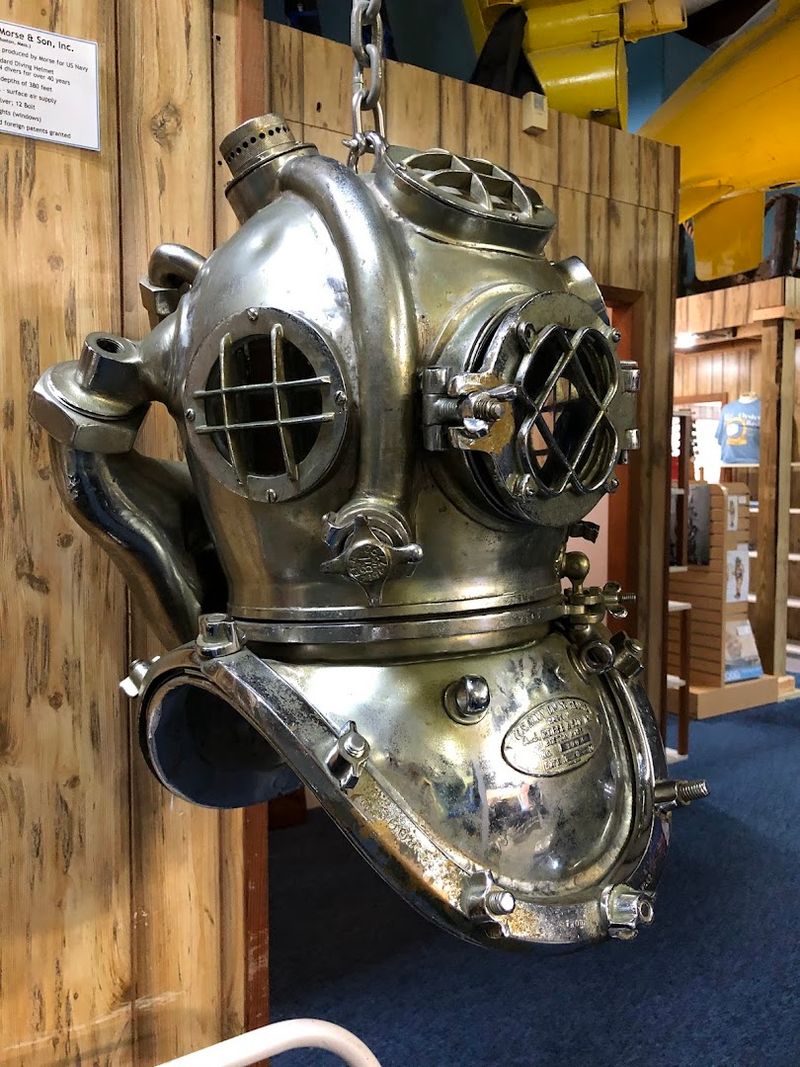
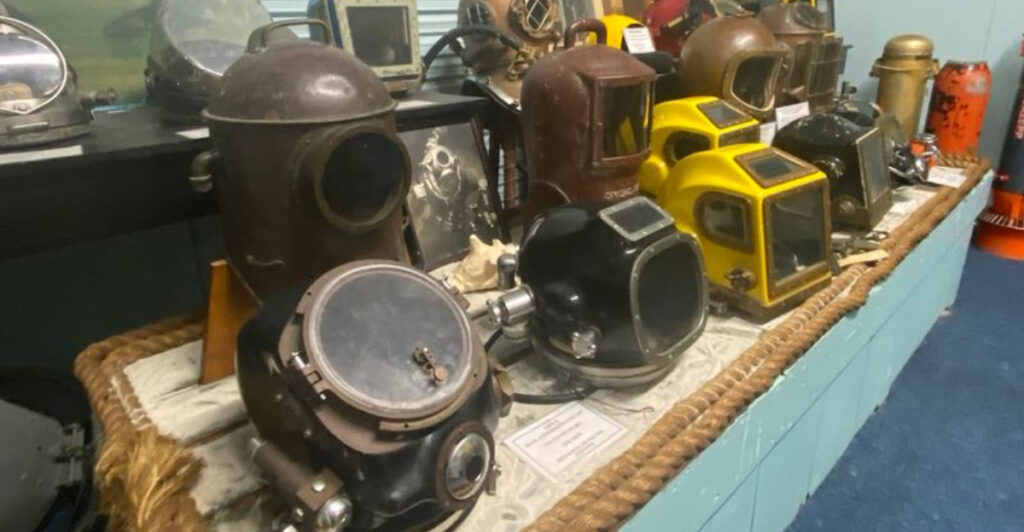
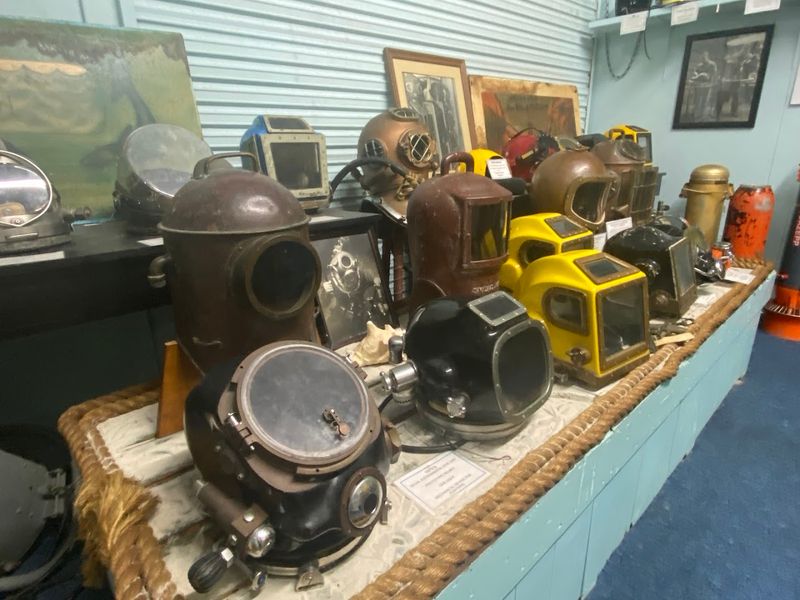
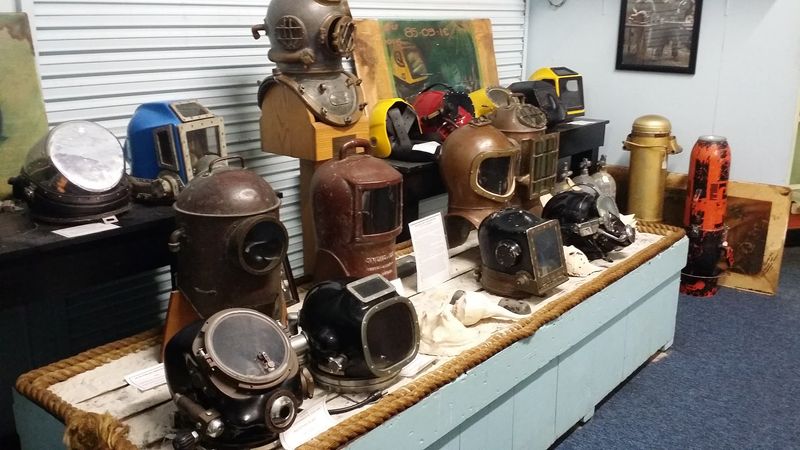
One of the most visually striking parts of the museum is the helmet collection, and it genuinely stops people in their tracks. The old deep-sea diving helmets are enormous, heavy, and designed with a kind of industrial beauty that makes them look more like movie props than real working equipment.
Several visitors have compared them to something out of Star Wars, and standing in front of them, it is easy to see why. The craftsmanship and sheer bulk of the early models make modern scuba gear look almost impossibly light by comparison.
What makes this display especially interesting is the progression. You can follow the evolution of helmet design across decades, watching how engineers slowly stripped away weight and bulk while improving visibility and communication systems.
Some of the helmets are set up for photos, letting you try them on and get a very physical sense of what early divers carried on their shoulders every single time they went under.
Hands-On Exhibits That Actually Let You Touch Things
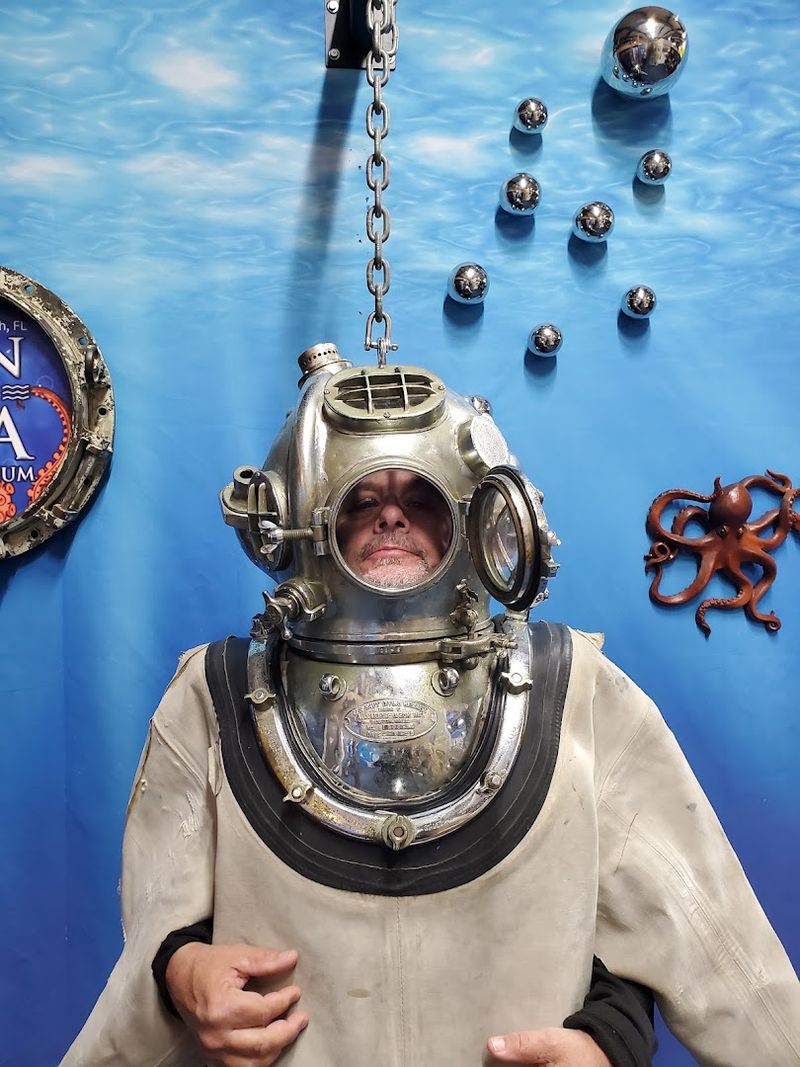
Most museums post signs that say do not touch. This one operates on a refreshingly different philosophy.
Unless an item is behind glass, visitors are generally welcome to pick it up, try it on, and handle it directly, which creates a completely different kind of learning experience.
Feeling the actual weight of a vintage diving helmet is something no photograph or description can replicate. Your arms will immediately understand why those early divers had to be physically strong just to do their jobs.
The hands-on approach works especially well for kids, who tend to engage far more deeply when they can interact with objects rather than just look at them. But adults respond just as enthusiastically, often spending more time at the tactile displays than anywhere else in the building.
That willingness to let people connect physically with history is one of the things that makes this museum stand out from almost every other small museum in Florida.
The Kids’ Scavenger Hunt That Makes History Fun
Getting children genuinely excited about a history museum can be a challenge, but this place solves that problem with a well-designed scavenger hunt that sends kids searching through the exhibits for specific clues and objects.
The activity keeps younger visitors focused and engaged throughout the entire museum rather than drifting toward the exit after ten minutes. Parents tend to appreciate it just as much as the kids do.
There are also coloring activities available, giving younger children who might not be ready for the full exhibit tour something meaningful to do while their family explores. The museum clearly put thought into making the visit work for every age in the group.
Even a five-year-old can walk away with a sense of discovery and accomplishment, which is a harder thing to pull off than it sounds. The prize at the end of the scavenger hunt is a nice finishing touch that kids remember long after leaving.
Military History Hiding in Plain Sight
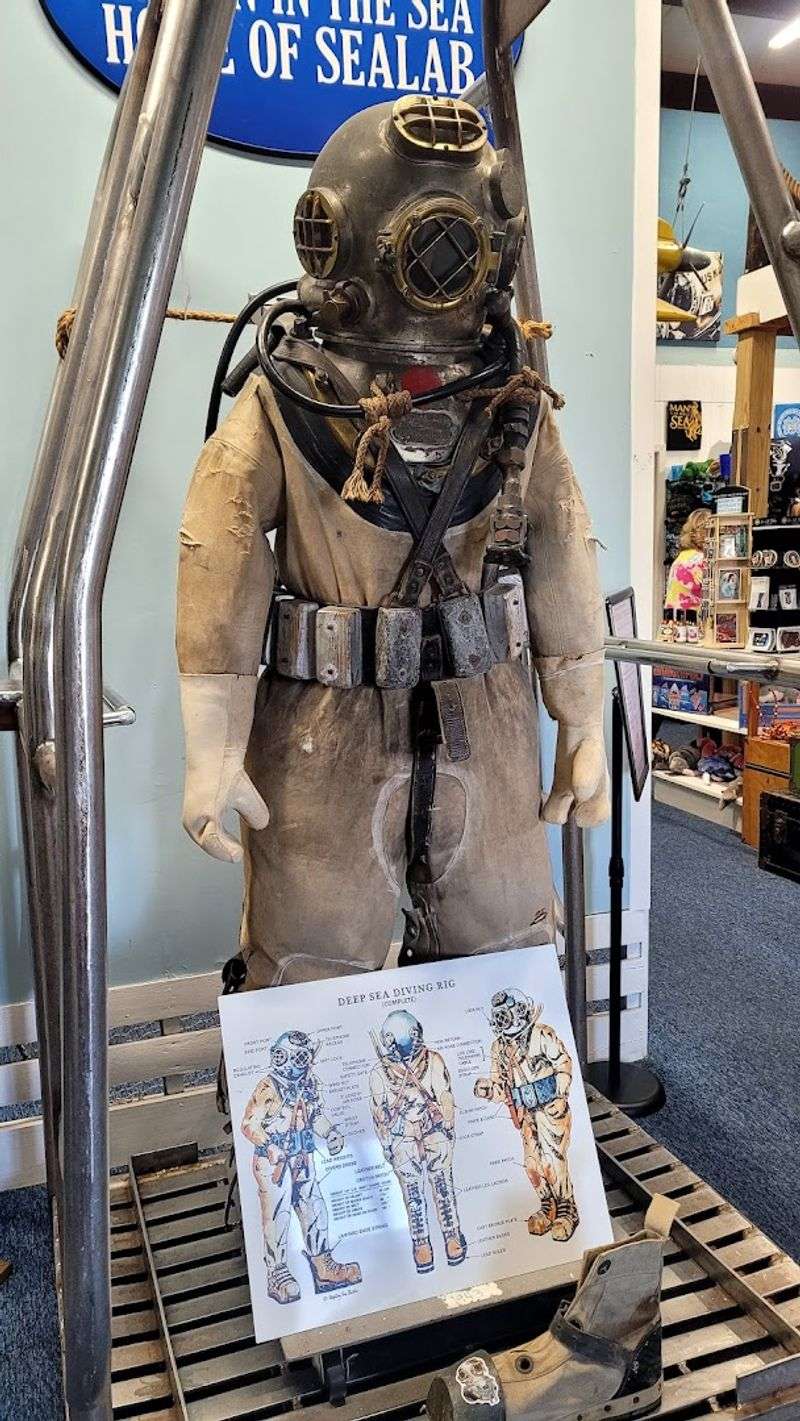
Beyond the science and technology exhibits, the museum also dedicates significant space to military diving history, covering secret missions, rescue operations, and the Navy’s role in advancing underwater capability throughout the twentieth century.
One particularly compelling section focuses on the salvage operations that followed the attack on Pearl Harbor in December 1941. The equipment and techniques used to recover ships and support the war effort from underwater represent a chapter of military history that rarely gets told in mainstream accounts.
The exhibits are detailed enough to satisfy history buffs but explained clearly enough that visitors with no military background can follow along without feeling lost. Context is provided at every step.
For anyone with a family connection to the Navy or the military, this section of the museum carries an emotional weight that goes beyond simple curiosity. It puts a very human face on operations that were conducted under extraordinary pressure and in extraordinary conditions.
The Pearl Harbor Connection Most Visitors Do Not Expect
Most people visiting a beach town are not expecting to encounter a serious exhibit about Pearl Harbor, but the Man in the Sea Museum includes a focused display on the diving operations that followed the 1941 attack. It is one of the more quietly powerful sections in the building.
The salvage work done by Navy divers in the weeks and months after the attack required extraordinary skill and courage, often in murky, difficult conditions with damaged vessels overhead. The equipment on display tells that story with physical honesty.
Seeing the actual gear used during that period makes the historical event feel less like a date in a textbook and more like a human experience that real people navigated with real tools. That shift in perspective is exactly what a good museum should produce.
It is the kind of exhibit that prompts visitors to go home and read more, which might be the best compliment a museum display can receive.
Submersibles and Diving Bells in the Parking Lot
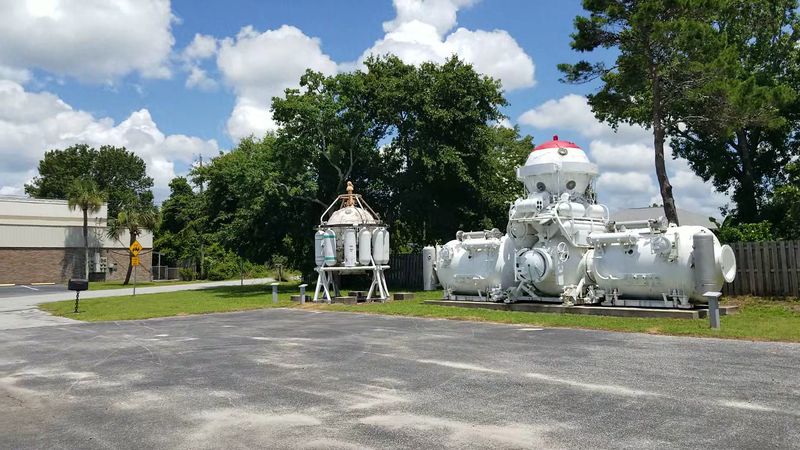
The outdoor collection at this museum is not an afterthought. Historically significant submersibles, diving bells, and large underwater equipment are arranged in the parking lot, visible from the road and accessible to visitors as part of the full tour.
These are not replicas or models. The vessels on display played actual roles in American underwater research and industry, and their scale is something you cannot fully appreciate until you are standing next to them.
One reviewer noted that most of the early United States dive research and the undersea labs are represented right there in that parking lot, which is a remarkable concentration of history for a stretch of asphalt beside a Florida highway.
The outdoor exhibits pair perfectly with the indoor displays, giving visitors a complete picture of how the technology evolved from bulky, experimental beginnings to the more refined systems that came later. It rewards slow, curious exploration rather than a quick walk-through.
Affordable Admission That Delivers Real Value
Panama City Beach is not known for being easy on the wallet, especially during peak vacation season. That makes the Man in the Sea Museum’s admission price feel like a genuine relief compared to the typical cost of entertaining a family in this area.
For a fraction of what most beach activities cost, visitors get access to the full indoor exhibit collection, the outdoor hardware, the documentary film with snacks and drinks included, and the hands-on scavenger hunt for kids. That is a lot of experience per dollar.
Families with multiple children especially appreciate the value, since the museum is engaging enough to hold everyone’s attention for one to two full hours without anyone getting restless or bored.
The gift shop adds a fun optional ending to the visit, with items like model submarines that make for memorable souvenirs. Reasonable pricing on the merchandise matches the overall philosophy of making the museum genuinely accessible to everyone who walks through the door.
Planning Your Visit the Smart Way
A few practical details can make the difference between a smooth visit and a frustrating one. The museum is open Wednesday through Saturday from 10 AM to 4 PM, and it is closed Sunday, Monday, and Tuesday, so checking the schedule before you go is essential.
Arriving earlier in the day gives you the best chance of catching the documentary at a comfortable time and still having plenty of hours left to explore the exhibits without rushing. Late arrivals sometimes miss the film entirely.
The museum can comfortably fill one to two hours depending on how deeply you engage with each display. Families with curious kids tend to stay closer to the two-hour mark, especially if the scavenger hunt is in play.
Comfortable shoes are worth wearing since the outdoor exhibits involve some walking on uneven surfaces. Bringing a camera is also a good idea because several photo opportunities, including the old helmets, are genuinely worth capturing.
Why This Museum Deserves a Spot on Every Itinerary
There are plenty of ways to spend a day in Panama City Beach, but few of them leave you walking away with something you did not know before you arrived. This museum is different in that specific and satisfying way.
The combination of hands-on exhibits, real historical artifacts, knowledgeable staff, and genuinely rare objects like the original Sealab I creates an experience that works for almost every kind of visitor. History lovers, science fans, military families, and curious kids all find something that connects with them.
The fact that it is the nation’s oldest dive museum adds a layer of significance that most roadside attractions simply cannot match. You are not visiting a recreation or a themed experience.
You are standing next to the actual hardware that shaped American underwater history.
That kind of authenticity is increasingly rare, and finding it tucked along a Florida beach highway, priced for real families, makes it one of the most rewarding stops on the entire Panhandle.
Share this story