 Unearth The Voyage
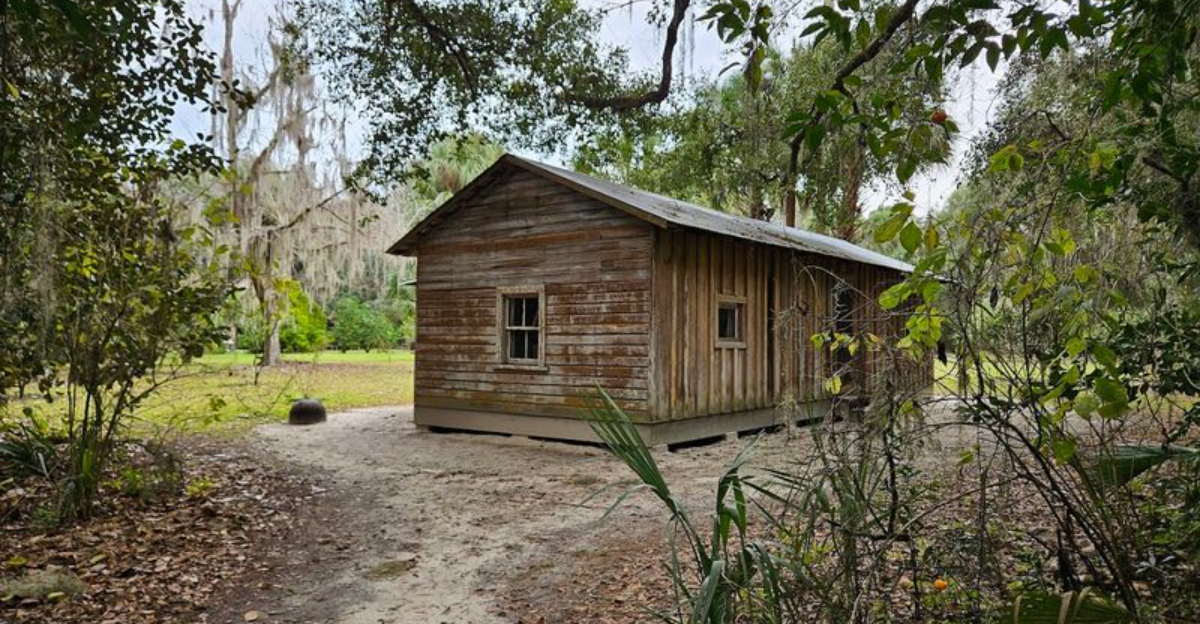
There is a quiet corner of north-central Florida where time moves a little slower, orange trees line dusty paths, and a weathered farmhouse still holds the spirit of one of America’s most beloved authors. A Pulitzer Prize winner once called this place home, and today you can walk the same grounds, sit on the same porch, and breathe the same pine-scented air she wrote about so vividly.
The property feels less like a tourist stop and more like a living memory, with free-range chickens wandering the yard and a kitchen garden that looks ready for harvest. Whether you are a literature lover, a history buff, or just someone craving an afternoon far from the noise of modern life, this place delivers something genuinely rare.
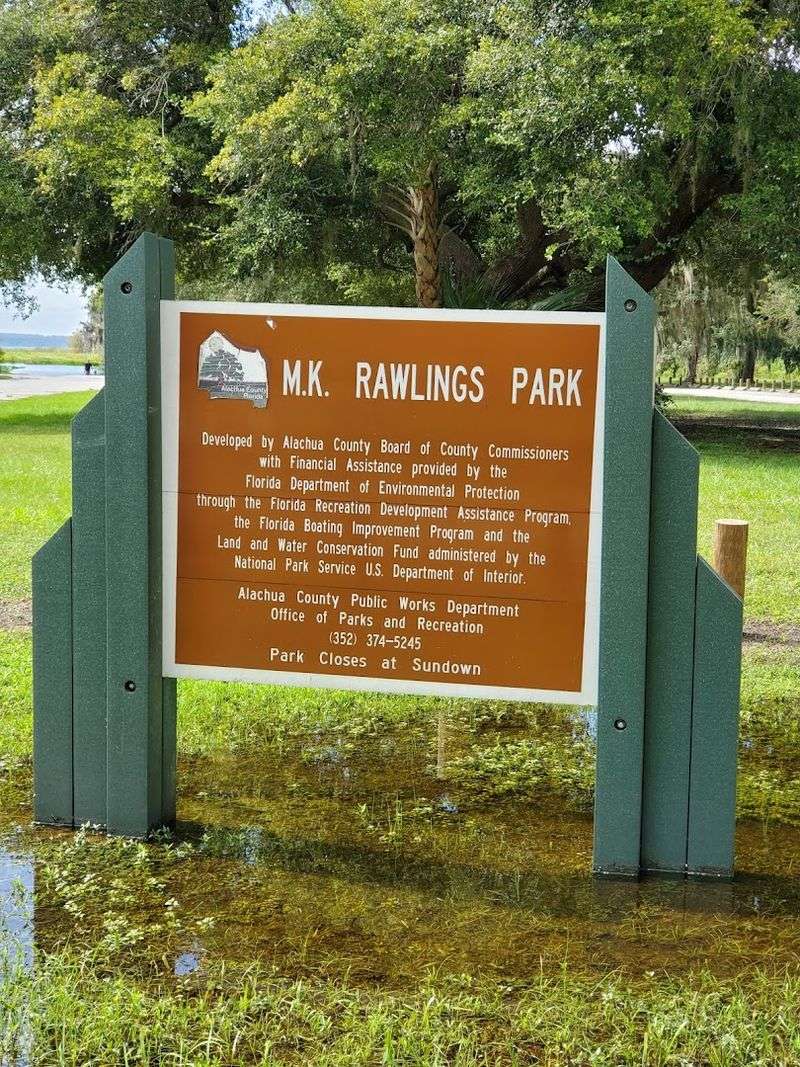
Getting to this hidden piece of Florida history is easier than you might expect, even though the address sounds like the middle of nowhere. Marjorie Kinnan Rawlings Historic State Park sits at 18700 S County Road 325, Cross Creek, FL 32640, tucked into the rural flatwoods between Gainesville and Ocala.
The drive itself is part of the experience. County Road 325 winds through a landscape of tall pines, live oaks draped with Spanish moss, and open pastures that feel nothing like the Florida most tourists see.
Plug the address into your GPS, but also take a moment to look up from the screen and enjoy the scenery unfolding around you. The park is open daily from 9 AM to 5 PM, and you can reach the staff at (352) 466-3672 if you have questions before your visit.
Parking is generous and easy.
Not every writer can claim that a Florida swamp changed their life, but Marjorie Kinnan Rawlings can. She arrived in Cross Creek in 1928, a city journalist from New York who had never farmed a day in her life, and she stayed because something about the land simply would not let her go.
Her 1938 novel “The Yearling,” about a boy and his pet deer growing up in the Florida scrub, won the Pulitzer Prize for Fiction in 1939 and became a beloved classic read by generations of schoolchildren. She also wrote “Cross Creek,” a warm and witty memoir about her life on this very property.
Rawlings had a sharp wit, a deep respect for her rural neighbors, and an uncanny ability to make readers feel the heat, the mud, and the beauty of old Florida. Her story is as compelling as any novel she ever wrote.
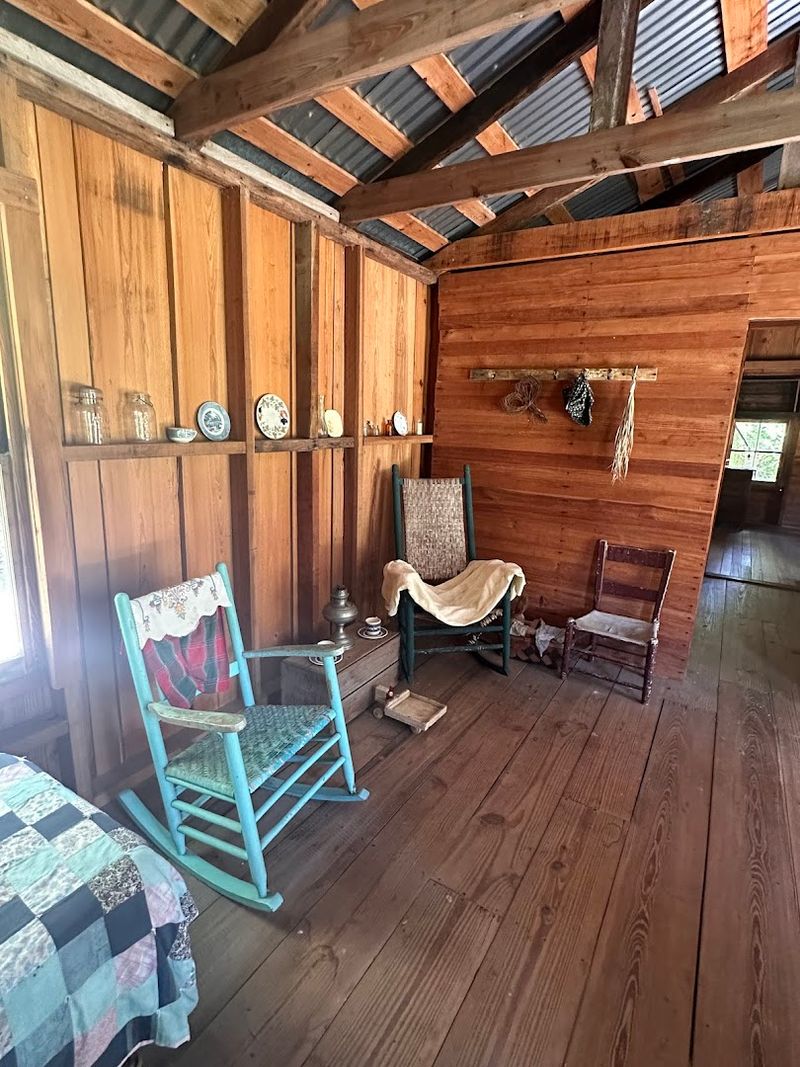
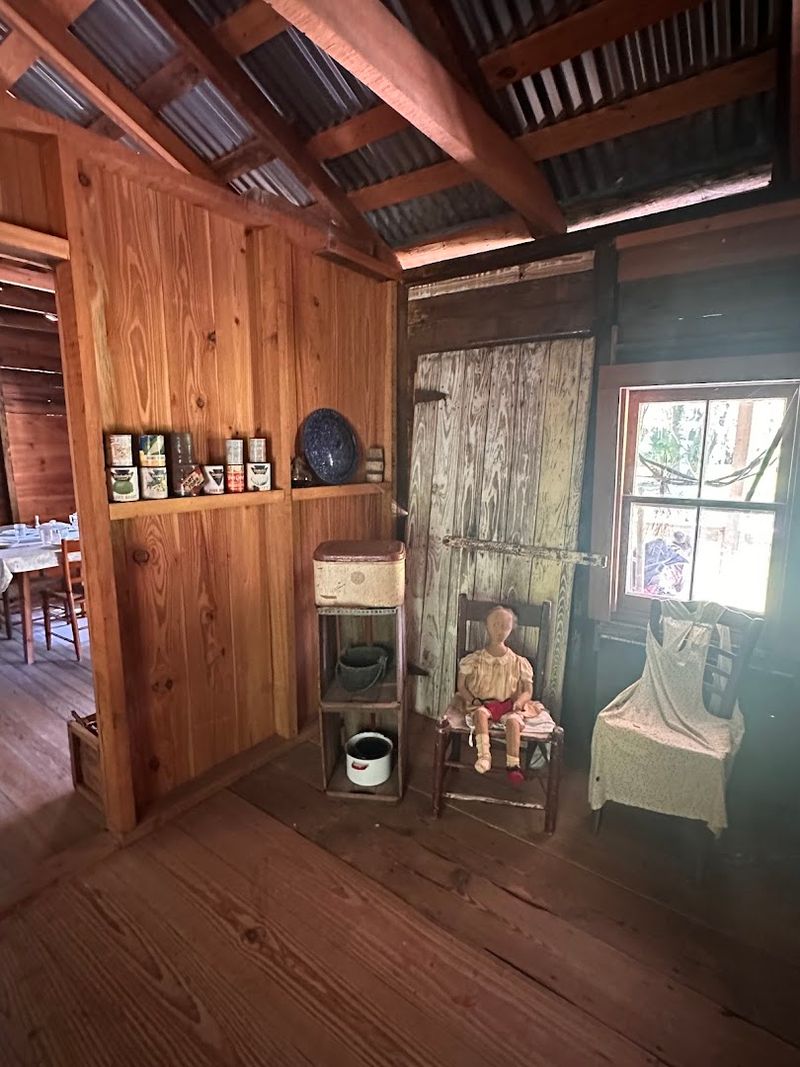
Walking through the farmhouse feels less like a museum visit and more like dropping in on someone who just stepped out for a moment. Every room is preserved with careful attention to how Rawlings actually lived, from her writing desk to her kitchen shelves stacked with old cookware.
Guided tours run Thursday through Sunday and last about 30 minutes, led by knowledgeable docents who dress in period clothing and bring the 1940s atmosphere to life with stories you will not find in any guidebook. They can answer surprisingly specific questions, including the exact paint color on the walls.
The self-guided tenant house tour is also available and offers a quieter, more personal pace for those who prefer to linger. Each room connects to something Rawlings wrote about, making the tour feel like reading her books with your feet instead of your eyes.
Plan to be genuinely moved.
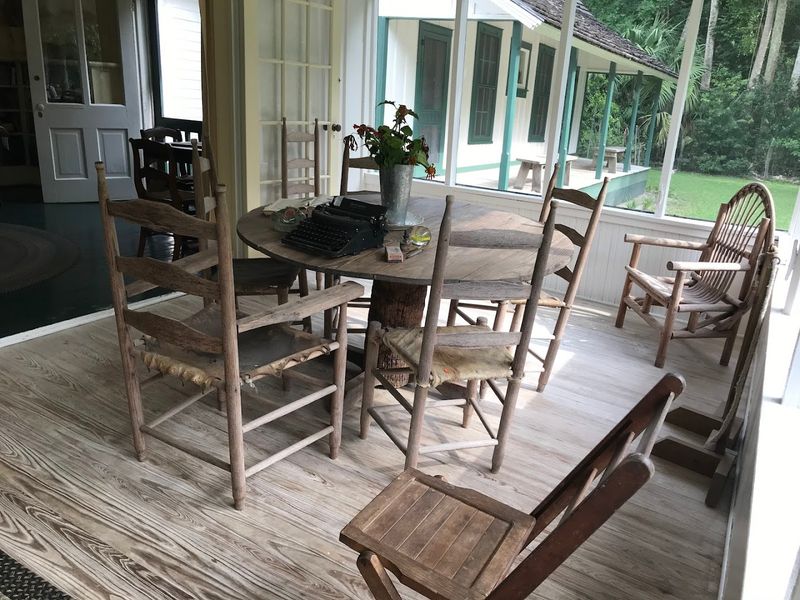
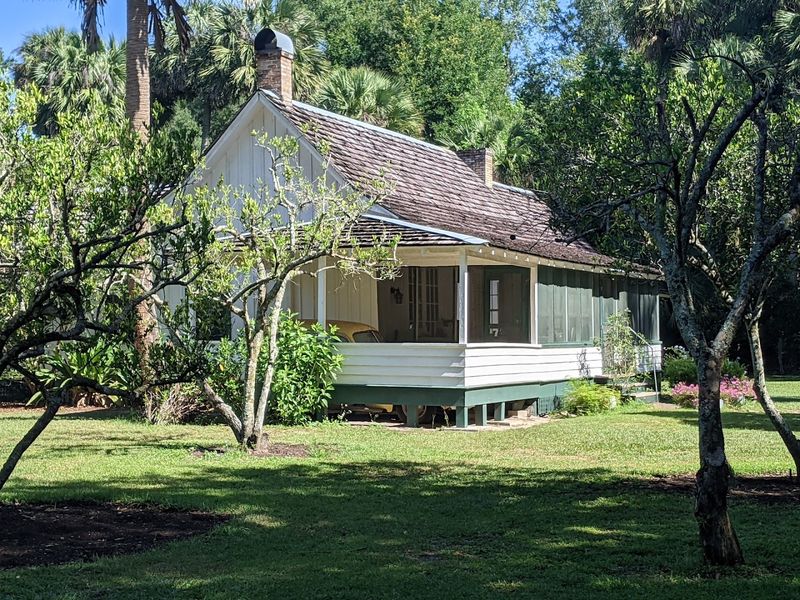
Of all the spots on the property, the front porch is the one that stops visitors mid-sentence. Long, screened, and shaded by ancient trees, it is exactly the kind of porch you picture when someone says “old Florida.” Rawlings spent countless hours here, writing, thinking, and watching the world of Cross Creek pass slowly by.
The porch wraps the house with a quiet authority that no interior room can match. You can almost hear the creak of a rocking chair and the distant cluck of chickens settling in for the afternoon.
Docents often pause here during tours to share stories about how Rawlings entertained guests, including some notable literary figures of her era.
Even if you visit on a day when the house is closed, the porch is visible from the path and still delivers that unmistakable sense of a life well and fully lived in this particular place.
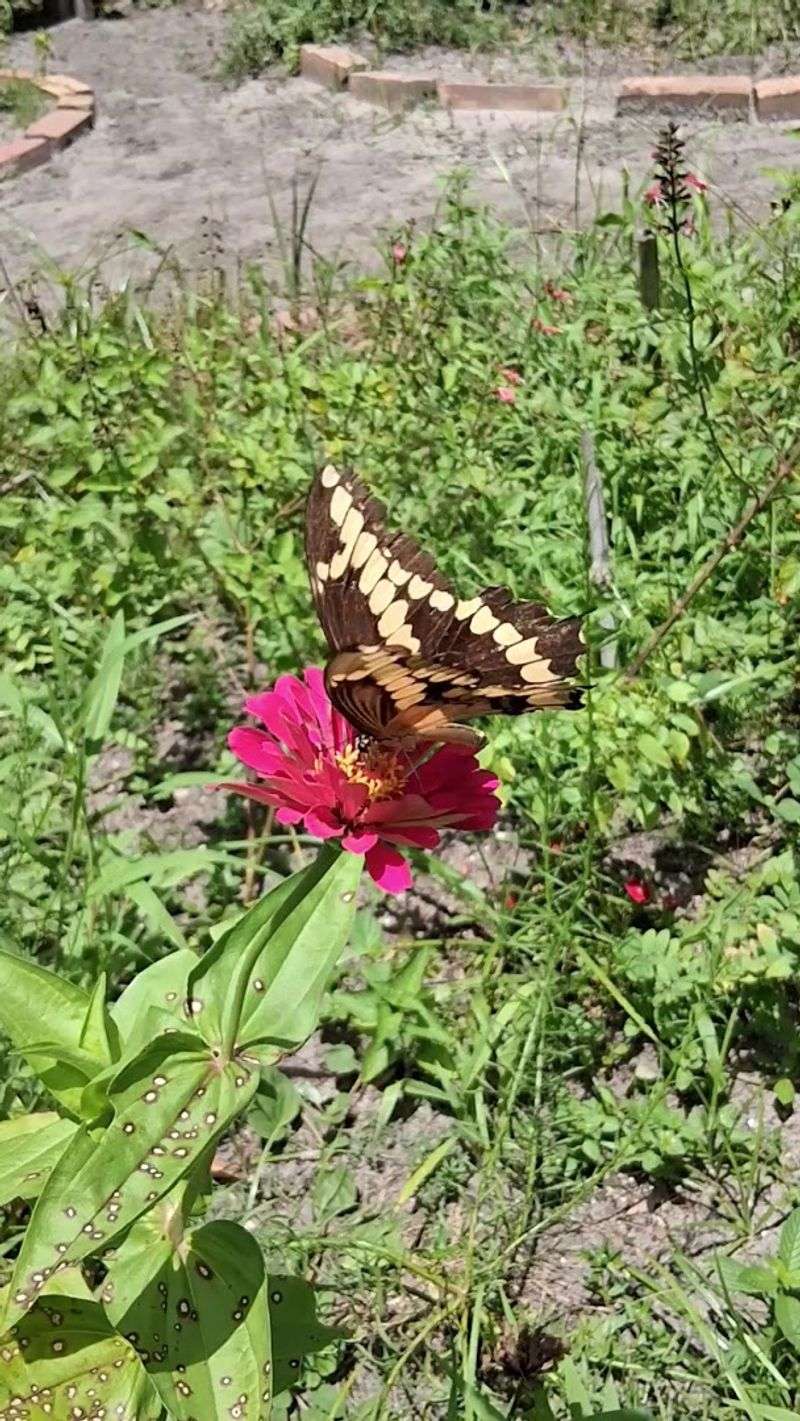
Few things on this property get more genuine appreciation from visitors than the kitchen garden, and it earns every bit of that praise. Tucked beside the farmhouse, the garden is planted and maintained to reflect what Rawlings would have grown for her own table, including herbs, vegetables, and flowering plants that kept her kitchen stocked through every season.
Rawlings was not just a writer who happened to live on a farm. She was a serious cook who wrote an entire cookbook called “Cross Creek Cookery,” and her garden was central to that passion.
The plants you see here are not decorative props but working examples of how rural Floridians fed themselves with skill and creativity.
Visitors are welcome to walk through the garden and take a closer look at what is growing. The scent alone, a blend of herbs and warm Florida soil, is worth the short detour from the main path.
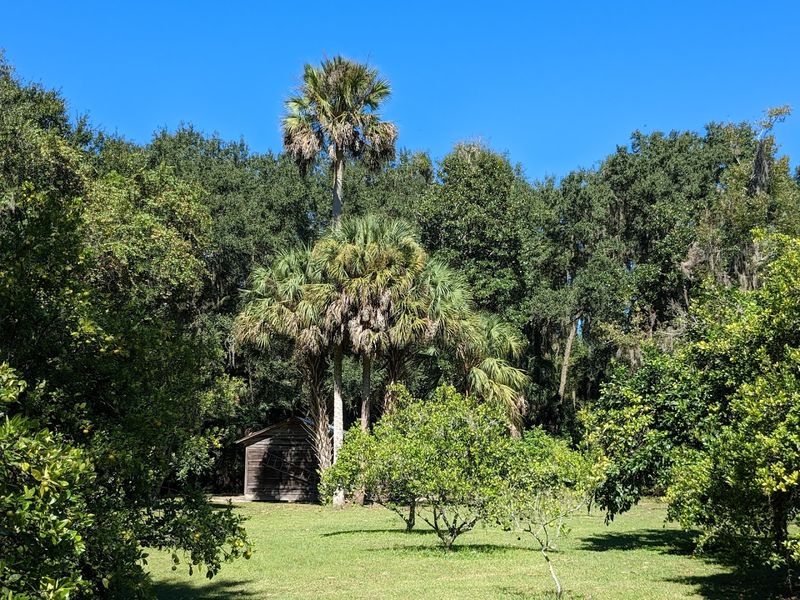
Orange trees are everywhere at this park, and that is not an exaggeration. They line the property, crowd the woodland trail across the street, and drop fruit that visitors have described as genuinely delicious.
Rawlings herself tended orange groves as part of her livelihood, and the trees you see today are direct descendants of that agricultural history.
During certain seasons, the grove across County Road 325 bursts with color and fragrance in a way that feels almost theatrical. The short walking loop through the trees takes only about 20 minutes but leaves a strong impression, especially on anyone who has never walked through a real working grove before.
Some tour groups have been invited to pick oranges after their visit, which turns a history lesson into a hands-on sensory experience that kids especially remember. The grove connects the literary story of this place to its very real roots in Florida agriculture and rural life.
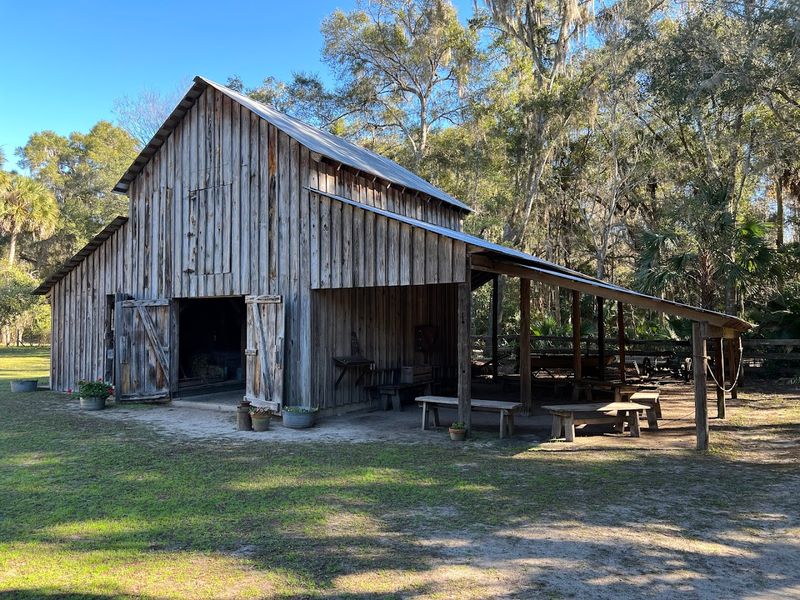
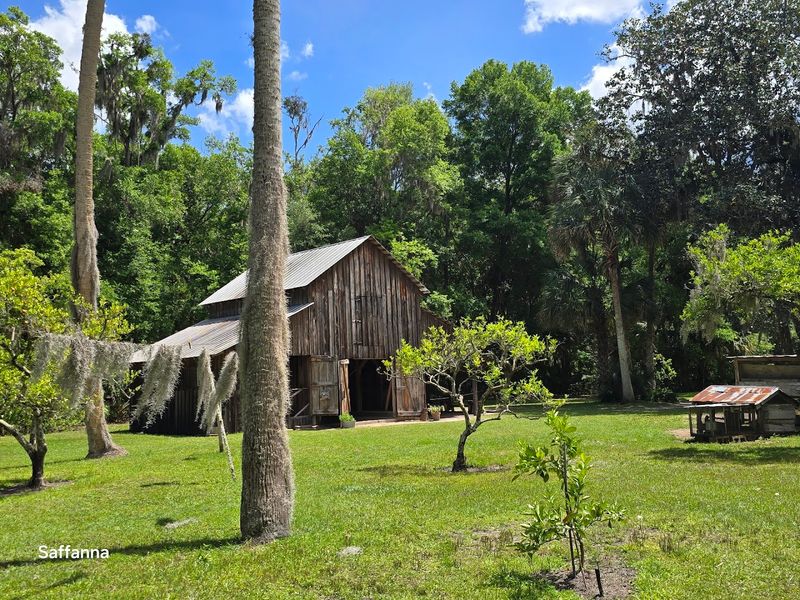
Nobody warns you about the rooster, and honestly, that is part of the fun. The property is home to free-range chickens and ducks that wander the grounds with total confidence, completely unbothered by visitors and apparently very comfortable with their role as living ambassadors of farm life.
Children tend to love this part of the visit, but adults are not immune to the charm either. Watching a duck waddle past a century-old fence post while a tour guide explains literary history creates a combination that is both funny and oddly perfect.
It grounds the experience in something earthy and real.
The animals are a genuine nod to how the property would have felt when Rawlings lived here. She wrote about her chickens with affection and humor in “Cross Creek,” so their presence today feels historically appropriate rather than merely decorative.
They add life to a place that already has plenty of it.
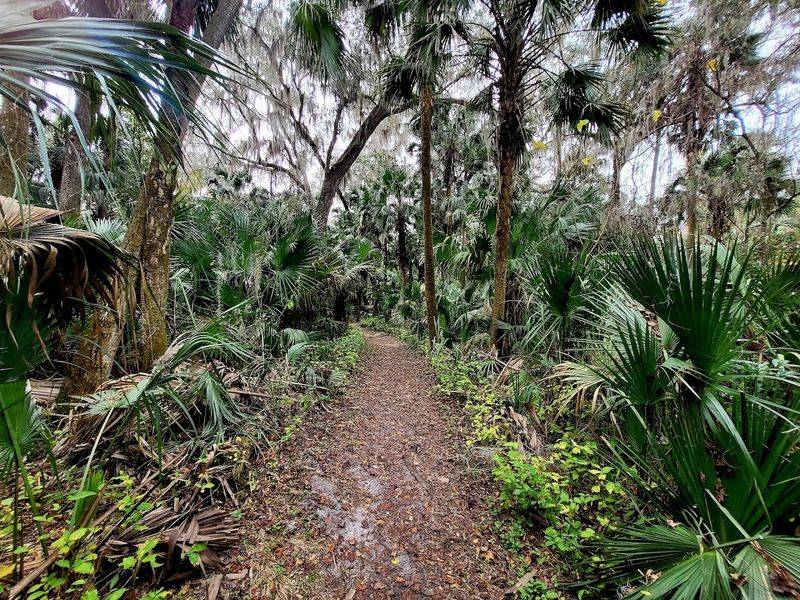
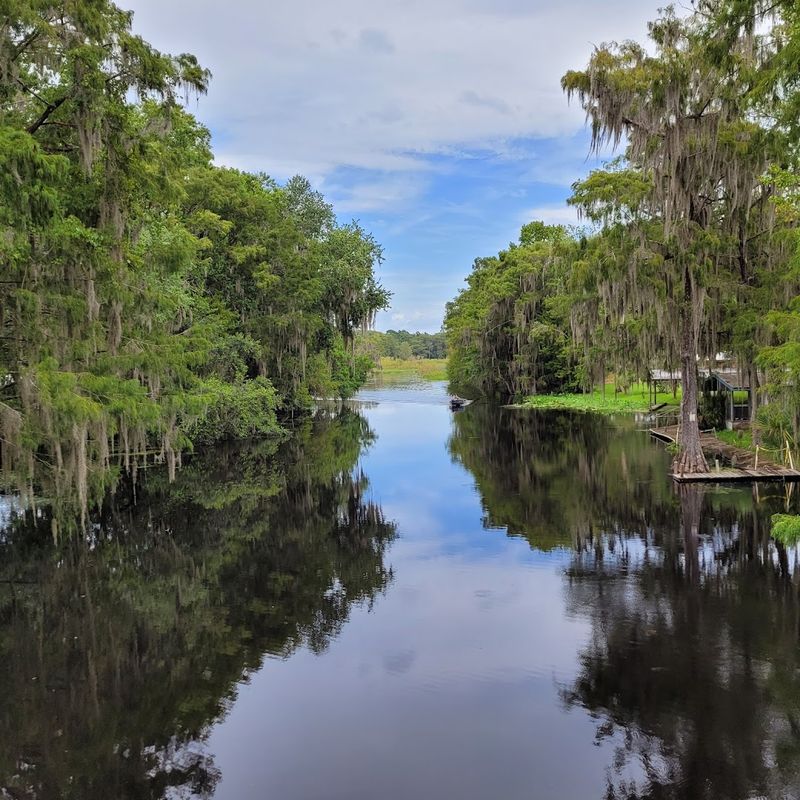
Behind the farmhouse, a trail leads into a stretch of landscape that Rawlings herself described with reverence in her writing. The jungle trail winds through a canopy of cypress trees and orange trees, with roots rising from the soil and light filtering through in shifting patterns that change by the hour.
It is the kind of trail that rewards slow walkers. Rushing through it misses the point entirely.
Birdsong fills the air, and the occasional rustle in the underbrush reminds you that this is still very much a living Florida ecosystem, not a manicured garden path.
The trail is short enough for most fitness levels but immersive enough to feel like a genuine escape. Visitors who read “Cross Creek” before their trip often find themselves recognizing descriptions from the book in the actual landscape, which is a rare and deeply satisfying experience that no theme park can replicate.
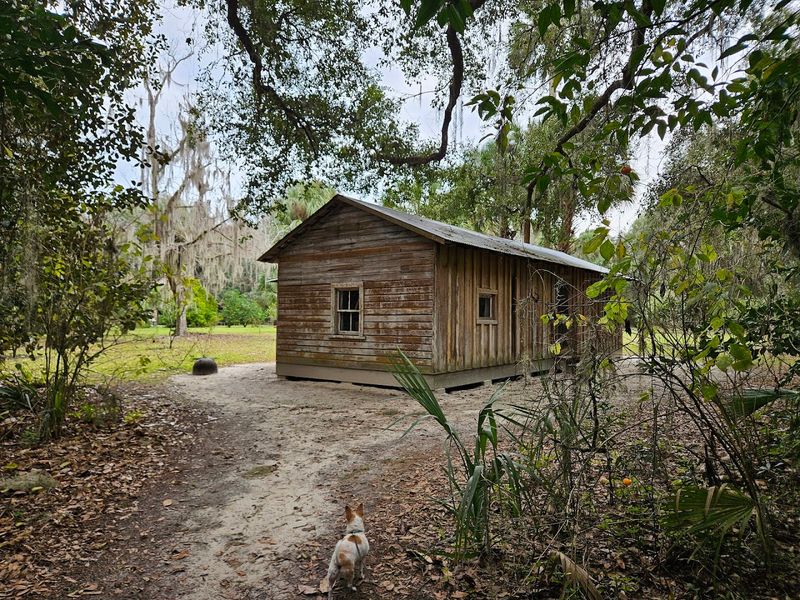
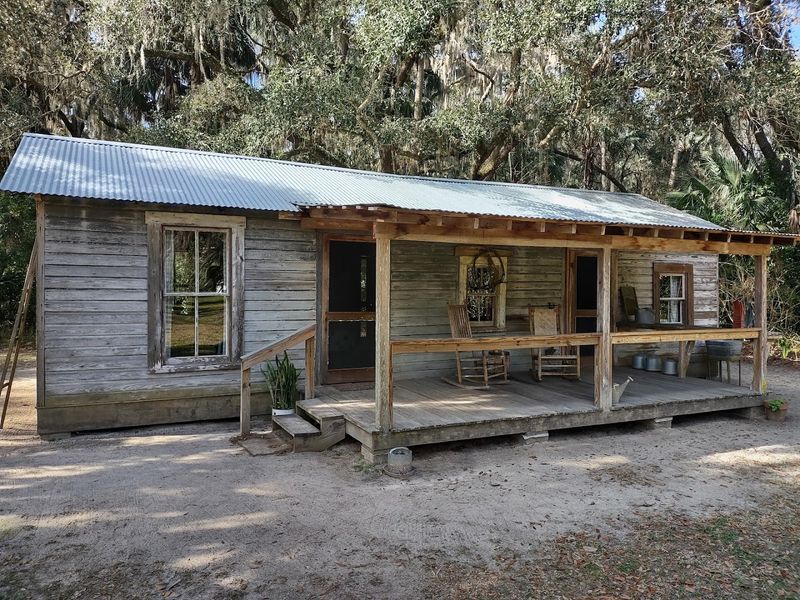
Most visitors focus on the main farmhouse, but the tenant house on the property tells its own story and deserves more attention than it typically gets. Open for self-guided tours, the modest three-room structure with its large porch offers a window into the lives of the workers who lived and labored alongside Rawlings during her years at Cross Creek.
The tenant house is simpler and more spare than the main home, which makes it a powerful counterpoint to the author’s story. It speaks to the broader community of rural Florida Crackers whose lives inspired much of Rawlings’ writing and whose culture she worked hard to understand and honor.
Walking through both structures in the same visit gives you a more complete picture of what life in this corner of Florida actually looked like in the 1930s and 1940s. The contrast between the two buildings is quietly instructive and worth taking time to absorb.
The staff and volunteers at this park consistently earn some of the highest praise of any element of the visit, and it is easy to see why the moment a tour begins. The docents dress in period clothing, which immediately sets the mood, and they bring a level of knowledge and genuine enthusiasm that feels more like a personal invitation than a scripted presentation.
They can answer detailed questions about the history of the property, the specifics of Rawlings’ daily life, and the stories behind individual objects in each room. Their depth of knowledge reflects real dedication rather than a quick training session.
Groups that have arranged visits in advance, including homeschool families, report that the guides tailor the experience thoughtfully and make it engaging for all ages. The human element here is one of the strongest reasons this park holds a 4.8-star rating across nearly a thousand reviews.
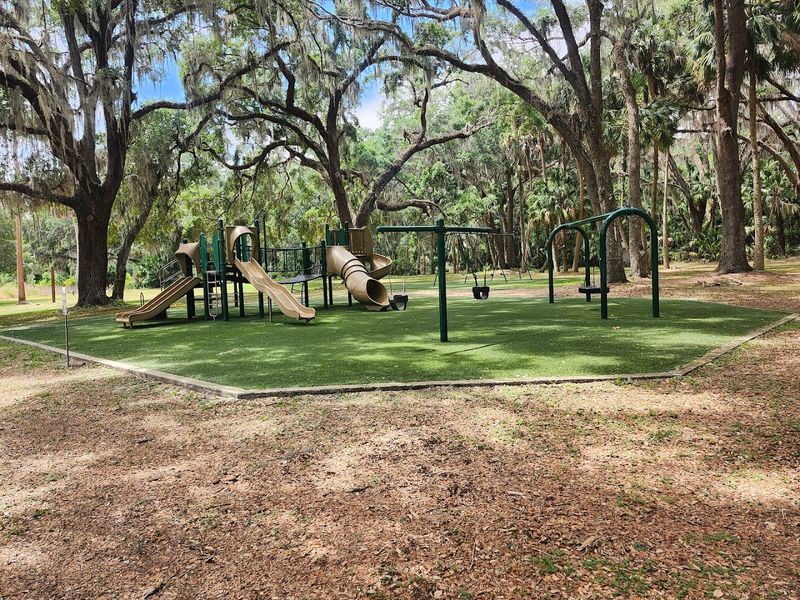
This park works remarkably well as a full family day out, not just a quick literary stop. Near the entrance, a well-maintained playground gives younger kids room to burn energy while adults soak in the surroundings.
Picnic tables are scattered throughout the grounds under the shade of mature trees, making it easy to bring lunch and settle in for a few hours.
A boat ramp is also available on-site, which hints at the broader outdoor character of the park beyond its literary identity. Large, clean restroom facilities are available, which is a detail that matters more than most travel writers admit.
Families who arrive with a full afternoon to spare regularly report spending two hours or more on the property without running out of things to see and do. The combination of history, nature, and practical amenities makes the park genuinely accessible and enjoyable for visitors of all ages and interests.
For a place this rich in history, atmosphere, and natural beauty, the entry fee is almost startlingly low. The park operates on an honor system, with a $3 per car fee that you pay at the entrance and display as a hang tag on your mirror.
Guided house tours are available for a small additional fee per person, which is equally reasonable.
Compare that to the average cost of a theme park ticket or even a movie for two, and the value here becomes almost difficult to believe. You are getting a Pulitzer Prize winner’s preserved home, multiple trails, a working farm atmosphere, and knowledgeable guides for the cost of a fast-food side dish.
Budget-conscious travelers, homeschool families, and anyone who appreciates getting a lot from a little will find this park particularly satisfying. The affordability also makes it easy to justify returning more than once, which many visitors say they fully intend to do.
Florida weather plays a real role in how much you enjoy an outdoor visit, and this park is no exception. The cooler months from October through April offer the most comfortable conditions for walking the grounds, exploring the trails, and spending time on the property without the punishing heat of a Florida summer pressing down on you.
Spring brings a particular magic to the property, with orange blossoms filling the air and the gardens in full color. Winter visits have their own quiet appeal, though a string of cold days can strip some of the lushness from the landscape temporarily.
Summer visits are possible and some visitors brave the heat enthusiastically, but bringing water, sunscreen, and bug spray is essential rather than optional during those months. The park is open every day of the week from 9 AM to 5 PM, giving you flexibility to pick the timing that suits your schedule.
Several visitors mention that reading Rawlings’ books before arriving transformed their tour from interesting to genuinely unforgettable, and that advice is worth taking seriously. “The Yearling” is the more famous of the two, a coming-of-age story set in the Florida scrub that still resonates powerfully with readers of all ages and backgrounds.
“Cross Creek,” her memoir about life on this exact property, is arguably the better companion for a visit. She describes specific rooms, neighbors, meals, and moments that you will recognize instantly when you stand in those same spaces.
The book turns the tour into a kind of literary scavenger hunt.
“Cross Creek Cookery,” her cookbook, is a third option worth exploring for anyone fascinated by the domestic side of her story. All three titles are relatively short and readable, and any one of them will deepen your appreciation for what this park is preserving and why it matters.



