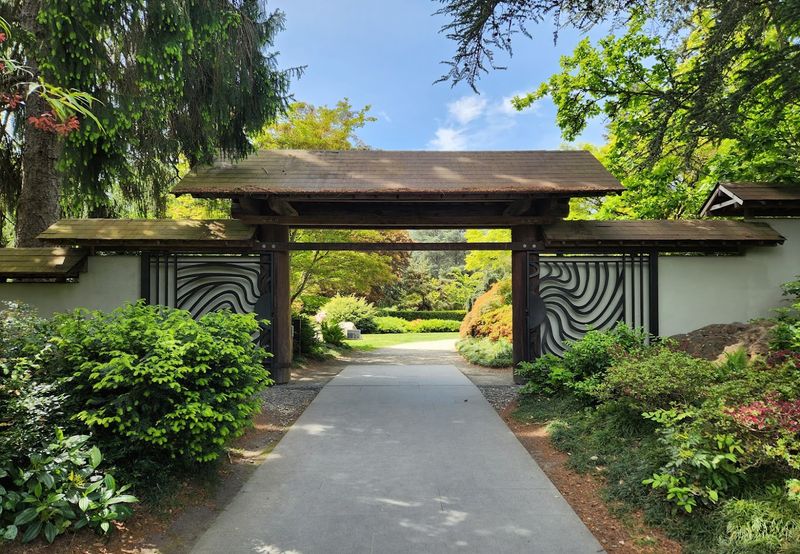
Tucked away in a residential corner of south Seattle, there is a 20-acre Japanese-style garden that most locals have never set foot in. It has been quietly growing since 1927, welcoming anyone who wanders through its gates without charging a single cent.
The trails wind past koi ponds, stone bridges, and cascading waterfalls, and the whole place carries the kind of calm that is genuinely hard to find inside a major city. For a garden with this much history, character, and natural beauty, this garden remains one of the most underappreciated public spaces in the entire Pacific Northwest.
This article walks through everything that makes it worth a visit, from its fascinating origin story to the best spots to explore on a quiet afternoon.
The Man Who Built a Garden From Nothing
Fujitaro Kubota arrived in Seattle from Japan in 1907 with almost no money and a clear determination to build something lasting in his adopted country.
He founded the Kubota Gardening Company in 1923 and began transforming a five-acre plot of logged-over swampland into a Japanese-style garden starting in 1927.
What makes his story remarkable is that he had no formal training in garden design. Everything he built came from personal study, hands-on experimentation, and a deep understanding of Japanese horticultural traditions.
Over the following decades, the garden grew from five acres to more than twenty, with Fujitaro and his family continuously expanding and refining the landscape.
His work was interrupted during World War II when the family was forcibly relocated to an internment camp, yet the garden survived and the family returned to continue their care of it.
That history gives the garden a weight and meaning that goes well beyond its plant collection.
How the City of Seattle Stepped In to Save It
By the 1980s, the surrounding neighborhood had changed dramatically, and developers began showing serious interest in purchasing the Kubota property.
Community members and garden supporters grew concerned that the land could be sold and developed, which would have ended public access to the space entirely.
A local preservation effort gained momentum, and in 1987, the City of Seattle designated Kubota Garden as a historic landmark, protecting it from development.
The city purchased the property in 1987, and it has been managed as a public park ever since, with the Kubota Garden Foundation partnering with Seattle Parks and Recreation to support ongoing maintenance and programming.
That partnership between a nonprofit foundation and the city government is a big reason the garden has remained so well-kept without charging an admission fee.
The story of how this space was saved is a good reminder of what communities can accomplish when they decide that something is worth protecting for future generations.
Twenty Acres That Feel Much Larger Than They Are
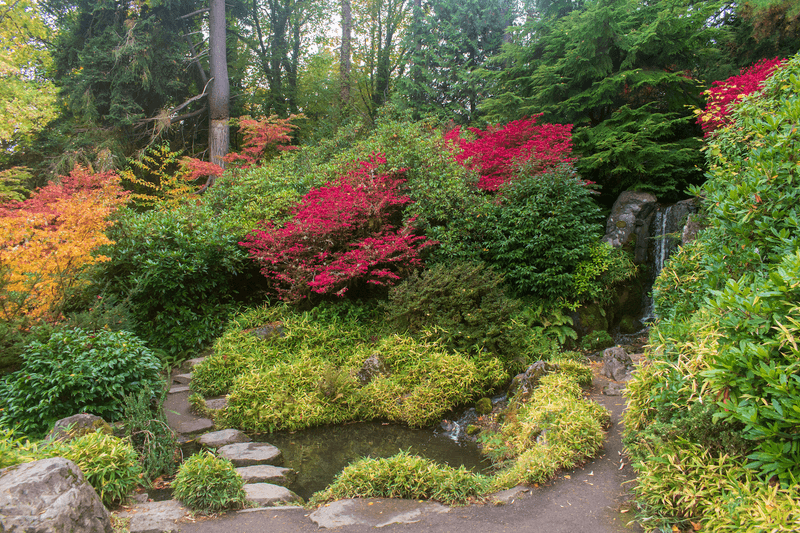
At 20 acres, Kubota Garden is larger than many people expect when they pull into the small parking lot near the entrance.
The terrain is hilly, which creates natural divisions throughout the space and gives different sections of the garden their own distinct character.
Trails loop up and over ridges, drop down into shaded hollows, and cross water features at multiple points, so the layout never feels flat or repetitive.
First-time visitors regularly underestimate how long it takes to walk the full property. An hour is a reasonable minimum, but many people find themselves spending two hours or more without covering every corner.
The trail network is designed so that retracing a path from a different direction produces a noticeably different experience, with new angles, plant combinations, and light conditions changing the overall feel.
That quality of depth is rare in an urban park, and it is one of the main reasons people return to Kubota Garden again and again across different seasons.
Ponds, Bridges, and the Sounds of Moving Water
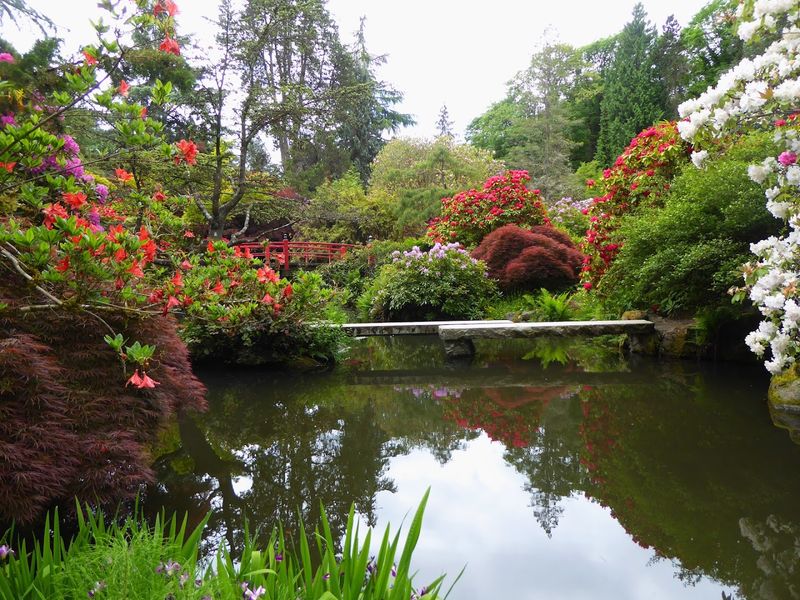
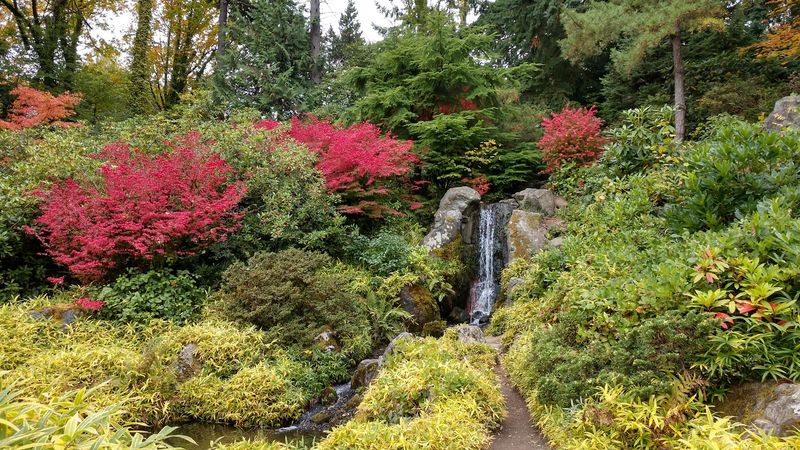
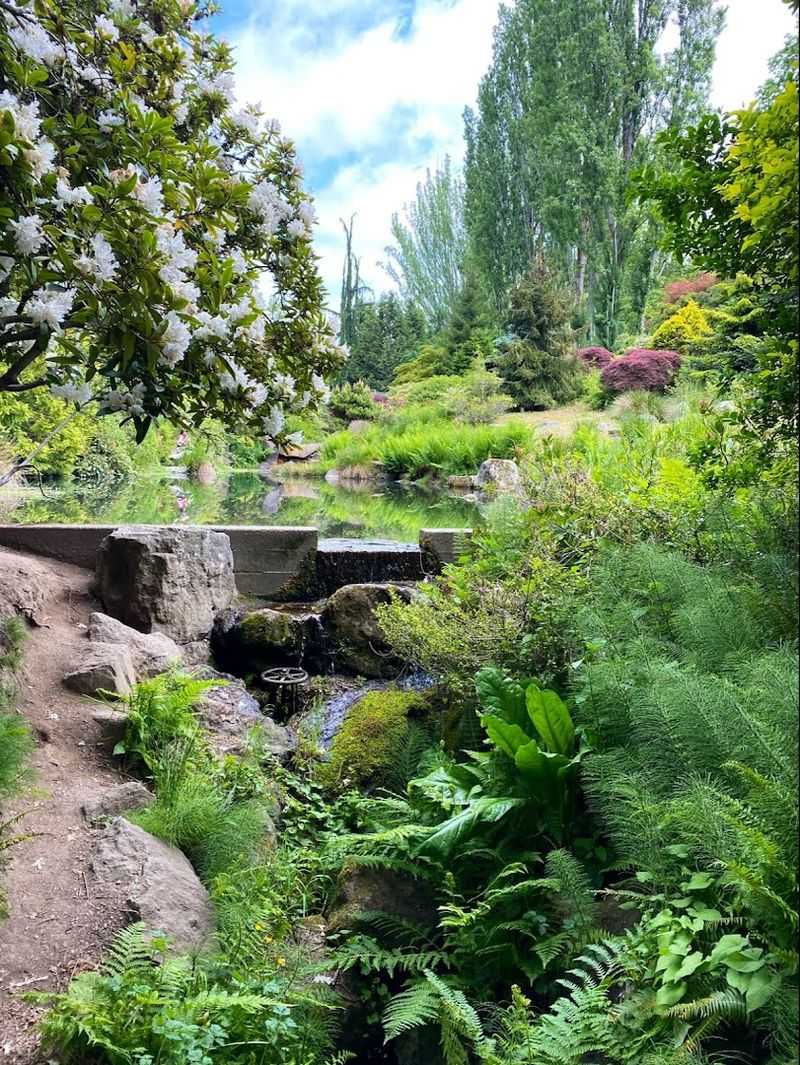
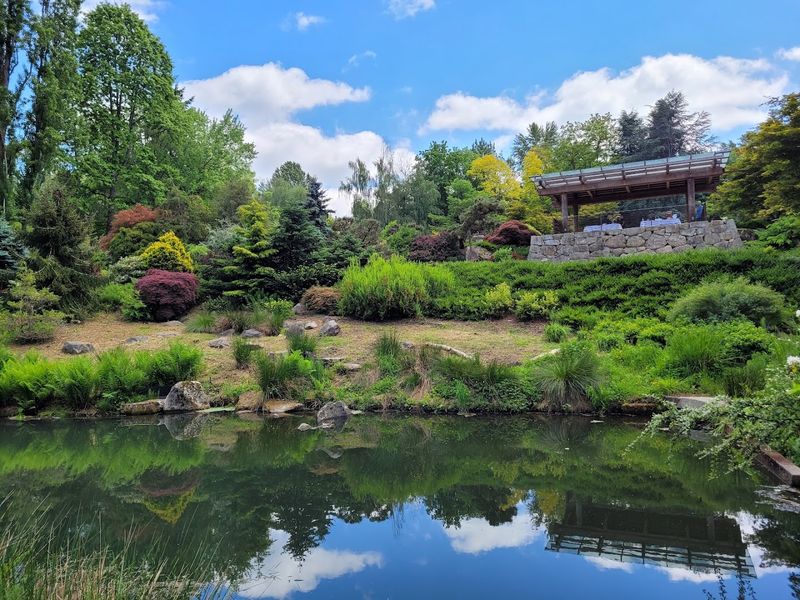
Water is central to the design of Kubota Garden, and it shows up in several forms across the property, from still reflecting ponds to moving streams and cascading waterfalls.
Multiple ponds are scattered throughout the garden, each one framed by plantings that shift with the seasons, giving the water features a different backdrop depending on when a visit takes place.
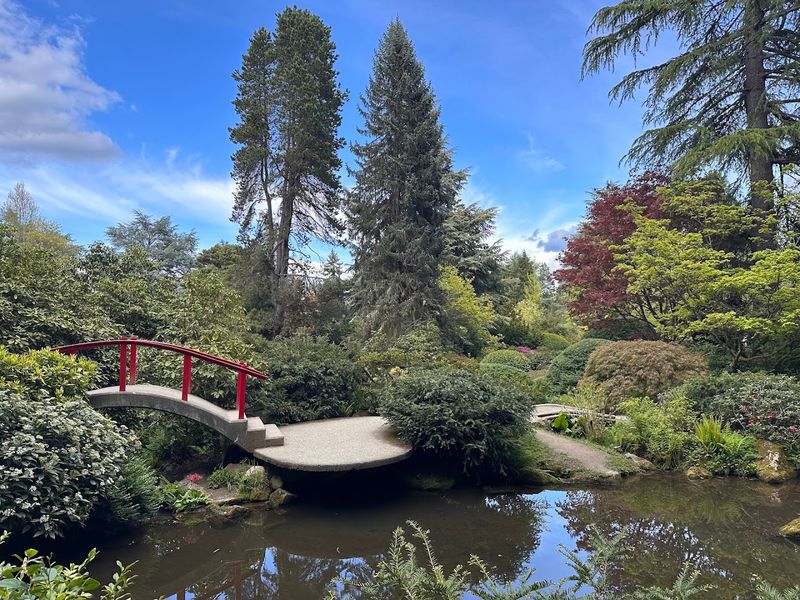
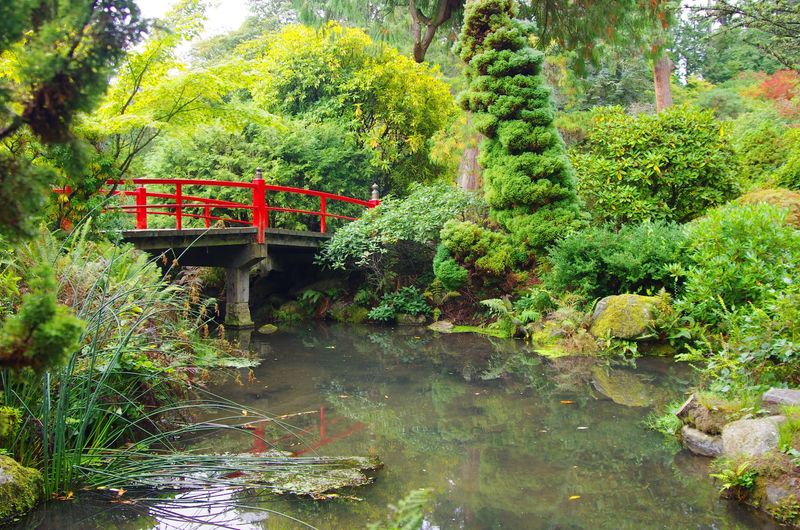
Bridges cross over the water at several points, and each crossing offers a slightly different view of the surrounding landscape. Some bridges are wooden, others are stone, and the moon bridge near the lower garden is one of the most photographed spots on the property.
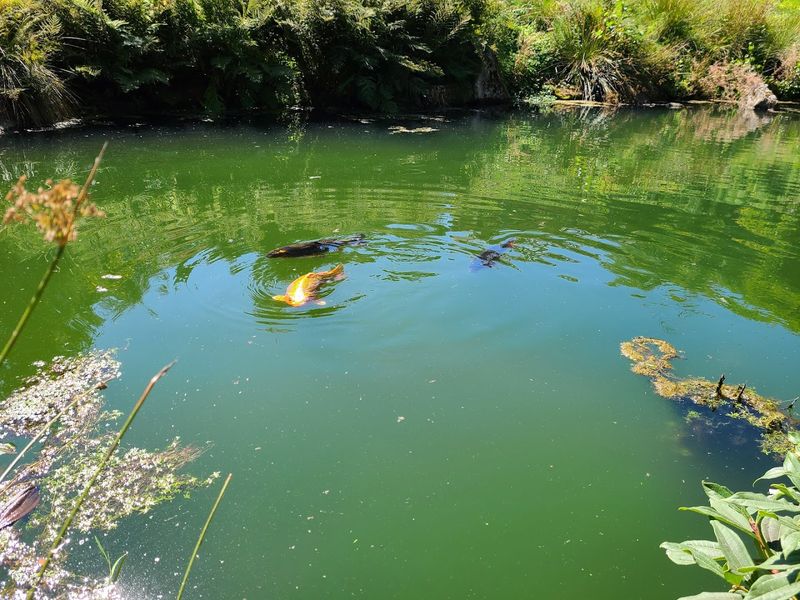
Koi fish are present in at least one of the ponds, and turtles and ducks have also been spotted by regular visitors to the garden.
The movement and sound of water throughout the trails adds a consistent background presence that contributes to the calm, unhurried atmosphere the garden is known for.
Japanese Maples That Steal the Show Every Season
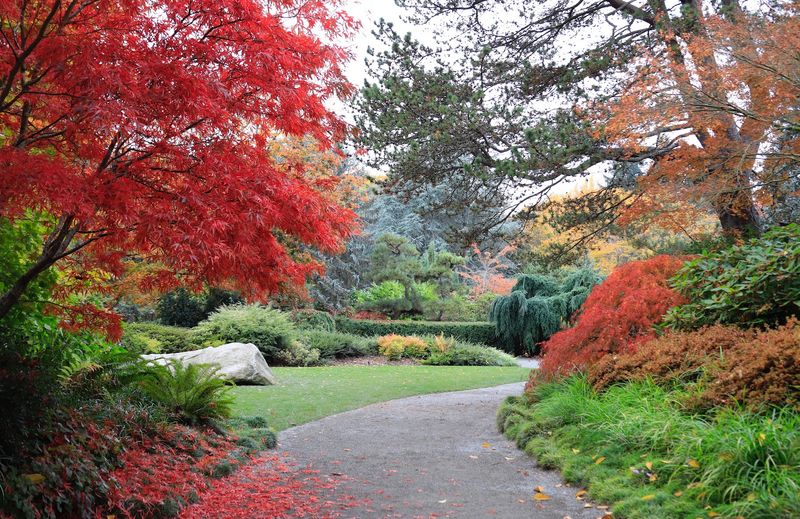
Among all the plants at Kubota Garden, the Japanese maples tend to draw the most consistent attention from visitors throughout the year.
In spring, the new growth on these trees brings soft greens and burgundy tones to the canopy. Summer fills out the foliage into dense, layered shapes that create shade along many of the trails.
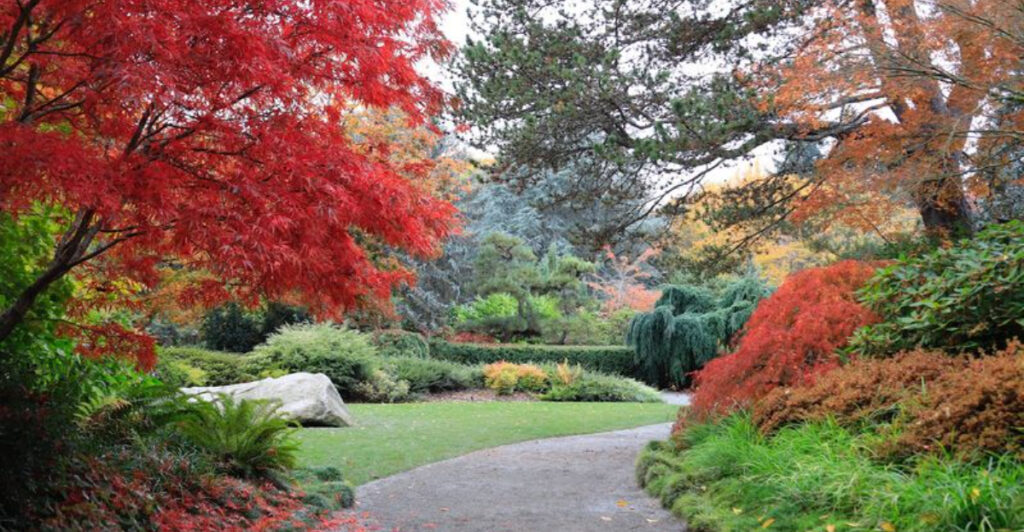
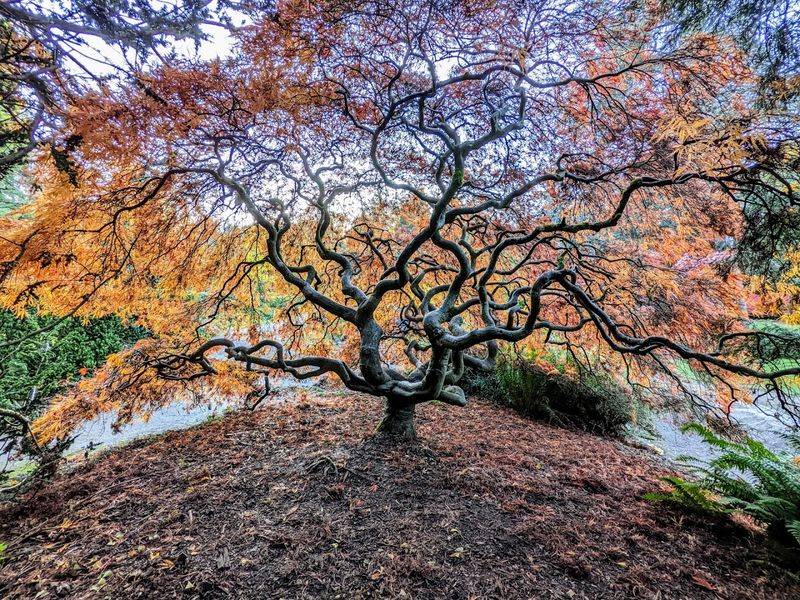
Autumn is when the maples fully take over the visual story of the garden. The leaves shift through yellow, orange, red, and deep crimson, turning the entire property into a richly colored landscape that draws photographers and casual walkers alike.
Many of the specimen maples at Kubota Garden have been shaped and pruned over decades, giving them sculptural forms that stand out even in winter when the leaves have dropped.
Fujitaro Kubota himself planted many of these trees, and some of the oldest specimens carry nearly a century of careful cultivation behind their current shape.
That kind of living history is part of what sets this garden apart from newer public green spaces.
What Spring Brings to the Garden
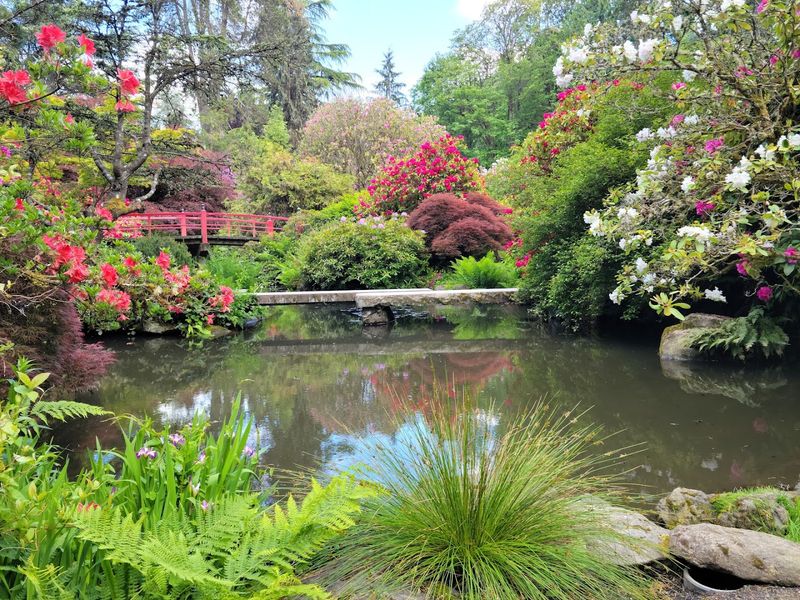
Spring is widely considered the most dynamic time to visit Kubota Garden, and the transformation that takes place between late February and early May is genuinely worth planning around.
Hellebores are among the first plants to bloom, appearing as early as February and adding color to the garden before most other plants have woken up from winter.
As the weeks progress, flowering shrubs, ornamental cherries, and a wide variety of perennials come into bloom in overlapping waves, keeping the garden in a constant state of seasonal change.
The moss that covers rocks and tree roots throughout the property stays green year-round but looks especially rich in spring when moisture levels are high and new plant growth frames it from every direction.
For anyone who has only visited in fall or summer, a spring trip to Kubota Garden provides a noticeably different experience of the same landscape.
The foundation’s website occasionally posts updates on what is currently blooming, which helps with timing a visit around peak flowering periods.
A Free Public Park in the Middle of a Major City
One of the most surprising things about Kubota Garden is that entry is completely free, every day of the week, from 6 in the morning until 10 at night.
For a 20-acre, historically designated Japanese-style garden inside a major American city, that level of public access is genuinely unusual.
Donations are encouraged and go toward maintenance, programming, and the ongoing work of the Kubota Garden Foundation, but no ticket or reservation is required to walk through the gates.
The park includes flush restrooms in a permanent building, which is a practical detail that makes longer visits much more comfortable for families and anyone spending a full afternoon on the trails.
Picnic tables are available throughout the garden, and bringing a packed lunch is a perfectly reasonable way to extend a visit without spending any money.
The combination of free entry, good facilities, and a large trail network makes Kubota Garden one of the most accessible and well-rounded public parks in the Seattle area.
The Art of Japanese Garden Design on Display
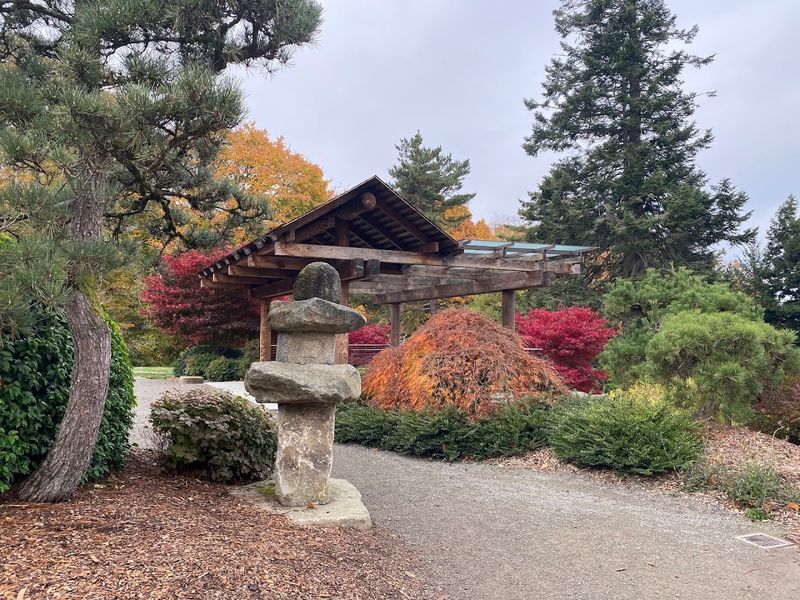
Japanese garden design follows a set of principles that prioritize balance, natural forms, and the deliberate use of space, and Kubota Garden applies those ideas across its full 20 acres.
The garden blends several styles of Japanese horticulture rather than following a single rigid template, which gives it a layered quality that rewards close attention.
Stone placement is one of the most visible elements of traditional Japanese garden design, and throughout Kubota Garden, rocks appear as natural outcroppings, path borders, and structural anchors for water features.
The pruning of trees and shrubs is another defining characteristic. Many of the plants at Kubota Garden have been shaped over years and decades into forms that balance natural growth with deliberate human guidance.
That long-term approach to cultivation is part of what makes the garden feel mature and complete rather than freshly installed.
Fujitaro Kubota blended Pacific Northwest native plants with Japanese horticultural traditions, creating a landscape that feels rooted in both places at once.
Wildlife That Calls the Garden Home
Beyond the plants and water features, Kubota Garden supports a small but noticeable variety of wildlife that adds a layer of life to the landscape.
Koi fish are present in the ponds and are easy to spot from the bridges, especially on clear days when the water is calm and the fish move in slow, deliberate patterns near the surface.
Turtles have been seen basking on rocks near the water, and mallard ducks are regular visitors to the ponds throughout the year.
Signage in the garden warns visitors about the presence of coyotes in the area, which reflects the reality that even urban green spaces in Seattle are part of a larger wildlife corridor.
For younger visitors especially, spotting fish, turtles, and birds along the trails turns a garden walk into something more interactive and memorable than a simple stroll.
That mix of cultivated landscape and actual wildlife is part of what gives Kubota Garden a character that goes beyond a typical ornamental garden.
Photography Opportunities Around Every Turn
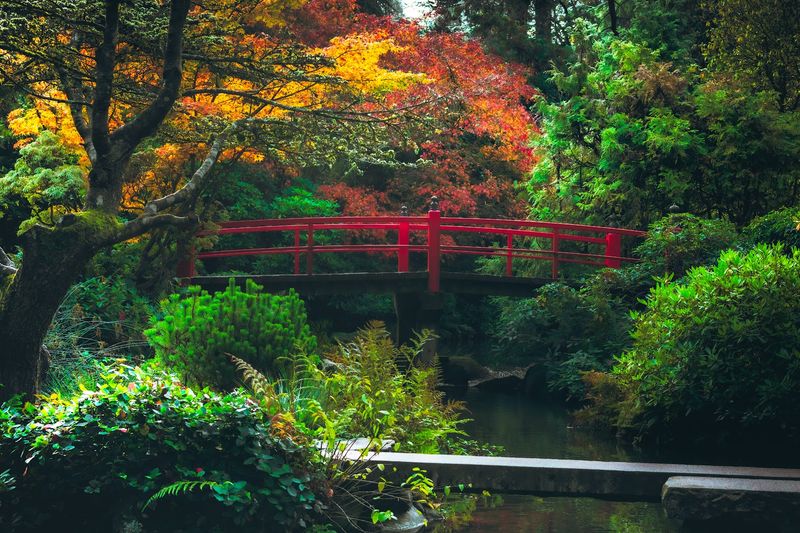
Kubota Garden has built a quiet reputation among Seattle photographers, both amateur and professional, as one of the most rewarding outdoor locations in the city for nature and portrait work.
The combination of layered plantings, reflective water surfaces, carved stone elements, and seasonal color changes creates a wide range of compositions within a relatively compact area.
The moon bridge is one of the most frequently photographed features in the garden, offering a classic arc reflected in the pond below when conditions are right.
Japanese maple specimens provide strong focal points throughout the year, with their sculptural branch structures standing out in winter and their colorful foliage dominating in autumn.
Natural light filters differently across the garden depending on the time of day and season, which means early morning visits and late afternoon visits produce noticeably different results for photography.
The variety of trail surfaces, from paved paths to packed dirt, also allows for a range of foreground textures that add depth to garden compositions.
How the Garden Changes Through the Seasons
One of the strongest arguments for visiting Kubota Garden more than once a year is how dramatically the landscape changes between seasons.
Spring brings the most concentrated burst of flowering activity, with overlapping bloom cycles keeping something new appearing on the trails for weeks at a time.
Summer settles the garden into a dense, layered green that is quieter in terms of flower color but rich in texture and shade, making it a comfortable place to walk even on warmer Seattle afternoons.
Autumn produces the most visually striking transformation, as the Japanese maples, deciduous trees, and ornamental shrubs shift through a full range of warm tones before dropping their leaves.
Winter strips the garden back to its structural elements, revealing the pruned forms of specimen trees, the shapes of stone features, and the evergreen plants that hold color through the colder months.
Each season at Kubota Garden offers a genuinely different version of the same space, which is why repeat visits across the year never feel redundant.
Practical Tips for Getting the Most From Your Visit
A few practical details can make a visit to Kubota Garden noticeably smoother, especially for first-timers who are not familiar with the layout.
The parking lot at the entrance holds a limited number of vehicles and fills up quickly on weekend mornings. Arriving before 9 AM or after 1 PM tends to improve the odds of finding a spot, and street parking on surrounding roads is a workable backup.
Wearing comfortable walking shoes is recommended regardless of the season, since the trails include both paved surfaces and uneven dirt paths with elevation changes throughout.
A trail map is available on the Kubota Garden Foundation’s website and is worth downloading before a visit, since the trail network is extensive enough that first-time visitors can easily lose track of where they are relative to the entrance.
The garden is open until 10 PM every night, which means evening visits during summer are a real option for those who prefer fewer people on the trails.
Why This Garden Deserves a Spot on Every Seattle Itinerary
Seattle has no shortage of parks and green spaces, but Kubota Garden occupies a category of its own when it comes to the combination of history, design, accessibility, and sheer scale.
The garden offers a city overlook from one of its higher points, where a partial view of the Seattle skyline appears through the tree canopy, connecting the peaceful garden atmosphere to the urban reality just beyond the fence line.
That contrast between the city outside and the calm inside the garden is one of the things that makes Kubota Garden feel like a genuine retreat rather than just another public park.
The Kubota Garden Foundation supports volunteer programs, educational events, and guided tours throughout the year, giving visitors options beyond a simple self-guided walk.
For anyone spending time in Seattle and looking for something off the standard tourist circuit, this garden delivers a genuinely rewarding experience without any of the crowds or costs associated with more well-known attractions.
A place this carefully tended and openly accessible deserves far more recognition than it currently gets.
Where to Find This Hidden Corner of Seattle
Kubota Garden sits at 9817 55th Ave S, Seattle, WA 98118, tucked into the Rainier Beach neighborhood on the south side of the city.
Getting there is straightforward from Interstate 5, and the garden is close to Boeing Field, making it an easy detour for anyone already exploring that part of Seattle.
The parking lot at the entrance is small, so arriving early on weekends gives the best chance of finding a spot. Street parking along nearby roads is also available for those who miss out on the lot.
The garden is open every day of the week from 6 AM to 10 PM, which means early risers and evening walkers both have plenty of time to explore. There is no entry fee, though donations are encouraged to help keep the space maintained and accessible.
For more details, the official website at kubotagarden.org has maps, event listings, and volunteer information worth checking before a visit.
Share this story