Tucked away in Federal Way, Washington, there is a place where trees have been patiently shaped for decades, and in some cases, for centuries. These are not ordinary trees growing wild in a forest.
They are bonsai, miniature living sculptures that blur the line between nature and art in the most unexpected way. The collection here spans multiple countries and centuries of horticultural tradition, yet admission is completely free.
Whether you have been a bonsai enthusiast for years or have never given a second thought to a small tree in a pot, this outdoor museum has a way of stopping people in their tracks and making them slow down long enough to truly look at something remarkable.
The Story Behind the Collection
The Pacific Bonsai Museum was established to bring together bonsai trees from across the Pacific Rim and beyond. The collection includes specimens from Japan, China, Korea, Taiwan, Canada, Mexico, and the United States, representing a wide range of cultural traditions and horticultural styles.
What makes this collection stand out is not just its international breadth but also the depth of its curation. Each tree has been selected and cared for with a clear intention, and the museum works with bonsai artists from around the world to maintain and expand its holdings.
The institution operates as a nonprofit organization, and its mission centers on education, preservation, and public access. That last part is especially notable, because unlike many specialized art museums, this one charges no admission fee.
The museum relies on donations to keep its doors open, and a suggested contribution of around twelve dollars per person helps sustain the collection for future generations.
Trees That Have Outlived Entire Empires
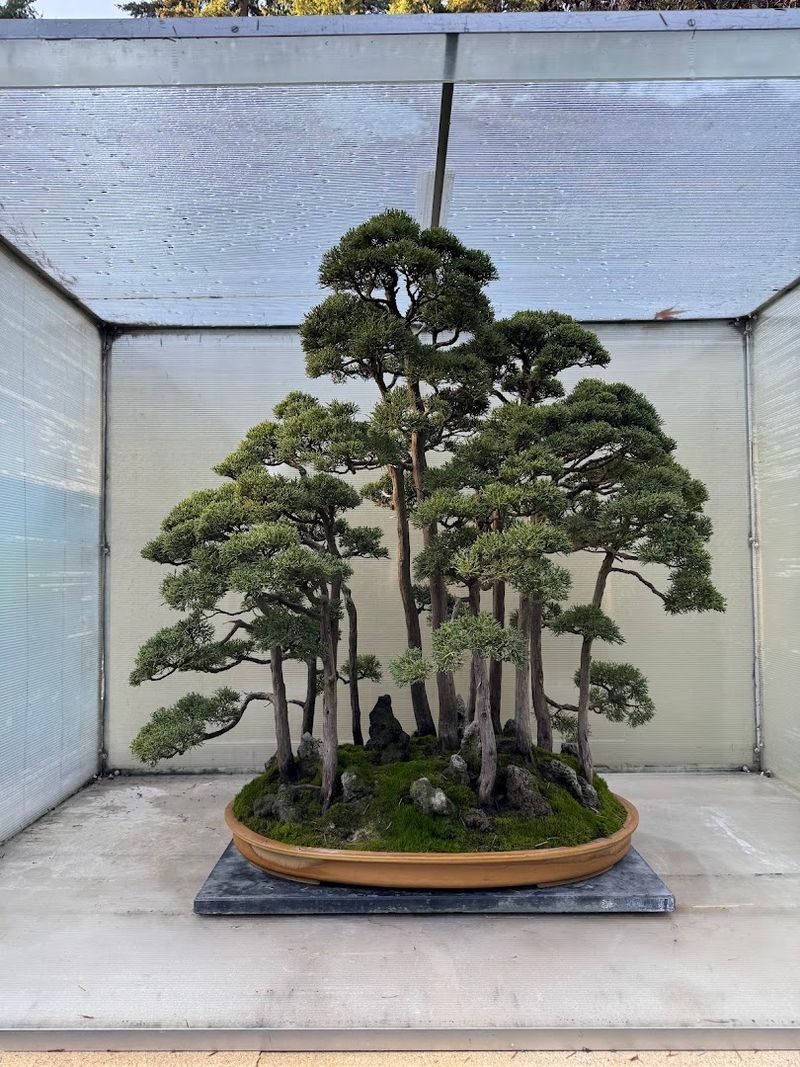
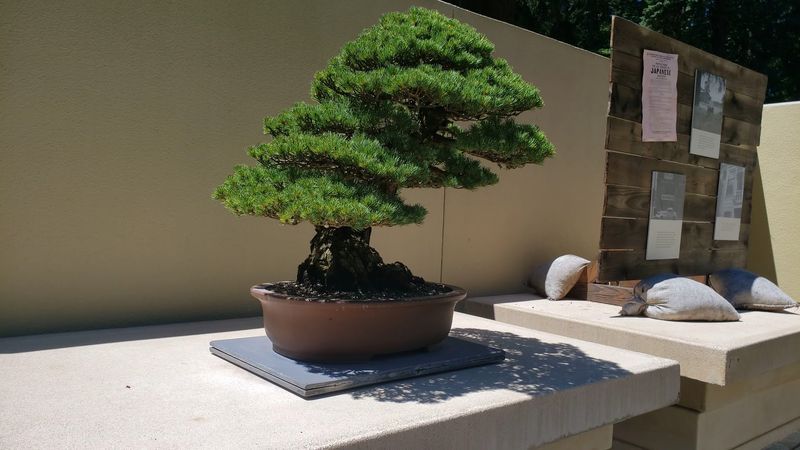
One of the most jaw-dropping facts about this museum is that some of its trees are genuinely ancient. At least one bonsai in the collection dates back to around 900 A.D., which means it was already alive before Christopher Columbus, Marco Polo, and Genghis Khan walked the earth.
Another specimen has been documented as cultivated since 1820, and several others have been continuously shaped by human hands for well over a century. The informational plaques throughout the grounds make sure visitors understand exactly what they are looking at, turning each tree into a kind of living history lesson.
These are not props or replicas. They are real, living organisms that have survived wars, climate shifts, and the passage of multiple human generations.
Standing in front of a tree that is older than most nations has a way of quietly rearranging a person’s sense of time and perspective in a manner that is hard to put into words.
What the Grounds Actually Look Like
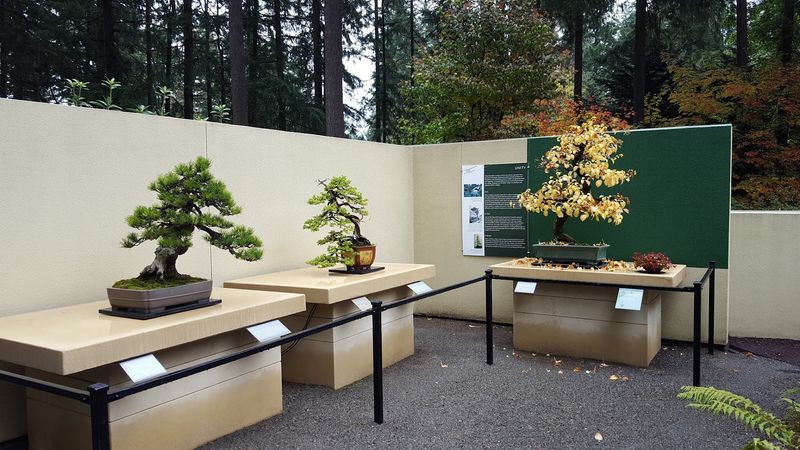
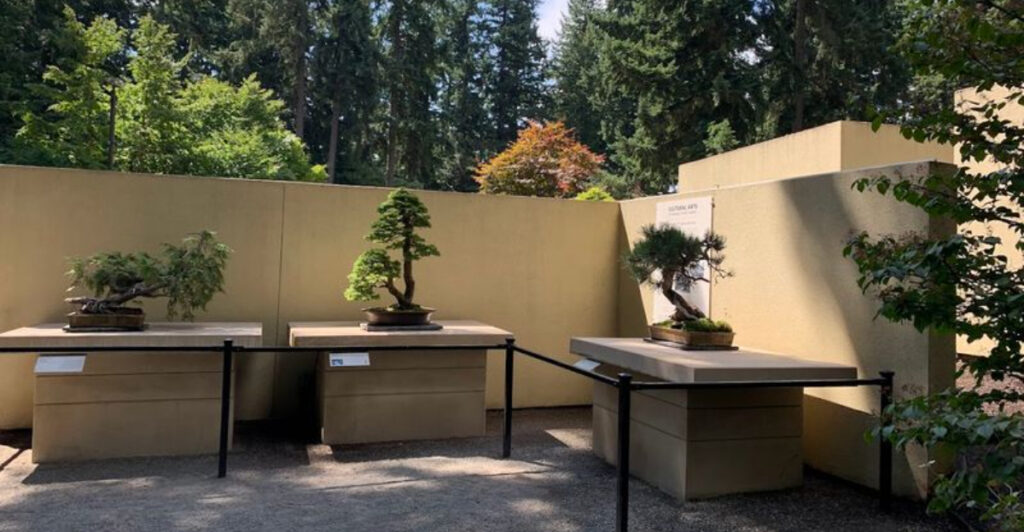
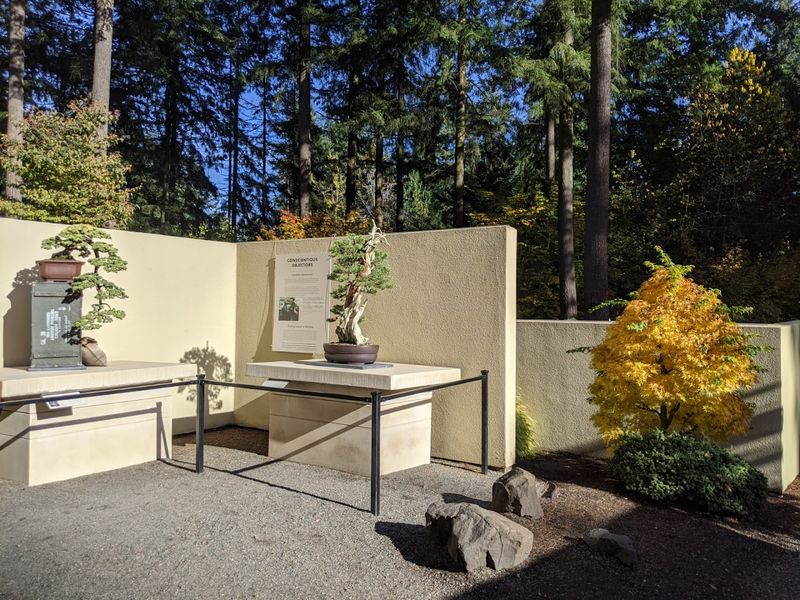
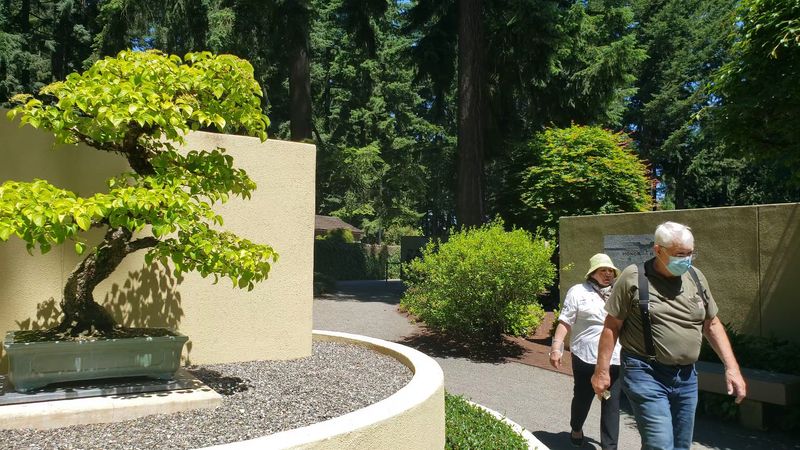
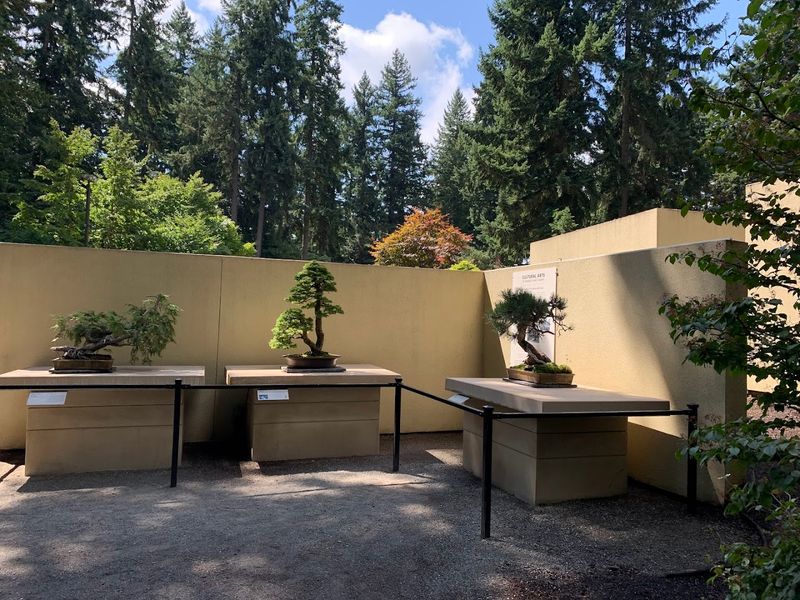
The layout of the museum is entirely outdoors, which means the experience changes with the weather and the seasons. Trees are displayed on raised platforms and pedestals along winding, raked stone paths that give the whole space a calm, unhurried atmosphere.
The grounds are consistently well maintained, with clean walkways and clearly labeled displays that make it easy to move through the collection at your own pace. The tall Pacific Northwest forest surrounding the exhibit area provides a natural backdrop that actually complements the miniature scale of the bonsai without overwhelming them.
The overall footprint of the museum is compact enough that a single visit typically takes around forty minutes to an hour, though people who stop to read every placard and truly study each tree often find themselves there much longer. The raked stone paths, the cathedral-like tree canopy above, and the careful spacing of each display all work together to create a space that feels deliberately thoughtful in its design.
A Collection That Spans Styles and Centuries
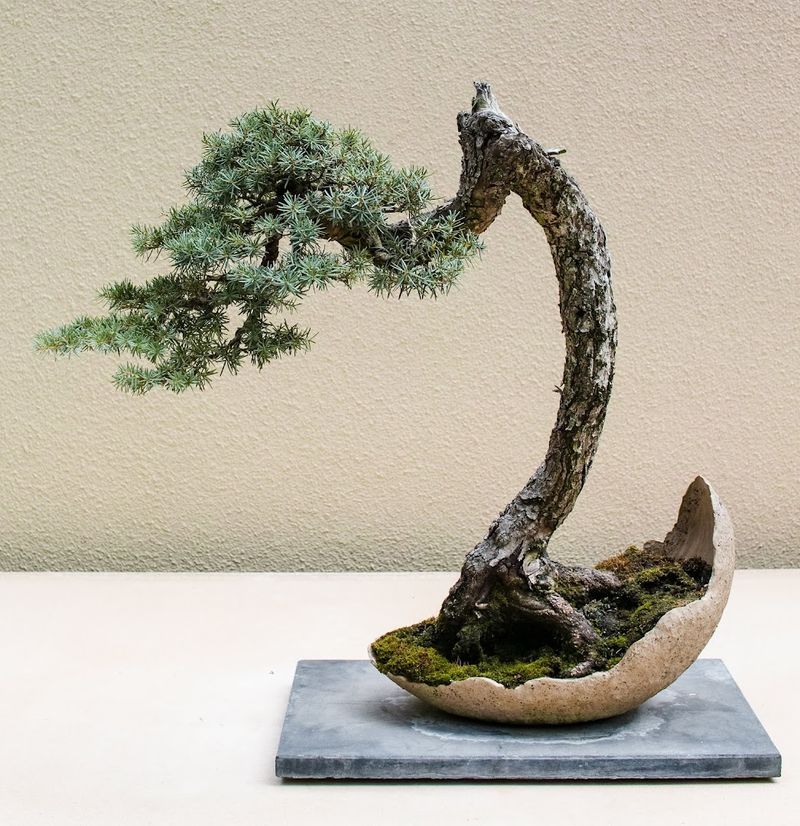
The bonsai here range from highly traditional forms rooted in centuries-old Japanese and Chinese techniques to more dramatic, sculptural pieces that push the boundaries of what most people think a bonsai can look like. Some trees are meticulously symmetrical, while others are deliberately twisted and asymmetrical in ways that feel almost rebellious.
The collection includes well over one hundred trees, each one representing a different species, style, and regional tradition. Junipers, maples, pines, and rhododendrons all make appearances, and the variety keeps the exhibit from ever feeling repetitive.
The informational signage throughout the museum does an excellent job of explaining the techniques behind each specimen, including wiring, pruning, and root management, in language that is accessible to complete beginners. Even someone who has never thought about bonsai before can walk away from this museum with a genuine understanding of why these trees require such extraordinary patience and skill to develop over time.
The Art of Patience on Full Display
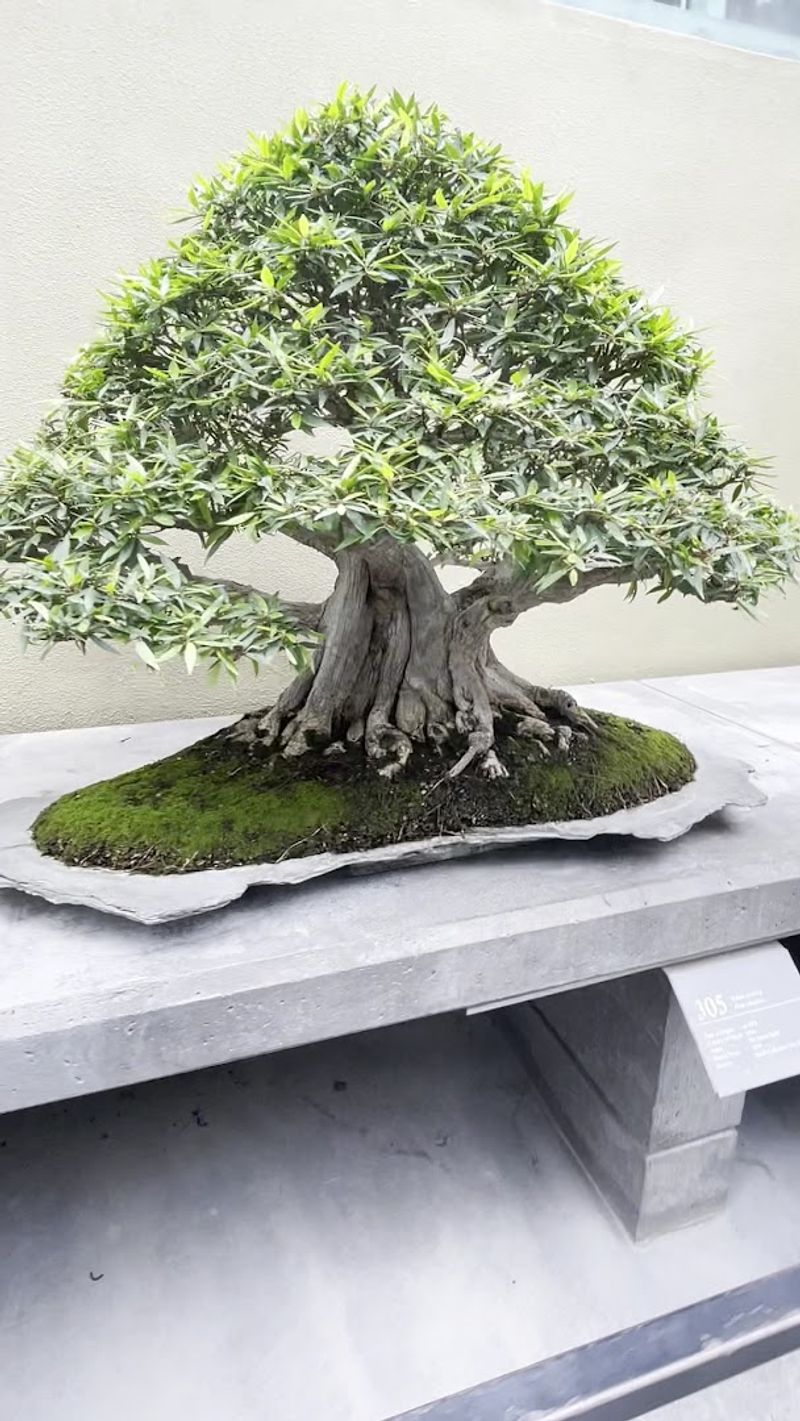
Growing a bonsai is not a hobby for people who want quick results. Some of the trees in this collection have been actively shaped by human hands for fifty years or more, with each pruning decision made slowly and deliberately over long stretches of time.
The museum does a remarkable job of making this patience visible. Through detailed plaques, interactive wiring demonstrations, and hands-on activity stations, visitors can begin to understand what it actually takes to guide a living tree into a specific form without harming it.
There is a hands-on station where guests can try their hand at wiring a branch, which gives a concrete sense of how delicate and precise the work really is. Knowing that every curve and angle in each tree was intentionally created over decades makes looking at the collection feel less like browsing an exhibit and more like reading a very long, very slow story written in living wood.
Seasons Change Everything Here
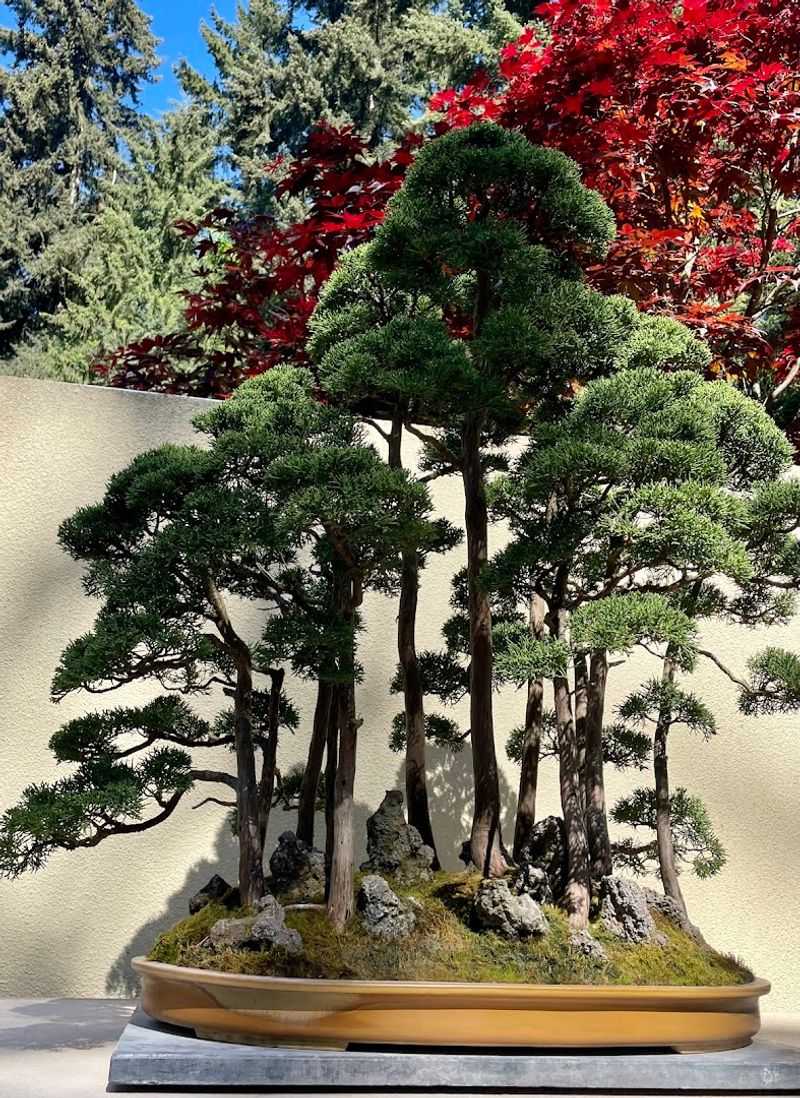
One visit to this museum is genuinely not enough to see everything it has to offer, and that is entirely by design. The collection changes character dramatically with the seasons, which gives returning guests a completely different experience each time they come back.
Spring brings flowering specimens, with certain bonsai erupting in delicate blossoms that are easy to miss if you only visit during summer or fall. Autumn transforms the deciduous trees with color that is particularly striking given how small and concentrated the foliage is on each specimen.
Winter has its own appeal, with the bare silhouettes of leafless bonsai revealing the underlying branch structure in a way that is impossible to appreciate when leaves are present. The museum actively rotates its displays throughout the year, so the arrangement of trees visible on one visit may be entirely different on the next.
Regulars who return in each season consistently find something new worth noticing.
Interactive Features That Work for All Ages
The museum has put real effort into making the experience engaging for younger visitors, not just adults who already appreciate the art form. Kid-friendly signage, a scavenger hunt activity, and a hands-on wiring station give children something active to do while moving through the collection.
The scavenger hunt in particular turns the exhibit into a discovery game, encouraging kids to look closely at individual trees and notice specific details they might otherwise walk past. The educational posters and plaques are written in clear, approachable language that avoids jargon without dumbing things down.
Past special exhibitions have included creative installations, such as a display of tiny treehouses built into bonsai-style deadwood structures by artist Dave Creek, which added a playful and imaginative layer to the experience. The museum continues to develop new interactive programming and rotating exhibits, which means there is almost always something fresh to discover regardless of how many times a person has visited before.
Free Admission and How the Museum Stays Open
The fact that this museum is free to enter is one of the things that surprises first-time visitors most. There is no ticket booth, no reservation system, and no admission fee standing between a curious person and over a hundred remarkable trees.
A donation box is positioned near the exit, and the museum suggests a contribution of around twelve dollars per person. Donations can be made by cash or credit card, which makes it easy for guests who want to support the institution to do so without any friction.
Keeping a curated outdoor collection of living trees maintained to this standard requires consistent funding, and the museum is transparent about how much it depends on voluntary contributions from the public. The appeal is simple and direct: if this place matters to you, help keep it free for everyone else.
That kind of community-supported model is increasingly rare, which makes the generosity of regular donors all the more significant.
The Rhododendron Garden Next Door
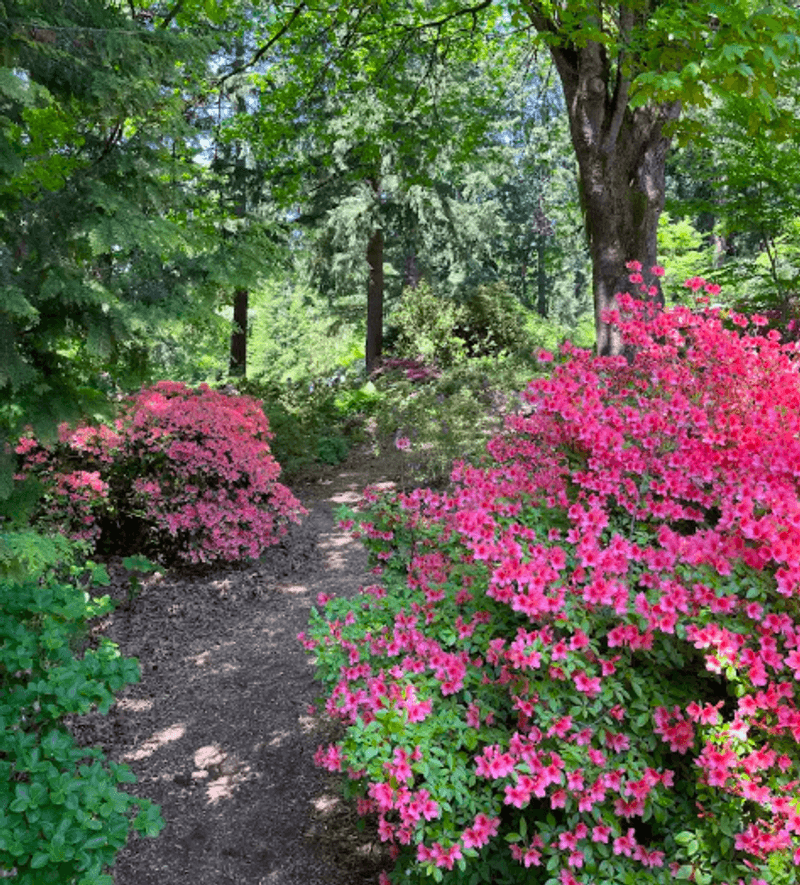
Just on the other side of the gift shop sits a separate attraction that many visitors do not know about until they arrive: a rhododendron garden that shares the same general grounds as the bonsai museum but operates independently with its own entry fee.
The garden is part of the broader Weyerhaeuser campus, which has long been associated with Pacific Northwest horticultural traditions. The rhododendron collection there is substantial, and during peak bloom season it offers a very different but equally compelling visual experience compared to the bonsai exhibit next door.
Because the two attractions are adjacent but distinct, visitors can choose to experience both on the same trip or focus on just one. The entry fee for the rhododendron garden is separate from any donation made at the bonsai museum, so it is worth planning ahead if both are on the agenda.
Combining both in a single afternoon makes for a full and rewarding outing in Federal Way.
How to Plan Your Visit
The Pacific Bonsai Museum is open Tuesday through Friday from 10 AM to 4 PM, and on Saturdays during the same hours. Sundays offer extended hours, with the museum open from 10 AM to 8 PM, which makes it one of the few times visitors can experience the collection in the late afternoon light.
The museum is closed on Mondays.
Parking is free and located across the street at the former Weyerhaeuser headquarters. The walk from the lot to the museum entrance is short, and a drop-off area near the front accommodates those who prefer not to walk the hill.
Accessibility is a genuine consideration here, with handicap parking spots available close to the entrance.
Arriving earlier in the day tends to mean a quieter experience, though the museum rarely feels crowded given its outdoor layout. Bringing a light jacket is always a reasonable idea in the Pacific Northwest, where the weather can shift without much warning regardless of the season.
Why the Pacific Northwest Is the Perfect Home for This Collection
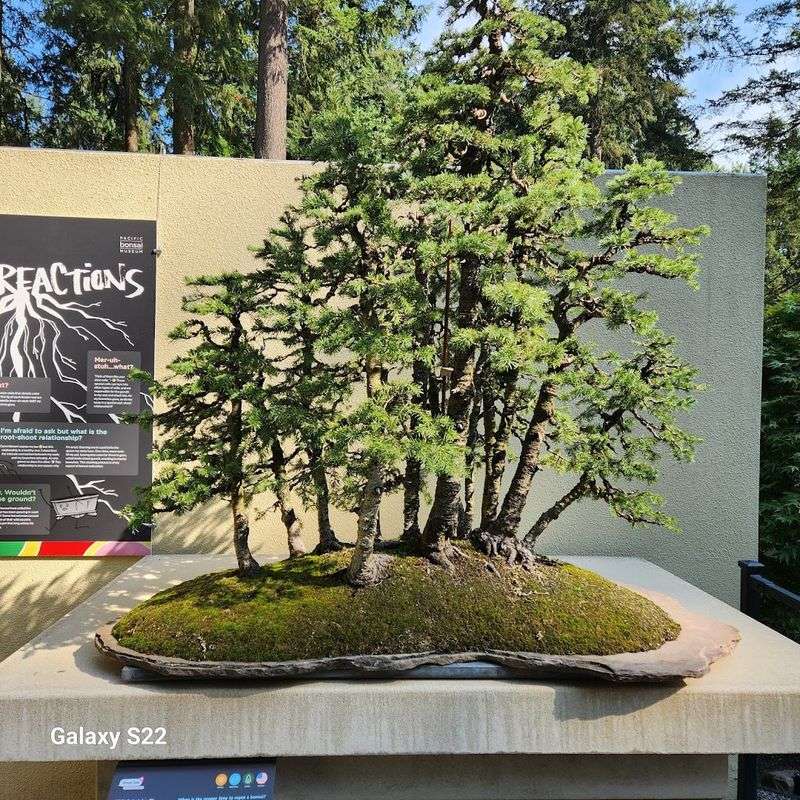
There is a reason this collection thrives in Federal Way rather than somewhere with more extreme climate swings. The Pacific Northwest is known for its mild temperatures, consistent rainfall, and rich soil conditions, all of which create an environment where bonsai can be maintained outdoors year-round with far less risk than in harsher climates.
The same conditions that produce the towering old-growth forests visible throughout the region also support the careful, long-term cultivation that bonsai demands. The natural humidity keeps trees from drying out, and the moderate winter temperatures mean that cold-hardy species can go dormant without being subjected to damaging deep freezes.
Mount Rainier looms in the background of the broader regional landscape, a reminder of just how geologically and climatically dynamic this corner of the country really is. That same dynamic environment, when managed carefully, turns out to be close to ideal for keeping century-old trees healthy and growing slowly in pots for many more decades to come.
What Sets This Museum Apart From Other Bonsai Exhibits
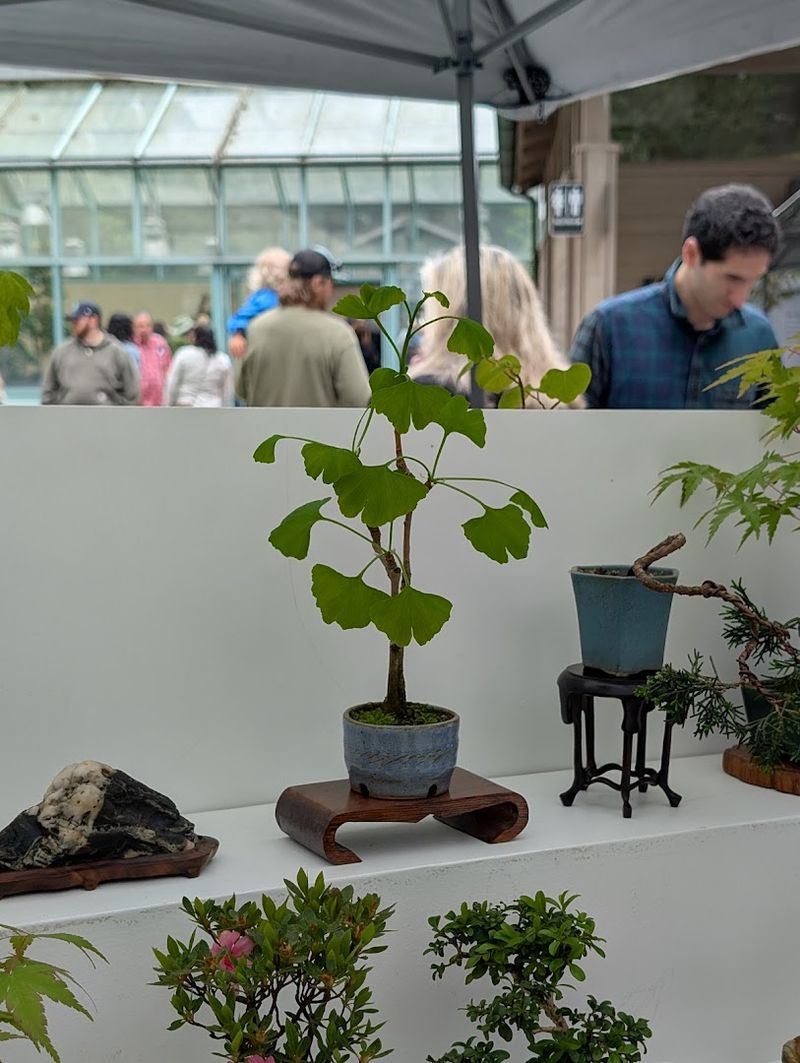
There are bonsai displays at botanical gardens and cultural centers across the country, but few collections match the depth, age, and international scope of what is on view here. The combination of trees from six different countries, some of them over a thousand years old, in a completely free outdoor setting, is genuinely unusual anywhere in the world.
The museum also distinguishes itself through its commitment to rotating exhibitions and educational programming. Rather than presenting a static collection that looks the same every year, the curatorial team actively changes what is on display and introduces new installations that keep the experience fresh for repeat visitors.
The level of care given to both the trees and the visitor experience is apparent throughout the grounds. Labels are informative without being overwhelming, paths are clean and accessible, and the overall atmosphere encourages people to slow down rather than rush through.
That deliberate pacing is part of what makes the museum feel so different from a typical cultural institution.
A Place Worth Coming Back To
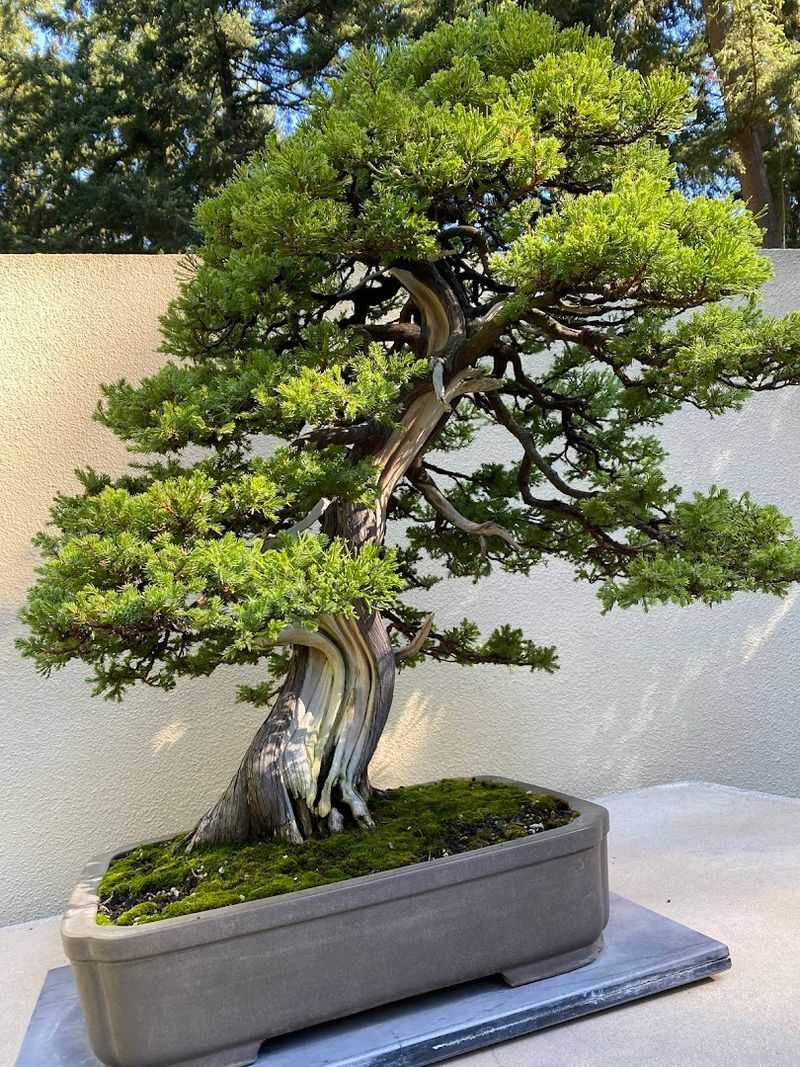
Not many free attractions earn the kind of loyalty that brings people back season after season, but the Pacific Bonsai Museum has built exactly that kind of following. The combination of living art, genuine history, accessible education, and a beautifully maintained outdoor setting gives people a reason to return that goes beyond simple curiosity.
Each visit tends to reveal something that was missed the last time, whether it is a tree that has come into bloom, a new interactive element, or simply a different quality of light on a familiar specimen. The museum’s rotating displays and seasonal changes mean that the experience is never completely identical from one trip to the next.
For anyone passing through the Federal Way area, or making the drive from Seattle or Tacoma specifically, this museum offers something that is genuinely hard to find: a place that asks nothing of you except your attention, and gives back far more than most people expect when they first walk through the gate.
Where Exactly This Hidden Gem Sits
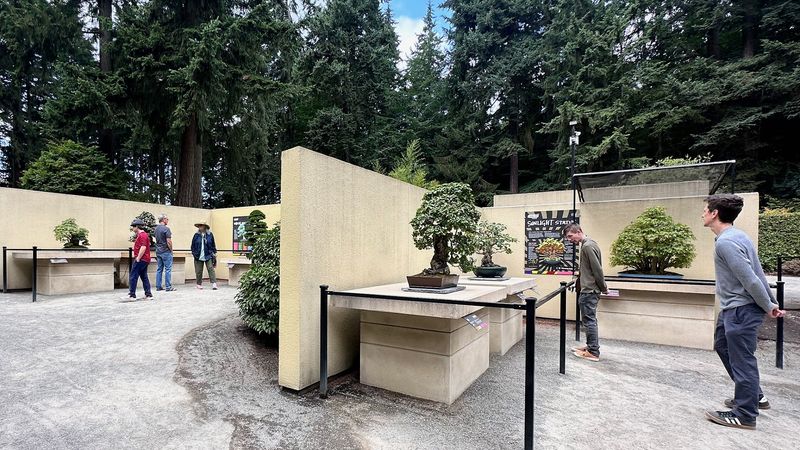
Most people drive past this spot without ever knowing what is tucked behind the trees. The Pacific Bonsai Museum is located at 2515 South 336th St, Federal Way, WA 98003, nestled within the grounds of the former Weyerhaeuser corporate campus in the heart of the Pacific Northwest.
The surrounding landscape is dominated by tall conifers, which creates a natural canopy that sets the mood long before the first bonsai comes into view. Federal Way sits between Seattle and Tacoma, making this museum an easy stop for anyone traveling the I-5 corridor.
Parking is available across the street at the old Weyerhaeuser headquarters and is completely free. A short walk leads visitors from the lot down to the museum entrance, with a convenient drop-off area near the front for those who need it.
The whole setup feels low-key and welcoming from the very first step.
Share this story