Few art galleries can match the setting of this one. Housed inside a former wire-rope factory that once supplied materials for the Brooklyn Bridge, the space combines industrial history, contemporary art, and architectural surprises in a way that visitors rarely forget.
Artist Victor Stabin transformed the 16,000-square-foot building into a gallery, café, and performance venue while preserving many of its original features, including exposed stone walls and historic wood floors. Visitors can explore imaginative artwork, enjoy live events, and even look through a glass floor at the creek flowing beneath the building.
It’s one of Jim Thorpe’s most distinctive attractions and a destination that offers far more than a traditional gallery experience.
A Historic Factory Reborn as an Art Destination
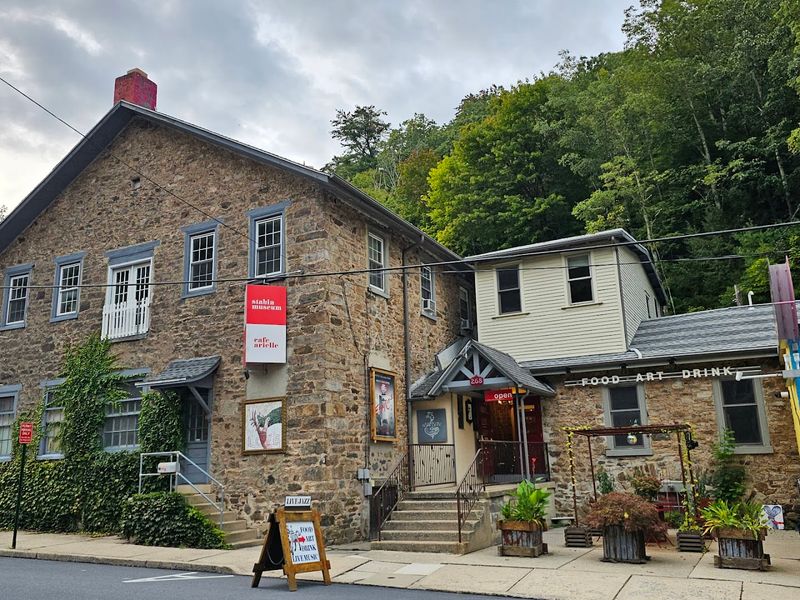
The address is 268 West Broadway, Jim Thorpe, PA 18229, and the building that stands there has been many things over the years. Built in 1846, it served as the Hazard Wire Rope factory, a silk mill, and even a toy factory before Victor Stabin saw something different in its aging walls.
Stabin began renovating the 16,000-square-foot structure in 2004, doing much of the work himself. What he created is not just an art gallery but a full cultural destination that feels unlike anything else in the Pocono Mountains region.
The stone facade gives the building a quiet authority from the outside, but the real story unfolds once you cross the threshold. Original maple hardwood floors run through the galleries, and exposed rock walls remind you that this space has a long memory.
The combination of industrial history and vivid contemporary art creates an atmosphere that is genuinely hard to find anywhere else in Pennsylvania.
Victor Stabin and His Eco-Surrealist Vision
Victor Stabin is the kind of artist whose work makes you tilt your head, lean in closer, and then suddenly laugh or gasp at what you missed on first glance. His style has been described as eco-surrealist, a label that suits him perfectly because his paintings combine precise technical skill with wild, environmentally conscious imagination.
Critics and fans alike have compared his work to Dr. Seuss, Salvador Dali, and M.C. Escher, which sounds like an unusual combination until you actually stand in front of one of his large-scale oil paintings and realize all three comparisons make complete sense at the same time.
Stabin has created illustrations for major clients and painted portraits of notable figures, but his personal fine art is where his voice comes through loudest. Many visitors have been lucky enough to meet him in person at the museum, and he has a reputation for being genuinely warm and generous with his time and conversation.
The Gallery Collection That Rewards Slow Looking
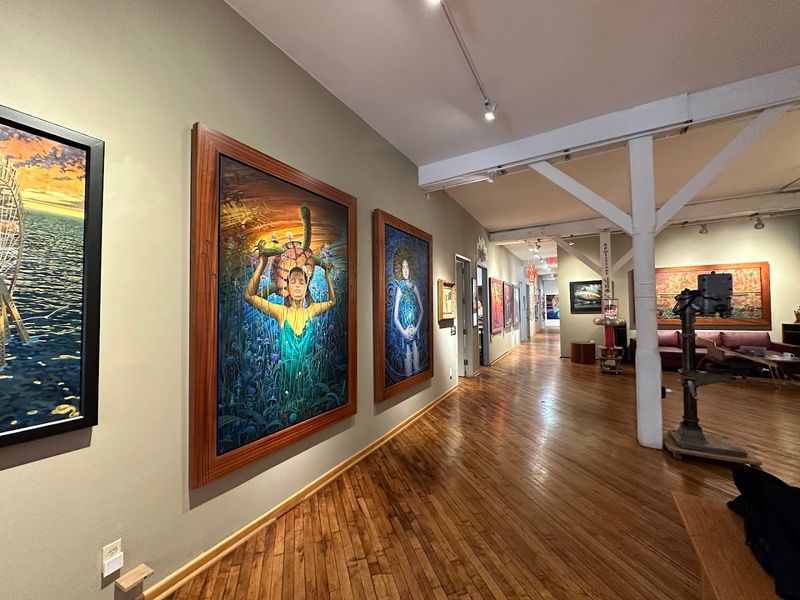
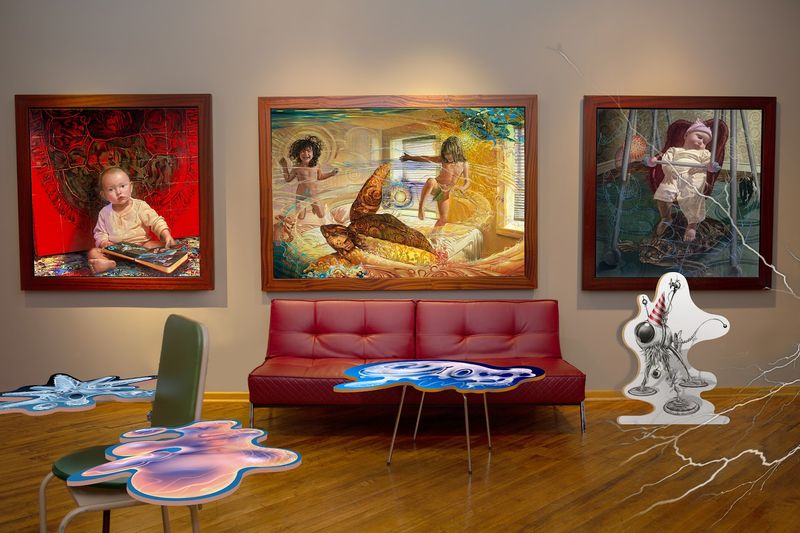
Most art galleries reward patience, but the Stabin Museum rewards it especially well. The collection includes oil paintings, prints, illustrations, drawings, and sculptures, and each medium reflects a different side of Stabin’s creative range.
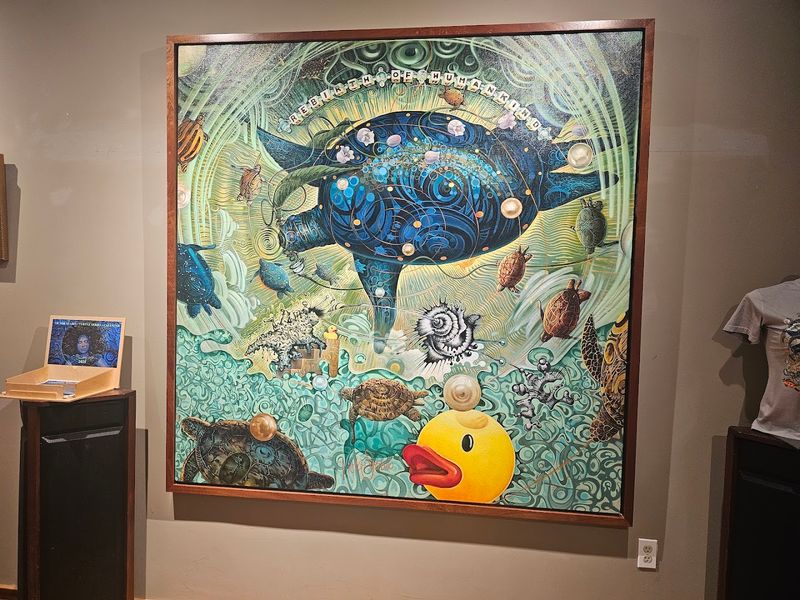
The oil paintings are the showstoppers. Large-scale and densely detailed, they pull you into underwater worlds, cosmic landscapes, and scenes where animals seem to be making wry observations about human behavior.
The turtle series is a particular favorite among visitors, and the space-themed pieces attract their own devoted audience.
Postcards, prints, and collectible posters are available for purchase, which means you do not have to leave empty-handed even if you are traveling on a budget. Admission to the museum is a suggested donation of five to twenty dollars, so the financial barrier to entry is refreshingly low.
The generosity of that pricing reflects the same spirit you feel throughout the whole building, and it makes the experience feel genuinely welcoming rather than exclusive.
The Daedal Doodle Room and Its Whimsical World
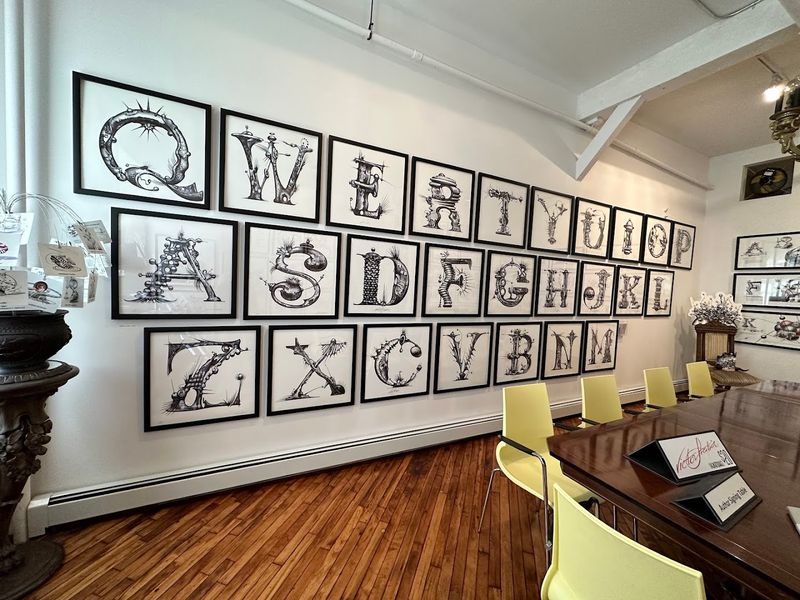
Somewhere inside the Stabin Museum is a room that feels like it was designed specifically to make adults feel like children again. The Daedal Doodle room is inspired by Stabin’s alliterative ABC book of the same name, and it has also been developed into an art education curriculum used beyond the museum walls.
The word “daedal” means cleverly intricate or skillfully made, which turns out to be a precise description of everything in the room. Every surface seems to hold another detail you did not notice on the first pass, and the playfulness of the imagery masks how technically accomplished each piece actually is.
For families visiting Jim Thorpe, this room alone is worth the trip. Children are drawn in immediately by the colors and characters, while adults find themselves reading the wordplay and admiring the craft behind it.
It manages to be educational and entertaining at the same time without feeling like either one is being forced on you, which is a genuinely rare achievement in any creative space.
The Underground Creek Flowing Beneath the Cafe
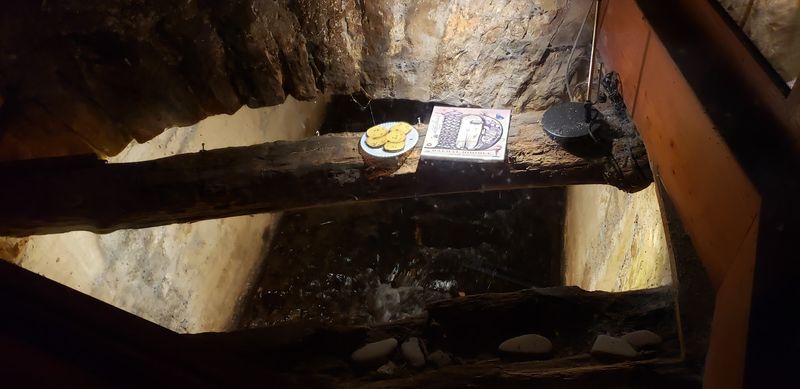
There is a moment in Cafe Arielle when you look down and realize the floor beneath you is made of glass, and beneath that glass is an actual creek flowing through the bedrock. It is one of those details that sounds like something a travel writer invented, but it is completely real and completely visible on any visit.
Cafe Arielle is named after Victor Stabin’s daughter, and that personal touch sets the tone for the whole dining experience. The food has drawn consistent praise, with dishes like smoked salmon bruschetta representing the kind of thoughtful, well-executed cooking that makes you want to linger long after your plate is empty.
The backyard seating area offers another option when the weather cooperates, giving diners a chance to enjoy their meal with a view of the historic building’s exterior. The cafe functions as a natural extension of the museum experience, and the friendly staff make it easy to transition from looking at art to sitting down for a proper meal without losing the creative energy of the space.
Vic’s Jazz Loft and the Live Music Experience
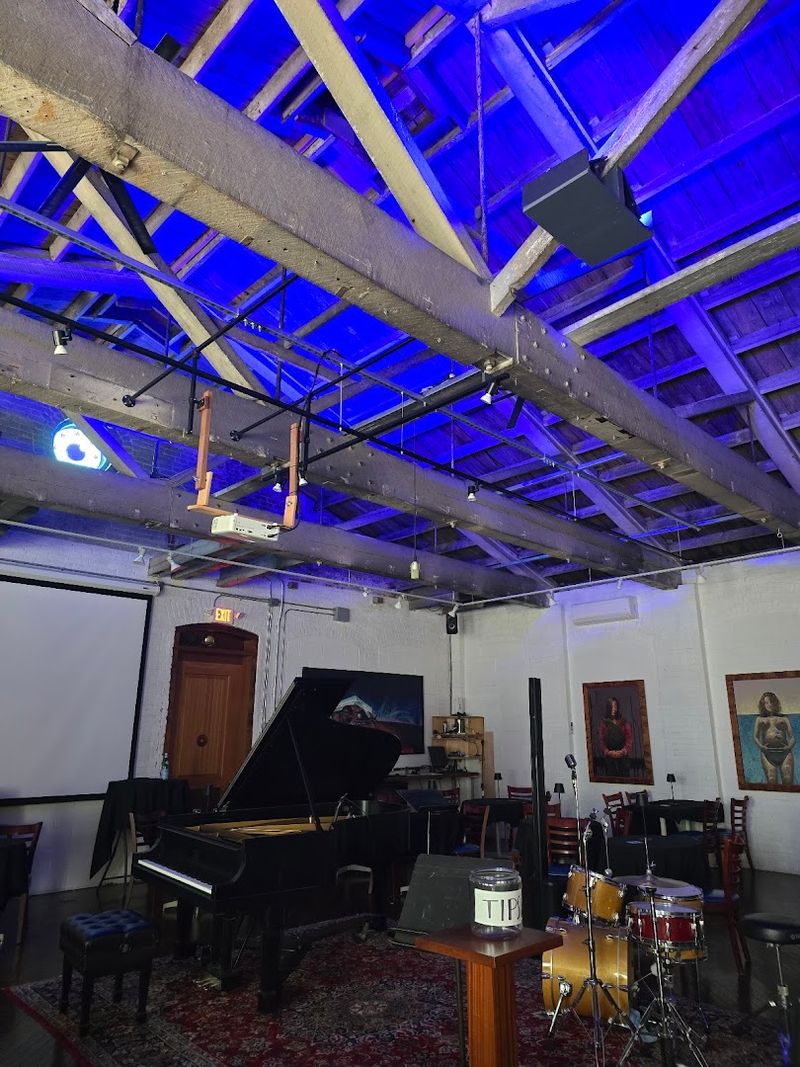
Not many art museums can claim to also be a serious jazz venue, but Vic’s Jazz Loft inside the Stabin Museum does exactly that. The space hosts live jazz performances featuring world-class musicians, and Victor Stabin’s dedication to bringing quality jazz to the Lehigh Valley region is evident in the caliber of the acts that perform there.
The room itself sets the mood before a single note is played. Intimate seating, exposed walls, and the ambient energy of the surrounding gallery create an environment where the music feels elevated simply by its surroundings.
Jazz trios have performed to audiences who came for the art and stayed because the music was too good to leave.
Tickets for events at Vic’s Jazz Loft are recommended in advance, especially during busy seasons in Jim Thorpe. Checking the museum’s website before your visit is the best way to catch a performance night and plan accordingly.
The combination of live music and original artwork in one historic building is the kind of experience that tends to become a recurring trip rather than a one-time outing.
The Building’s Industrial History and Its Wire Rope Legacy
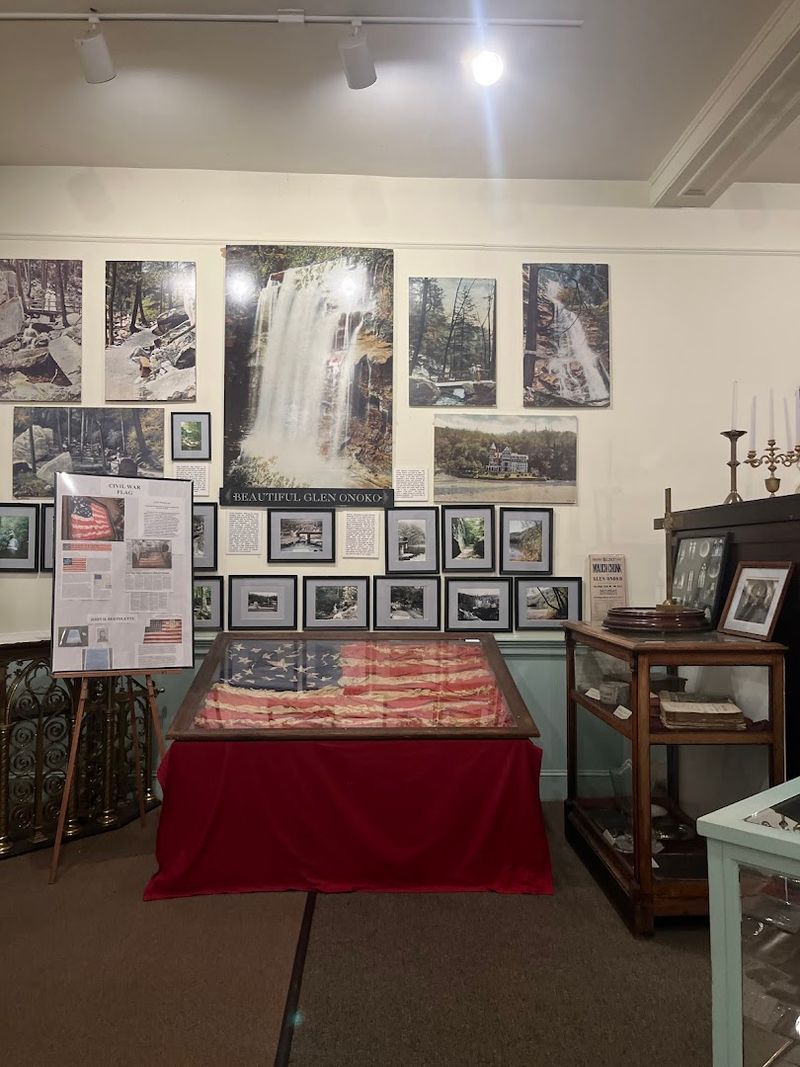
The fact that this building once produced wire rope used in the construction of the Brooklyn Bridge is not just a fun trivia footnote. It is the kind of history that gives the space a weight and significance that no amount of interior decoration could manufacture from scratch.
Built in 1846, the Hazard Wire Rope factory had a long working life before Stabin arrived. It passed through several identities as a silk mill and toy factory, each chapter leaving its own marks on the structure.
When Stabin began his renovation in 2004, he chose to honor those layers rather than erase them.
The exposed rock walls and original maple hardwood floors are not decorative choices so much as honest ones. They tell the building’s story in a way that words on a placard cannot quite match.
Standing in the gallery and knowing that the floor beneath you was once part of a working 19th-century factory adds a dimension to the art-viewing experience that most museums simply cannot replicate, no matter how hard they try.
Custom Furniture and Sculptures That Extend Stabin’s Universe
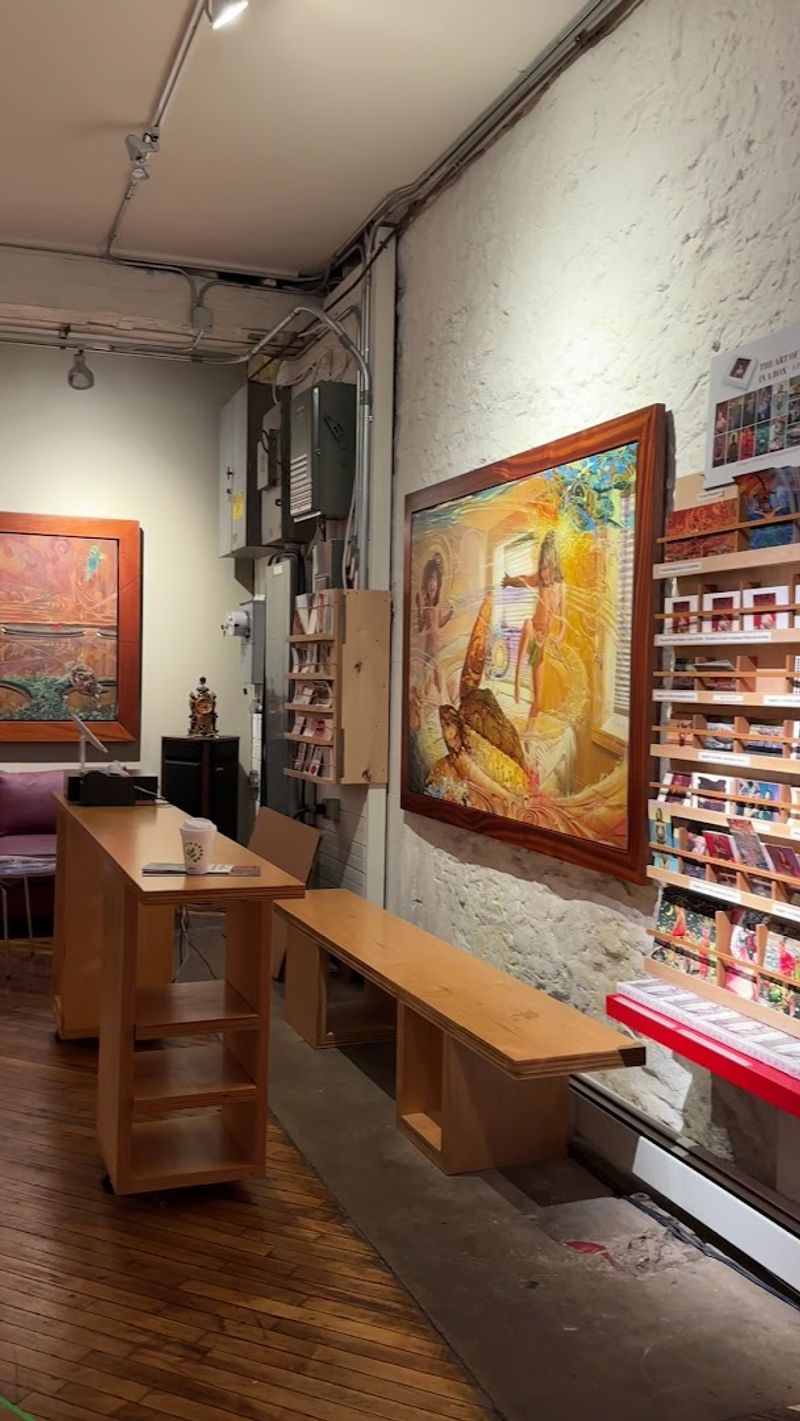
Most artists who paint also draw, and many who draw also make prints. Victor Stabin does all of that and then keeps going.
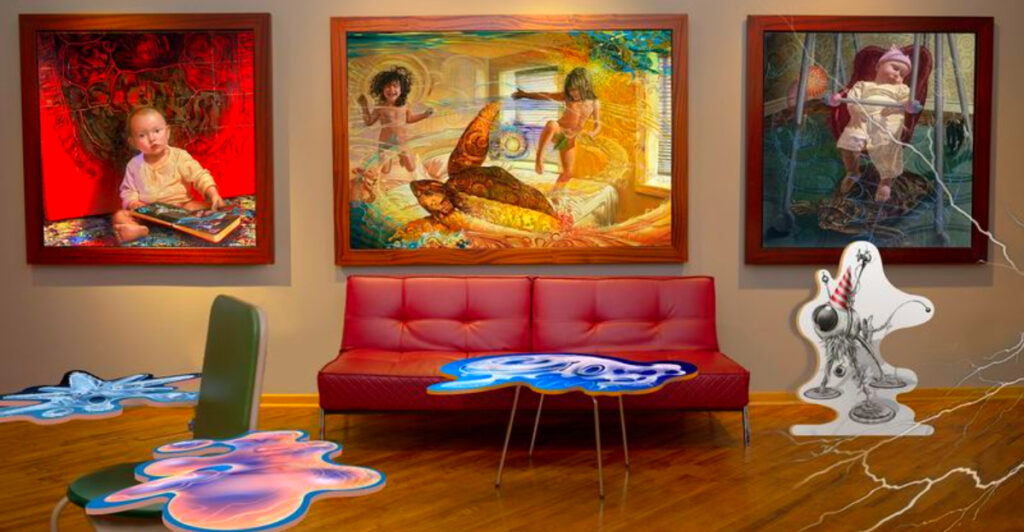
The museum’s collection includes custom furniture and sculptures that carry his visual language into three dimensions, turning the gallery into an environment rather than just a viewing space.
The furniture pieces are not simply decorative. They feel like objects from an alternate universe where design and fine art refused to stay in separate categories.
Sitting near one of these pieces while looking at the paintings creates a kind of visual harmony that is hard to explain but easy to feel.
The sculptures add yet another layer to an already dense and rewarding collection. For visitors who spend time with each piece, the museum reveals itself as a carefully constructed world with its own internal logic and recurring themes.
The environmental consciousness that runs through Stabin’s paintings reappears in the sculptural work, making the whole collection feel unified even as it covers a wide range of subjects and formats.
What to Expect When You Visit: Hours, Admission, and Tips
The Stabin Museum keeps a schedule that rewards planning ahead. Friday and Saturday hours run from noon to 9 PM, Thursday from 5 to 9 PM, and Sunday from 11 AM to 4 PM.
Monday through Wednesday the museum is closed, so timing your visit to Jim Thorpe around those open days is worth doing before you make the drive.
Admission is a suggested donation of five to twenty dollars, making it accessible to most budgets. If you only have a card and no cash, the cafe next door can process your payment, so you will not be turned away at the door over a technicality.
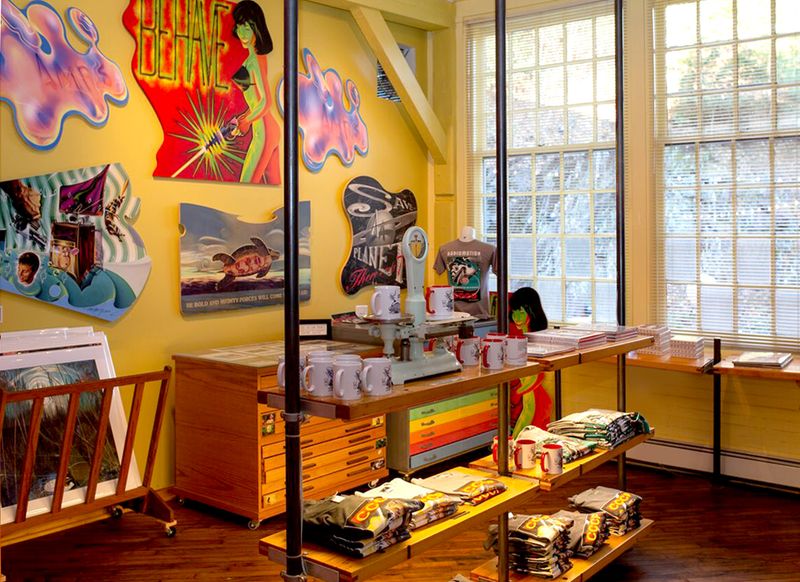
The museum also has a published magazine and postcard versions of the artwork available for purchase, which make for genuinely good souvenirs. Calling ahead at 570-325-5588 or checking stabinmuseum.com before your visit is smart, since event nights and special programming can change the energy of the space significantly, and you may want to plan your visit around a live jazz performance for the full experience.
The Atmosphere That Makes First-Time Visitors Become Regulars
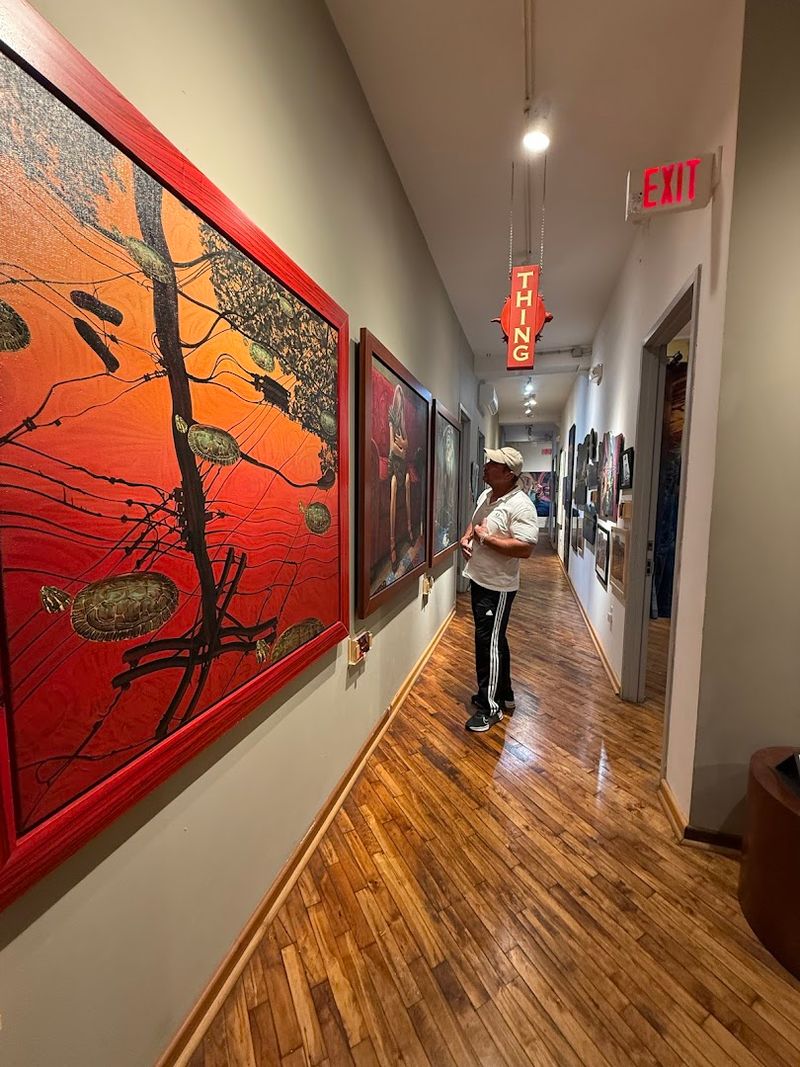
There is something about the Stabin Museum that is genuinely hard to put into words, and that is probably why so many people who visit once end up coming back. The combination of original architecture, vibrant art, good food, and live music creates an atmosphere where the whole is clearly greater than the sum of its parts.
The staff and the artist himself contribute to that feeling in a direct way. Victor Stabin has a reputation for being present at the museum and for engaging with visitors in a way that feels natural rather than performative.
Meeting the person behind the work while standing in front of the work is an experience that most art museums simply cannot offer.
The museum has hosted everything from casual Saturday afternoon visits to last-minute wedding receptions, and it has handled both with the same warmth and flexibility. That range of experiences speaks to a place that has figured out what it wants to be and commits to it fully, which is rarer than it sounds and exactly what keeps people coming back through the door.
Why the Stabin Museum Belongs on Your Pennsylvania Travel List
Jim Thorpe already has a strong identity as one of Pennsylvania’s most scenic and historically rich small towns, with its Victorian architecture, mountain backdrop, and outdoor recreation drawing visitors year-round. The Stabin Museum adds a cultural layer to that identity that genuinely elevates the whole destination.
A trip that includes the museum, a meal at Cafe Arielle, and an evening at Vic’s Jazz Loft covers art, food, and live music in a single building, which is an efficient and deeply enjoyable way to spend a day. The Fall Foliage Festival season is a particularly popular time to visit, when the surrounding mountains turn vivid shades of orange and red and the town fills with energy.
The Stabin Museum is the kind of place that changes how you think about what a small-town cultural destination can be. It is ambitious, personal, and genuinely surprising, and those three qualities together are what make it worth going out of your way to find.
The drive to Jim Thorpe is scenic, and the payoff at the end of it is real.
Share this story