 Unearth The Voyage
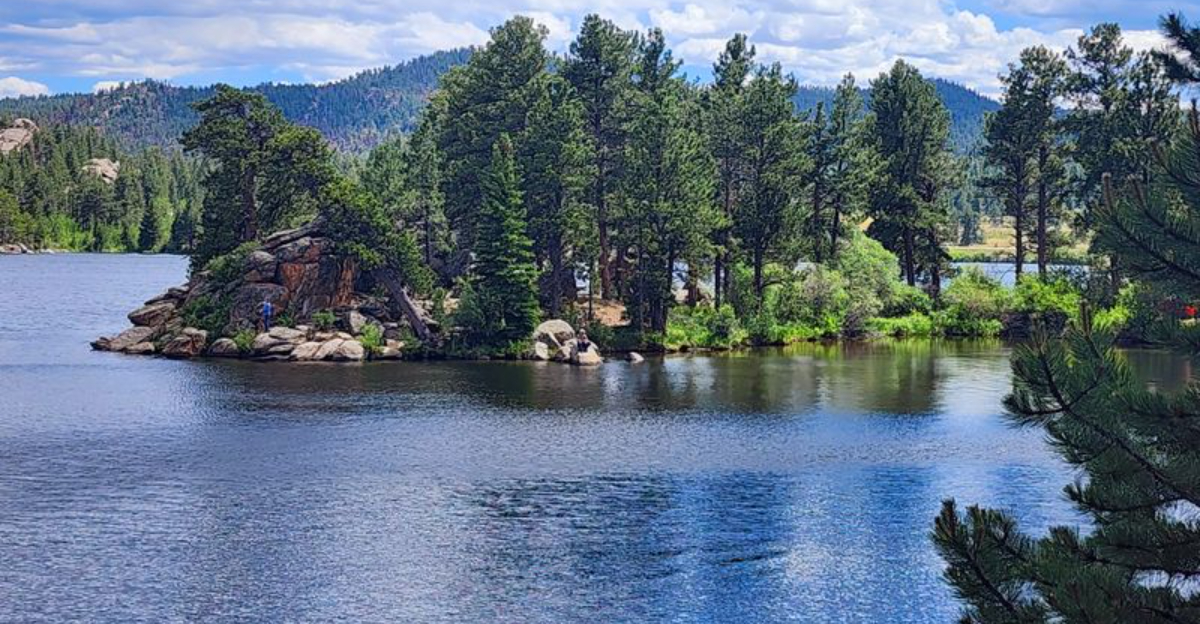
Most people think they’ve already seen the best of South Jersey. Then you find a place that feels untouched, quiet, and strangely timeless.
It’s the kind of spot where the air smells like cedar, the trails stay soft underfoot, and the lakes sit still enough to reflect the trees like glass.
If you’re tired of the same crowded getaways, this is the reset you’ve been looking for. You’ll get easy-to-follow trail ideas, what to visit in each season, and a few details that make the experience feel bigger than a typical park stop.
The best part is that it stays under the radar, even when the rest of the region is packed.
1. Parvin Lake Loop – the Classic 3-Miler (Green Trail)
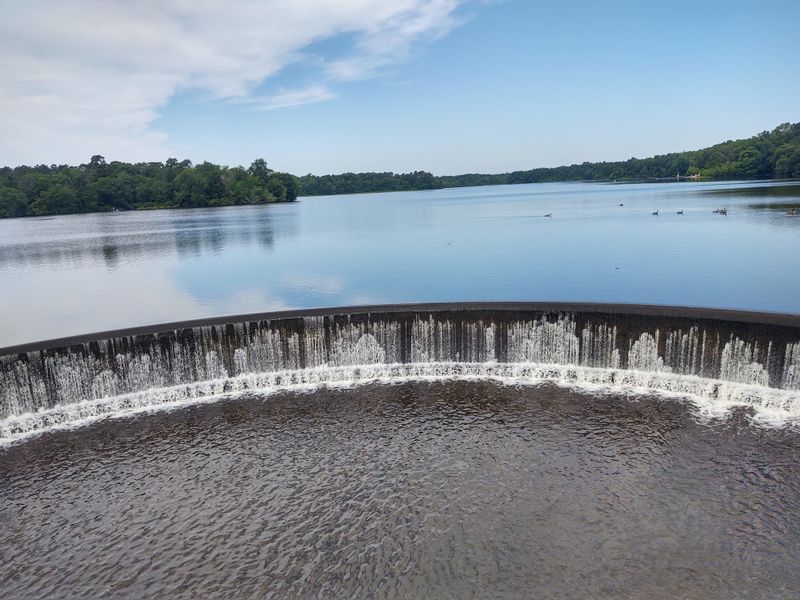
Start here if you want the full Parvin experience in one tidy package. The Green Trail wraps around Parvin Lake for roughly three miles, hugging the shoreline through groves of Atlantic white cedar that lean over the water like they’re whispering secrets.
You’ll cross the old spillway, a curved concrete relic from the CCC era—where the light bounces off the water in ways that make every amateur photographer stop and fumble for their phone. The path is mostly flat, mostly sandy, and mostly empty even on weekends.
I’ve walked this loop in every season, and spring takes the prize. Dogwoods and mountain laurel explode along the banks, and the reflections on calm mornings are so sharp you’ll second-guess which way is up.
Birders love the marshy coves where herons stalk and kingfishers rattle.
Wear shoes you don’t mind getting sandy. Pack water.
Bring binoculars if you’re into feathered things. This loop is the reason Parvin exists in most people’s minds, and it earns that reputation every time.
2. Thundergust Lake Shoreline Stroll (Yellow Trail, ~1 mile)
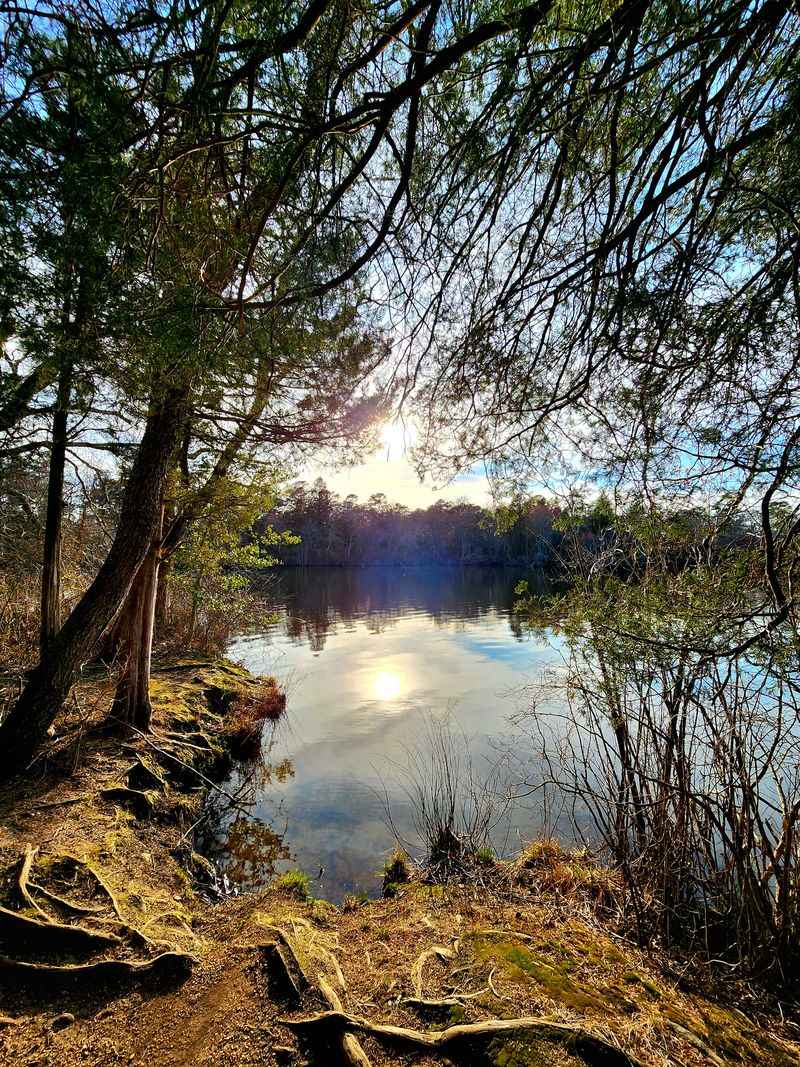
Thundergust Lake sounds like a heavy-metal band, but it behaves more like a yoga instructor. This mile-long Yellow Trail hugs the shore of the park’s quieter, smaller sibling lake, where the water sits so still on windless days that clouds and trees double themselves in perfect symmetry.
Herons treat this spot like a private dining room, stalking the shallows with that slow-motion patience that makes you hold your breath. Turtles sun on half-submerged logs, and dragonflies patrol the reeds like tiny helicopters.
The trail itself is easy – flat, soft underfoot, and short enough that you can squeeze it in before lunch or after dinner without breaking a sweat. I’ve brought non-hiking friends here and watched them relax within five minutes.
If Parvin Lake is the park’s main stage, Thundergust is the cozy side room where the real magic happens. Grab a bench, watch the light change, and let the rest of the world forget you exist for a while.
That’s the whole point.
3. Forest Road Trail – Pine Barrens Straightaway (3.4 miles)
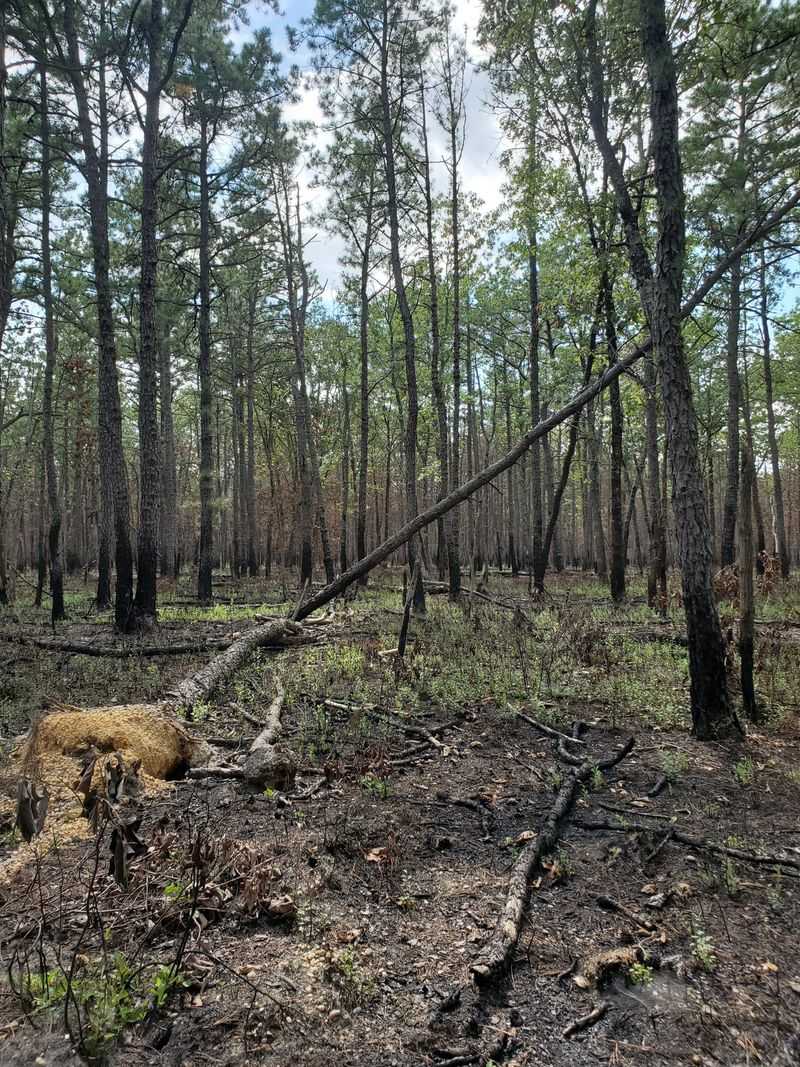
Sandy, straight, and deeply Pine Barrens, the Forest Road Trail stretches 3.4 miles through the kind of landscape that defines South Jersey. Pitch pines rise tall and lean, their bark thick and fire-scarred, while scrub oak and blueberry bushes crowd the understory.
Your feet sink slightly with every step—this is sugar-sand country, so forget about speed. The trail runs along an old access road, which means it’s wide, easy to follow, and occasionally monotonous in the best possible way.
Let your mind wander.
I’ve walked this route on scorching July afternoons when the cicadas screamed and the air shimmered, and on crisp October mornings when every breath tasted like pine resin. Both versions work.
The straightness of the path becomes meditative after a while, and the solitude is almost guaranteed.
Bring extra water—there’s no shade break here, and the sand reflects heat like a mirror. Wear a hat.
And if you’re lucky, you might catch a glimpse of a red-tailed hawk circling overhead or a fox slipping through the underbrush.
The Pines always reward the patient.
4. Long Trail Weave (2 miles)
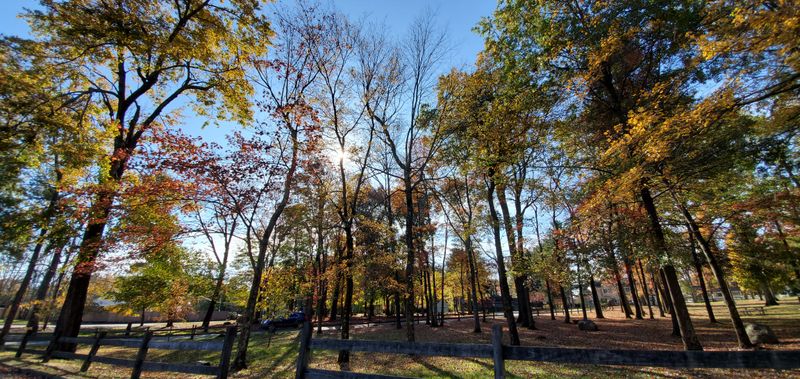
The Long Trail earns its name not through distance—it’s only about two miles—but through its knack for threading together the park’s different personalities. You’ll pass through mixed hardwoods, skirt wetland edges, and connect with other paths that tempt you to extend your loop.
This is the trail for people who like options. Want to add a mile?
Hook onto the Knoll Trail. Feeling ambitious?
Link up with the Black Oak Circuit and make an afternoon of it. The state trail map shows all the intersections, and they’re well-marked enough that getting lost requires genuine effort.
I’ve used this route as a warm-up, a cool-down, and a full hike depending on my mood and available daylight. It’s versatile like that.
The wetland sections host frogs in spring, and the mixed woods shift color beautifully in October.
Pack a trail map or snap a photo of the park board before you start—not because you’ll need it, but because seeing all the connections laid out makes the hike more fun. This trail is Parvin’s Swiss Army knife.
5. Knoll Trail (1.8 miles)
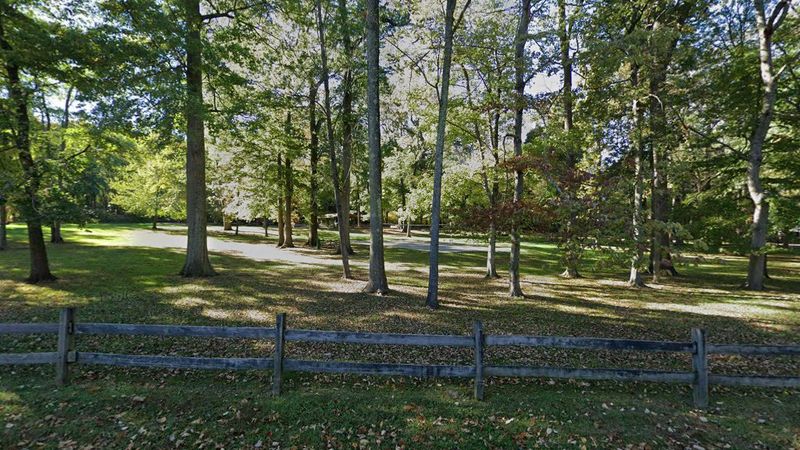
Slight rises, creek crossings, and enough topographic variety to keep your legs interested—that’s the Knoll Trail in a nutshell. At 1.8 miles, it’s short enough for a lunch-break escape but engaging enough that you won’t spend the whole time checking your watch.
Muddy Run winds through this section, and the park has installed sturdy wooden bridges that turn every crossing into a mini-event. Stand on one for a minute and watch the water slide over rocks and roots, and you’ll understand why people used to build entire philosophies around streams.
The trail rolls over gentle knolls—hence the name—that give your calves just enough work to remind you you’re hiking without making you regret breakfast. Oak, maple, and holly crowd the path, and in fall the leaf litter crunches underfoot with every step.
I’ve run into more wildlife here than on any other Parvin trail. Deer browse in the understory, woodpeckers hammer away at dead snags, and once I watched a box turtle cross the path with the urgency of a retiree on vacation.
Bring patience. Bring curiosity.
Leave the earbuds at home.
6. Black Oak Trail – Edge-of-the-Pines Circuit (~2.8 miles)
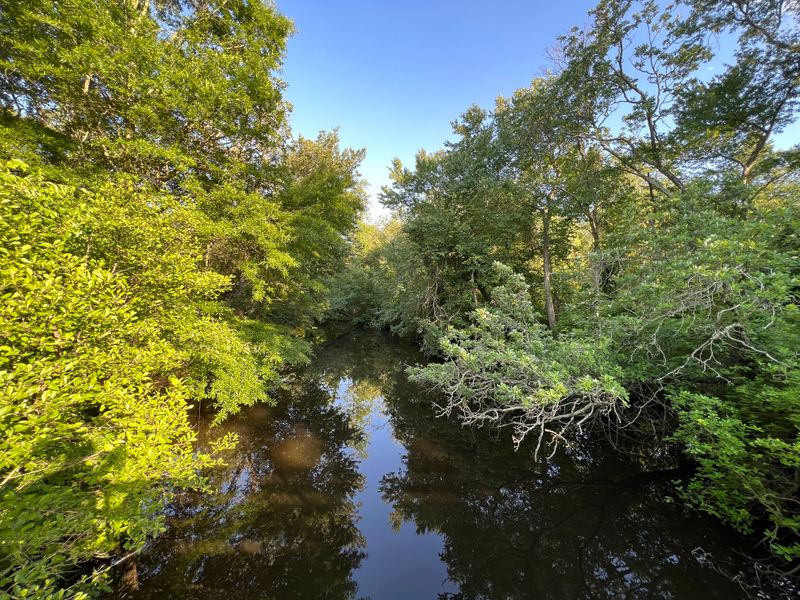
Circling the southern edge of Parvin, the Black Oak Trail covers about 2.8 miles of that in-between landscape where the Pine Barrens start blending into something a little richer. You’ll still see plenty of pitch pine, but now they’re sharing space with black oak, red maple, and pockets of low wetland that shimmer with standing water after rain.
This trail feels more remote than it actually is. The park’s main facilities sit far enough away that you can walk for an hour without seeing another soul, yet you’re never more than a mile or so from the parking lot.
It’s the illusion of wilderness, and it works beautifully.
I love this loop in late afternoon when the light slants low through the oaks and everything glows amber. The wetland sections attract dragonflies, frogs, and the occasional wading bird, and the sandy stretches give your feet a workout without punishing them.
Bring bug spray if you’re hiking between May and September—the wetlands breed mosquitoes with enthusiasm. Otherwise, just bring yourself and a willingness to wander.
This trail rewards the aimless.
7. Parvin’s Spring Bloom Corridor
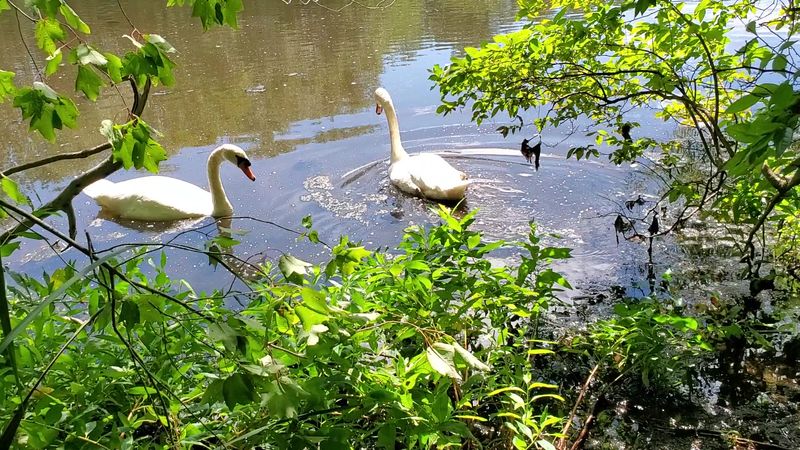
Between April and June, Parvin transforms into a botanical explosion that most people miss entirely. More than 200 flowering plant species wake up and show off, turning the lakeshores and trail edges into a living catalog of color and scent.
Dogwood blooms first, scattering white stars through the canopy. Then mountain laurel unfurls its pink clusters, followed by wild azalea that smells like childhood summers.
Holly, magnolia, and a dozen species you won’t recognize unless you bring a field guide all join the party.
I stumbled into this phenomenon by accident my first spring at Parvin, and it spoiled me for every other season. The park is lovely year-round, sure, but spring is when it becomes genuinely magical.
The light, the scent, the hum of pollinators—it all adds up to something you can’t quite capture in photos.
Bring a camera anyway. Bring a notebook if you’re into sketching or journaling.
And bring bug spray, because the same warm weather that triggers blooms also wakes up the mosquitoes.
Fair trade, honestly.
8. Parvin Grove Day-Use Corner
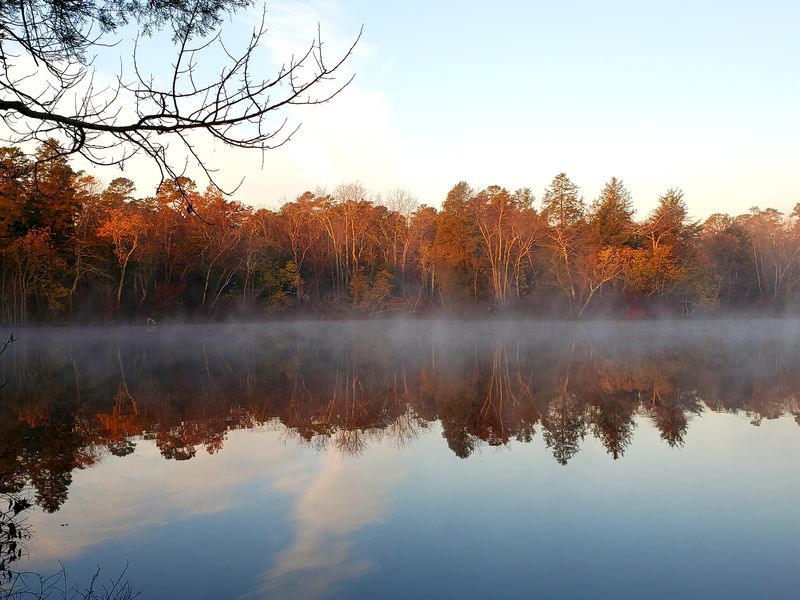
Parvin Grove is where the park remembers it’s supposed to be fun for people who don’t hike. Picnic tables cluster under the pines, seasonal concessions sling snacks and cold drinks, and lake access sits close enough that kids can transition from sandbox to swimming without anyone getting lost.
On warm-weather weekends, this corner buzzes with families, birthday parties, and groups of friends who’ve claimed a shelter for the afternoon. It’s the social heart of Parvin, and it’s completely different from the quiet trails just a few hundred yards away.
Both versions of the park coexist peacefully.
I’ve stopped here for lunch between hikes more times than I can count. The concession stand makes a decent hot dog, the picnic tables are clean and plentiful, and the lake breeze keeps things comfortable even in July.
It’s low-key, unpretentious, and exactly what a state park day-use area should be.
Arrive early on summer Saturdays if you want a shelter—they fill fast. Otherwise, grab any open table, spread out your spread, and enjoy the rare pleasure of a New Jersey park that hasn’t been loved to death yet.
9. Swimming Beach on Parvin Lake (Seasonal)
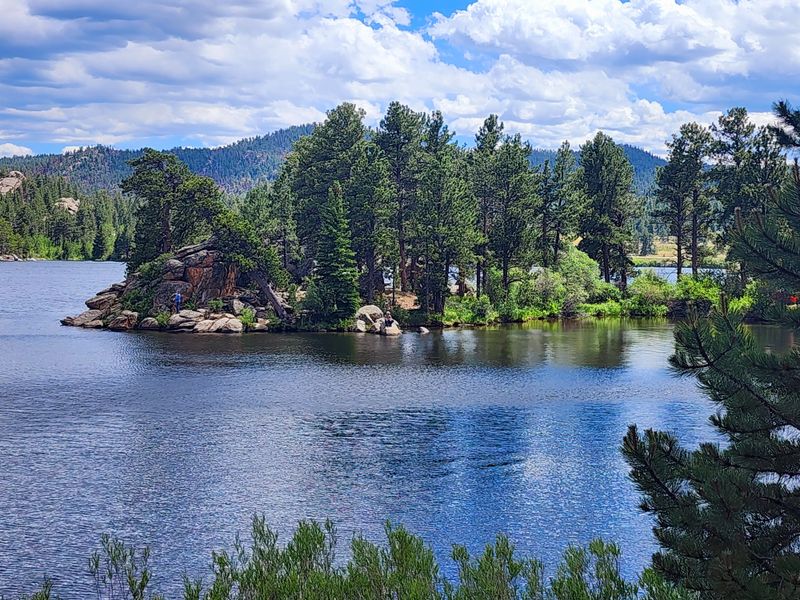
Guarded lake swimming in South Jersey is rarer than you’d think, which makes Parvin’s seasonal beach something of a minor miracle. The designated swim area sits on Parvin Lake, and when it’s open—typically Memorial Day through Labor Day—it’s one of the park’s biggest draws.
The water is clean, the bottom is sandy, and the lifeguards actually show up. That last point might sound obvious, but staffing has been an issue at state parks lately, so Parvin’s consistency deserves credit.
Check the park’s website or call ahead to confirm open dates before you pack the cooler.
I’m not much of a swimmer, but I’ve watched enough families enjoy this beach to appreciate what it offers. Kids splash in the shallows while parents lounge on towels, and the whole scene feels pleasantly retro—like summer camps and family reunions from a quieter decade.
Facilities are basic but adequate. Changing rooms, restrooms, and a rinse-off station cover the essentials.
Bring your own shade—umbrellas, pop-ups, whatever works—because tree cover is limited right at the beach.
Then settle in and enjoy one of South Jersey’s best-kept swimming secrets.
10. Canoes, Quiet Water, and Electric-Only Boating
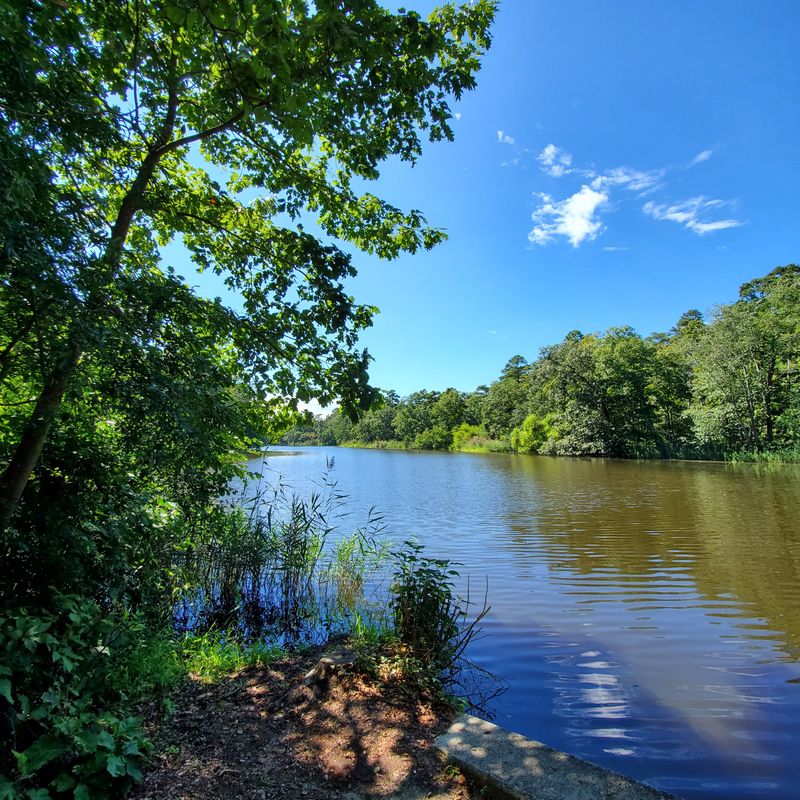
Parvin and Thundergust Lakes favor low-key paddling, and the park’s electric-only motor rule keeps things blissfully quiet. You won’t find jet skis or bass boats screaming across the water here—just canoes, kayaks, and the occasional electric trolling motor humming like a refrigerator.
The park offers canoe rentals when staff is available, and launches are clearly marked on the official map. Both lakes are small enough that you can explore every cove in an afternoon, but large enough that you won’t feel cramped.
The shorelines are mostly undeveloped, lined with cedar and pine that lean over the water.
I’ve paddled Parvin Lake a handful of times, usually in early morning when the water is glass and the only sounds are my paddle dipping and birds waking up. It’s meditative in a way that hiking isn’t—slower, quieter, more about watching than moving.
Bring your own boat if you have one. Rent if you don’t.
Either way, get on the water at least once.
It changes your relationship with the park entirely, and you’ll see things from the middle of the lake that trails can’t show you.



