There is a mountain ridge in western North Carolina where the stars feel close enough to touch, and once you have stood beneath that sky, a regular night at home will never quite satisfy you again. A publicly accessible observatory tucked into the Blue Ridge Mountains offers guided telescope sessions, knowledgeable hosts, and views of galaxies, nebulae, and planets that most people only see in textbooks.
The experience draws first-timers, seasoned stargazers, families, photographers, and even wedding parties who want something truly unforgettable. Read on to find out exactly what makes this place so special and why it deserves a spot on your travel list right now.
Where the Stars Begin: The Location and Setting
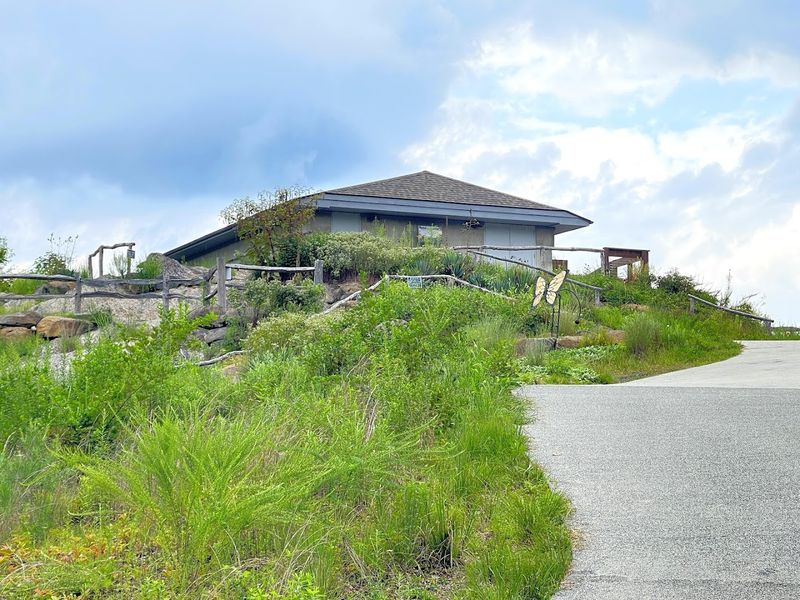
The drive up to 66 Energy Exchange Dr, Burnsville, NC 28714 is part of the adventure. The road narrows as you climb, and the tree canopy thins out just enough to hint at the wide-open sky waiting above.
Bare Dark Sky Observatory sits on a high ridge within Mayland Earth to Sky Park, operated by Mayland Community College. The elevation and remote setting keep light pollution to a minimum, which is exactly why the views here are so extraordinary.
The park itself sits in Yancey County, deep in the Blue Ridge Mountains of western North Carolina. You are surrounded by peaks, clean mountain air, and almost total darkness once the sun goes down.
During the day, the hilltop offers sweeping panoramic views that are worth the trip on their own. Several visitors have noted that even a daytime stop reveals stunning mountain scenery that feels removed from the everyday world.
The narrow road up can feel a little nerve-wracking if you are not used to mountain driving, so take it slow and enjoy the scenery. Once you reach the top, the reward more than justifies the climb.
A Brief History of the Observatory and Its Mission
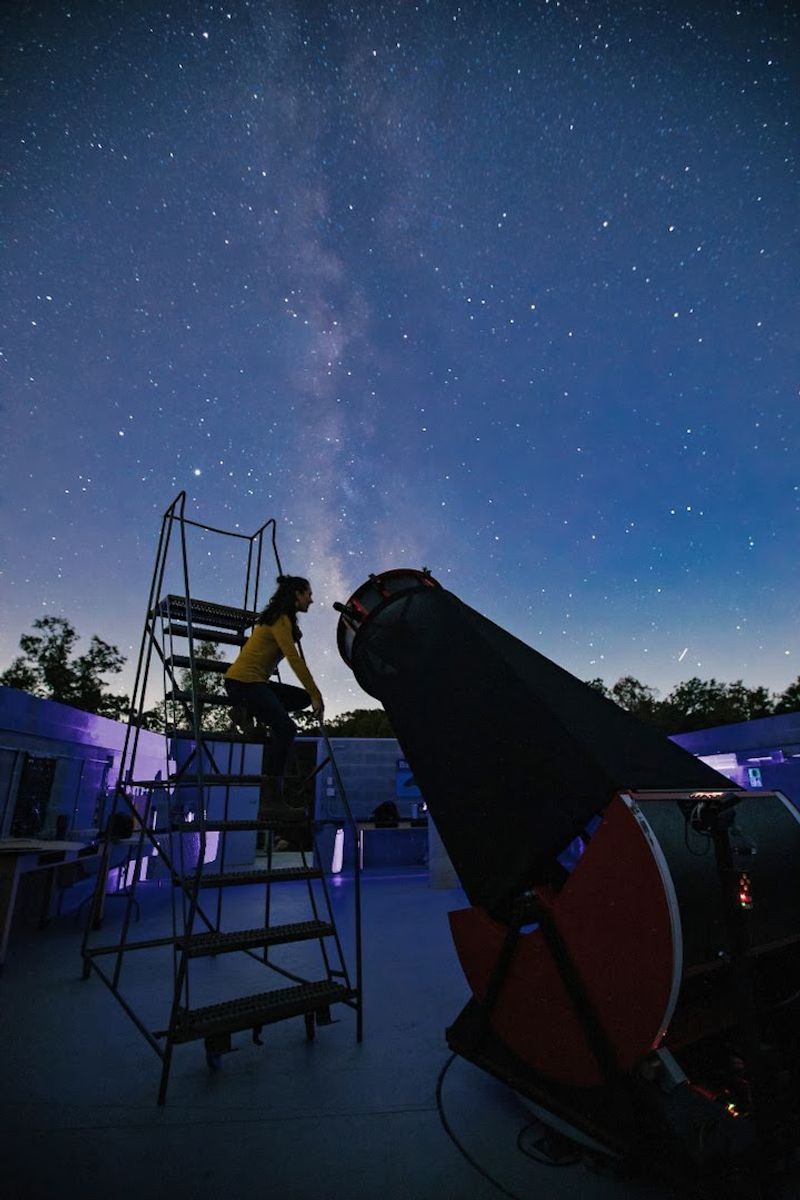
Mayland Community College built this observatory with a clear purpose: to connect the surrounding community with the science and wonder of the night sky. The park and observatory carry the name Earth to Sky, which perfectly captures what the facility is trying to do.
The observatory is part of a broader commitment to dark sky education, a growing movement that highlights the importance of protecting natural darkness from artificial light. Mayland’s program teaches visitors why dark skies matter for wildlife, human health, and scientific research.
Over the years, the site has hosted meteor shower viewings, star parties, moon madness events, James Webb telescope exhibits, and laser shows inside the planetarium. Each event is designed to make astronomy feel accessible and exciting rather than intimidating.
The staff has built a reputation for being deeply passionate about their work, and that enthusiasm is contagious. Visitors consistently leave with a new appreciation for the universe and a desire to come back.
This is not a passive museum experience where you read a plaque and move on. The observatory is a living, active educational facility that keeps growing its programming year after year.
The Telescopes: Sam, Heidi, and the Views They Deliver
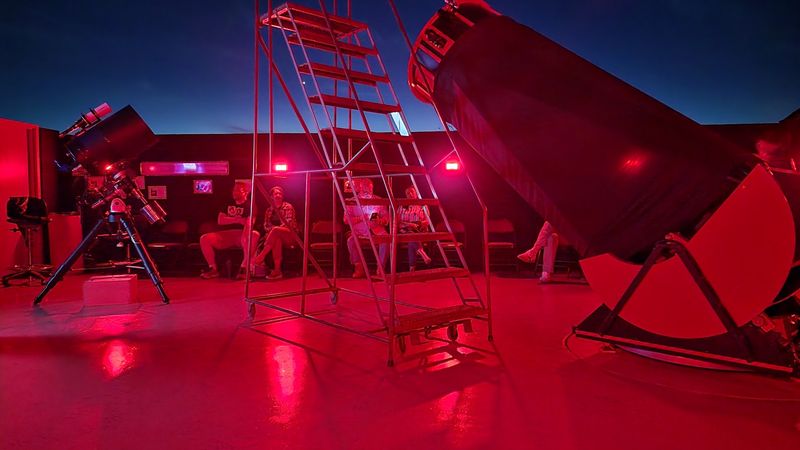
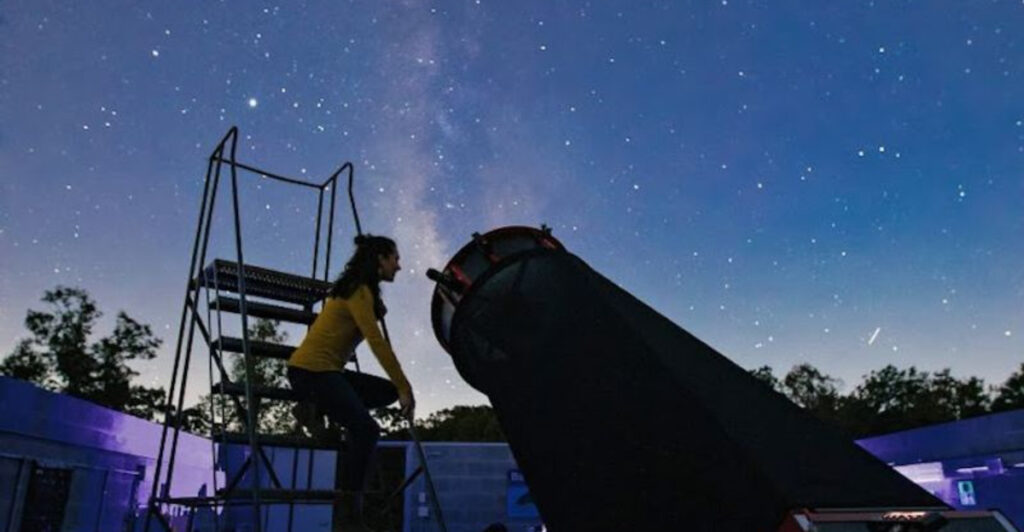
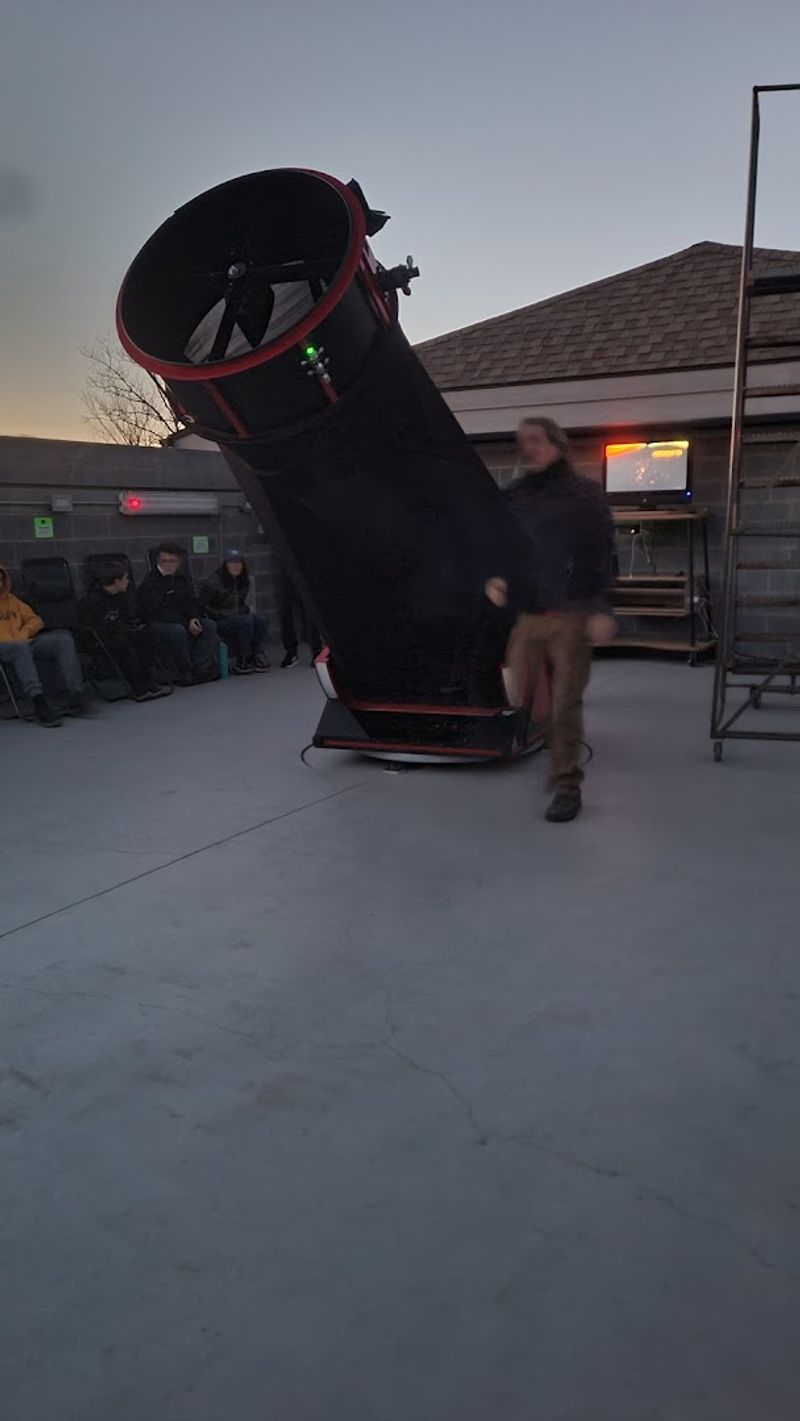
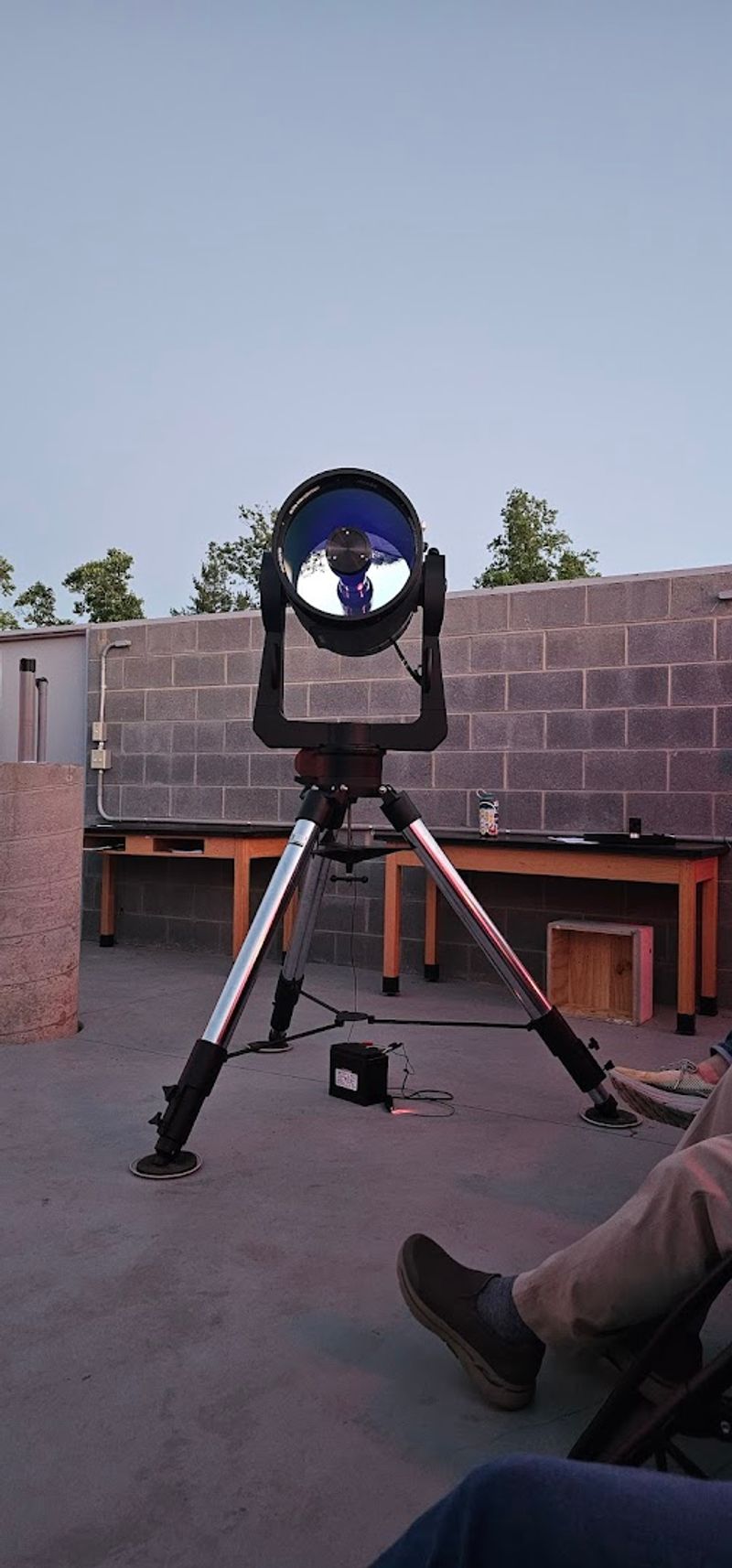
The two main telescopes at the observatory are named Sam and Heidi, and they are genuinely impressive pieces of equipment. These are not the backyard hobby scopes you might have peered through as a kid; they are serious instruments capable of revealing objects hundreds of millions of light-years away.
On a clear night, the telescopes have been trained on Jupiter and its moons, Saturn and its rings, Mars, the Orion Nebula, M3, and a handful of other deep-sky targets. Seeing Saturn’s rings with your own eyes for the first time is the kind of moment that stays with you.
The staff carefully selects targets based on what is visible and most impressive for each particular evening. They explain what you are looking at in plain language, so you walk away with actual knowledge rather than just a pretty memory.
Telescope pads are also available for visitors who want to bring their own equipment and set up on site. The staff respects astrophotographers by keeping laser pointer use to a minimum during events, which is a thoughtful and much-appreciated detail.
Whether you look through Sam, Heidi, or your own scope, the sky above this ridge delivers.
Star Parties and Special Events Throughout the Year
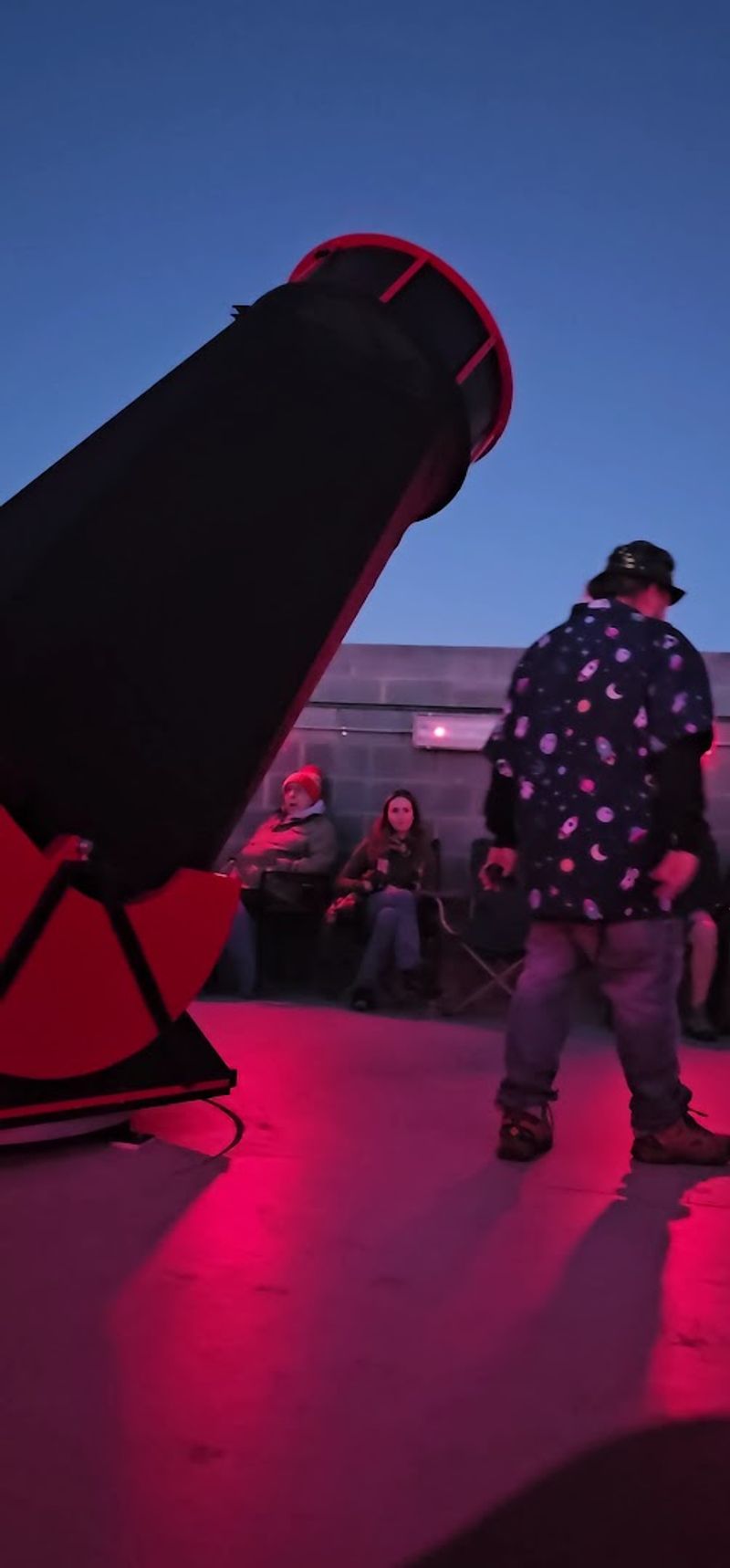
The observatory runs a calendar of ticketed events that range from casual star parties to themed evenings built around specific celestial events. Moon madness nights, meteor shower viewings, and Milky Way peak season sessions have all drawn enthusiastic crowds over the years.
Star parties are among the most popular offerings. These evenings typically include a presentation on astronomy history, a guided tour of the current night sky, and hands-on time at the telescopes.
The format is relaxed and conversational, not a stiff lecture.
One past event celebrated the James Webb Space Telescope with a dedicated exhibit, giving visitors a chance to see and discuss the latest images coming back from deep space. The programming stays current and relevant to what is happening in the world of astronomy.
Tickets sell out fast, especially on Saturday nights. A group of around 25 people is typical for a sold-out session, which keeps the experience intimate and personal rather than overwhelming.
Buying your tickets well in advance is strongly recommended, and checking the official website at mayland.edu for the upcoming event schedule is the best way to plan your visit around something that excites you most.
The Planetarium and Indoor Programming
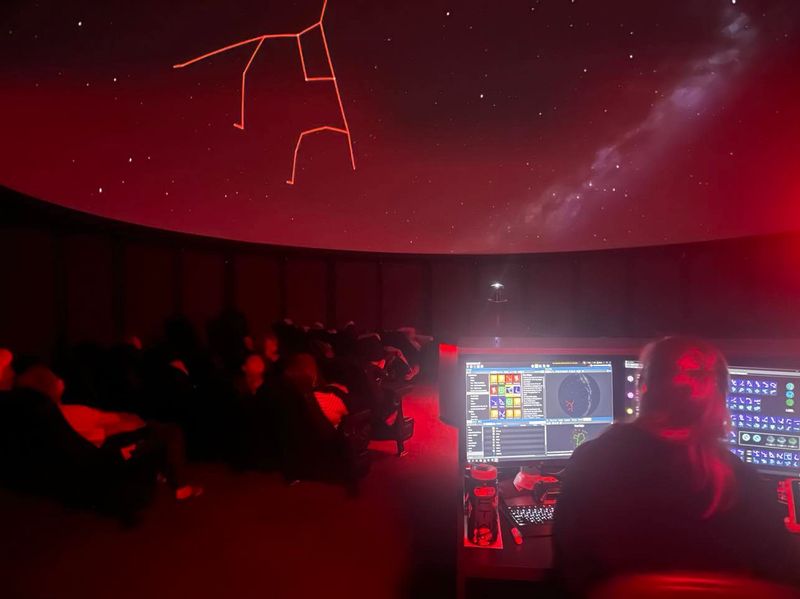
When clouds roll in and telescope viewing is not possible, the observatory does not simply send you home. The on-site planetarium steps in as a genuinely worthwhile alternative that keeps the evening educational and entertaining.
The planetarium show covers topics in astronomy and space science in a format that works for all ages. One family visiting during a rainy July evening reported that their seven-year-old was completely captivated, especially by the laser show add-on at the end of the program.
The indoor space also features a mural painting on the exterior of the planetarium building, which is worth checking out even during a daytime visit. The artwork adds a creative, community-centered energy to the whole facility.
Presenters inside the planetarium share the same enthusiasm as the outdoor telescope operators. The explanations are given in digestible terms, and open conversation is encouraged so visitors feel comfortable asking any question that comes to mind.
One presenter named Sean has been described as simultaneously funny and intellectual, the kind of guide who makes you forget you are learning because you are having too good a time. That kind of energy is rare and genuinely valuable.
What You Can Actually See on a Clear Night
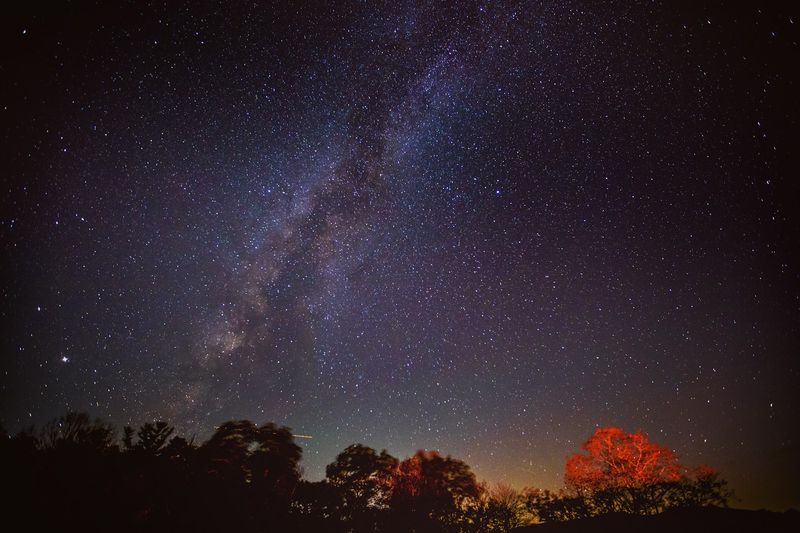
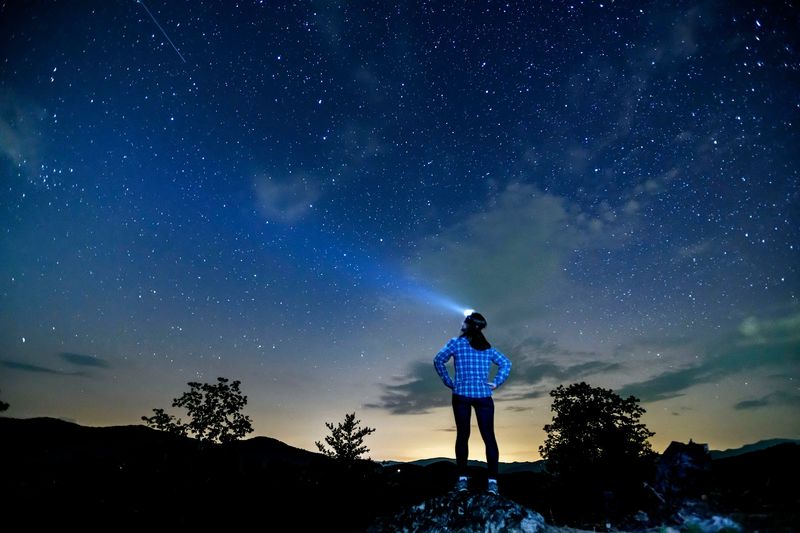
The sky above this ridge on a clear, moonless night is something that photographs simply cannot capture fully. The Milky Way stretches overhead as a visible band of light, not just a faint smudge, and the sheer number of stars visible to the naked eye is humbling.
Through the telescopes, visitors have seen Jupiter with its cloud bands and four Galilean moons, Saturn with its iconic rings, Mars glowing orange, Venus, and the moon in stunning detail. Deep-sky objects like the Orion Nebula, M3, and various star clusters have also made regular appearances on the viewing list.
One visitor even caught the International Space Station passing overhead during a September viewing event, which added an unexpected and thrilling layer to the evening. Moments like that are unscripted and completely unforgettable.
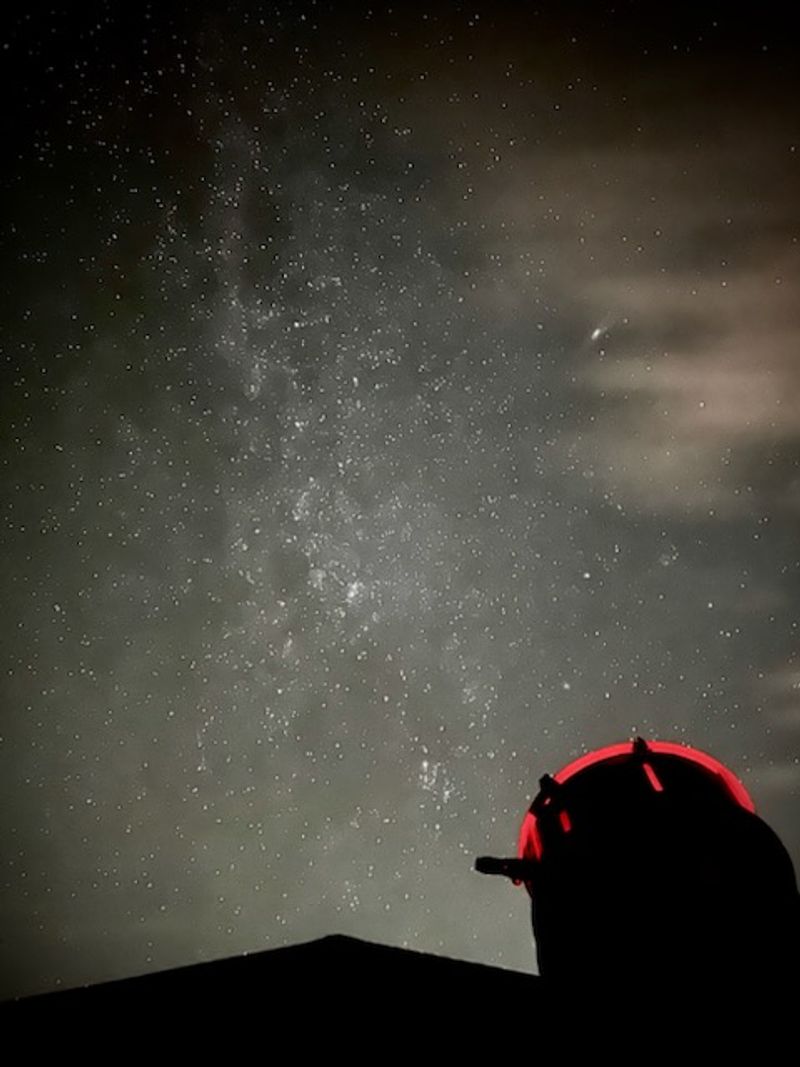
Astrophotographers have found the site excellent for long-exposure work. One guest captured stunning Milky Way images using a Samsung S23 Ultra with a 10-minute exposure, proving that you do not need professional camera gear to bring home a great shot.
Even on nights with some cloud cover, the observatory staff works with what the sky gives them and still manages to show visitors something worth the trip.
The Knowledgeable and Passionate Staff
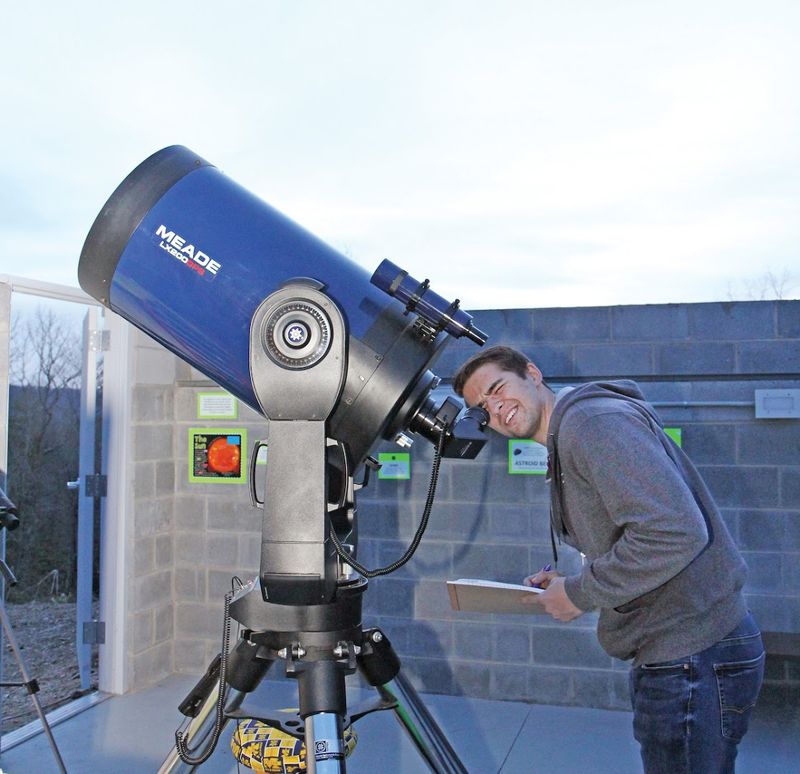
The staff at this observatory are the kind of people who chose this work because they genuinely love it, and that shows in every interaction. From the moment you arrive, the hosts make the experience feel warm, welcoming, and personal.
Names like Isabella, Steve, Sean, Amanda, Mike, and Jeremy come up repeatedly in visitor accounts, always with glowing descriptions of their friendliness, depth of knowledge, and willingness to go the extra mile. Steve has been known to offer personal tours of the observatory to guests who show curiosity and enthusiasm.
The presentations strike a balance that is hard to achieve: detailed enough to be genuinely educational, yet accessible enough that a curious ten-year-old and a retired engineer can both walk away satisfied. Open-ended conversations are encouraged, and no question is too basic or too advanced.
One particularly memorable evening saw a presenter entertain and educate a group simultaneously, turning what could have been a dry astronomy lecture into something closer to a comedy show with a science degree. That kind of talent is what transforms a good experience into a great one.
The staff clearly views their role as community educators, and their commitment to that mission comes through in every event they host.
Tips for First-Time Visitors
A little preparation goes a long way toward making your visit as good as it can possibly be. The single most important thing to do is buy your tickets in advance, because sessions sell out regularly and walk-ins are not guaranteed a spot.
When you arrive after dark, park your car and turn off all your lights immediately. Give your eyes about five to ten minutes to adjust to the darkness before walking up toward the telescope area.
This dark adaptation is crucial for seeing faint objects, and skipping it means you will miss the full impact of the sky.
Leave your flashlights in the car, or at least keep them as dim as possible. Red-light flashlights are the preferred option among stargazers because they preserve night vision while still letting you see where you are going.
Dress in layers, especially if you are visiting in spring, fall, or winter. Mountain temperatures drop quickly after sunset, and standing still while looking through a telescope for two hours can leave you chilly even on a summer night.
Check the event calendar on the official website before booking, and try to choose a date near the new moon for the darkest possible skies and the most impressive views of deep-sky objects.
A Unique Venue for Private Events and Celebrations
Few people think of an observatory when planning a celebration, but the Bare Dark Sky Observatory has proven itself as one of the most memorable event venues in the region. A rehearsal dinner held here recently became the talk of the wedding party for weeks afterward.
The combination of mountain scenery, a genuinely dark sky, and access to professional telescopes creates an atmosphere that no banquet hall can replicate. Adults and children alike were described as captivated from start to finish during that particular private event.
The staff handled every detail with warmth and professionalism, coordinating the telescope viewing alongside the celebration so that the evening flowed naturally. Even on a night when a bright moon limited the number of deep-sky objects visible, Saturn and the moon itself were crowd favorites through the eyepiece.
Birthday parties, school group outings, and community gatherings have all taken place here with great success. The intimate group sizes that the venue accommodates mean that every guest gets personal attention and real telescope time rather than a distant glimpse from the back of a crowd.
If you are looking for an event that people will still be talking about years from now, this hilltop observatory deserves serious consideration.
Astrophotography Opportunities at the Park
The site has earned a quiet reputation among astrophotography enthusiasts as one of the better locations in the southeastern United States for capturing the night sky. The combination of high elevation, minimal light pollution, and dedicated telescope pads makes it genuinely practical for serious photographers.
Telescope pads are set up specifically to accommodate visitors who bring their own equipment. The flat, stable surfaces make polar alignment easier and reduce the vibration that can ruin a long-exposure shot.
The staff is thoughtful about minimizing laser pointer use during events when photographers are working, which reflects a real understanding of what astrophotographers need. That kind of consideration is not universal at public observatories and is genuinely appreciated by the photography community.
Even smartphone photographers have come away with impressive results. Long-exposure modes on modern phones, combined with the exceptional darkness of this ridge, can produce Milky Way images that look almost too good to believe.
The best nights for astrophotography are those near the new moon, when the sky is at its darkest. Arriving early to set up your equipment before full darkness falls is a smart strategy, and the daytime views from the hilltop make the wait entirely pleasant.
Daytime Visits and the Hilltop Experience
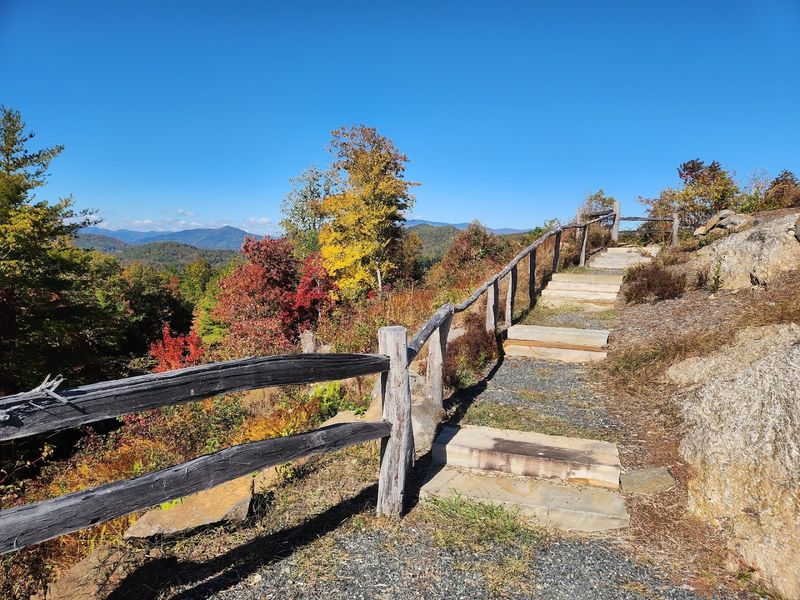
Most people think of this park as a nighttime destination, but a daytime visit has its own rewards. The hilltop offers sweeping views of the Blue Ridge Mountains in every direction, and the fresh mountain air alone makes the short drive worthwhile.
The mural painted on the exterior of the planetarium building is a visual treat that you can only fully appreciate in daylight. It reflects the creative spirit of the facility and gives the site an artistic character that sets it apart from a purely scientific institution.
The telescope pads are accessible during the day as well, which makes it easy to scope out the layout before returning for a nighttime event. Knowing where everything is in advance helps you move around more confidently once the lights go out.
One visitor stopped by on a Thursday afternoon with no particular plan, ended up filming a time-lapse of passing clouds over the mountain, and left thoroughly satisfied. The place has a kind of quiet magnetism that encourages you to linger longer than you intended.
Whether you come for the stars or just to breathe in the mountain air and take in the scenery, the hilltop at Mayland Earth to Sky Park earns its keep in full daylight too.
Why This Observatory Belongs on Your Travel List
There are not many places in the eastern United States where you can show up, pay a reasonable admission fee, and spend an evening looking at galaxies through a professional telescope with an expert standing right beside you explaining what you are seeing. This observatory is one of them.
The experience works for a remarkably wide range of visitors. Families with young children, couples looking for something different, solo travelers chasing a meteor shower, and photography enthusiasts have all found exactly what they came for on this mountaintop.
The 4.7-star rating across more than 100 reviews reflects something real: the combination of a spectacular natural setting, well-maintained equipment, and genuinely passionate staff is hard to beat. Repeat visits are common, and more than a few guests have made this a regular part of their annual calendar.
The observatory can be reached at 828-470-7584, and the full event schedule is available at mayland.edu. Planning ahead is essential, but the effort pays off the moment you press your eye to the telescope and see Saturn’s rings floating in the darkness for the very first time.
Some experiences remind you how vast and beautiful the universe really is, and this one does exactly that.
Share this story