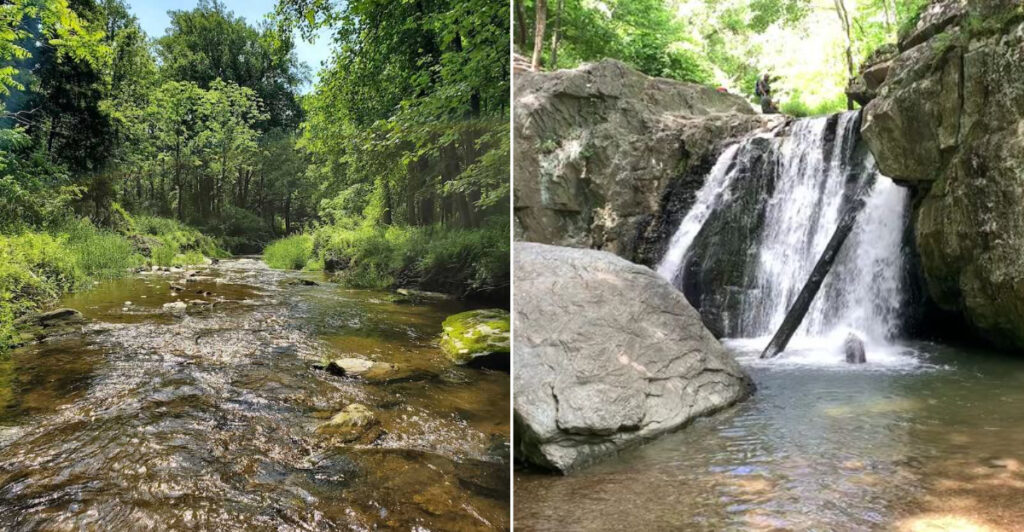
Maryland is not exactly the first state that comes to mind when people talk about dramatic waterfalls, but Harford County has a quiet argument tucked away in its wooded hills. At 17 feet tall, this fall holds the title of the second-highest vertical drop waterfall in the entire state, and it sits at the end of a trail so short and manageable that nearly anyone can reach it.
The Falling Branch Area of Rocks State Park in Pylesville is where this waterfall lives, drawing families, hikers, and photographers throughout the year. What makes this spot stand out is not just the waterfall itself, but how accessible, well-kept, and genuinely rewarding the whole experience turns out to be once you arrive.
Maryland’s Second-Highest Vertical Drop Waterfall
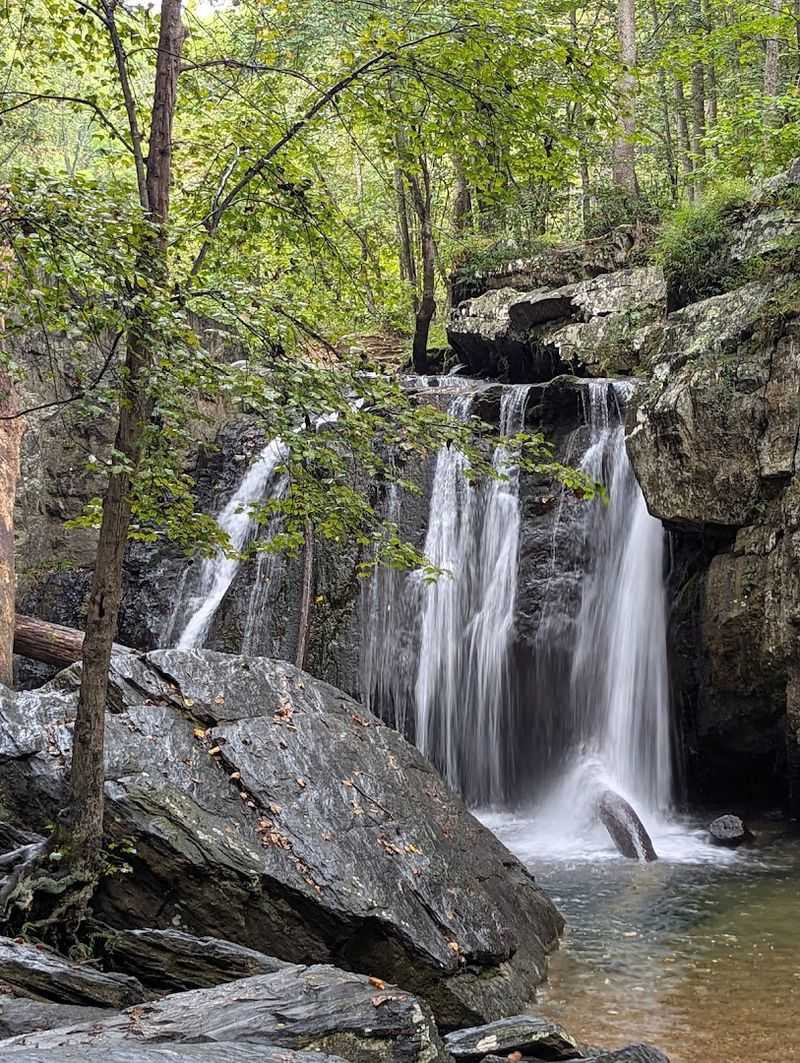
At 17 feet tall, Kilgore Falls holds a specific and well-documented distinction as the second-highest vertical drop waterfall in Maryland. That ranking is not just a fun piece of trivia; it gives the waterfall a sense of scale that catches people off guard when they first see it in person.
The water drops straight down over a wide rock face before collecting in a shallow pool at the base. Depending on the season and recent rainfall, the volume of water flowing over the falls can vary noticeably, with spring and post-rain visits typically offering the fullest flow.
What makes the 17-foot drop particularly striking is the surrounding geology. The rock formation framing the falls has a rugged, layered quality that adds visual interest beyond just the moving water.
The combination of vertical drop, rock structure, and natural framing makes this one of the more photogenic spots in all of Harford County.
The Falling Branch Trail: Short But Rewarding
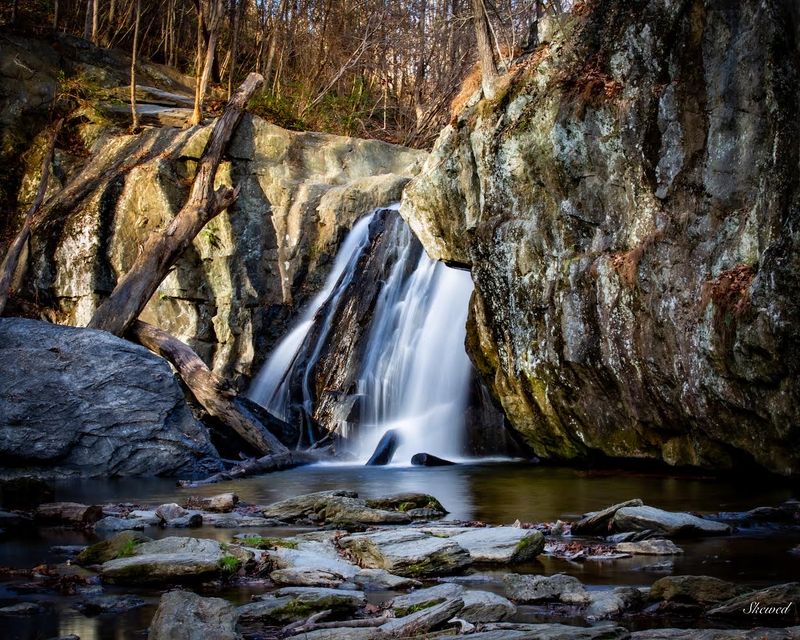
The trail leading to Kilgore Falls is genuinely short, covering roughly half a mile from the trailhead to the waterfall. For most people walking at a comfortable pace, the journey takes around seven to ten minutes each way.
The path itself runs through a forested corridor along Falling Branch creek. Tree roots and scattered rocks appear along the way, so watching your footing is worthwhile, but the terrain never becomes technically demanding.
The trail is considered easy by most hiking standards, making it accessible for a wide range of ages and fitness levels.
One section near the waterfall requires crossing a shallow stream. Most people manage this by rock-hopping, though water shoes make the process noticeably more comfortable.
The crossing is shallow enough that it rarely poses a real challenge, but it does add a small element of adventure to an otherwise gentle walk.
The payoff at the end makes even the briefest effort feel well worth it.
Why Water Shoes Are the Smartest Thing You Can Pack
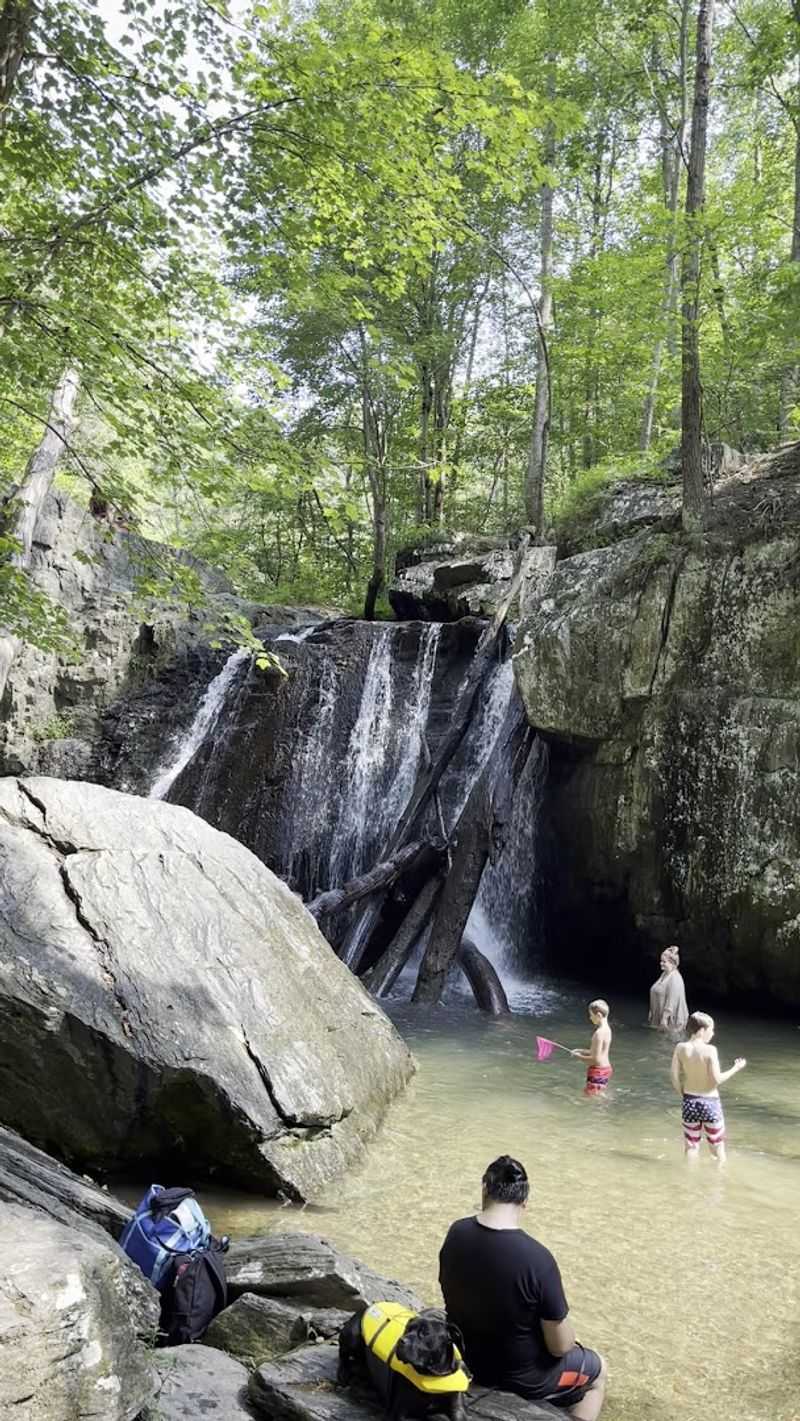
Packing water shoes for a trip to Kilgore Falls is one of those small decisions that makes a noticeable difference in the overall experience. The stream crossing near the base of the falls sits at the heart of the issue.
The rocks along the streambed are covered in algae in many spots, which makes them slippery underfoot. Regular sneakers become wet and heavy quickly, and bare feet on sharp or uneven stones can make the crossing more uncomfortable than it needs to be.
Water shoes or sandals with solid grip handle all of those variables at once.
Getting to the best view of the waterfall requires crossing the stream. Without making that crossing, the full face of the falls stays partially obscured.
The extra preparation is minor but the visual reward on the other side is substantial.
Crocs, water sandals, or dedicated trail water shoes all work well here. Bringing a spare pair of dry socks is another small tip that pays off on the return walk.
Getting the Best View Requires a Little Rock-Hopping
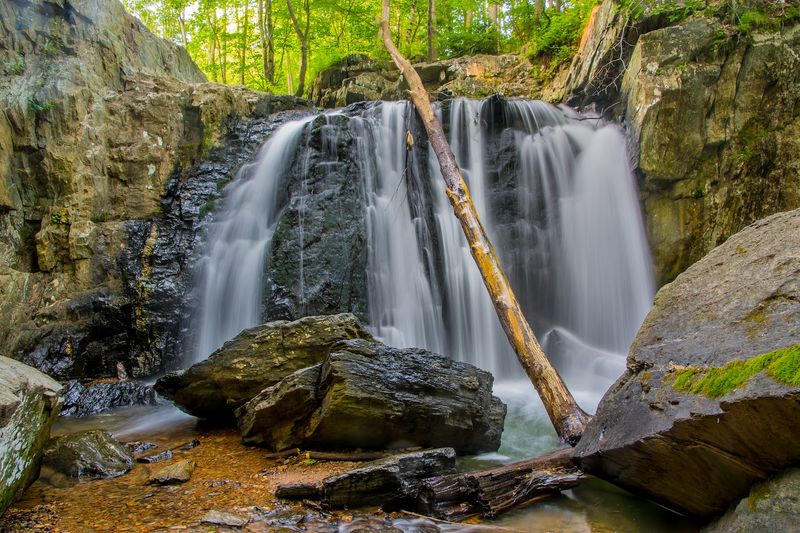
Standing on the near side of the stream gives a partial view of Kilgore Falls, but the full picture only comes together once you cross to the other bank. That crossing is what separates a decent visit from a genuinely memorable one.
The stream is shallow in most spots, typically knee-deep at most, and the crossing point closest to the falls tends to be the easiest to manage. A line of boulders creates natural stepping stones across the water, though their algae coating demands careful footing.
Once across, the base of the falls opens up completely. The rock face comes into full view, the pool at the bottom becomes accessible, and the surrounding walls of stone create a natural frame that photographs extremely well from multiple angles.
Going up to the top of the falls is also an option via a secondary trail, offering a completely different perspective on the same feature. Both viewpoints are worth the small extra effort involved.
Parking Permits and Reservation Rules You Need to Know
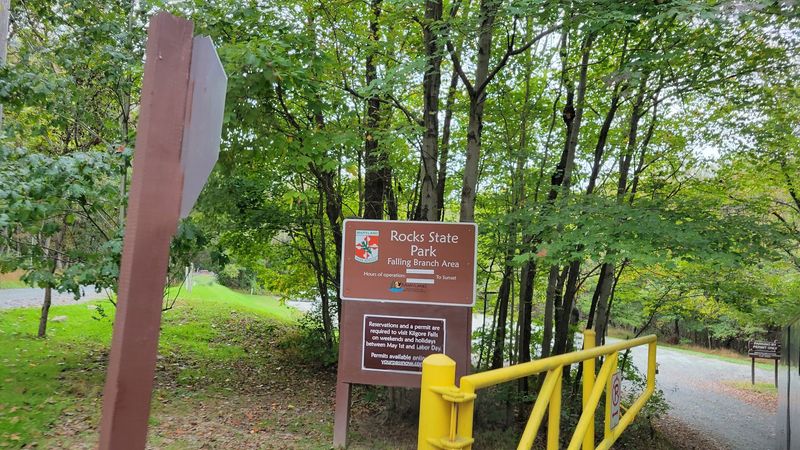
The parking lot at the Falling Branch Area holds roughly 30 cars, which is a tight capacity for a spot that draws steady crowds during warmer months. Maryland DNR addressed this by introducing a reservation system that applies during peak season.
From Memorial Day weekend through Labor Day, parking reservations are required for weekend and holiday visits. The reservations are free of charge and can be booked through the Maryland DNR website.
Slots open on Mondays and tend to fill up quickly, so planning ahead is essential if a weekend summer visit is on the agenda.
Outside of that window, from after Labor Day through before Memorial Day, no parking permit is required. Weekday visits throughout the year are generally open without reservation and tend to draw smaller crowds.
Parking outside the designated lot is not permitted in the surrounding area, so arriving with a confirmed reservation during peak periods is the only reliable way to guarantee access. Planning a few days ahead avoids any last-minute complications.
The Best Time of Day and Year to Visit
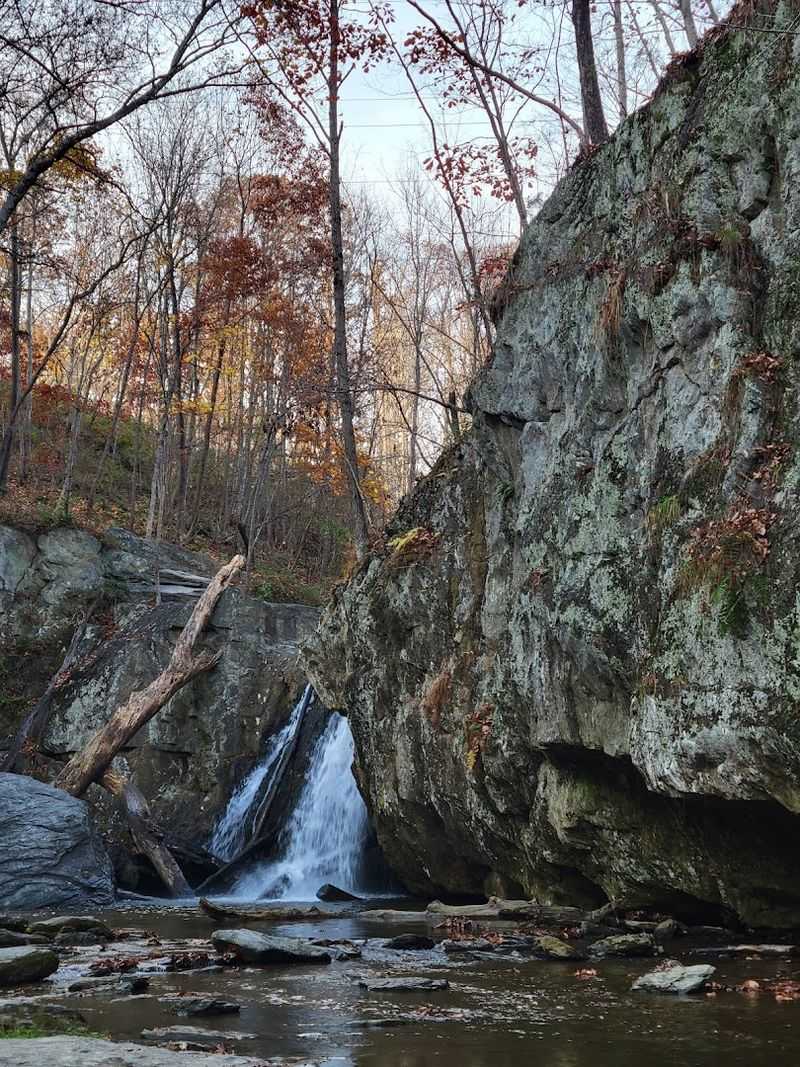
Timing a visit to Kilgore Falls well makes a real difference in how the experience unfolds. Early morning arrivals, particularly between 8 and 10 AM, consistently offer the most peaceful conditions before crowds begin to build.
Weekdays throughout the year are notably quieter than weekends. For those with flexible schedules, a Tuesday or Wednesday visit during summer provides full access to the falls area without the competition for space that weekend crowds bring.
Spring is widely considered one of the strongest seasons for the waterfall itself. Snowmelt and spring rainfall push more water over the rock face, creating a fuller, more visually dramatic drop.
Fall brings foliage color to the surrounding forest, which adds a completely different kind of appeal to the same short trail.
Winter visits are quiet and uncrowded, though the water volume can be low during dry stretches. December visits have produced perfectly enjoyable hikes, even when the falls themselves were running lighter than usual.
What the Trail and Surrounding Area Look Like
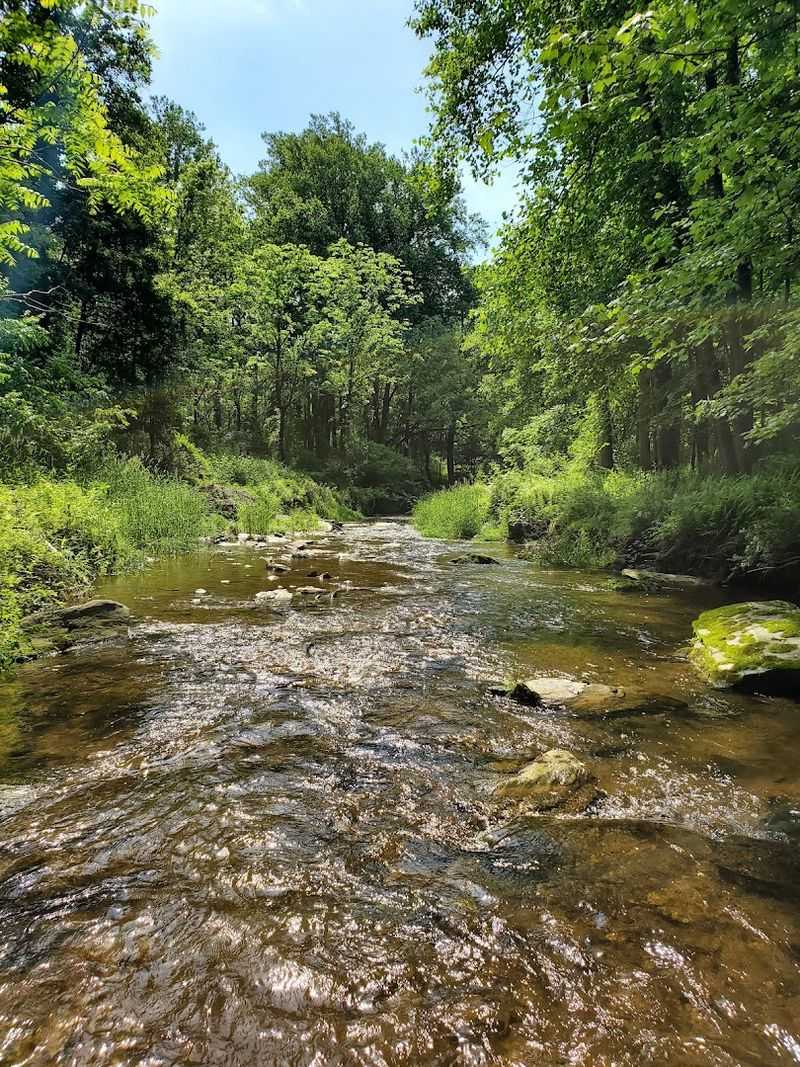
The Falling Branch trail runs through a mixed hardwood forest that stays shaded for most of its length. The canopy overhead is dense enough during the warmer months to keep the path noticeably cooler than open terrain nearby.
Falling Branch creek runs parallel to much of the trail, audible and sometimes visible through the trees as you walk toward the falls. The creek itself is a consistent presence throughout the hike, and the water level in the stream gives an early indication of what the falls will look like on arrival.
The forest floor features a mix of exposed roots, flat rocks, and leaf litter depending on the season. None of it is difficult to navigate, but it does keep the trail feeling natural and unmanicured rather than overly developed.
Scattered boulders appear along the stream banks near the falls, creating natural seating and gathering spots. Families often spread out across these rocks to rest, eat a packed lunch, or simply take in the surroundings before heading back.
Family-Friendly Features That Make This Trail Stand Out
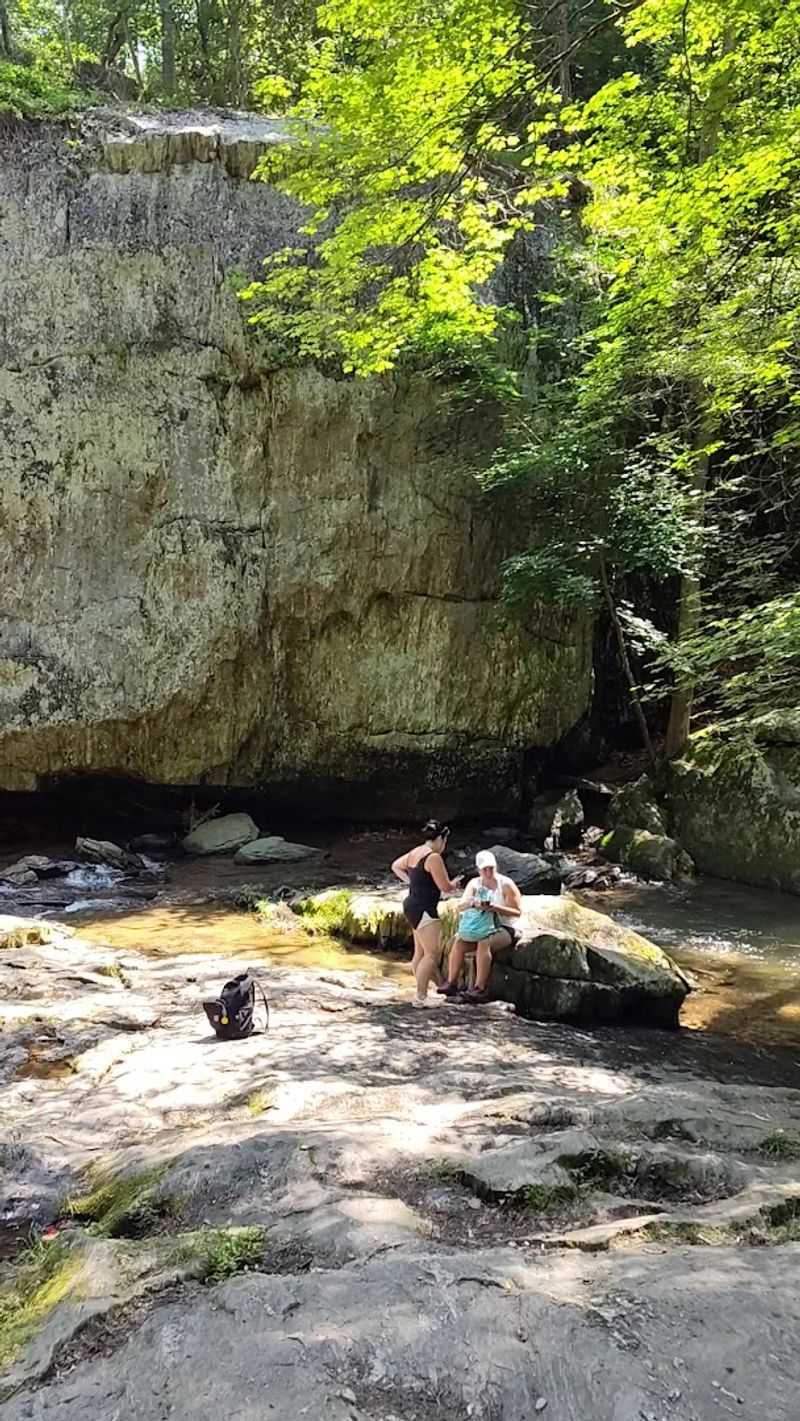
Few natural destinations in Maryland check as many boxes for families with young children as Kilgore Falls does. The trail distance is short enough that even small kids can complete it without difficulty, and the waterfall at the end provides an immediate reward that keeps the motivation high.
The shallow pool at the base of the falls is calm and clear enough for wading. Children regularly play in the lower pool area, which offers enough depth to be fun without posing significant safety concerns in normal conditions.
Porta-potties are available at the trailhead during the busier months, which is a practical detail that matters more than it might seem when visiting with young kids. The parking lot is small but organized, and the walk from the car to the trail start is minimal.
The overall atmosphere at Kilgore Falls tends to be relaxed and friendly. Families, couples, and solo hikers all share the space with a generally easy-going energy that makes the visit comfortable for everyone.
Viewing the Falls From the Top: A Different Perspective
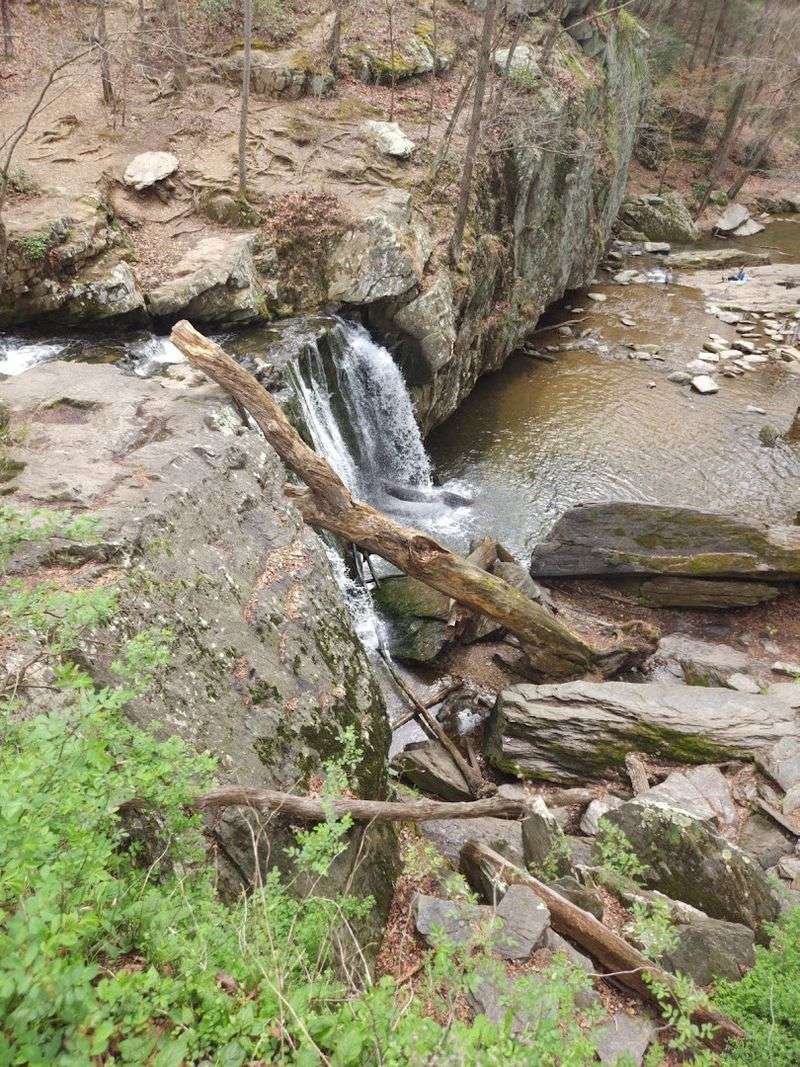
Most visitors approach Kilgore Falls from the base, but the trail also offers access to the top of the waterfall via a secondary path that branches off before the stream crossing. Getting there requires a bit more effort, but the view from above is entirely different from anything visible at ground level.
From the top, the full extent of the rock shelf becomes clear. The water moves quickly across flat stone before reaching the drop, and looking out over the edge gives a strong sense of the vertical distance involved.
The surrounding forest canopy stretches out in multiple directions from this vantage point.
The upper trail is steeper than the main path to the base, but it remains manageable for most people in reasonable physical condition. Proper footwear helps here, particularly on wet days when the upper rock surfaces hold moisture.
Combining both perspectives, base and top, turns what could be a quick out-and-back into a more complete exploration of everything this waterfall area has to offer.
Swimming and Wading: What Is and Is Not Allowed
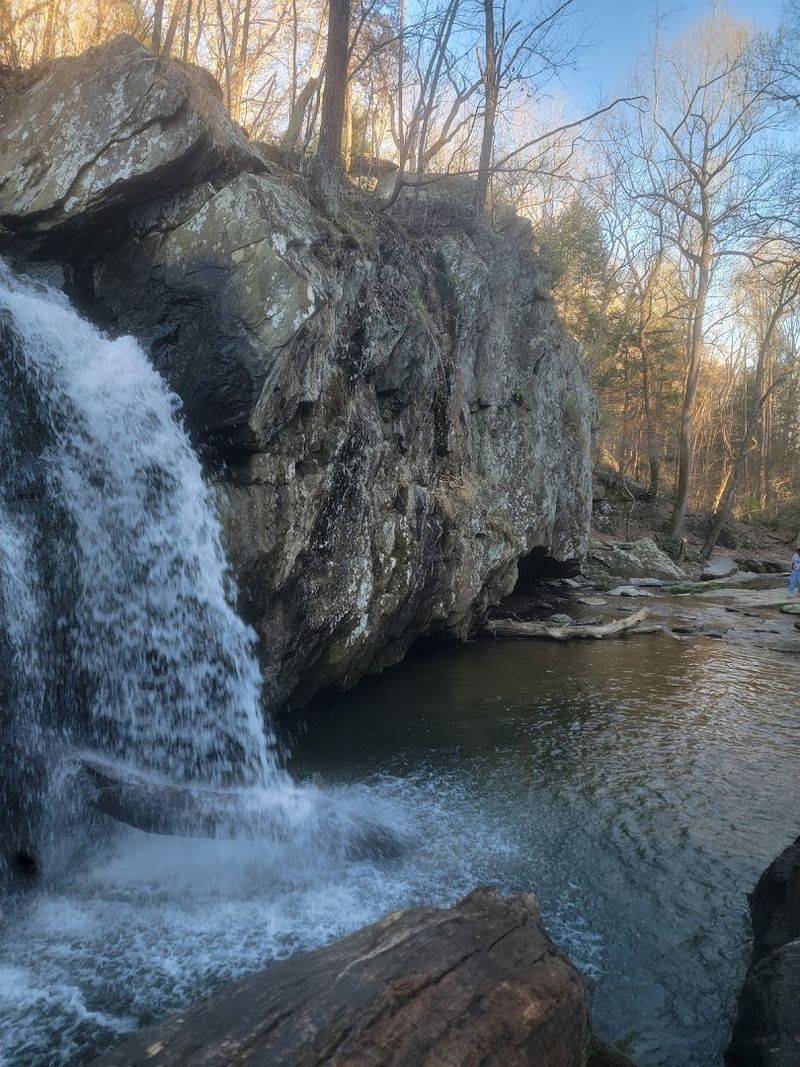
The pool at the base of Kilgore Falls draws people who want to do more than just look at the waterfall. Wading in the shallower sections near the stream banks is a common activity and well within what the area supports naturally.
Deeper spots near the larger boulders can reach six feet or more, and some visitors have historically used these for swimming. The water in the pool runs clean and clear under normal conditions, which contributes to its appeal during warmer months.
It is worth checking current Maryland DNR guidelines before planning a swimming-focused visit, as rules around water access can change. The creek and pool area are natural features without lifeguards or formal safety infrastructure, so personal judgment plays an important role.
The rocks throughout the pool area can be slippery, particularly those with algae growth. Moving carefully and wearing water shoes applies just as much in the pool area as it does during the stream crossing on the way in.
Photography at Kilgore Falls: Angles and Tips
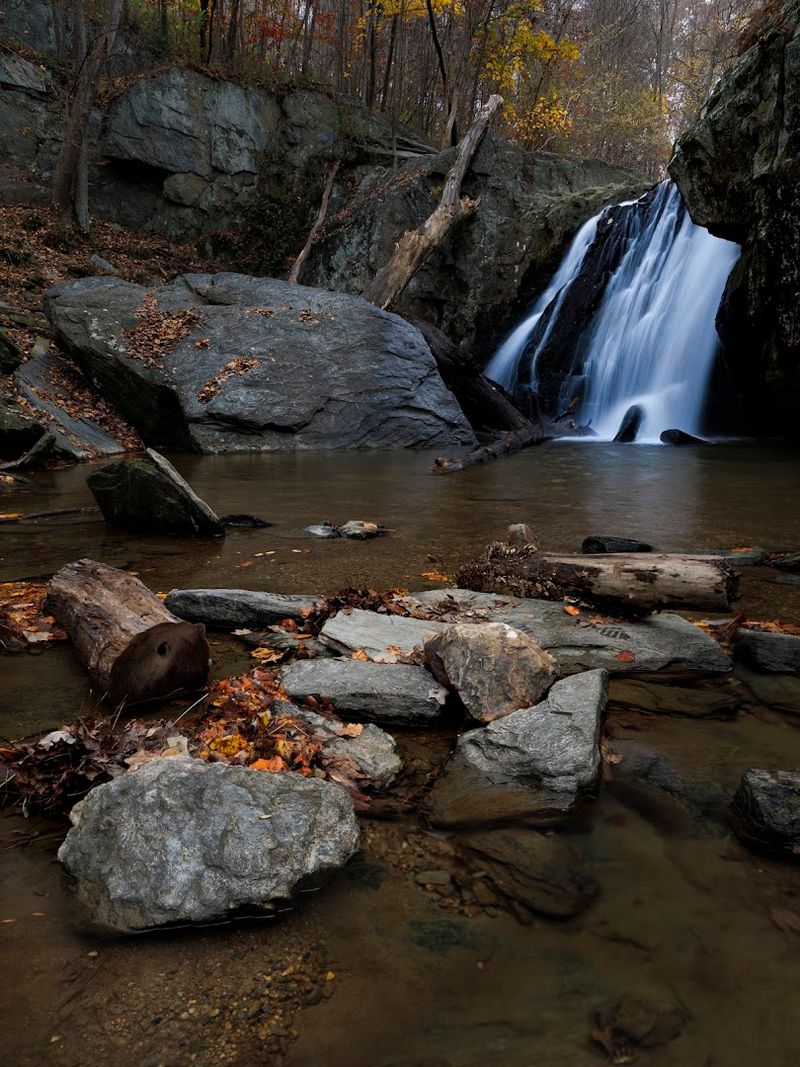
Kilgore Falls has earned a strong reputation among outdoor photographers in Maryland, and the reasons become obvious once you see the full layout of the falls. The wide rock face, vertical drop, and surrounding stone walls create a natural composition that works well from multiple positions.
The base view after crossing the stream is the most commonly photographed angle. From there, the full 17-foot drop is visible, and the pool in the foreground adds depth to wide shots.
Early morning light filters through the tree canopy at a low angle, which reduces harsh shadows and brings out the texture in the rock face.
The top of the falls offers a downward-looking perspective that captures the creek, the drop, and the surrounding forest in a single frame. A wide-angle lens handles this composition well.
Overcast days are actually strong conditions for waterfall photography at this location. Diffused light eliminates the contrast problems that bright midday sun creates, and the water detail stays sharp without blown-out highlights.
What To Bring for a Comfortable Visit
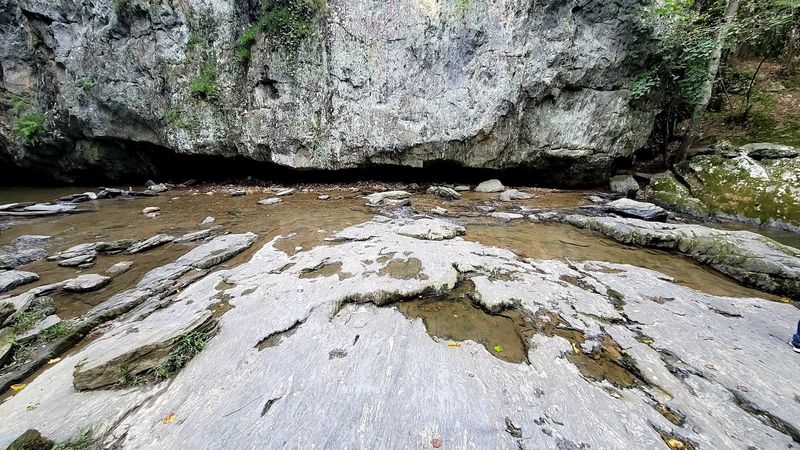
Packing well for Kilgore Falls does not require much, but a few key items make a noticeable difference between a smooth visit and an avoidable hassle. Water shoes top the list for anyone planning to cross the stream or wade in the pool area.
A water bottle is essential, particularly during warmer months. The trail is short, but the rock-hopping and wading that many people do adds up, and staying hydrated matters.
There are no food or drink vendors anywhere near the site, so bringing everything needed is the only option.
Bug spray is worth including from late spring through early fall. The forested, creek-side environment supports a healthy mosquito population, and protection makes the time spent relaxing near the falls significantly more comfortable.
A small towel or dry bag for wet shoes and clothes rounds out the practical packing list. A packed lunch works well for families who want to extend the visit and use the boulder seating near the water as a natural picnic area.
How Kilgore Falls Fits Into Rocks State Park
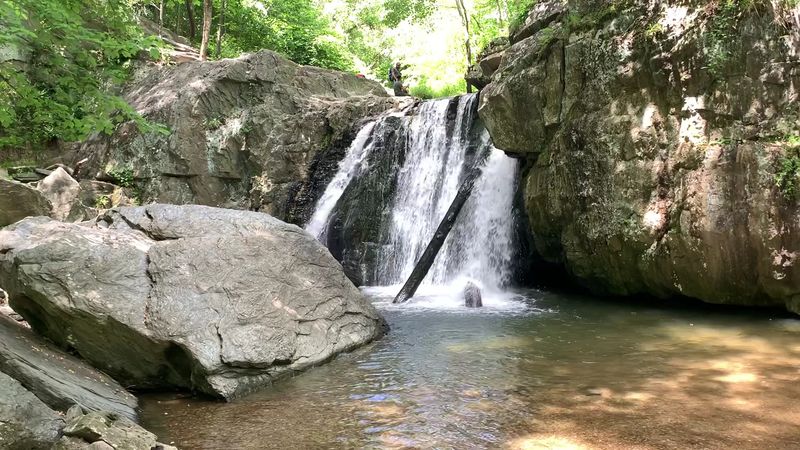
Kilgore Falls does not stand alone as a park unit. It sits within the Falling Branch Area, which is one of two main sections of Rocks State Park managed by the Maryland Department of Natural Resources.
The other primary section of Rocks State Park is located near Jarrettsville and features the King and Queen Seat, a prominent rock outcropping with its own following among hikers.
The Falling Branch Area is the smaller and more focused of the two sections, with its trail system centered almost entirely on the waterfall and creek corridor. This keeps the experience concentrated and purposeful rather than sprawling.
Maryland DNR maintains the site, handles the reservation system, and provides updated guidance on seasonal rules through the official park website. The site URL for Falling Branch Area information is listed through the DNR public lands portal, which is the most reliable source for current access rules.
Understanding the park structure helps set accurate expectations and makes navigating the logistics of a visit considerably easier.
Why This Waterfall Keeps Drawing People Back
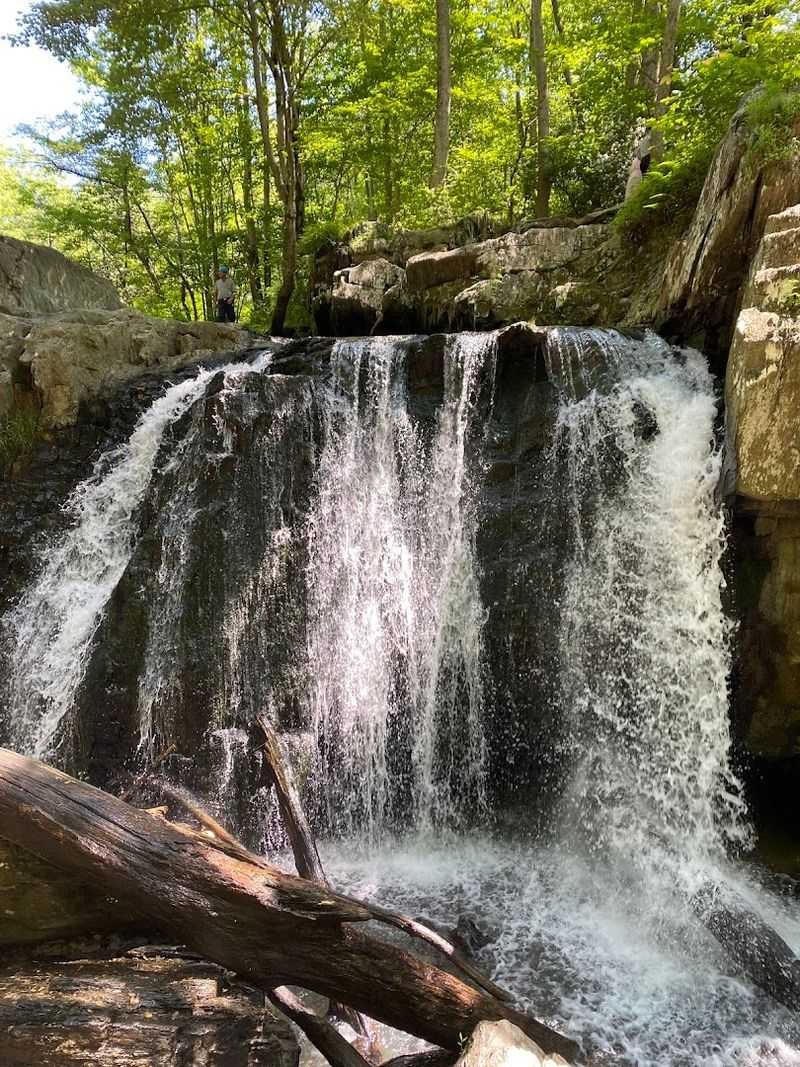
Some places earn repeat visits through novelty, but Kilgore Falls builds its following through consistency. The trail stays manageable, the waterfall delivers the same striking vertical drop every time, and the natural setting around Falling Branch holds its appeal across all four seasons.
The low barrier to entry plays a significant role in the waterfall’s popularity. A seven-minute walk from the parking lot to a 17-foot waterfall, with optional wading, rock-hopping, and a secondary trail to the top, packs a lot of variety into a compact and accessible package.
Families return because the kids can handle it and still find something exciting at the end. Solo hikers return because the early morning quiet near the falls is genuinely hard to replicate elsewhere in the region.
Photographers return because the light and water conditions change enough between visits to keep the compositions fresh.
Kilgore Falls manages the rare balance of being easy to reach while still feeling like a discovery worth making every single time.
Where Exactly Kilgore Falls Is Located
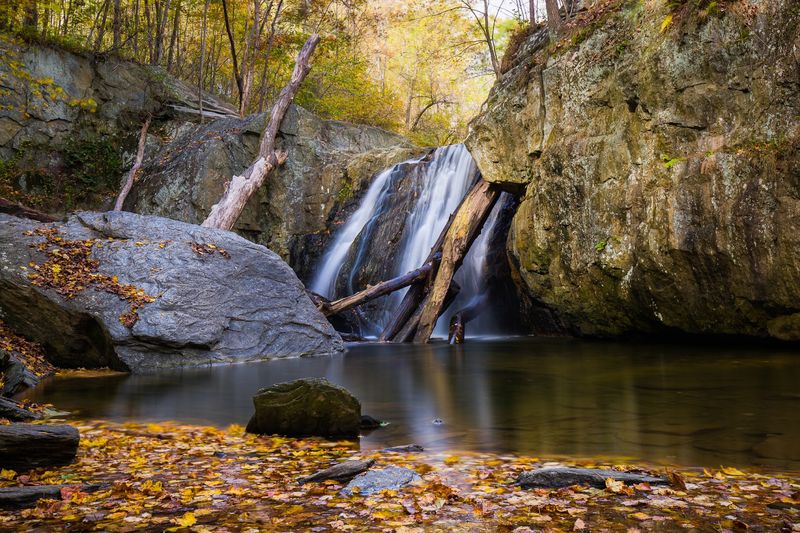
Most waterfalls worth visiting require serious planning, long drives, and hiking boots that have seen better days. Kilgore Falls breaks that pattern entirely.
The waterfall is part of the Falling Branch Area, which falls under the larger Rocks State Park system managed by the Maryland Department of Natural Resources. The official address is 1026 Falling Branch Rd, Pylesville, MD 21132, tucked into Harford County in northern Maryland.
The drive in is straightforward, and the roads leading to the parking area are easy to navigate even for first-time visitors. The surrounding landscape shifts from open farmland to dense forest as you approach, giving the whole arrival a quietly dramatic quality.
Pylesville itself is a small, rural community, so there are no commercial distractions nearby. The focus stays entirely on the natural setting, which is part of what makes this location feel refreshingly removed from everyday noise.
Share this story