There is a small farm tucked into Whiting, New Jersey, where people keep coming back summer after summer, not because they have to, but because they genuinely want to. The blueberry season here is short, and once it starts, word travels fast among those who already know the secret.
Buckets get filled, a tractor rolls through the fields, and somewhere between the first handful and the last, a simple outing turns into something worth repeating every year. This is the kind of place that does not need a big sign or a flashy website to draw a crowd.
The regulars find their way back on their own, and first-timers tend to leave already planning their return visit. What makes this farm so easy to love, and what should you know before going?
Keep reading to find out.
Where the Farm Actually Is
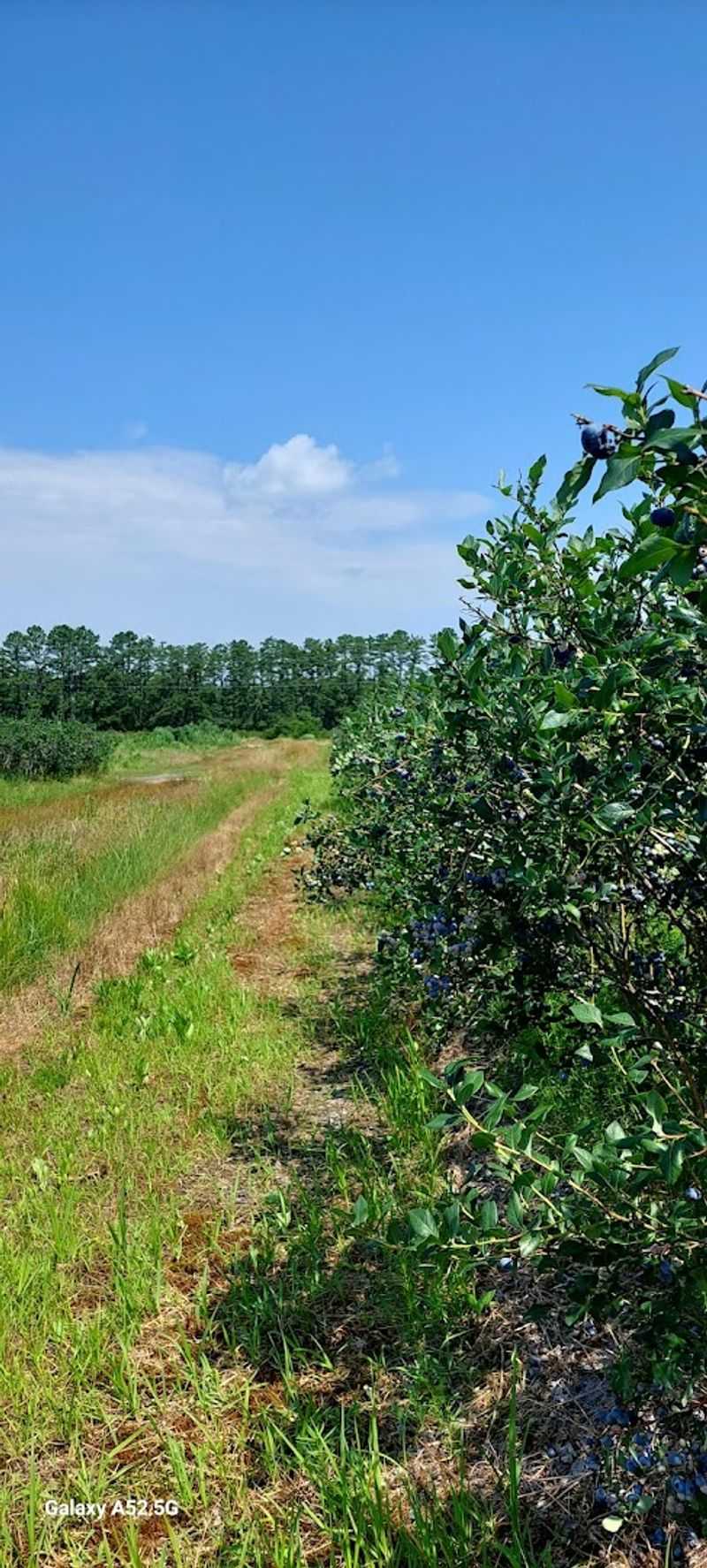
Champion U-Pick Blueberry Farm sits at 60 Cherry St, Whiting, NJ 08759, right in the heart of Ocean County in the Pinelands region of New Jersey. The address is easy to find, and the farm is accessible enough that both locals and out-of-towners make the trip without much trouble.
Whiting is a quiet community, and the farm fits right into that low-key character. There are no elaborate roadside attractions pulling drivers in, just a straightforward destination that earns its reputation through the quality of what it grows.
The Pinelands setting matters here. New Jersey’s sandy, acidic soil is genuinely well-suited for blueberry cultivation, which is part of why the state has such a long history of producing them.
Champion takes full advantage of that natural advantage, and the result shows up clearly in the berries that come off those bushes every season.
A Farm With Deep Seasonal Roots

Some places earn loyalty quickly, and Champion U-Pick Blueberry Farm is one of them. People have been returning here for more than a decade, with some regulars clocking over sixteen years of consecutive visits.
That kind of repeat attendance does not happen by accident.
The farm operates on a seasonal schedule, which means the window for picking is limited and people plan around it. That built-in scarcity actually adds to the appeal.
When something is only available for a few weeks each summer, it starts to feel like an event rather than an errand.
Families who started coming when their kids were small now bring those same kids as teenagers or young adults. The farm becomes a marker of time passing, a place that stays consistent while everything else around it changes.
That quiet reliability is something Champion has clearly worked to maintain, and it shows in how devoted its regulars are.
Early Morning Is the Right Call
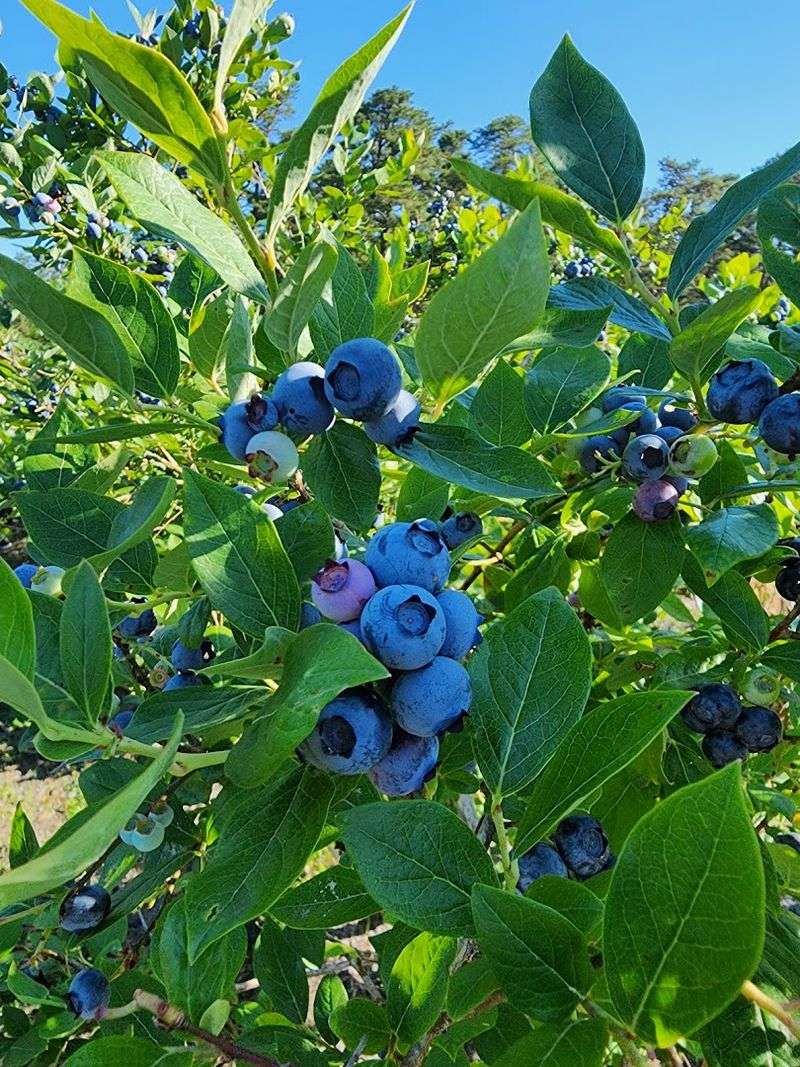
Timing a visit to Champion makes a real difference in how enjoyable the experience turns out to be. The farm opens at 7 AM every day of the week and closes at 2 PM, which means there is a solid morning window to work with.
Getting there between 7:30 AM and 10:30 AM tends to produce the best results. The temperature is cooler during those hours, which makes moving through the rows much more comfortable.
After 11 AM, the heat can build quickly, and picking becomes more of a physical effort than a relaxed outing.
Going early also means the berries have not been heavily picked over yet, so the selection is at its best. Clusters are fuller, and finding large, ripe berries takes less searching.
For anyone planning a first visit, setting an alarm and getting there close to opening time is one of the most practical tips to keep in mind.
What the Bushes Actually Offer
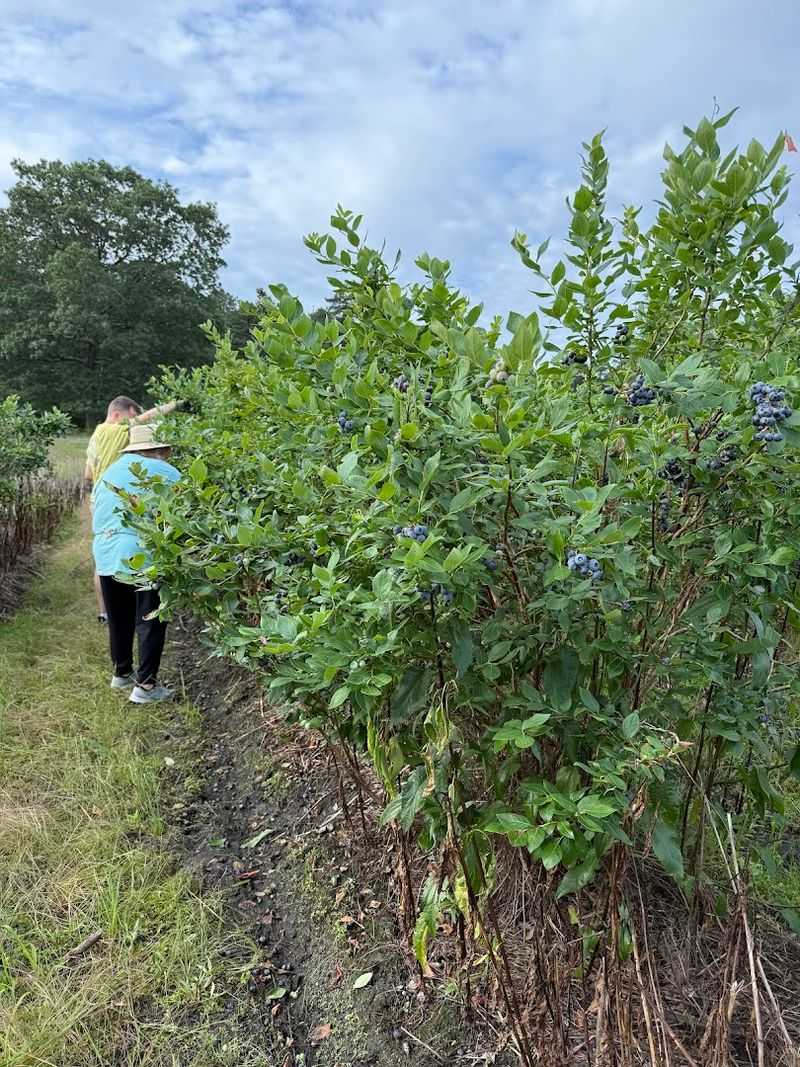
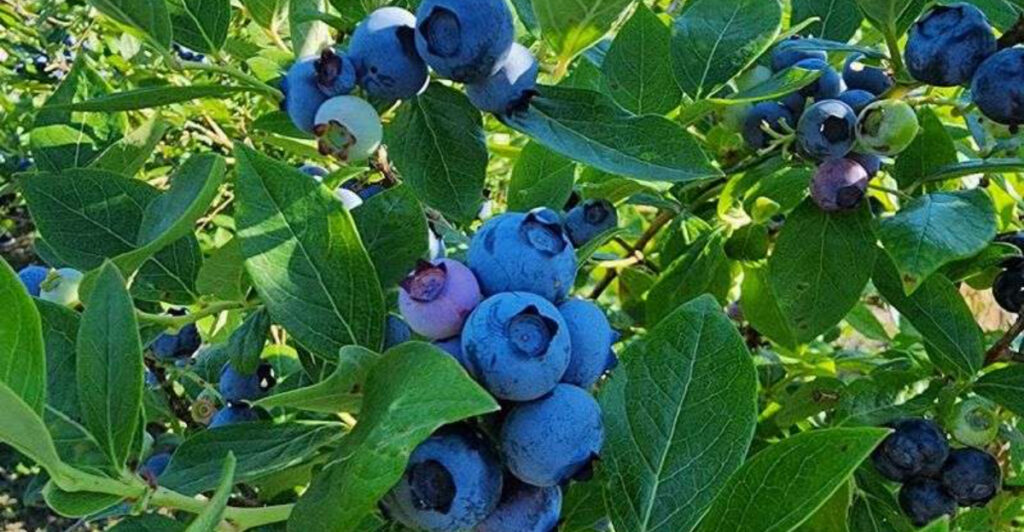
Champion does not grow just one variety of blueberry. The farm cultivates several, including early, mid-season, and late-blooming types.
That range means the farm can stay productive across a longer stretch of the summer rather than peaking for just a brief window.
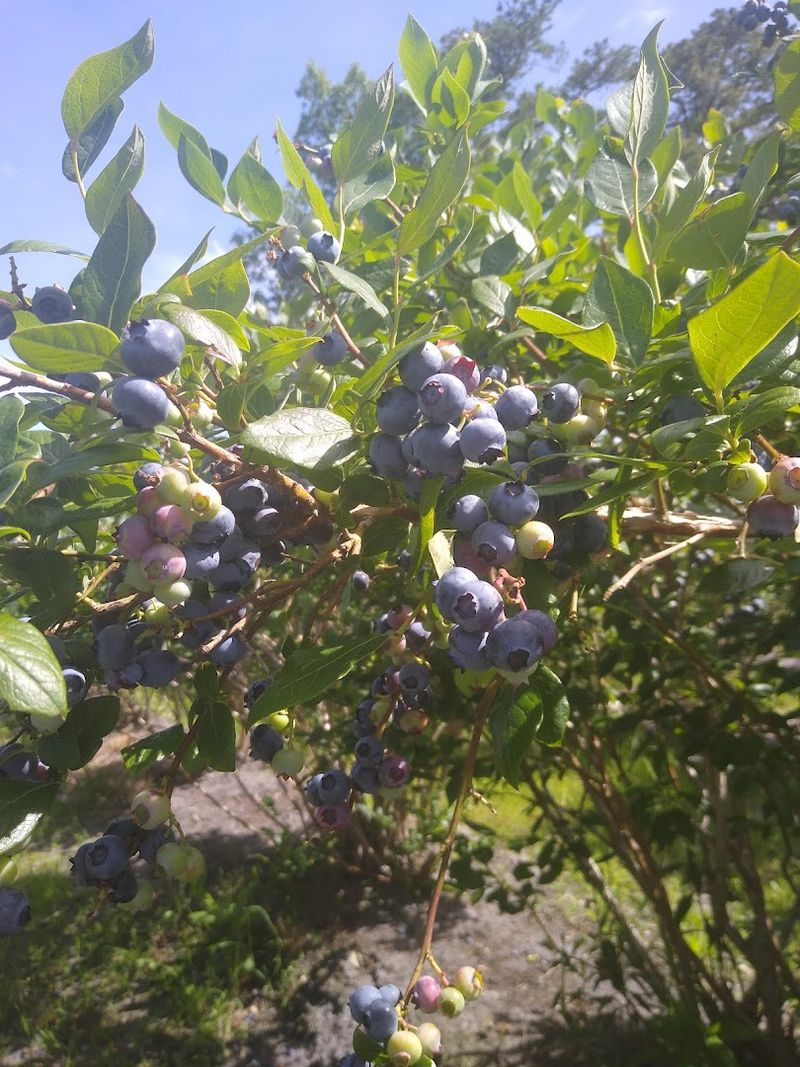
Different varieties also mean different sizes and flavor profiles, which gives pickers more to explore as they move through the fields. Some bushes produce larger berries, while others offer smaller, more concentrated fruit.
The bushes themselves are well-maintained and kept trimmed, which makes picking easier and more efficient.
For anyone who has picked at a farm where the bushes were overgrown or poorly managed, the difference is noticeable. Accessible branches, healthy foliage, and consistently stocked plants make the whole process smoother.
A good crop year also means pickers can fill their buckets relatively quickly, with some people reporting that six pounds in an hour is entirely achievable when conditions are right.
Pricing That Actually Makes Sense
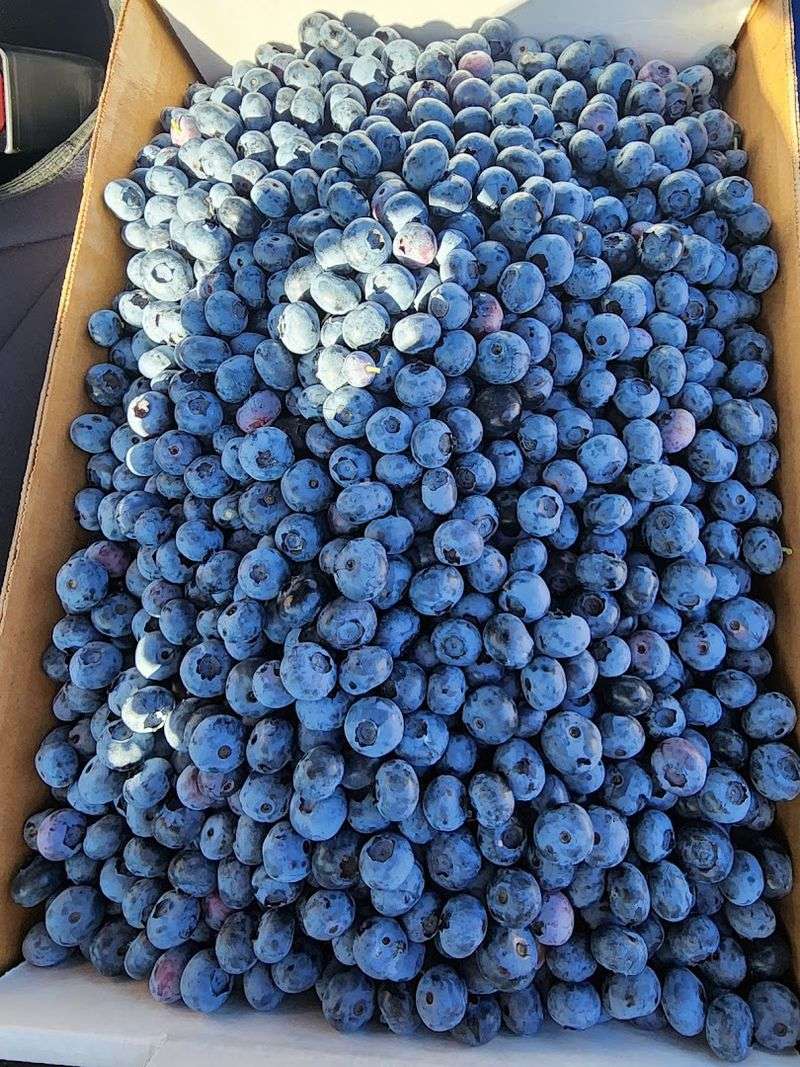
One of the most consistent things said about Champion is that the pricing feels fair. At around two dollars per pound for u-pick berries, the farm sits comfortably below what grocery store blueberries typically cost, especially when comparing fresh-picked quality to pre-packaged options.
That price point makes it easy to pick in larger quantities without feeling like the outing is turning into a significant expense. Many people end up picking far more than they originally planned, which is exactly the kind of problem worth having at a farm like this.
The checkout process happens at the main building, which resembles a house more than a typical farm stand. Payment is cash only, so coming prepared matters.
The farm also sells local honey at the main building, which makes for an easy add-on purchase. Knowing ahead of time that only cash is accepted saves the awkward moment of reaching the checkout without the right payment method.
A Family-Run Operation With Real Character
Champion is not a corporate agritourism operation. It runs as a family business, and that comes through in how the place feels from arrival to checkout.
The people working there are consistently described as friendly and engaged, not just going through the motions of a seasonal job.
At the checkout building, the staff have been known to share recipes with customers who are curious about what to do with a large haul of berries. That kind of personal touch is not something that can be manufactured.
It comes from people who genuinely care about the product they are sending home with their customers.
The family aspect also shows up in the farm’s consistency over the years. The same welcoming atmosphere that drew people in a decade ago is still present today.
For a small operation that depends heavily on repeat business and word of mouth, that steadiness is both a business strategy and a reflection of who runs the place.
What to Do With All Those Berries
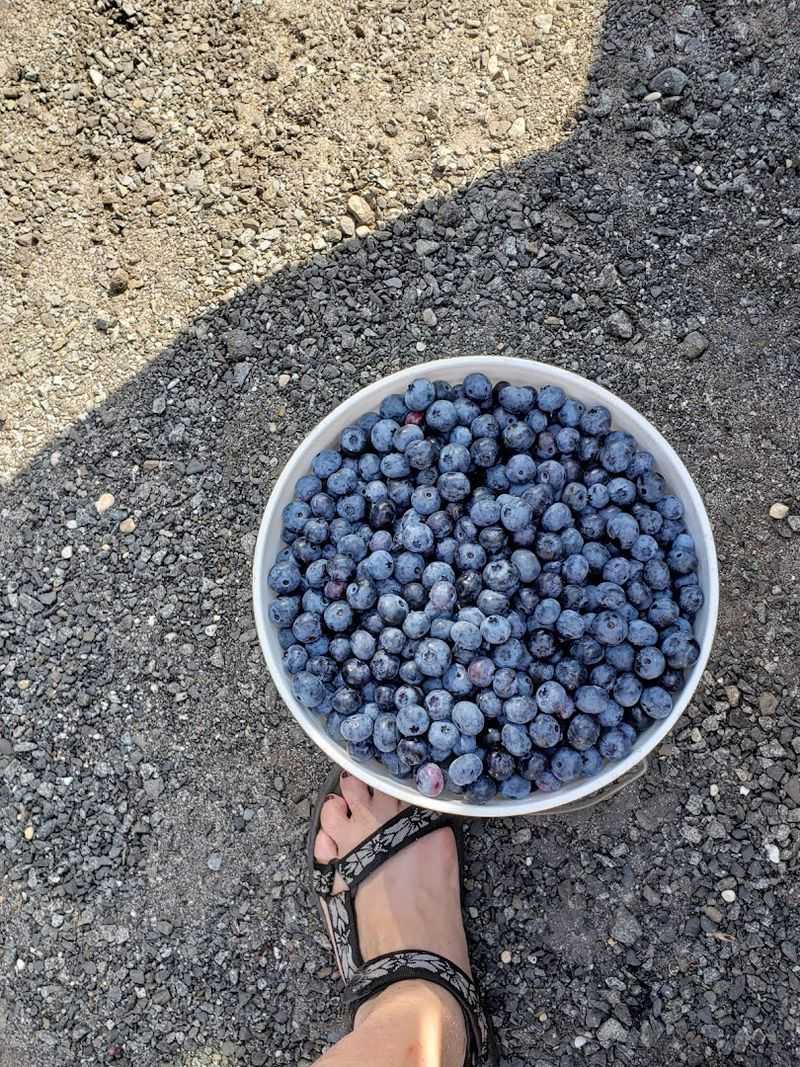
Picking several pounds of blueberries is the easy part. Figuring out what to do with them once they are home is where the real creativity begins.
Fortunately, Champion has that covered too, with recipes available at the checkout for customers who want inspiration.
Freezing is one of the most popular options for people who pick in large quantities. Blueberries freeze well and hold their quality for months, which means a single summer trip can supply a household well into the colder months.
Throwing frozen berries into pancakes, oatmeal, or baked goods throughout the year is a straightforward way to extend the value of the trip.
Jam-making has also become a tradition for some regular visitors, who treat their annual Champion haul as the starting point for a homemade preserve project. The variety of berry types available at the farm means the flavor of a homemade jam can shift depending on what was ripe during that particular visit, which keeps things interesting year after year.
Rain Boots and Wet Field Days
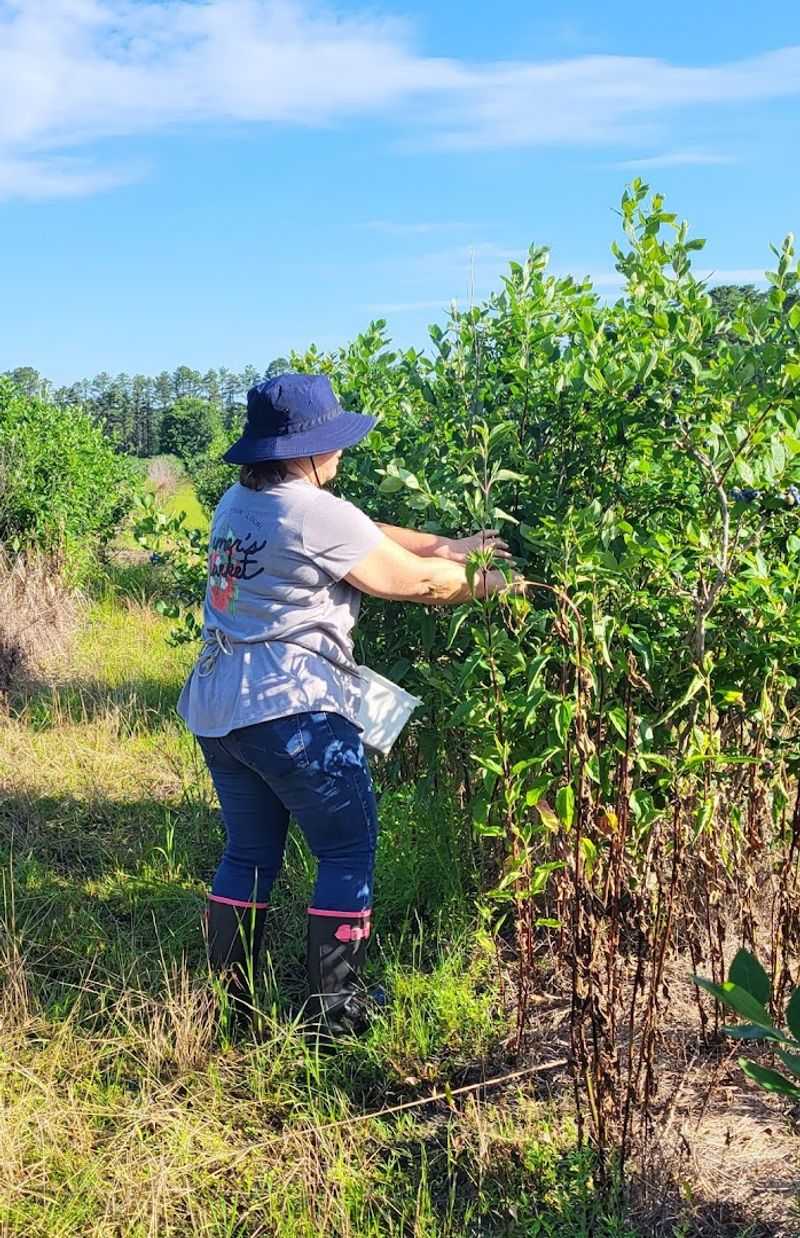
Weather is always a variable at any outdoor farm experience, and Champion handles it in a notably practical way. When rain has been heavy and the fields are wet and muddy, the farm advises callers ahead of time to bring rain boots.
That kind of proactive communication saves people from showing up unprepared.
The fields can get quite wet after significant rainfall, and navigating muddy rows in regular sneakers is not a comfortable experience. A quick phone call before heading out is always a good idea, especially if recent weather has been unpredictable.
The farm is generally open seven days a week during the season, but conditions can affect accessibility.
Having the right footwear on a wet day turns a potentially frustrating situation into a non-issue. People who have shown up properly equipped on rainy days have still had strong picking sessions, suggesting that the farm does not let a little mud get in the way of a productive visit when the berries are ready.
How Long a Visit Actually Takes
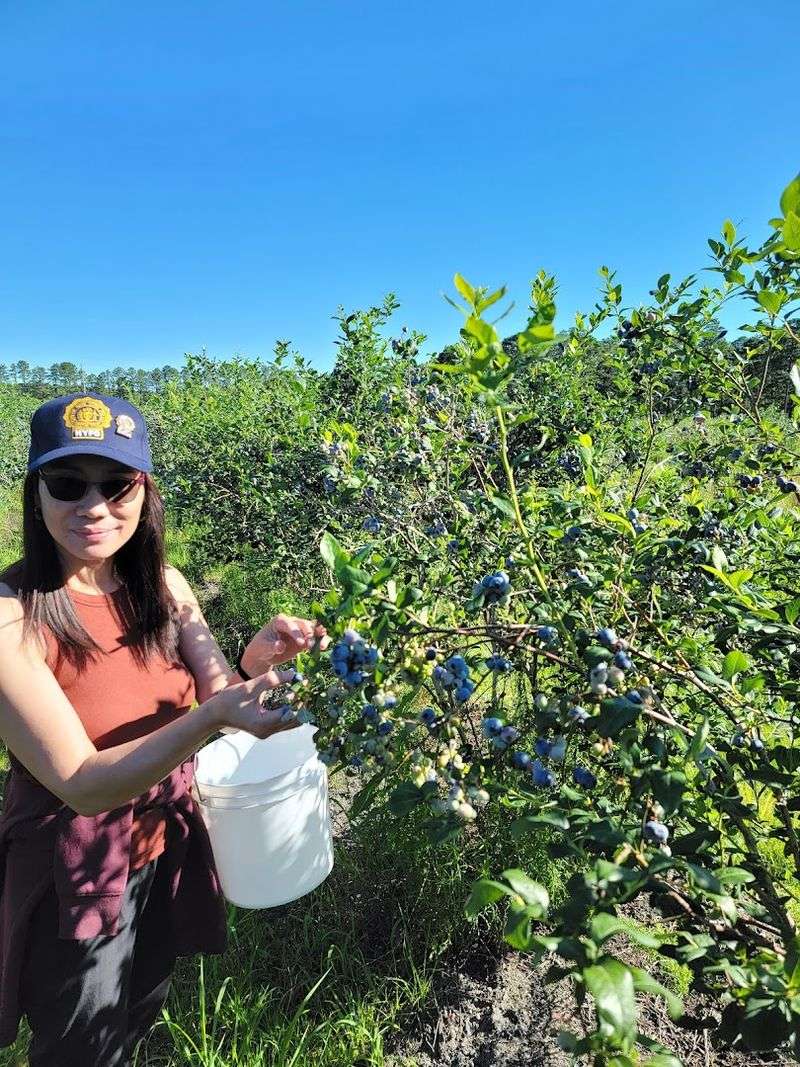
One useful thing to know before heading to Champion is how long to realistically plan for. A typical visit runs somewhere around an hour and a half from arrival to checkout, though that can shift depending on how much someone wants to pick and how quickly they move through the rows.
The tractor ride out to the fields adds a few minutes on each end of the actual picking time, but it does not significantly extend the overall visit. For families with younger children, building in a little extra time is smart, since kids tend to move at their own pace and may want to take breaks.
For those coming specifically to fill up on berries efficiently, the combination of well-maintained bushes and organized field access means the time investment stays reasonable. An hour and a half is enough to fill several pounds worth of containers without feeling rushed, making this a viable weekday morning activity even for people with limited schedules.
Why People Keep Coming Back Year After Year
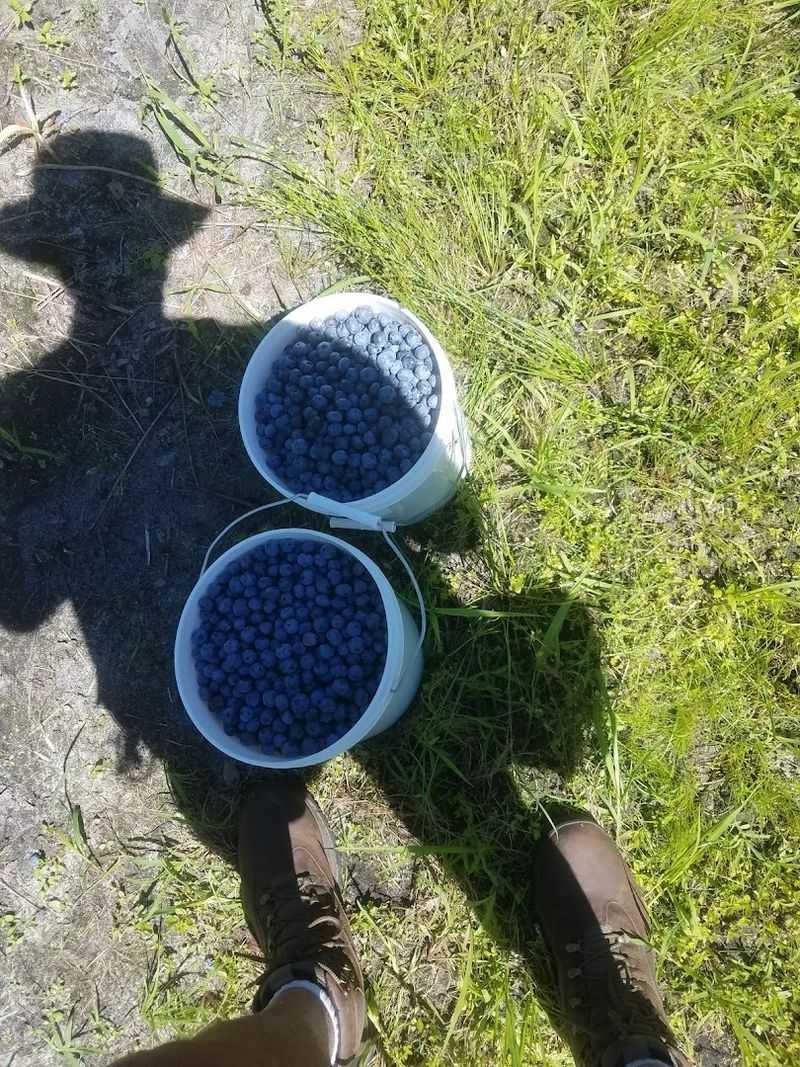
The most telling sign of a good farm experience is not what happens on the first visit, but whether people return. At Champion, the pattern of repeat visits is striking.
People come back the following season, then the season after that, and eventually the annual trip becomes a fixed point on the summer calendar.
Part of what drives that loyalty is consistency. The berries are reliably good, the pricing stays reasonable, and the people running the operation remain genuinely welcoming.
When all three of those things hold steady year after year, there is little reason to look elsewhere.
There is also something about the simplicity of the experience that makes it easy to repeat. No reservations, no elaborate planning, no expensive entry fees.
Just a cash payment, a bucket, a tractor ride, and a morning spent in a field doing something straightforward and productive. That combination turns a single summer outing into an annual ritual that quietly becomes one of the better parts of the season.
Share this story