 Unearth The Voyage
New Jersey does not always get credit for its wild, untamed corners, but tucked along the Delaware River in Salem County, there is a place that quietly earns it. More than 2,200 acres of salt and freshwater marshland stretch out in every direction, drawing birders, hikers, and nature photographers who are looking for something a little off the beaten path.
The refuge sits close enough to the Philadelphia metro area to be a realistic day trip, yet far enough removed that the weekday crowds simply never show up. This is the kind of place where a morning walk can turn into a full afternoon of unexpected discoveries, and where the landscape does the talking without any help from a tour guide.
Where the Refuge Begins: Address and Setting
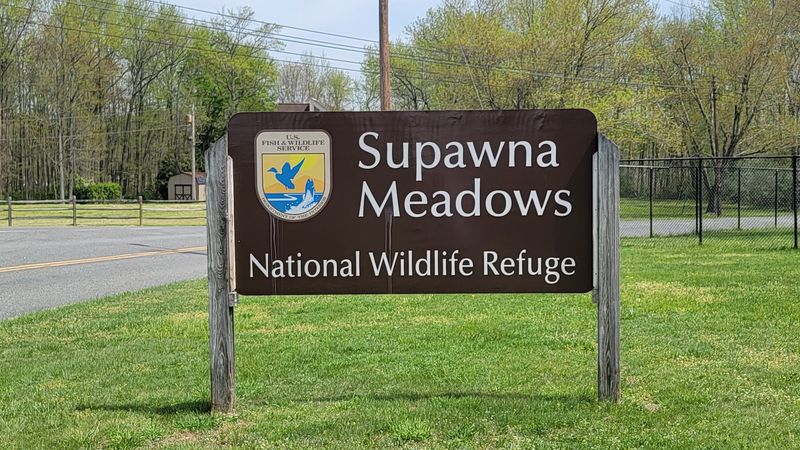
The official address for Supawna Meadows National Wildlife Refuge is 197 Lighthouse Rd, Pennsville, NJ 08070, placed in the southern corner of New Jersey along the Delaware River estuary in Salem County.
The refuge sits north of the Salem River and forms a meaningful piece of the larger Delaware River estuary ecosystem, a region recognized for its international ecological significance.
Getting there from the Philadelphia area takes roughly 45 minutes, making it one of the more accessible wild spaces in the region without feeling like a tourist corridor.
The road leading in passes through a mix of agricultural land and wooded stretches before opening up to the expansive marsh views the refuge is known for.
First-time visitors should note that GPS navigation can sometimes direct drivers incorrectly, so following the official FWS signage once in the Pennsville area is the more reliable approach to arriving at the right entrance.
A Landscape Built on Water and Marsh
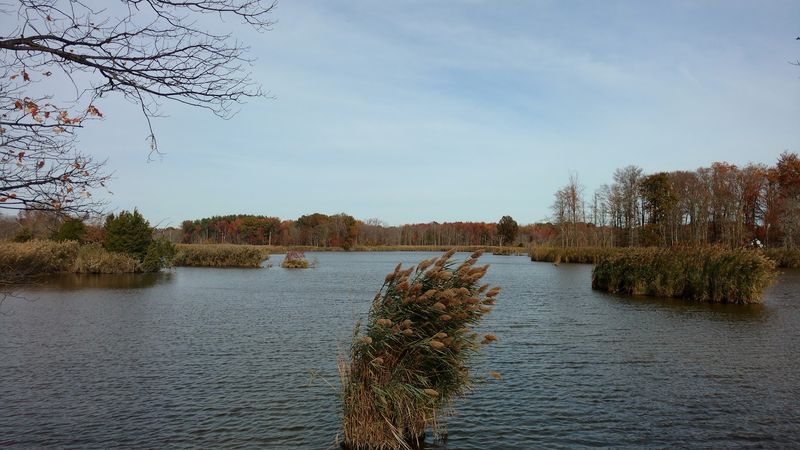
The core identity of this refuge is its marshland, and that marsh covers a lot of ground. The refuge spans approximately 2,200 acres of mixed salt and freshwater wetlands, making it one of the larger protected marsh systems in New Jersey.
That combination of habitat types is not just visually striking; it creates layered ecological conditions that support a wide variety of plant and animal species across different seasons.
The Delaware River estuary, of which this refuge is a part, is considered one of the most ecologically productive estuaries along the entire East Coast.
Water levels shift with the tides, and the marsh edge changes character depending on the time of year, which means the landscape looks noticeably different from one visit to the next.
For anyone drawn to open, horizontal landscapes where sky and water compete for attention, the marsh at Supawna delivers that experience without requiring a long drive to the coast.
The Trails: What to Expect Before You Go
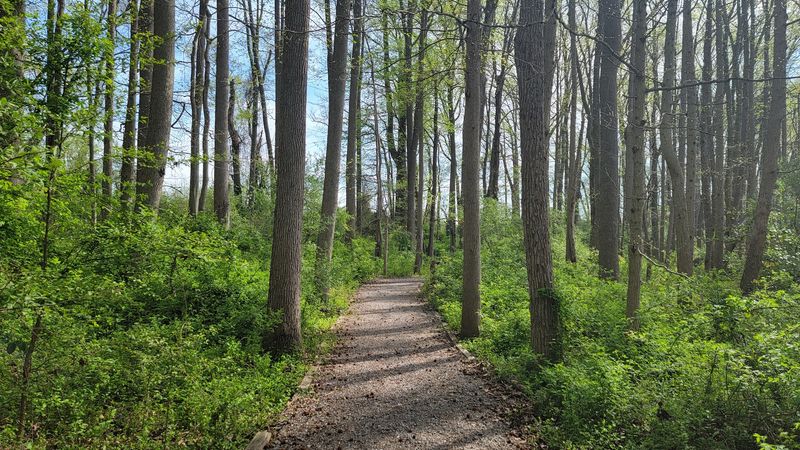
Honesty is the best policy here: the trail system at Supawna Meadows is not polished. Some paths are well-trodden and easy to follow, while others end abruptly or pass through sections of tall, unmaintained grass that can make navigation tricky.
The printed loop trail map available at the headquarters does not always match conditions on the ground, and some trails that appear on the map do not connect as shown.
That said, the access road just beyond the Grasslands Trail parking area leads to several off-shoot trails that are not marked on the official map but are consistently well-used and easier to follow.
The overall trail distance is modest compared to larger refuges, so visitors looking for a half-day of exploration will find it fits that window comfortably without feeling rushed.
Sturdy footwear is a practical necessity, especially after rain, when low-lying sections of the trails hold standing water and the ground stays soft for days.
Finn’s Point Rear Range Light: A River Landmark
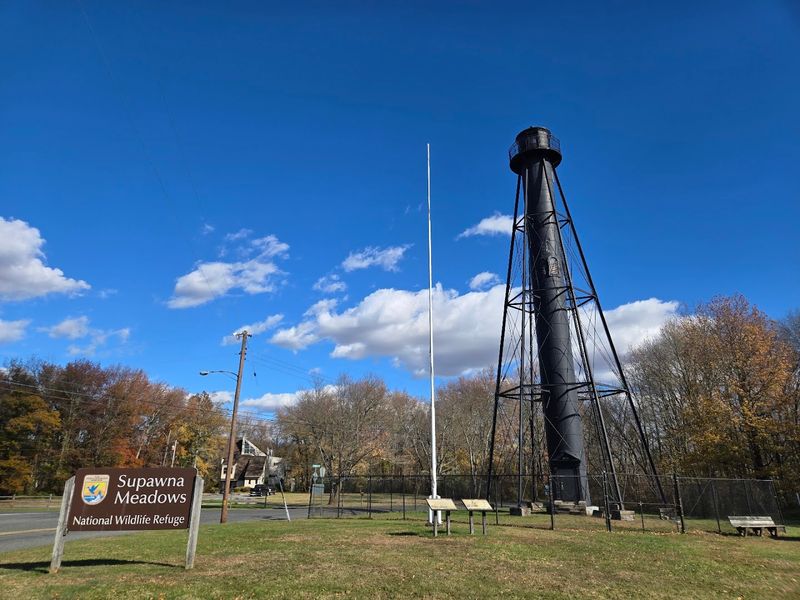
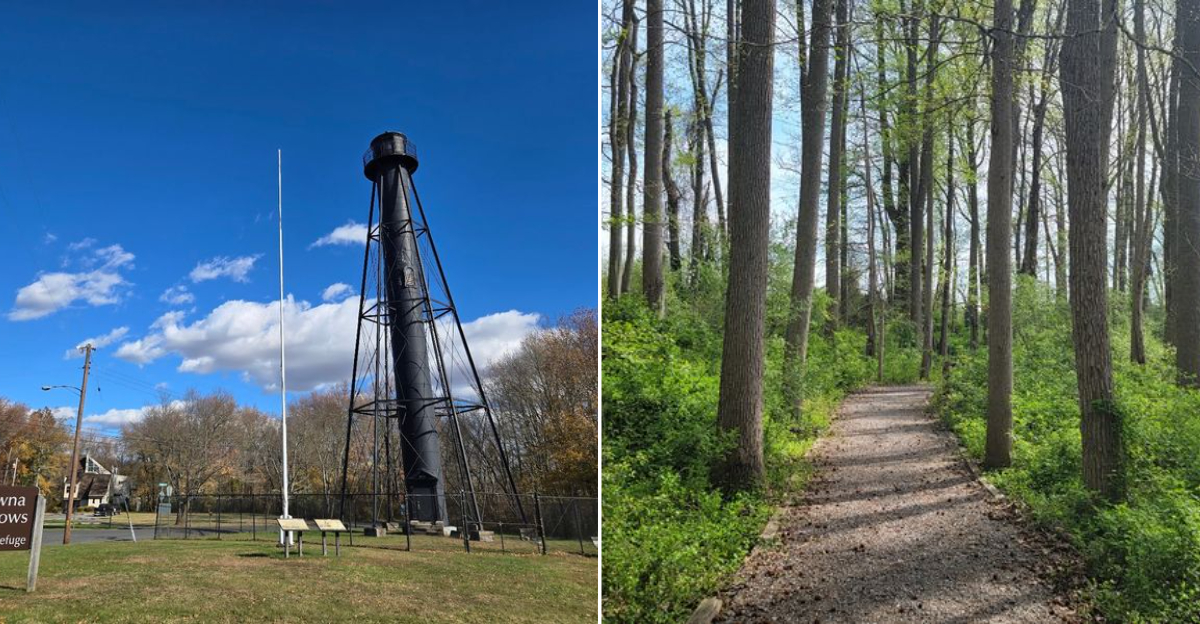
One of the most distinctive features of the refuge property is Finn’s Point Rear Range Light, a historic iron lighthouse tower that has stood along the Delaware River since 1877.
The lighthouse is open for tours on the third Sunday of each month from 1 to 4 PM, April through October, weather permitting, and the tours are run by a dedicated group of volunteers who are genuinely knowledgeable about the structure’s history.
A small gift shop operates out of the adjacent house during tour days, which adds a pleasant and unexpected detail to what might otherwise feel like a purely utilitarian stop.
The lighthouse represents an interesting chapter in Delaware River navigation history, built as part of a range light system designed to guide ships through the river channel safely.
For anyone with an interest in maritime history or 19th-century engineering, the tower is worth timing a visit around, since access outside of the scheduled tour days is limited.
The Old Barn and the Back Pond
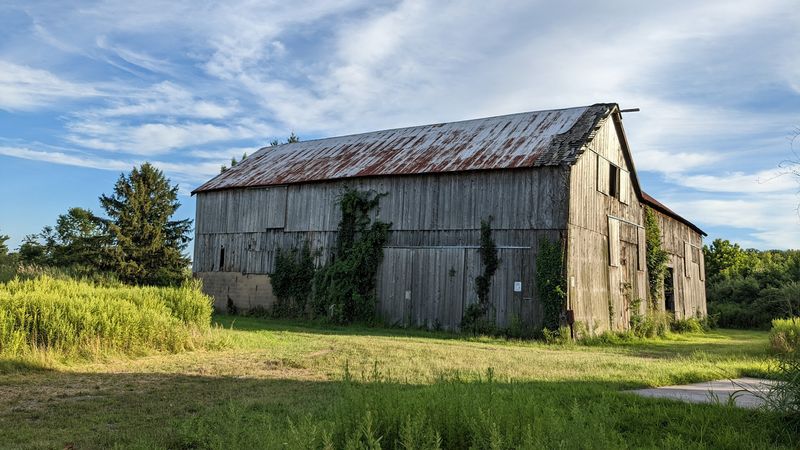
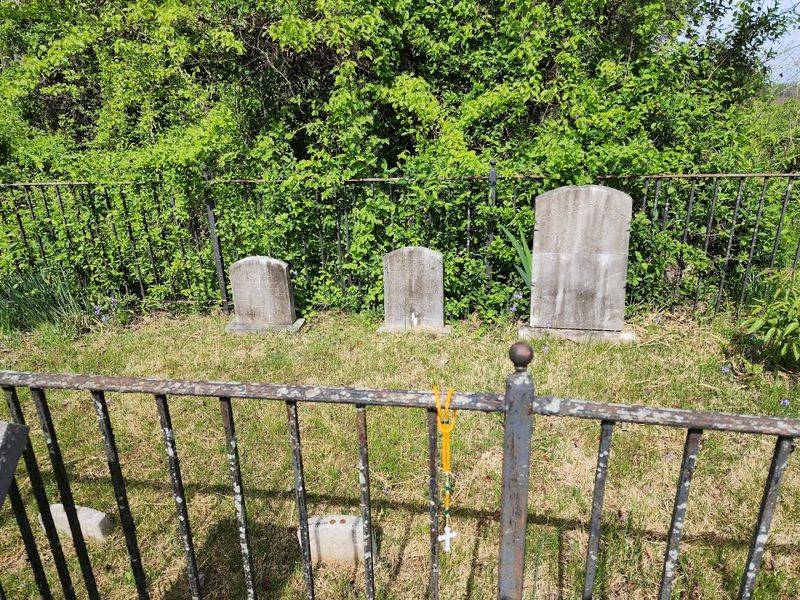
Tucked toward the back of the refuge property, a very old barn sits near a quiet pond that most casual visitors never reach. The barn is in weathered condition, but it is possible to look inside, and the structure itself has a certain historical weight that makes it worth the walk.
The pond behind it attracts wildlife that is different from what the open marsh draws, creating a pocket of habitat that rewards the extra distance from the parking area.
This back section of the property is where the refuge feels most removed from anything nearby, and the combination of the old agricultural structure and the natural pond creates an unusual pairing that is hard to find elsewhere in southern New Jersey.
The area around the pond is also a reasonable spot for a rest break, and the flat, open ground nearby has been used informally for picnics by those who bring their own setup.
Arriving on a weekday almost guarantees having this part of the property entirely to yourself.
Tick Awareness: A Practical Safety Note
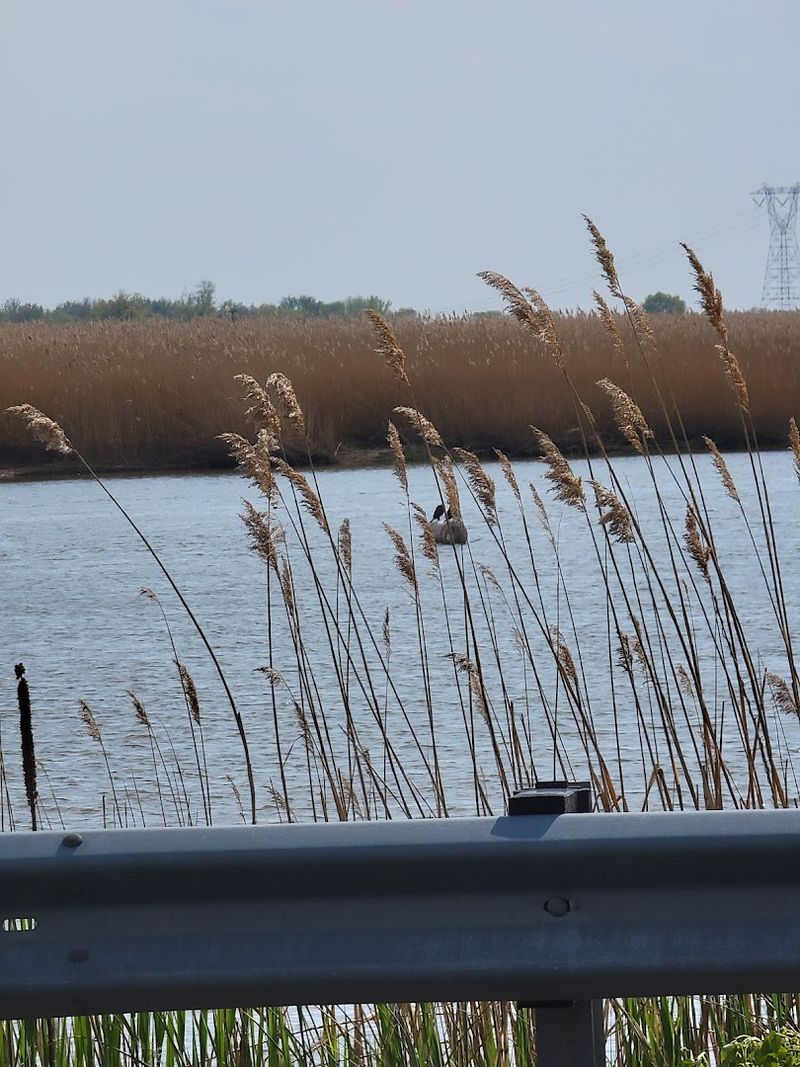
Any honest account of Supawna Meadows has to address the tick situation, because it is a real concern that unprepared visitors have encountered.
The tall grass along some of the less-maintained trails creates prime habitat for ticks, particularly during the warmer months from late spring through early fall. Walkers who have ventured off the main access roads onto unmaintained side paths have reported finding ticks on their footwear and clothing after short distances of contact with the overgrown vegetation.
Spring and fall are generally the better windows for visiting from a tick exposure standpoint, though they are never entirely tick-free in a marsh environment.
Wearing long pants tucked into socks, using insect repellent with DEET on clothing, and doing a thorough check immediately after leaving the trail are all standard precautions that apply here.
Sticking to the well-maintained access roads and avoiding the unmaintained side paths during peak summer months significantly reduces that exposure without cutting the visit short.
Deer Hunting Season: Know Before You Go
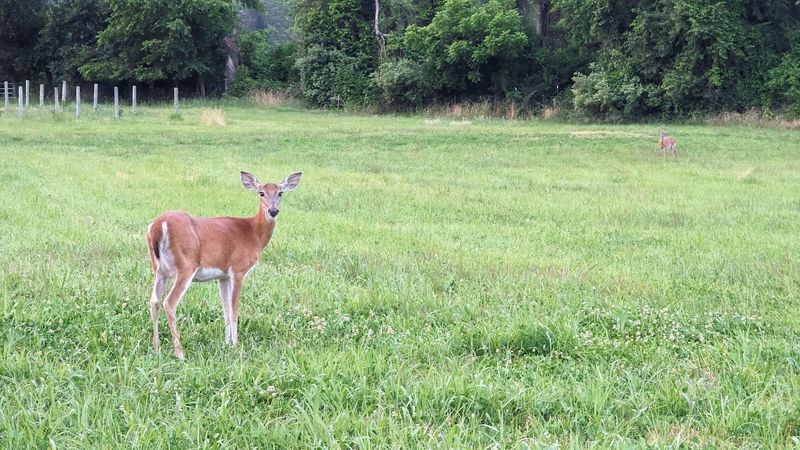
Supawna Meadows is a multi-use refuge, which means it accommodates both wildlife watching and regulated deer hunting, and those two activities do not always overlap comfortably for casual hikers.
The refuge officially permits deer hunting during designated seasons, and understanding when those seasons are active is an important part of planning a visit, particularly for families or those bringing dogs along.
During active hunting periods, wearing blaze orange is a common-sense safety measure for anyone walking the trails or access roads, even though it may not be explicitly required for non-hunters on refuge land.
Checking the U.S. Fish and Wildlife Service website for Supawna Meadows before a visit gives the most current information on hunting schedules, permitted zones, and any temporary trail closures that may be in effect.
Outside of hunting season, the refuge returns to its quieter character, and the trails feel much more accessible for the kind of relaxed, open-ended exploration the property is best suited for.
Fort Mott State Park: The Neighboring Connection
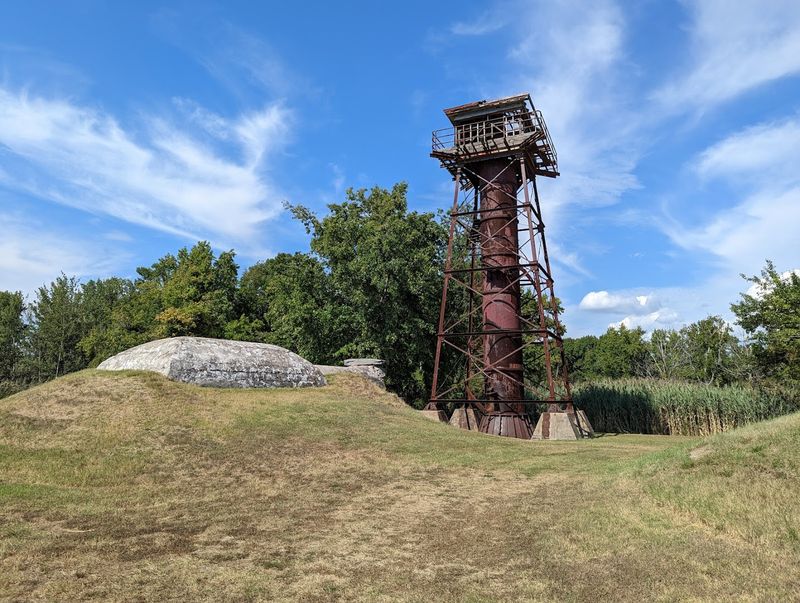
Supawna Meadows does not exist in isolation. Fort Mott State Park sits directly adjacent to the refuge, and together with the Finn’s Point Rear Range Light, the two properties create a connected outdoor destination that is larger and more varied than either would be on its own.
Fort Mott preserves the earthwork fortifications built along the Delaware River in the late 19th century, offering a very different kind of historical experience from the lighthouse but one that fits naturally into the same visit.
The combination of a wildlife refuge, a historic lighthouse, and a Civil War-era fort within walking distance of each other is genuinely unusual and gives the area a layered character that rewards a full day of exploration.
Weekends can bring more activity to the combined area, particularly when the lighthouse is open for tours, but the scale of the property means the space rarely feels congested even when multiple groups are present.
Planning a visit that covers all three sites turns what could be a short stop into a genuinely full outing.
Photography Opportunities Across the Property

Nature photographers have found Supawna Meadows to be a productive location, and the variety of habitat types is a big part of why. The marsh, the woodland edges, the grasslands, the pond, and the river-adjacent areas each produce different subjects and different lighting conditions throughout the day.
The open marsh is particularly well-suited for wide landscape work, where the horizontal lines of the wetland and the sky above it create strong compositional opportunities without requiring a telephoto lens.
Bird photography benefits from early morning visits, when activity is highest and the low-angle light works in the photographer’s favor along the marsh edge.
The Finn’s Point lighthouse is a structurally interesting subject on its own, and the surrounding landscape provides natural framing that makes it more than just a straight architectural shot.
The old barn near the back pond offers a different kind of subject, one that fits into a rural-historical category rather than pure nature photography, and it tends to be overlooked by first-time visitors focused on the marsh.
Dog-Friendly Trails and What That Means in Practice
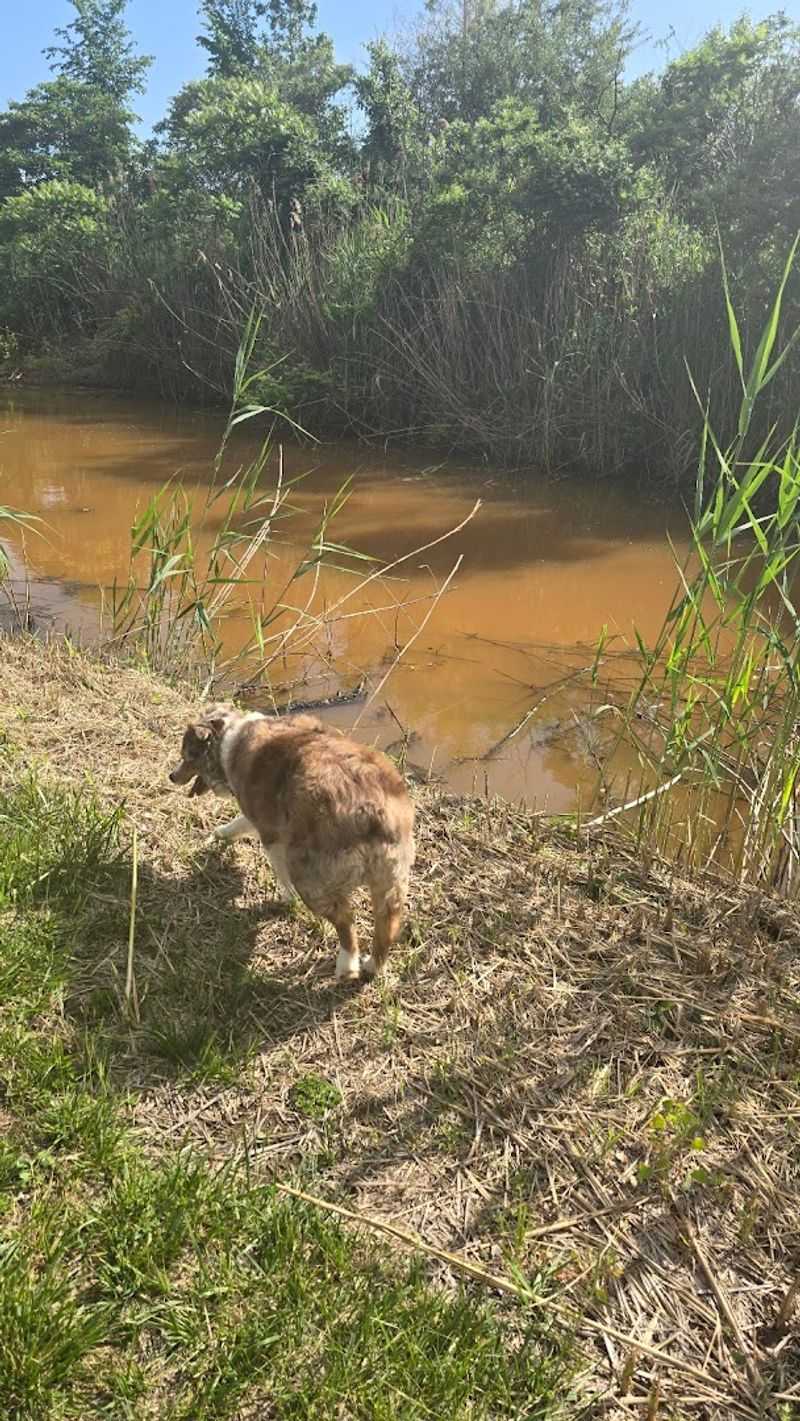
Supawna Meadows is dog-friendly, which is a meaningful detail for the large number of outdoor enthusiasts who bring their dogs along on nature walks. The access roads and maintained trails allow leashed dogs without restriction, making the refuge a practical option for pet owners in the Salem County and southern New Jersey area.
The relatively flat terrain is manageable for most dogs regardless of age or size, and the open access roads provide enough space to walk side by side without feeling crowded on the path.
The tick awareness note applies with extra emphasis for dogs, since ticks that transfer from tall grass to a dog’s coat can be harder to spot than those on clothing. A thorough post-walk check of the dog’s coat, particularly around the ears, neck, and between the toes, is an important step before getting back in the car.
On quieter weekday visits, dogs and their owners often have long stretches of the access road entirely to themselves, which makes for an unhurried and genuinely relaxed outing.
Best Times of Year to Plan a Visit
Timing a visit to Supawna Meadows makes a real difference in what the experience looks like. Spring and fall are widely considered the best windows, and the reasons are straightforward: migratory bird activity peaks during those seasons, the temperatures are comfortable for extended outdoor time, and the tick population is lower than during the summer months.
The American Woodcock’s courtship display happens in early spring at dusk, making late March and early April a particularly well-timed window for those interested in that specific spectacle.
Fall migration brings a different mix of species through the refuge, and the changing marsh vegetation adds visual interest to the landscape that summer’s uniform green does not provide.
Winter visits are quiet and uncrowded, and while wildlife activity slows, certain waterfowl and raptors remain active through the colder months, giving birders a reason to visit year-round.
Summer is the least recommended season for trail walking, primarily because of the combination of heat, humidity, and elevated tick activity on the unmaintained paths.
The Quiet Factor: What Makes This Place Different
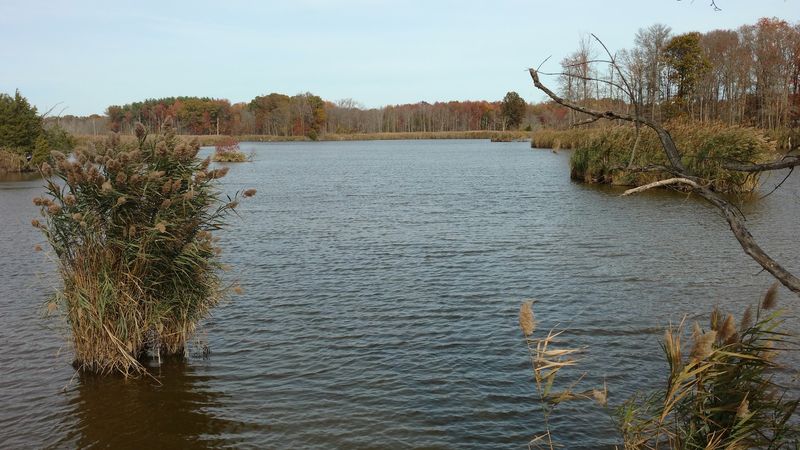
One of the most consistent things said about Supawna Meadows is that it is quiet. Not just quiet in the way that any outdoor space is quieter than a city, but genuinely, notably quiet in a way that feels increasingly rare for a refuge located within an hour of a major metropolitan area.
Weekday visits in particular can produce hours of walking without encountering another person, which is an unusual experience for any publicly accessible natural area in the densely populated mid-Atlantic region.
That solitude is not accidental. The refuge does not have the infrastructure that draws large crowds: no visitor center with exhibits, no paved loop trail with interpretive signs, no concession stand, and no organized programming on most days.
What it does have is space, marsh, birds, and a level of stillness that people who have visited return for specifically. For anyone who has started to feel like popular outdoor destinations have gotten too popular, this is a genuine alternative.
Signage and Navigation: Managing Expectations
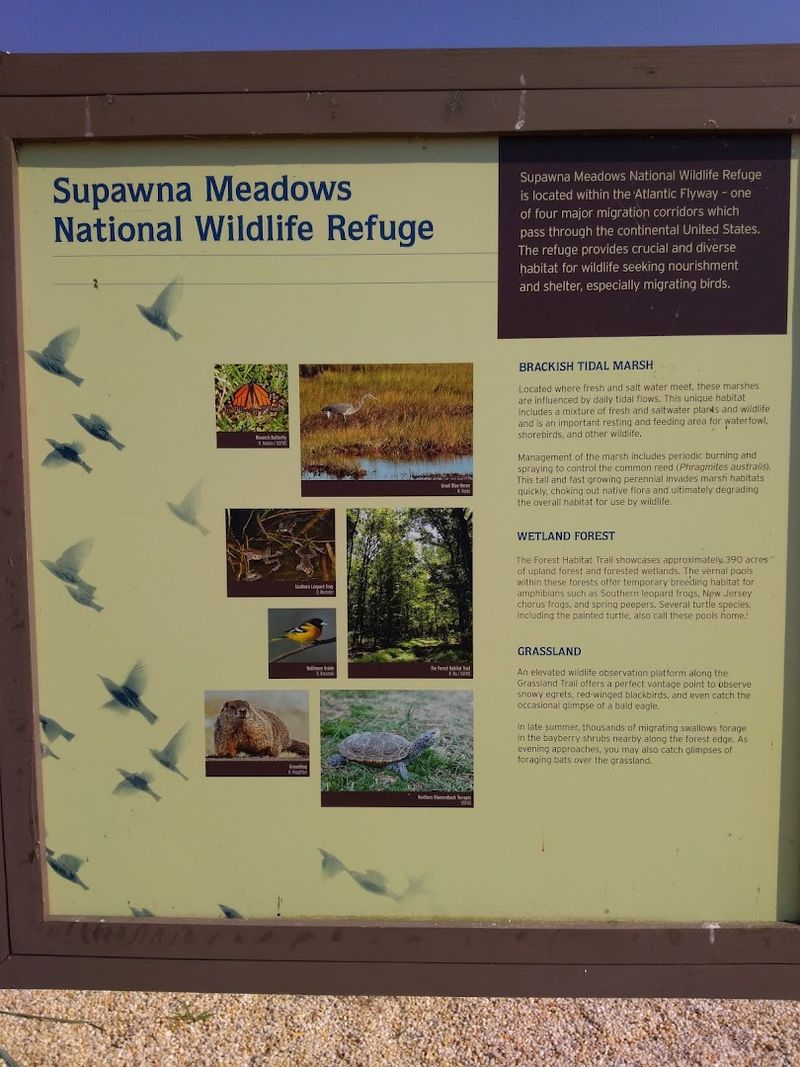
Navigation at Supawna Meadows requires a certain tolerance for ambiguity. Trail signage throughout the property is minimal, and the map available at the refuge headquarters does not fully reflect current trail conditions or accurate loop connections.
Some paths end without warning, and the transition between a maintained access road and an unmaintained side trail is not always clearly marked, which has led to more than a few visitors turning back earlier than planned.
That said, the main access road through the property is easy to follow and provides a reliable backbone for a visit even without consulting the map. The off-shoot trails accessible from that road tend to be better maintained than the ones marked on the official printed materials.
Downloading a satellite view of the refuge before arriving gives a much clearer picture of the property’s layout than the printed map does, and helps set realistic expectations about where each trail leads and how far it actually goes.
Planning Your Visit: Practical Details Worth Knowing
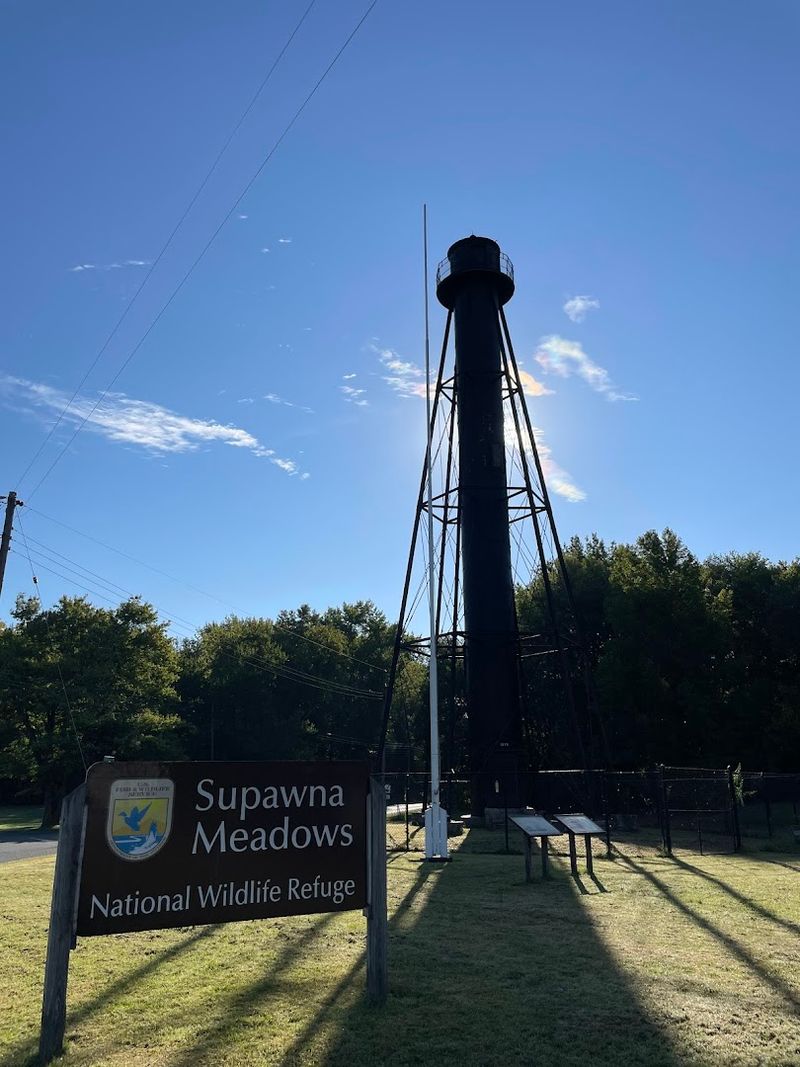
Supawna Meadows National Wildlife Refuge is managed by the U.S. Fish and Wildlife Service, and the most current information about trail conditions, hunting schedules, and lighthouse tour dates is available at fws.gov/refuge/supawna_meadows.
There is no admission fee to enter the refuge, which keeps the barrier to a first visit very low. Parking is available near the trailheads and along the access road, and the lot is generally clean and easy to navigate.
The refuge does not have restroom facilities on-site, which is worth accounting for before a long visit, particularly with children along.
Bringing water, wearing appropriate footwear, and packing tick repellent are the three most practical preparations for a comfortable visit. Binoculars are worth adding to that list for anyone interested in the birding side of the property.
The combination of the refuge, Fort Mott State Park, and the lighthouse makes a compelling full-day itinerary for anyone driving down from the Philadelphia region or the northern New Jersey corridor.



