 Unearth The Voyage
Deep in the forested hills of eastern Oklahoma, there is a park that holds a mystery so old and so strange that historians, archaeologists, and curious travelers have been arguing about it for decades. A massive stone slab covered in ancient runic carvings sits quietly inside a canyon, and nobody can agree on who put it there or why.
Some say Vikings. Some say Native Americans.
Some say something else entirely. I visited Heavener Runestone Park on a crisp weekday morning, and I can tell you firsthand that standing in front of that stone gives you a feeling you will not forget anytime soon.
This place is free, fascinating, and full of surprises, and every section below will show you exactly why it deserves a spot on your travel list.
Where Exactly This Hidden Park Sits
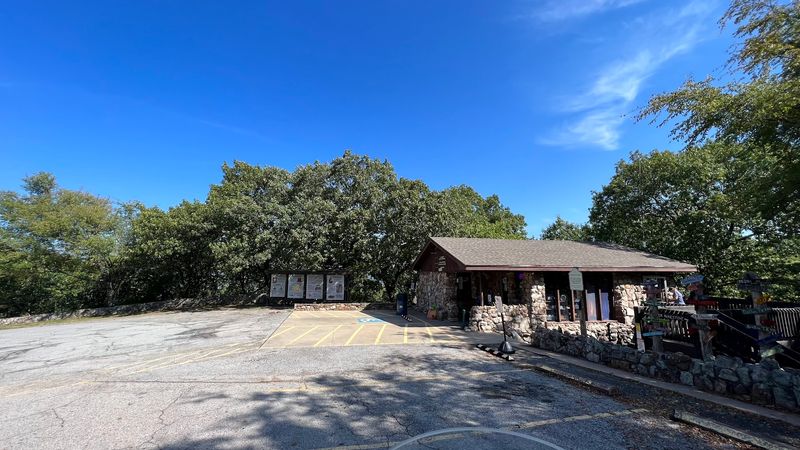
The park sits at 18365 Runestone Rd, Heavener, Oklahoma 74937, tucked into the Ouachita Mountains near the Arkansas border in LeFlore County. The town of Heavener itself is a small, quiet community in southeastern Oklahoma, the kind of place where people wave at strangers and locals still know their neighbors by name.
Getting there is part of the experience. The drive winds through rolling hills covered in thick hardwood forest, and the scenery gets more dramatic the closer you get to the park entrance.
There are no flashy signs or tourist traps lining the road, just trees, birdsong, and a growing sense that you are headed somewhere genuinely off the beaten path.
The park is managed by the Oklahoma Historical Society and is open every day from 9 AM to 5 PM. You can reach the park directly at +1 918-653-2241, and their website at heavenerrunestonepark.com has useful visitor information.
Parking is easy, the entrance is free, and the staff are ready to answer your questions the moment you walk through the door.
The Runestone Itself: What You Are Actually Looking At
The star of the whole park is a sandstone slab that stands about 12 feet tall, 10 feet wide, and roughly 16 inches thick. Carved into its surface are eight runic characters that researchers have studied, argued over, and puzzled about for well over a century.
The runes do not spell out a sentence in any obvious way, which makes the mystery even thicker.
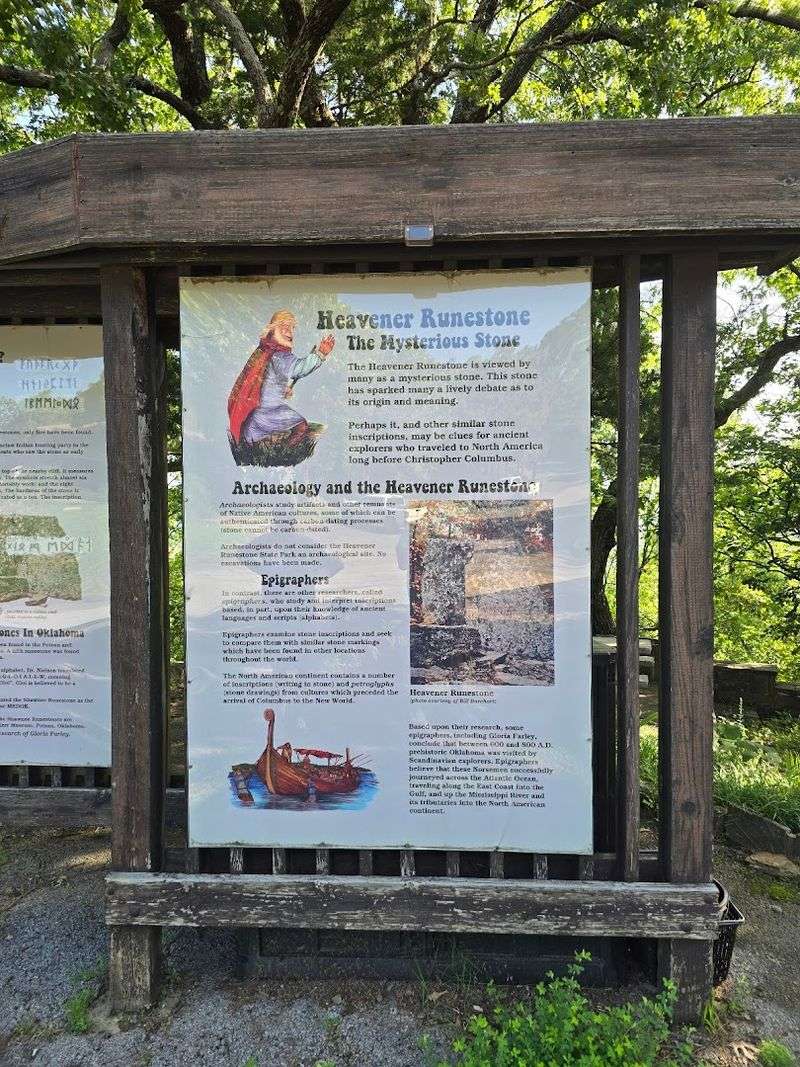
One popular interpretation reads the inscription as a date, specifically November 11, 1012, which would place it squarely in the Viking Age. Another reading translates it as a personal name, possibly a land claim marker left by a Norse explorer.
Neither theory has been proven beyond doubt, and that open-ended quality is a big part of what draws people back again and again.
The stone is housed inside a protective building at the bottom of a canyon, which keeps it safe from weather while still allowing visitors to get up close. Rangers on site explain the competing theories with genuine enthusiasm, making the viewing experience feel more like a conversation than a museum exhibit.
Seeing those carved marks in person hits differently than any photograph can capture.
How the Mystery Unfolded Over the Years
The runestone did not suddenly appear out of nowhere. Local residents in the Heavener area had known about the carved stone for generations, and accounts of its existence stretch back to the mid-1800s when the first European settlers arrived in the region.
The Choctaw Nation, whose territory this once was, also had oral traditions referencing the unusual carved rock in the canyon.
Serious academic attention came later, most notably through the work of Gloria Farley, an Oklahoma researcher who spent decades documenting not just the Heavener stone but several other runic inscriptions found across eastern Oklahoma. Her persistence brought national attention to the site and pushed scholars to take the Viking connection more seriously than they had before.
The debate has never fully settled. Mainstream archaeologists remain cautious, pointing out that pre-Columbian Norse contact this far inland would require a significant rewrite of what we know about Viking exploration routes.
Supporters of the Viking theory counter that the runes match known Norse scripts too closely to be coincidental. Whatever side you land on, the historical back-and-forth gives the park a layered depth that most roadside attractions simply cannot match.
The Trail Down to the Stone
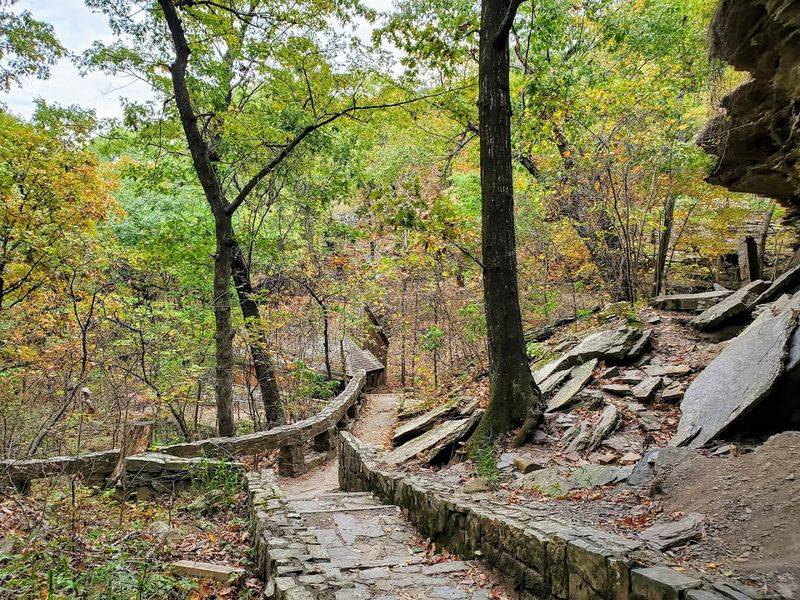
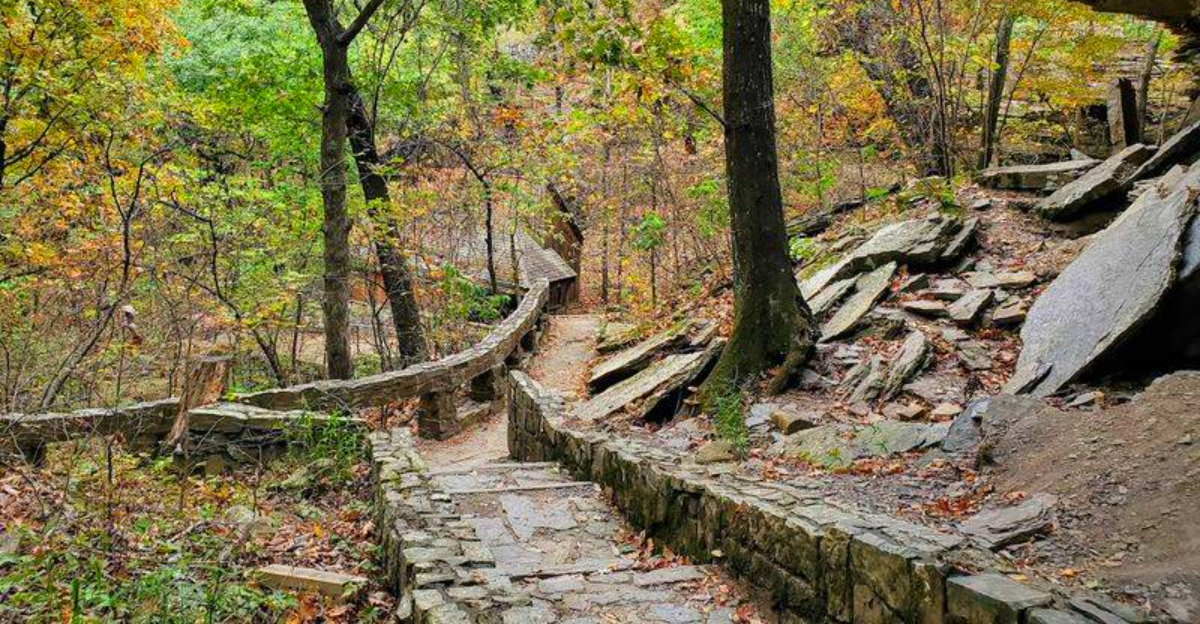
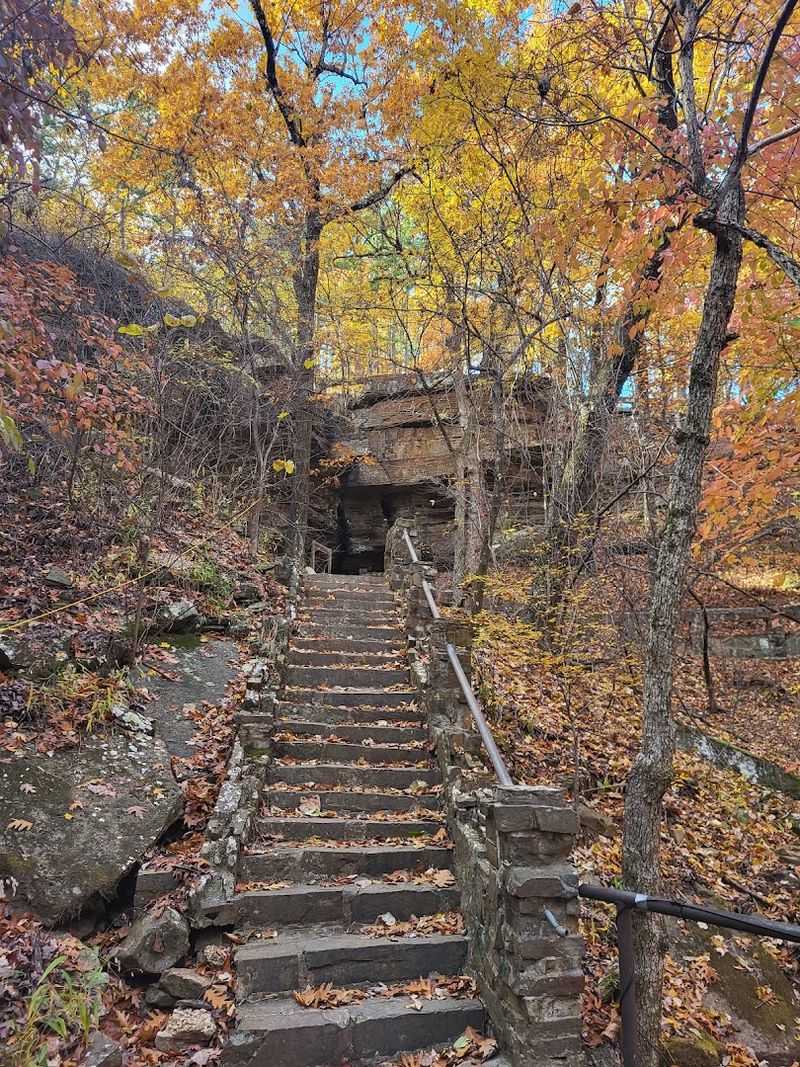
Reaching the runestone requires a walk down into the canyon, and the trail is one of the more pleasant surprises the park offers. The path is well-marked, shaded by tall oaks and hickories, and paved in a way that makes it accessible to most visitors without requiring any special gear.
That said, the walk back up is a genuine workout, so comfortable shoes are a smart call.
Along the way, the forest closes in around you in the best possible sense. Birds call from the canopy, the air smells like damp leaves and pine, and the canyon walls begin to rise on either side as you descend.
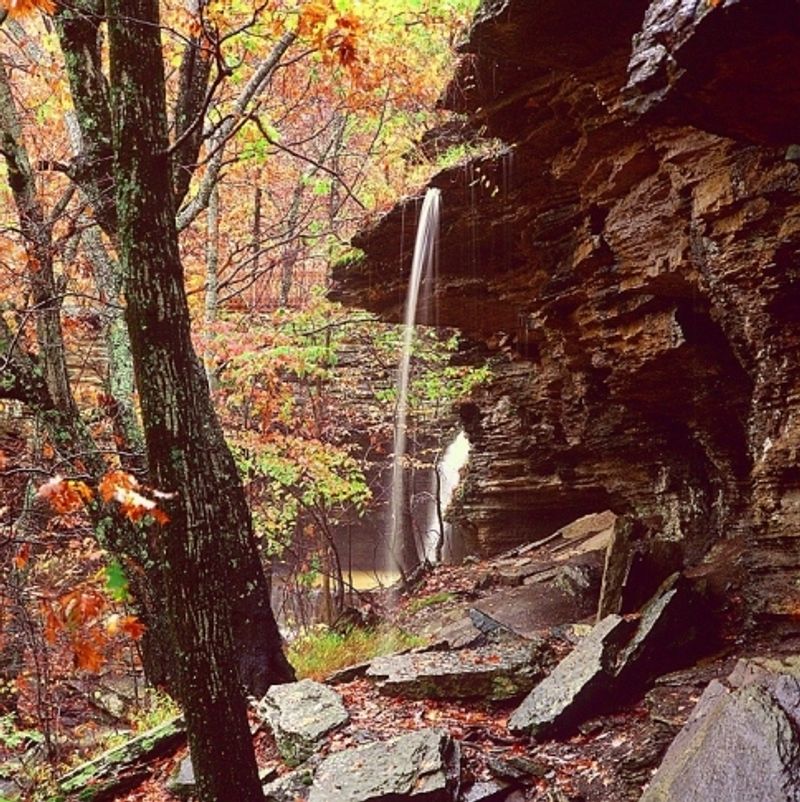
There is a small waterfall that flows during wetter seasons, and visitors who catch it running describe the sound as one of the most peaceful things about the whole trip.
The trail is not long, maybe a quarter mile each way, but the change in elevation gives it a sense of drama that a flat walk through the woods never could. Children handle it easily, and older visitors with steady footing manage just fine too.
By the time the stone shelter comes into view through the trees, the anticipation has built up in a way that makes the first glimpse of the runestone feel genuinely earned.
Wildlife Encounters Along the Way
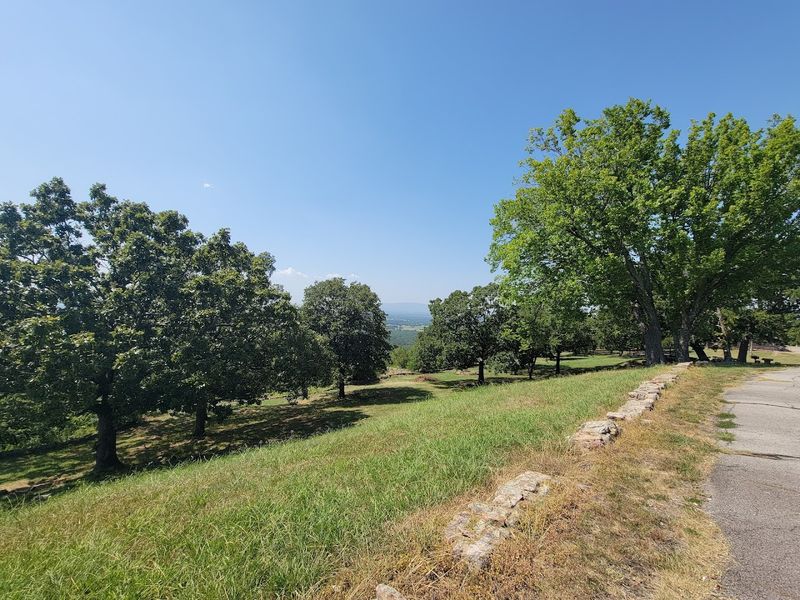
The park is not just about ancient carvings. The surrounding forest is alive in ways that keep your eyes moving even when you are not looking at runes.
Armadillos are common enough that visitors regularly spot them rooting around near the trail edges, and at least one visitor photographed a baby armadillo on the path, which is frankly the cutest possible bonus to a history hike.
Foxes occasionally appear near the campground area, especially in the early morning and late afternoon. The insect life is remarkable too, with large walking sticks, colorful millipedes, and salamanders tucked under rocks near the creek.
Birdsong is essentially constant throughout the park, and the variety of species you can hear without even trying is impressive for such a compact area.
Deer are spotted regularly, particularly near the forest edges at dusk. The wildlife presence gives the park an extra layer of appeal for families, since kids who might not be captivated by ancient inscriptions tend to lose their minds over a baby armadillo.
Bringing a camera with a decent zoom lens is worth the effort, because the animals here seem remarkably unbothered by human visitors moving quietly through their space.
Camping Under the Ouachita Stars
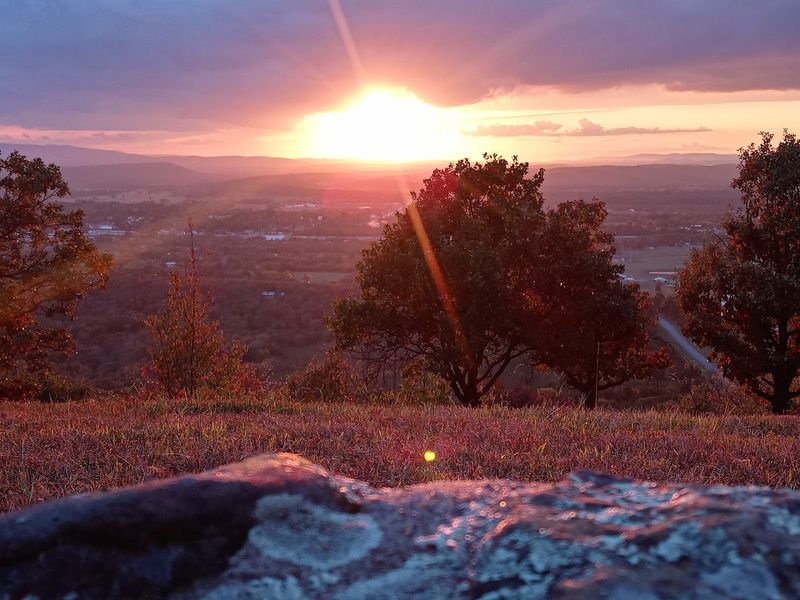
Most people do not realize the park offers camping until they stumble across it online or hear about it from someone who has stayed. The campground sits on the higher ground of the property, and the site at the top of the hill offers a sweeping view over the valley below that is hard to beat as a backdrop for a morning cup of coffee.
The facilities include a camp shower, fire pits, picnic areas, and a playground, which makes it a reasonable option for families who want more than a day trip. The grounds are uneven in places, so tent campers and RV users alike should be prepared to pick their spot carefully and bring leveling gear if needed.
Firewood and basic supplies are available through the gift shop.
Cell service on the upper camping sites is actually decent, which surprised me given how remote the park feels. Waking up to the sound of birds in the Ouachita hills, knowing that a trail to a Viking mystery is waiting just downhill, is a genuinely hard combination to top.
The campground does not feel like a luxury resort, but it does feel like exactly the kind of rugged, honest outdoor experience that makes a trip memorable.
The Gift Shop That Keeps Surprising People
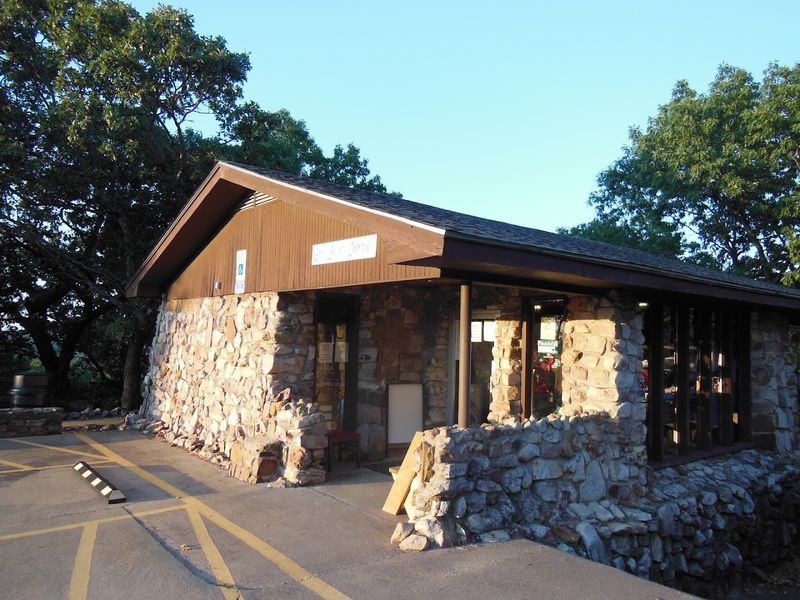
The gift shop at Heavener Runestone Park has developed its own loyal following, and it is easy to see why once you spend a few minutes inside. The shelves are stocked with Norse rune-themed items, books about Viking history, locally made crafts, and souvenirs that feel thoughtfully chosen rather than mass-produced.
The prices are reasonable, especially by tourist attraction standards, and the selection skews toward things you would actually want to keep.
The staff working the shop deserve a special mention. Multiple visitors describe the same experience: a knowledgeable, warm, and genuinely enthusiastic person behind the counter who is happy to talk history, answer questions, and share stories about the park’s past.
That kind of human connection is increasingly rare at tourist spots, and it adds real value to the visit.
Firewood is also sold here for campers, along with a small selection of practical supplies. The shop doubles as an informal visitor center, with maps, printed information about the runestone, and staff who can point you toward the best spots in the park.
Leaving without at least browsing the shelves feels like skipping dessert, and the rune-themed items make genuinely unusual gifts for people back home who appreciate something a little different.
The Viking Festival That Brings the History to Life
Once a year, the park transforms into something that feels like a page ripped out of a Norse saga. The Viking Festival draws costumed participants, craft vendors, history enthusiasts, and curious families from across the region, turning the quiet park into a lively celebration of Scandinavian heritage and the enduring mystery of the runestone.
The event features demonstrations, storytelling, and vendors selling everything from handmade crafts to Viking-inspired food. The energy is enthusiastic and community-driven, with the kind of small-town warmth that makes regional festivals worth seeking out over big commercial events.
Rangers and volunteers stay engaged throughout, keeping the educational side of the experience front and center even amid the festivities.
Attendance has grown steadily as word has spread, and the festival now draws visitors from multiple states who plan their trips specifically around the event. Checking the park’s website at heavenerrunestonepark.com before your visit is the best way to confirm the festival dates for the current year.
If your schedule can line up with it, the festival version of the park offers a completely different dimension to the experience, one that turns a history lesson into something you can actually participate in and feel.
The Canyon Setting and Natural Scenery
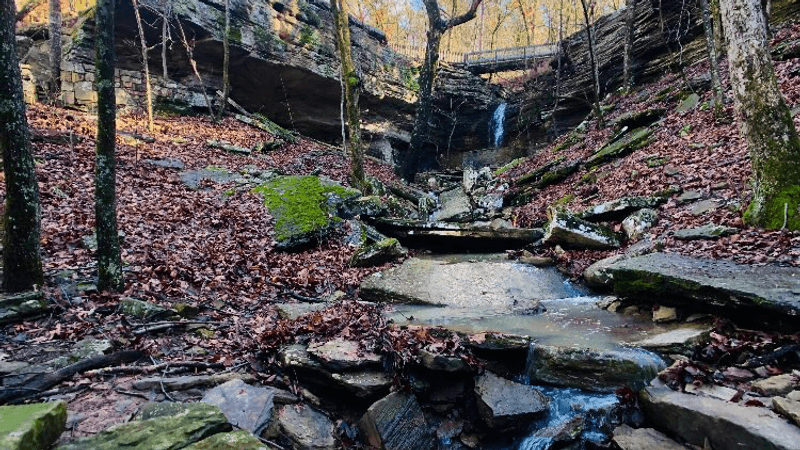
Even if the runestone did not exist, the canyon itself would be worth a visit. The sandstone walls rise up on either side of the trail, layered in shades of rust, tan, and grey, and the way the light filters through the tree canopy and hits those rock faces at different times of day creates a visual atmosphere that feels genuinely ancient and undisturbed.
The combination of forest and rock geology gives the park a texture that is uncommon in Oklahoma’s more open landscapes. Mosses cling to the canyon walls, ferns grow in the shaded crevices, and the creek at the bottom adds the soft sound of moving water to the whole experience.
In fall, the deciduous trees put on a color show that transforms the canyon into something almost surreal.
Spring visits bring wildflowers and a waterfall that flows reliably after seasonal rains, while summer keeps the canopy thick and the canyon noticeably cooler than the surrounding countryside. Winter strips the leaves back and reveals the full drama of the rock formations in a way that dense summer foliage hides completely.
Every season offers a different version of the same place, which is a big part of why so many visitors return more than once.
The Visitor Center and Educational Displays
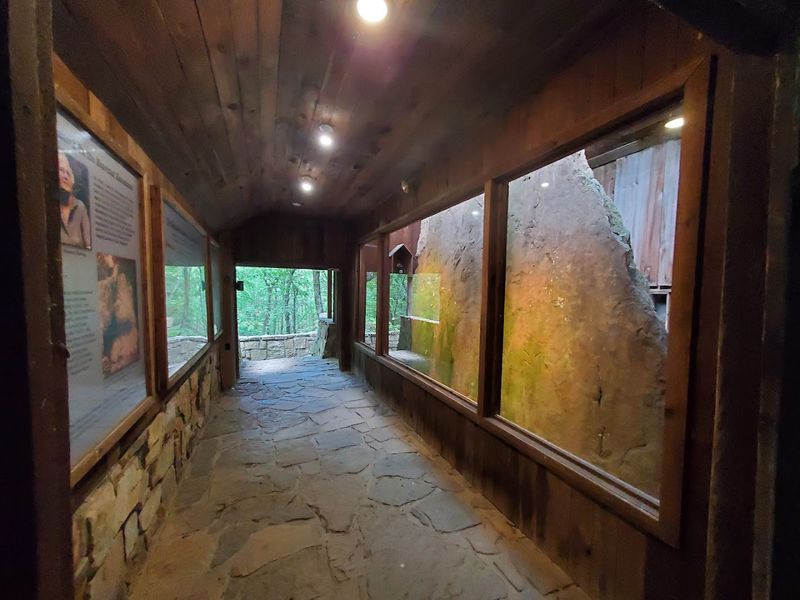
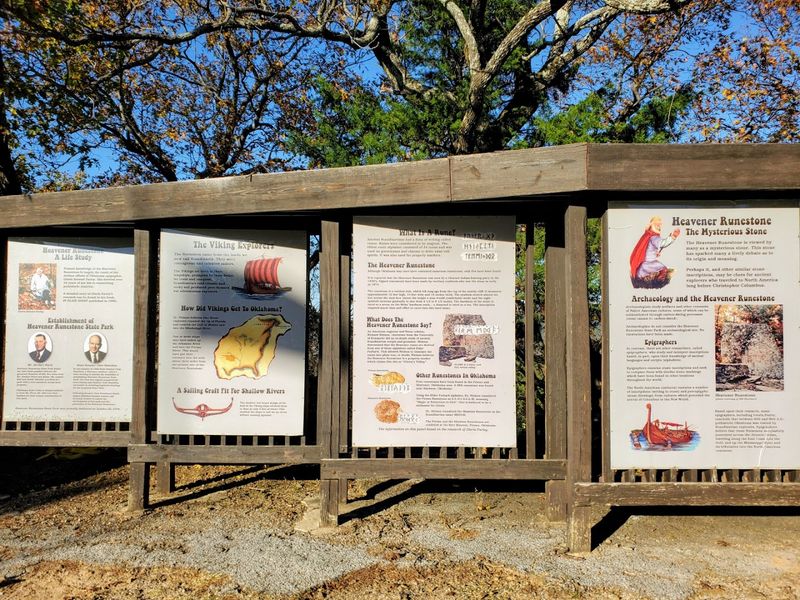
The visitor center gives context to everything you see on the trail, and it does so without overwhelming you with dense academic text. The displays cover the basics of runic writing, the history of Viking exploration, the specific theories about the Heavener stone, and the broader collection of runic inscriptions found elsewhere in Oklahoma.
It is the kind of setup that works equally well for curious kids and adults who want real depth.
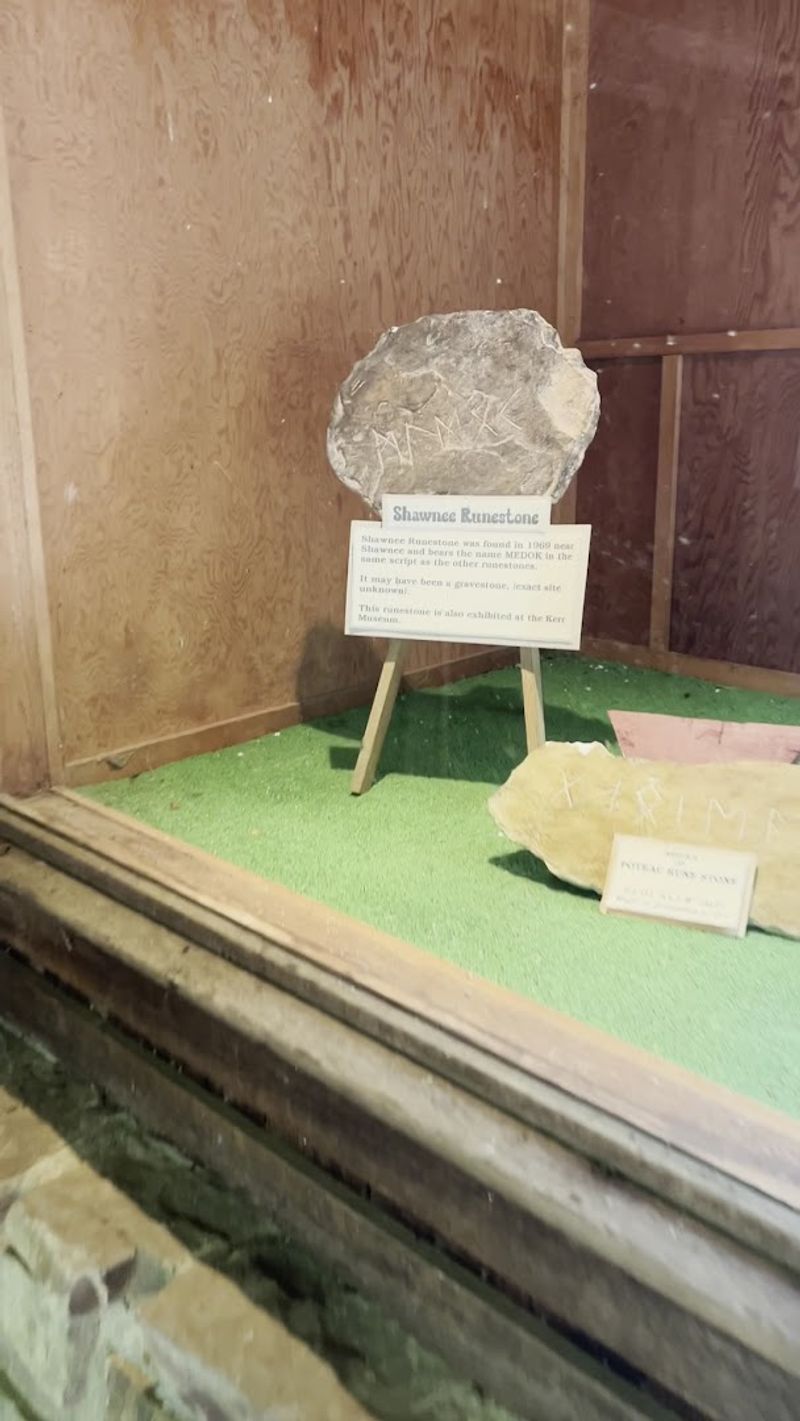
Replicas of other runic stones found in the region are displayed alongside the main exhibit, which helps visitors understand that the Heavener runestone is not a one-off curiosity but part of a broader pattern of unexplained inscriptions scattered across eastern Oklahoma. That regional context makes the whole thing feel more substantial and less like a local legend propped up by wishful thinking.
The staff in and around the visitor center are consistently described as knowledgeable and approachable, ready to walk you through the competing theories without pushing a single agenda. Rangers have been known to share all the plausible explanations, from Norse exploration to medieval traders to more recent carving, and let visitors draw their own conclusions.
That intellectual honesty is refreshing and makes the educational experience feel trustworthy rather than promotional.
Practical Tips for Planning Your Visit
The park is open seven days a week from 9 AM to 5 PM, and admission is free, which puts it in a rare category of genuinely worthwhile no-cost attractions. Arriving early on weekday mornings gives you the best chance of having the trail and the stone shelter mostly to yourself, which is a very different experience from a busy weekend afternoon when families and tour groups fill the canyon.
Wear comfortable shoes with decent grip, because the trail descends into the canyon and the return climb can be slippery after rain. Bringing water is a good habit even though the hike is short, especially in summer when southeastern Oklahoma gets genuinely hot.
The canyon provides shade, but the parking area and upper grounds can be exposed and warm.
Dogs are welcome on leash, which is a plus for visitors traveling with pets. The campground is available for those who want to extend the trip into an overnight stay, and the park phone number, +1 918-653-2241, is the best resource for current camping availability and any special event schedules.
Fall is widely considered the most beautiful season to visit, but the park holds its own charm in every month of the year.
Why This Place Stays With You Long After You Leave
There is a meditation bench near the runestone that gets mentioned repeatedly by visitors, and it captures something true about what the park does to people. The quiet down in that canyon, broken only by birdsong and the occasional drip of water, has a way of slowing your thoughts down to a pace that everyday life rarely allows.
The bench exists because someone understood that this place invites stillness.
The mystery itself plays a role in that lingering quality. Most tourist attractions hand you a complete story with a tidy ending.
The Heavener Runestone gives you an open question and trusts you to sit with it. Who carved those marks into that stone?
How did they get to this specific canyon in what is now Oklahoma? The honest answer is that nobody knows for certain, and that uncertainty is strangely satisfying.
Visitors who have been coming for decades describe the stone as unchanged in a world that never stops shifting, and there is something grounding about that. The park has earned its 4.7-star rating from over a thousand reviews not through spectacle but through sincerity.
It is a place that rewards curiosity, rewards patience, and sends you home with a story worth telling.



