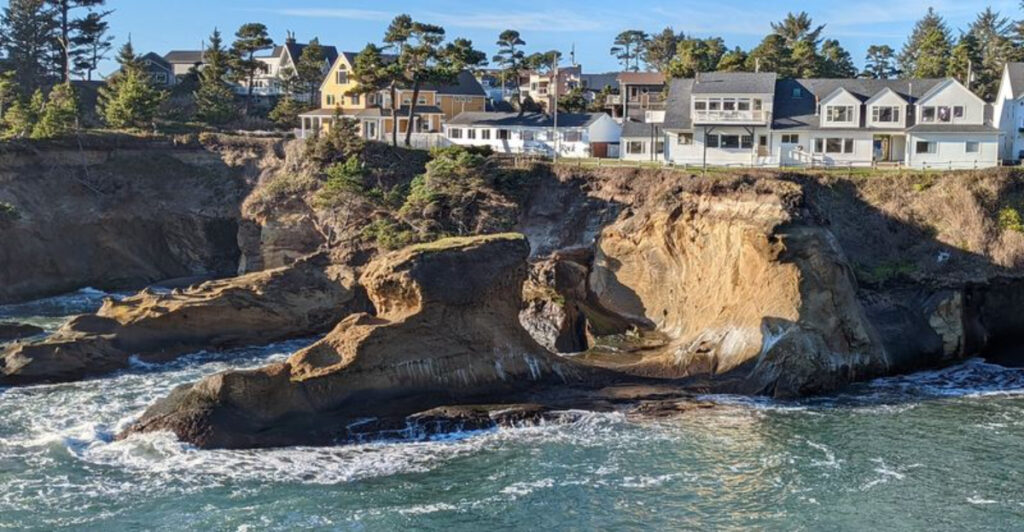
There is a tiny town on the Oregon coast that most people drive right past on their way to somewhere else, and that is honestly their loss. Tucked along U.S.
Route 101, this place holds the title of home to the world’s smallest navigable harbor, a fact that is both quirky and completely true. The Pacific Ocean crashes against its sea walls with enough force to send water shooting into the air like a natural fountain show.
Travelers who slow down long enough to actually stop here discover whale spouts on the horizon, fresh seafood, dramatic cliffs, and a pace of life that feels like a deep breath. For 2026, travel insiders are pointing to this Oregon coast gem as the country’s most rewarding under-the-radar destination, and after spending real time here, I completely understand why.
Welcome to Depoe Bay: The World’s Smallest Navigable Harbor
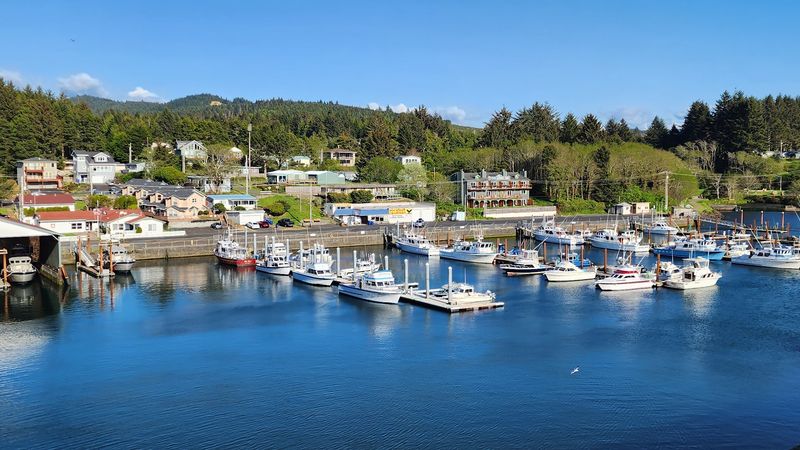
Depoe Bay, Oregon, sits right on U.S. Route 101 in Lincoln County, with its official address listed under Oregon 97341, and it is one of the most surprisingly impressive small towns on the entire West Coast.
The harbor here covers just 6 acres, which sounds almost too small to matter until you watch a charter fishing boat navigate the narrow channel with confident ease.
That channel is only about 50 feet wide at its entrance, and the Pacific swells push through it with real energy, making every departure and return feel like a minor adventure worth watching from the bridge above.
The town itself has a population of around 1,515 people, which means it is genuinely small, not just marketed that way.
Shops, restaurants, and whale-watching outfitters line the main street, all within easy walking distance of each other.
Unlike busier coastal towns in Oregon, there are no traffic jams here, no hour-long waits for tables, and no oversaturated tourist traps pulling your attention in twelve directions.
Depoe Bay earns its reputation quietly, through honest coastal beauty and a harbor that punches well above its size class.
The Spouting Horns: Nature’s Own Water Show
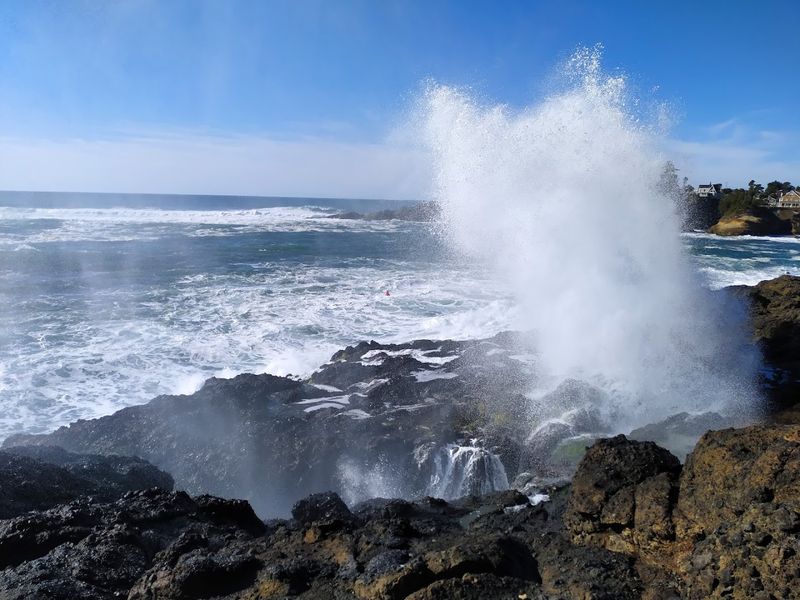
Right along the sea wall in Depoe Bay, the ocean does something that stops nearly every visitor in their tracks.
Natural rock formations called spouting horns channel incoming waves through underground tunnels and then blast water high into the air, sometimes reaching 60 feet on a big swell day.
The sound alone is worth the stop. There is a deep, hollow boom that rolls through the ground before the water shoots upward, and it catches first-time visitors completely off guard in the best possible way.
The viewing area is right along the roadside, so you do not need to hike or plan ahead.
Just park, walk to the railing, and wait for the next big wave to do its thing.
The show changes depending on tide and swell conditions, so no two visits are exactly alike.
Locals check swell forecasts the way surfers do, knowing that a strong northwest swell means the horns will put on a performance that even seasoned coastal travelers find genuinely impressive.
This is the kind of natural spectacle that reminds you why the Oregon coast earned its reputation as one of the most dramatic shorelines in the country.
Whale Watching Capital of the Oregon Coast
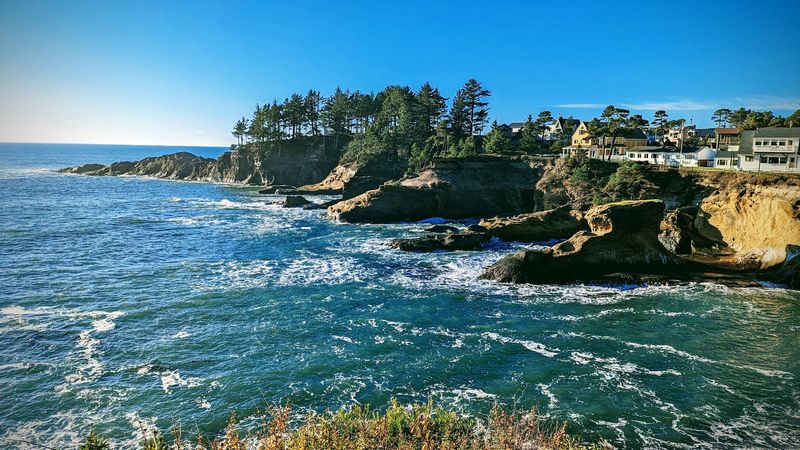
Depoe Bay calls itself the Whale Watching Capital of the Oregon Coast, and that title is not just marketing language.
Gray whales pass through on their annual migration between December and June, and a resident population of around 200 whales stays in the area year-round, feeding in the nearshore waters just off the headlands.
Charter boats leave directly from the tiny harbor, and because the whales feed so close to shore, trips are short and sightings are remarkably reliable compared to whale watching operations in much larger ports.
I went out on a morning charter and spotted three gray whales within the first 20 minutes, close enough to hear them exhale.
The Oregon Parks and Recreation Department also runs a free Whale Watching Spoken Here program during peak migration weeks, with trained volunteers stationed at the sea wall to help visitors spot spouts from land.
Even without binoculars, the whales are often visible from the roadside overlook.
It is the kind of wildlife encounter that feels rare but is actually quite accessible here, which is a big part of why Depoe Bay is drawing serious attention heading into 2026.
The Sea Wall Walk and Coastal Views
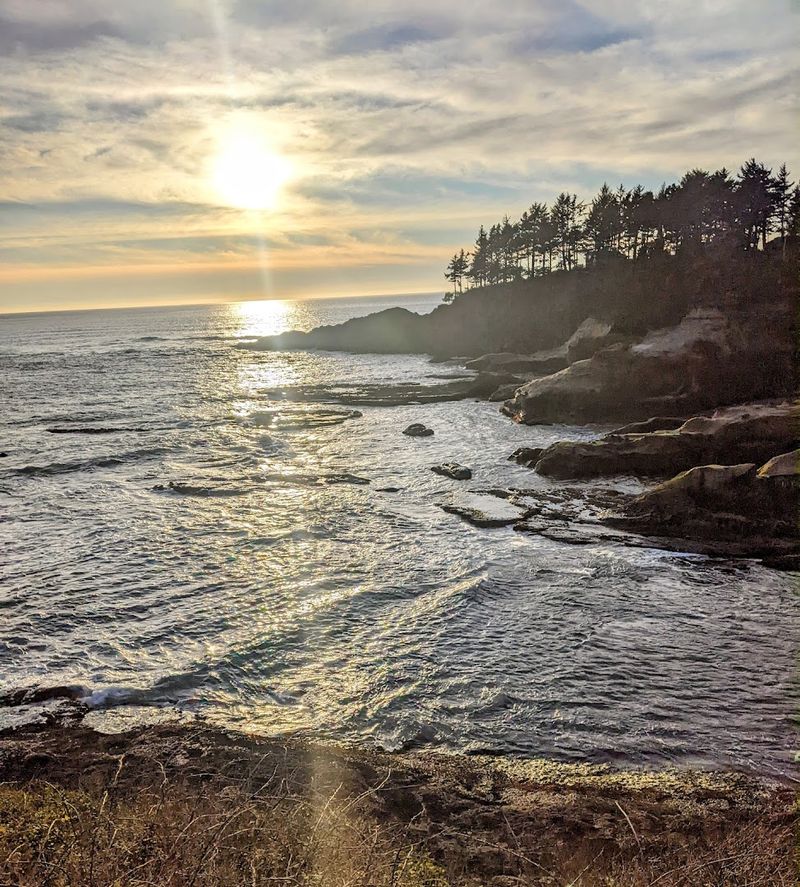
The sea wall that runs through the center of Depoe Bay is one of the most underrated short walks on the entire Oregon coast.
Built in the 1920s and reinforced over the years, it stretches along Highway 101 and puts you about three feet away from the full force of the Pacific Ocean with nothing but a concrete railing between you and the spray.
On calm days, the walk is peaceful and scenic, with views stretching north and south along rugged, cliff-lined coastline.
On stormy days, it becomes something else entirely. Waves crash over the wall, the air fills with salt mist, and the whole experience turns into something raw and genuinely thrilling without requiring any special gear or physical effort.
Storm watching is a real activity on the Oregon coast, and Depoe Bay is one of the best spots for it.
Visitors from inland states, including many who have driven up from Oregon’s neighbors like California, Washington, and even as far as Oklahoma, often say the sea wall walk was the single moment that made the trip feel real.
A short stretch of pavement, and suddenly the ocean is completely personal.
Fresh Seafood and Local Dining Worth the Drive
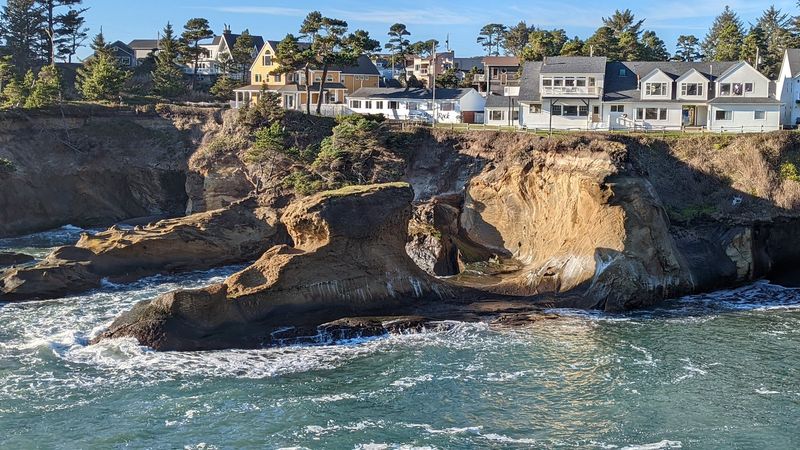
The food situation in Depoe Bay is straightforward and satisfying in a way that does not require a reservation three weeks out or a dress code.
Seafood is the main event, and the proximity to working fishing boats means the catch is as fresh as it gets on the West Coast.
Clam chowder is practically a local currency here. The thick, creamy version served in sourdough bread bowls at several spots along the main drag is the kind of thing you think about on the drive home.
Dungeness crab, fresh halibut, and fish tacos made with that morning’s catch show up on menus throughout town, and the portions are honest without being theatrical.
The dining scene is casual and welcoming, with a mix of longtime locals, road-tripping families, and travelers who have specifically sought this town out after reading about it online.
A few shops also sell fresh fish to go, which is perfect if you have rented a vacation home nearby and want to cook for yourself.
The overall vibe is less about impressing anyone and more about feeding people well, which is exactly the right priority for a town this size.
Boiler Bay State Scenic Viewpoint: A Short Drive North
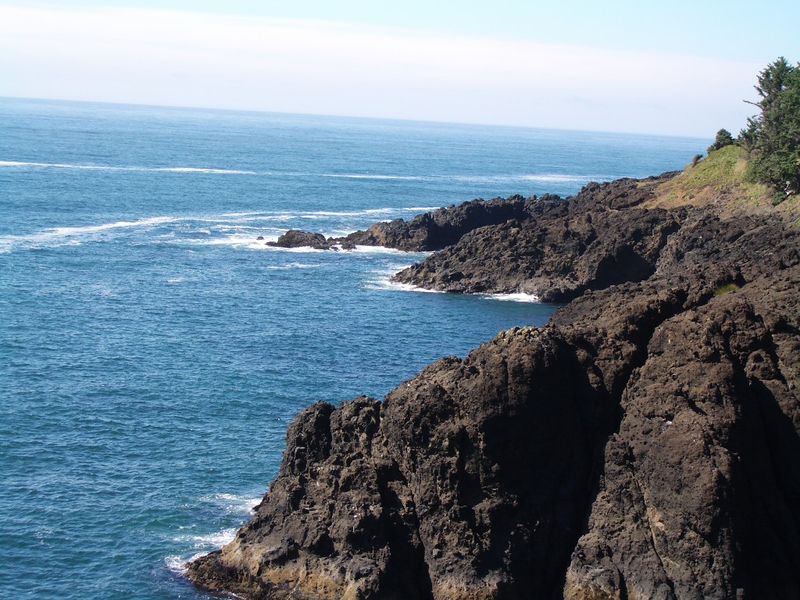
About a mile north of the harbor, Boiler Bay State Scenic Viewpoint gives you one of the most dramatic coastal panoramas in Lincoln County without requiring anything more than pulling off the highway.
The bay is named after the boiler of a steam schooner called the J. Marhoffer, which caught fire offshore in 1910, and the boiler itself is still visible at low tide if you know where to look.
The viewpoint sits on a basalt headland above the surf, and the combination of rock formations, surging water, and open ocean views makes it a genuinely rewarding stop.
Tufted puffins, cormorants, and harbor seals are frequently spotted from the overlook, especially during spring and early summer.
The area is also popular with surf anglers who fish from the rocks below during low tide.
I spent about 45 minutes here just watching the waves work on the rocks, which sounds uneventful until you actually do it and realize how satisfying it is.
Boiler Bay is the kind of side stop that turns a quick coastal drive into something that stays with you, and it pairs perfectly with a morning spent at the Depoe Bay harbor just down the road.
Rocky Creek State Scenic Viewpoint and Sunset Watching
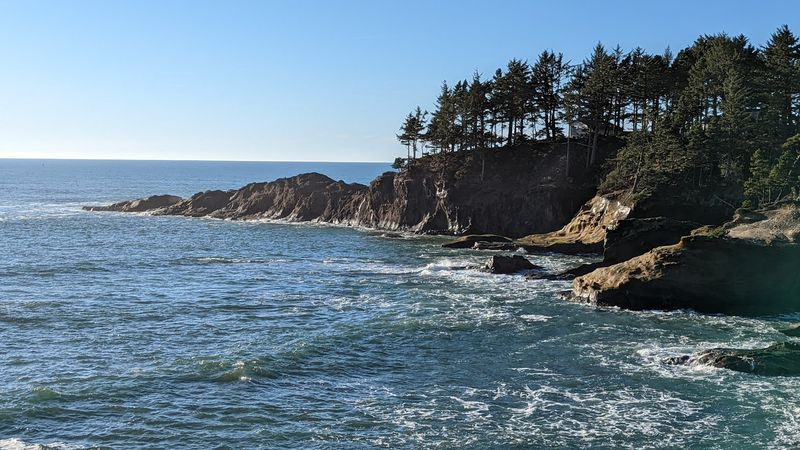
A short drive south of town, Rocky Creek State Scenic Viewpoint is the kind of place that rewards visitors who do a little exploring beyond the main harbor area.
The viewpoint offers sweeping ocean views from a grassy bluff, and the creek itself flows into a small cove below, creating a layered landscape of green headland, dark rock, and blue-gray Pacific water.
Sunset here is legitimately spectacular on clear evenings. The sun drops behind the horizon line with nothing in the way, and the sky goes through a full color sequence that feels almost too vivid to be real.
Picnic tables are available, and the area is relaxed and uncrowded even during summer weekends, which is a rarity on the Oregon coast.
Travelers who grew up visiting coastal destinations in states like Oklahoma, far from any ocean, often describe moments like this as the reason they keep coming back to the Pacific Northwest.
The combination of easy access, natural beauty, and genuine quiet makes Rocky Creek one of the most satisfying spots near Depoe Bay for people who want to slow down and actually absorb where they are.
A short trail winds along the bluff, and the walking is easy enough for any fitness level.
Charter Fishing and the Working Harbor Culture
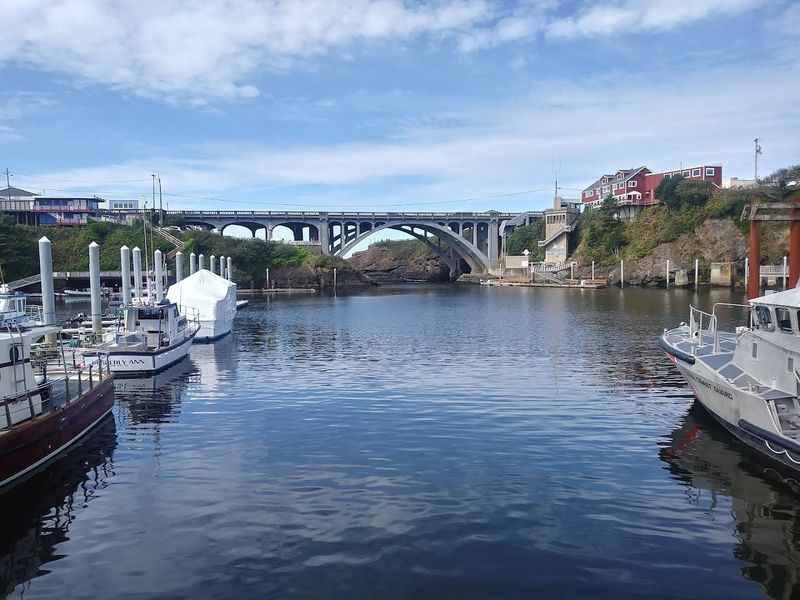
The fishing culture in Depoe Bay is real, not performative, and spending time around the harbor makes that clear quickly.
Charter boats run trips for rockfish, lingcod, halibut, and albacore tuna depending on the season, and the operators here have been working these waters for generations.
The harbor entrance, that narrow 50-foot channel, creates a natural drama every time a boat comes or goes. Watching a captain thread a vessel through that gap while swells push in from the open ocean is an education in seamanship all by itself.
Fishing trips are available for all experience levels, and most charters provide gear, bait, and basic instruction for first-timers.
The fishing community here has a matter-of-fact pride about their work that is refreshing in an era when so many coastal towns have traded their working waterfronts for boutique hotels and souvenir shops.
Depoe Bay has kept its identity as a real fishing port, and that authenticity is a big part of what makes it feel different from more developed destinations on the coast.
The smell of salt, diesel, and fresh catch around the docks is, in the most honest way, one of the best things about being here.
Why Depoe Bay Is the Right Destination for 2026 and Beyond
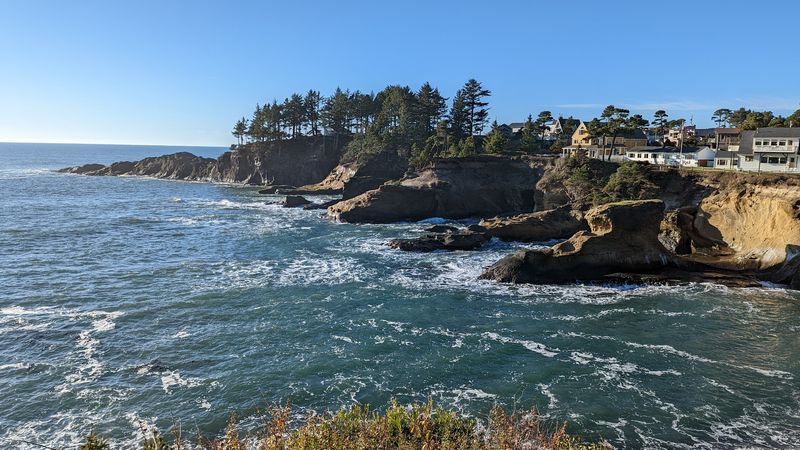
Travel trends shift quickly, and the places that feel genuinely special are the ones that have not been changed by the attention they receive.
Depoe Bay is still firmly in that category. The town has not been overdeveloped, the locals are not burned out on visitors, and the natural features that make it worth visiting are as powerful as they have always been.
Travelers from across the country, including road-trippers coming up from California and families driving west from landlocked states like Oklahoma, are increasingly routing their trips through Depoe Bay on purpose rather than by accident.
The combination of the world’s smallest navigable harbor, reliable whale sightings, dramatic spouting horns, accessible scenic viewpoints, and honest seafood creates a destination that delivers on multiple levels without requiring a large budget or extensive planning.
For visitors who come from places like Oklahoma and have never experienced the Oregon coast, Depoe Bay works as a perfect introduction because it is concentrated and walkable.
Everything meaningful here is within a short distance, which means less time in a car and more time actually experiencing the place.
The Oregon coast has always been worth the trip, and Depoe Bay is the best argument for making that trip sooner rather than later.
Share this story