Charlestown, Rhode Island is not the kind of place that usually makes headlines. But tucked along the southern shore of the state, there is a 900-acre wildlife refuge that somehow manages to combine World War II military history, a thriving coastal ecosystem, and massive wooden troll sculptures all in one place.
That unusual combination has been drawing curious travelers, birdwatchers, and history buffs for years. The refuge sits on land that was once an active naval air station, and portions of the original runway are still there beneath your feet as you walk the trails.
Add in salt pond views, honeysuckle-lined paths, and the occasional blue heron gliding overhead, and you have one of the more surprising outdoor destinations in New England. This is the story of Ninigret National Wildlife Refuge, and it is far more layered than it looks from the road.
A Military Past Hiding in Plain Sight
Before it became a wildlife refuge, this land had a very different purpose. The site served as a naval air station during World War II, and the history embedded in the ground here is not just a footnote.
WWII pilots used the airstrip to practice night landings and water landings, and the Charleytown Trail follows what was once the actual tarmac.
Some sections of the old runway are still visible and walkable today. The pavement has aged and cracked over the decades, but its outline is unmistakable once you know what you are looking at.
One detail that often surprises people: President George H.W. Bush trained at this very site as a young naval aviator.
That single fact turns a pleasant trail walk into something that carries a bit more historical weight. The land was later donated to the refuge by the Department of Defense, which explains its unusual shape and layout.
The Giant Trolls That Nobody Saw Coming
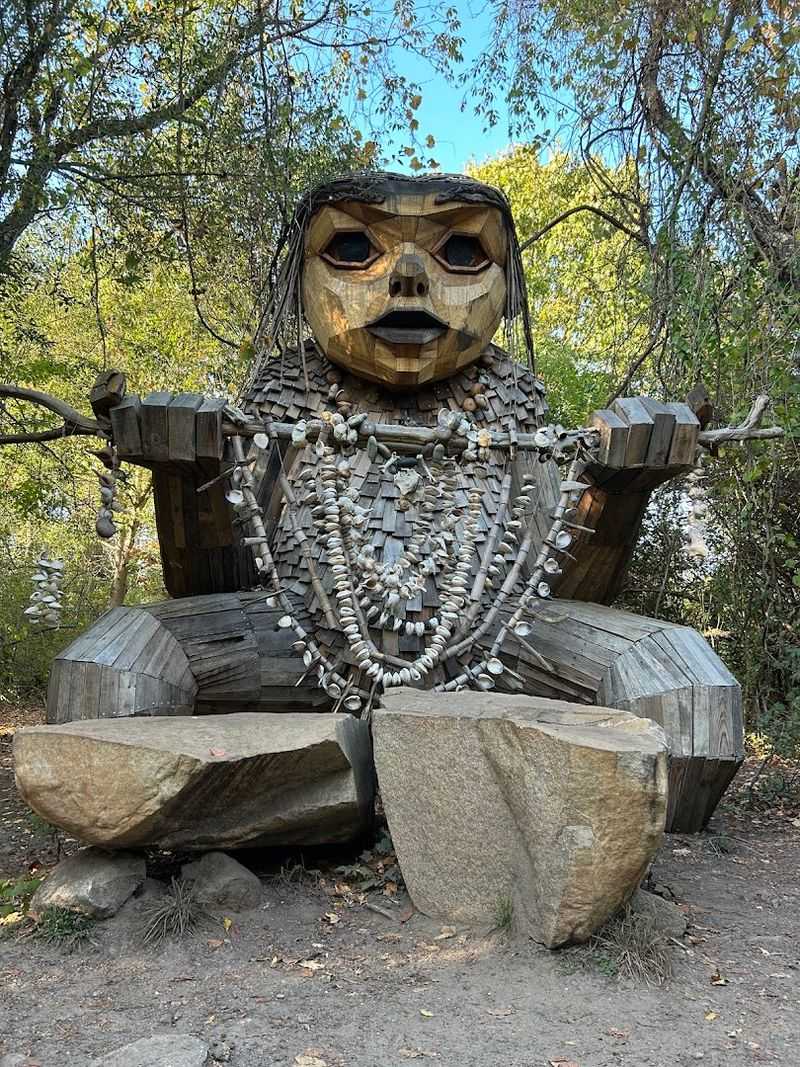
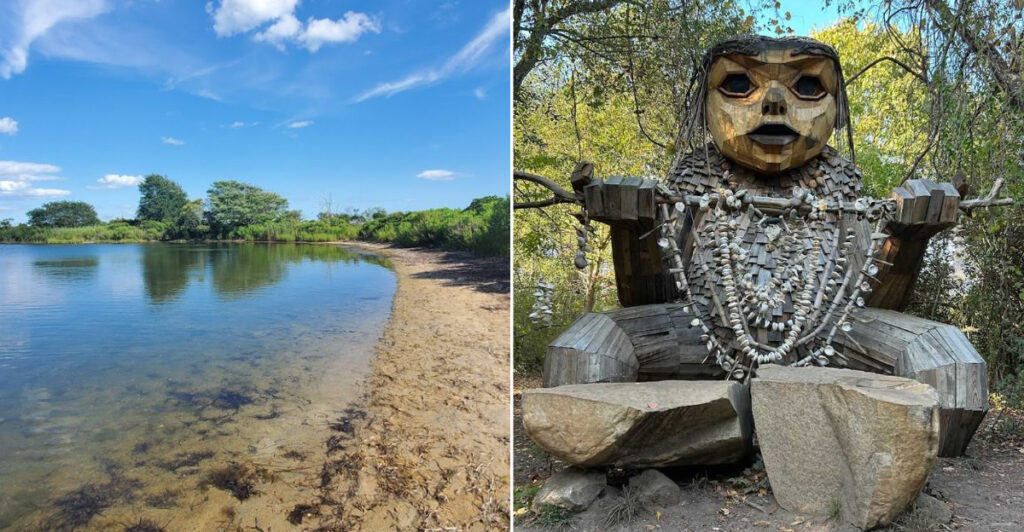
Of all the things you might expect to find at a coastal wildlife refuge, giant wooden troll sculptures probably rank somewhere near the bottom of the list. Yet here they are, and they have become one of the most talked-about features of the refuge in recent years.
The troll sculptures are created by Danish artist Thomas Dambo, who builds his large-scale figures from reclaimed and natural materials. Each troll is designed to blend into its forest surroundings while still being large enough to stop people mid-trail.
The result is something between public art installation and woodland discovery.
The sculptures have drawn a noticeably different crowd to the refuge, including families and art enthusiasts who might not have visited otherwise. The important thing is that the trolls serve as an entry point, and once people arrive to see the art, many end up exploring the wildlife and trails that make this place genuinely worth the trip.
900 Acres of Coastal Wetland Worth Understanding
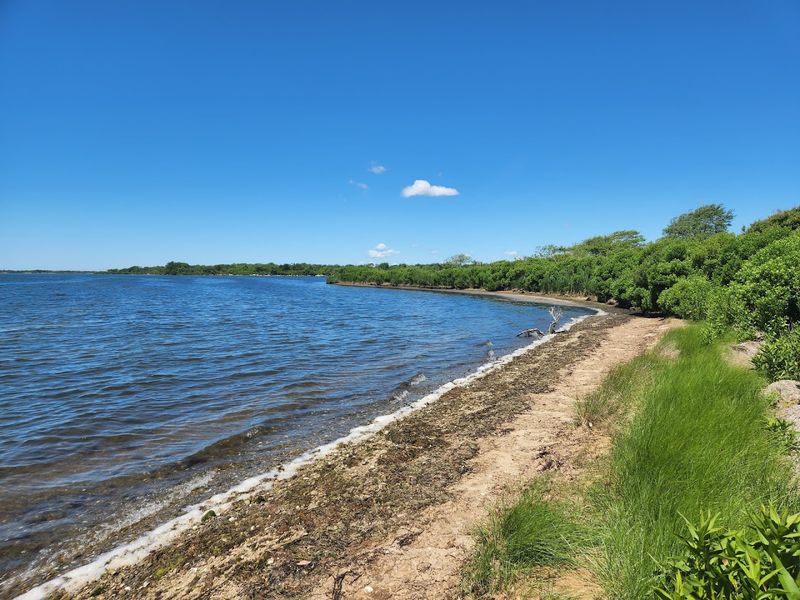
The sheer size of Ninigret National Wildlife Refuge is easy to underestimate from the road. At 900 acres, the refuge encompasses a broad mix of habitat types, including wetlands, coastal grasslands, shrubland, and forested areas, all bordering the long, narrow stretch of Ninigret Pond.
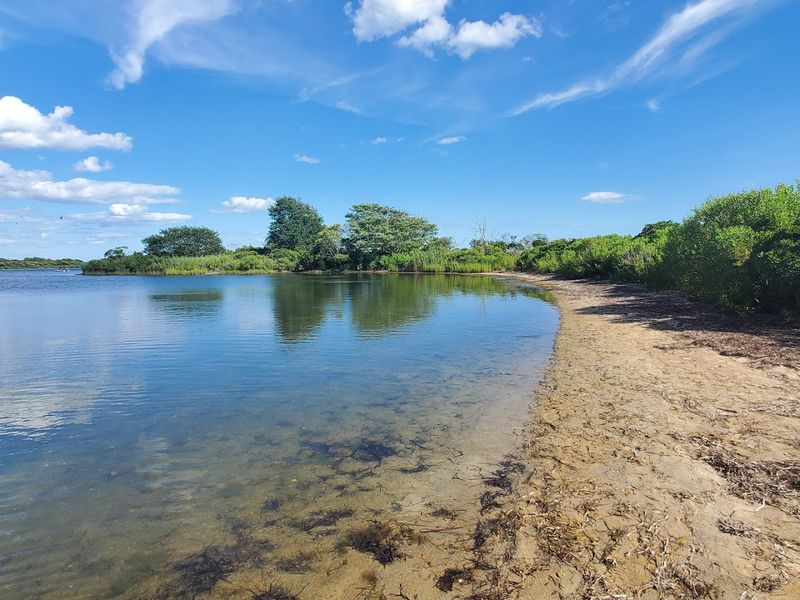
Ninigret Pond is one of the largest coastal salt ponds in Rhode Island. It supports a wide range of marine and bird life, and two of the refuge trails lead directly down to the water’s edge, offering clear views across the pond toward the barrier beach beyond.
The wetland areas within the refuge play an important role in filtering water and providing habitat for migratory species. The U.S.
Fish and Wildlife Service actively manages the land to maintain this ecological balance. For anyone curious about how coastal ecosystems actually function, a walk through the refuge provides a close-up look that no nature documentary can fully replicate.
Birdwatching That Delivers Real Results
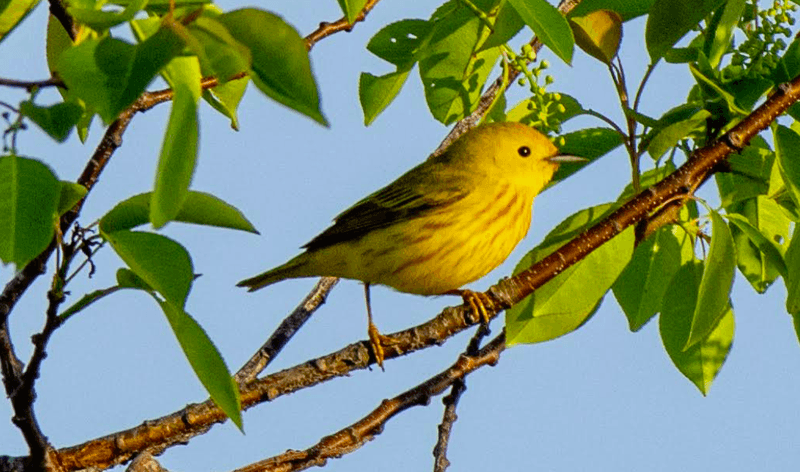
Ninigret National Wildlife Refuge has a well-earned reputation among birdwatchers in southern New England. The combination of salt pond, wetland, and open grassland creates the kind of layered habitat that attracts a wide variety of species throughout the year.
Blue herons are a common sighting near the water’s edge. Least sandpipers work the shoreline during migration, and cormorants are frequently spotted on the pond.
Monarch butterflies also pass through the refuge during their fall migration, adding another layer of wildlife activity to the trails.
The Grassy Point area at the end of one of the main trails is considered a standout location for bird photography. The open sight lines and proximity to the water make it easier to observe and photograph birds without heavy vegetation blocking the view.
Bringing a pair of binoculars is strongly recommended, and arriving early in the morning tends to produce the most active wildlife activity before foot traffic increases.
The Trails and What to Actually Expect
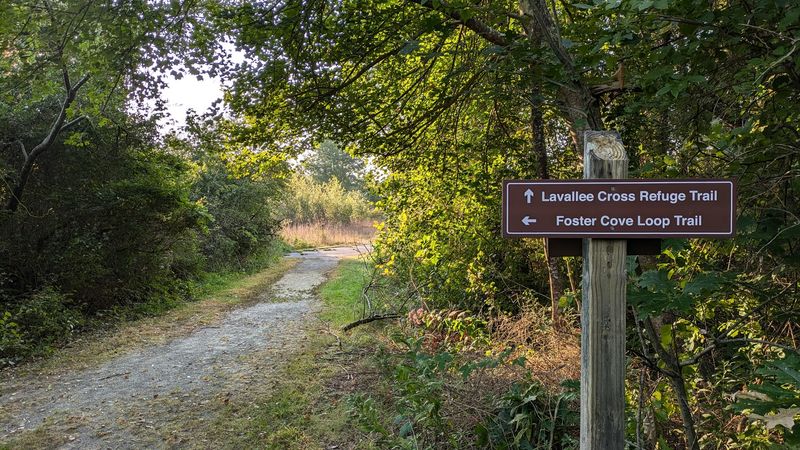
The trail system at Ninigret covers roughly 3.6 miles in a loop configuration, with several shorter branching paths that lead toward the pond or through different habitat zones. The terrain is consistently flat, which makes it accessible to most fitness levels and age groups.
Trail surfaces vary depending on where you are walking. Some sections are paved, which reflects the site’s former use as an airstrip.
Other sections are gravel or packed dirt. The overall condition of the trails is well maintained, with clear signage at key junctions.
One practical note worth knowing: the refuge enforces rules against jogging, biking, and dogs on the hiking trails. These are not arbitrary restrictions.
The refuge exists primarily to protect wildlife, and minimizing disturbance is central to that mission. There is a separate dog park area nearby for those traveling with pets.
Arriving with the right expectations makes the experience more enjoyable for everyone on the trail.
What the Old Runway Feels Like Underfoot
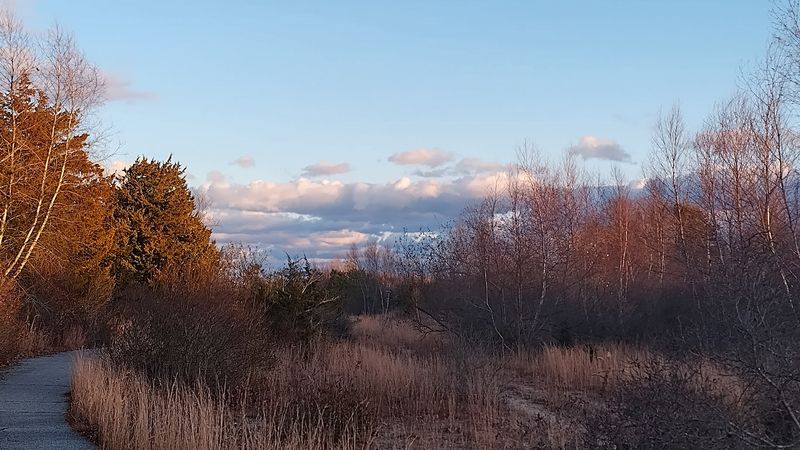
Walking the Charleytown Trail, there is a distinct moment when the path shifts from gravel to something firmer and older. That is the original runway surface from the naval air station, and it is one of the more quietly remarkable things about this refuge.
The pavement is aged, with cracks running through it and patches of vegetation pushing up through the surface. It does not look like much at first glance, but knowing the history underneath changes the experience.
Pilots trained here during wartime. The same stretch of ground that now hosts birdwatchers and troll-seekers once saw military aircraft lifting off at night over the Rhode Island coast.
Some visitors come specifically hoping to find dramatic ruins or preserved structures, and the site does not offer that. What remains is subtle rather than spectacular.
But for those who appreciate understated history, the worn tarmac beneath their feet carries more meaning than any reconstructed exhibit could.
Seasonal Timing and When to Plan Your Visit
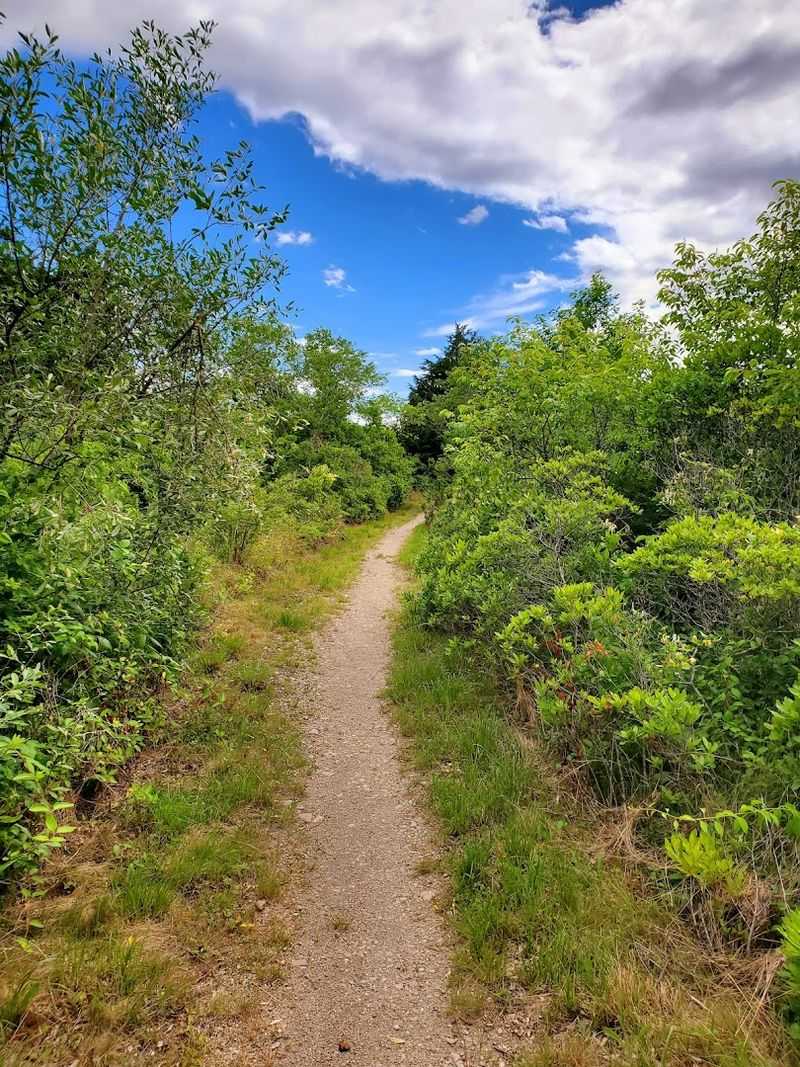
The refuge is open year-round, but the experience changes significantly depending on the season. Spring and fall are widely considered the best times to visit, largely because the weather is mild and the insect activity is far more manageable than in the summer months.
Summer visits are possible and popular, but come prepared. Mosquitoes and biting insects can be intense along the wetter sections of the trail, particularly in July and August.
Bug spray is not optional during those months. Early morning arrivals help somewhat, but the insects are persistent near the pond edges regardless of the time of day.
Winter offers a completely different kind of visit. The trails are quiet and mostly empty, and the refuge has been used for cross-country skiing when conditions allow.
The lack of foliage in winter actually improves visibility for birdwatching in certain areas. Each season brings something different, which is part of why regular visitors tend to come back more than once a year.
Ninigret Pond and the Water Access Points
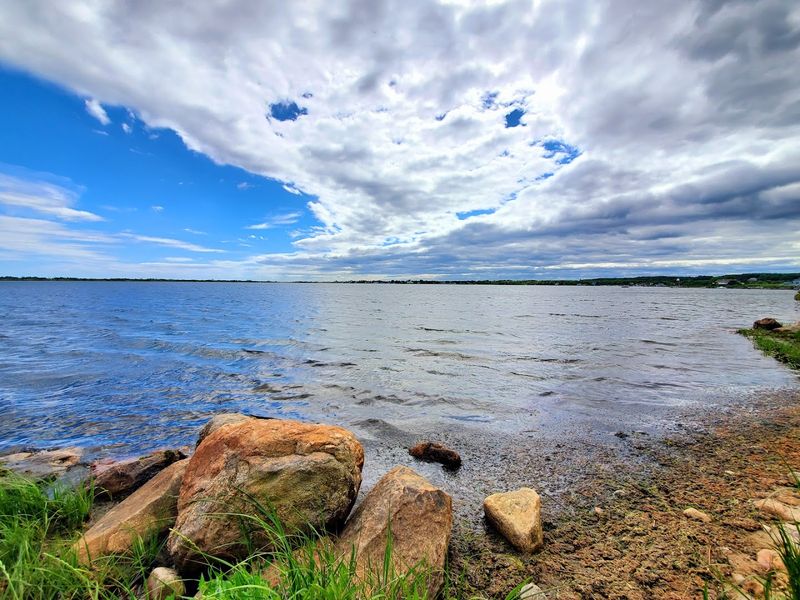
Two of the refuge trails lead directly to the shore of Ninigret Pond, and those endpoints are among the most rewarding destinations within the entire trail system. The pond stretches along the southern edge of the refuge, separated from the Atlantic Ocean by a narrow barrier beach.
The water access points are not beaches in the traditional sense. There is no sand swimming area or lifeguard station.
What the pond offers is a calm, open stretch of water with good fishing potential and clear views toward the barrier beach and open sky beyond.
Fishing is a popular activity at these access points, and the pond supports a range of species that attract anglers throughout the warmer months. The combination of flat trail access and waterfront arrival makes these spots particularly well-suited for a relaxed afternoon outing.
The walk to the pond from either parking area is straightforward and takes roughly 20 to 30 minutes at a comfortable pace.
The Kettle Pond Visitor Center Across Route 1
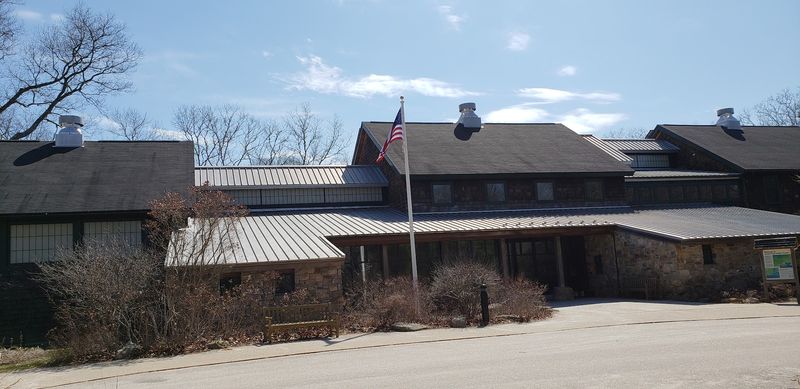
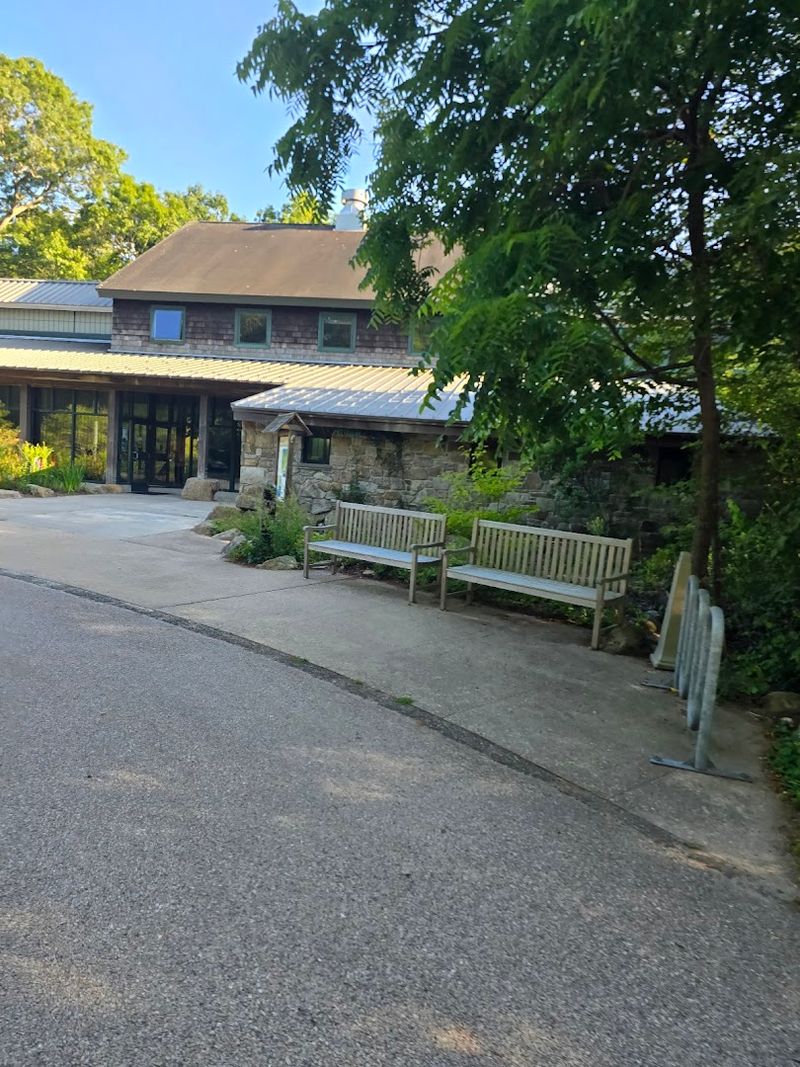
Directly across Route 1 from the refuge sits the Kettle Pond Visitor Center, which is operated by the U.S. Fish and Wildlife Service as part of the broader Rhode Island National Wildlife Refuge Complex.
It is a separate facility from the refuge itself but functions as a natural companion stop.
The visitor center provides educational exhibits about the coastal ecosystems of southern Rhode Island, including information about the wildlife, plants, and conservation history of the region. Staff are available to answer questions and provide trail maps and guidance for first-time visitors to the refuge.
For anyone making a dedicated trip to Ninigret, stopping at the visitor center first is a practical move. It adds context to everything seen on the trails and helps visitors understand what they are looking at when they spot specific bird species or habitat features.
The center is free to enter and worth the short detour, even if the visit is brief.
Honeysuckle, Grasslands, and the Trail Atmosphere
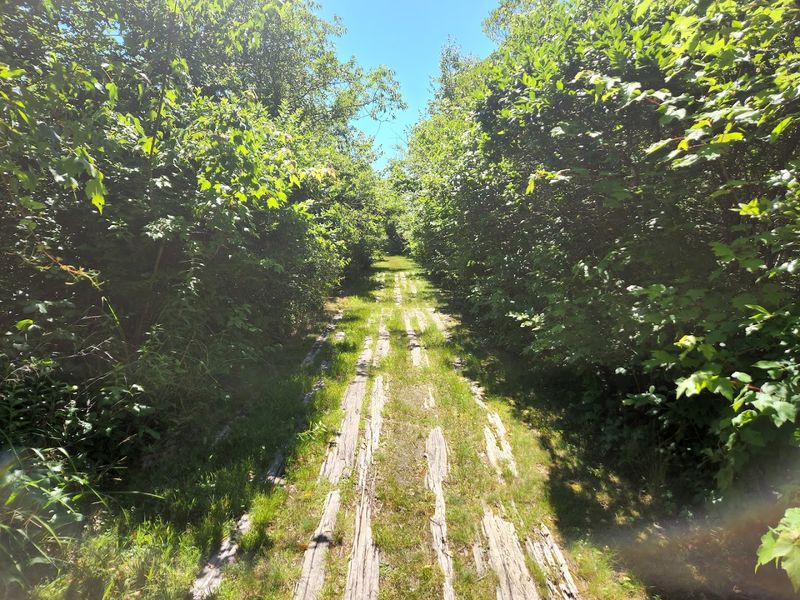
Parts of the loop trail at Ninigret pass through stretches lined with honeysuckle bushes, which fill in the edges of the path and give certain sections of the walk a distinctly lush, enclosed character. The contrast between those areas and the open grassland sections creates a varied rhythm to the walk.
The grassland portions of the trail offer wide, unobstructed views in multiple directions. The sky opens up noticeably in those sections, and the flat terrain means you can see a long distance across the refuge without trees blocking the sight lines.
The overall atmosphere of the trail is unhurried. Even on busier days, the trail network is spread out enough that it rarely feels crowded.
Most visitors report encountering only a handful of other people during their walks, which contributes to the quiet, open quality that makes the refuge feel genuinely removed from the surrounding coastal town activity just beyond its borders.
Rules, Etiquette, and Respecting the Refuge
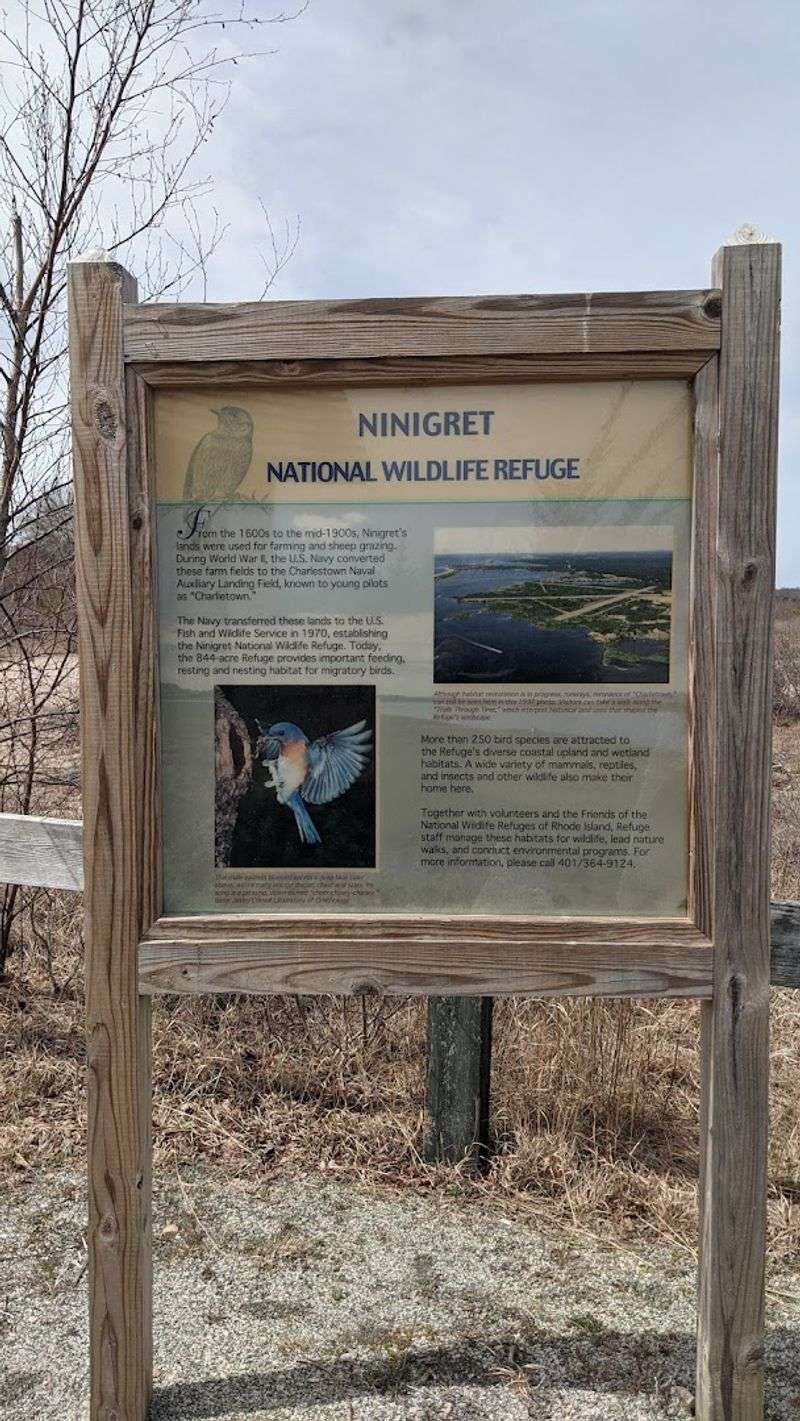
Ninigret operates under a clear set of rules that distinguish it from a standard public park. No jogging, no biking, and no dogs are permitted on the hiking trails.
These are federally enforced guidelines that apply to all national wildlife refuges under U.S. Fish and Wildlife Service management.
Despite the posted rules, some visitors have been observed walking dogs or biking on the trails. The rules exist specifically to reduce disturbance to nesting birds and other wildlife that depend on the refuge for undisturbed habitat.
A startled great blue heron or a disrupted shorebird nesting area represents a real ecological cost, not just an inconvenience.
There is a separate dog park in the adjacent Ninigret Park area for those who want to bring their pets along. Keeping the wildlife refuge itself free from those disturbances is what allows the bird and wildlife populations to remain as active and accessible as they are for everyone who visits responsibly.
Planning a Visit: Practical Details Worth Knowing
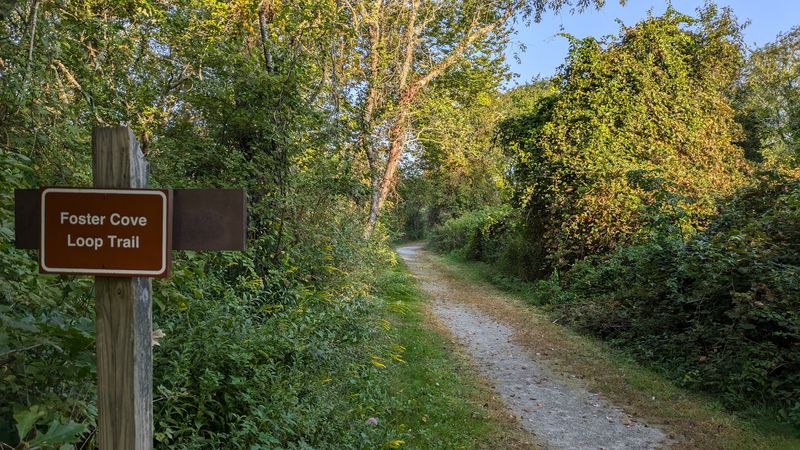
The West Entrance to Ninigret has the larger parking lot and is the more commonly used starting point for trail walks. It does not have restroom facilities.
The only restroom on the refuge is located near the East Entrance and is a composting toilet that is regularly maintained.
There is no admission fee to enter the refuge. The trails are open during daylight hours, and the refuge is accessible throughout the year.
Nearby accommodations include several motels along Route 1 in Charlestown, with at least one property within walking distance of the West Entrance.
Bug spray is a practical necessity for summer visits. Binoculars improve the birdwatching experience significantly.
Comfortable walking shoes are sufficient for all trails given the flat terrain. A visit to the Kettle Pond Visitor Center across Route 1 before hitting the trails adds useful context.
The refuge is free, well-maintained, and genuinely worth more time than most first-time visitors set aside for it.
Where Exactly Is This Place and How Do You Get There
Ninigret National Wildlife Refuge is located in Charlestown, RI 02813, along the southern Rhode Island shoreline near Ninigret Pond. The refuge sits just off Route 1 and is managed by the U.S.
Fish and Wildlife Service, with its official website at fws.gov/refuge/ninigret.
There are two separate entrances to the refuge, each with its own parking area. The West Entrance has a larger parking lot but no restroom facilities.
The East Entrance has a composting toilet that is kept in good condition.
The adjacent Ninigret Park, which is a separate town-run facility, shares a border with the refuge but has a completely different entrance and parking area. That park includes tennis courts, ball fields, and a nature center.
Knowing which entrance to use before arrival saves time and confusion, especially for first-time visitors making the trip from out of town.
Share this story