 Unearth The Voyage
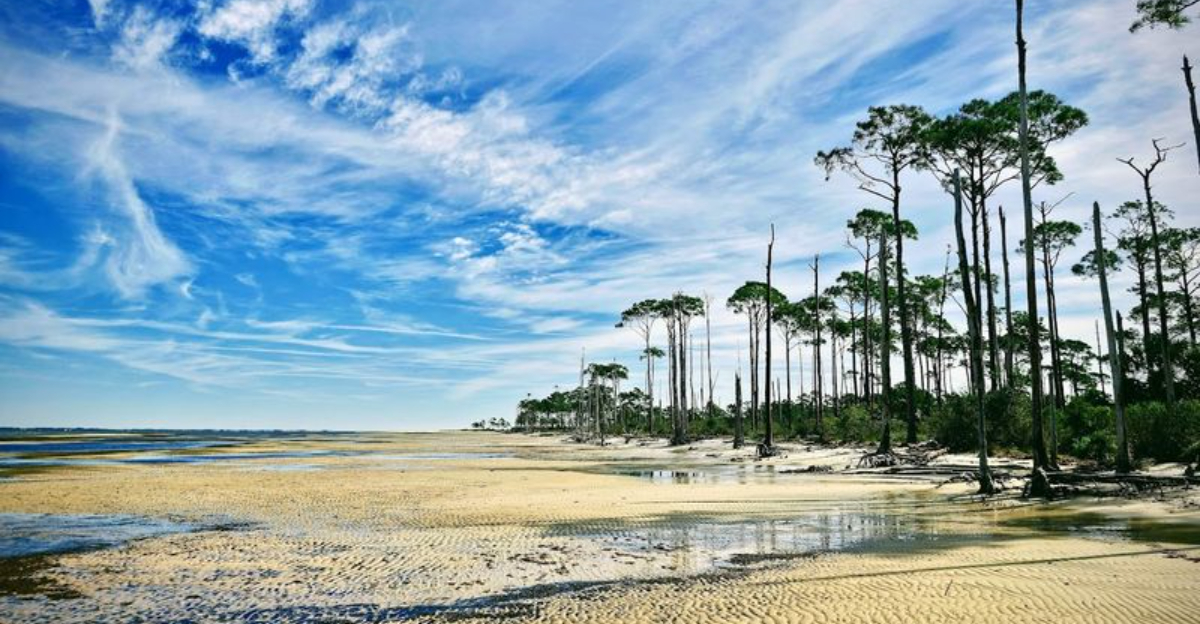
There is a stretch of Florida coastline so quiet, so untouched, and so genuinely beautiful that it almost feels like a secret the rest of the state has been keeping. White sand that squeaks underfoot, Gulf water so clear you can count the shells on the bottom, and a sky so dark at night that the stars look close enough to touch.
This is the kind of place where your phone loses its grip on you and nature takes over completely. Keep reading, because what this remote state park has to offer goes far beyond just a pretty beach.
Where the Park Begins: Address, Location, and First Impressions
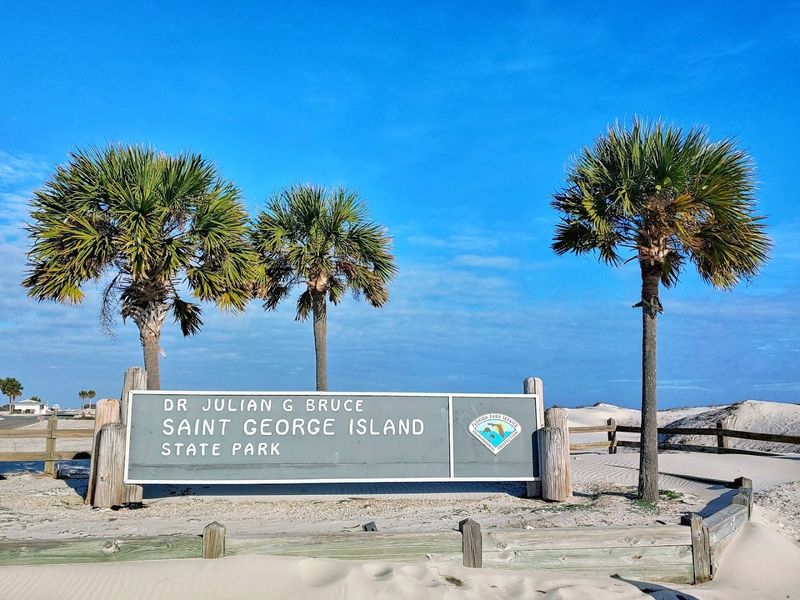
The drive itself is part of the experience. Dr. Julian G.
Bruce St. George Island State Park sits at 1900 E Gulf Beach Dr, St George Island, tucked at the eastern tip of a barrier island off Florida’s Forgotten Coast.
Getting there means crossing a long bridge over Apalachicola Bay, watching the water open up on both sides as the island comes into view. The road narrows, the trees get thicker, and the world outside gets quieter with every mile.
When I finally pulled up to the park gate, the ranger greeted me with a genuine smile and handed over a trail map. Right away, the concrete near the restrooms caught my eye: sea animal shapes stamped right into the surface.
It was a small detail, but it set the tone perfectly for everything that followed inside this beautiful park.
The Gulf Beach: White Sand and Water That Barely Looks Real
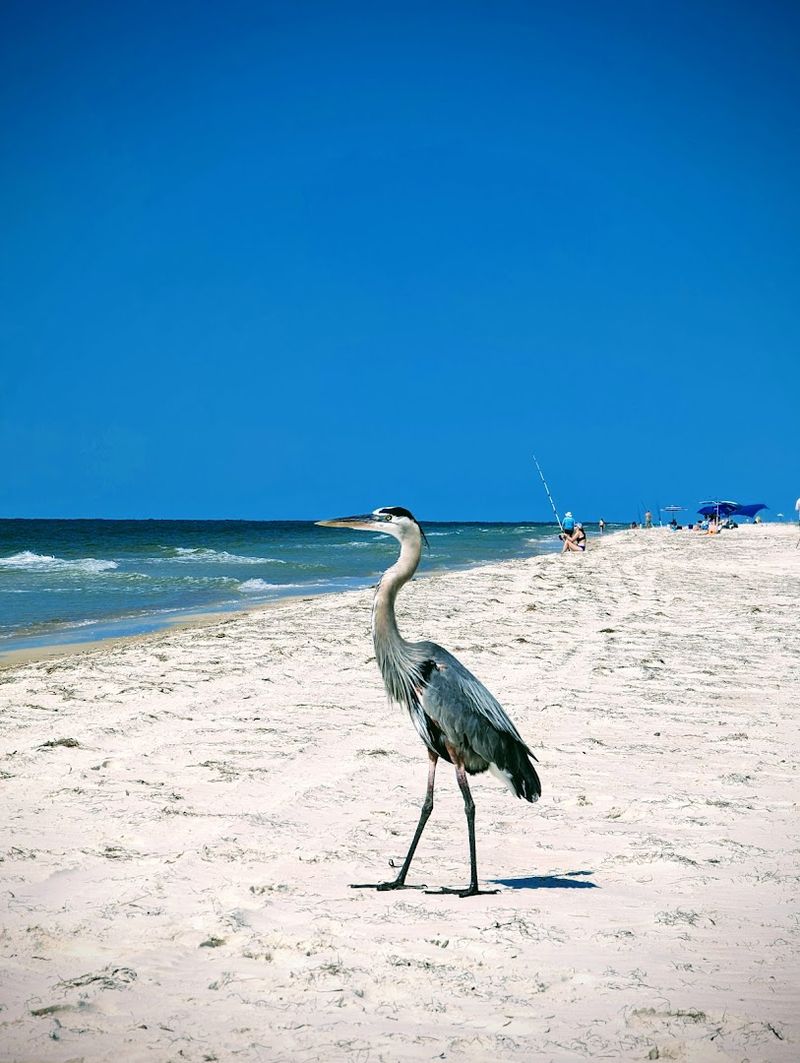
Some beaches look better in photos than in person. This one is the opposite.
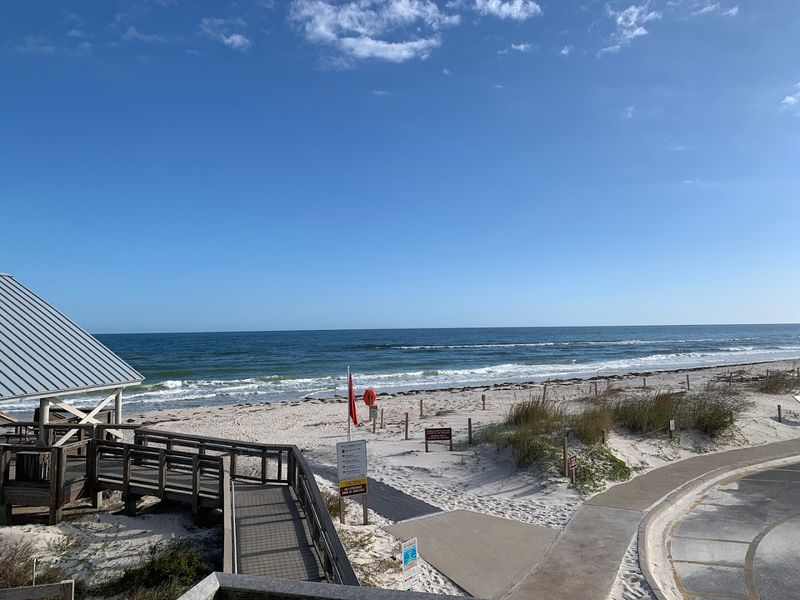
The sand here is so fine and so brilliantly white that it almost hurts to look at on a sunny afternoon.
The Gulf water shifts between shades of blue and green depending on the light, and it stays remarkably clear even in the shallows. On the day I visited, I could see a stingray gliding along the bottom without even squinting.
The beach stretches far enough that walking a short distance in either direction gives you a stretch of shoreline almost entirely to yourself. Even on a busy weekend, the space never felt crowded.
A shallow section near the shore is calm enough for toddlers to splash around safely, making it a practical choice for families who want beauty without the stress of rough surf.
The Campground: Privacy, Trees, and a Setup That Actually Works
Not every campground earns its reputation, but this one delivers. The sites are laid out so that trees and shrubs naturally separate one from the next, giving each spot a sense of privacy that most campgrounds charge extra for and still fail to provide.
Each site comes with posts fitted with rings specifically designed for hanging hammocks, which is a detail I had never seen before and immediately appreciated. Water and electric hookups are available, firewood and ice can be purchased on-site, and a dump station is ready for RV travelers.
Tent campers should know that the ground leans more toward packed rock than soft grass, so bring a good pad. The campground sits a short walk from the beach, and the trails that branch out from the sites make morning runs and evening strolls genuinely enjoyable.
It is rustic in the best possible way.
Nature Trails: More Than Two Miles of Coastal Wilderness to Explore
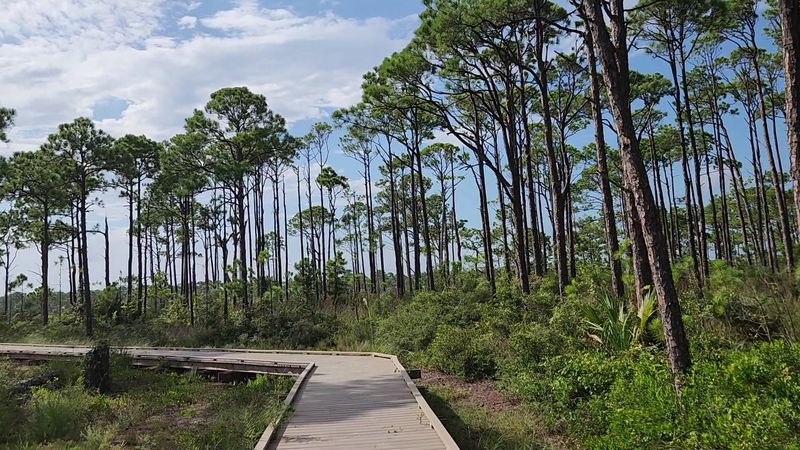
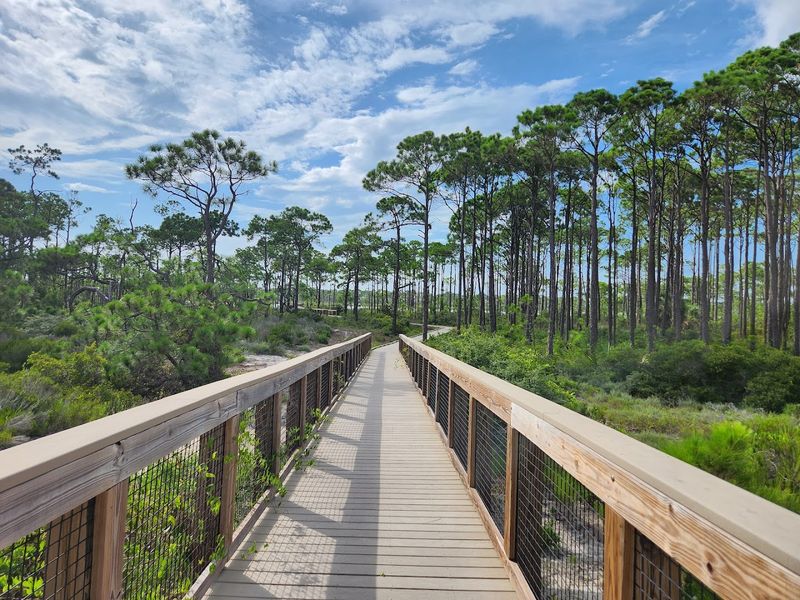
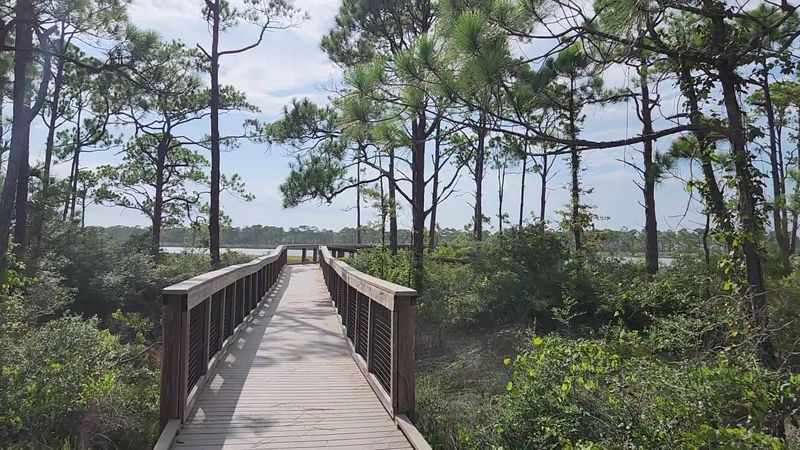
The trail network here surprised me. A nature and fitness trail leaves directly from the campground and winds through more than two miles of coastal scrub, pine flatwoods, and bayshore habitat.
The variety of plant life along the path is striking, from wildflowers and native grasses to dense thickets that feel genuinely wild. The trail leading to the bayside is a particular favorite, ending near a bench where the water view and the sound of birds in the early morning make a compelling case for waking up early.
Bikers and runners use the trails regularly, and the paths are well-maintained enough to handle both comfortably. The trails also connect to open areas where wildlife sightings are common.
Just stay on the marked paths, because sandspurs grow thick in the surrounding vegetation and they are not forgiving on bare ankles or paws.
Wildlife Watching: Birds, Dolphins, Stingrays, and a Sea Turtle Release
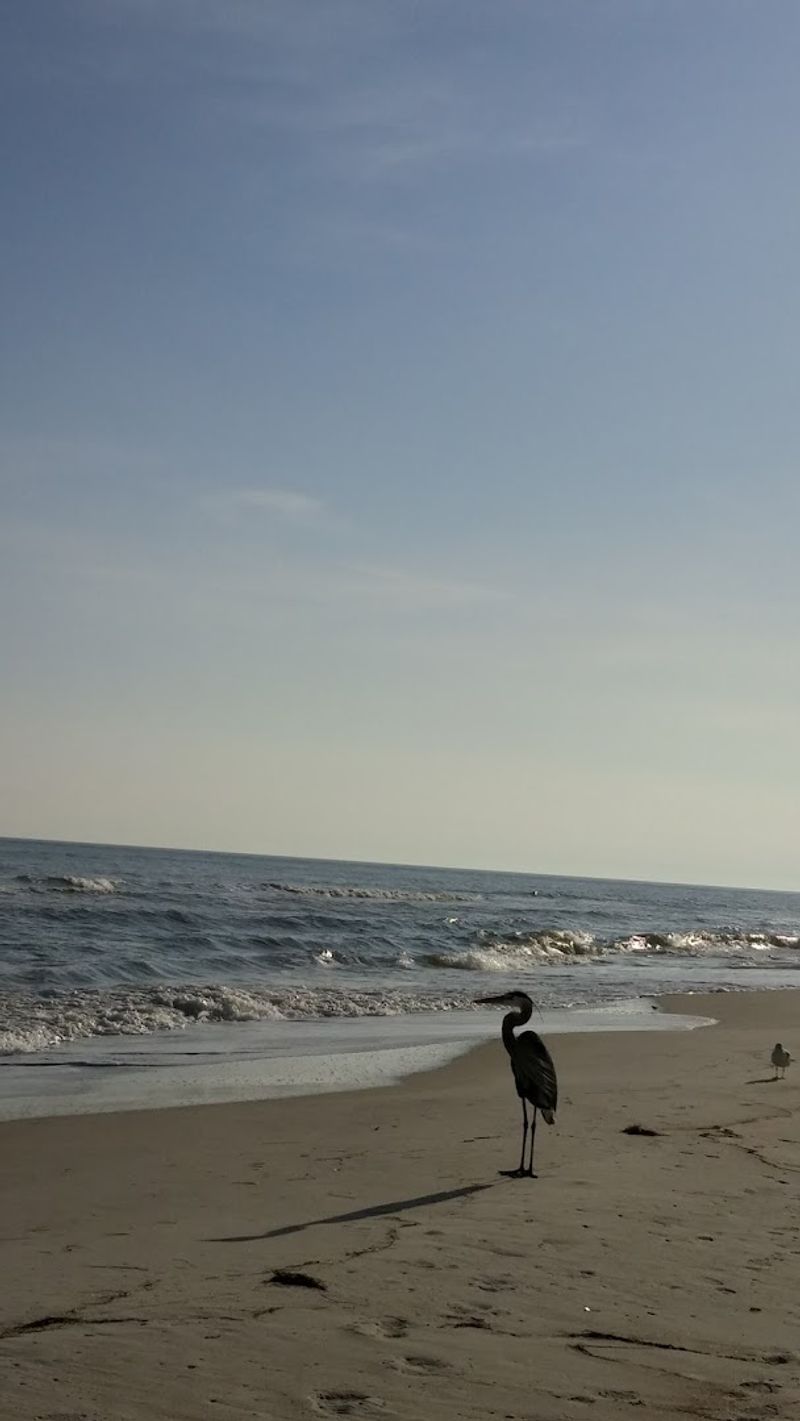
Few state parks in Florida pack this much wildlife into one visit. During my time at the park, I spotted dolphins just offshore, stingrays in the shallows, and more shorebirds than I could identify without a field guide.
The bird variety alone is worth the trip for anyone who enjoys birdwatching. In November, visitors have reported seeing butterflies and wildflowers alongside a wide range of coastal species.
The park’s remote location and low light pollution mean the habitat stays healthy and undisturbed.
The most memorable wildlife story I came across involved a group of campers who witnessed a sea turtle release right on the beach during their stay. That kind of experience does not happen at a resort.
The park’s commitment to protecting nesting turtles is also why lights are kept minimal at night, a policy that makes perfect sense once you understand what is at stake.
Kayaking and Paddleboarding: The Bay Side of the Island Deserves Attention
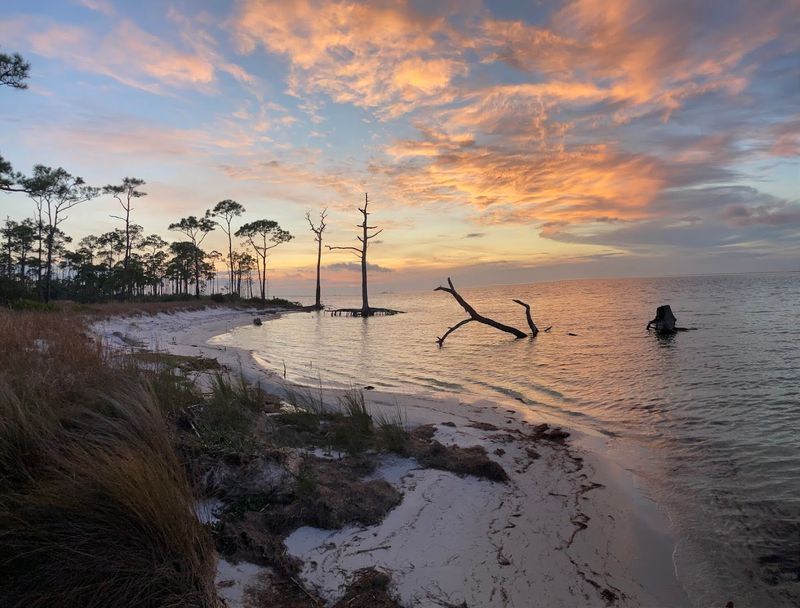
Most visitors come for the Gulf beach and leave without ever exploring the bay side of the island, which is genuinely their loss. The park offers kayak and paddleboard rentals at one of the boat ramps, making it easy to get out on the water even if you did not bring your own gear.
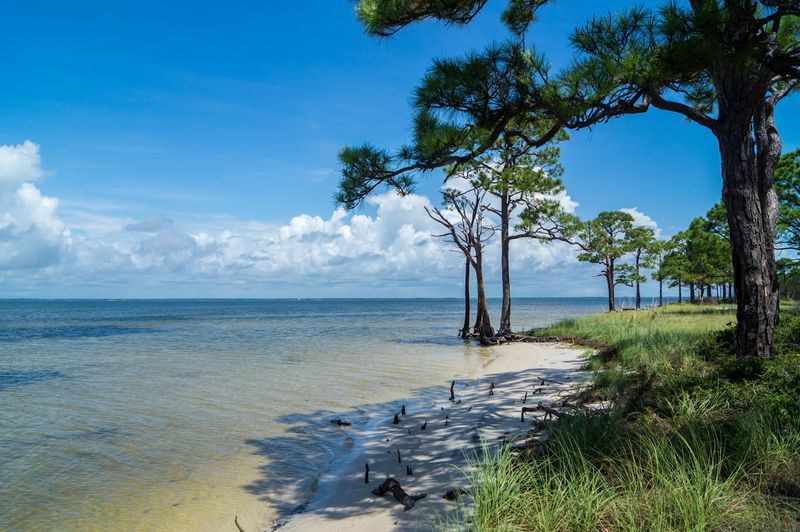
The bay waters are calm, shallow in many spots, and full of life. Paddling through the quiet stretches near the marsh edges gives a completely different perspective on the park than the beach does.
Early morning is the best time to head out, when the water is glassy and the light turns everything golden. The rental setup is convenient and the staff at the ramp are helpful about pointing out good routes.
For anyone who wants to stretch beyond sunbathing, this is where the park really opens up into something special.
Fishing: From the Shore, the Surf, and the Bay
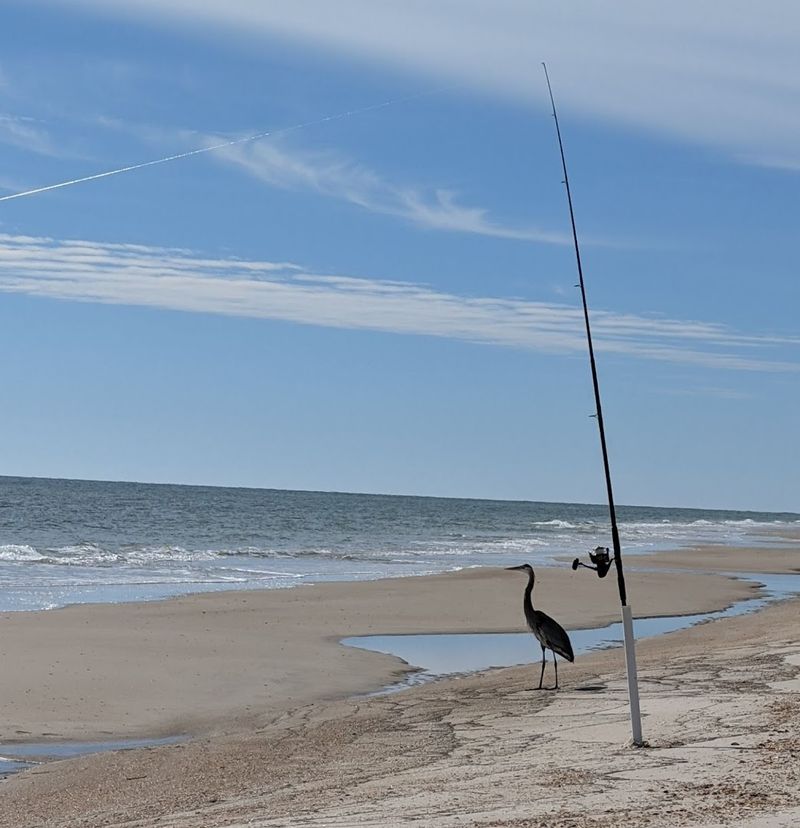
Surf fishing here is the real deal. The park’s long beach and relatively undisturbed shoreline create conditions that anglers describe as some of the best on the Forgotten Coast, and the variety of what you can catch keeps things interesting.
During one family’s stay, they pulled in eating-size crabs and fish right from the shore without venturing far from their campsite. The bay side adds another dimension, with calmer water and different species than what the Gulf surf produces.
Bring your own gear, since the park does not rent fishing equipment, but everything else you need is either available on-site or a short drive away. Fishing licenses are required for anyone 16 and older, so sort that out before you arrive.
The combination of surf, shore, and bay access makes this one of the more well-rounded fishing destinations on Florida’s Gulf Coast.
Stargazing: What Happens When You Remove Every Light Except the Sky
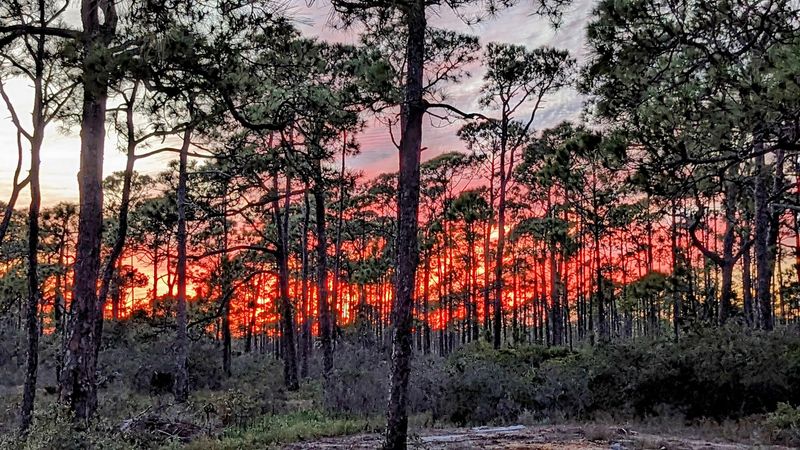
The park keeps artificial lighting to an absolute minimum, and while that takes some adjustment after dark, the payoff is a night sky that most people living near cities have never actually seen. The stars here are not just visible, they are overwhelming in the best possible way.
Sitting outside the campsite after the fire dies down, the Milky Way stretches clearly overhead. The darkness that some visitors find inconvenient is the same darkness that makes this possible, and once you experience it, the trade-off seems more than fair.
Bring a headlamp with a red light setting to move around comfortably without disturbing the turtles or your neighbors. The bench near the bayside trail is a particularly good spot for stargazing away from any ambient light.
Clear nights in fall and winter offer the best conditions, when humidity drops and the sky sharpens into something genuinely breathtaking.
Shell Collecting: A Quiet Pleasure Along Miles of Undisturbed Shoreline
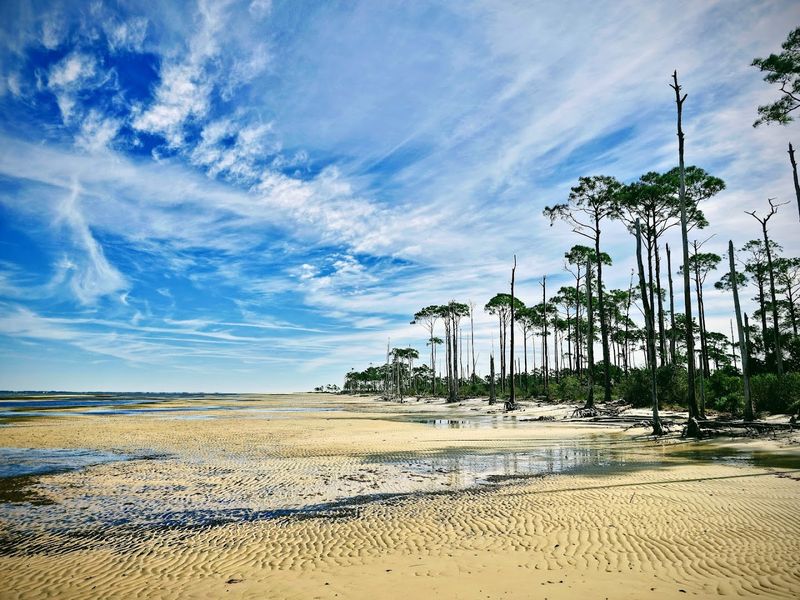
There is something deeply satisfying about walking a beach that has not been picked clean by crowds. The shoreline at this park sees far fewer visitors than the more popular Gulf Coast beaches, which means the shell situation is genuinely good.
On a single morning walk, I found more intact shells than I had collected on three previous Florida beach trips combined. Sand dollars, conchs, whelks, and smaller varieties turn up regularly along the waterline, especially after a night of stronger wind and surf.
The best time to look is early morning before other beachgoers arrive, and after storms when the surf deposits fresh material. Children absolutely love this activity here because the finds come quickly enough to hold their attention.
Just check Florida regulations before pocketing live shells, as collecting living organisms is not permitted. Empty shells are fair game and make genuinely meaningful souvenirs.
Picnic Areas and Day-Use Amenities: A Well-Equipped Spot for Non-Campers
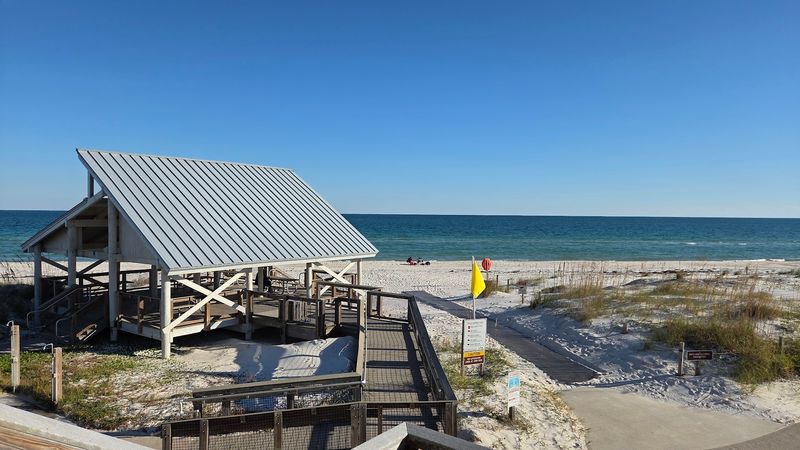
Not everyone who visits stays overnight, and the park handles day visitors well. Two main pavilion areas sit a few miles into the park from the entrance, each with restrooms, covered picnic tables, and grilling areas that are clean and well-maintained.
Smaller parking pullouts are scattered along the main road, giving beach access at multiple points so you are not locked into one spot for the whole day. Handicap-accessible parking and amenities are available, which makes the park genuinely welcoming for visitors with mobility needs.
The pavilion areas fill up on busy summer weekends, so arriving early is a smart move if you want a shaded table. The beach access from these spots is direct and easy, with short paths leading straight to the sand.
For a half-day trip or a full afternoon with family, the day-use setup here is practical, comfortable, and quietly impressive.
The Forgotten Coast Setting: Why the Location Makes Everything Better
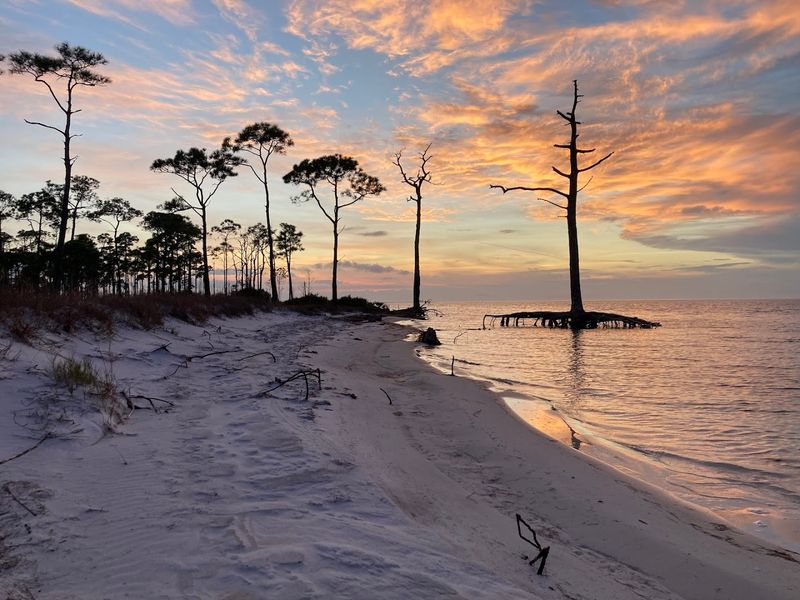
Florida’s Forgotten Coast earned its name because development largely passed it by, and St. George Island is one of the best examples of what that means in practice. The island sits between the Gulf of Mexico and Apalachicola Bay, connected to the mainland by a single bridge, which naturally limits the traffic and crowds that overwhelm more accessible Florida destinations.
The surrounding area is part of a larger ecosystem that includes Apalachicola National Forest and the bay estuary, one of the most productive in the southeastern United States. That ecological richness feeds directly into the park’s wildlife diversity and water clarity.
The nearest town is about a 20-minute drive from the park, which means supplies require planning ahead. That distance is also exactly what keeps the park feeling remote and unhurried.
The Forgotten Coast is not forgotten by those who know it well, and this park is a big reason why.
Best Times to Visit: Seasons, Crowds, and What Each Month Offers
Fall is genuinely the sweet spot for this park. The summer crowds thin out after Labor Day, the temperatures drop to a comfortable range for hiking and fishing, and the wildlife activity picks up noticeably.
November visits have rewarded campers with wildflowers, butterflies, and nearly empty beaches.
Winter brings even more solitude, with campgrounds sometimes full of regulars who know the secret, but beaches that are almost entirely yours. The water gets cool for swimming, but the scenery and the quiet more than compensate.
Spring breaks bring the biggest crowds of the non-summer season, so book campsites well in advance if you plan a March or April trip. Summer is hot and humid, bugs are more active, and the campground fills fast.
County mosquito spraying helps, but fans and insect repellent are still essential regardless of when you visit. Early mornings stay pleasant almost year-round.
Camping Tips: What to Bring, What to Expect, and How to Prepare
A few practical notes go a long way here. Firewood and ice are sold at the park, which is convenient, but everything else needs to come with you since the nearest store is roughly 20 minutes away by car.
Stock up on food, sunscreen, insect repellent, and any medications before you cross the bridge.
The campground offers water and electric hookups, making it comfortable for RVs and pop-up campers. Tent campers should bring a quality sleeping pad because the ground at many sites is rocky rather than grassy.
Hammock posts at each site are a thoughtful touch worth taking advantage of.
Pets are welcome in the campground and on the trails but are not allowed on the beach at any time, so plan accordingly if you are traveling with animals. A red-light headlamp is essential for nighttime navigation.
Pack for a rustic experience and you will not be disappointed.
Park Facilities and Ongoing Improvements: Clean, Functional, and Getting Better
The bathhouses and restrooms are clean and functional, with hot water available at the campground facilities. The concrete around the restroom areas features sea animal designs stamped into the surface, a small creative touch that adds character to what could otherwise be a forgettable utility building.
A dump station serves RV campers, and the park staff keeps the grounds well-raked and maintained between guests. Rangers are approachable and genuinely helpful, happy to share information about trail conditions, wildlife activity, and park policies.
The park has been working through a renovation cycle that includes plans for 30 additional campsites and upgraded bathhouse facilities, so the experience is only going to improve. During a transition period, some facilities may be temporarily limited, so checking the park’s official website at floridastateparks.org before your trip is a smart move.
The phone number on file is +1 850-927-2111 for direct questions.



