 Unearth The Voyage
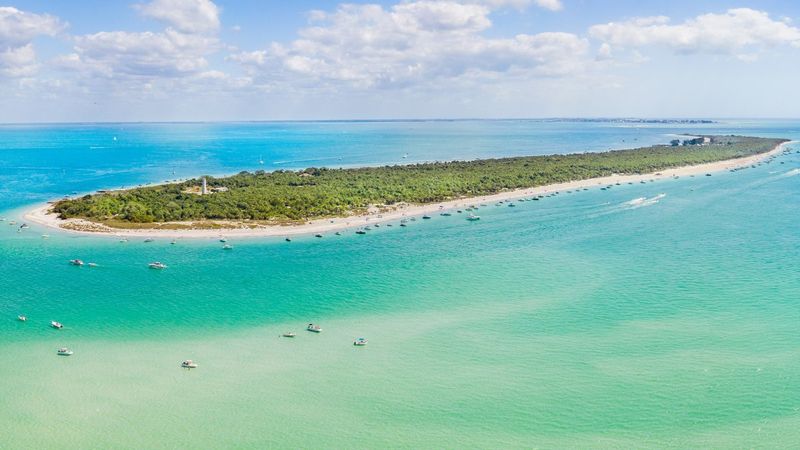
There is a small island sitting quietly at the mouth of Tampa Bay that most people drive right past without ever knowing it exists. No roads lead there.
No bridges connect it to the mainland. The only way to reach it is by boat, and that short trip across the water is the first sign that you are about to experience something genuinely different from the usual Florida beach day.
Once you arrive, you find pristine white sand, crumbling fort ruins from the Spanish-American War era, a working lighthouse, gopher tortoises roaming freely, and dolphins cutting through the waves on your ride back. This island has layers, and every visit seems to reveal something new hiding beneath the palm trees and overgrown jungle paths.
Getting There: The Ferry Ride and Boat Access
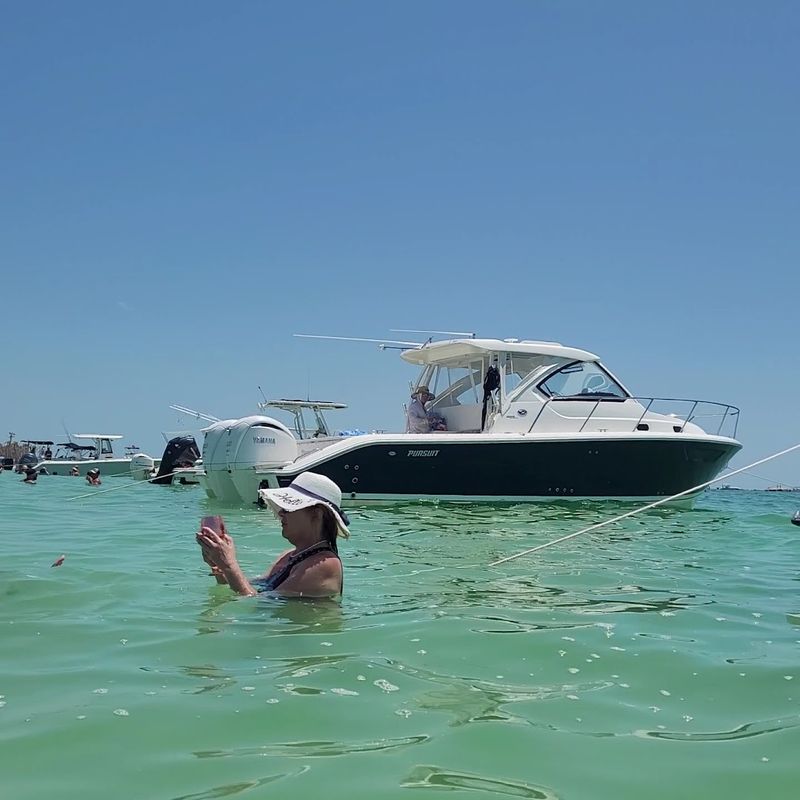
Half the adventure starts before you even set foot on the island. Egmont Key State Park, located near St. Petersburg, sits at the mouth of Tampa Bay and is only reachable by boat or ferry.
Several ferry operators run trips from Fort De Soto Park and the St. Pete Pier, with ride times typically around 45 minutes to an hour each way. Private boaters can anchor offshore, though the water near the shore runs deeper than six feet in many spots, so plan accordingly.
The boat ride itself is a highlight. Dolphins frequently follow alongside ferries, and the open-water views of Tampa Bay are genuinely stunning.
Bag and strap everything down tightly because the wind picks up fast on the water. Hats, sunglasses, and loose items have a way of disappearing into the bay before you even reach the shore.
First Steps on Shore: What the Beach Looks Like
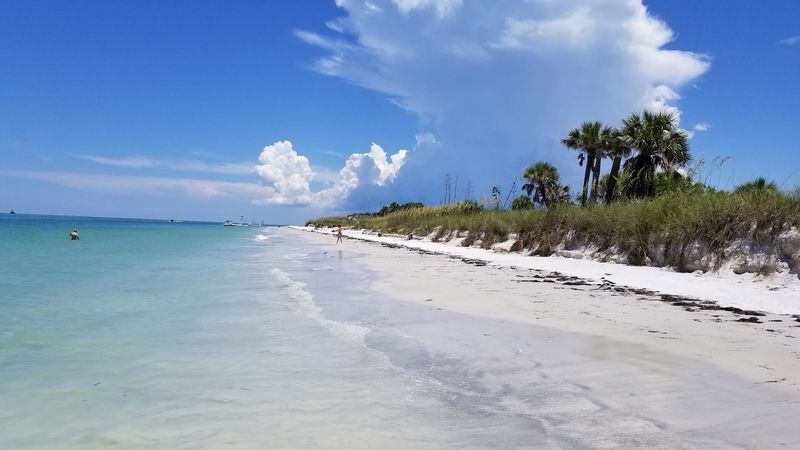
The moment you step off the boat and onto the sand, the first thing you notice is how quiet it is. There are no beach vendors, no umbrella rentals, no resort towers blocking the horizon.
The beach wraps around much of the island with soft, fine white sand that stays relatively uncrowded even on busy days. Small shells cover the shoreline in impressive variety, and sharp-eyed visitors often find shark teeth mixed in among them.
The water is clear and shallow near the edges, shifting from pale green to vivid blue as it deepens. On a calm day, you can see straight to the sandy bottom several feet out.
The beach on the Gulf-facing side tends to be calmer and better for wading, while the bay side offers stronger currents that are better suited for experienced swimmers.
Fort Dade Ruins: History Written in Crumbling Concrete
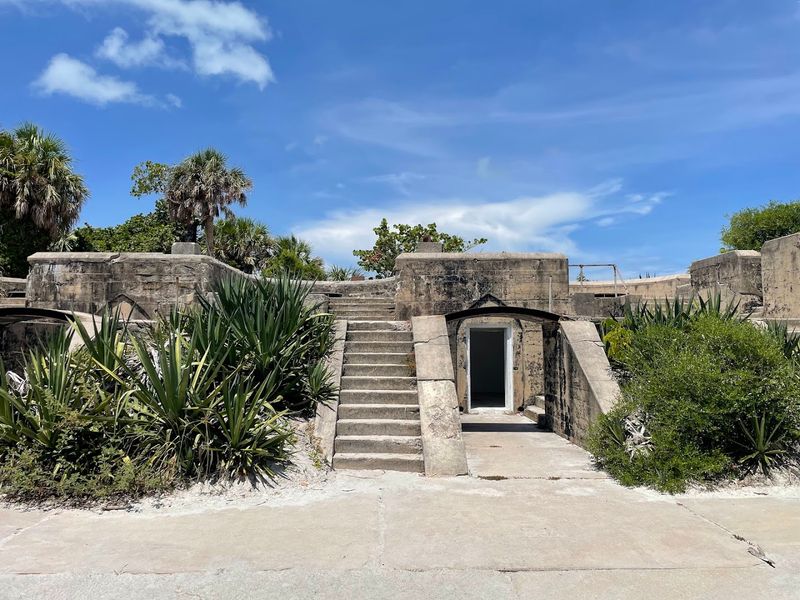
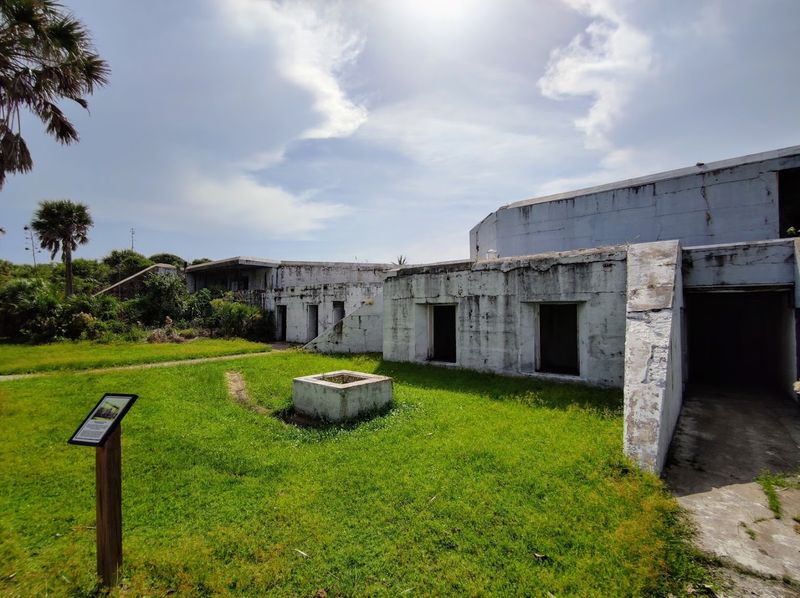
Fort Dade was built during the Spanish-American War around 1898 and once housed hundreds of soldiers protecting Tampa Bay from naval threats. What remains today is a scattered collection of concrete ruins slowly being reclaimed by tropical vegetation.
Walking through the old gun batteries, power plant foundations, and crumbling building shells feels genuinely atmospheric. The jungle has grown thick around many structures, and some pathways are now partially blocked by fallen trees and overgrowth, especially after recent hurricane damage.
The ruins are not roped off or heavily managed, which means you can walk right up to the walls, peer into dark chambers, and get a close look at the construction techniques used over a century ago. Funding shortages have left parts of the park less maintained than they once were, but the raw, unpolished quality of the site actually adds to the sense of discovery you feel exploring it.
The Egmont Key Lighthouse: A Working Beacon Since 1858
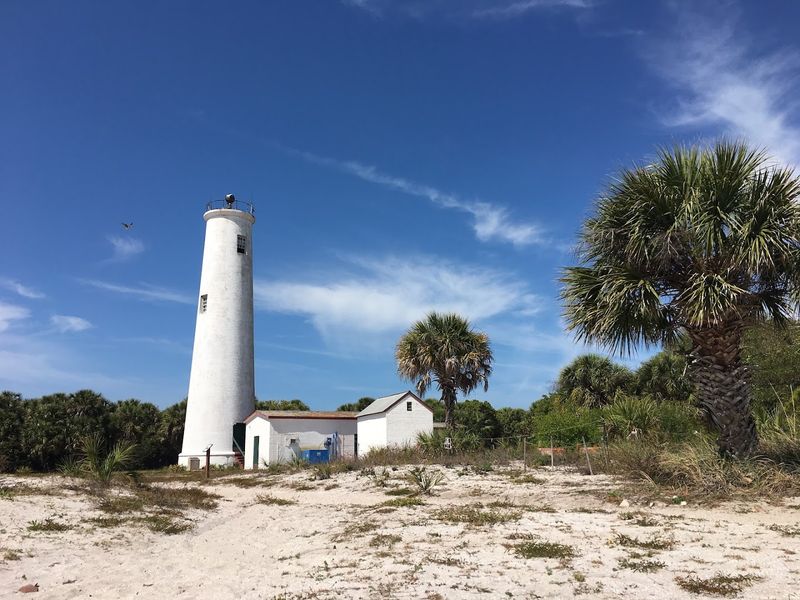
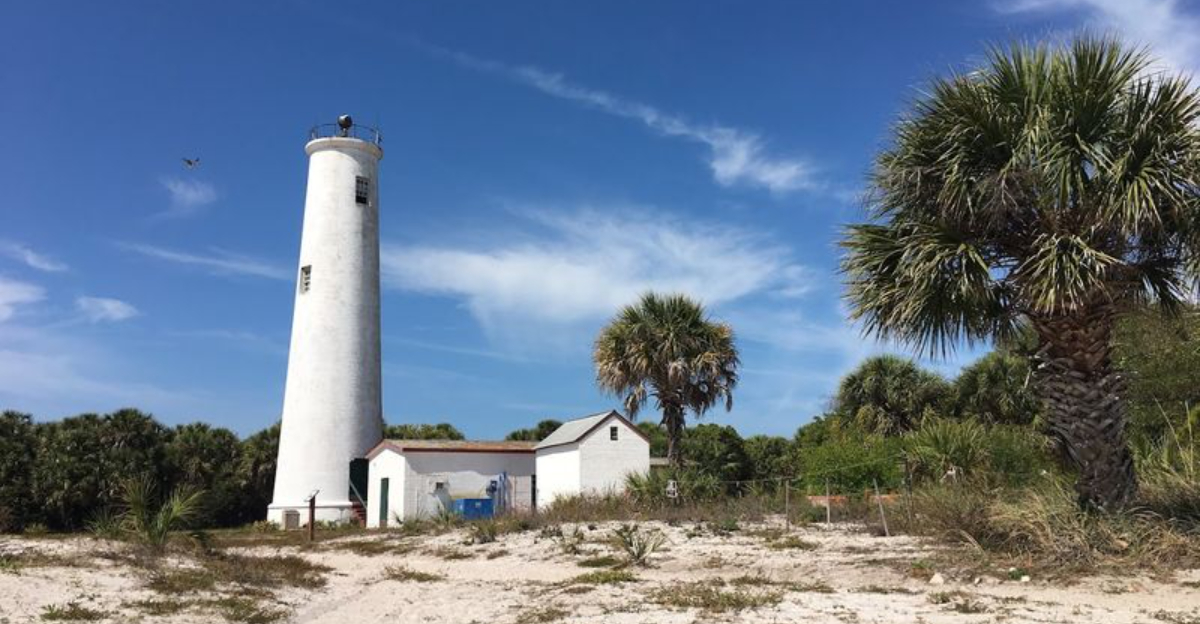
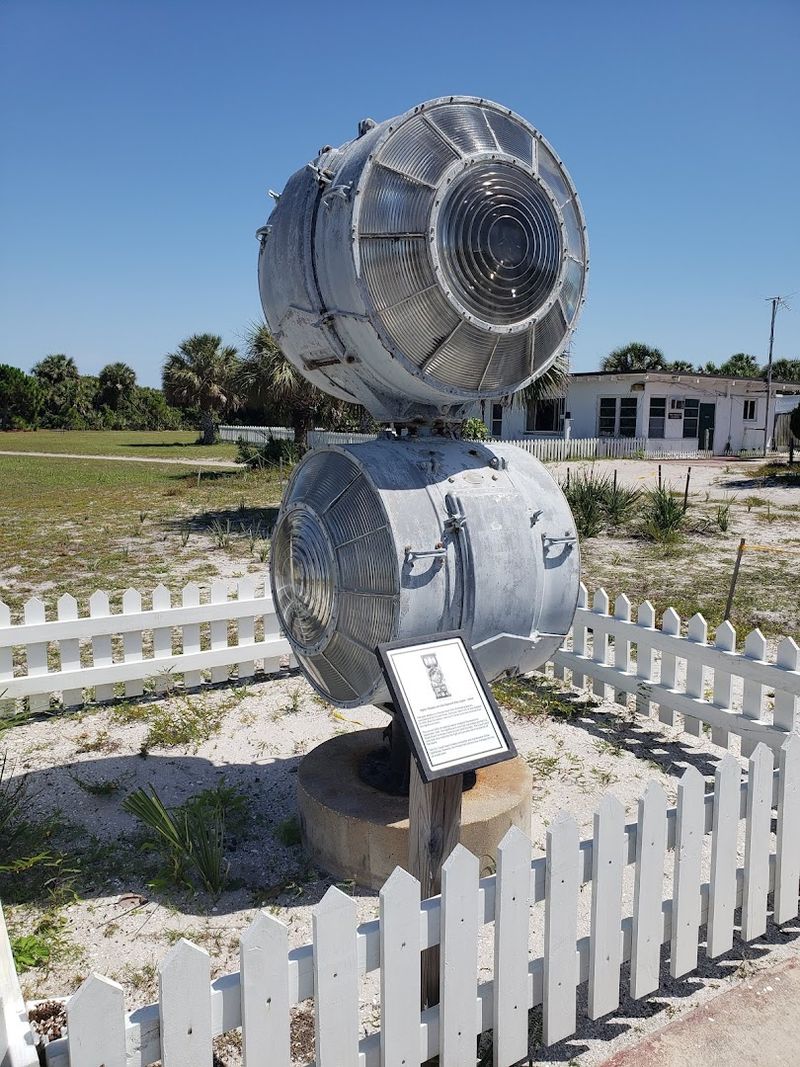
Built in 1858, the Egmont Key lighthouse is one of the oldest surviving lighthouses on Florida’s Gulf Coast, and it still operates as an active navigational aid today. That combination of age and continued function makes it a rare find.
The lighthouse stands about 87 feet tall and is visible from a considerable distance on the water. Visitors cannot climb inside during most tours, but walking right up to the base and examining the structure up close is entirely possible.
The surrounding area near the lighthouse has some of the best-maintained paths on the island, making it a good starting point for exploration. Gopher tortoises often graze nearby in the open grassy areas, completely unbothered by visitors with cameras.
The lighthouse at sunset, with the Gulf of Mexico glowing orange in the background, is one of those sights that makes the ferry ticket feel like the best money you spent all month.
Gopher Tortoises: The Island’s Most Relaxed Residents
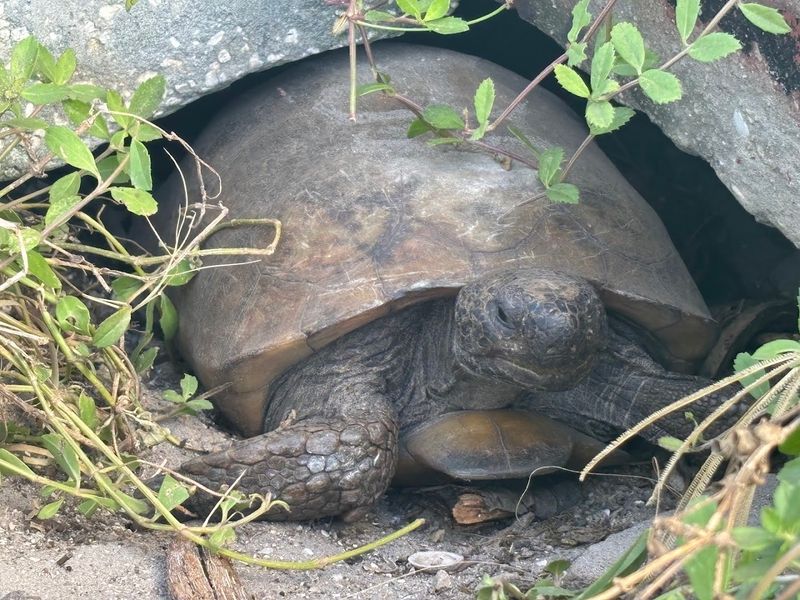
Egmont Key has a thriving gopher tortoise population, and these slow-moving reptiles are practically everywhere once you start exploring away from the beach. They graze in open clearings, lumber across the sandy paths, and seem entirely unfazed by human visitors.
Gopher tortoises are a threatened species in Florida, and the island serves as important protected habitat for them. Getting close enough for a good photo is easy since they do not bolt when approached calmly.
What you should not do is touch, feed, or disturb them in any way.
One particularly fun detail is that gopher tortoise burrows often shelter dozens of other species, from small lizards to insects to frogs, making each burrow entrance a tiny ecosystem worth pausing to observe. Spotting five or six tortoises in a single afternoon is common, and some visitors have counted eight or more during a thorough walk around the island.
Snorkeling Around the Ruins: Underwater Exploration
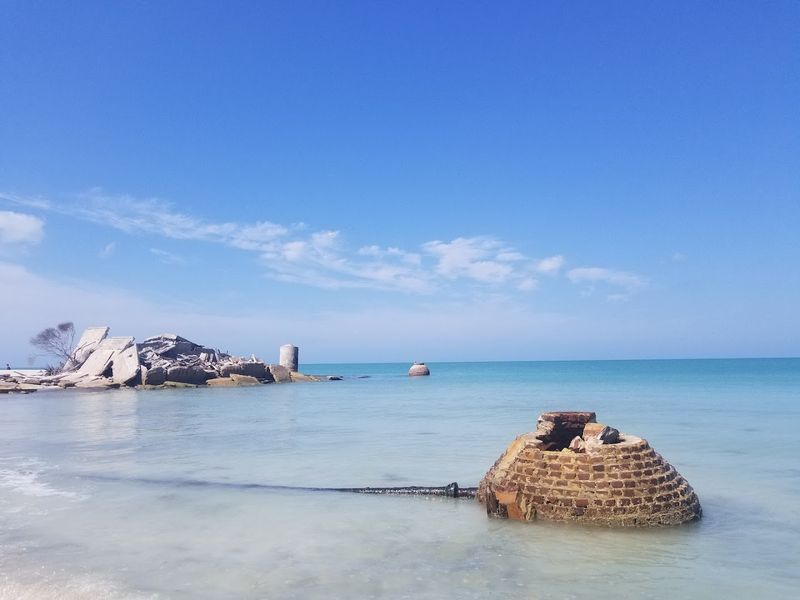
Some of Fort Dade’s original structures have eroded into the water over the decades, creating an accidental but genuinely rewarding snorkeling site just offshore. The submerged ruins attract fish, and the water clarity around Egmont Key is good enough to make underwater exploration worthwhile.
Bringing your own snorkel gear is strongly recommended since there are no rentals on the island. Several tour operators offer guided snorkeling trips that include equipment, which is a good option if you are new to the activity or want someone pointing out what you are looking at.
Manatees have been spotted in the shallower waters near the island, and sea turtle nesting areas line parts of the beach, which gives the whole shoreline an extra layer of ecological significance. The water is not always perfectly calm, so checking conditions before committing to a full snorkeling session is a smart move.
Wildlife Beyond the Tortoises: Birds, Gators, and More
The wildlife on this island goes well beyond the famous gopher tortoises. Part of Egmont Key is designated as a protected bird sanctuary, and the variety of species visible during a single visit is impressive even for Florida standards.
Herons, egrets, pelicans, and ospreys are common sights along the shoreline and in the treetops. Visitors exploring the inland trails have reported seeing raccoons, rabbits, and what appeared to be a fox moving through the brush.
Alligators have also been spotted in the interior, so staying on marked paths when venturing away from the beach is genuinely good advice rather than just a cautionary note.
The bird sanctuary section of the island is closed to visitors to protect nesting activity, but the areas that remain open still offer enough wildlife encounters to satisfy any nature lover. Sea turtle nesting areas are marked along the beach during nesting season, typically from May through October.
Dolphin Sightings: On the Water and Near the Shore
The boat ride to and from Egmont Key has become almost as famous as the island itself, largely because dolphin sightings are so reliably common. Groups of bottlenose dolphins regularly swim alongside ferries, and one visitor reported watching a pod of at least 100 dolphins hunting together near the island.
Dolphins are also visible from the shore, particularly near the passes where currents push baitfish through. Standing on the beach in the late afternoon and watching fins cutting through the water just offshore is a genuinely memorable experience that costs nothing extra once you are on the island.
Manatees appear in the calmer, shallower areas around the key, and spotting one drifting slowly near the surface is the kind of quiet moment that stays with you long after the trip home. The marine life here is a natural bonus on top of everything else the island offers.
Hiking the Trails: Over Five Miles of Island Paths
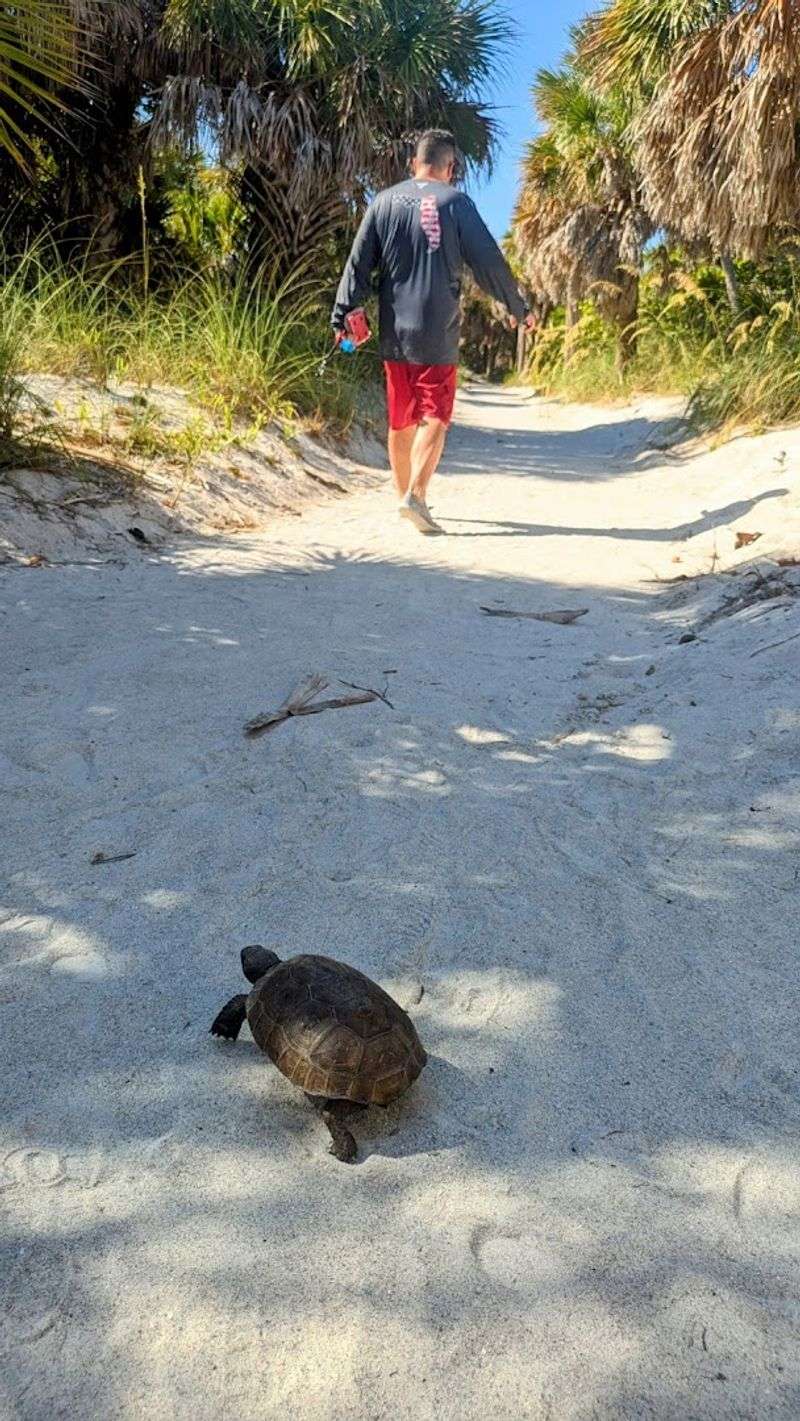
With over five miles of trails spread across the island, Egmont Key offers far more walking territory than most visitors expect from a small barrier island. The paths wind through coastal scrub, open sandy flats, shaded jungle sections, and past numerous historic structures.
Some trails are well-maintained and easy to follow, while others have become overgrown in recent years due to hurricane damage and limited park maintenance funding. Solid, closed-toe shoes are highly recommended for anyone venturing away from the beach, both for comfort on uneven terrain and protection from spiders and insects in the denser sections.
The trails connect most of the major points of interest, including the lighthouse, the fort ruins, and several scenic overlooks toward the Gulf and the bay. Planning at least two to three hours for a thorough walk is reasonable, though dedicated explorers could easily spend a full day covering everything the island has to offer.
Shelling and Shark Teeth: Beach Treasures Worth Finding
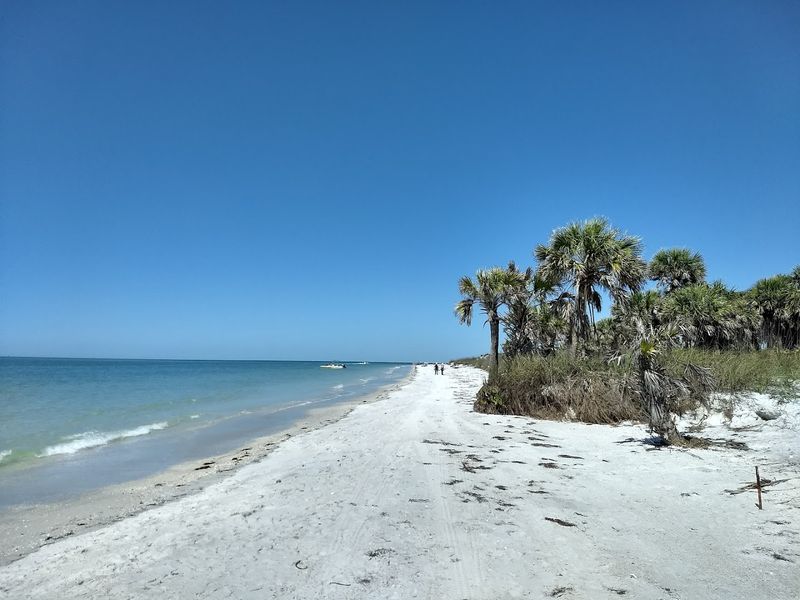
The beaches at Egmont Key are genuinely good shelling spots, with a wide variety of small shells washing up consistently along the shoreline. The mix of Gulf and bay currents that converge near the island creates conditions that deposit shells in impressive quantities.
Shark teeth are also a real find here, not just a rumor. The teeth are typically small and dark, worn smooth by the water, and they blend in with the shell fragments, so slow and methodical searching pays off better than a quick scan.
Early morning, when the tide has just receded, tends to be the most productive time for both shells and teeth.
Bringing a small mesh bag or container for your finds is a good idea since loose shells in a pocket tend to end up back on the beach by accident. The shelling alone is worth the boat trip for anyone who enjoys that kind of slow, satisfying beachcombing rhythm.
Practical Tips: What to Bring and What to Expect
Egmont Key is a genuinely remote state park, and that means zero amenities once you are on the island. No bathrooms, no running water, no food vendors, and no shade structures beyond what the trees provide.
Packing more water than you think you need is the single most important preparation step, especially in the warmer months when the heat index can climb well above 100 degrees. Bug spray is not optional if you plan to explore the interior trails.
The mosquitoes inland are aggressive and numerous, and visitors who skip the bug spray tend to regret it quickly.
Sunscreen, a hat, and a trash bag for your own waste round out the essentials. No pets are allowed in the park, so leave four-legged companions at home.
Arriving early is strongly recommended since the best anchor spots fill up fast on weekends and the ferry slots are limited throughout the day.



