 Unearth The Voyage

Most people think of Oklahoma as a state of red dirt, oil rigs, and flat highways stretching forever into the distance. But tucked away in the far western corner of the state, there is a place that quietly breaks every one of those expectations.
Rolling grasslands, a peaceful lake, free campsites, and skies so wide they feel almost theatrical wait for anyone willing to make the drive. I went out there not quite sure what to expect, and came back with a full camera roll and a strong urge to tell everyone I knew about it.
Where Exactly This Place Is and How to Find It

Black Kettle National Grasslands sits in Roger Mills County, near the small town of Cheyenne, Oklahoma, at approximately Oklahoma 73638, in the western part of the state. The official managing office is located at 101 South Main Street in Cheyenne, where you can pick up maps and get directions to the various campgrounds and trailheads.
Getting there requires a bit of commitment. The nearest major city is Oklahoma City, which is roughly two and a half hours to the east.
Once you leave the highway, the roads narrow and the landscape opens up in a way that feels genuinely surprising.
A heads-up worth repeating: do not blindly follow GPS to the pin dropped on most mapping apps. Several visitors have reported that digital directions can route you straight into an active oilfield on a dirt road that simply ends in a field.
Download a paper map from the U.S. Forest Service website before you go, and your trip will start on a much smoother note.
The History Behind the Name

The name Black Kettle is not a random label slapped on a stretch of federal land. It honors Chief Black Kettle, a Southern Cheyenne leader who worked persistently for peace between his people and the U.S. government during the mid-1800s, even as tensions around him kept rising.
The area near the Washita River, which runs through this part of western Oklahoma, was the site of the Battle of the Washita in November 1868. That event remains one of the most studied and debated chapters in the history of the Southern Plains, and the nearby Washita Battlefield National Historic Site helps visitors understand the full weight of what happened here.
Knowing this history before you arrive changes the way you look at the grasslands. The open space feels less like empty land and more like ground that carries real stories.
The small museum connected to the Washita Battlefield site does an excellent job of presenting the Cheyenne perspective with care and honesty, and several visitors have called it one of the most moving stops in the region.
What the Landscape Actually Looks Like

The word grasslands might make you think flat and boring, but the terrain here has more personality than that label suggests. The land rolls gently in places, dips toward creek beds lined with cottonwood trees, and opens into wide meadows where the grass bends in long, slow waves when the wind picks up.
There are patches of woodland scattered throughout the area, which gives the landscape a layered look. In the fall, those trees add a warm splash of amber and gold against the dry grass, making the whole scene feel almost painted.
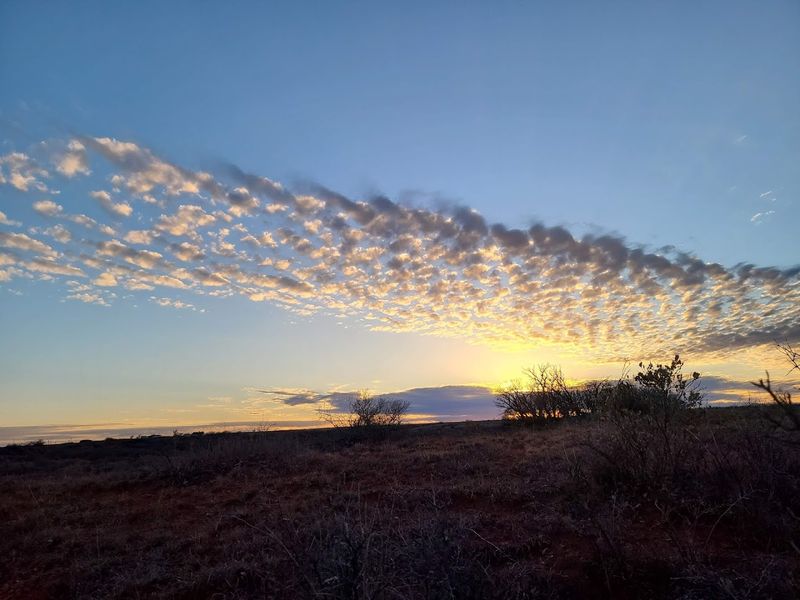
The sky is the real showstopper. Out here, with almost no light pollution and no tall buildings blocking the horizon, the sky takes up about eighty percent of your field of view at any given moment.
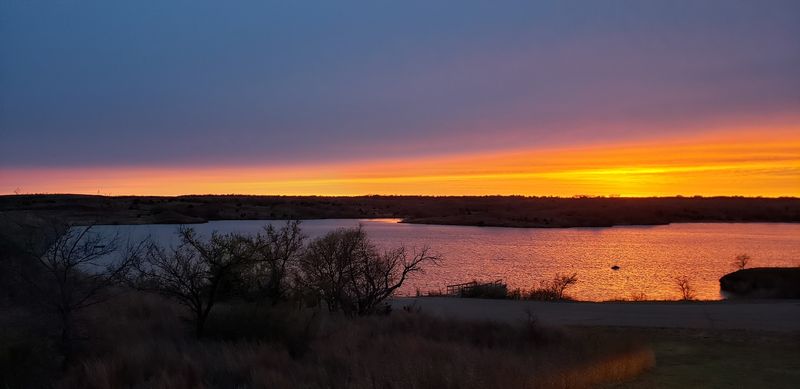
Sunsets stretch across the entire western horizon in shades of orange and deep red, and on clear nights, the stars come out in numbers that will genuinely catch you off guard. This is the kind of landscape that rewards you for slowing down and just looking at it.
Camping at Skipout Lake and Beyond

Free camping is one of the biggest draws at Black Kettle National Grasslands, and the Skipout Lake Campground is the most popular spot to set up for the night. There are no reservation systems, no nightly fees, and no check-in desks.
You simply pull up, find a spot, and settle in.
The campground offers picnic tables and fire pits at most sites, which makes it feel more comfortable than a basic dispersed camping setup. Restrooms are on-site and have been described by multiple visitors as surprisingly clean, which is honestly a bigger deal than it sounds when you are in the middle of nowhere.
There are two designated RV spots at Skipout, along with several open parking areas where tent campers can spread out. Water spigots are available to fill containers, but there is no electricity or sewage dump, so plan accordingly.
On a typical Friday night, you might share the campground with only two or three other groups, which means you get the kind of quiet that most campgrounds only promise but rarely deliver.
Fishing the Lake and Smaller Ponds
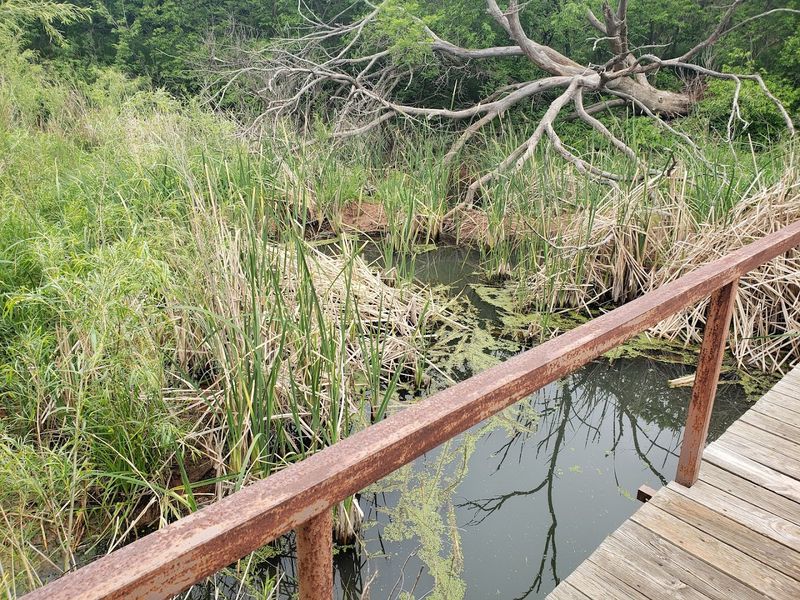
The small lake at the heart of the campground area comes with a boat ramp and a fishing pier, making it an easy spot to drop a line without needing much gear or planning. The fishing is described as decent rather than exceptional, which is an honest and useful distinction for anyone who takes their angling seriously.
Behind the main lake, a series of trails lead to smaller ponds tucked into the back of the property. Those quieter ponds see far less foot traffic and can be rewarding for anyone willing to walk a bit further to reach them.
The lake also has a dock that has seen better days structurally, so test your footing before committing to it fully. Bass and catfish are the most common catches in this part of western Oklahoma, and early morning tends to be the most productive time to fish here.
Even if you come back empty-handed, sitting on the bank with a rod in the water and nothing but grassland around you is a pretty solid way to spend a morning.
Trails, Wildlife, and Getting Around on Foot
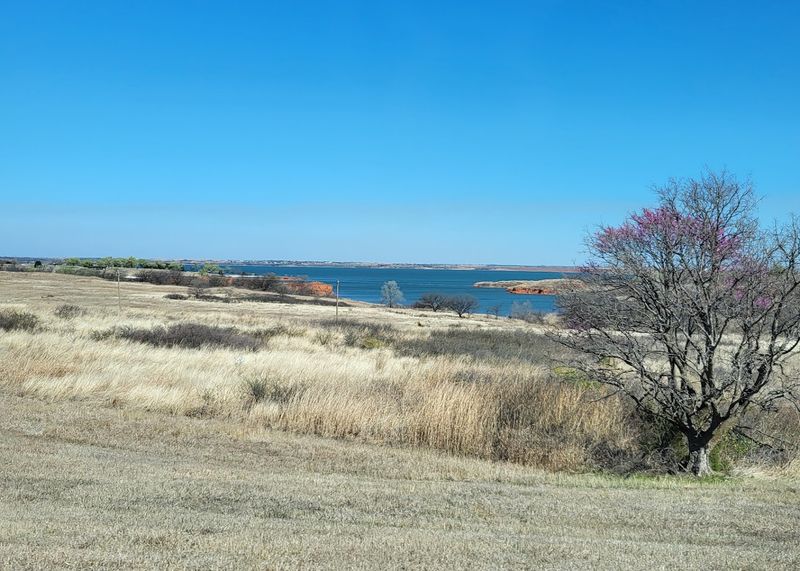
The trail system at Black Kettle National Grasslands is modest in length, which is worth knowing upfront if you are looking for a multi-day backpacking challenge. The paths run through the grassland and along the edges of the ponds, offering a relaxed and easy walk rather than a strenuous hike.
Wildlife sightings are one of the quiet highlights of walking these trails. White-tailed deer are commonly spotted in the area, and hunters visit specifically during deer season for that reason.
Birds are plentiful throughout the year, and the open grassland habitat supports species that you would rarely see in more forested parks.
One practical note: dogs are not allowed on the walking trails, which has disappointed some visitors who brought their pets along. Also, goathead stickers have been reported in some grassy areas, so closed-toe shoes are a smart choice.
The trails in the back section of the property run alongside the smaller ponds and feel genuinely peaceful, especially in the early morning when the light is soft and the park is quiet. Nature moves at its own pace out here, and that is exactly the point.
Hunting Season and What It Means for Your Visit
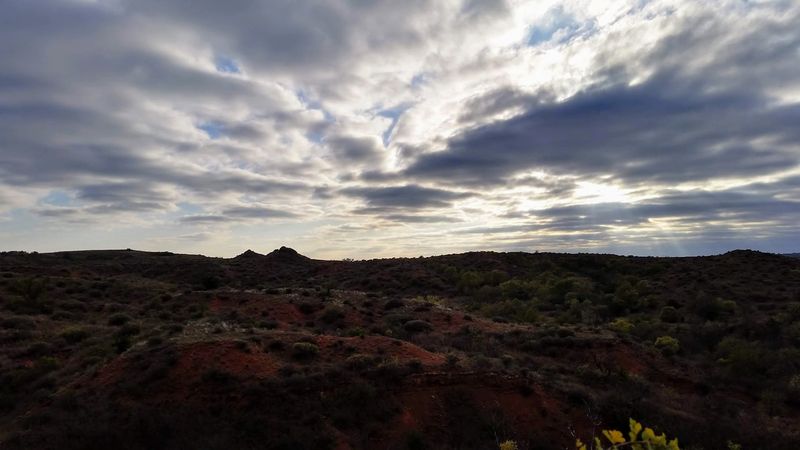
Black Kettle National Grasslands is open to hunting, which is a big part of its identity and draws a loyal crowd of visitors each fall and winter. White-tailed deer are the primary target, and the mix of open grassland and wooded creek areas creates good habitat that keeps hunters coming back season after season.
If hunting is your thing, this is worth a dedicated trip. The land is managed by the U.S.
Forest Service under rules that allow hunting in compliance with Oklahoma state regulations, so a valid state license is required and all standard rules apply.
If hunting is not your thing, it is still worth visiting, but timing matters. During peak deer season, the campgrounds and trails will have more visitors carrying gear, so non-hunters may prefer to plan their trip outside of those windows.
Spring and early summer offer a quieter, more relaxed atmosphere. The grasslands look especially vivid in late spring when the native plants are green and the wildflowers are doing their best work across the open fields.
The Washita Battlefield Connection
A visit to Black Kettle National Grasslands pairs naturally with a stop at the Washita Battlefield National Historic Site, which sits just a short drive away near Cheyenne. The two sites share a geographic and historical connection that makes visiting both on the same trip feel like a complete experience rather than two separate stops.
The National Historic Site is managed by the National Park Service and offers a small but well-curated museum that presents the events of November 1868 with genuine depth and sensitivity. The exhibits give voice to the Cheyenne perspective in a way that feels respectful and educational rather than glossy or oversimplified.
Outside the museum, a walking trail takes visitors across the actual site where the events unfolded, with interpretive signs placed at key points along the way. The landscape looks remarkably similar to how it must have appeared over 150 years ago, which adds a quiet weight to the walk.
Several visitors have mentioned the museum as a highlight of their trip to this part of Oklahoma, and it is easy to understand why once you spend even thirty minutes inside.
Best Times to Visit and What to Expect Each Season
Spring is the season that earns the most enthusiastic responses from regular visitors to Black Kettle National Grasslands. The native grasses green up quickly after winter, wildflowers push through the soil in patches of yellow and purple, and the temperatures are comfortable enough for long walks and outdoor cooking without any serious heat.
Summer brings heat that can feel intense on the open grassland, where shade is limited and the sun has full access to the landscape. Early morning visits during summer months are the smart move, and staying near the lake helps since the water provides at least a modest cooling effect.
Fall is prime time for hunters and for anyone who appreciates the warm, amber tones the landscape takes on as the season shifts. Winter visits are quieter and cooler, but the campgrounds remain open and the sense of solitude reaches its peak.
Holidays tend to bring more crowds regardless of season, so if maximum quiet is your goal, a mid-week trip in the shoulder seasons will give you the grasslands almost entirely to yourself, which is a rare and genuinely pleasant thing.
Tips for Making the Most of Your Trip

A few practical details can make the difference between a smooth trip and a frustrating one out here. Cell service is limited to nonexistent in many parts of the grasslands, so download offline maps and save the U.S.
Forest Service contact information before you leave home. The managing office in Cheyenne can answer questions about current conditions and campground availability.
Bring more water than you think you need. The spigots at Skipout campground allow you to refill containers, but they are not always reliable, and the nearest town is a meaningful drive away.
Firewood is not provided, so pack your own or plan to gather fallen branches on-site within the rules set by the Forest Service.
The camping is free, which means no online booking and no guarantee of a specific spot, so arriving earlier in the day on weekends gives you the best selection. A headlamp, insect repellent, and sturdy shoes round out the essentials.
Once you have the logistics sorted, the rest takes care of itself, and what you get in return is a stretch of Oklahoma that most people drive right past without ever knowing what they are missing.



