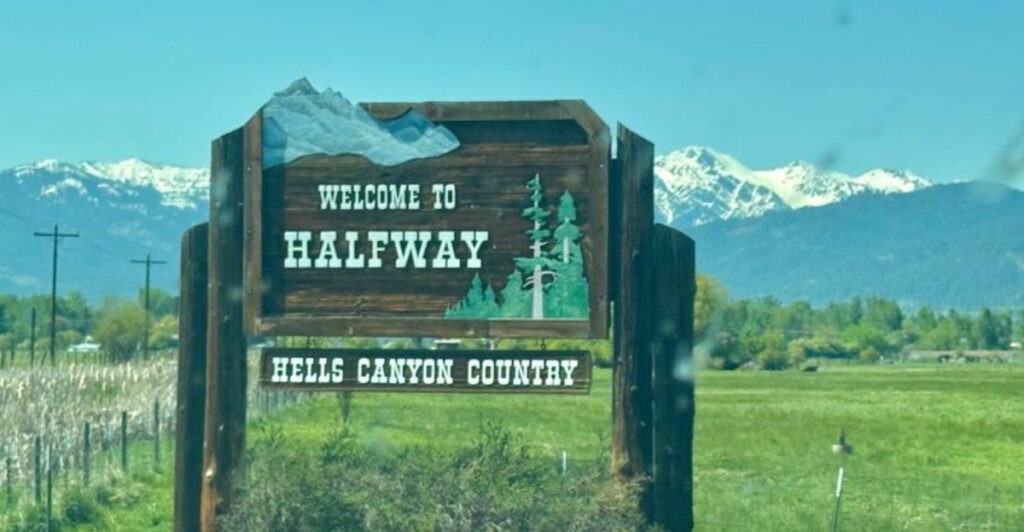
There is a small town in eastern Oregon that most people drive past without a second thought, and honestly, that is exactly how the locals seem to like it. Surrounded by rugged peaks, open ranch land, and the kind of quiet that actually settles into your bones, this place feels like a secret the rest of the country never got around to sharing.
With a population that barely breaks 350 people, it runs on a different clock entirely. No traffic jams, no chain restaurants, and no crowds fighting over parking spots.
What you do get is genuine mountain scenery, a surprisingly rich local history, and the rare feeling that you have stumbled onto something real. Stick around, because this little town has a lot more going on beneath its quiet surface than you might expect.
Where Exactly Is This Forgotten Mountain Town
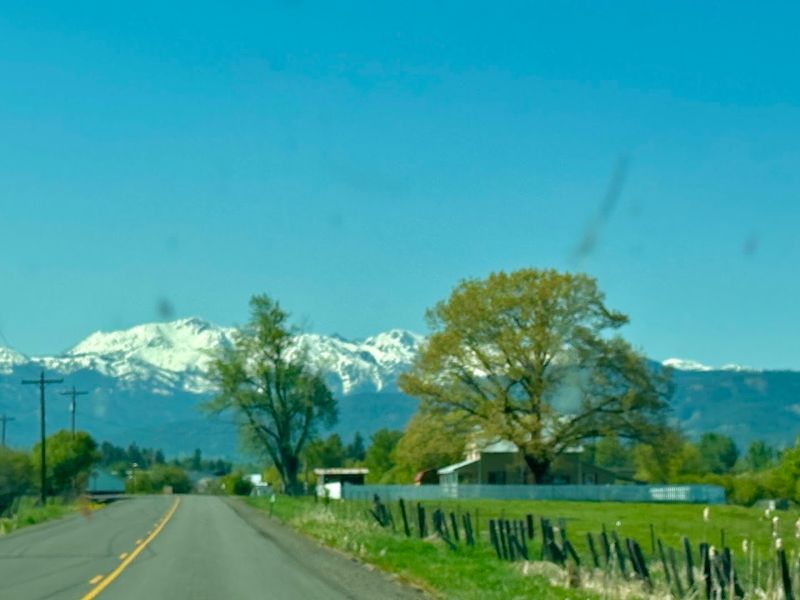
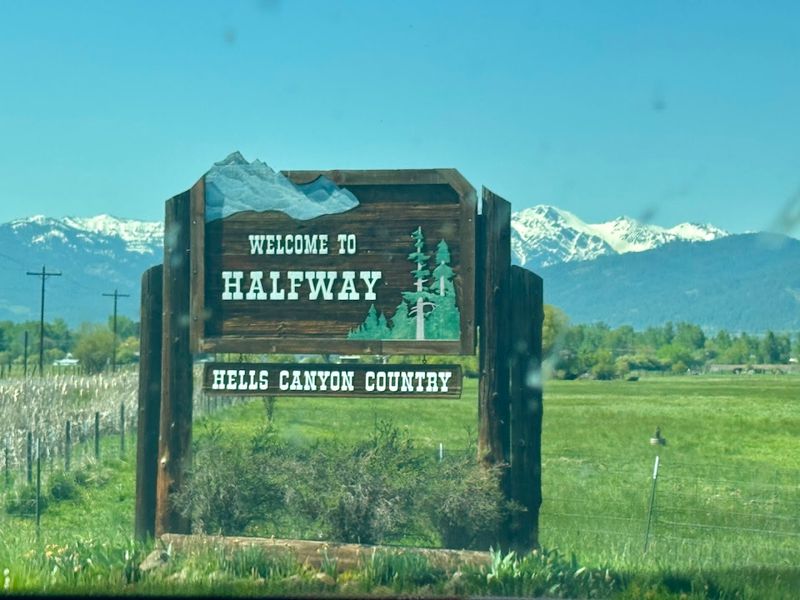
Halfway sits in Baker County, Oregon, at the foot of the Wallowa Mountains, tucked into a valley so quiet you can actually hear the wind moving through the pines. The official address is Halfway, Oregon 97834, and the town rests at coordinates 44.88 degrees north, 117.11 degrees west, which puts it deep in the northeastern corner of the state.
Getting there takes commitment. The nearest major city is Baker City, about 55 miles to the west, and the drive itself is part of the experience.
You wind through canyon roads, past cattle ranches, and alongside the Powder River before the valley finally opens up and reveals this small, unhurried community.
The town got its name in a straightforward way. Its original post office was placed on the Alexander Stalker ranch, right at the midpoint between two nearby settlements called Pine and Jim Town.
That practical, no-nonsense naming says a lot about the character of the people who built this place. Everything here has a reason, and nothing feels put on for show.
A Brief History That Actually Surprises You
Most small towns have a founding story that sounds like every other founding story. Halfway breaks that pattern in a few interesting ways.
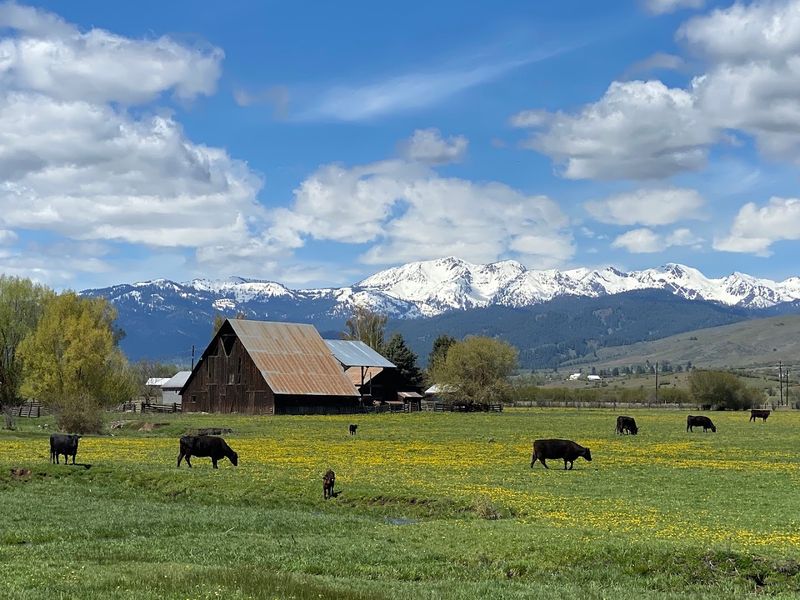
The area was originally settled in the late 1800s by ranchers and farmers who recognized the valley’s potential for agriculture, drawn by fertile soil and reliable water from nearby streams fed by mountain snowmelt.
By the early 1900s, a post office made the community official, and the name Halfway stuck because of its geographic position between Pine and Jim Town. It was never a gold rush boomtown or a railroad hub, which meant it grew slowly and steadily rather than flaring up and fading out like so many western settlements.
One of the more unusual chapters in the town’s history came in 2000, when Halfway briefly renamed itself Half.com as part of a promotion with an internet startup, becoming one of the first towns in the United States to take on a corporate name. The deal brought national attention and a computer lab for the local school.
The name did not stick permanently, but the story absolutely did.
The Landscape That Stops You Mid-Sentence
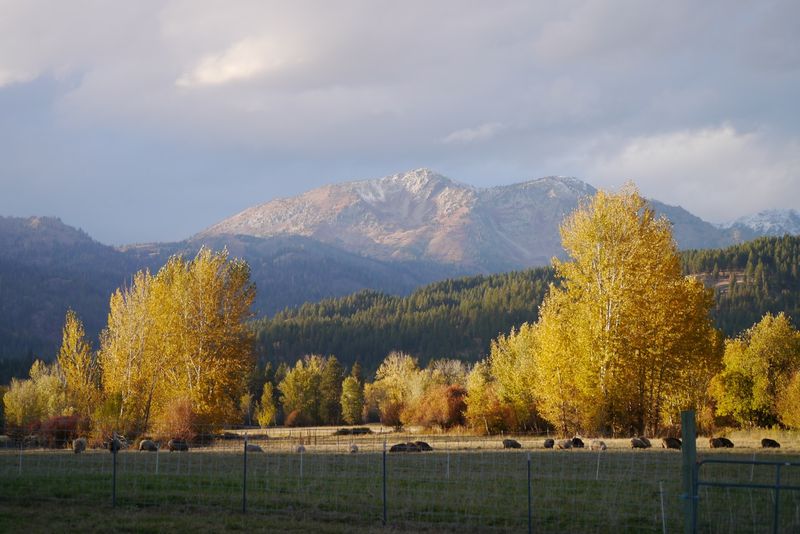
The setting around Halfway is the kind that makes you reach for your camera before you have even fully parked the car. The town sits in Pine Valley, a broad agricultural basin ringed by the Wallowa Mountains to the north and the Snake River country to the east.
The elevation sits around 2,680 feet, which gives the air a crispness that feels almost medicinal after time spent in a city.
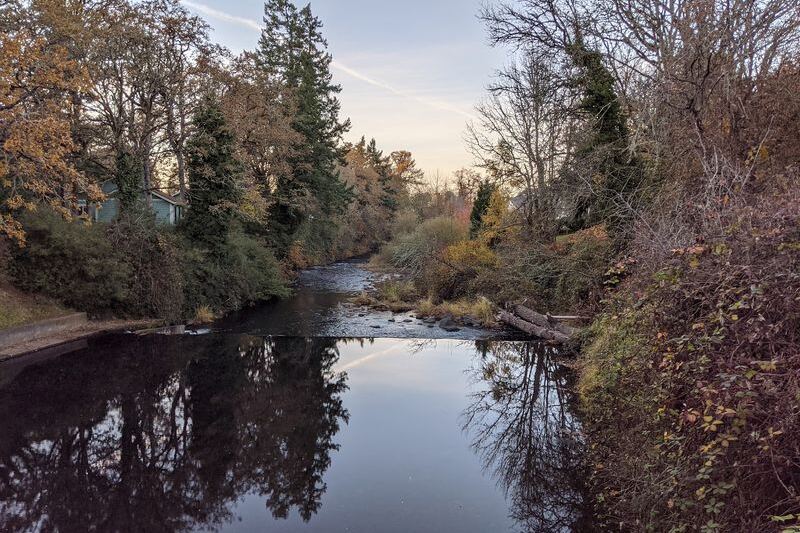
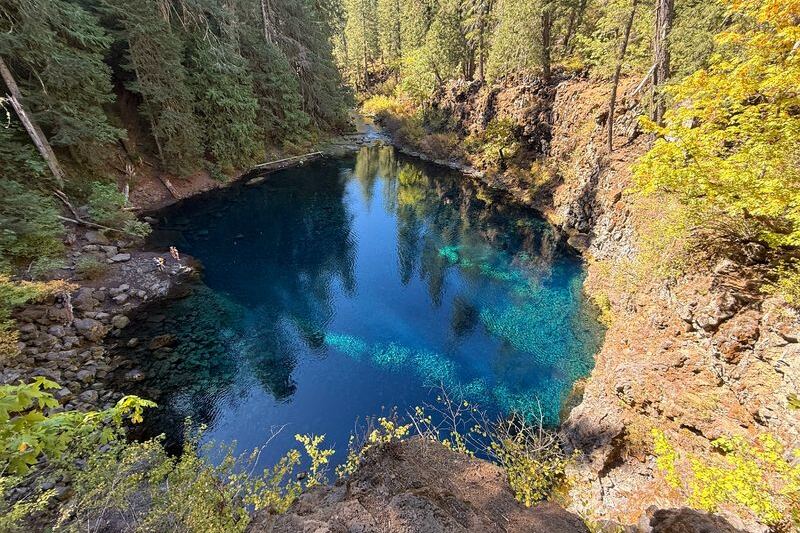
In summer, the meadows around town turn a deep green, wildflowers push up along roadsides, and the sky holds that particular shade of blue that only seems to exist at elevation. In autumn, the surrounding hillsides shift through gold, orange, and rust in a way that feels almost theatrical without trying to be.
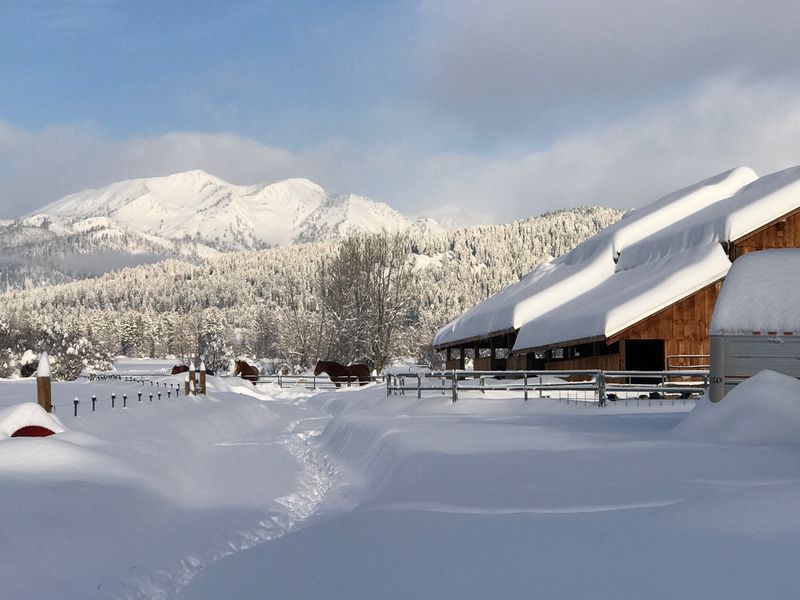
Winter brings snow to the valley floor and heavy snowpack to the peaks above, while spring arrives slowly and dramatically, with meltwater rushing through every creek and gulch. Each season transforms the landscape so completely that returning visitors often say the valley feels like four entirely different places depending on when you show up.
That kind of range is rare, and Halfway delivers it without charging admission.
Hells Canyon and the Wild Country Next Door
One of the biggest draws to this corner of Oregon is sitting just a short drive east of town. Hells Canyon, the deepest river gorge in North America, cuts along the Oregon-Idaho border and offers some of the most dramatic scenery on the continent.
The Snake River runs more than 7,900 feet below the peaks of the Seven Devils Mountains on the Idaho side, and the scale of it is genuinely hard to process when you first see it.
From Halfway, you can access the Hells Canyon National Recreation Area through several routes, including the road to Hells Canyon Dam and the overlooks along the canyon rim. Jet boat tours run out of the area and give visitors a river-level perspective of the canyon walls that no overlook can fully replicate.
Fishing in the Snake River is serious business here, with steelhead and sturgeon drawing anglers from across the Pacific Northwest. Hiking trails range from easy rim walks to multi-day backcountry routes that require real preparation and a good map.
For anyone who wants wild, unfiltered outdoor adventure without a crowd, this canyon delivers on every count.
The Wallowa-Whitman and the Trails That Go On Forever
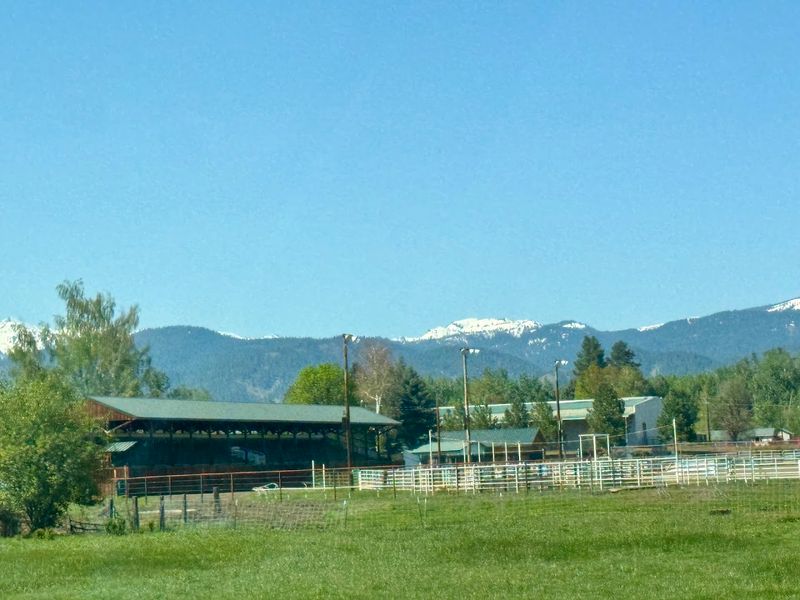
The Wallowa-Whitman National Forest wraps around Halfway like a green collar, and the trail system within it is extensive enough to keep a dedicated hiker busy for weeks. The forest covers more than 2.3 million acres across northeastern Oregon and a slice of Idaho, making it one of the larger national forests in the lower 48 states.
Trails near Halfway range from gentle valley walks to steep climbs into alpine terrain where the trees thin out and the views stretch for miles in every direction. The Eagle Cap Wilderness, accessible from the north side of the valley, protects some of the most pristine mountain scenery in the state, with glacier-carved lakes, granite ridges, and meadows that see relatively few visitors compared to more famous wilderness areas.
Horseback riding is a legitimate and popular way to explore this country. Several outfitters in the region offer guided pack trips into the backcountry, which means you do not need to be an experienced backcountry traveler to get deep into the wilderness.
The trails reward patience, and the payoff at the end of a long climb is the kind of view that recalibrates your sense of what beautiful actually means.
What Life Actually Looks Like in a Town of 351
The 2020 census counted 351 people living in Halfway, which means the entire town population could fit comfortably inside a mid-sized movie theater. That number tells you something important about the pace and texture of daily life here.
People know their neighbors. The post office is a social hub.
Local events draw most of the town at once.
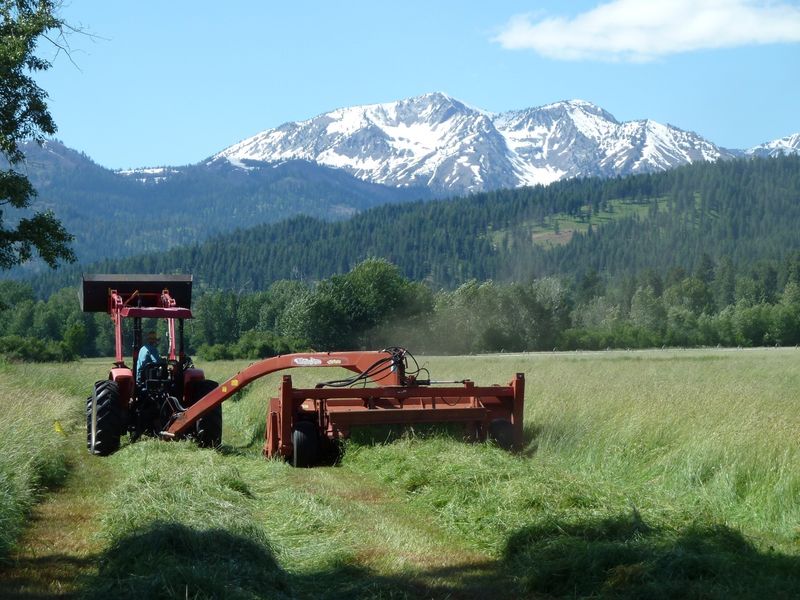
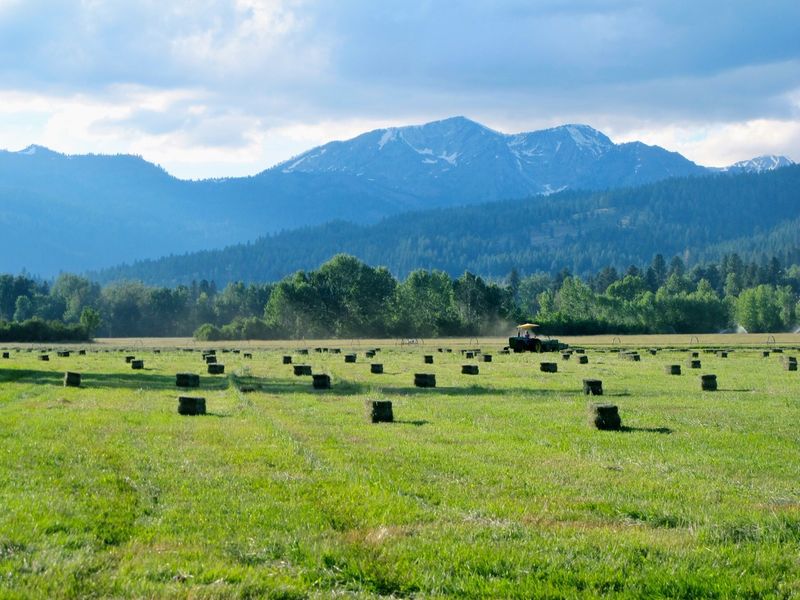
Agriculture anchors the local economy, with cattle ranching and hay farming dominating the valley floor. Small businesses serve the community’s basic needs, and the town has a school, a few local shops, and services that keep everyday life running without requiring a long drive to Baker City for every errand.
The community has a strong identity that comes from its isolation. People who choose to live here are not here by accident.
They value the space, the quiet, the self-reliance, and the particular kind of freedom that comes from being far from anywhere that considers itself important. Visitors who take the time to talk to locals usually come away with a new appreciation for what it means to actually belong to a place rather than just passing through it.
The Pine Valley Community That Keeps Things Running
Halfway serves as the heart of the broader Pine Valley community, which includes the surrounding ranches, farms, and small rural neighborhoods that dot the valley. The sense of community here runs deeper than what most suburban or urban residents experience, partly because necessity demands cooperation and partly because the population is small enough that everyone’s contribution actually matters.
The Pine Valley Community Center hosts local events throughout the year, including fundraisers, seasonal celebrations, and gatherings that bring the valley together. The local school system serves students from a wide geographic area, and school events tend to function as community events by default.
Volunteers handle a lot of what larger towns outsource to paid services, from fire protection to community improvement projects. There is a pride in that kind of ownership that you can feel when talking to longtime residents.
They are not waiting for someone else to fix things or organize things. They do it themselves, which gives the community a resilience that is quietly impressive and genuinely worth admiring from up close.
Fishing, Hunting, and the Serious Outdoor Culture
Outdoor recreation in this part of Oregon is not a casual weekend hobby. For many people who live in and around Halfway, it is woven into the rhythm of the year.
Hunting seasons structure the fall calendar the way sports seasons structure life in bigger cities, and fishing is treated with the kind of seriousness that comes from generations of practice.
Deer and elk hunting in the surrounding national forest and private ranch lands draws hunters from across the Pacific Northwest every autumn. The terrain is demanding, the animals are wild and unhabituated to people, and a successful hunt here feels genuinely earned.
Guided hunting trips are available for those who want local expertise and access to private land.
Fishing options are equally serious. The nearby Powder River, Eagle Creek, and the Snake River all offer different experiences depending on the season and the species you are after.
Trout, steelhead, and bass are all part of the local fishing culture. For anyone who measures a great trip by the quality of the water and the weight of the catch, this corner of Oregon consistently delivers the kind of results that make you start planning the return visit before you have even driven home.
The Best Time to Visit and What to Expect When You Arrive
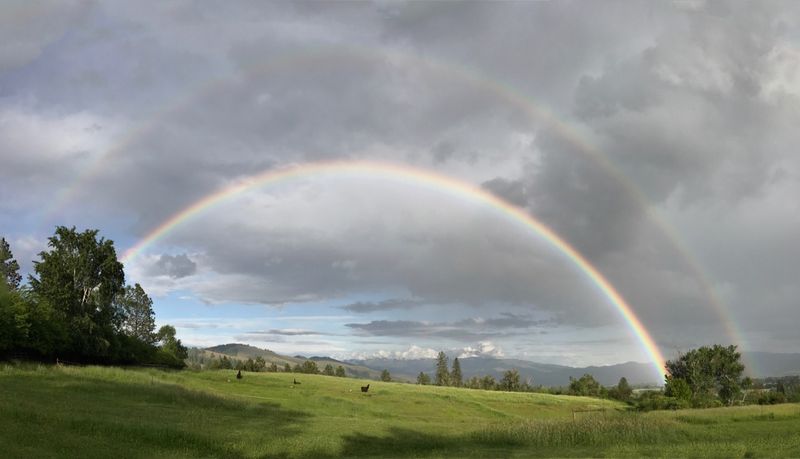
Late spring through early fall is the most popular window for visiting Halfway, and for good reason. The roads are clear, the trails are accessible, and the valley is at its most visually striking between May and October.
Summer days are warm and dry, with temperatures typically ranging from the mid-60s to the mid-80s Fahrenheit, which makes outdoor activity genuinely comfortable rather than a test of endurance.
Autumn is arguably the most rewarding season to visit. The crowds, never large to begin with, thin out considerably after Labor Day, and the fall color in the surrounding hills and canyons more than compensates for the cooler temperatures.
Early mornings in October can feel sharp and clear in a way that makes everything look freshly painted.
Winter visits are for the adventurous and the well-prepared. Snowmobiling and cross-country skiing become the dominant outdoor activities, and the valley takes on a stillness that is almost surreal.
Spring is unpredictable, with mud season arriving before the wildflowers, so pack accordingly. Whatever season brings you here, the experience is genuine and unhurried, which is the whole point of making the trip in the first place.
Where to Stay and How to Fuel Up
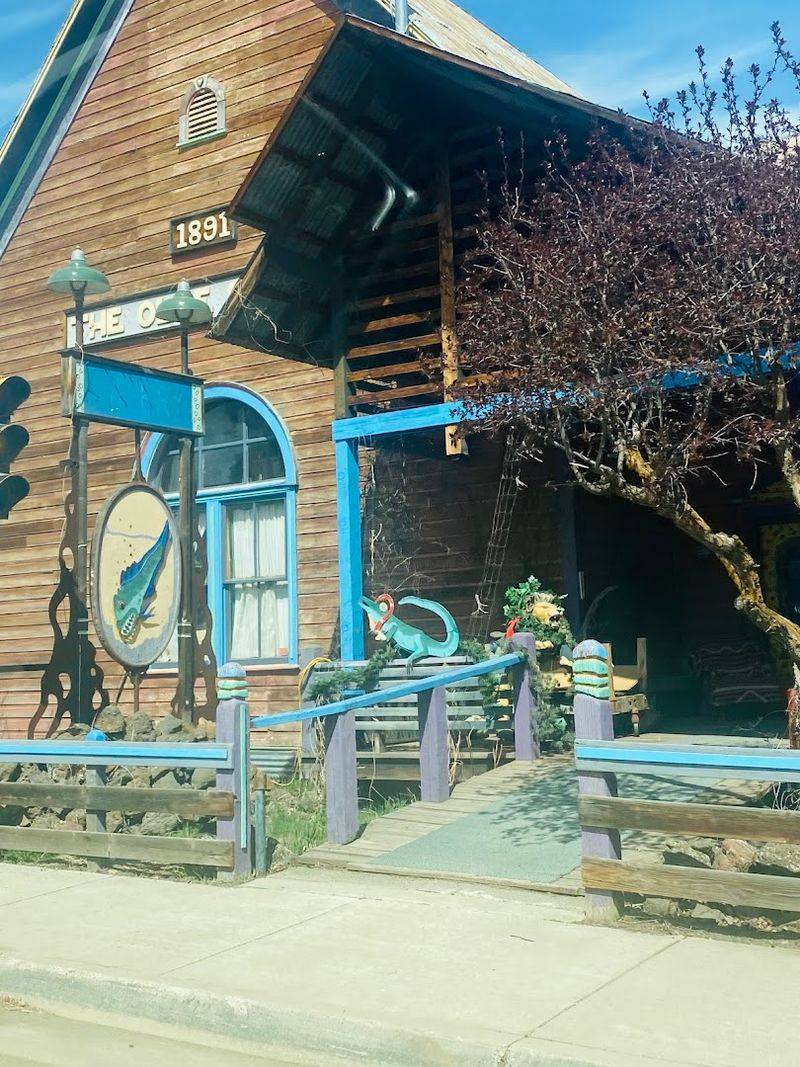
Accommodation options in Halfway are modest and honest, which fits the character of the place perfectly. The town and surrounding area offer a handful of small motels, vacation rentals, and ranch-style lodges that provide comfortable, functional places to rest after a day spent outdoors.
Nothing here is trying to be a luxury resort, and that is genuinely refreshing.
The Halfway Motel has served travelers in the area for years and provides clean, straightforward rooms at rates that feel almost nostalgic compared to what you would pay in a larger tourist destination. Vacation rental platforms list several cabins and farmhouses in the valley that give visitors a more immersive experience of what it actually feels like to settle into this landscape for a few days.
Dining options are limited but reliable. A small number of local restaurants and diners serve hearty, unpretentious food that reflects the working-ranch culture of the valley.
Breakfast is taken seriously here, portions are generous, and the coffee is hot. If you plan an extended stay, stocking up on groceries in Baker City before heading into the valley is a smart move that most experienced visitors make without being told twice.
Why a Town This Small Still Manages to Leave a Big Impression
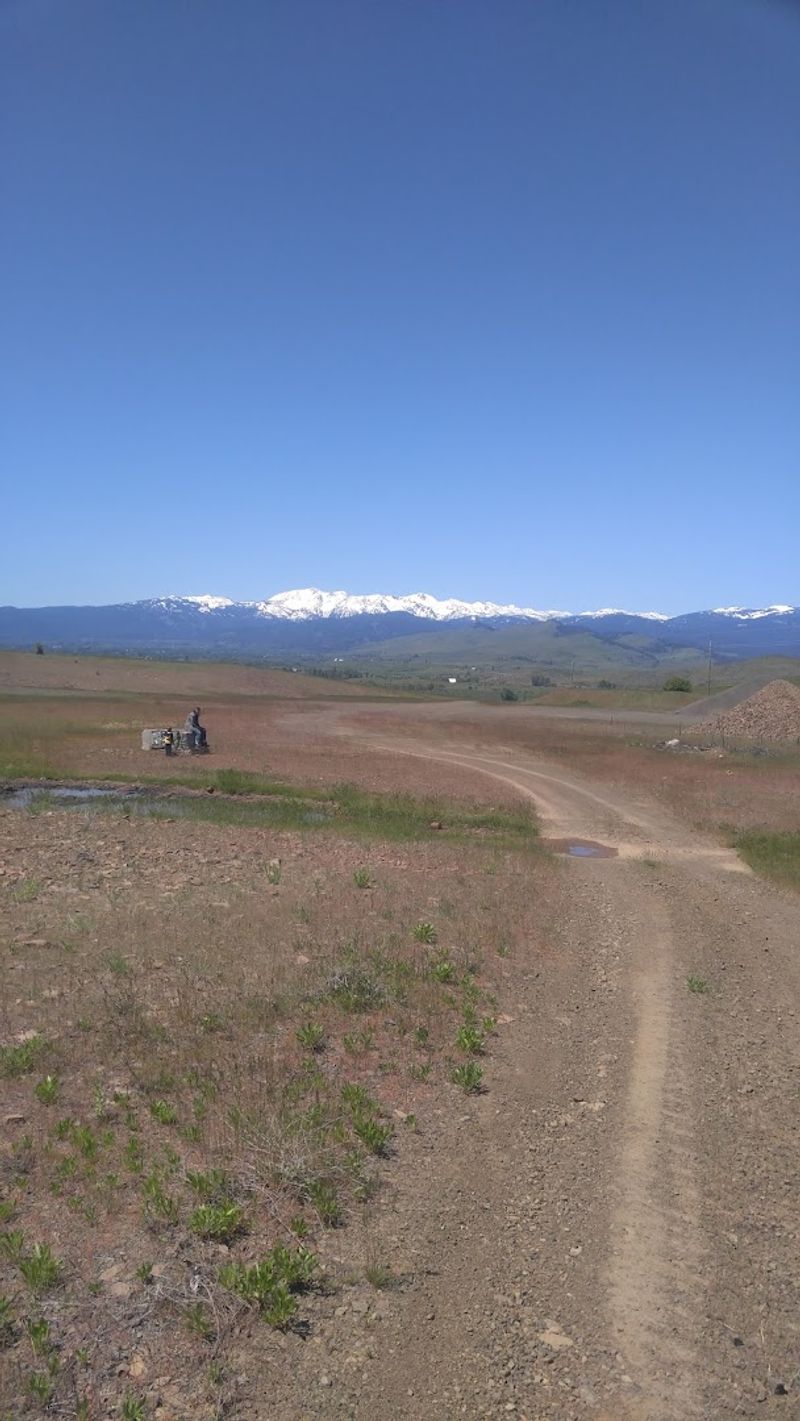
There is something specific that happens when you spend a few days in a place like Halfway. The noise in your head that you stopped noticing because it became constant actually goes quiet.
The scale of the mountains, the unhurried pace of the town, and the absence of the usual distractions all work together to produce a kind of mental reset that most people did not realize they needed.
The town’s story, from its practical naming history to its unexpected internet-era fame, reflects a community that has always been willing to adapt without losing its core identity. That kind of resilience in a small place is worth paying attention to.
Halfway will not dazzle you with amenities or entertainment options. What it offers instead is authenticity, space, and scenery that rewards the effort it takes to get there.
The drive in is long, the roads are winding, and the nearest big-box store is an hour away. But the people are real, the mountains are magnificent, and the quiet is the kind that actually sticks with you long after you have made the drive back out to wherever the rest of your life is waiting.
Share this story