 Unearth The Voyage
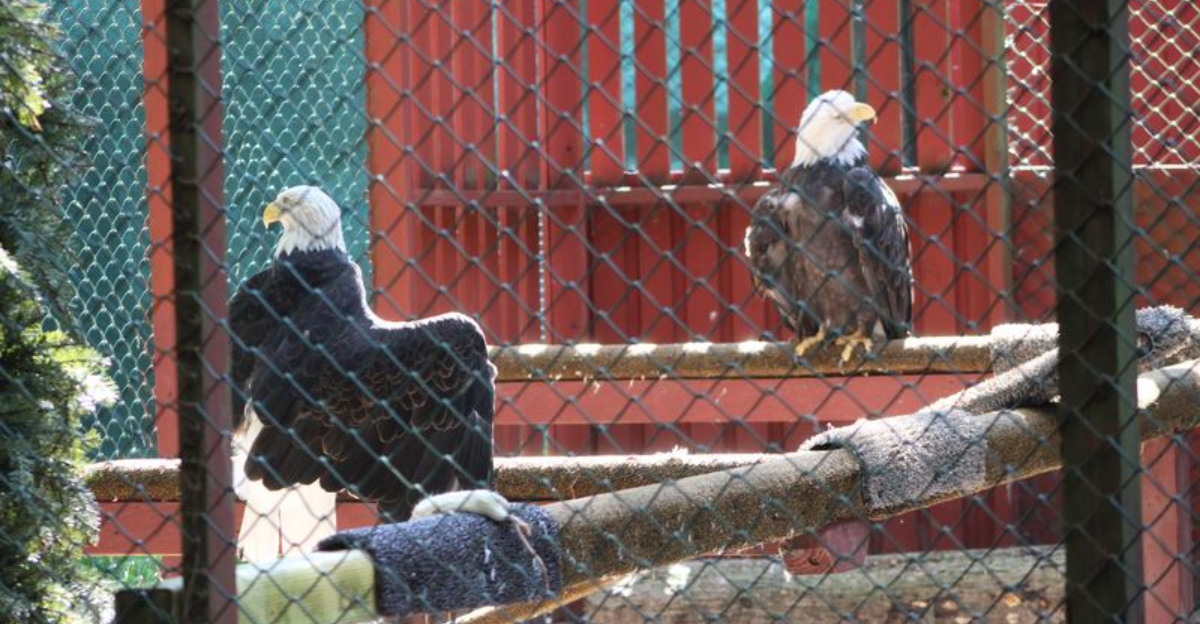
Tucked away in the hills of New Jersey, there is a place where injured hawks, owls, eagles, and other birds get a real second chance at life. Every year, thousands of birds arrive broken, grounded, and unable to fly, and a dedicated team works quietly to send as many of them back into the wild as possible.
The operation runs on donations, passion, and a whole lot of knowledge about birds that most people never get to see up close. This is not a zoo, and it is not a wildlife park.
It is something far more interesting, and once you know what happens inside, you will understand why families drive hours just to visit and why so many people leave with a new appreciation for the birds they pass every single day.
Where It All Begins: Address and Location
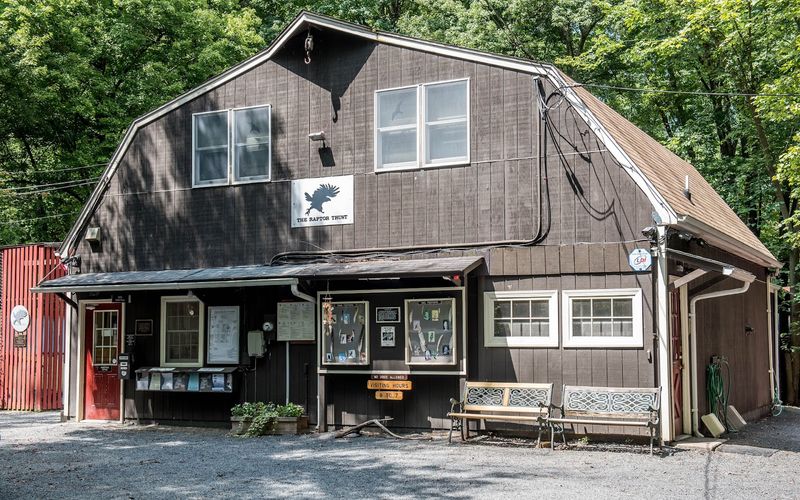
The Raptor Trust sits at 1390 White Bridge Rd, Millington, NJ 07946, right on the edge of the Great Swamp National Wildlife Refuge. That location is no accident.
Being surrounded by one of the most important wetland habitats in the northeastern United States means the center is perfectly placed to receive injured wildlife and, when possible, release recovered birds directly back into a protected natural area.
The grounds are flat and easy to walk, with crushed stone pathways that connect the various bird enclosures. A parking lot sits about 100 yards from the main facility, and the walk in gives visitors a gentle preview of the forested setting that wraps around the property.
The center is open every day of the week from 9 AM to 4 PM, making it easy to plan a visit on any schedule. Admission is free, though a suggested donation of around two dollars helps keep the operation running strong.
The Mission Behind the Birds
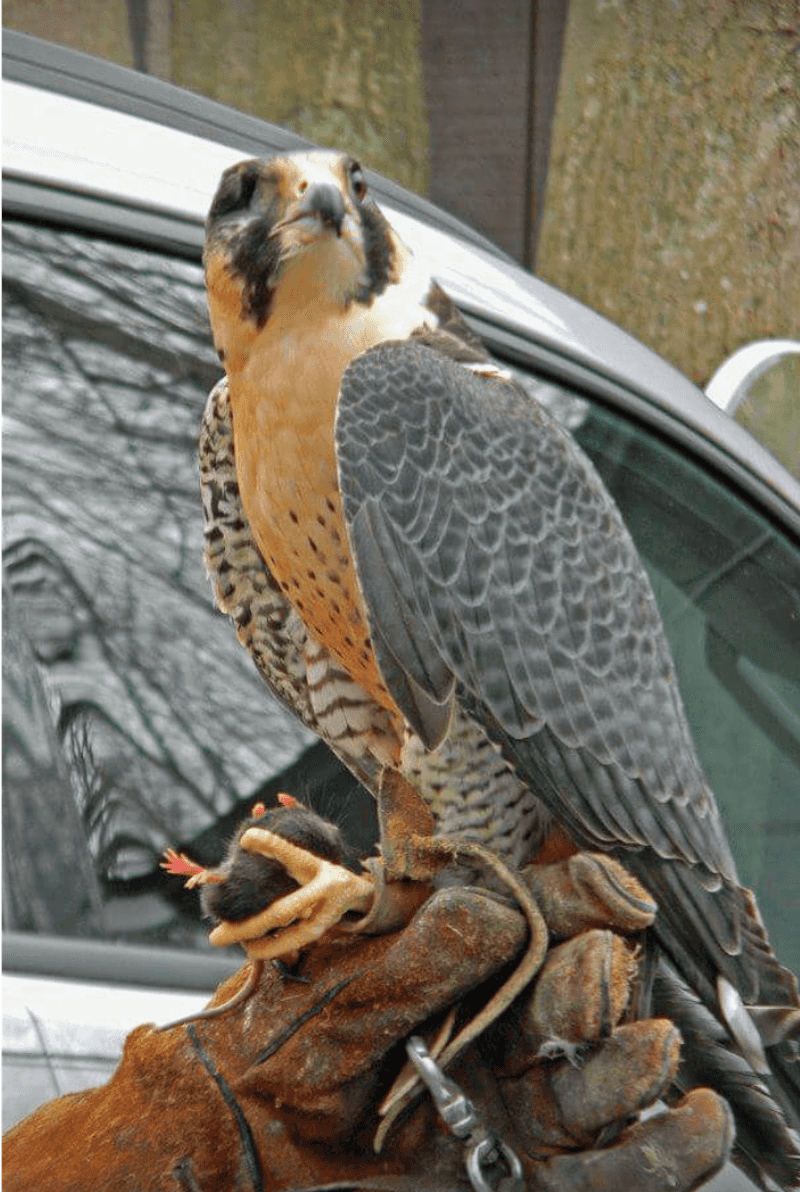
The Raptor Trust was founded with one clear goal: to rehabilitate injured and orphaned birds and return them to the wild whenever medically possible. The center does not keep birds as permanent residents by choice.
Every bird that arrives goes through an assessment, receives care, and is released the moment it is healthy enough to survive on its own.
The birds that do stay permanently are the ones that cannot be released due to injuries that make survival in the wild impossible. These resident birds serve an important role in education, allowing visitors to observe species they would almost never encounter in the normal course of daily life.
The organization operates as a nonprofit, which means every dollar donated goes directly toward feeding, housing, and treating the birds in its care. Staff members are knowledgeable and genuinely invested in the work, and that commitment shows in the quality of care the birds receive every single day.
A Hospital for Hawks and Eagles
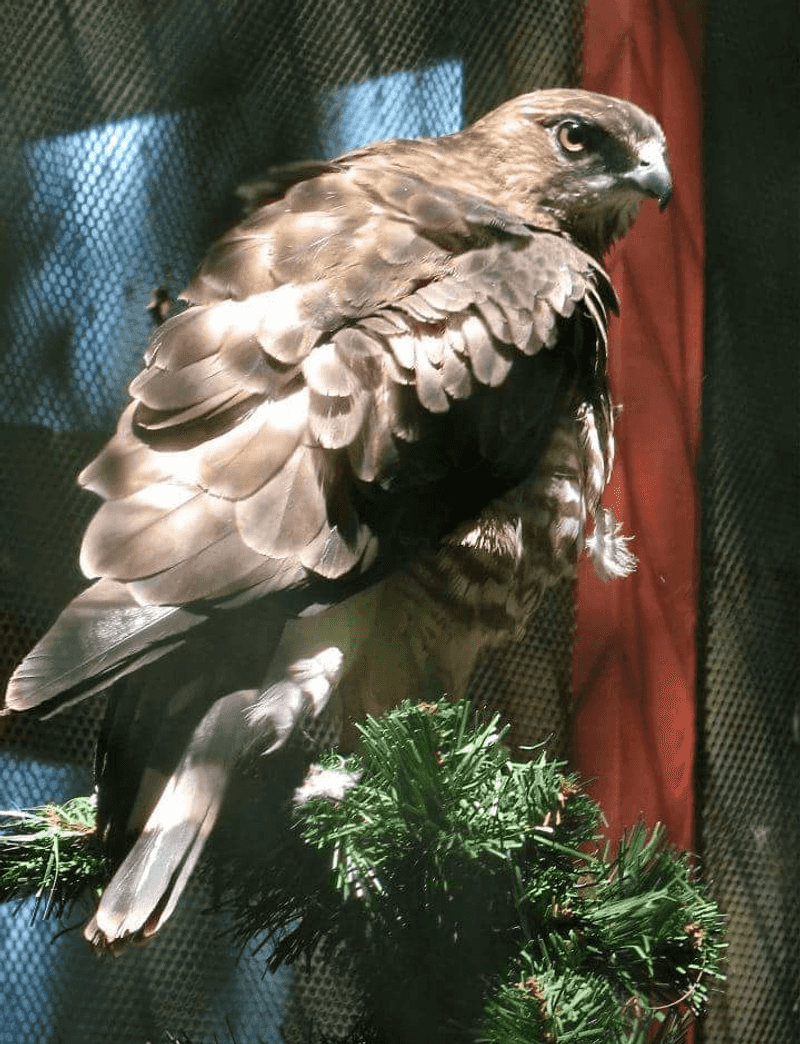
Most people have never seen a bald eagle up close, and fewer still have seen one recovering from an injury under professional care. The Raptor Trust functions as a full medical facility for birds, handling everything from broken wings and leg injuries to infections and malnutrition.
The range of species treated there is remarkable.
Golden eagles, red-tailed hawks, Cooper’s hawks, American kestrels, and multiple owl species all pass through the center at various points throughout the year. Some arrive as fledglings that fell from nests.
Others come in after collisions with vehicles or windows.
The treatment process involves skilled staff who understand raptor biology and behavior well enough to guide each bird through recovery without causing additional stress. The goal is always to minimize human contact so that released birds retain their natural instincts.
That careful approach is part of what makes the success rate at this facility genuinely impressive.
Owls, Vultures, and Ravens on Display
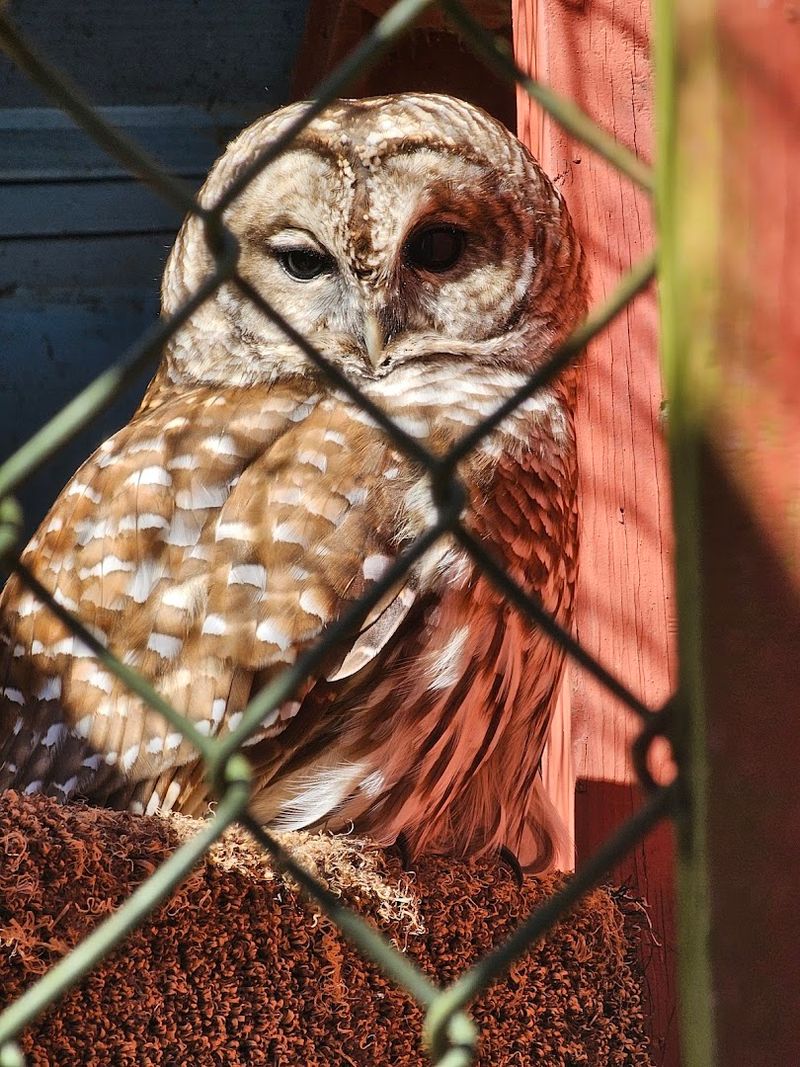
For visitors who come to see birds, the permanent resident collection at The Raptor Trust does not disappoint. Owls are among the most popular draws, and the center houses several species that visitors can observe at surprisingly close range.
Great horned owls, barred owls, and barn owls are among the regulars.
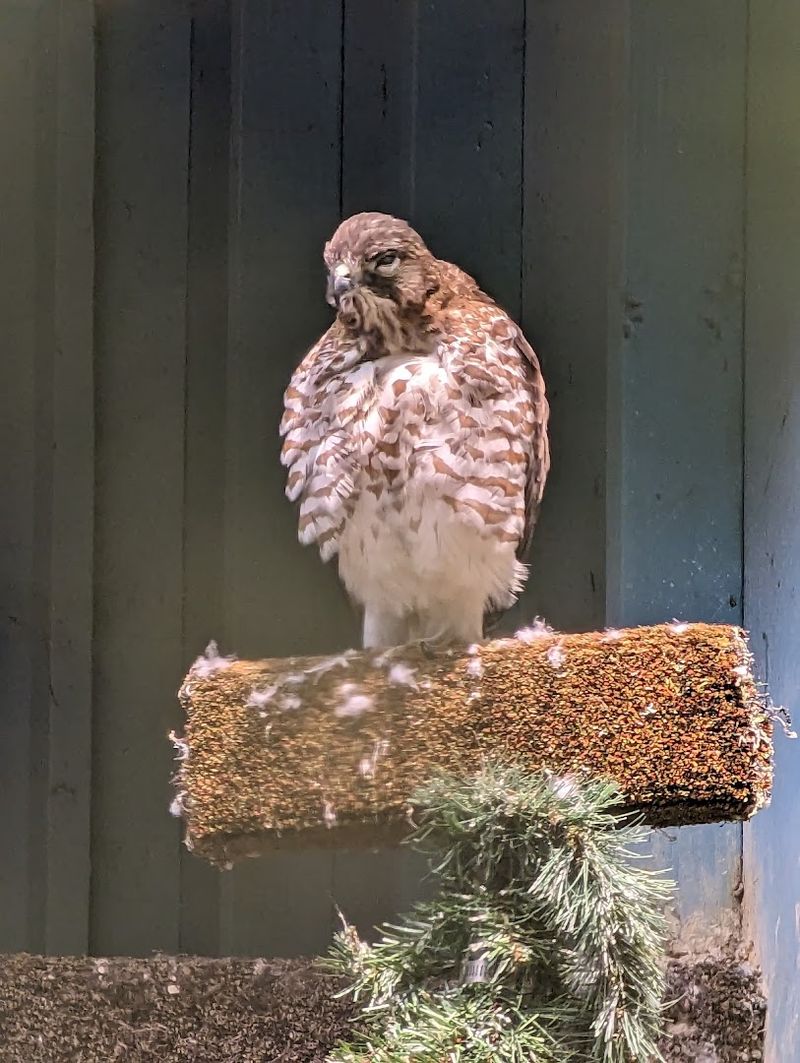
Beyond owls, the center also hosts vultures, ravens, and various hawk species that cannot be returned to the wild. Each bird has its own story, and the enclosures are designed to give the animals enough space to move naturally while still allowing clear viewing from the pathways outside.
Seeing a turkey vulture or a golden eagle up close reframes how most people think about these animals entirely. They are far larger, more complex, and more compelling than any photograph can capture.
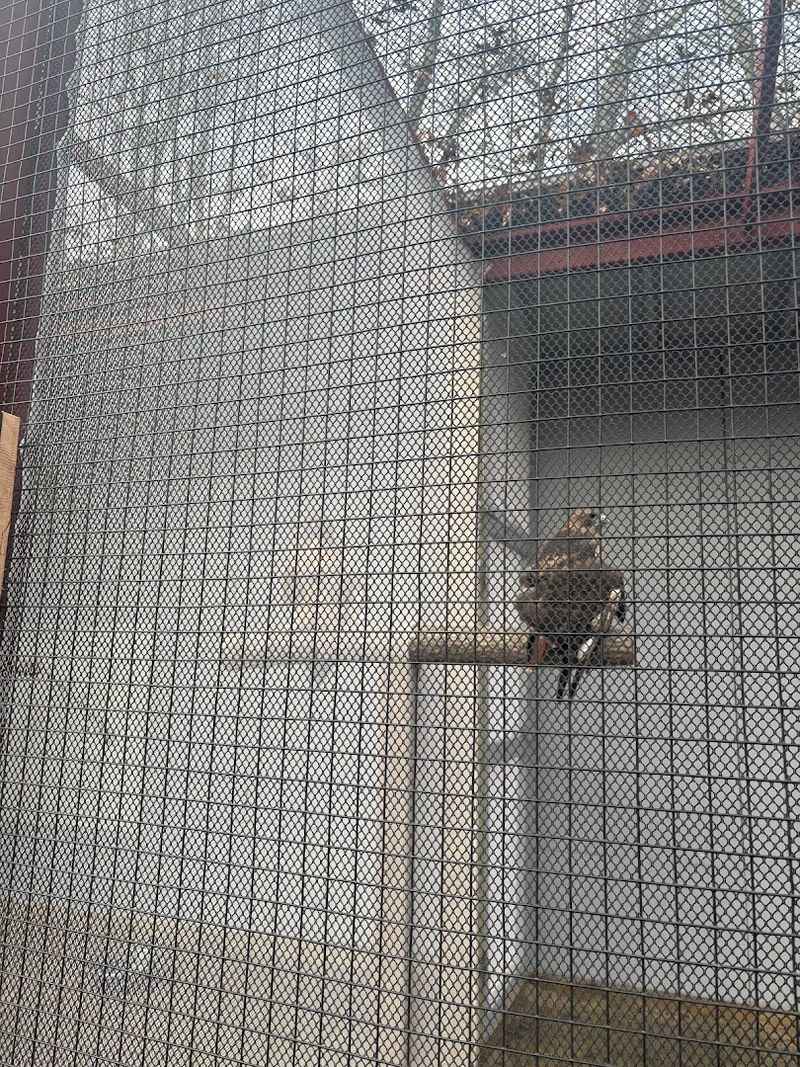
The double-layer mesh fencing that protects the birds does make photography tricky, but the in-person experience more than compensates for any camera frustration.
Bringing in an Injured Bird
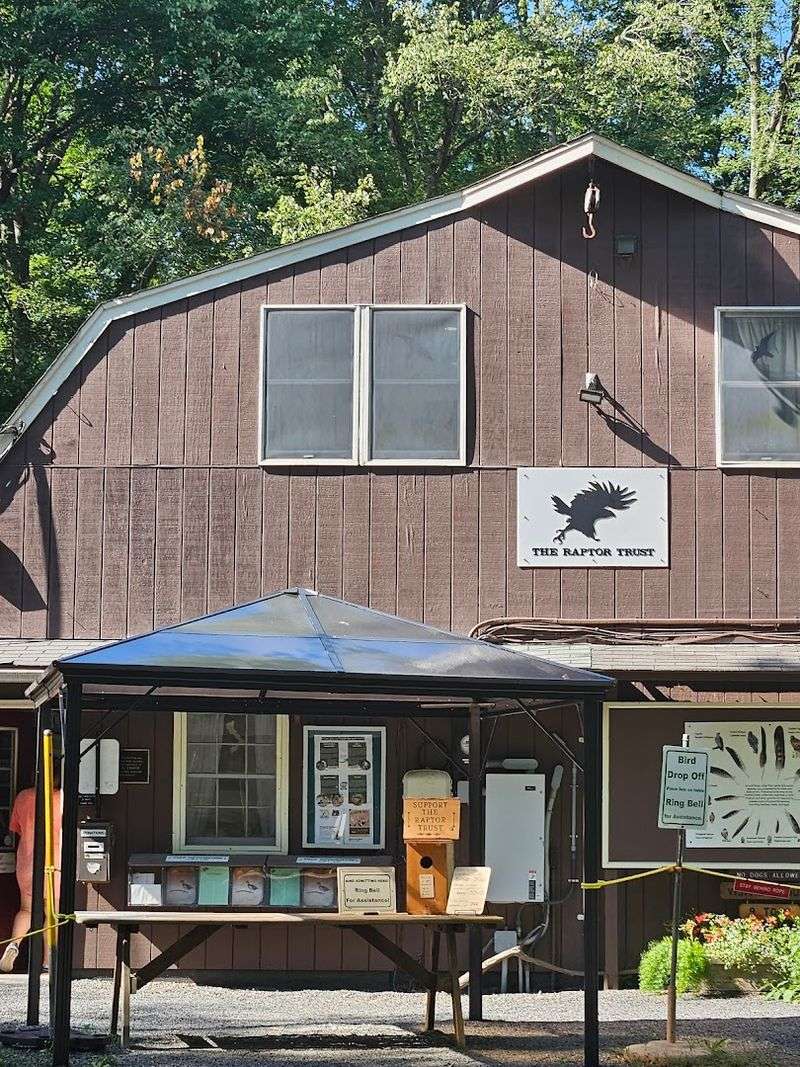
One of the most valuable services The Raptor Trust offers is its intake program for injured wild birds. Anyone who finds a hurt bird in New Jersey can bring it to the center, and the staff will take it in, assess it, and begin treatment.
The process is straightforward, and the team is trained to handle the situation calmly and professionally.
What sets the center apart is the follow-up system it offers to people who bring in birds. Each intake comes with a tracking card that includes a unique ID number, allowing the person who brought the bird in to check on its recovery progress online.
That small detail makes a meaningful difference to people who feel personally connected to the animal they helped rescue.
The center accepts most native bird species, though it does not take in invasive species. That policy is rooted in conservation science and reflects the broader commitment to protecting native wildlife ecosystems across New Jersey and the surrounding region.
Educational Programs Worth Planning Around
The Raptor Trust runs a range of educational programs that go well beyond a standard self-guided walk around the grounds. Private tours are available and give families or small groups a more in-depth look at the birds and the science behind their rehabilitation.
Tour guides mix real facts with just enough humor to keep younger visitors engaged throughout.
School groups and nature organizations frequently use the center as a field trip destination, and the educational content covers topics from raptor anatomy and hunting behavior to the environmental pressures that put birds at risk in the first place. The programs are designed to leave participants with a clearer understanding of why birds of prey matter to healthy ecosystems.
Families who have done private tours report that children absorb the information readily when it is presented in a hands-on, face-to-face setting with actual birds nearby. The center also offers programs that can be booked in advance for groups with specific educational goals in mind.
The Gift Shop Is a Genuine Surprise
Not every wildlife center has a gift shop worth stopping for, but the one at The Raptor Trust is a legitimate highlight of the visit. The selection includes shirts, hats, mugs, books, plush bird toys, and small nature items like roosting nests for backyard birds.
The quality of the merchandise is solid, and the items feel specific to the mission rather than generic.
Owl plush toys are especially popular with younger visitors, and they tend to sell well enough that stock rotates regularly. For adults, the books covering raptor biology and bird identification are genuinely useful and pair well with the experience of having just seen many of those species in person.
Every purchase in the gift shop supports the center financially, which makes shopping there feel like a natural extension of the donation mentality that runs through the whole visit. It is a small shop, but the curation is thoughtful and the staff working it are friendly and helpful without being pushy.
How the Donation System Works
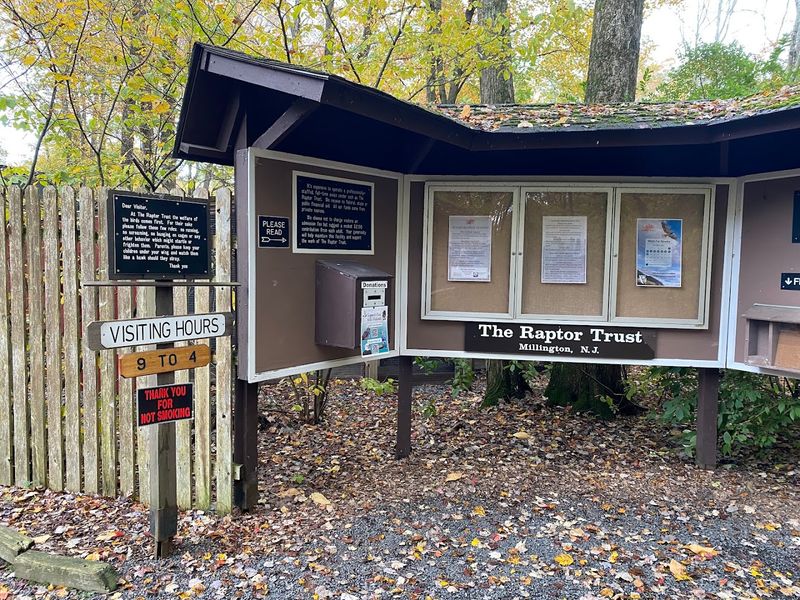
The Raptor Trust operates on a suggested donation model, which means there is no ticket price and no barrier to entry for families who cannot afford admission fees. The suggested contribution is around two dollars per person, though visitors are welcome to give more or less based on what they can manage.
Donation boxes are located at the main entrance, and the center is transparent about how contributions are used. The money goes toward food, veterinary supplies, enclosure maintenance, and staff support.
For a facility that treats thousands of birds each year, those costs add up quickly.
Online donations are also accepted through the center’s website at theraptortrust.org, making it easy to contribute even after a visit is over. Many visitors return home and make a second donation once they have had time to reflect on what they saw.
The center’s reputation for honest, mission-driven work has helped it build a loyal base of supporters across the state and beyond.
Perfect for Families With Kids
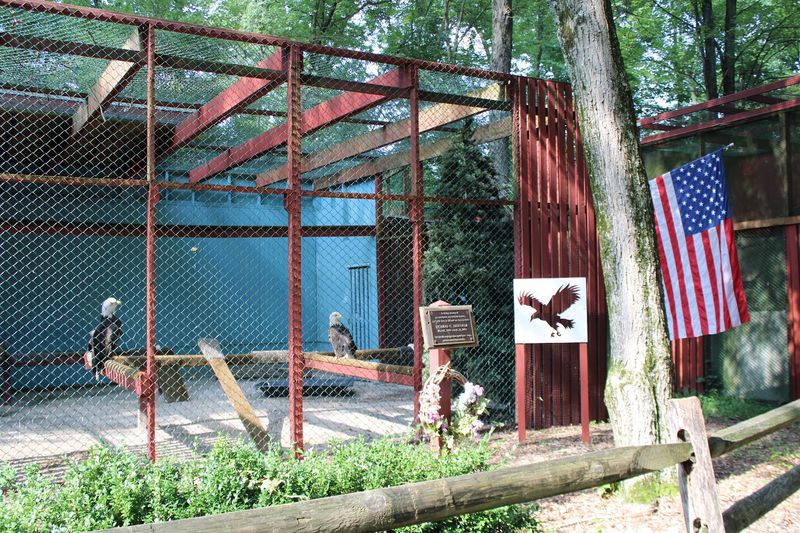
Few outdoor activities in New Jersey combine education, wildlife viewing, and accessibility as naturally as a visit to The Raptor Trust. The flat, well-maintained pathways make the facility easy to navigate for strollers, young children, and anyone with mobility considerations.
The whole loop takes about an hour at a relaxed pace.
Children tend to respond strongly to seeing large birds of prey up close for the first time. A bald eagle or a great horned owl seen through a fence is still an experience that most kids remember for a long time.
The staff is patient with younger visitors and good at explaining things in age-appropriate language.
One practical note for parents: it is worth reminding kids to keep voices low and avoid running near the enclosures, as sudden noise can stress the birds. That small adjustment in behavior is also a good teaching moment about how to act respectfully around wild animals in a care setting.
Combining the Visit With Great Swamp
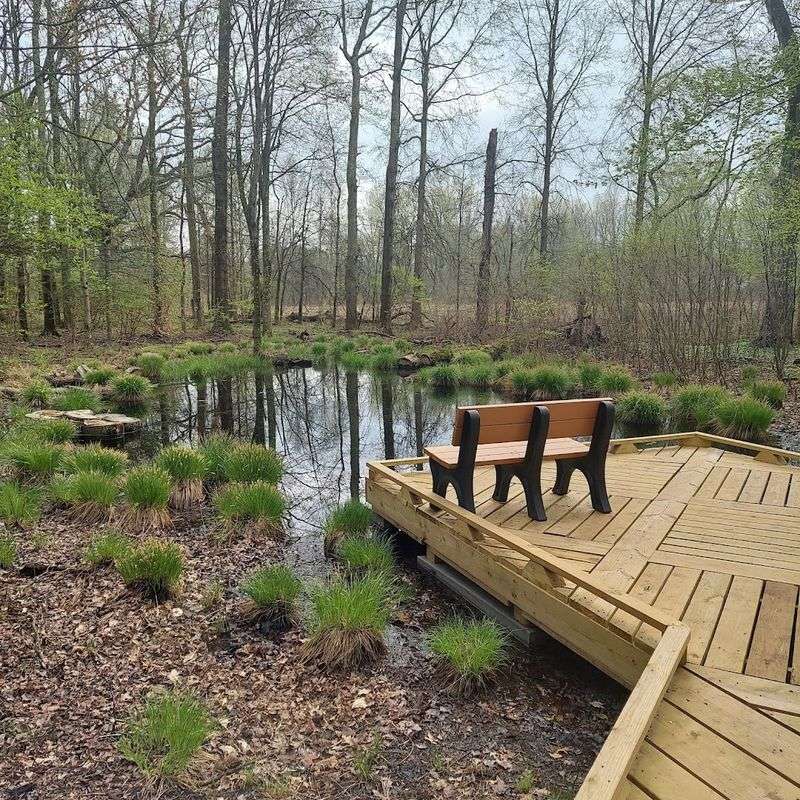
The Raptor Trust sits right alongside the Great Swamp National Wildlife Refuge, which makes it an easy pairing for a full day outdoors in Morris County. The refuge offers miles of walking trails through wetlands, forests, and meadows, and the bird diversity there complements what visitors see at the center itself.
Hikers who do a trail in the refuge and then stop at The Raptor Trust on the way back get two very different wildlife experiences in a single outing. The refuge is all about birds in their natural habitat moving freely through the landscape.
The center offers a slower, closer look at individual birds with stories attached to each one.
The combination works particularly well for families or groups that want to stretch a day trip into something more substantial. Both destinations are free, both are rooted in conservation, and together they give visitors a well-rounded picture of what New Jersey’s natural environment actually supports and protects.
What Makes the Facility Stand Out
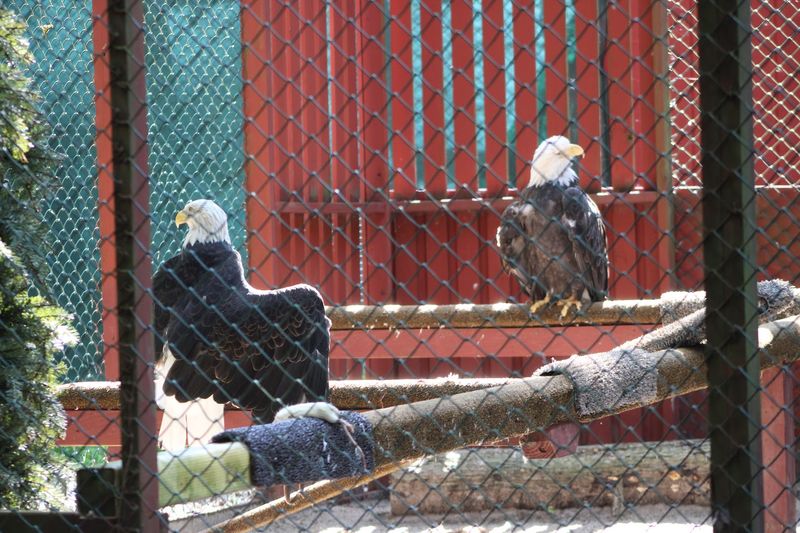
Wildlife rehabilitation centers vary widely in quality, and The Raptor Trust has earned its reputation as one of the better operations in the country by maintaining clean facilities, knowledgeable staff, and a clear commitment to the birds over everything else. The enclosures are large enough to give active birds room to fly and are kept in consistently good condition.
Birds that have lost the use of wings are given ramps and modified perches so they can still move around their space with some degree of independence. That attention to individual animal needs reflects a level of care that goes beyond basic housing requirements.
The double-layer nylon mesh fencing that covers most enclosures is sometimes a point of frustration for photographers, but the center is clear that bird safety drives that design decision. The mesh prevents birds from injuring themselves against the fence during moments of stress, which is a genuine concern in any rehabilitation setting.
The Release Rate and What It Means
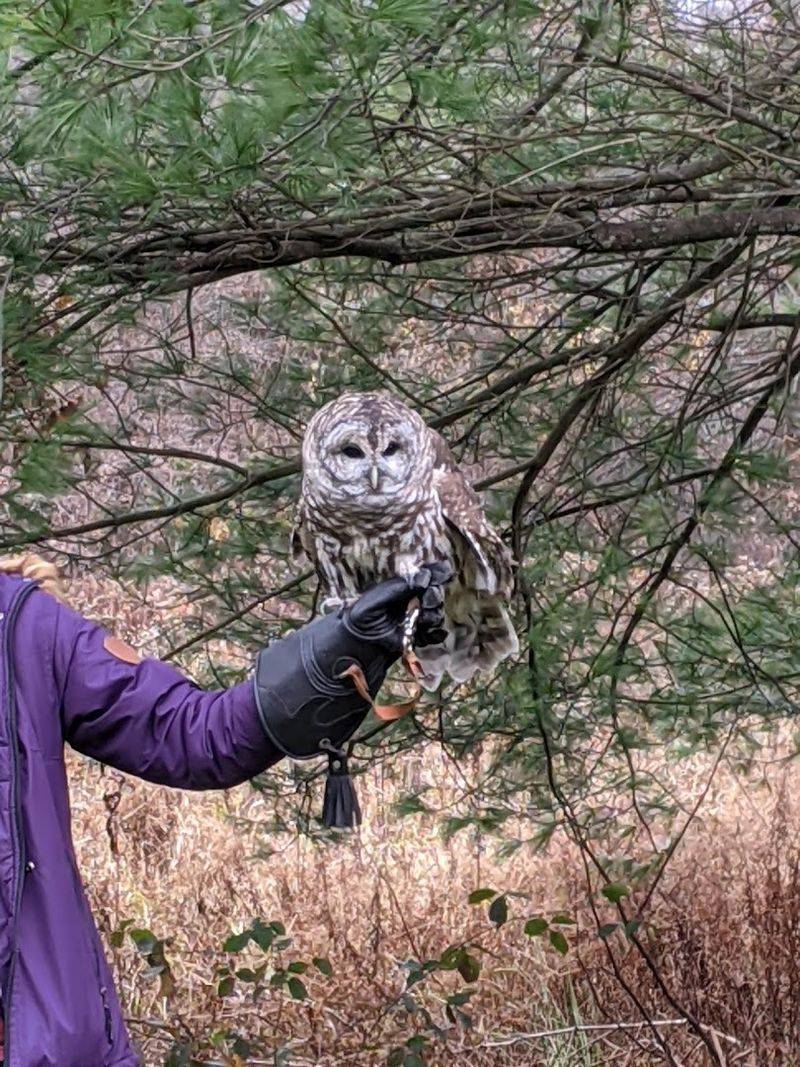
The whole point of The Raptor Trust is not to keep birds but to send them back out into the world. The center maintains a strong release rate, meaning that a significant portion of the birds that come in for treatment are eventually cleared for return to the wild.
That outcome is the measure of success the staff works toward with every intake.
Getting a bird from injured and grounded to fully flight-capable again requires patience, precise medical care, and a rehabilitation process that often includes flight conditioning in larger enclosures before release. The timeline varies by species and injury type, but the process is thorough.
For the people who bring in injured birds, knowing that the animal they rescued has a realistic chance of returning to the wild is meaningful. The tracking system that lets finders check on a bird’s progress adds a personal dimension to what might otherwise feel like a transaction.
That connection between people and birds is part of what keeps the center’s mission alive.
Planning Your Visit: What to Know Before You Go
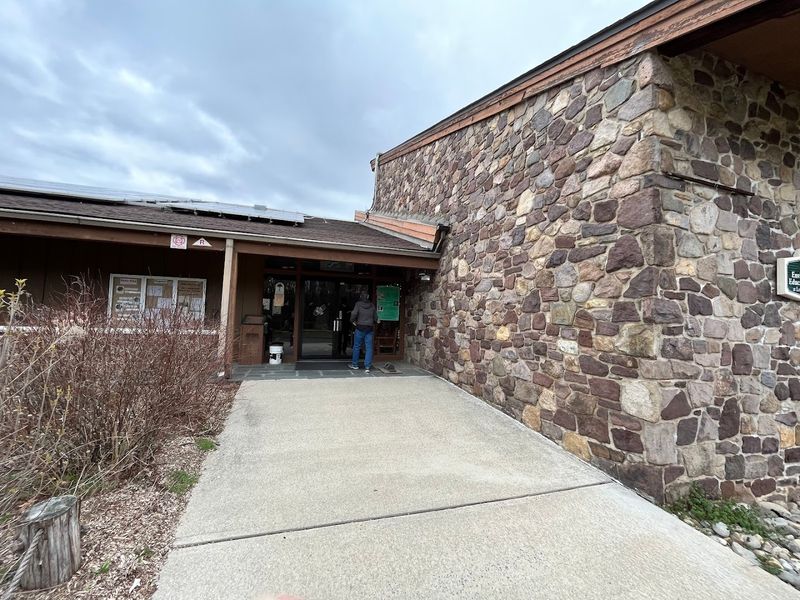
The Raptor Trust is open seven days a week from 9 AM to 4 PM, which gives visitors a solid window of time to plan around. Arriving earlier in the day tends to mean fewer crowds, and the birds are often more active in the morning hours as well.
Weekends draw more families, so weekday visits offer a quieter experience.
Wearing comfortable walking shoes is a good idea since the pathways are crushed stone rather than paved. The grounds are fully shaded in many areas, which makes the visit comfortable even on warmer days.
There is no food service on site, so packing a snack or planning to eat elsewhere before or after is worth considering.
Bringing cash for the donation box is a simple way to support the center directly. The website at theraptortrust.org has current information on programs, donation options, and any seasonal updates.
A visit to The Raptor Trust leaves most people rethinking how much is actually happening out in the natural world just beyond their everyday view.



