 Unearth The Voyage
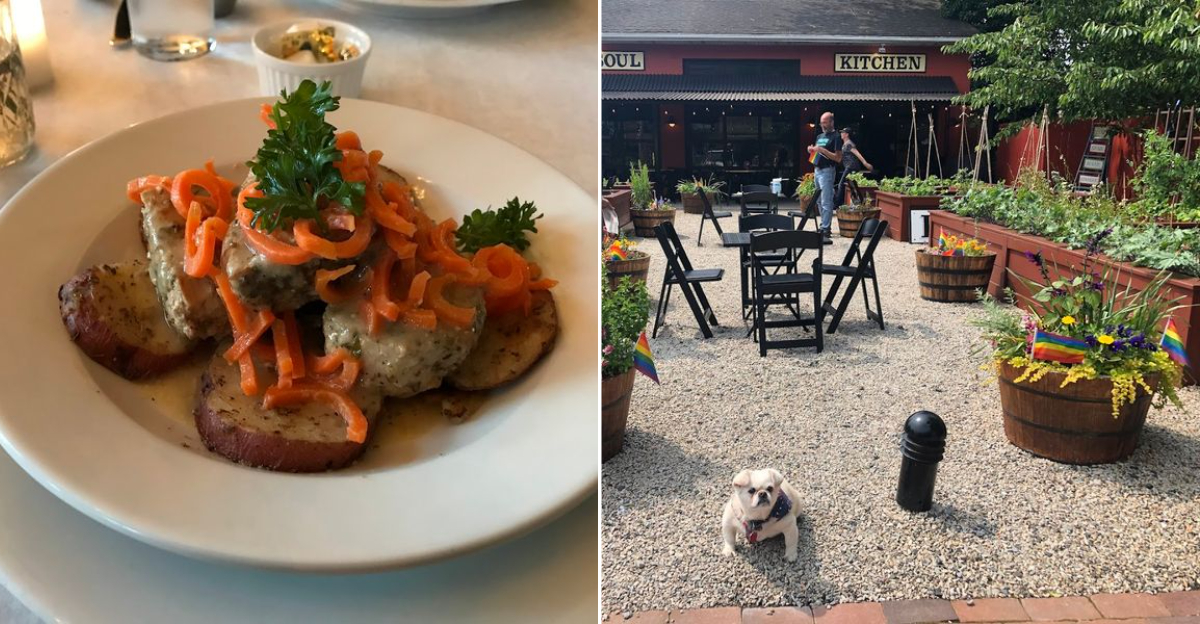
There is a restaurant in Red Bank, New Jersey, where you sit down, order a full three-course meal, and never once see a price tag. No dollar amounts, no totals, no awkward mental math.
Instead, a suggested donation guides what you pay, and if you cannot pay at all, you are still welcome at the table. The place was founded by rock legend Jon Bon Jovi and his wife Dorothea, and it runs entirely on a pay-it-forward model that has quietly changed the way people in the community eat, connect, and ask for help.
The food is chef-crafted, the portions are generous, and the staff are volunteers who genuinely want to be there. By the time you leave, the meal feels like the least remarkable part of the whole experience, and that is saying a lot, because the food is really, really good.
Where You Will Find It and What to Expect at the Door
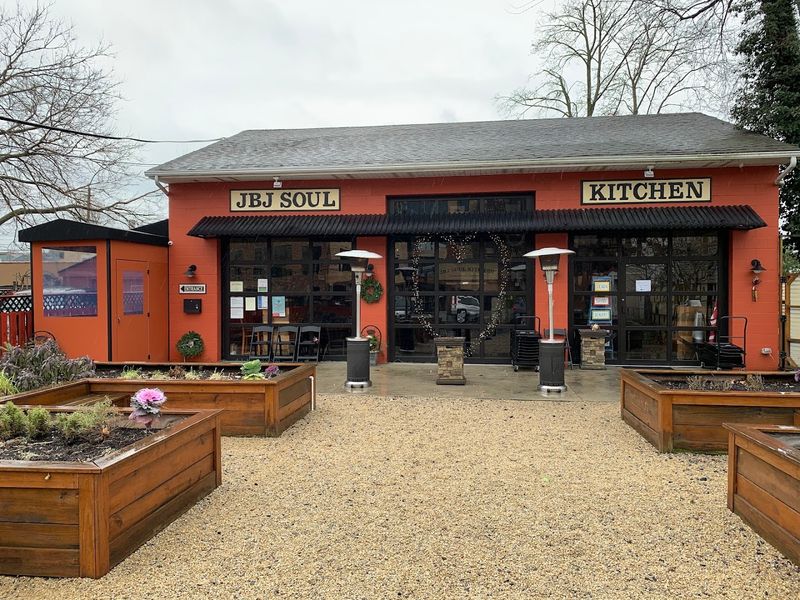
The address is 207 Monmouth St, Red Bank, NJ 07701, and the building itself is modest enough that you might walk past it if you are not paying attention.
There is no flashy marquee or velvet rope outside. What you do get is a clean, welcoming entrance and a sign that says, simply, “All Are Welcome at Our Table.” That motto is not just a decorative phrase; it is the entire operating philosophy of the place.
Hours are limited, so checking the schedule before you go is a must. The kitchen runs Wednesday through Saturday evenings from 5 to 7 PM, with a Friday and Sunday lunch from 11:30 AM to 1:30 PM.
Monday and Tuesday the doors stay closed.
The restaurant does not take reservations in the traditional sense, so arriving early is a smart move, especially on weekends when word-of-mouth traffic picks up and seats fill quickly.
The Story Behind the Restaurant and the Foundation That Built It
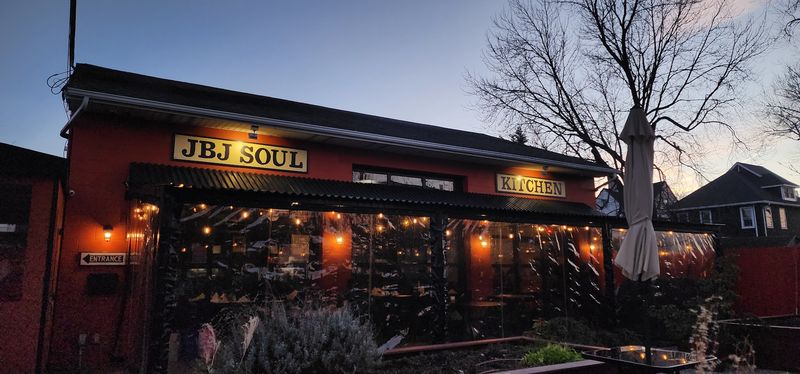
Jon Bon Jovi and his wife Dorothea launched the JBJ Soul Foundation with a focus on breaking cycles of poverty and food insecurity, and the Soul Kitchen is the most visible expression of that mission.
The Red Bank location opened as a non-profit community restaurant where paying customers and people in need sit side by side at the same tables, eating the same food, with no visible difference between them.
The idea was rooted in a belief that hunger does not discriminate and that dignity matters as much as nutrition. People who can afford to pay are encouraged to make a suggested donation and, if they choose, to pay a little extra to cover someone else’s meal.
That pay-it-forward structure keeps the kitchen running and the community fed. Guests who flew in from Wisconsin just to experience this concept firsthand have called it one of the most meaningful meals they have ever had.
A Menu With No Price Tags Attached
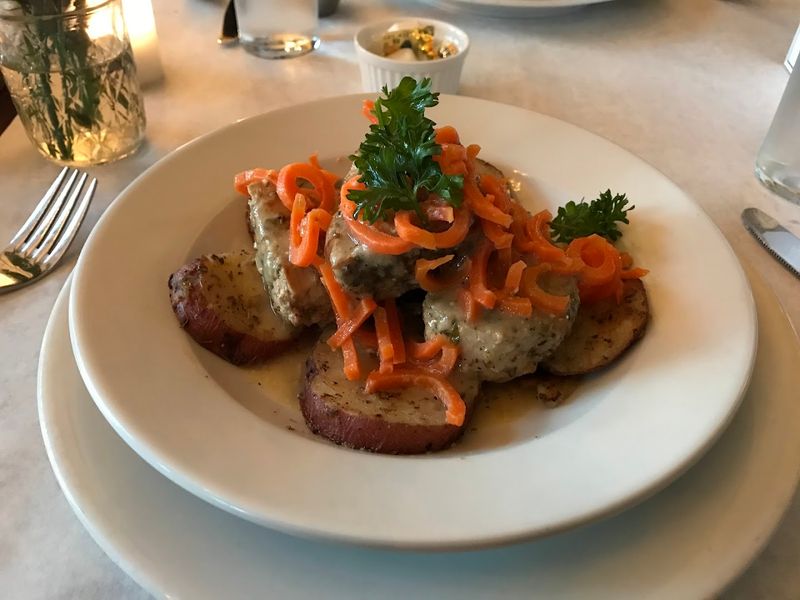
The menu at JBJ Soul Kitchen is a rotating, chef-crafted lineup of American dishes built around fresh, seasonal ingredients, and not a single price appears anywhere on it.
A typical dinner service offers a three-course format: a starter such as soup or salad, a main course, and dessert. Past menus have featured spring pea arancini with herby-lemon dipping sauce, soul-seasoned pork roulade, salmon with garlic spinach sauce, beef bolognese, shrimp kebabs, and orange olive oil cake with earl grey tea creme anglaise.
The suggested donation for the full three-course dinner is around $25 to $30 per person, though guests are free to give more and often do.
Executive Chef Emily designs the menus with care, and the plating is polished enough that more than one guest has pointed out they have paid significantly more at conventional restaurants for food that did not come close to this level of quality.
The Pay-It-Forward Model That Powers Everything
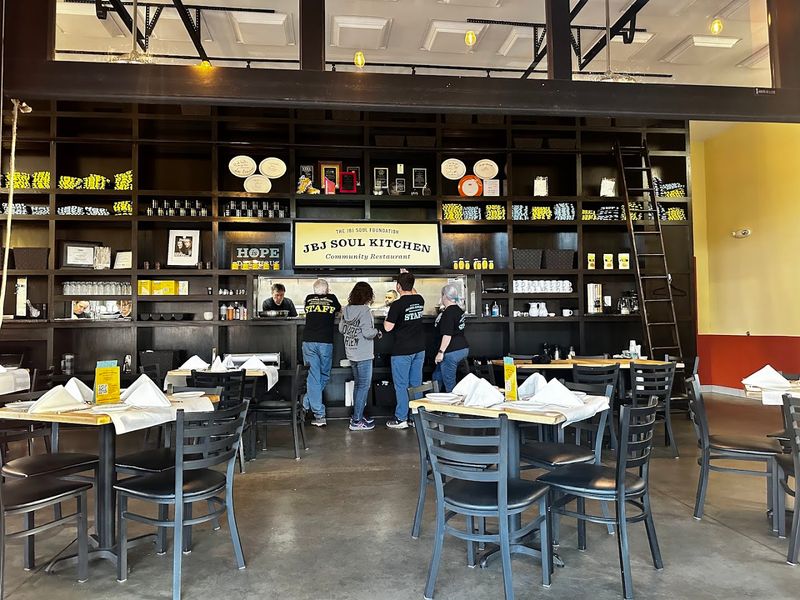
The pay-it-forward concept at JBJ Soul Kitchen works in a straightforward way: guests who can afford to give a little more do so, and that extra donation covers the meal of someone who cannot pay at all.
There is no separate entrance, no different menu, and no way for anyone at the table to tell who paid and who did not. That intentional equality is part of what makes the model so effective at preserving dignity for everyone who walks through the door.
People who cannot make a monetary donation have another option: they can volunteer their time at the restaurant, working as servers, gardeners, or kitchen helpers in exchange for their meals.
Long-term volunteers become familiar faces, and some guests have returned multiple times specifically to reconnect with people they met during previous visits. The community that forms around this model is, by many accounts, as nourishing as anything on the plate.
Farm-to-Table Food That Punches Well Above Its Weight
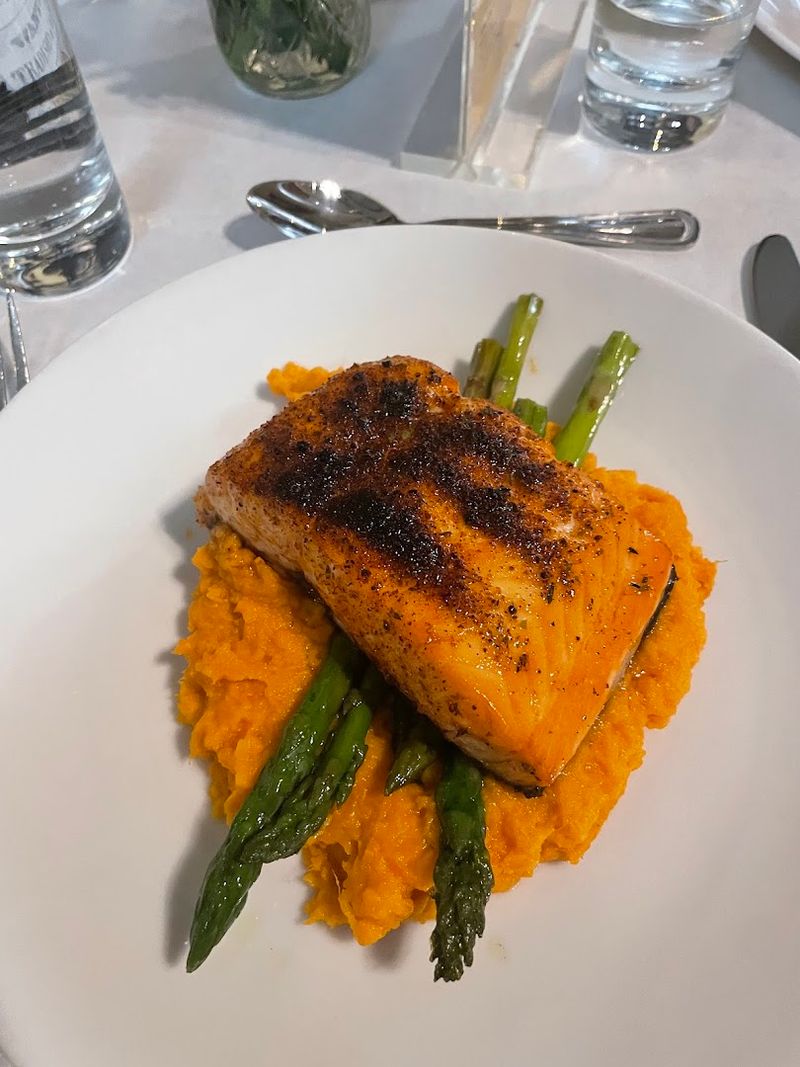
The food at JBJ Soul Kitchen is genuinely impressive, and that surprises a lot of first-time visitors who expect community restaurant cooking to be basic and utilitarian.
The kitchen works with farm-fresh ingredients, including produce from a farm that was donated to the foundation. Herbs grow out front, and the seasonal menus reflect whatever is fresh and available.
Dishes that guests have raved about include thick, well-seasoned pork chops with rich mashed potatoes and gravy, blueberry pound cake, carrot cake with cream cheese icing, coconut milk-based soup, and cauliflower steak for vegan diners.
Portions are generous, and the plating is careful and considered. Chef Emily has earned consistent praise for creating food that feels restaurant-quality in the best possible sense, not just adequate for a community setting but genuinely excellent by any standard.
That commitment to quality is not accidental; it is a deliberate part of treating every guest with the same level of respect and care.
Volunteers Who Make the Whole Operation Run
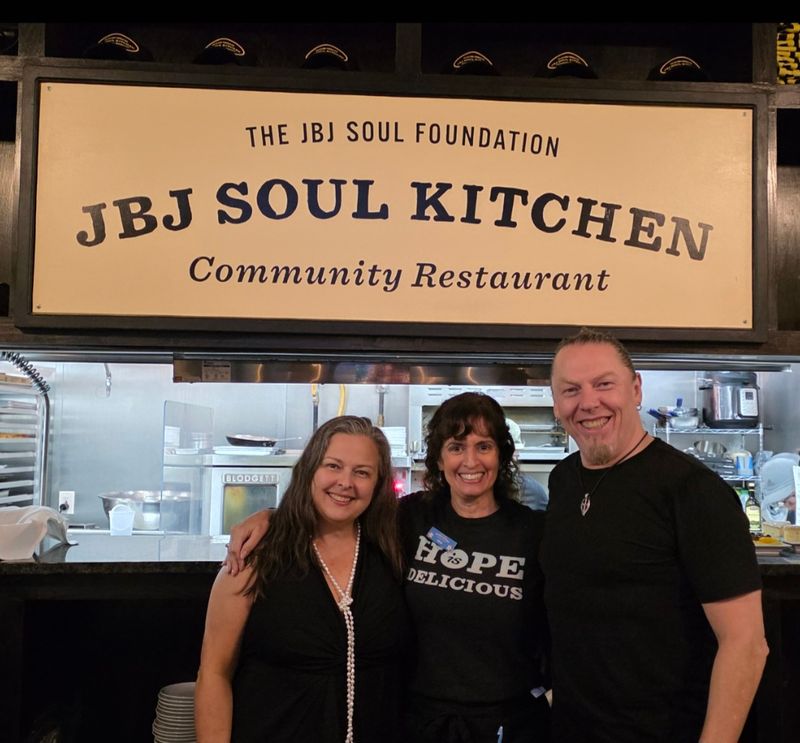
Every server, host, and helper at JBJ Soul Kitchen is a volunteer, and that fact becomes obvious not because the service is rough around the edges but because the warmth feels completely genuine.
Volunteers come from all walks of life. Some are regulars who have been showing up for years.
Others are people who once came in as guests in need and later chose to give back by working a shift.
Staff members hand crayons and coloring books to children, remember guests by name across multiple visits, and sit down at tables to talk when the moment is right. That personal quality is difficult to manufacture and impossible to fake.
One volunteer named Gina has become something of a beloved fixture at the Red Bank location, with repeat visitors specifically hoping to run into her. When a guest finally got a photo with Gina after years of trying, it felt like a small personal victory worth celebrating.
Sharing a Table With Strangers and Why It Works
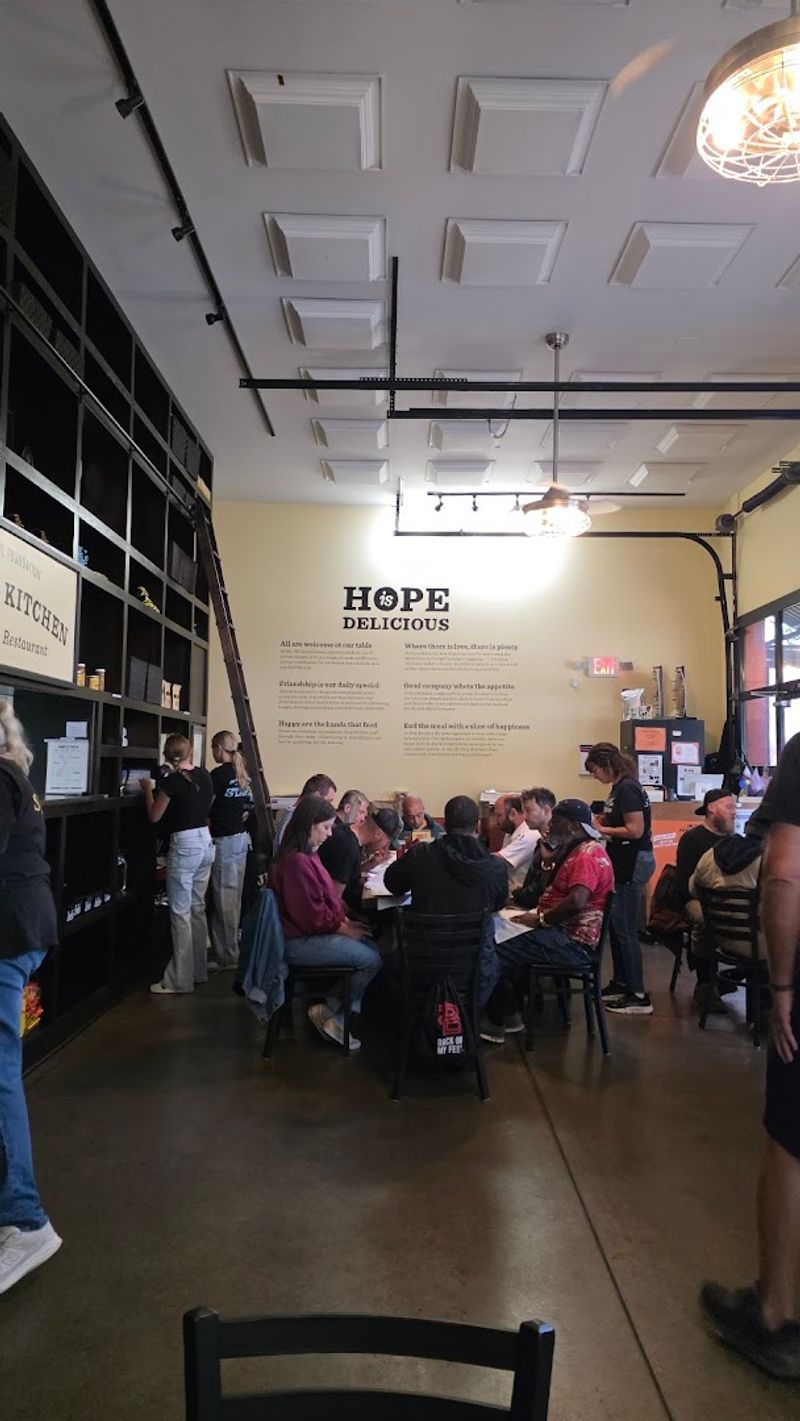
Communal dining is not new, but at JBJ Soul Kitchen it takes on a specific meaning that most restaurants cannot replicate.
When the restaurant is busy and a party of two arrives, the host may ask if they are open to sharing a four-top with other guests. Most people say yes, and what follows is often the most memorable part of the visit.
Guests have found themselves seated next to people from completely different backgrounds, sharing conversation over a three-course meal and leaving with a perspective they did not expect to gain at dinner.
One group described sitting with a young man who had rebuilt his entire life through connections he made at the Soul Kitchen, first as a guest in need, then as a volunteer, and then as someone with stable housing and a path forward.
That kind of story does not happen by accident; it happens because the restaurant is designed to bring people together rather than keep them apart.
The Garden and Outdoor Dining Experience
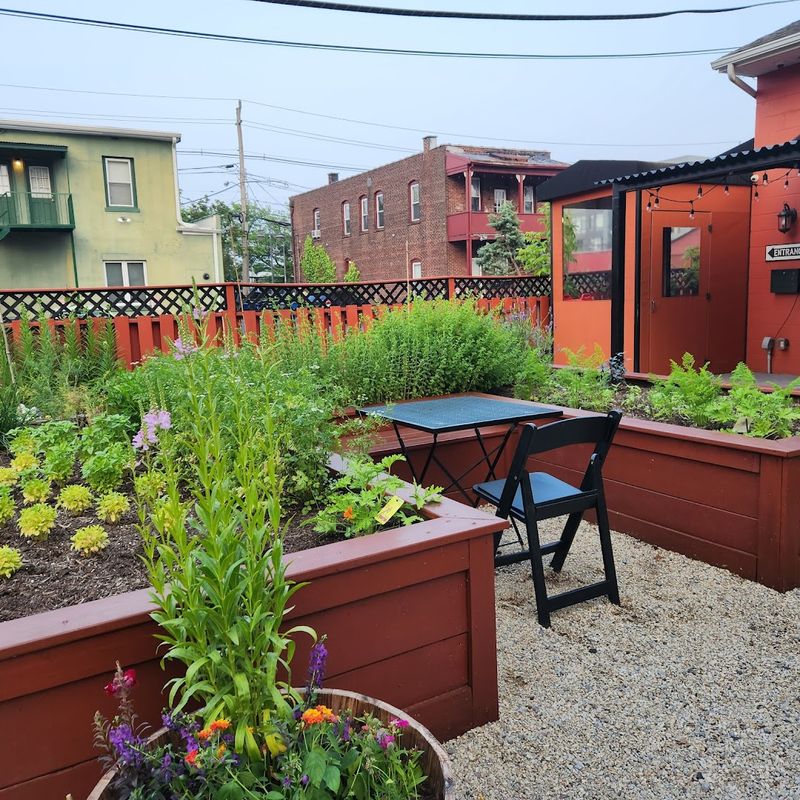
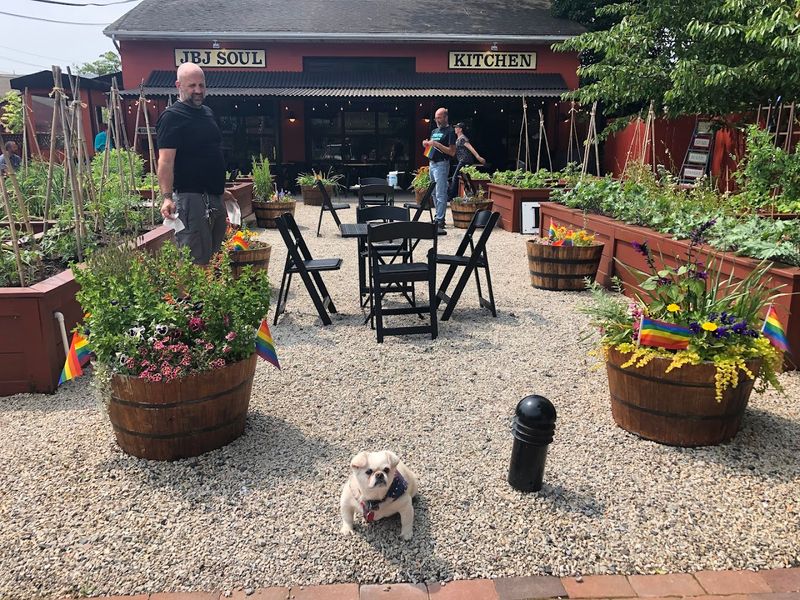
Beyond the indoor dining room, JBJ Soul Kitchen has an outdoor garden space that becomes a draw of its own during warmer months.
The restaurant grows herbs and produce right on the property, and the garden is visible to guests, giving the farm-to-table philosophy a literal presence rather than just a marketing claim.
Outdoor seating during summer service gives the whole experience a relaxed, neighborhood-cookout quality that pairs well with the community-centered mission of the place.
Guests who visited during cooler months have made a point of noting they plan to return specifically to experience the garden setting, which suggests it adds a meaningful layer to an already full experience.
The outdoor space also reflects the broader ethos of the restaurant: nothing here is about impressing anyone with luxury or exclusivity. It is about creating a place that feels genuinely good to be in, whether you are inside or out in the fresh air with a plate of something excellent in front of you.
Special Occasions Are Handled With Real Heart
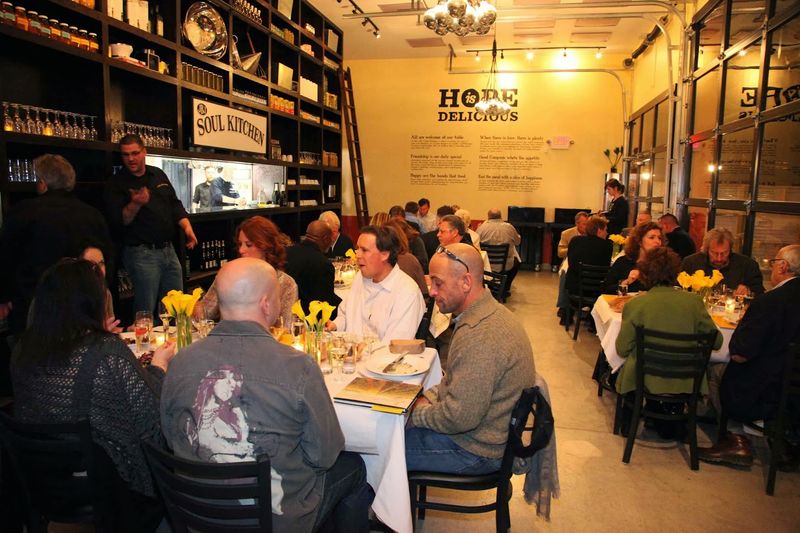
Birthdays, anniversaries, and other personal milestones do not go unnoticed at JBJ Soul Kitchen, and the way the staff handles them says a lot about the character of the place.
When a guest mentioned it was her birthday, the team brought out a cake with a candle and the entire restaurant joined in singing. That kind of spontaneous, communal warmth is not something you can script into a training manual.
Guests traveling from other countries have made the Soul Kitchen a birthday destination specifically because they read about the experience online and wanted to be part of it.
The restaurant also hosts cooking demonstrations led by Executive Chef Emily, which give guests a behind-the-scenes look at how the food comes together and a chance to connect with the kitchen team in a different way.
Every visit seems to carry the possibility of becoming a story worth telling, which is a rare quality in any restaurant, let alone one operating entirely on donations.
What the Suggested Donation Actually Gets You
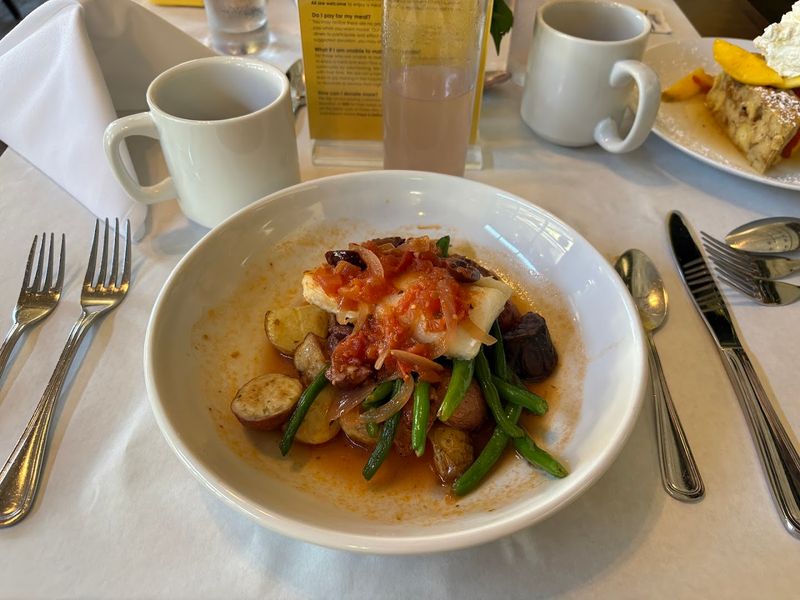
The suggested donation at JBJ Soul Kitchen sits at around $25 to $30 per person, and what you receive in return is a full three-course meal with starter, main, and dessert.
For context, that is a price point that would be considered a bargain at almost any restaurant in New Jersey that served food of comparable quality and presentation.
Many guests choose to give more, either doubling the suggested amount or adding an extra donation on top of their meal contribution to cover a stranger’s plate.
The restaurant is transparent about how the model works, and that transparency makes giving feel meaningful rather than obligatory. Nobody is pressured, nobody is judged for giving the minimum, and nobody who cannot give anything at all is treated any differently.
What the donation gets you, beyond the food, is a seat at a table where the entire point is that everyone belongs there equally, and that might be the best value in the whole state.
Merchandise, Seasonings, and a Few Things to Take Home
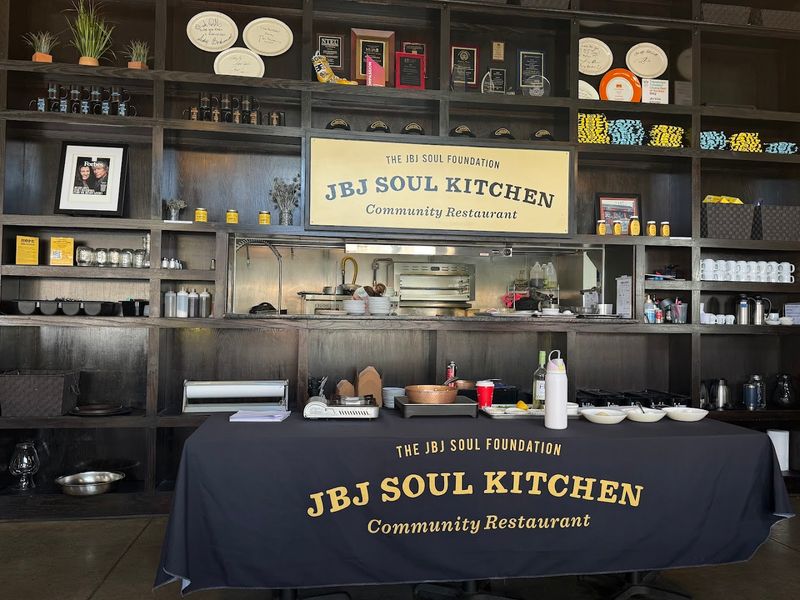
Before you leave JBJ Soul Kitchen, there is a good chance you will spot the merchandise area and find something worth taking home.
The restaurant sells branded items including t-shirts, mugs, and tumblers, but the real sleeper hit of the shopping selection is the Soul Seasoning spice blend developed by the kitchen team.
Guests have described it as genuinely excellent, the kind of seasoning that finds its way into home cooking long after the visit is over. Local honey is also available, adding a nice farm-to-table extension to the retail side of things.
Buying merchandise is one of the ways guests extend their support of the foundation beyond the meal itself, and the items are priced accessibly enough that picking up a jar of seasoning does not feel like a splurge.
One repeat visitor mentioned buying spices and mugs on every visit, calling it a way to bring a piece of the experience back into everyday life, which is a pretty good endorsement for a spice blend.
Why People Drive Hours Just to Eat Here
People have driven four hours from out of state and flown in from Wisconsin to eat at JBJ Soul Kitchen, and the restaurant consistently earns a 4.8-star rating across hundreds of reviews.
That level of loyalty is not built on novelty alone. The food has to deliver, the service has to feel real, and the mission has to be something guests can actually see and feel during their visit rather than just read about on a website.
At the Red Bank location, all three things appear to land consistently. Guests who came once on a whim end up building return trips into their New Jersey travel plans.
The restaurant also has a second location in Toms River, New Jersey, and some visitors make a day of hitting both spots for lunch and dinner.
At its core, the reason people drive the distance is simple: a meal here feels like it matters in a way that most restaurant experiences do not, and that is not something you forget easily.



