There is a small town in West Tennessee where a piece of rock and roll history sits quietly off Interstate 40, waiting for road-trippers to notice a billboard and make a detour that turns into one of the best stops of their trip. Brownsville, Tennessee holds a secret that not enough people know about: a restored 1889 schoolhouse that once educated a young girl named Anna Mae Bullock, who the world would later know as Tina Turner.
The building has been relocated and transformed into a tribute to one of the most powerful performers in music history. What makes this place even more remarkable is that it sits inside a larger heritage center packed with West Tennessee history, Delta blues legends, and cotton culture exhibits, all completely free to tour.
The Schoolhouse That Started It All
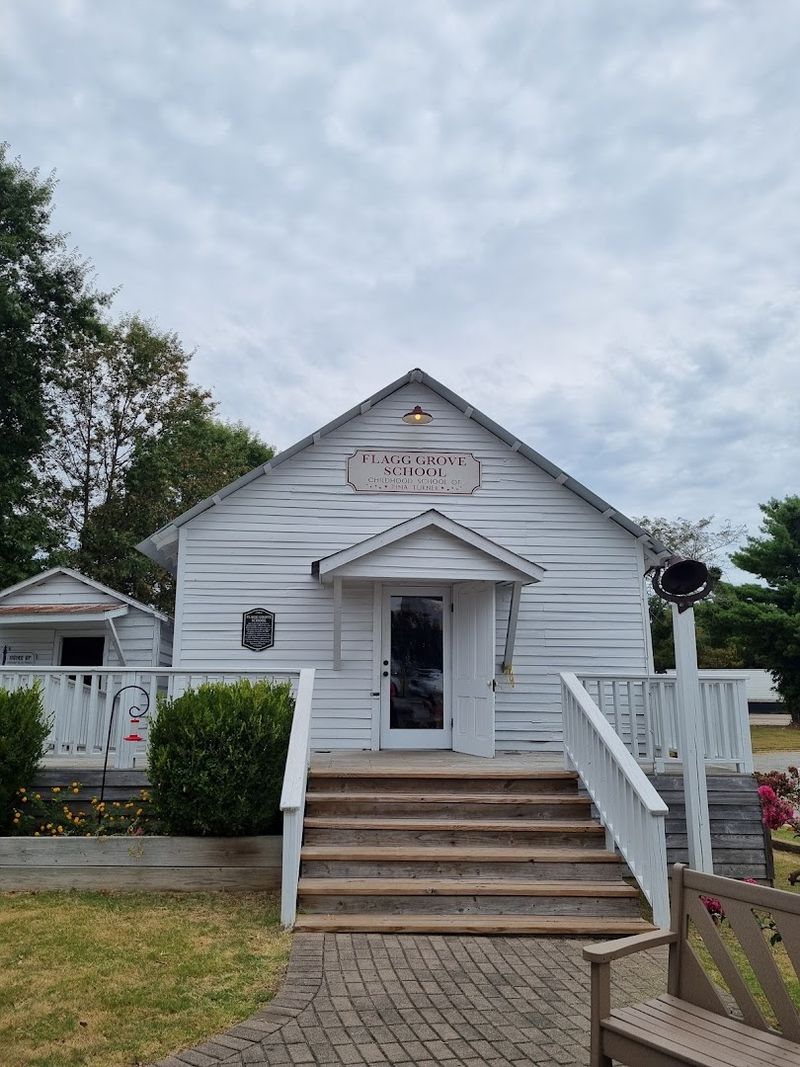
Few museum exhibits anywhere in the country can say that the actual building where a legend was educated is sitting right there on the property, but that is exactly what the West Tennessee Delta Heritage Center offers.
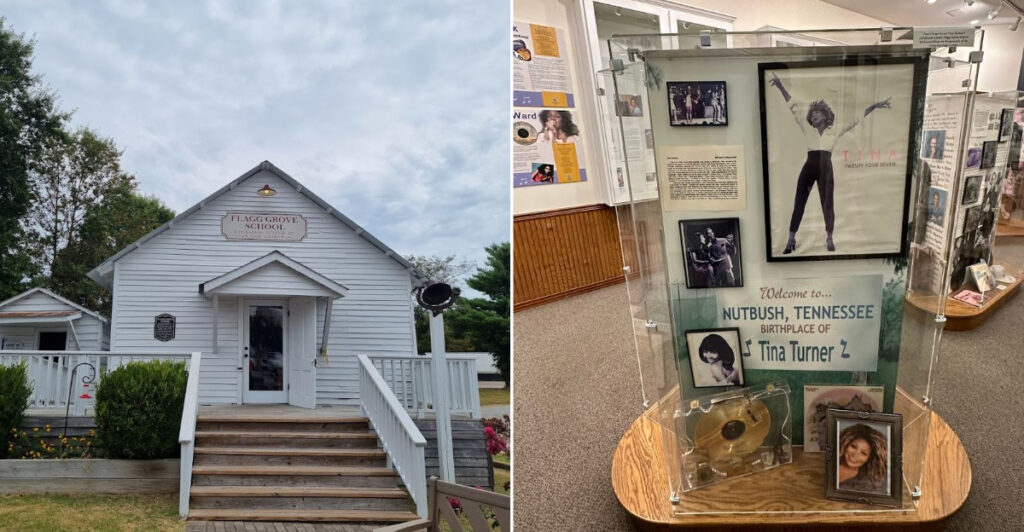
The original schoolhouse from Nutbush, Tennessee, where Tina Turner attended grades one through eight, was physically relocated to the heritage center grounds and converted into a dedicated museum space.
Nutbush is a small rural community not far from Brownsville, and it is the birthplace of the woman who would go on to sell out arenas across the globe.
The schoolhouse dates to 1889, giving it well over a century of history before it ever became a tribute to one of its most famous former students.
Walking through it connects the dots between a modest rural upbringing and one of the most extraordinary careers in the history of popular music.
Iconic Costumes and Glittering Memorabilia
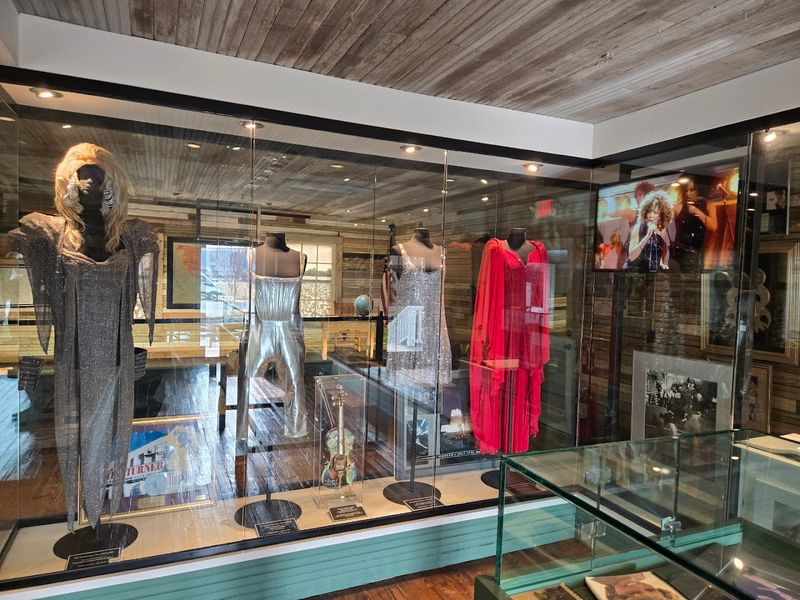
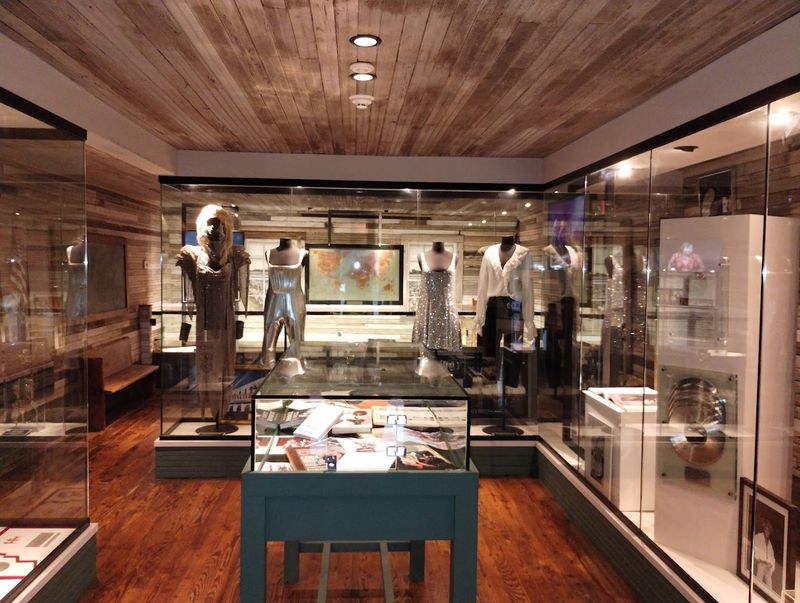
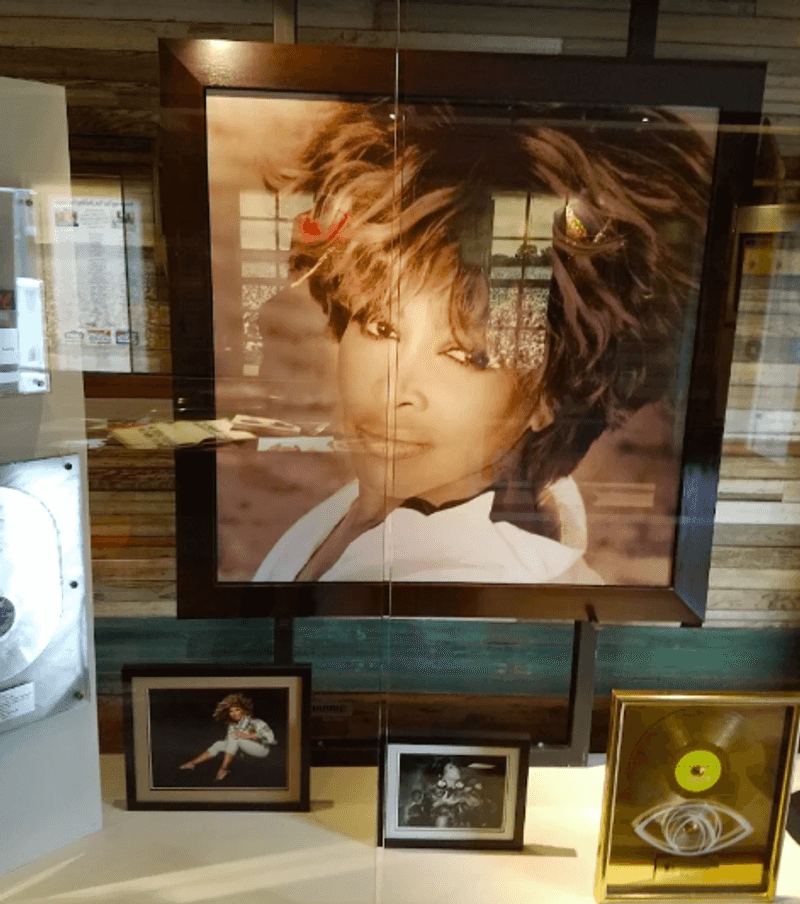
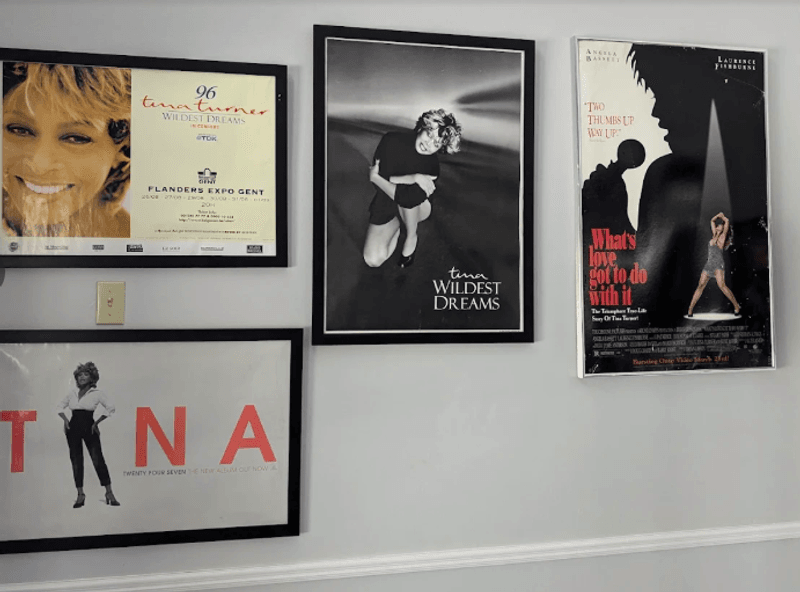
The inside of the schoolhouse is packed with pieces of Tina Turner’s legendary career, and the costumes alone are worth the stop.
Glittery dresses, performance shoes, and award show outfits are displayed throughout the space, giving fans a close-up look at the wardrobe that helped define one of music’s most electric stage presences.
Beyond the clothing, the exhibit holds awards, personal memorabilia, and informational displays that trace her career from Nutbush all the way to international stardom.
There is also a video playing inside the schoolhouse where Tina herself reflects on her time growing up in Nutbush, which adds a deeply personal layer to everything else on display.
For longtime fans, the experience of being surrounded by her actual costumes and belongings in the very building where she once sat as a student is the kind of thing that does not come along often.
The West Tennessee Music Hall of Fame Connection
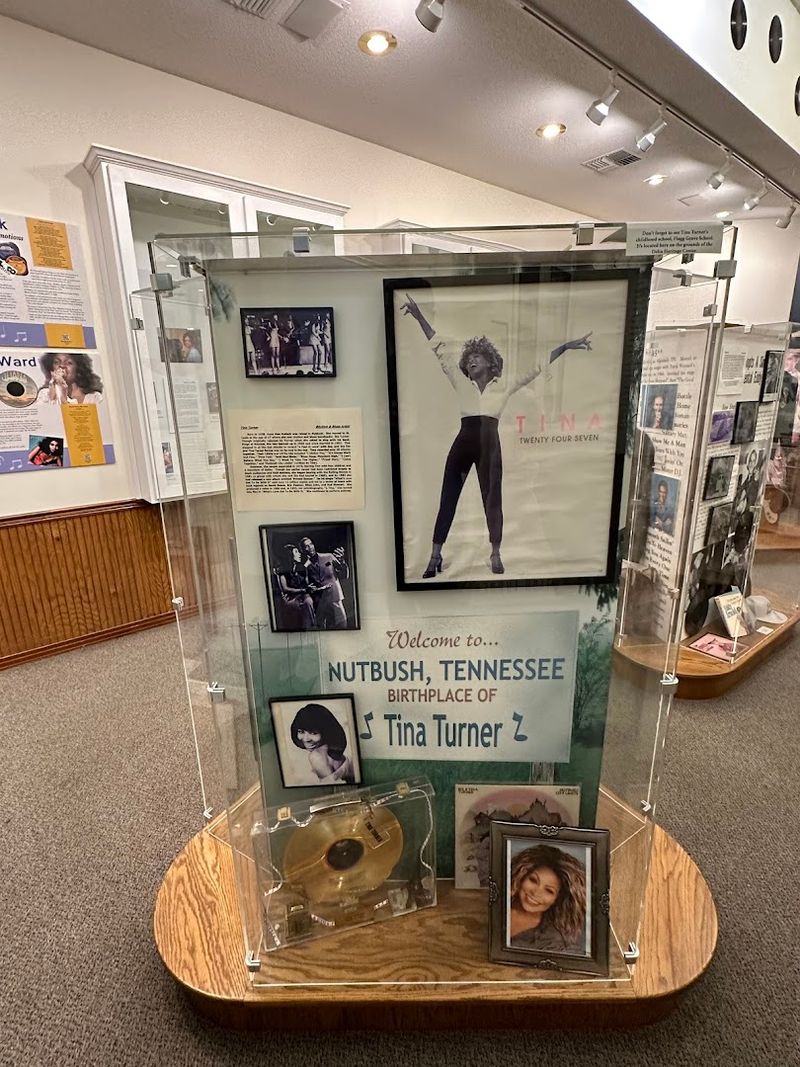
Tina Turner is undeniably the headliner here, but the music story at this heritage center stretches far beyond one name.
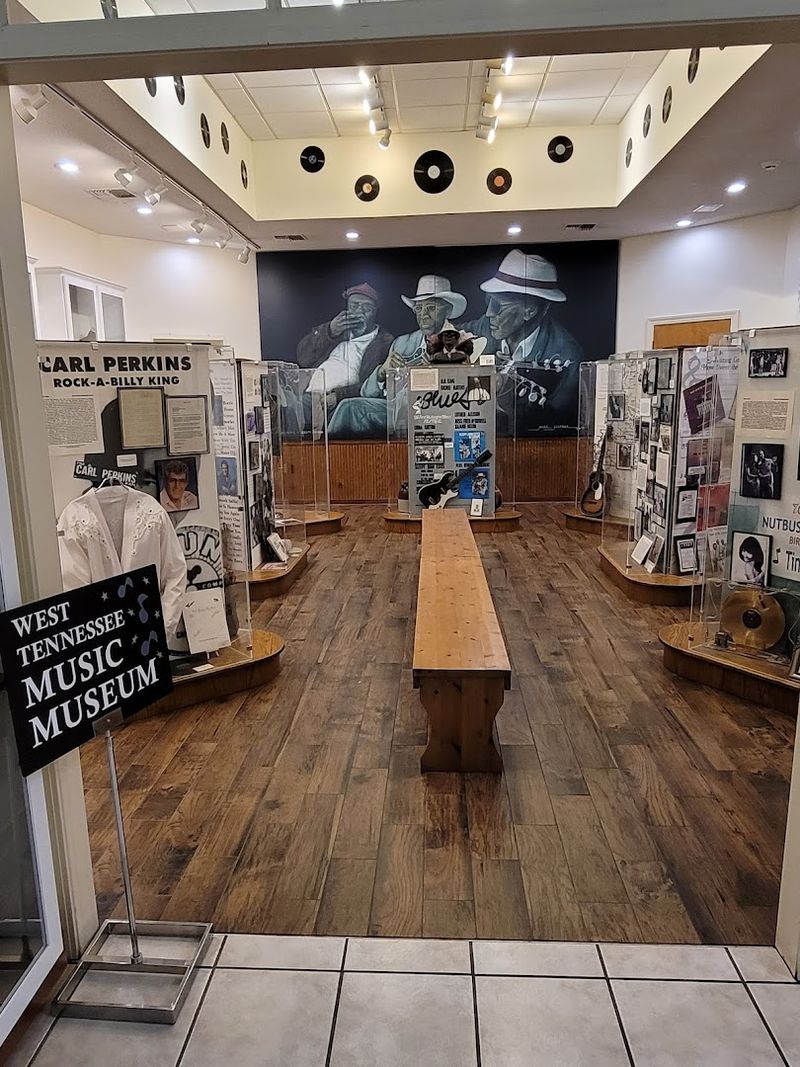
The main building houses a section dedicated to the musicians of West Tennessee, celebrating a region that contributed enormously to blues, country, and what some call hillbilly rock.
Artists from across the area are recognized here, with displays covering their histories, contributions, and connections to the broader American music landscape.
The depth of musical talent that came out of this relatively small corner of Tennessee is genuinely impressive, and the exhibits do a solid job of presenting that legacy in an accessible way.
For anyone who grew up listening to American roots music, this section of the heritage center reads like a greatest hits list of unsung contributors.
The music exhibits pair naturally with the Tina Turner schoolhouse, reinforcing the idea that Brownsville and its surrounding communities have always been fertile ground for extraordinary talent.
Cotton, History, and the Land That Shaped Everything
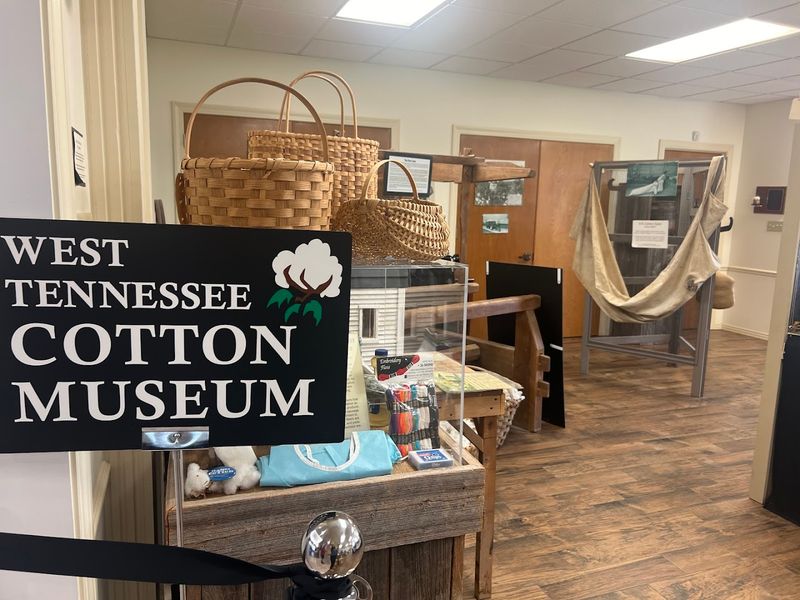
The heritage center does not limit itself to music history, and that is part of what makes it such a well-rounded stop.
A dedicated section of the main building traces the history of cotton in West Tennessee, covering the agricultural roots of the region and the enormous role that cotton farming played in shaping the culture, economy, and daily life of the area for generations.
The cotton exhibits include historical photographs, farming tools, and informational panels that explain how the industry developed and what it meant for the communities that depended on it.
Understanding the cotton history of West Tennessee also helps put the region’s music traditions in context, since so much of the Delta blues grew directly out of the lives of the people who worked the land.
This section of the museum adds real historical weight to the visit, turning what might have been a quick celebrity stop into something with genuine educational value for all ages.
Wildlife and Natural Heritage of the River Delta
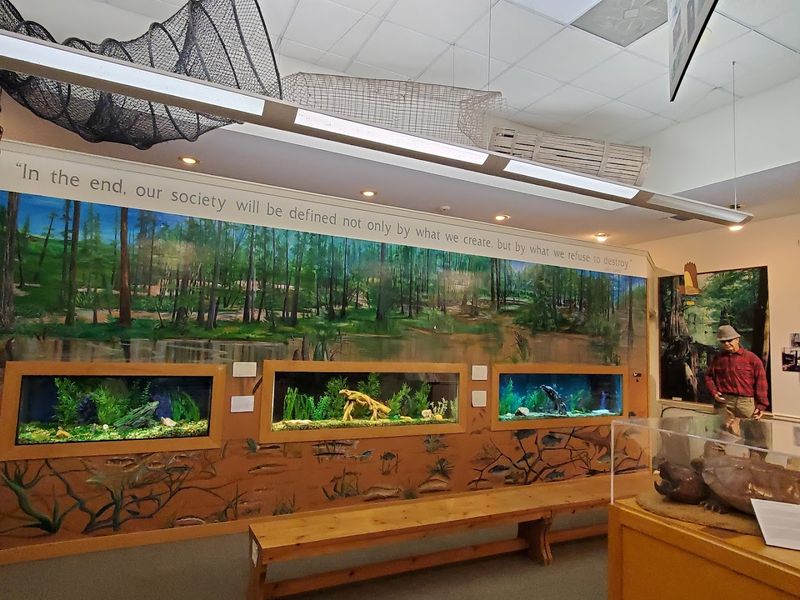
One of the more unexpected parts of the heritage center is the section dedicated to the wildlife and natural environment of West Tennessee and the river delta region.
This exhibit covers the ecology of the area, showcasing the animals, landscapes, and natural features that define the western edge of Tennessee where it meets the Mississippi Delta.
For families traveling with younger kids, this section adds variety to the visit and gives children something engaging to explore between the music history exhibits.
The natural heritage displays are well-organized and informative without being overwhelming, fitting neatly into the broader story the heritage center tells about what makes this region distinct.
The combination of music, agriculture, and natural history under one roof is ambitious for a free museum, and the heritage center pulls it off with enough depth to satisfy curious visitors.
It is the kind of place that rewards people who slow down and read the panels rather than rushing through to the next exhibit.
Native American History on Display
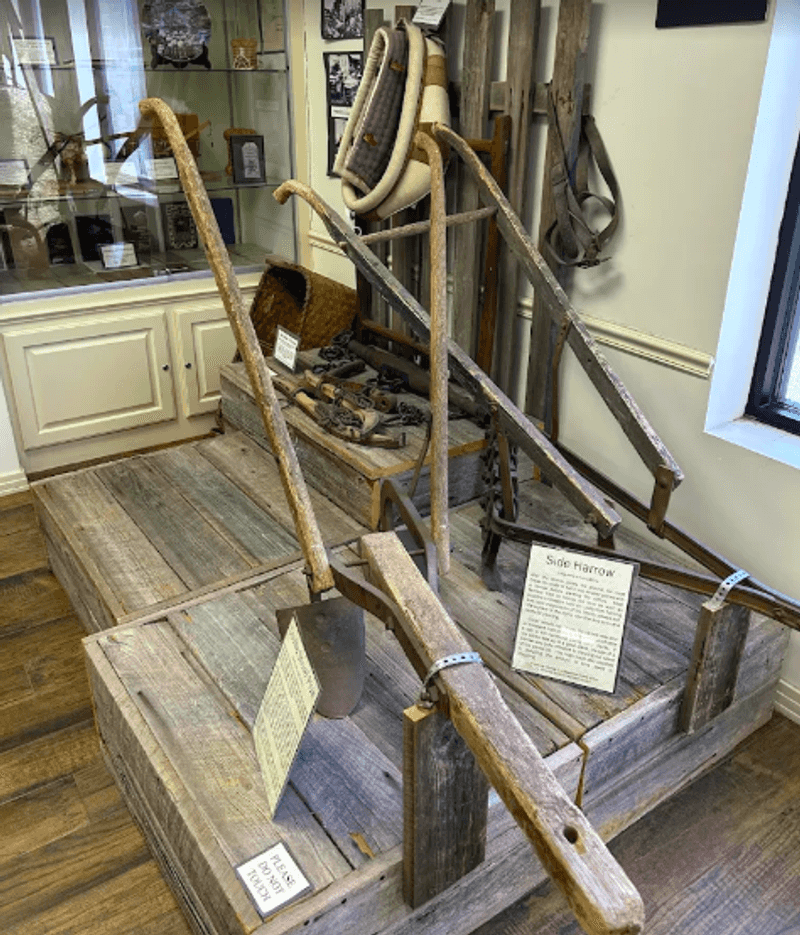
The heritage center also includes displays of Native American artifacts from the West Tennessee region, adding another layer of history to an already packed collection.
The artifacts offer a window into the communities that lived in this part of Tennessee long before European settlement, and the exhibits treat the subject with appropriate care and context.
For visitors who appreciate a full historical picture of a place, this section connects the deep past of the land to the more recent histories covered elsewhere in the building.
It is a quiet but meaningful part of the overall collection, and it reflects the heritage center’s commitment to representing the full scope of what shaped this corner of Tennessee.
Many visitors come specifically for Tina Turner and leave having learned something entirely new about the indigenous history of the region, which is exactly the kind of discovery a well-designed museum should produce.
Free Admission and the Donation Model
The West Tennessee Delta Heritage Center operates on a free admission model, which immediately sets it apart from most museum experiences of comparable quality.
There is no ticket booth, no entry fee, and no pressure to spend money before the tour begins. A donation jar sits near the exit, and the staff genuinely appreciates contributions that help keep the exhibits maintained and the lights on.
For travelers on a budget or families trying to stretch a road trip further, this setup is a genuine gift.
The museum also has a small gift shop where visitors can pick up T-shirts, magnets, keychains, and other souvenirs to remember the visit, which is another way to support the operation without feeling obligated.
Free coffee is also available, either at no cost or with a small donation depending on the day, which adds a warm and hospitable touch to the whole experience that most paid museums simply do not offer.
The Staff That Makes It Personal
A museum is only as good as the people who run it, and by that measure, the West Tennessee Delta Heritage Center sets a high bar.
The staff here are consistently described as knowledgeable, welcoming, and genuinely enthusiastic about the history they are sharing.
They are the kind of people who will tell you something about Tina Turner that you have never heard before, then turn around and explain the significance of a blues musician from the 1930s with equal passion.
First-time visitors are made to feel at home almost immediately, and the relaxed atmosphere of the museum allows for real conversations between staff and guests rather than the formal, keep-moving energy of larger institutions.
The personal touch here is not accidental. It reflects a deep community investment in honoring the region’s history and making sure every visitor leaves with a fuller understanding of why West Tennessee matters to American culture.
A Stop That Rewards Repeat Visits
One of the more telling things about the West Tennessee Delta Heritage Center is that people come back.
The museum has a way of revealing something new on each visit, whether it is a detail that was missed the first time, a new exhibit that has been added, or simply a different staff member who shares a story that reframes everything else in the collection.
The variety of exhibits, from Tina Turner’s costumes to cotton history to Delta blues legends, means that different visitors prioritize different sections, and repeat visitors often find themselves spending more time in a part they rushed through before.
The heritage center also hosts occasional events, including live bluegrass performances, which add a completely different energy to the space on those days.
For anyone passing through the area more than once, this is the kind of stop that earns its place on the itinerary every single time without needing to oversell itself.
Why This Place Deserves More Recognition
There is a quiet consensus among people who have stopped here that the West Tennessee Delta Heritage Center deserves a much larger audience than it currently has.
The combination of a relocated historic schoolhouse, actual stage costumes from one of rock and roll’s greatest performers, a preserved blues legend’s home, and exhibits covering cotton, wildlife, and Native American history is remarkable for a free museum in a small Tennessee town.
The heritage center sits right off I-40, which puts it within easy reach of millions of travelers making the Nashville-to-Memphis drive every year.
More road-trippers stopping at the billboard that advertises the museum would go a long way toward giving this place the recognition it has earned.
Tina Turner grew up not far from here, learned her earliest lessons in a building that now sits on these grounds, and the community has honored that legacy with real care and genuine pride.
Where the Journey Begins: Address and Location
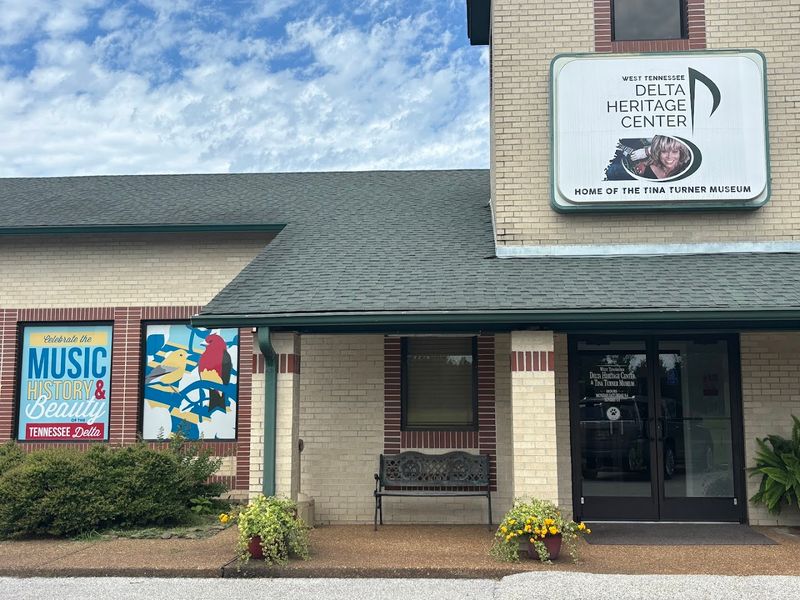
Right off Interstate 40 in Brownsville, Tennessee, the West Tennessee Delta Heritage Center sits at 121 Sunny Hill Cove, Brownsville, TN 38012, making it one of the most conveniently located free museums in the entire state.
The complex is easy to find, easy to park at, and easy to get back on the road from, which makes it a natural fit for travelers heading between Nashville and Memphis.
The heritage center is open Monday through Saturday from 9 AM to 5 PM, and on Sundays from 1 PM to 5 PM, giving most travelers a solid window to stop in without rearranging their schedule.
Admission is free, though a donation jar sits near the exit for those who want to contribute to keeping the exhibits running. For a quick 30-minute stop or a full hour of exploration, this place delivers far more than most people expect from a roadside detour.
Share this story