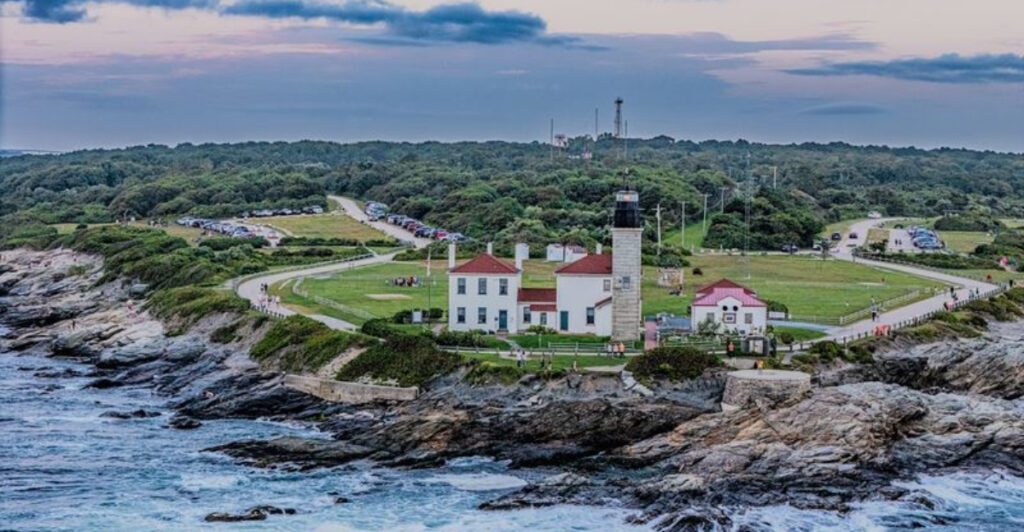
Rhode Island has no shortage of coastal history, but one particular lighthouse on the southern tip of Conanicut Island holds a distinction that most people walk right past without realizing. The beacon at this site dates back to 1749, making it one of the oldest lighthouse locations in all of North America.
Long before GPS and satellite navigation, ships relied on this light to safely navigate the treacherous waters of Narragansett Bay. Today, the site has grown into a full museum experience, complete with interactive exhibits, a small aquarium, and a rocky coastline that draws everyone from history buffs to families looking for a memorable afternoon.
The museum is free to enter, the parking is free, and the history packed inside those walls is anything but ordinary. Keep reading to find out what makes this place worth the drive to Jamestown.
A Beacon That Predates the United States Itself
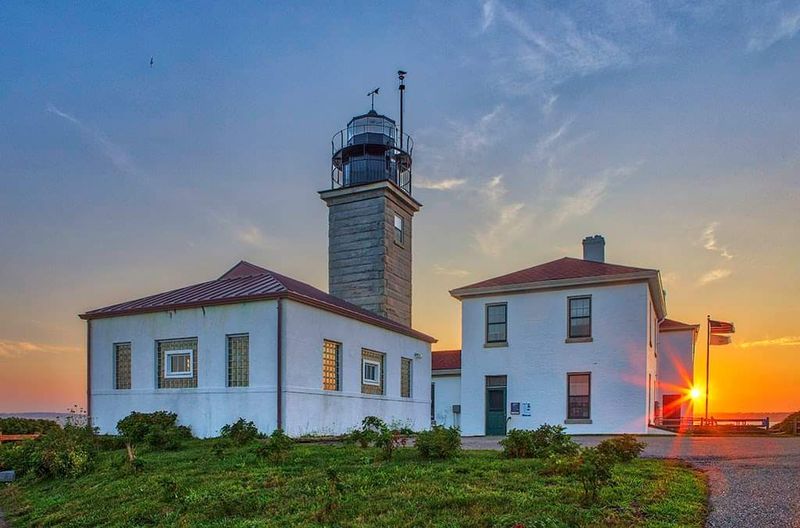
The first lighthouse at Beavertail was established in 1749, which means the beacon here was guiding ships through Narragansett Bay more than two decades before the United States declared independence. That single fact repositions the entire site in the mind of anyone who stops to think about it.
The current 45-foot granite tower was built in 1856, replacing earlier structures that had stood on the same ground. The location was chosen for practical reasons, as the southern tip of Conanicut Island sits directly in the path of vessels entering and exiting the bay.
Over the centuries, the lighthouse has witnessed everything from colonial trade routes to wartime naval activity. The museum does an excellent job of placing those events in context, helping visitors understand why this particular stretch of Rhode Island coastline carried such enormous strategic and commercial importance.
Few lighthouses in the country carry this kind of layered, continuous history at a single site.
What the Museum Actually Holds Inside
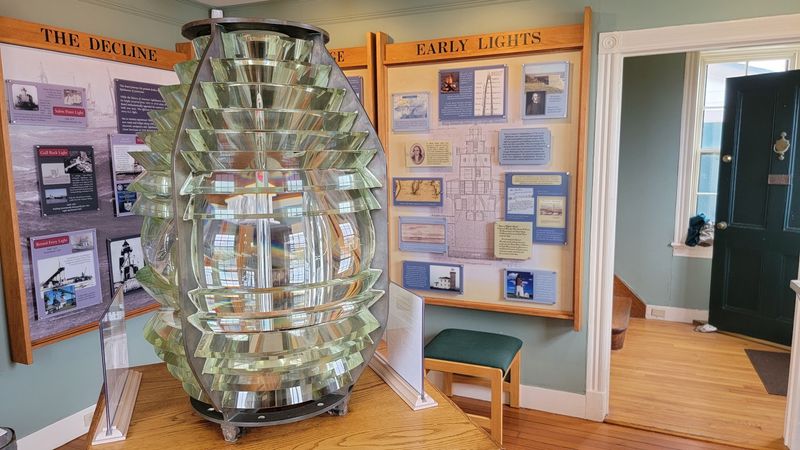
The museum is housed in the historic keeper’s buildings adjacent to the lighthouse tower, and the exhibits inside cover a wide range of maritime topics. Interactive kiosks and touch tables allow visitors to explore the stories of former lighthouse keepers at their own pace, making the experience engaging for both adults and younger guests.
One of the standout objects on display is a fourth-order Fresnel lens, the kind of precision optical instrument that once projected light miles out to sea. Seeing one up close gives a real sense of the engineering that went into lighthouse operations before electricity and automation took over.
Traditional models, historical artwork, and period lighting equipment fill out the rest of the exhibit space. The technology used throughout the museum is described as sophisticated yet easy to navigate, which keeps the experience from feeling like a dry classroom exercise.
Docents are present during open hours and are known for being knowledgeable and genuinely enthusiastic about the history they share.
The Small Aquarium That Surprises Everyone
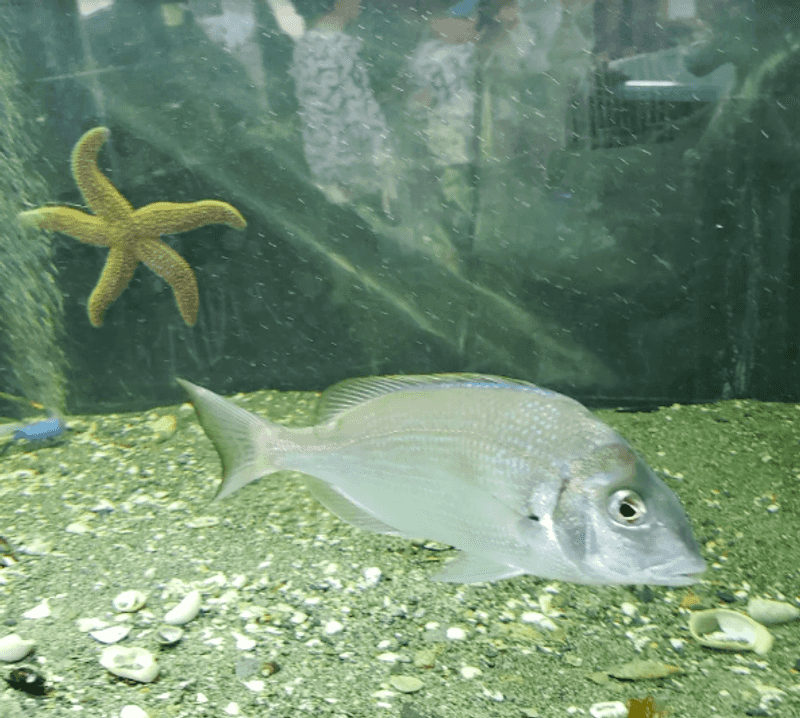
Tucked inside one of the keeper’s buildings next to the lighthouse is a small aquarium that often catches first-time visitors off guard. It is not a large commercial aquarium, but that is precisely what makes it charming and worth a closer look.
The tanks are stocked with local marine species that actually live in and around the waters surrounding the lighthouse. This gives the exhibit a direct connection to the environment outside the door, turning it into a living extension of the coastal ecosystem rather than a generic display.
Families with children tend to spend a good amount of time here, and it is easy to understand why. The setup is educational without being overwhelming, and the species on display are ones that could realistically be spotted from the rocks outside on any given day.
Staff members are on hand to answer questions and explain what each creature is and how it fits into the broader ecology of Narragansett Bay.
The Rocky Coastline That Frames the Whole Experience
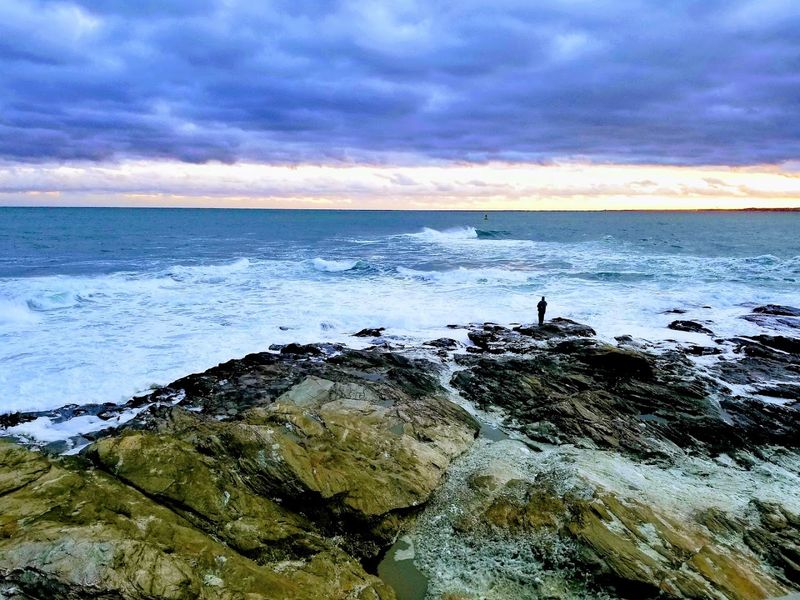
The grounds surrounding the lighthouse are arguably as compelling as the museum itself. Large boulders line the coastline on both sides of the lighthouse, forming a dramatic natural border between the land and the open water of Narragansett Bay.
Walking along the rocks is a popular activity, though it comes with a practical note worth keeping in mind. The surfaces can become slippery when wet, and footing is not always predictable, so wearing appropriate shoes is a sensible decision before heading out onto the outcroppings.
The geological character of the rocks adds another layer of interest to the site. Some of the formations here are millions of years old, which puts the 1749 lighthouse into a different kind of perspective entirely.
The coastline also offers clear sightlines out toward the bay, where sailboats regularly pass by and the horizon stretches wide and unobstructed. This is a place where the natural and the historical exist in direct conversation with each other.
When to Go and What Hours to Plan Around
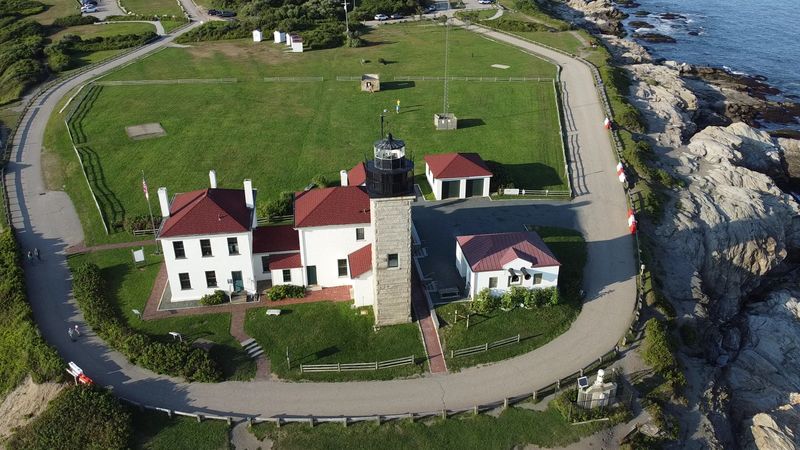
Planning a visit to the Beavertail Lighthouse Museum requires a bit of advance attention to the schedule, and getting that detail right makes the difference between a full experience and an empty parking lot.
The museum is open on Saturdays and Sundays from 10:30 AM to 4:30 PM and is closed Monday through Friday. During the peak summer season, which runs from mid-June through Labor Day, the museum operates daily from 10:30 AM to 4:30 PM.
Memorial Day weekend and weekends in September and October see slightly reduced hours, with the museum open from noon to 3:00 PM.
Admission to the museum is always free, though donations are welcomed and go directly toward the upkeep and preservation of the lighthouse. The museum is also accessible via a ramp at the back of the building, which makes it welcoming to visitors with mobility considerations.
Checking the official website at beavertaillight.org before visiting is a reliable way to confirm current hours.
Sunsets, Sunrises, and the Views That Keep People Coming Back
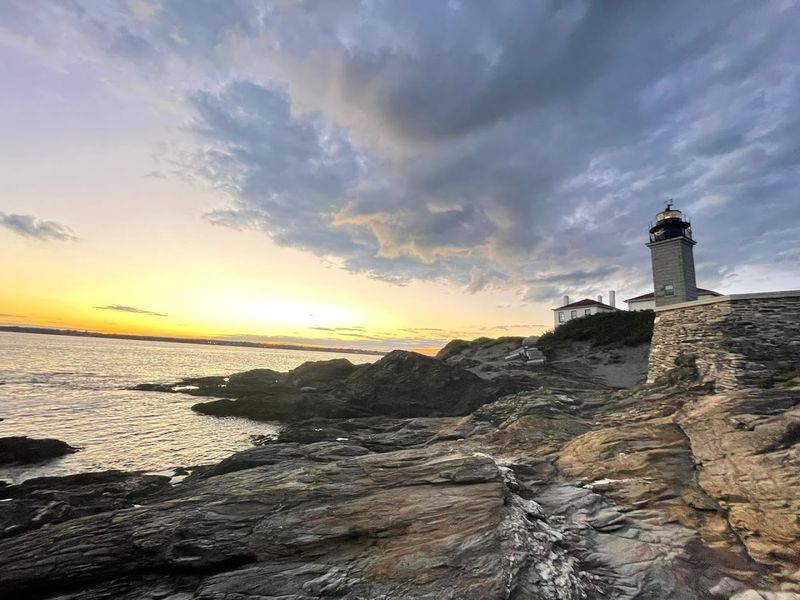
The positioning of Beavertail on the southern tip of Conanicut Island means the views here operate on a different level than most coastal overlooks in New England. The bay opens up in multiple directions, and the sight lines are clean and uninterrupted.
Sunsets looking out over Narragansett Bay are a particular draw, with the western exposure allowing the sky to put on a full display as the day winds down. Sunrise visits are equally rewarding for those willing to arrive early, with the eastern light reflecting off the water in ways that make the rocky shoreline look entirely different from how it appears at midday.
Beyond the scheduled hours of the museum, the park itself remains accessible, which means the views are available year-round regardless of whether the exhibits are open. Winter visits have their own appeal, with the coastline taking on a quieter character and the rocky terrain sometimes dusted with frost.
The place holds up across every season.
Shipwreck History Woven Into the Walls
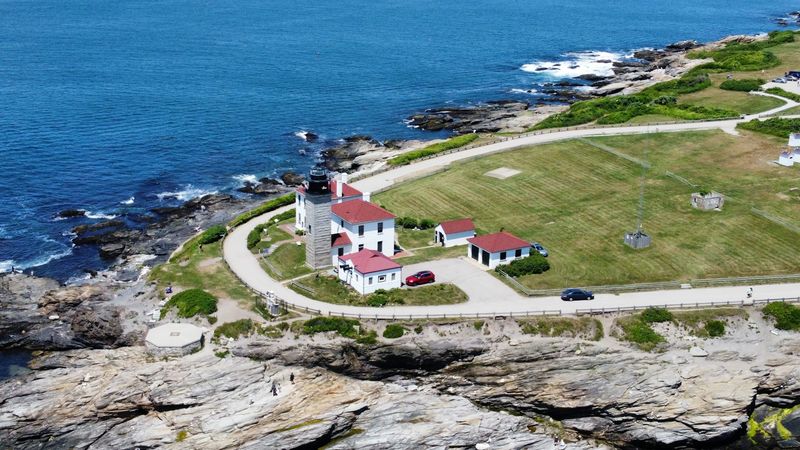
The waters around Beavertail have claimed more than a few ships over the centuries, and that chapter of the lighthouse’s history is one of the most gripping parts of the museum experience. The exhibits do not shy away from the realities of what it meant to navigate this coastline before modern navigation tools existed.
Shipwreck accounts connected to the area give context to why the lighthouse was considered so essential. Each story adds weight to the otherwise straightforward history of a stone tower and a rotating light, turning the museum into something closer to a maritime drama told in artifacts and timelines.
The combination of shipwreck lore, lighthouse keeper stories, and local maritime trade history creates a narrative that holds attention well beyond what a typical small museum might manage. Adults who arrived expecting a quick walkthrough often find themselves staying longer than planned, drawn in by the specificity and depth of the stories on display.
That is a genuine mark of a well-curated collection.
Fishing, Cycling, and Getting Active on the Grounds

The Beavertail site is not just a museum stop. For those who prefer to stay active during a visit, the surrounding state park offers a range of outdoor options that complement the historical experience without requiring any extra planning.
Fishing off the rocks is a well-established activity here, and the rocky coastline provides natural platforms that work well for casting out into the bay. The variety of marine life in the surrounding waters makes it a productive spot for recreational fishing throughout the warmer months.
Cycling is another popular way to reach and explore the area. The lighthouse is a noted stop on local bike tours, and the roads leading through Jamestown to the park are well-suited for recreational riders.
Strollers are also manageable on the paved paths near the lighthouse, making it a workable outing even for families with very young children. The grounds offer enough variety that no two visits to the site need to look exactly alike.
The Gift Shop and What You Can Take Home
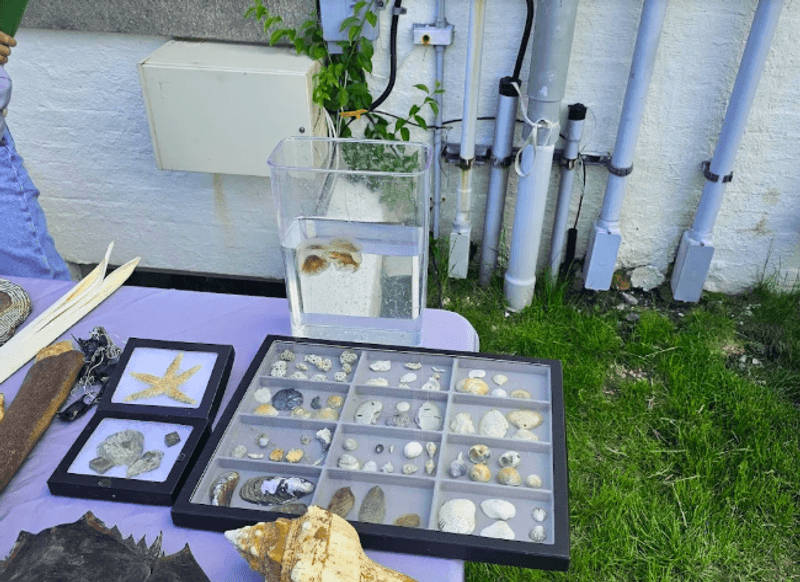
A well-stocked gift shop operates within the museum, and it is the kind of small retail space that actually offers things worth buying rather than the generic souvenir fare found at larger tourist sites.
The selection leans toward lighthouse-themed items, maritime books, local artwork, and educational materials that extend the museum experience beyond the visit itself. Picking up a book about Rhode Island lighthouse history or a piece of locally inspired artwork is a way to carry the experience home without it feeling like an afterthought.
Purchases at the gift shop also support the ongoing preservation and operation of the lighthouse, which adds a practical dimension to browsing the shelves. The museum runs entirely on donations and volunteer support, so spending a few dollars in the shop is a direct contribution to keeping the site running.
For a free attraction, the gift shop offers a genuinely meaningful way to give something back to a place that charges nothing at the door.
A Family Outing That Covers All the Bases
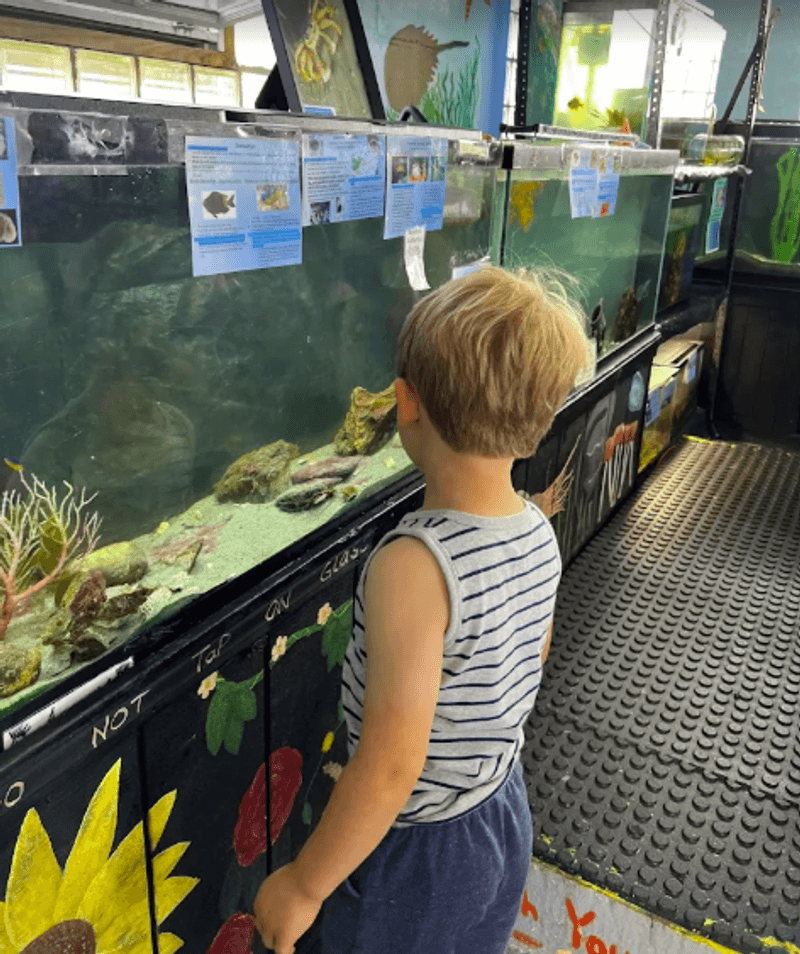
Few destinations in Rhode Island manage to work equally well for a retired history enthusiast, a family with three young kids, and a solo traveler looking for a quiet afternoon by the water. Beavertail pulls it off without trying too hard.
The museum provides structured educational content, the aquarium keeps younger children engaged, and the rocky coastline gives everyone room to roam. Clean restrooms near the lighthouse are available, which is a practical detail that matters more than it sounds when coordinating a family outing.
The grounds are well-maintained, the lawn areas are open for picnicking, and the overall layout of the park makes it easy to move between activities without feeling rushed or crowded. There is no fee to enter any part of the experience, which removes the financial friction that can make spontaneous family trips feel like a budget calculation.
Beavertail is the kind of place that earns a return visit almost automatically after the first one.
Why This Lighthouse Deserves a Spot on Every Rhode Island Itinerary
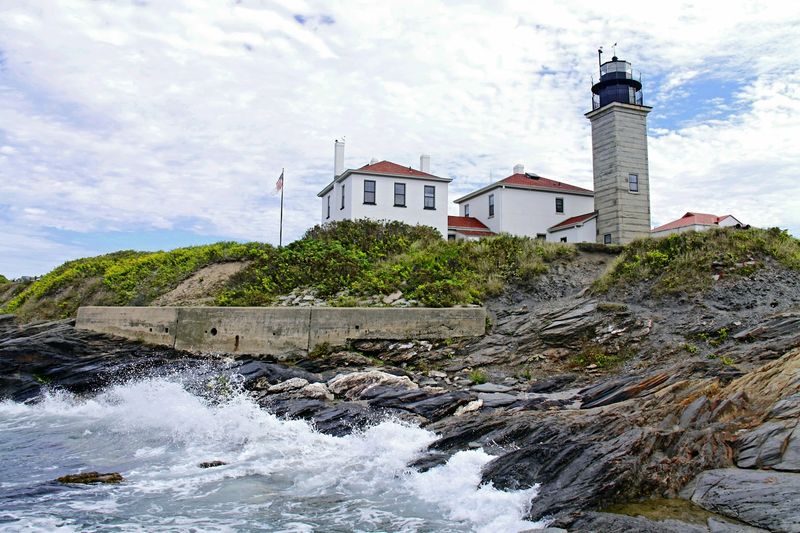
Rhode Island is a small state with a disproportionately large amount of history packed into its coastline, and Beavertail sits near the top of that list. The combination of genuine historical significance, free admission, natural beauty, and a well-run museum makes it difficult to argue against adding it to any itinerary that passes through the area.
The site near Newport is easy to reach from multiple points in southern New England, and the drive across the Jamestown bridges adds a scenic lead-up that sets the tone before the lighthouse even comes into view. Whether the museum is open or not, the grounds and coastline alone justify the stop.
For a place that charges nothing and delivers this much, Beavertail Lighthouse Museum stands as one of the more quietly impressive destinations in all of New England. It does not shout for attention, but once visited, it tends to stay with people long after they have driven back across the bridge and headed home.
Where History and Coastline Collide
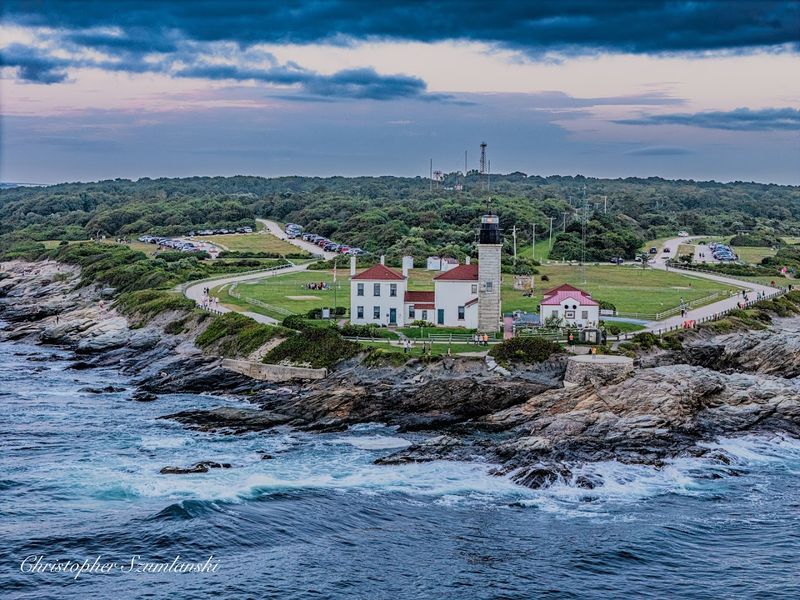
The Beavertail Lighthouse Museum sits at Beavertail Road, Jamestown, Rhode Island 02835, on the southernmost tip of Conanicut Island. Getting there is part of the experience, as the drive through Jamestown offers a preview of the kind of coastal scenery that Rhode Island is known for.
The site sits within Beavertail State Park, which means the lighthouse is surrounded by a sprawling natural area with rocky outcroppings, open lawns, and unobstructed views of Narragansett Bay. There is no admission fee to enter the park or the museum, which makes it an accessible outing for just about anyone.
Parking is available on-site and is described as plentiful, so arriving without stress is entirely possible even on busy weekend days. Clean restrooms are available near the lighthouse, which is a practical detail that families with young children will appreciate.
This is a destination that delivers on multiple levels from the very moment you arrive.
Share this story