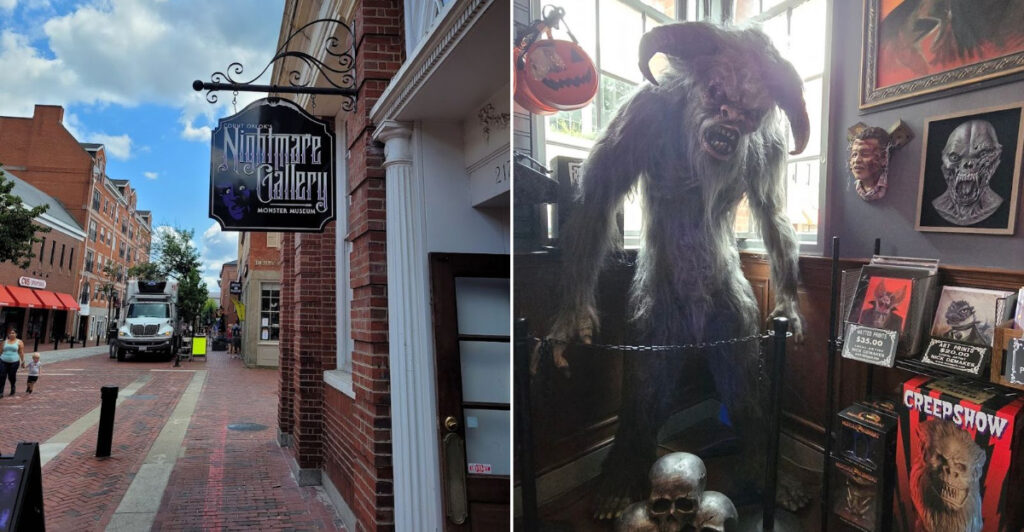
Salem, Massachusetts is already one of the most historically charged cities in the United States, but tucked along its famous Essex Street is something that takes the city’s spooky reputation to a whole new level. A museum dedicated entirely to horror film monsters has been quietly wowing fans of classic and modern horror alike, housing more than 60 life-sized figures of the genre’s most iconic characters under one roof.
From the earliest black-and-white film creatures to the slashers and aliens of recent decades, the collection is genuinely impressive in both scale and detail. Each figure is crafted with a level of realism that makes the whole experience feel less like a museum visit and more like walking through the history of horror cinema itself.
Whether you are a lifelong horror enthusiast or just curious about what Salem has to offer beyond witch trials, this place deserves a spot on your itinerary.
The Story Behind the Name
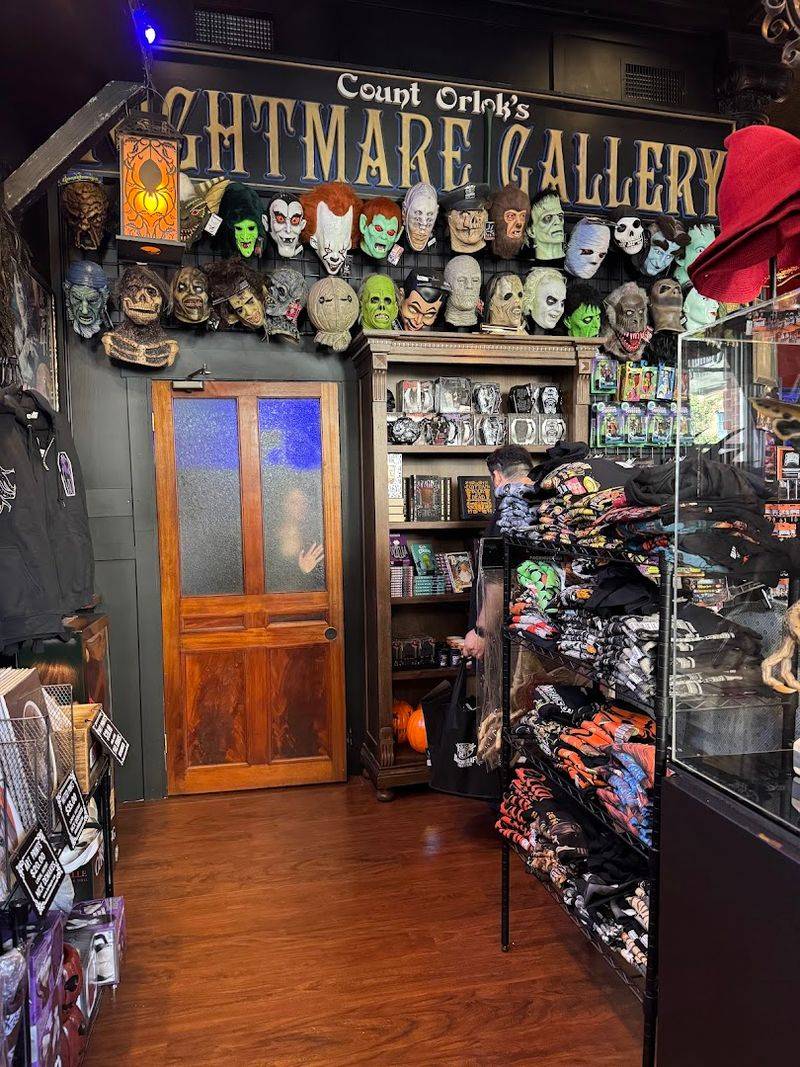
Not every horror fan immediately recognizes the name Count Orlok, but the character has deep roots in the history of horror cinema. Orlok is the vampire antagonist from the 1922 silent film Nosferatu, widely regarded as one of the earliest and most influential horror films ever made.
Choosing that name for the museum was a deliberate nod to the genre’s origins. It signals right away that this is not a pop-up Halloween attraction but a place that takes the history of horror seriously.
The museum’s founder, James, has been known to greet guests personally while they wait in line, and his passion for the subject is evident in how the collection has been assembled and presented.
Naming a museum after one of cinema’s oldest monsters while filling it with figures spanning over a century of horror filmmaking creates a throughline that gives the whole experience a sense of purpose beyond simple novelty.
60 Figures and the Scale of the Collection
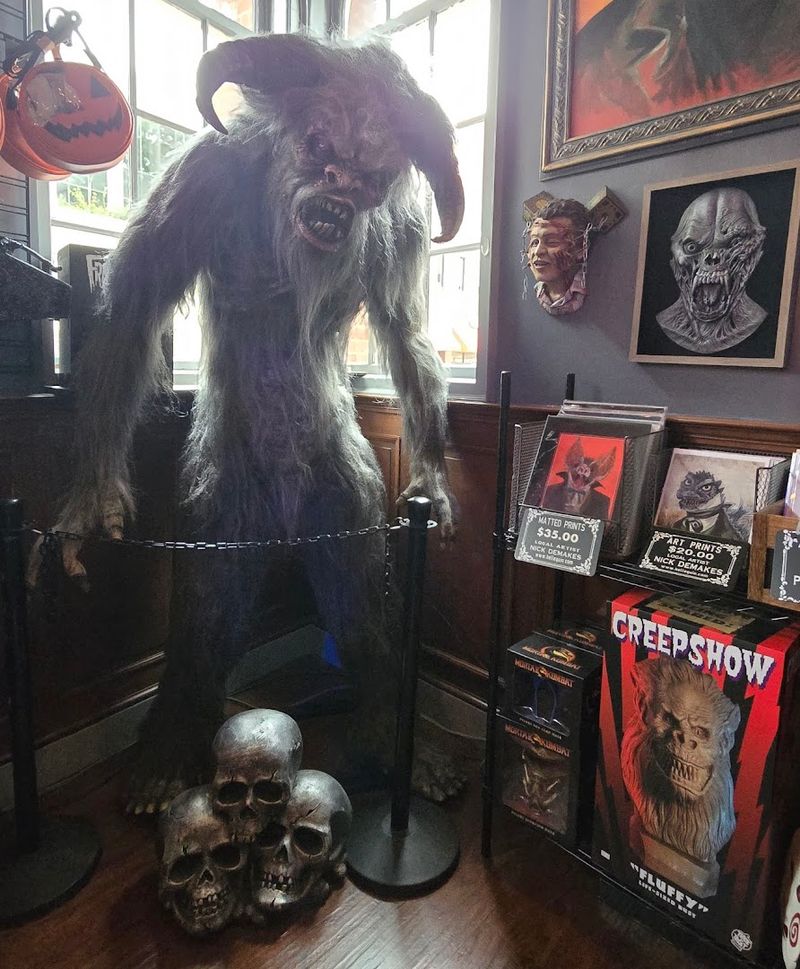
Sixty life-sized figures is not a small number, and the collection at this museum earns that count without padding it with filler characters. Every figure represents a meaningful entry in the history of horror filmmaking, from the earliest Universal Monsters to contemporary franchise icons.
The exhibit is organized to guide visitors through different eras of horror cinema, starting with the silent film period and moving forward through the golden age of monster movies and into modern horror. That chronological structure gives the collection a narrative quality that makes it educational as well as entertaining.
Each figure is accompanied by a placard that provides context about the character, the film it comes from, and often lesser-known trivia about the production. For anyone who enjoys learning while browsing, those write-ups add real value to the experience.
The sheer variety of characters represented ensures that both classic film buffs and fans of newer horror franchises will find plenty to hold their attention throughout the visit.
Classic Universal Monsters on Display
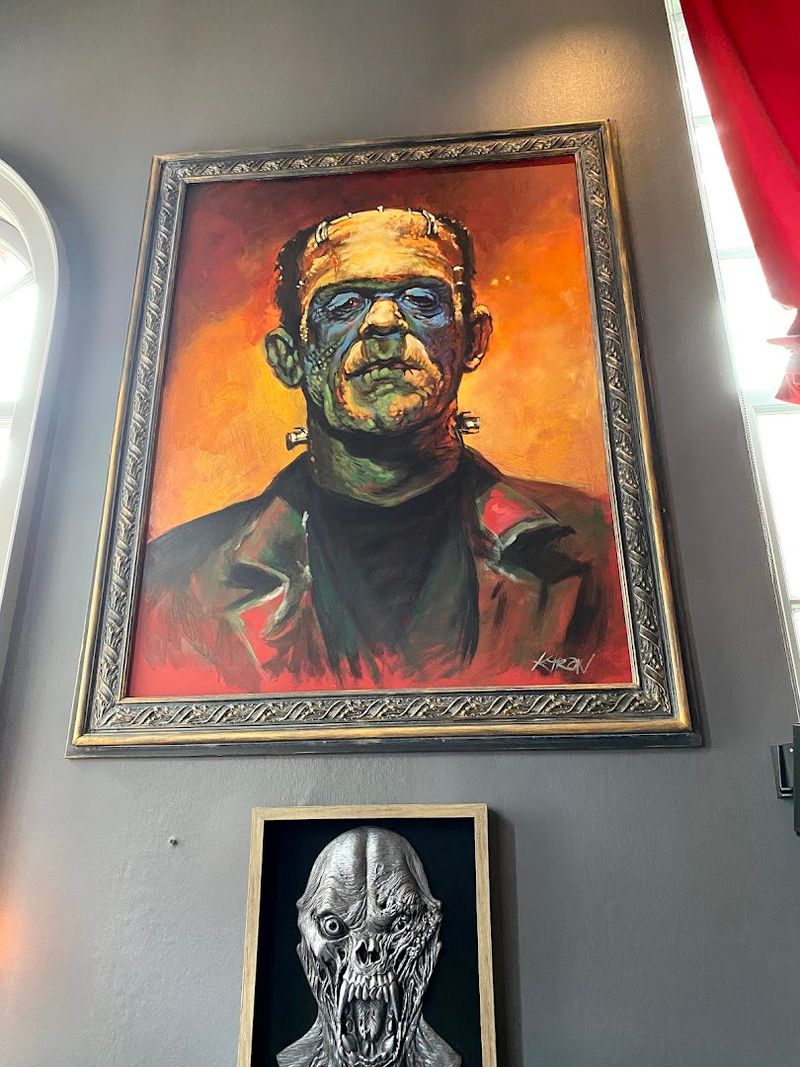
The Universal Monsters section of the museum is a standout for anyone who grew up watching classic horror. Figures representing Dracula as portrayed by Bela Lugosi, Frankenstein’s monster as brought to life by Boris Karloff, and the Wolfman as played by Lon Chaney Jr. are all part of the collection.
These are the characters that essentially created the template for horror cinema as it exists today, and seeing them rendered in life-sized detail in the same room is genuinely striking. The craftsmanship on these older character figures is particularly notable because the costumes and makeup of those original films had very specific details that are replicated here with care.
Vincent Price is also represented, with a figure styled after his appearance in House of Wax, which adds another layer of depth to the classic horror section.
For longtime fans of the genre, this part of the museum alone makes the admission price feel entirely justified, and it tends to be where people linger the longest.
Modern Horror Icons That Complete the Lineup
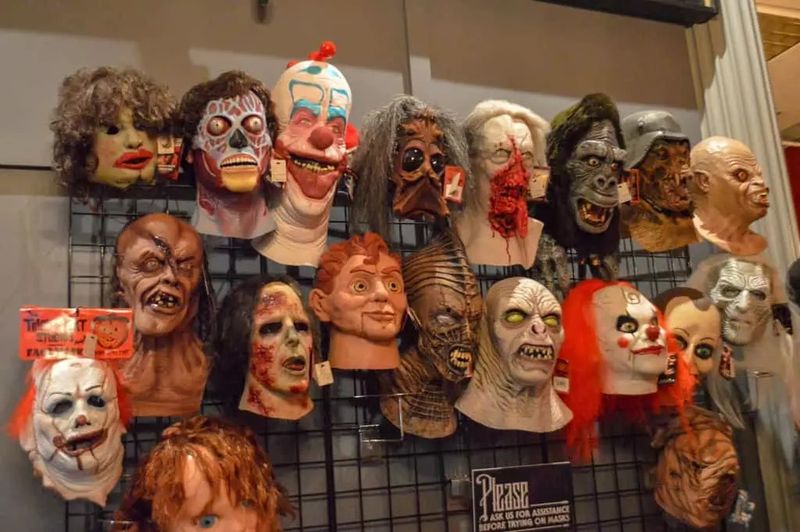
The museum does not stop at the classics. Modern horror has its own dedicated presence in the collection, with figures representing some of the most recognizable characters from the past few decades of filmmaking.
Michael Myers from Halloween, Jason Voorhees from Friday the 13th, and Freddy Krueger from A Nightmare on Elm Street are all part of the lineup. These are characters with massive fan bases, and their figures are crafted with the kind of detail that dedicated fans will immediately notice and appreciate.
The Alien from Ridley Scott’s 1979 film, the Terminator, and characters from Stranger Things are also represented, showing that the museum’s scope extends well beyond slashers and into science fiction horror territory.
Sam from Trick r Treat even makes an appearance, which is the kind of inclusion that signals the curators really know their audience. The breadth of the modern section ensures the collection feels current without abandoning its roots in cinema history.
The No-Photography Policy and Why It Works
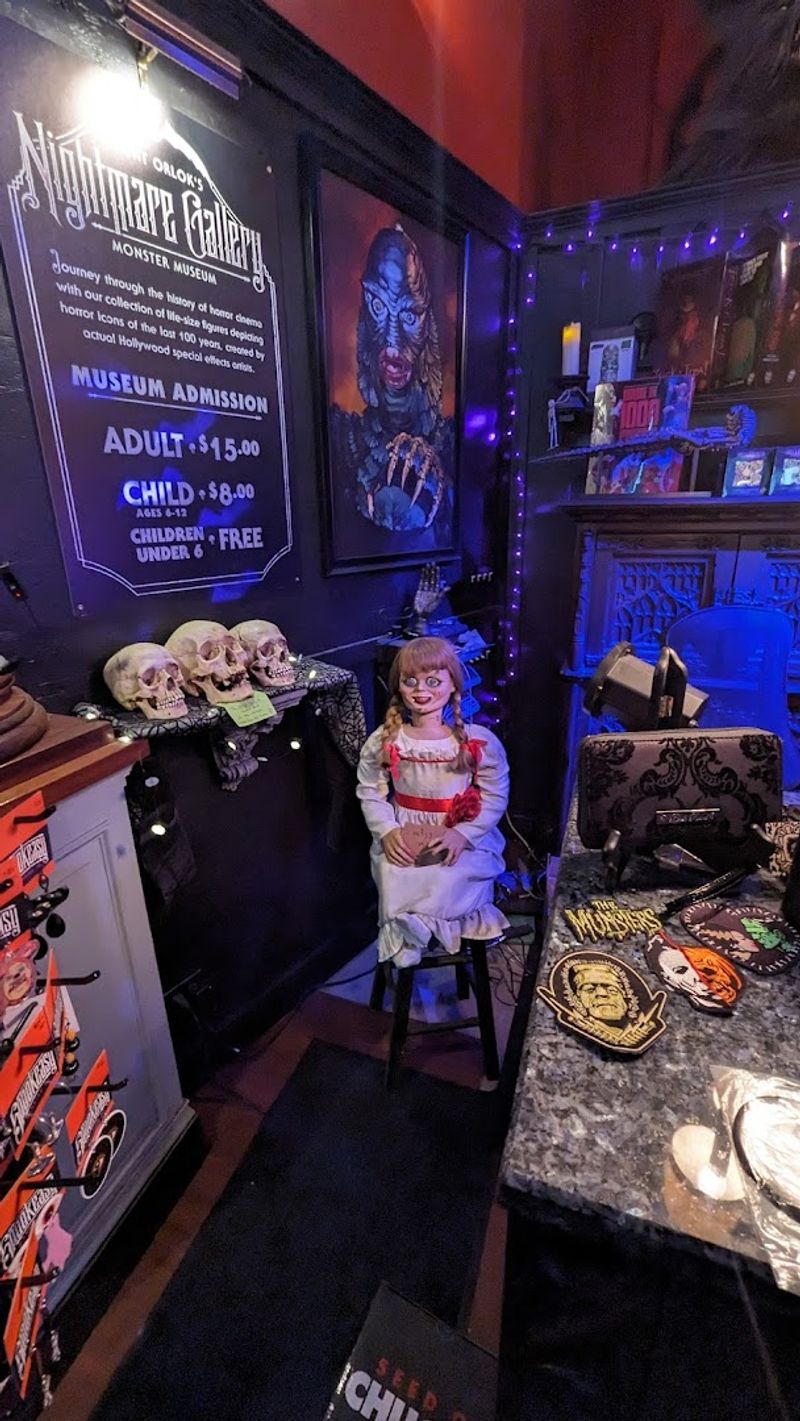
One of the first things most people learn about this museum is that photography is not allowed inside the exhibit space. That rule tends to raise eyebrows before a visit but makes complete sense once you are inside.
The no-photography policy exists to preserve the element of surprise for every guest who walks through. Because there are very few images of the interior available online, each visit carries a genuine sense of discovery that is increasingly rare in an era when most attractions are thoroughly documented on social media before anyone even arrives.
It also encourages visitors to actually look at the figures rather than viewing the experience through a phone screen. The result is a more focused and immersive walk-through that most people find more satisfying than they expected.
Photography is permitted in the gift shop area, where certain display pieces are set up specifically for that purpose, including a production-quality Spike figure from Gremlins 2 that tends to be a popular photo spot.
The Historic Bank Vault Setting
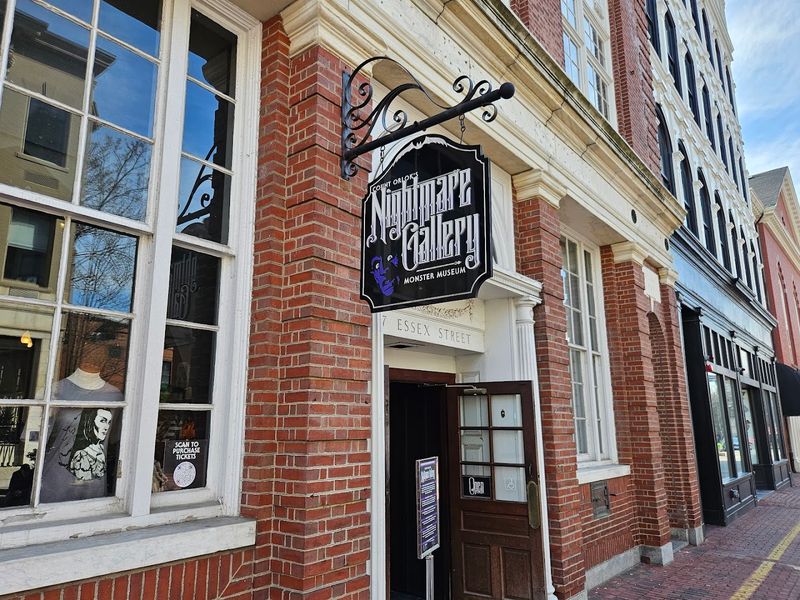
Few museum spaces in the country can claim to have been built in 1803, and even fewer have turned original bank vaults into part of a horror exhibit. The building that houses this museum is the oldest bank structure in Salem, and the architects of the exhibit made a smart decision in keeping those original vault spaces intact.
Walking through the old vault areas while surrounded by horror film figures creates a setting that feels genuinely theatrical. The thick walls and heavy architectural details of a 19th-century bank provide a backdrop that no purpose-built attraction could easily replicate.
The combination of historical architecture and carefully designed horror displays gives the museum a character that is hard to categorize. It is part film history, part architectural curiosity, and part theatrical experience, all compressed into a self-guided walk that takes most visitors between 30 and 45 minutes to complete.
That layered quality is part of what makes the museum stand out among Salem’s many attractions and keeps people talking about it long after their visit.
Movie Memorabilia and Life Masks
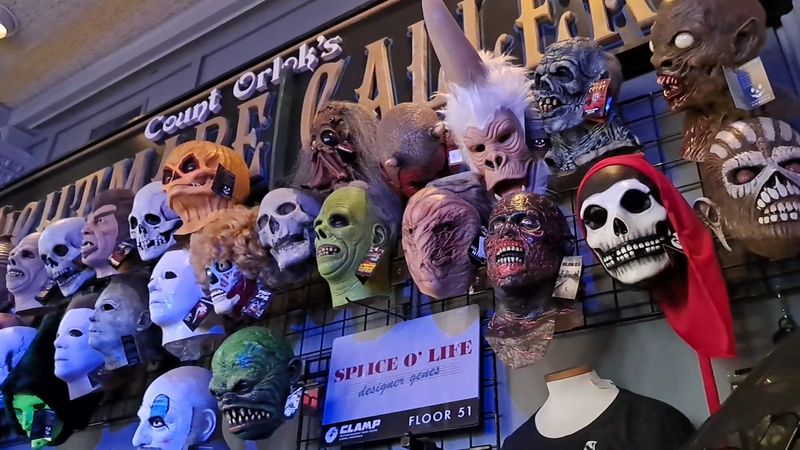
Beyond the figures themselves, the museum features a collection of movie memorabilia that adds depth to the exhibit. Signed photographs and prints from horror film icons are displayed throughout the gallery, giving fans of specific actors something extra to engage with.
Life masks from various horror film actors and directors are also part of the collection. A life mask is a cast made directly from a living person’s face, and they have been used in filmmaking for decades to create accurate prosthetics and makeup designs.
Seeing a life mask alongside a figure based on the same actor creates a fascinating connection between the real person and the character they portrayed on screen. It is the kind of detail that elevates the museum from a novelty attraction to something with genuine educational and cultural value.
The memorabilia pieces are spread throughout the exhibit rather than concentrated in one area, which keeps the walk-through engaging from start to finish and gives each section its own distinct character.
Tickets, Hours, and What to Expect on Arrival
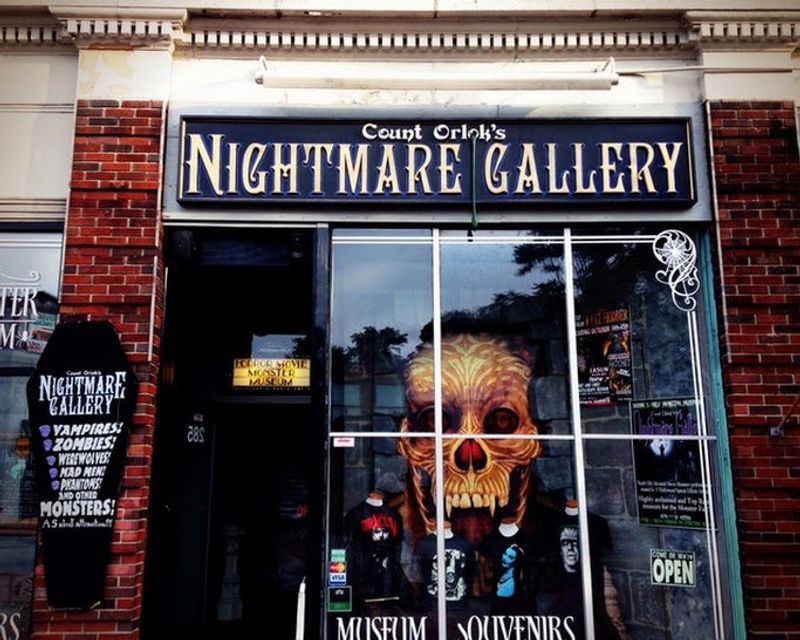
Adult admission to the museum is $15, with a small additional fee for online purchases. Tickets can be bought on the museum’s website or in person, and online booking is recommended since later time slots on busy days tend to sell out, particularly during the fall season.
The museum is open Monday, Tuesday, Thursday, Friday, and Saturday from 10 AM to 6 PM, and on Sundays from 10 AM to 5 PM. It is closed on Wednesdays.
Guests can join the queue up to 15 minutes before their scheduled entry time, and a QR code is available outside for last-minute ticket purchases.
The self-guided tour takes most visitors between 20 and 45 minutes, depending on how much time they spend reading the placards and trivia cards throughout the exhibit. The museum does not have a public restroom on site, but one is available in the nearby Witch Mall.
Arriving a few minutes early gives guests time to check in without feeling rushed before entering the gallery.
The Gift Shop That Earns Its Own Visit
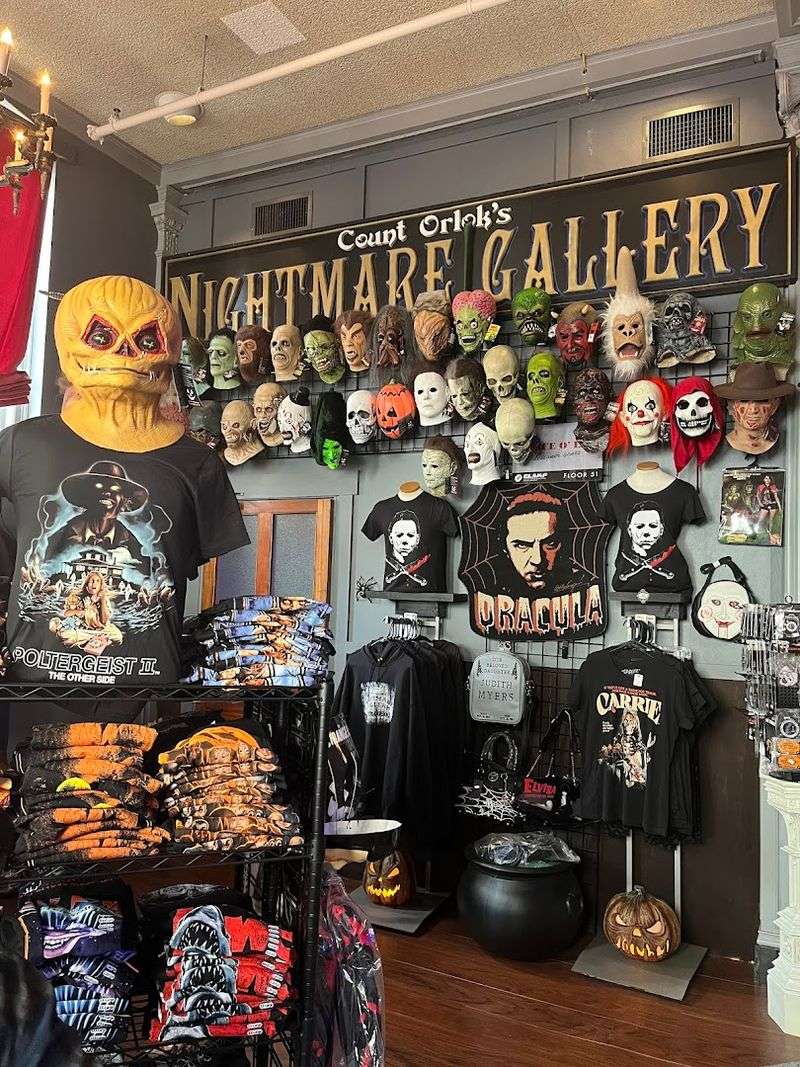
The gift shop at the end of the museum walk is genuinely worth spending time in, and not just as an afterthought to the main exhibit. The selection covers a wide range of horror-themed merchandise, including books, pins, earrings, clothing, magnets, and action figures.
One of the more unusual offerings is a shelf stocked with vintage VHS tapes of classic horror films. In an era when physical media has largely been replaced by streaming, finding a curated selection of old-school tapes at a horror museum feels like a fitting bonus for collectors and enthusiasts.
The gift shop is also where photography is permitted, and the museum has set up display pieces specifically for that purpose. The production-quality Spike figure from Gremlins 2 is a highlight and draws plenty of attention from guests who want a photo to remember their visit.
Staff in the shop are friendly and knowledgeable, and the overall selection strikes a balance between affordable keepsakes and more substantial collector items.
What Makes the Figures So Convincing
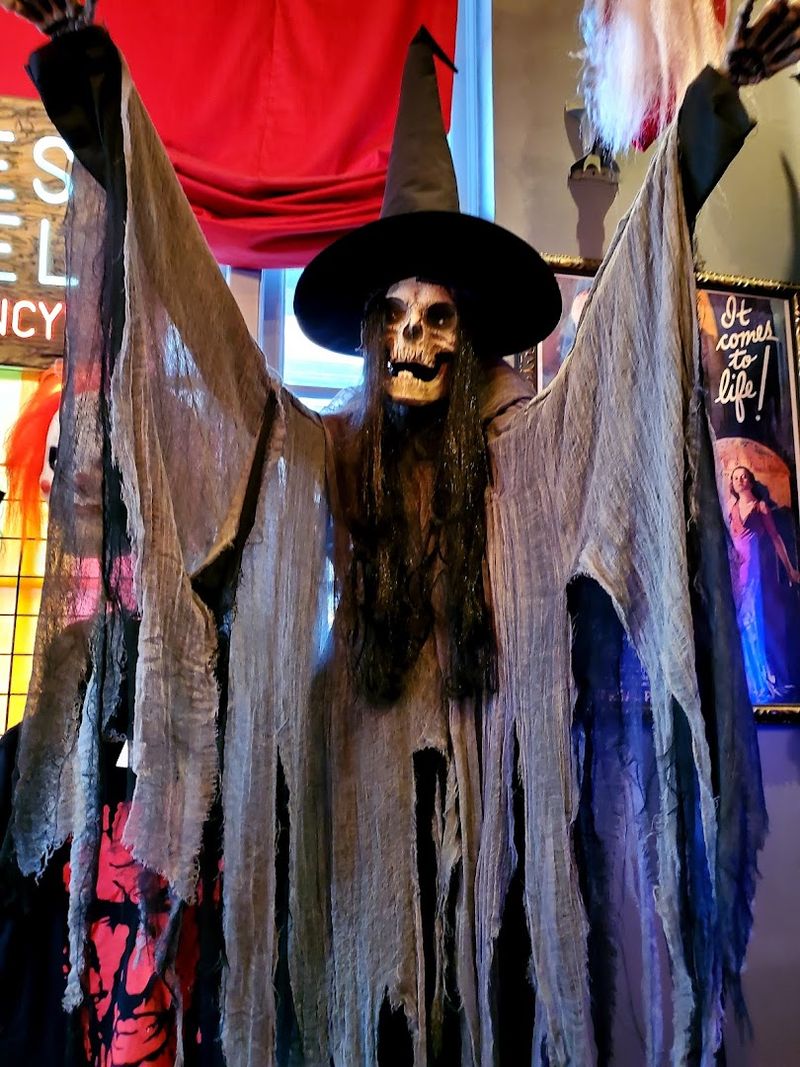
The quality of the figures at this museum is one of the most frequently noted aspects of the experience, and it is easy to understand why. Each sculpture is crafted to be life-sized and to accurately replicate the specific costumes, makeup, and physical characteristics of the characters as they appeared in their respective films.
The level of detail extends to the eyes of many figures, which are designed to appear to follow visitors as they move through the exhibit. That effect is subtle but effective, and it adds a layer of engagement to the walk-through that keeps people alert and attentive throughout.
The positioning and staging of each figure also contributes to the overall impact. Rather than being placed on simple pedestals, many are arranged in poses and settings that reference specific scenes or moments from their source films, giving each display a sense of context and story.
The combination of sculptural quality, accurate costuming, and thoughtful staging is what separates this collection from the kind of novelty wax figures found at tourist traps.
Salem as the Perfect Setting for This Museum
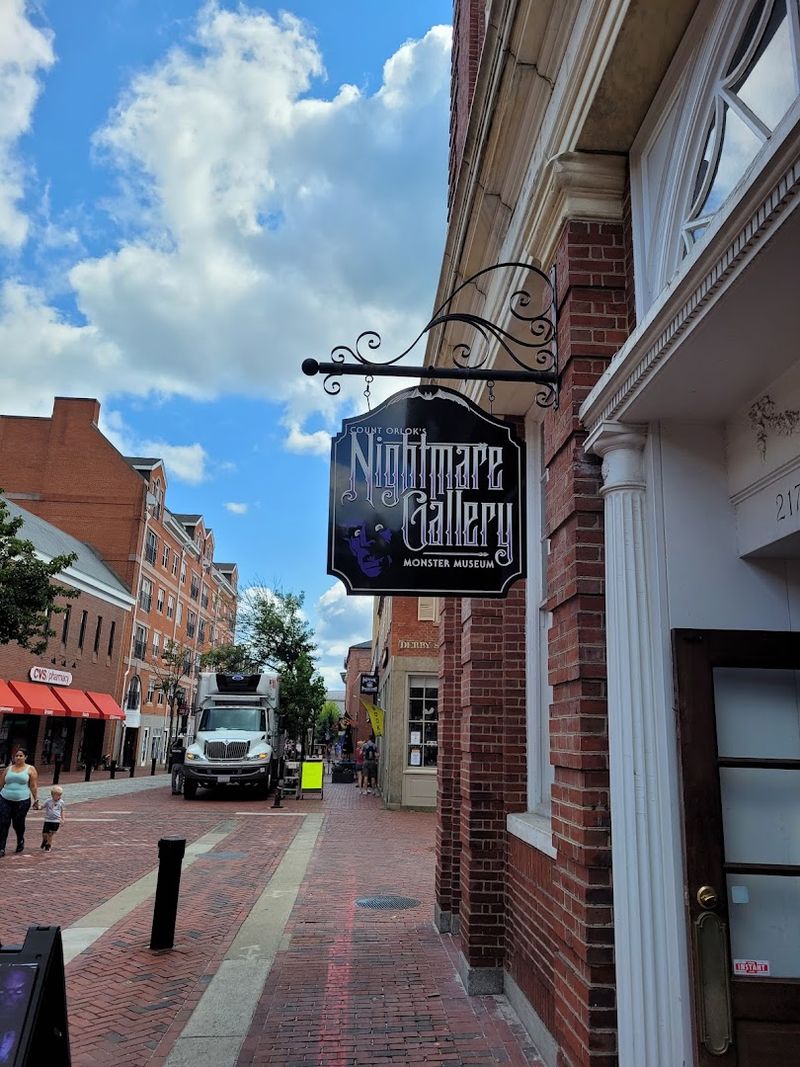
Salem has a long and complex history that extends well beyond the witch trials of 1692, but the city has leaned into its reputation as America’s most famously spooky destination in ways that benefit both locals and travelers. A museum dedicated to horror film history fits naturally into that identity.
The city draws significant crowds during the fall season, particularly in October, when the streets fill with people drawn by Salem’s reputation and the many events the city hosts. Count Orlok’s Nightmare Gallery is consistently listed among the top things to do during those visits.
But the museum is open year-round, and visiting outside of peak season has its own advantages. Crowds are smaller, wait times are shorter, and the experience of walking through the exhibit without time pressure is more relaxed and enjoyable.
Salem’s compact downtown makes it easy to combine a museum visit with other local attractions, historical sites, and architecture that give the city its distinctive character throughout every season of the year.
Tips for Getting the Most Out of Your Visit
A few practical habits can make the difference between a good visit and a great one at this museum. Booking tickets online in advance is the most reliable way to secure entry, particularly on weekends or during the busy fall months when walk-up availability can disappear quickly.
Reading the placards throughout the exhibit is strongly recommended, even for visitors who consider themselves knowledgeable about horror films. The trivia and historical context provided at each display adds genuine value to the experience and often surfaces details that are not widely known.
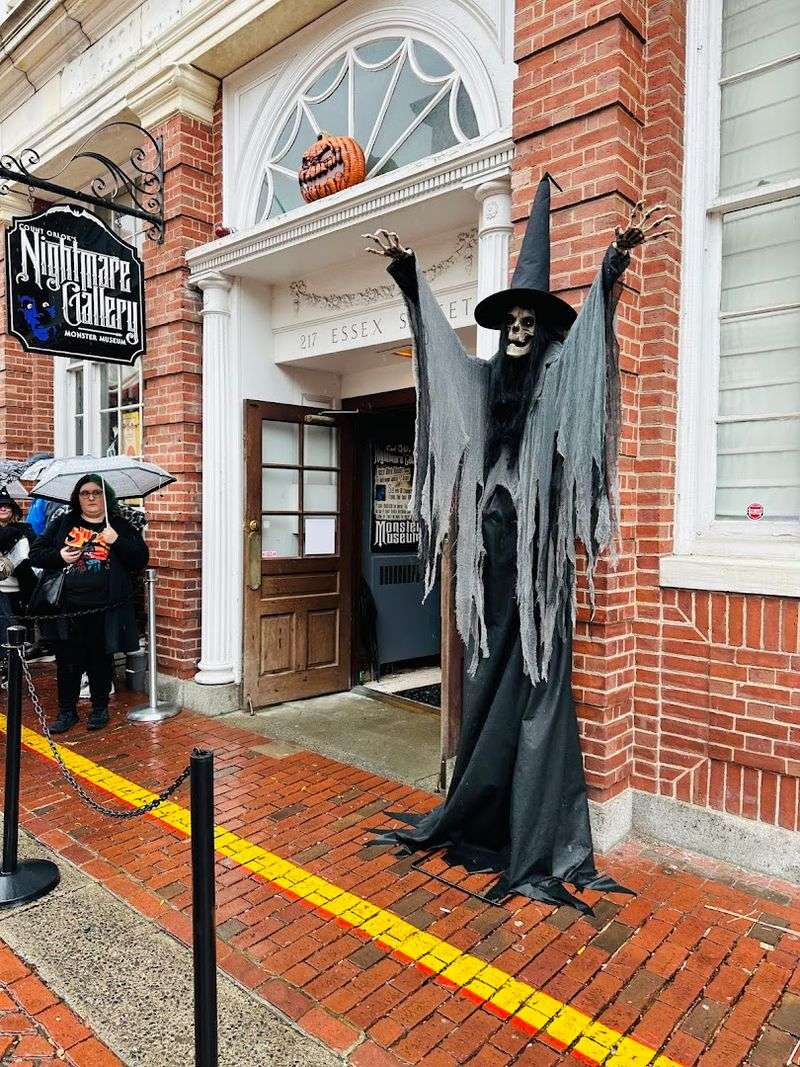
Arriving a few minutes before your scheduled entry time allows for a relaxed check-in process. The museum also sets up a photo opportunity outside, which is worth taking advantage of before heading inside where cameras are not permitted.
Budgeting a little extra time for the gift shop at the end of the tour is a good idea, especially for anyone interested in horror memorabilia, vintage media, or unique souvenirs that go beyond the standard tourist fare found elsewhere in Salem.
Where the Museum Calls Home
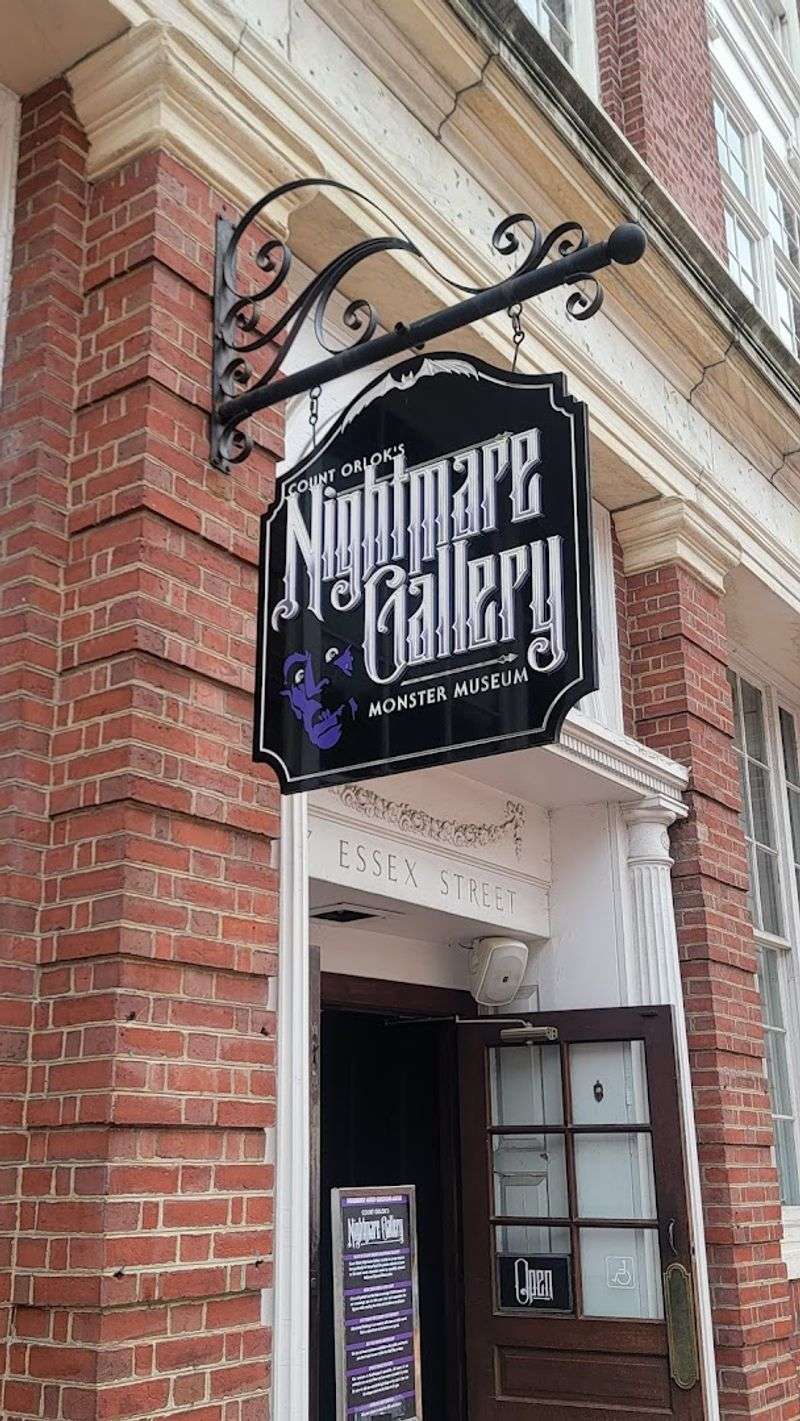
Right in the heart of Salem’s most walkable stretch, Count Orlok’s Nightmare Gallery sits at 217 Essex St, Salem, MA 01970, making it easy to find during any trip through the city’s downtown corridor.
The building itself carries its own history. The museum operates inside what is considered the oldest bank building in Salem, constructed in 1803, and the original bank vaults have been incorporated directly into the exhibit layout.
That architectural detail alone adds a layer of atmosphere that most museums simply cannot replicate. The thick stone walls and repurposed vault spaces give the horror figures a setting that feels genuinely theatrical without being manufactured.
The address puts it within easy walking distance of Salem’s other major attractions, which makes it a natural addition to any full-day itinerary. Planning a visit is straightforward, and the location on Essex Street means parking and public transit are both reasonable options.
Share this story