Some Florida places ask you to park, hike, sweat politely, and hope the wildlife got the memo. This one lets you roll slowly through mangroves with the windows down while pelicans, herons, spoonbills, and patient anglers turn the roadside into a living postcard.
I came expecting a pleasant nature stop and quickly realized the real fun is in the pauses: a flash of pink feathers, a ripple in the water, a guide pointing toward something I would have missed. Keep reading and you will know how to time the drive, what to bring, where to linger, and why this Sanibel escape feels wonderfully calm without ever feeling boring.
The Address Behind The Mangrove Curtain
The adventure begins at J.N. “Ding” Darling National Wildlife Refuge, 1 Wildlife Dr, Sanibel, in Sanibel, Florida, United States.
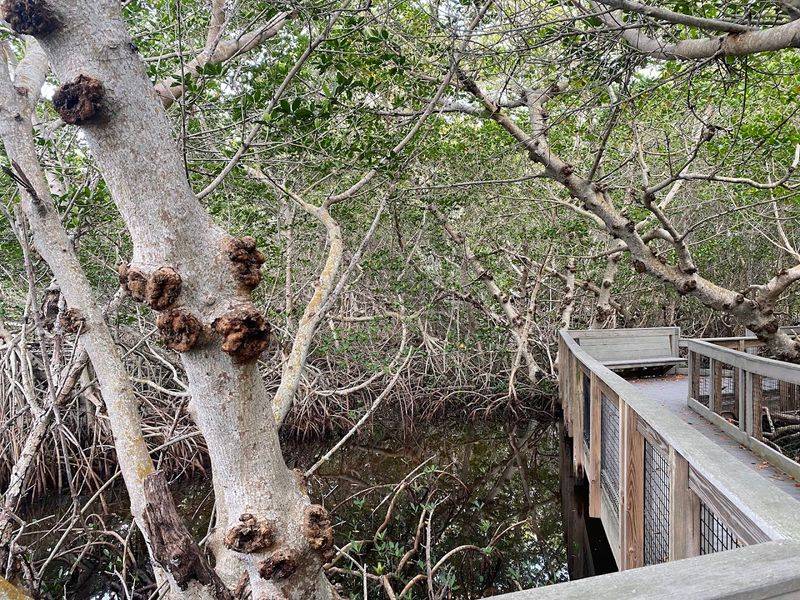
I like that the address sounds simple, because the place behind it feels layered with mangroves, tidal flats, shell island breezes, and birds that behave like they own the calendar. The refuge sits on Sanibel’s Gulf Coast side, where saltwater habitat and island quiet work together without much fuss.
Before I even reached Wildlife Drive, I had that useful traveler feeling that the day would not need overplanning. The visitor setup is straightforward, the pace is slow, and the main route lets you explore without pretending you trained for an expedition.
Save this spot for a Sanibel day when you want scenery, easy movement, and a little suspense around every bend. The gate feels less like an entrance and more like nature whispering, keep your camera awake.
Wildlife Drive Sets The Pace
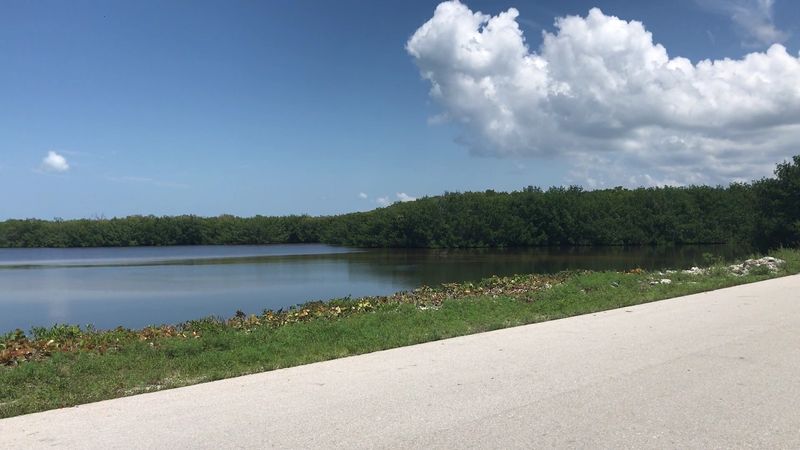
Wildlife Drive is the part that gives this refuge its drive-through safari feeling, only with salt air, mangrove roots, and birds posing like tiny celebrities.
The one-way road stretches about four miles, and I loved how it makes dawdling feel completely acceptable. You can pull over on the right side, step out where allowed, scan the water, then ease back into the slow parade.
The posted pace is gentle, so nobody needs to play traffic hero. A car admission has commonly been listed around $10, while bikes have often been much less, and federal passes may help with entry, but I would check current fees before going.
What matters most is the rhythm: drive, stop, squint, grin, repeat. By the second pull-off, my shoulders had dropped, and my schedule had politely wandered off into the mangroves.
Birds Steal The Show
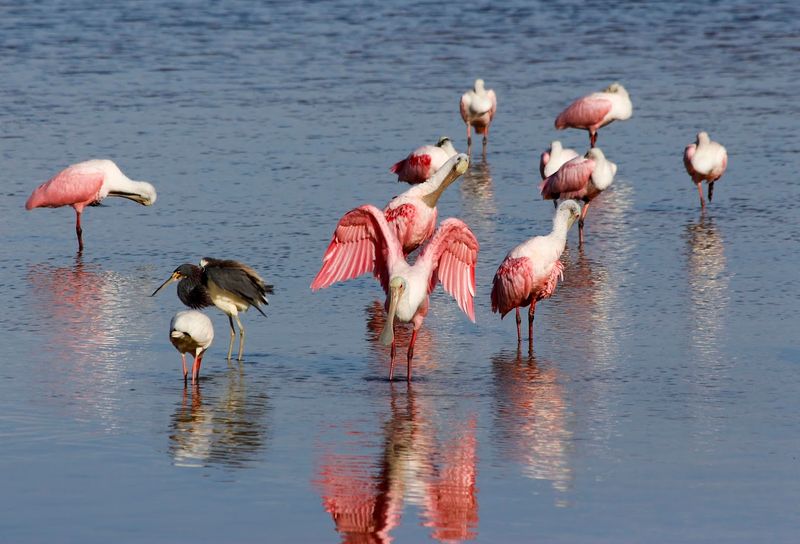
The bird life here does not tiptoe into the experience; it swoops, wades, dives, and occasionally turns its head as if judging your camera skills.
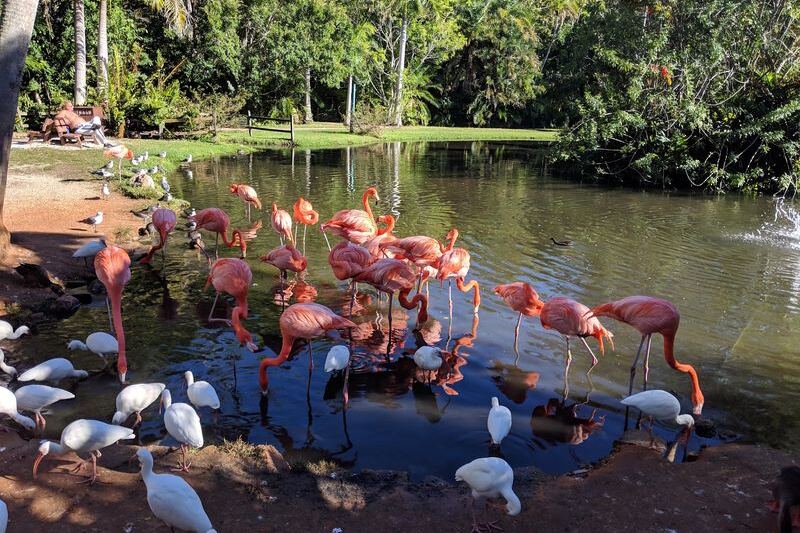
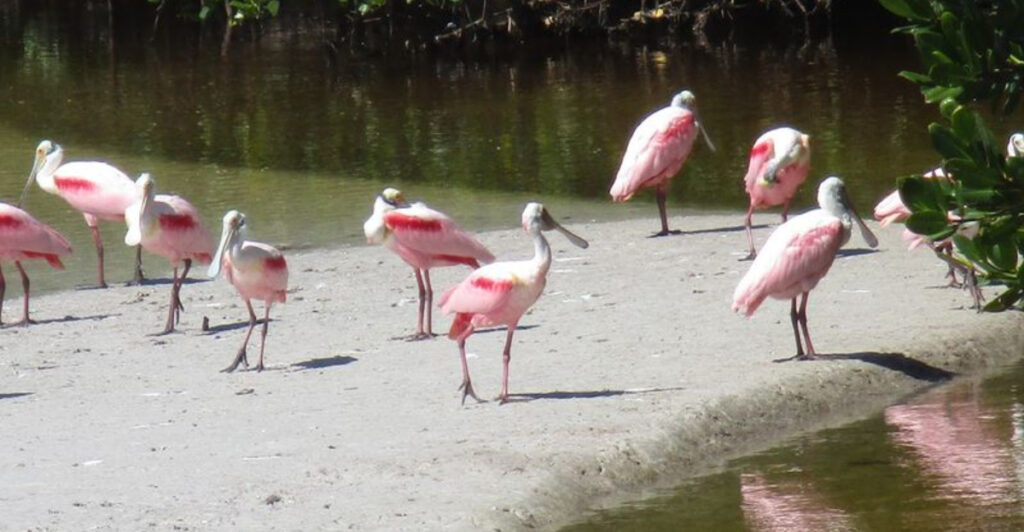
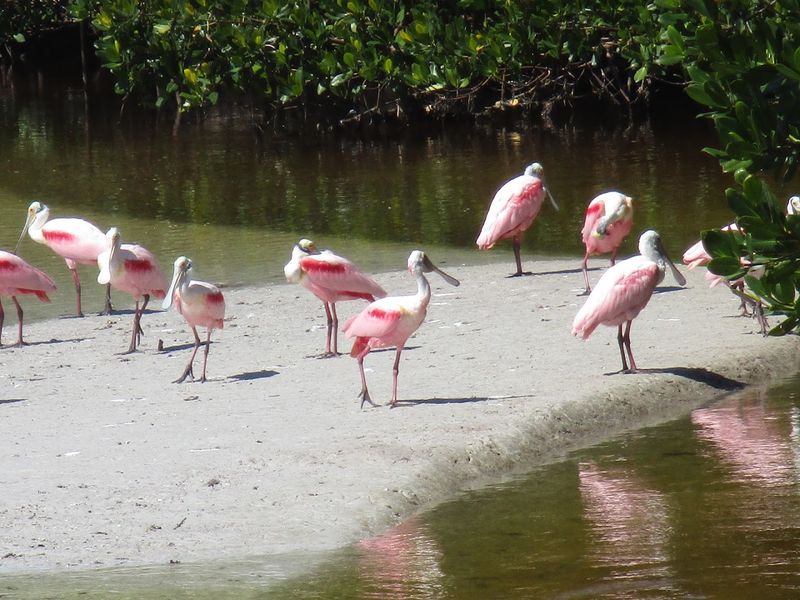
More than 230 bird species have been associated with the refuge, and that number feels believable once the mudflats start filling with movement. I watched for white ibis, little blue herons, great egrets, brown pelicans, anhingas, and the pink surprise that makes everyone whisper: roseate spoonbill.
Some birds stay busy fishing, while others seem perfectly content to stand in shallow water and look important. Binoculars help, but even a phone camera can catch enough detail to make your photo roll look suddenly more sophisticated.
Birders will find plenty to study, but casual visitors are not left behind. The refuge makes feathered drama easy to enjoy, even when you only know a pelican from a very confident seagull.
The Best Time To Arrive
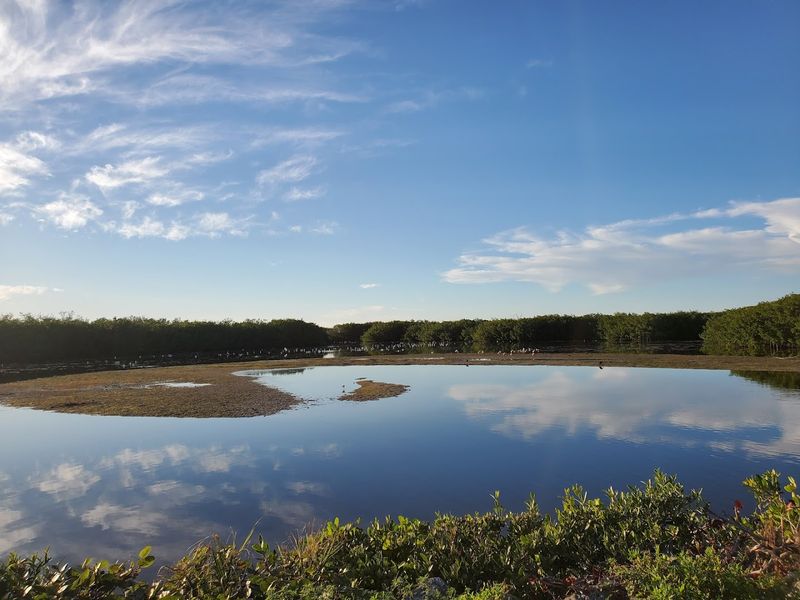
Morning has a way of making this refuge feel freshly tuned, with cooler air, softer light, and wildlife that seems more willing to be seen.
The refuge is generally open 7 AM to 5:30 PM on most days and closed on Fridays, but hours can change, so I always check the official site before leaving. Early arrival gives you calmer conditions and a better chance at easy pull-offs along Wildlife Drive.
Winter often brings comfortable hiking weather, which matters because Sanibel sun can get persuasive quickly. In warmer months, I would bring extra water, sunscreen, a hat, and patience for insects that treat ankles like a public meeting space.
Late afternoon can be lovely too, especially for golden light across the water. Still, if you want first dibs on quiet roads and active birds, set the alarm and bribe yourself with breakfast afterward.
Pull-Offs Reward The Curious
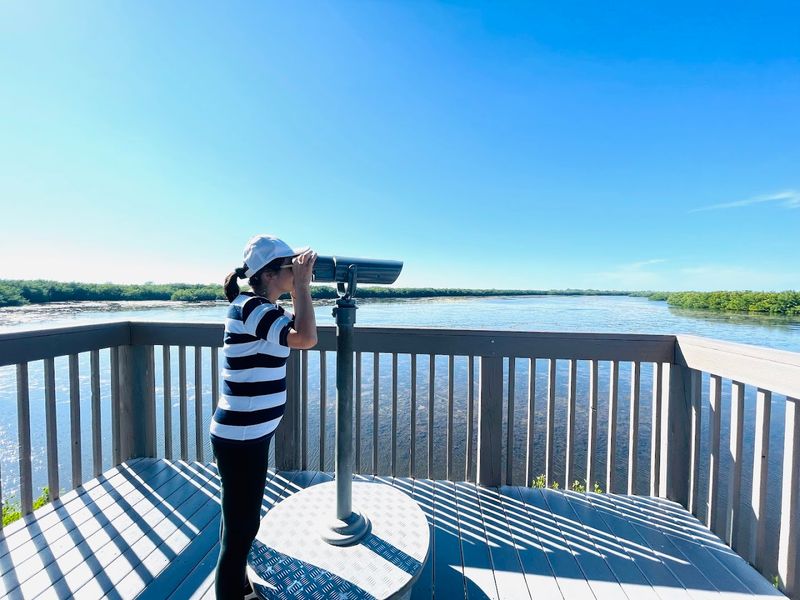
The finest moments often happen after the engine stops, because the refuge rewards people who can linger without checking the clock every twelve seconds.
Along Wildlife Drive, pull-off areas let you step out, listen, and notice details that blur past at even a slow roll. I found myself staring at ripples, then realizing a bird had been standing perfectly still beside them the whole time.
This is where binoculars earn their suitcase space. A distant shape becomes a heron, a pale flash becomes an egret, and a splash might send everyone nearby into cheerful detective mode.
The road is designed for this kind of stop-and-go wandering, so do not rush the loop just to say you finished it. At this refuge, the good stuff hides in the pauses, then acts like it was obvious all along.
Trails Add A Different Tempo
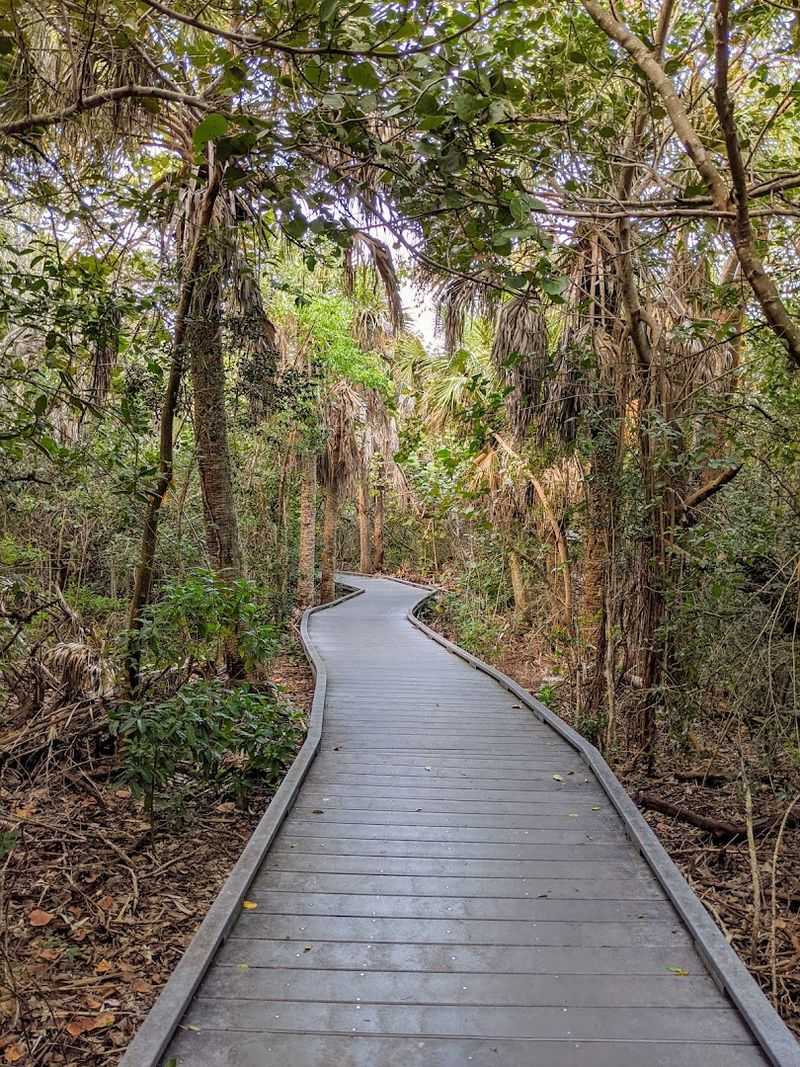
A car window gives you the wide view, but the trails let the refuge lower its voice and pull you into smaller details.
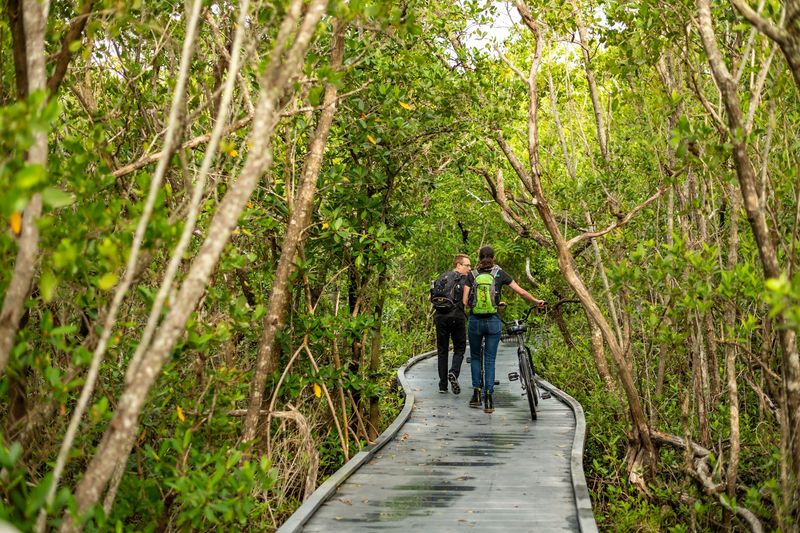
Several walking areas and paths may be available depending on conditions, and closures can happen, so I treat trail plans as flexible rather than guaranteed. That mindset keeps the day pleasant, especially in a coastal habitat where weather, maintenance, and restoration work can shift access.
On foot, the mangroves feel closer, the water sounds clearer, and every rustle becomes a tiny mystery. Comfortable shoes matter, because even short walks feel better when your feet are not filing complaints.
I like pairing a trail stop with the scenic drive instead of choosing only one. The drive gives the grand tour, but a short walk adds texture, like reading the fine print on a very leafy invitation.
The Visitor Center Is Worth Time
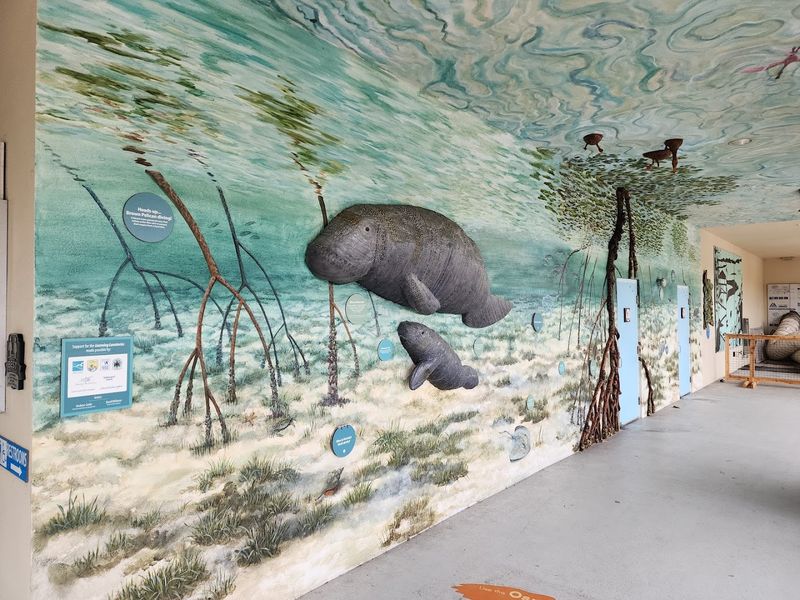
The visitor center is not just a place to use the restroom and pretend you did not buy another nature-themed souvenir.
I found it helpful as a first stop because the exhibits explain the refuge’s habitats, wildlife, and conservation story in a way that makes the drive more meaningful. Families get hands-on learning opportunities, and curious adults can brush up on bird IDs before the real quiz begins outside.
The shop often carries educational items, clothing, plush animals, local goods, and gifts that feel connected to the place rather than random shelf fillers. It is also a smart spot to ask practical questions before committing to your route.
When a refuge has this much happening outdoors, indoor context can be easy to skip. Do not skip it too quickly, because a few minutes inside can make the mangroves outside feel far more readable.
Bring The Right Little Extras
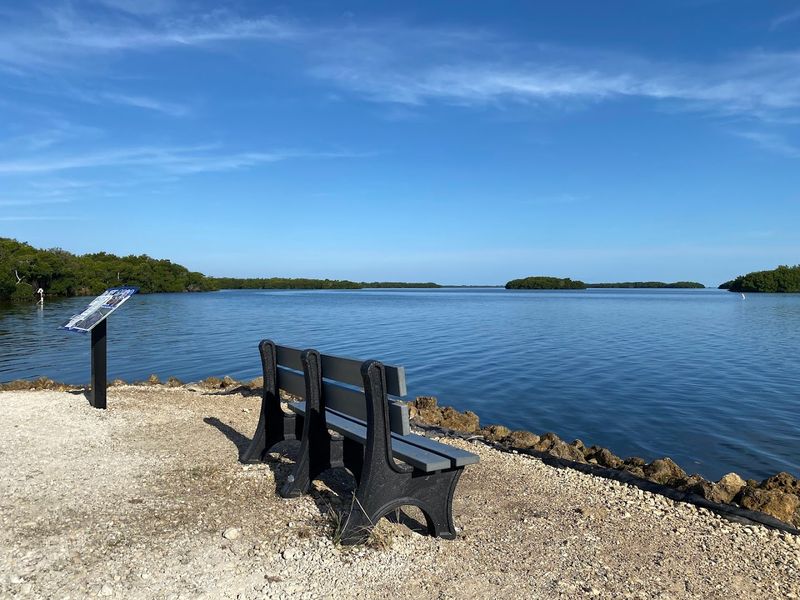
A visit here does not require fancy gear, but a few smart extras can turn a pleasant outing into a far smoother one.
My basic kit would include binoculars, a camera or charged phone, sunscreen, a hat, water, and insect repellent. The sun can feel stronger near open water, and mosquitoes have a talent for appearing just when you are trying to admire a rare bird.
A longer camera lens is wonderful if you have one, though I would not let gear envy ruin the day. The refuge offers plenty of close-range scenery, reflections, plants, signs, and wide wetland views for casual photos too.
Keep snacks tidy, follow refuge rules, and avoid feeding wildlife. Your best souvenir is a clear memory, not a bird learning that visitors carry crumbs and questionable decision-making skills.
Fishing, Kayaking, And Quiet Corners
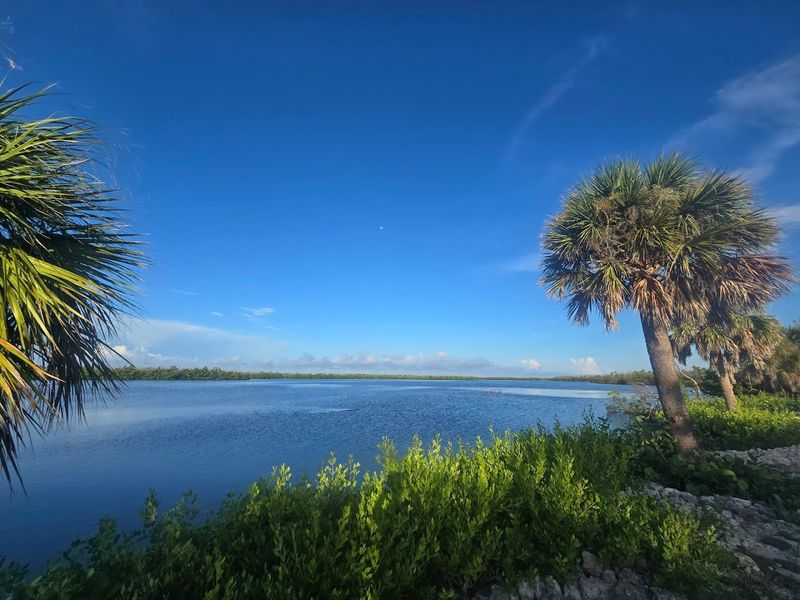
The refuge is famous for birds, but the water adds another layer of activity for visitors who like their nature time with a rod, paddle, or long stare.
Fishing is allowed in designated areas, and I noticed anglers tucked into quiet spots along the route. Their patience matches the place well, because the whole refuge seems built around slowing down enough to notice what the tide is doing.
Kayaking opportunities may be available through suitable access and tours, depending on conditions and current operations. I would confirm details before arriving, since coastal access can change and guided options are often the easiest way to understand the waterways.
Even if you never cast a line or launch a kayak, the shoreline activity adds life to the scenery. The water keeps changing the script, and everyone along it seems happy to read slowly.
Families Can Keep It Easy
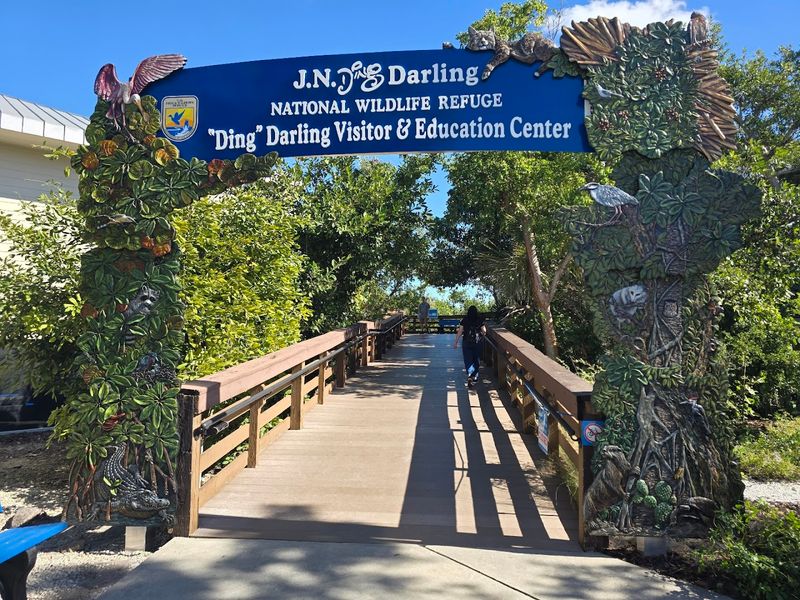
This is one of those rare nature stops where families can enjoy the outdoors without turning the day into a logistical obstacle course.
The drive-through format helps because kids, grandparents, and anyone who prefers shorter walks can still see habitat and wildlife without a long trek. You can stop often, skip a stop if attention spans wobble, and return to the air-conditioned car when the sun gets bossy.
The visitor center adds structure with exhibits and child-friendly learning, which is useful before or after the road loop. I like places where a curious kid can ask ten questions and at least five answers are sitting on a sign nearby.
Bring water, simple snacks, and a small pair of binoculars if you have them. The refuge turns birdwatching into a family treasure hunt, minus the need for glitter, batteries, or complicated instructions.
The Refuge Has A Creative Namesake
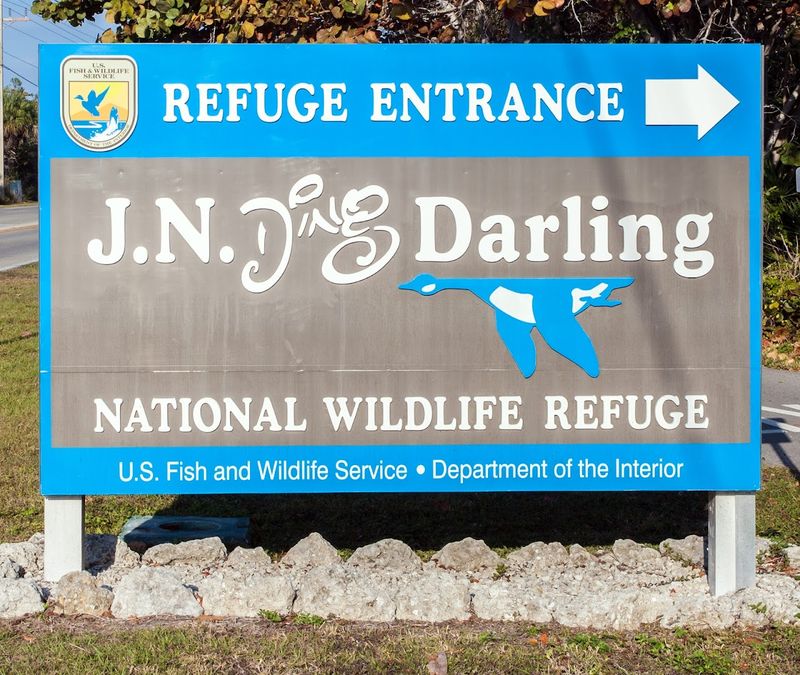
The name sounds playful, and the story behind it adds character before you even spot your first heron.
J.N. “Ding” Darling was a well-known political cartoonist and conservation advocate whose work helped shape public attention around wildlife protection. The refuge carrying his name feels fitting, because the place blends observation, education, and a gentle nudge to care about coastal habitats.
I appreciate destinations that do not treat conservation as a dull lecture. Here, the message appears through living scenery: mangroves holding the shoreline, birds feeding in the flats, and visitors learning why these spaces deserve room to breathe.
That history gives the drive more weight without making it heavy. You arrive for a relaxing loop, then leave with a clearer sense that every feathered cameo depends on a carefully protected stage.
A Few Practical Tips Before You Go
A little planning goes a long way here, mostly because the refuge is wonderfully simple once you know the basics.
Check the official website before visiting for current hours, fees, trail access, tour options, and any temporary notices. The refuge is commonly open Saturday through Thursday and closed Friday.
Arrive earlier for cooler weather and easier wildlife watching, especially if photography matters to you. Keep to posted rules, pull over only where appropriate, and give other visitors space to enjoy the same quiet discoveries.
This is also a natural internal link moment for a travel blog: pair it with Sanibel shelling tips, nearby island nature stops, or a guide to family-friendly Florida wildlife outings. One good refuge visit often starts a whole coastal curiosity spiral.
Why The Slow Loop Stays With You
By the end of the loop, I understood why this place feels so different from a typical scenic stop.
J.N. “Ding” Darling National Wildlife Refuge lets you choose your own pace without making the experience feel thin. You can drive, bike, walk short sections, study birds, visit the center, take photos, or simply sit with the windows cracked and listen.
The magic is not loud, and that is the point. A spoonbill in the distance, a pelican skimming low, a guide sharing a quick tip, or a ripple beside the mangroves can become the moment you talk about later.
I would send anyone here who wants Sanibel’s natural side without needing a complicated itinerary. For your next Florida planning rabbit hole, let this refuge be the calm chapter that makes the rest of the trip breathe easier.
Share this story