 Unearth The Voyage
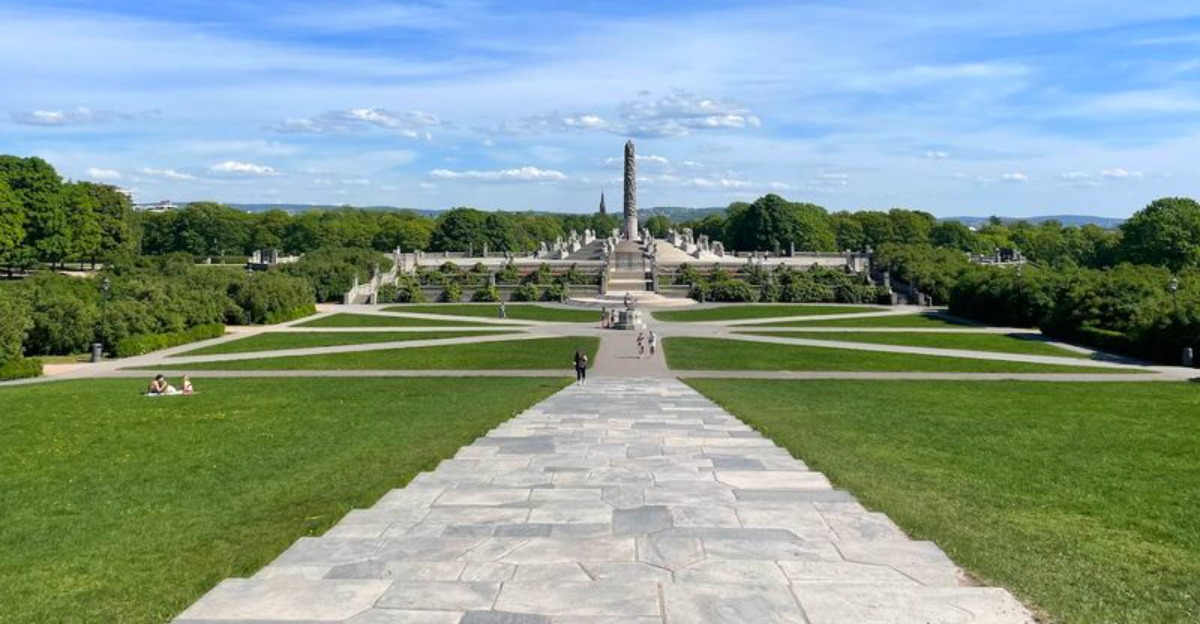
Oslo just earned bragging rights as the world’s greenest city, scoring an impressive 77.3 out of 100 on a new Green City Index. What makes this Scandinavian capital stand out?
It’s not just about having parks, it’s about making nature part of everyday life, with 95% of residents living within 300 metres of a green space. From rooftop walks with fjord views to forest escapes you can reach by metro, Oslo proves that a capital city can be both cosmopolitan and completely connected to nature.
Walk the Roof of the Oslo Opera House
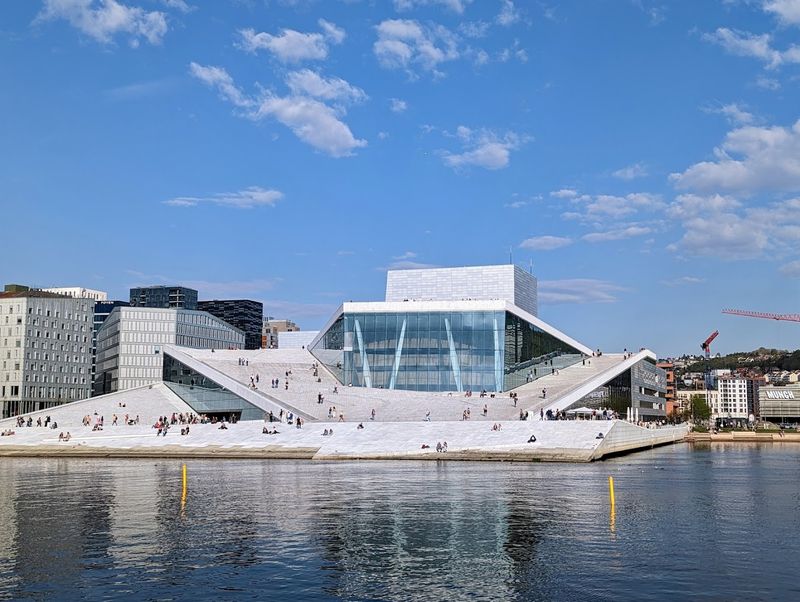
Right in Bjørvika, this building breaks every stuffy cultural-venue rule you’ve ever encountered. The roof isn’t off-limits or roped away – it’s actually designed for walking, and locals treat it like a public plaza that happens to have amazing views.
I showed up on a drizzly Tuesday morning expecting to have the place to myself, but nope. Joggers, tourists, and a guy doing yoga poses were all scattered across the angled marble.
The architecture is striking in person, all clean lines and bold angles meeting the water. You get sweeping views of the fjord on one side and Oslo’s modern skyline on the other, and it costs exactly nothing to access.
Best part? It’s open year-round, so you can experience it in summer sun or winter snow.
The vibe is refreshingly unpretentious – no tickets, no gates, just walk up and enjoy. It’s the perfect introduction to how Oslo does culture: accessible, integrated, and genuinely welcoming to everyone who wants to be there.
Explore the Bjørvika Waterfront and Barcode Skyline
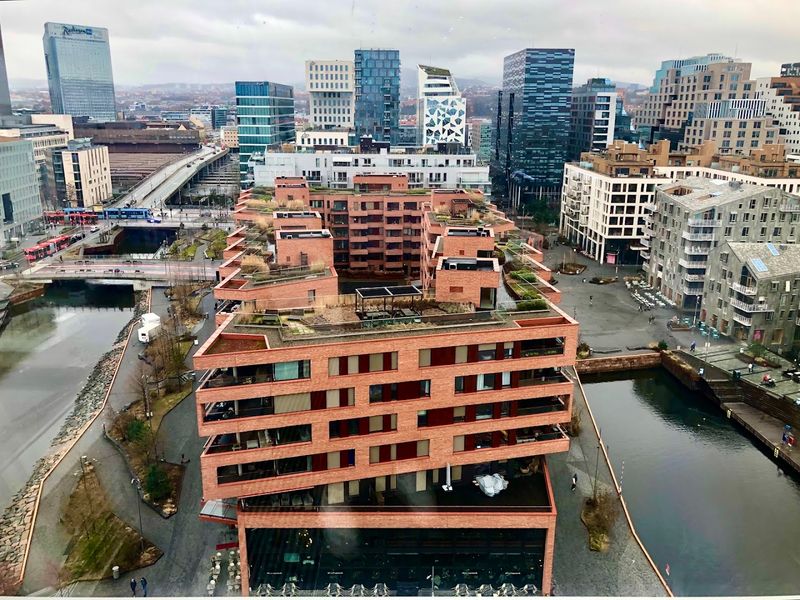
Once you’ve conquered the Opera House roof, stick around because Bjørvika deserves more than a quick glance. This is where Oslo’s newest architecture flexes without feeling cold or uninviting.
The so-called Barcode buildings, those striped high-rises, look exactly like their nickname suggests. Love them or find them slightly dystopian, they’re undeniably eye-catching, especially when the sunset hits just right.
What makes this area work is how pedestrian-friendly it feels. Wide walkways, harbour views at every turn, and plenty of spots to pause and people-watch without being hustled along.
It’s not just about the building, it’s about the space between them.
Golden hour transforms the whole district into something magical, with light bouncing off glass and water in equal measure. Families stroll, cyclists zip past, and the occasional street musician adds a soundtrack.
It’s modern urbanism done well, where the infrastructure actually invites you to linger instead of just passing through on your way somewhere more interesting.
Spend Time at MUNCH Museum
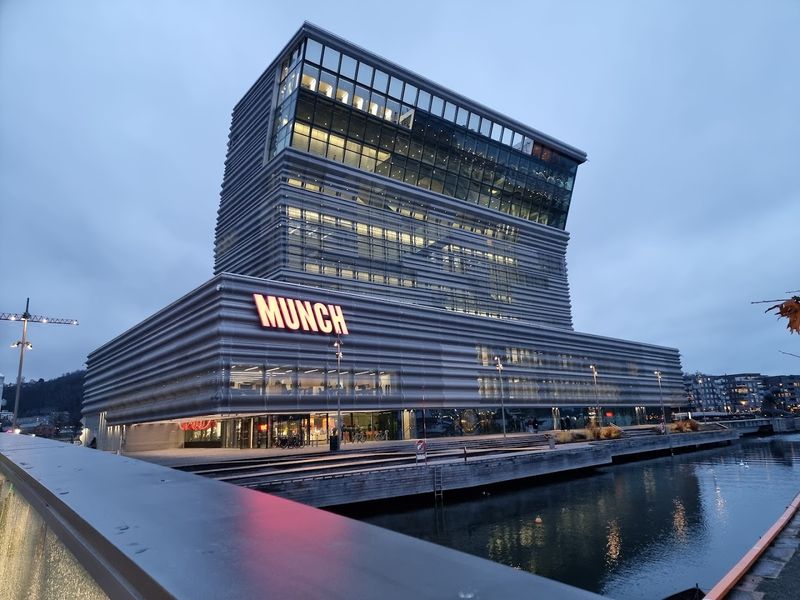
Even if art museums usually make your eyes glaze over, MUNCH deserves a visit for the building alone. This towering structure on the waterfront is one of Oslo’s most dramatic recent additions, and it makes zero apologies for standing out.
Inside, you’ll find the world’s largest collection of Edvard Munch’s work – yes, including multiple versions of The Scream. But the museum goes beyond just one famous painting, exploring his entire creative output across different periods and mediums.
The layout encourages wandering rather than following a rigid path, which somehow makes the whole experience less exhausting. Natural light floods certain galleries, while others create more intimate viewing spaces.
What surprised me most was how contemporary the building feels while still respecting the art it houses. There’s a rooftop area offering yet another angle on Oslo’s waterfront, because apparently this city never gets tired of showing off its fjord access.
Whether you spend an hour or half a day here, MUNCH anchors Oslo’s cultural waterfront in a way that feels both ambitious and earned.
Don’t Skip the National Museum
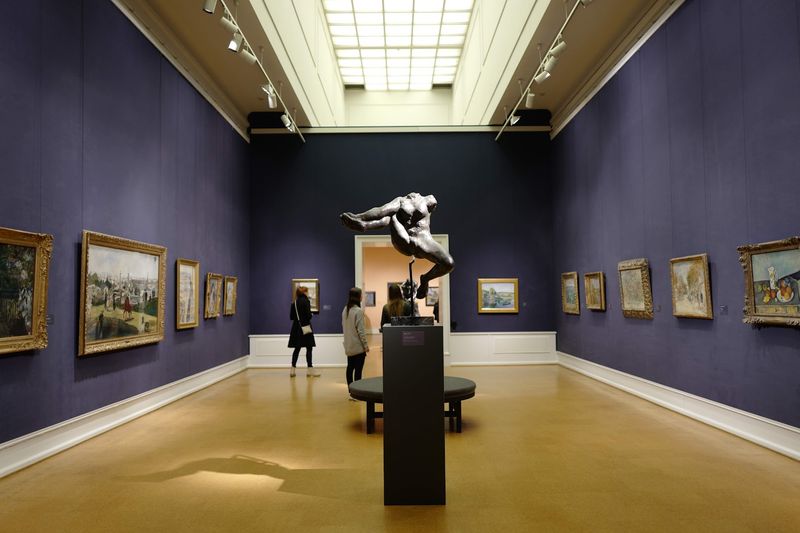
Opened in 2022, the National Museum is Oslo’s answer to “can we fit art, architecture, design, and contemporary work all under one massive roof?” Spoiler: yes, they absolutely can.
This isn’t some dusty collection that feels like homework. The building itself is light-filled and thoughtfully designed, making it easy to move between different sections without getting museum fatigue too quickly.
You’ll find everything from classical Norwegian painters to cutting-edge installations, plus design exhibitions that actually make you want to upgrade your apartment. The architecture galleries offer fascinating context about how Norwegian building styles evolved over centuries.
One of the smartest moves? The museum cafe overlooks the water, giving you a built-in excuse to take breaks between galleries.
I ended up spending way longer here than planned, which is the best kind of museum problem to have.
If you’re the type who wants cultural depth without bouncing between five different venues, this is your spot. It’s comprehensive without being overwhelming, and the waterfront location means you’re never far from Oslo’s signature blend of urban and natural beauty.
Do Vigeland Sculpture Park Inside Frogner Park
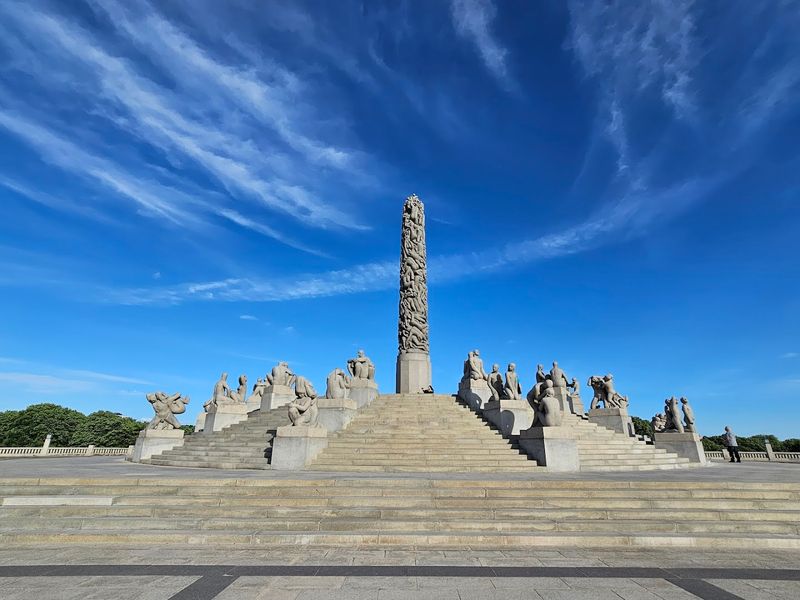
Gustav Vigeland created over 200 sculptures in bronze, granite, and wrought iron, then Oslo just… put them all in a massive park where anyone can wander freely. No admission fee, no velvet ropes, just art integrated into a space where locals jog past naked bronze figures without batting an eye.
Frogner Park itself is huge and gorgeous, so the sculptures become part of a larger outdoor experience. People picnic on the grass, kids run around, and the whole thing feels wonderfully un-museum-like.
The famous Monolith, a tower of intertwined human figures, is genuinely impressive in person, even if you’ve seen it in photos. But honestly, some of the smaller, quirkier pieces scattered throughout are just as memorable.
Early morning offers peaceful wandering with soft light, while late afternoon brings that golden glow photographers dream about. Either way, you’re experiencing art the way Vigeland apparently intended: as part of daily life rather than something precious and separate.
It’s Oslo’s most visited attraction for good reason, managing to be both culturally significant and genuinely enjoyable at the same time.
Take the Ferry to Oslofjord Islands from Aker Brygge
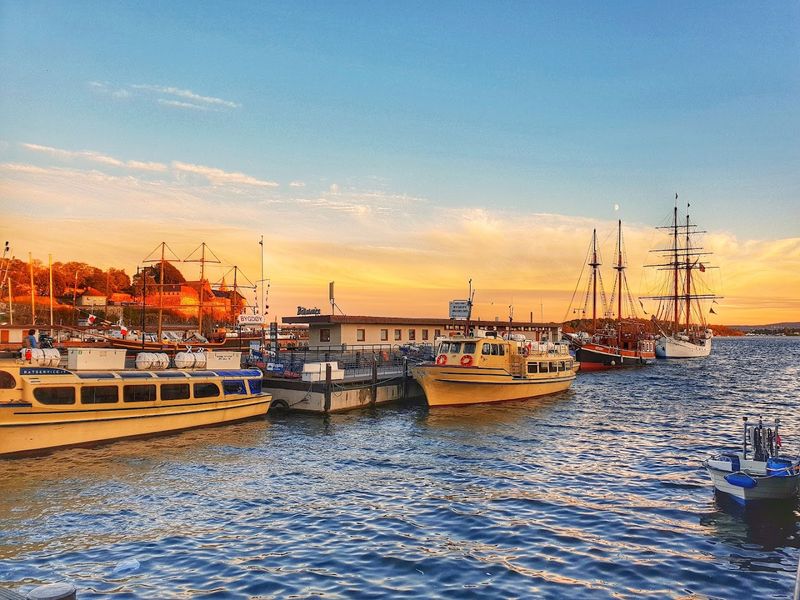
Here’s something wild: you can take a regular public ferry from downtown Oslo and be on an island with swimming rocks and pine trees in about 20 minutes. Hovedøya, Gressholmen, Lindøya, Nakholmen—each has its own personality and all feel worlds away from the city you just left.
The ferries leave from Aker Brygge, and locals treat this like hopping on a bus. Pack snacks, bring a towel, and suddenly you’re living that Scandinavian summer dream.
Hovedøya has medieval ruins to explore between swim sessions, while Gressholmen offers a more low-key vibe with grassy spots perfect for sprawling out. Lindøya and Nakholmen have charming little cabins and a community feel that makes you want to befriend someone with a summer cottage.
The water is cold – let’s not pretend otherwise, but jumping in from sun-warmed rocks is half the fun. This is peak Oslo living: urban convenience meeting genuine nature access without requiring a car, special equipment, or even much planning.
Just show up and island-hop until you find your perfect spot.
Stroll Aker Brygge and Tjuvholmen for Waterfront Vibes
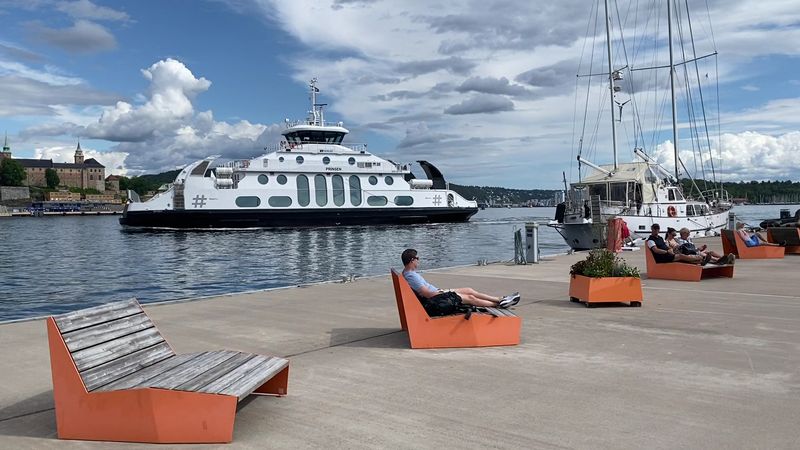
When Oslo wants to show off its postcard-perfect side, this is where it happens. Aker Brygge and Tjuvholmen form a continuous waterfront stretch that delivers exactly what you’d hope for: boats bobbing in the harbour, boardwalk energy, and that distinctly Scandinavian blend of relaxed and stylish.
Former industrial docks transformed into prime real estate, these areas now host restaurants, galleries, and plenty of spots to just sit and watch Oslo go by. On a bright day, the light reflecting off the water makes everything look like it’s been professionally lit.
Tjuvholmen edges toward the artsy side with the Astrup Fearnley Museum of Modern Art anchoring its tip. But honestly, you don’t need an agenda here, the whole point is wandering and soaking up that “I’m living in a very attractive Nordic capital” feeling.
Yes, it’s touristy. Yes, the restaurants can be pricey.
But sometimes you just want an easy, feel-good promenade where the main activity is enjoying being exactly where you are. Oslo delivers that here without apology, and on a summer evening, it’s pretty much perfect.
Go Up to Holmenkollen for Ski-Jump Views
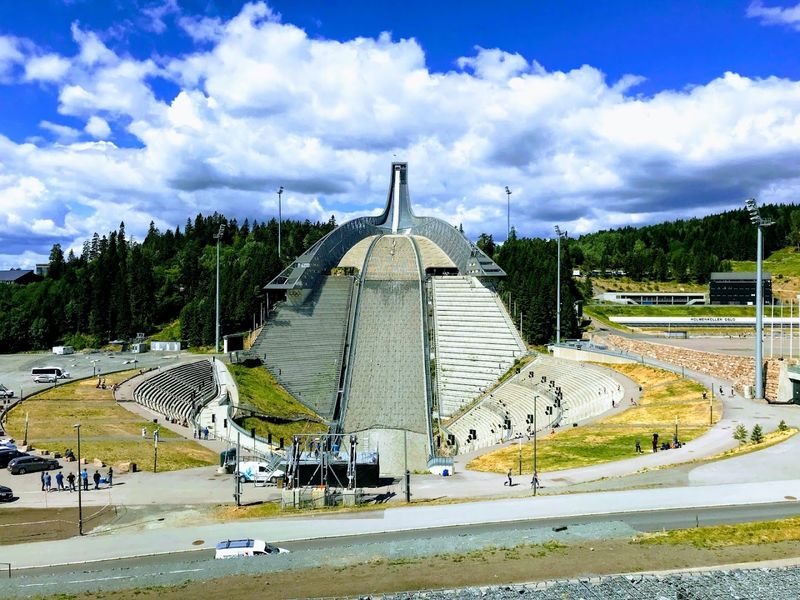
Even if you’ve never strapped on skis in your life, Holmenkollen is worth the trip. The ski jump itself is architecturally dramati, a sweeping curve that looks like it belongs in a Bond film and the views over Oslo are absolutely worth the journey up.
You get that classic “city from above” panorama with the fjord stretching out and forest surrounding everything. It’s a visual reminder of why Oslo can claim to be so green, nature isn’t just in pockets, it’s everywhere.
The area around Holmenkollen is already pretty high up, which means you’re also conveniently positioned near forest access. Trails branch off in multiple directions if you’re feeling ambitious after taking in the views.
There’s a ski museum if you want the full experience, but honestly, just standing at the base of the jump and looking up (or out) is impressive enough. Winter or summer, the location delivers.
It’s one of those spots that reminds you Oslo isn’t trying to be like other capitals, it’s doing its own thing with mountains, forests, and ski jumps minutes from downtown.
Ride the Metro to Sognsvann Lake and Do the Easy Loop Walk
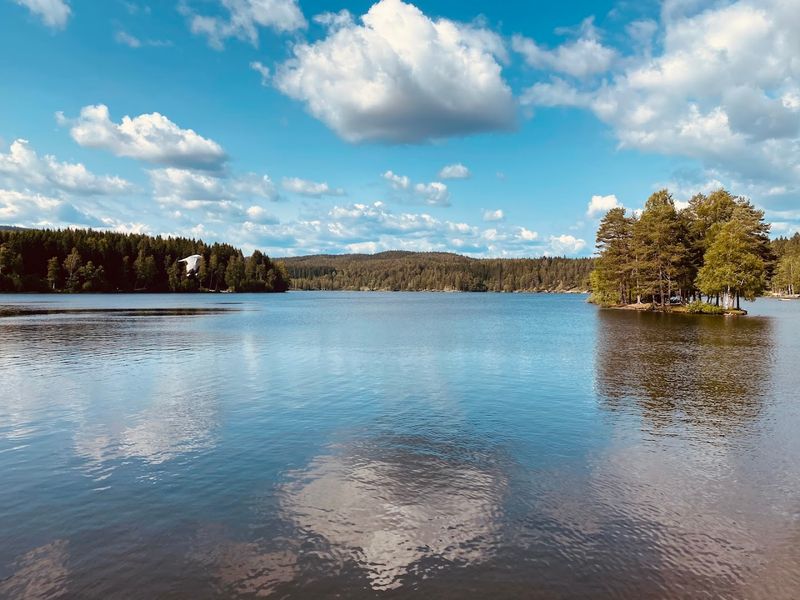
Take the metro to the end of the line and you’ll find yourself at a lake that feels like a complete reset button. Sognsvann is one of those simple urban-nature wins that makes you question why every capital doesn’t have something like this.
The loop walk around the lake is easy, well-maintained, and takes about an hour at a relaxed pace. Families with strollers, joggers, and people who just needed to escape the city all share the path peacefully.
What makes this special isn’t dramatic scenery, it’s the accessibility and the immediate sense of being somewhere calm. Trees, water, the occasional duck, and suddenly your shoulders drop two inches.
Sognsvann also serves as a gateway into the broader Nordmarka and Oslomarka trail systems, so if the lake loop leaves you wanting more, you’ve got options. But even if you just do the circuit and head back downtown, you’ve still experienced one of Oslo’s greenest features: nature that doesn’t require planning, special gear, or half your day.
Just hop on the metro and go.
Get Lost in Oslomarka, the City’s Massive Forest
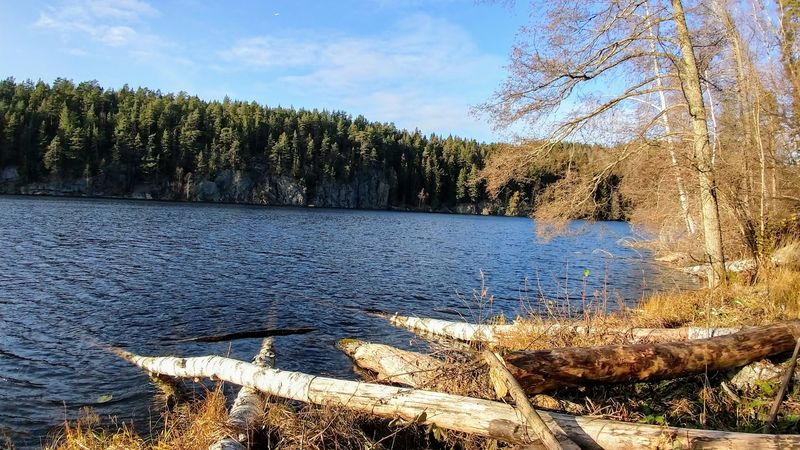
Oslomarka isn’t a park, it’s a forest that covers roughly two-thirds of Oslo’s total area. Let that sink in: this capital city is mostly forest, with trails, lakes, and year-round outdoor culture woven throughout.
Hiking, swimming, cross-country skiing, berry picking, whatever your preferred way to interact with nature, Oslomarka accommodates. The trail network is extensive and well-marked, so “getting lost” is more about unplugging than actual navigation panic.
What struck me most was how locals treat this forest like an extension of their living room. It’s not a special-occasion destination, it’s where you go on a Tuesday after work because you felt like it.
Summer brings endless light and the chance to swim in forest lakes that feel impossibly remote despite being metro-accessible. Winter transforms everything into cross-country ski heaven, with Norwegians gliding past like it’s the most normal thing in the world.
Because for them, it is. Oslomarka is the backbone of Oslo’s green identity, the reason that “greenest city” ranking feels earned rather than like clever PR.
Visit Akershus Fortress for History and Harbour Views
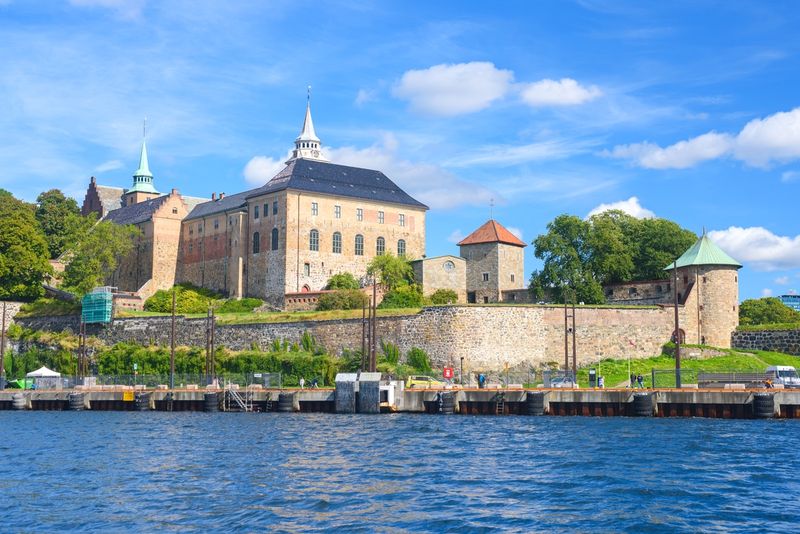
Built in the 1290s, Akershus Fortress has watched Oslo evolve from medieval stronghold to modern capital. The old stone walls and strategic position overlooking the harbour tell stories of sieges, royal ceremonies, and centuries of Norwegian history.
You can wander the grounds for free, which makes this one of the easiest “get some history without committing your whole day” stops. The views over the harbour are lovely, especially on clear days when the light hits just right.
Inside, there are museums and guided tours if you want deeper context, but honestly, just walking around the fortress grounds gives you a solid sense of place. The contrast between ancient stone and modern city skyline creates an interesting visual conversation.
It’s never overwhelmingly crowded, which adds to the appeal. You can explore at your own pace, find a quiet spot with a view, and appreciate that Oslo has managed to preserve this piece of its past without turning it into an over-commercialized attraction.
History here feels present but not precious, accessible without being dumbed down.
See the Royal Palace and Walk Karl Johans Gate
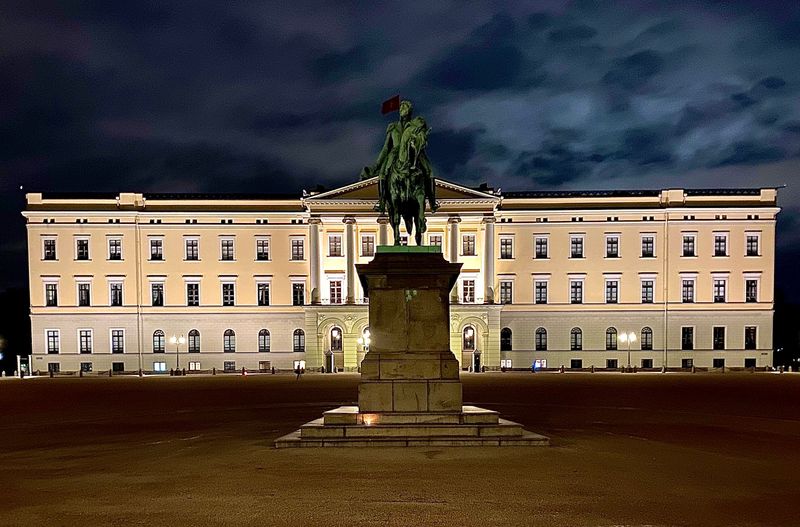
Karl Johans gate is Oslo’s main boulevard, running from the Central Station to the Royal Palace. It’s the kind of central artery every capital has, but Oslo’s version manages to feel grand without being overwhelming.
The Royal Palace sits at the western end, all neoclassical and yellow, with grounds that are surprisingly open and accessible. You can wander through the palace park without special permission, which again fits Oslo’s democratic approach to public space.
Walking Karl Johans gate connects you to major sights – the National Theatre, Parliament, shops, cafes – making it useful for orientation on your first day. Street performers, tourists, and locals heading somewhere all share the wide pedestrian sections.
Is it the most exciting street in the world? No, but it serves its purpose well.
You get that classic capital-city energy, a sense of Oslo’s layout, and easy access to surrounding neighbourhoods. Sometimes the obvious tourist route exists for good reason, and this is one of those cases.
Do the walk, see the palace, then branch off into more interesting areas with your bearings properly established.
Choose Bygdøy for Museum-Hopping (Skip the Closed Viking Ship Museum)
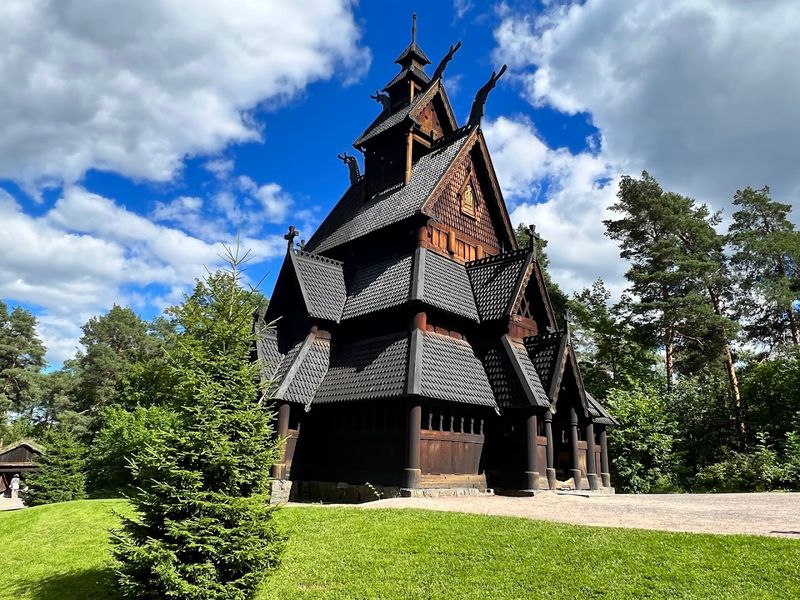
Bygdøy is Oslo’s museum peninsula, home to some seriously impressive collections all clustered together. The Norwegian Folk Museum, Fram Museum, Kon-Tiki Museum, and Norwegian Maritime Museum all call this area home.
Here’s the important heads-up: the Viking Ship Museum is closed for major rebuilding and won’t reopen until 2027 as the Museum of the Viking Age. Don’t be that person who shows up expecting Viking ships and finds construction barriers.
The other museums more than compensate. The Fram Museum houses the actual polar exploration ship Fram, which you can board and explore.
Kon-Tiki showcases Thor Heyerdahl’s legendary raft expedition. The Folk Museum offers an open-air journey through Norwegian history with relocated historic buildings.
Bygdøy is reachable by ferry in summer or bus year-round, and the peninsula itself is green and pleasant for walking between museums. Plan a half-day minimum if you’re actually going inside places rather than just collecting exterior photos.
It’s concentrated cultural tourism done well, with enough variety that different interests find something compelling. Just remember: Vikings are temporarily unavailable.
Hunt for the City’s Small Green Moments and Pocket Parks
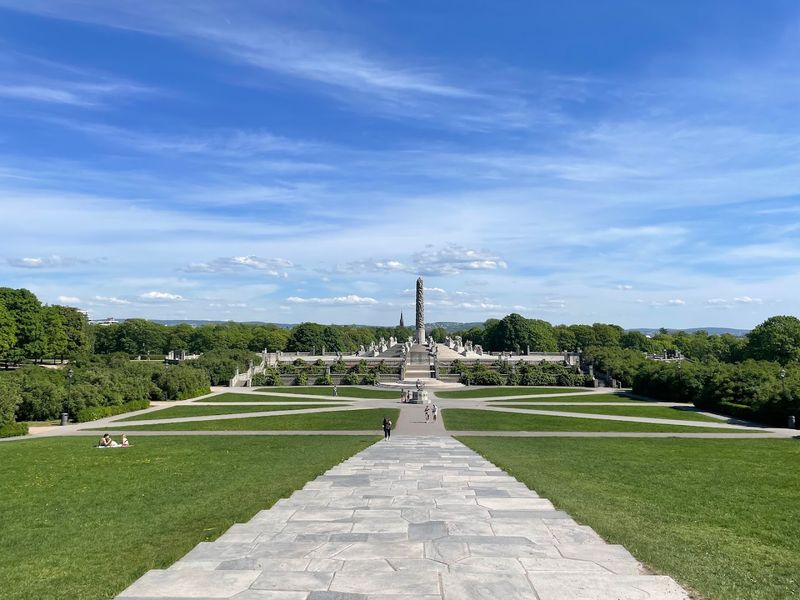
Oslo’s green reputation isn’t just about big forests and famous parks. The real magic happens in tiny interventions, pocket parks appearing where you’d normally expect more asphalt or another parking lot.
These small breathing spaces are scattered throughout the city, often tucked between buildings or carved out of former industrial areas. They’re designed for quick respites: a bench, some greenery, maybe a small playground.
What makes them significant is the philosophy behind them. Oslo actively prioritizes creating these mini-oases to ensure that green-space statistic, 95% of residents within 300 metres of greenery, actually means something in daily life.
You won’t find these in guidebooks because they’re not destinations. They’re infrastructure for livability, proof that Oslo takes its green commitment seriously at every scale.
Next time you’re walking through a neighbourhood, notice how often you encounter these small planted areas. They’re easy to overlook precisely because they feel so natural, like they’ve always been there.
That’s intentional design working quietly in the background, making the city more breathable one pocket park at a time.
Follow the Bee Highway for a Different City Story

Oslo created something called a “bee highway”, a connected route of pollinator-friendly spots across the city. It sounds almost too wholesome to be real, but it’s an actual urban biodiversity initiative linked to Oslo’s green-city efforts.
The concept encourages planting flowers, creating bee-friendly habitats, and supporting urban beekeeping along a continuous corridor. It’s one of those details that makes Oslo’s environmental reputation feel substantive rather than just marketing spin.
You can explore the city through this lens, noticing which areas prioritize pollinator-friendly plants and where urban beekeeping projects have taken root. It adds an unexpected layer to your wanderin, suddenly you’re not just seeing pretty flowers, you’re seeing intentional ecological design.
Is it touristy to specifically hunt for bee-related urban planning? Maybe slightly, but it’s also genuinely interesting.
Oslo proves that being the “greenest city” involves thinking about biodiversity at multiple scales, from massive forests down to which flowers get planted in neighbourhood boxes. The bee highway represents that holistic approach, showing how environmental commitment can be both practical and surprisingly charming.



