 Unearth The Voyage
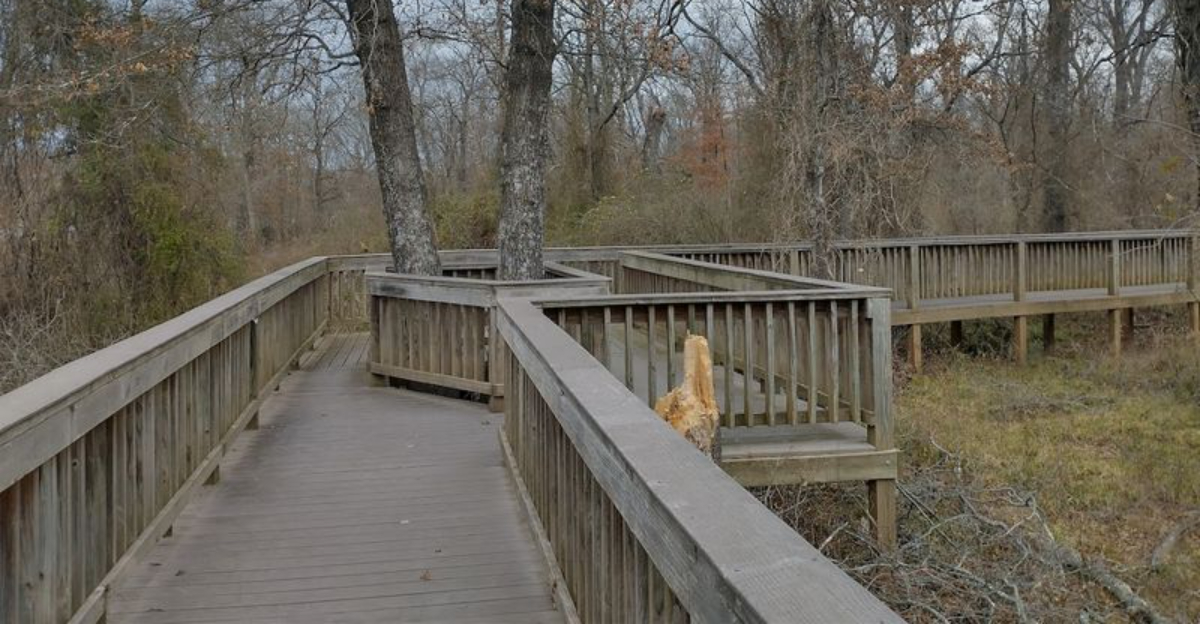
There is a quiet corner of eastern Oklahoma where the trees grow thick, the water moves slow, and a well-built boardwalk carries you right through the middle of it all. Most people drive past without ever knowing it exists, and that is honestly their loss.
The Cussetah Bottoms Boardwalk National Recreation Trail is the kind of place that feels like a reward for those curious enough to go looking. Locals who have lived nearby for years sometimes find out about it through a family member or a friend, and their first reaction is almost always the same: pure surprise at how beautiful and peaceful it turns out to be.
This article walks you through everything worth knowing before you visit.
Where Exactly You Will Find This Trail
The first thing that surprises most visitors is just how tucked away this trail really is. The Cussetah Bottoms Boardwalk National Recreation Trail sits at Cussetah Bottoms Boardwalk Trail, Morris, OK 74445, and it falls under the management of the U.S.
Fish and Wildlife Service as part of the Deep Fork National Wildlife Refuge system in eastern Oklahoma.
Morris is a small town in Okmulgee County, and the surrounding landscape is defined by bottomland hardwood forests, wetlands, and the slow-moving waters of the Deep Fork River. This part of Oklahoma does not get the same tourist traffic as more well-known state parks, which is exactly what makes finding this trail feel like stumbling onto something special.
You can reach the refuge office by phone at +1 918-652-0456, and the official trail information is listed on the U.S. Fish and Wildlife Service website at fws.gov/refuge/deep-fork.
Getting here requires a bit of navigation through rural roads, so downloading an offline map before you leave town is a smart move.
The Story Behind the Deep Fork National Wildlife Refuge
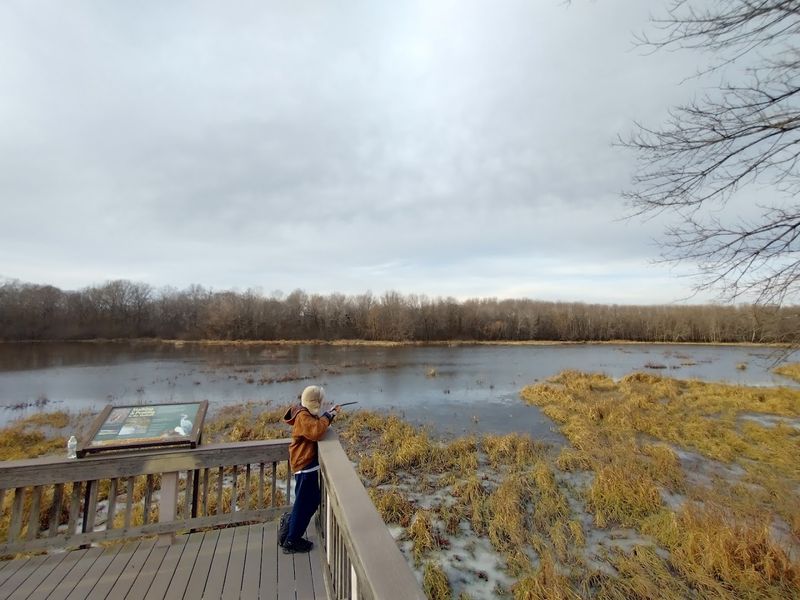
The Deep Fork National Wildlife Refuge was established to protect and restore the bottomland hardwood wetlands along the Deep Fork River in central-eastern Oklahoma. These wetland ecosystems were once far more widespread across the region, but decades of land conversion took a heavy toll on them.
The U.S. Fish and Wildlife Service stepped in to preserve what remained and to bring back what had been lost.
The refuge now protects thousands of acres of forest, wetland, and river habitat that serves as a critical corridor for migratory birds and native wildlife throughout the year.
The Cussetah Bottoms area specifically represents some of the most intact bottomland forest left in this part of Oklahoma. The name Cussetah itself has roots in the Indigenous history of the region, connecting the landscape to the Creek Nation and the deep cultural heritage of eastern Oklahoma.
That layered history adds a quiet significance to every step you take on the boardwalk, even if the forest itself does not announce it.
What the Boardwalk Actually Looks Like
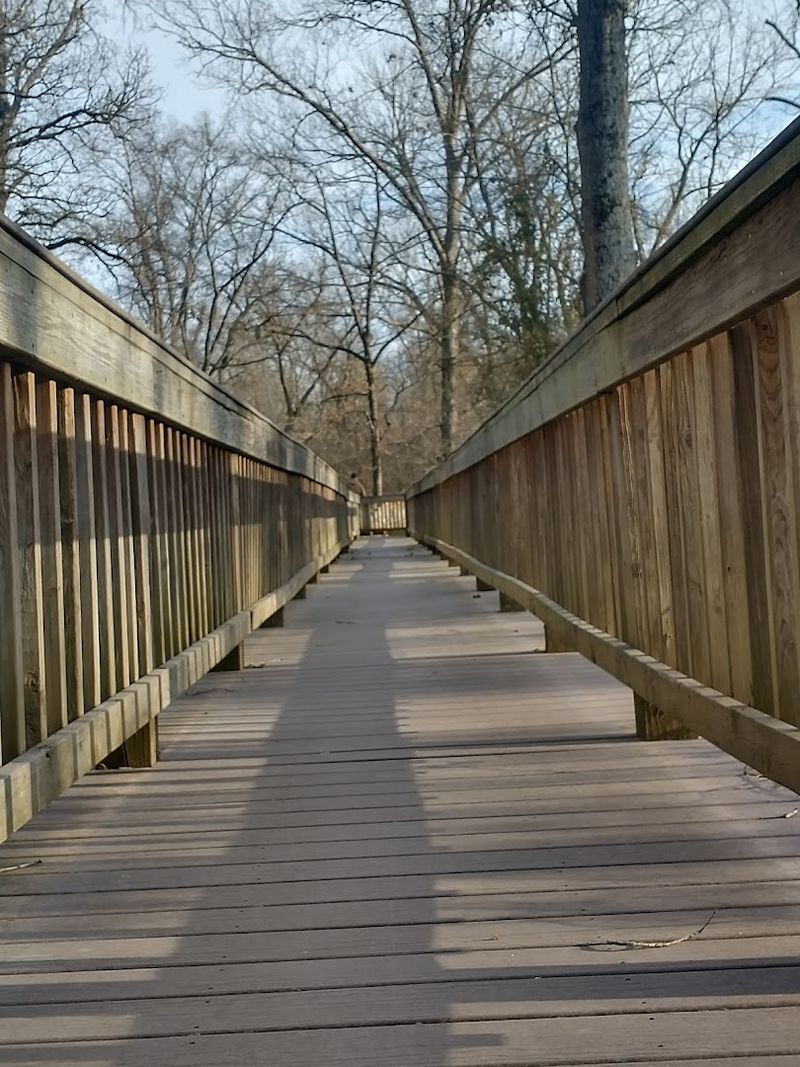
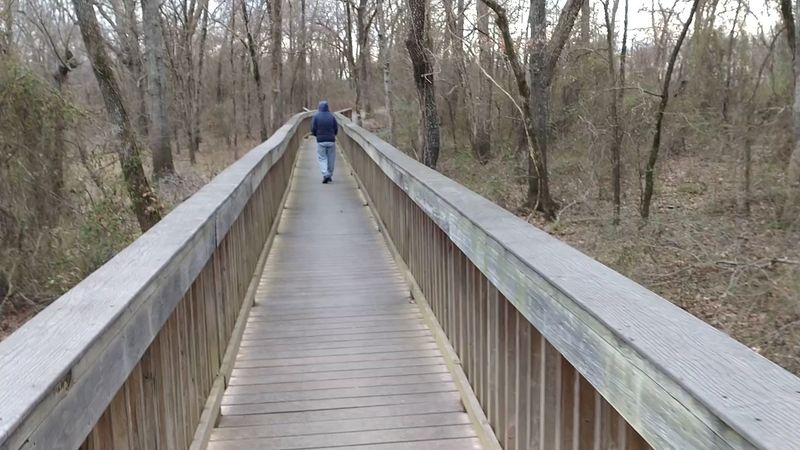
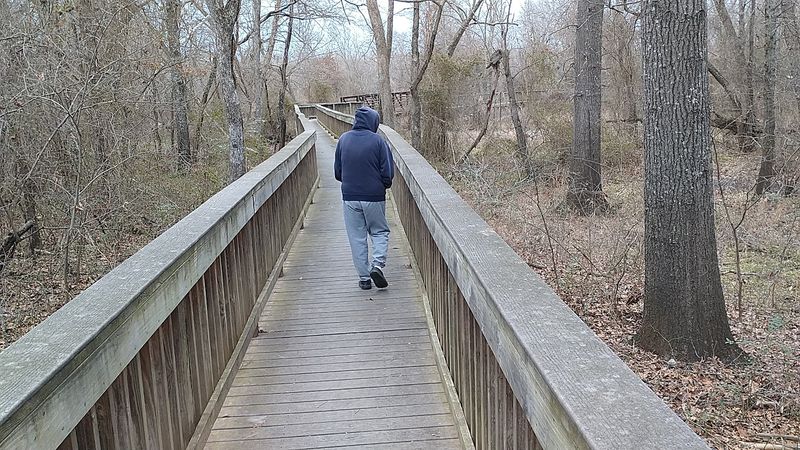
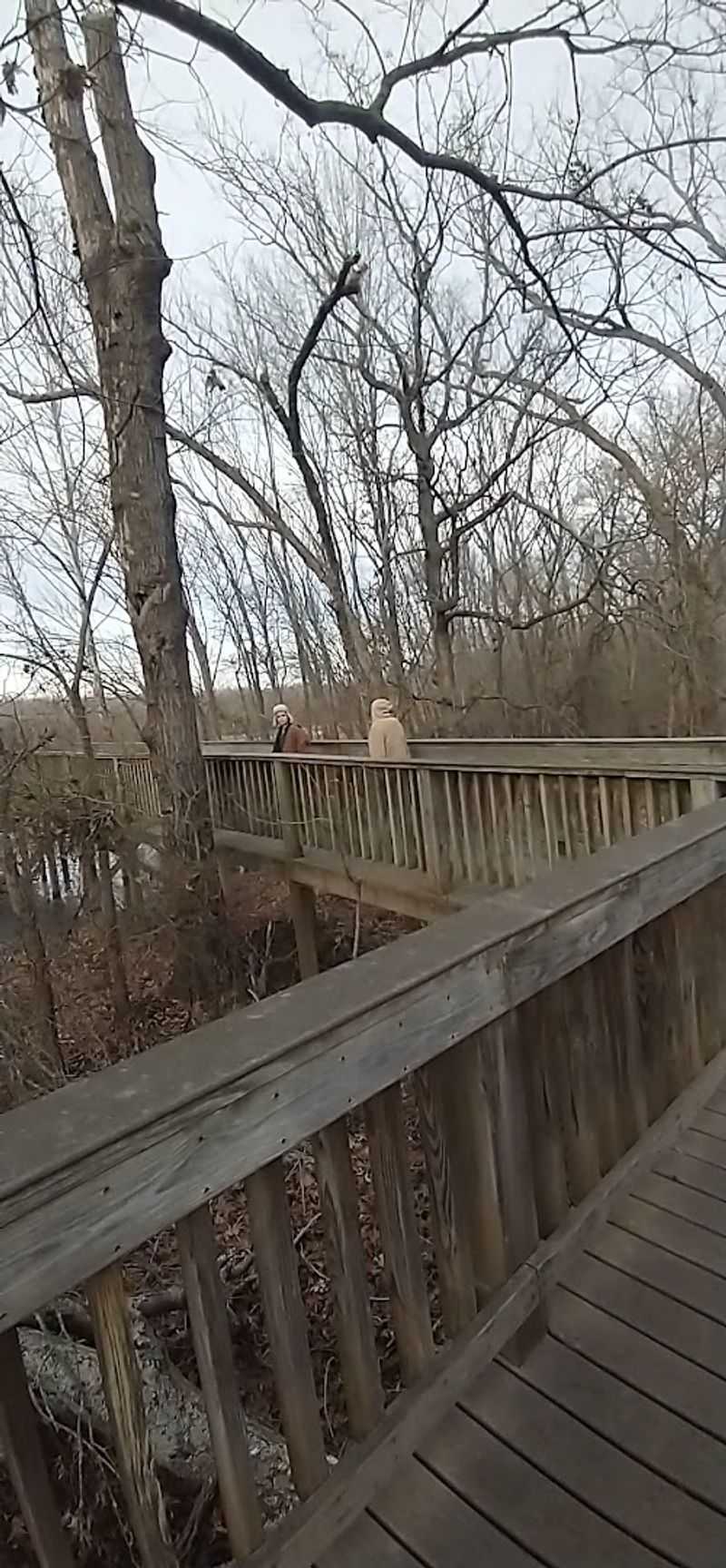
The boardwalk itself is the real star of this visit. Constructed from sturdy wooden planks and raised above the forest floor, it winds through the heart of the Cussetah Bottoms wetland for roughly half a mile, giving you a front-row view of a habitat that would otherwise be completely inaccessible on foot.
The structure sits above areas of standing water and saturated soil, which means you are essentially walking through a flooded forest without getting your boots wet. Trees rise up on both sides, their roots disappearing into the dark water below, and the canopy overhead filters the sunlight into shifting patterns across the planks beneath your feet.
Reviews consistently praise the trail as well maintained, and that shows in the condition of the boards and the handrails along the route. The path is not long by hiking standards, but its design makes every step feel intentional and rewarding.
Short does not mean shallow here, and the half-mile distance packs in more natural beauty per foot than most longer trails ever manage to deliver.
The Wildlife You Can Expect to Encounter
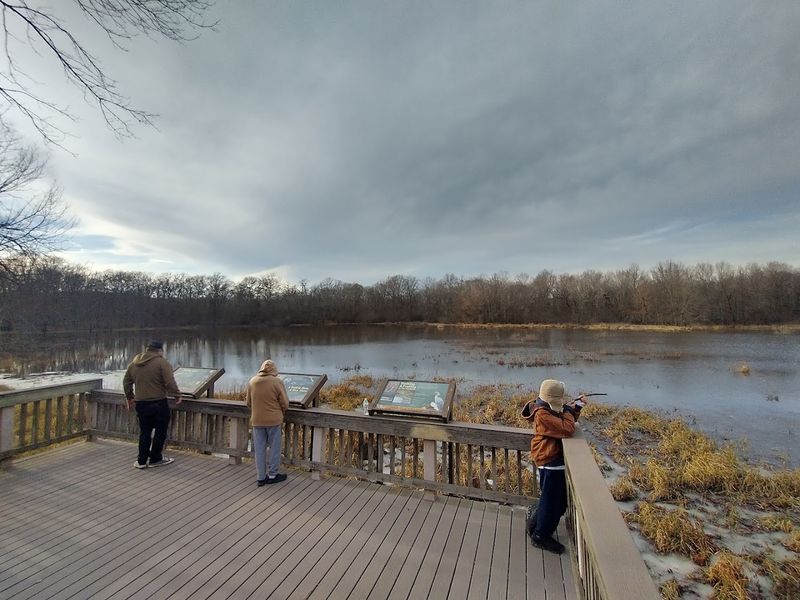
The Deep Fork National Wildlife Refuge exists primarily because of the wildlife that depends on its wetland habitat, and the Cussetah Bottoms trail puts you right in the middle of that world. Migratory waterfowl use the refuge heavily during spring and fall, so those seasons bring the most visible bird activity along the boardwalk.
Great blue herons are a common sight, standing motionless in the shallows below the walkway with a patience that feels almost theatrical. Wood ducks, a species that thrives in bottomland forest wetlands, are frequently spotted here as well.
Songbirds fill the canopy during warmer months, and the variety of species passing through during migration is genuinely impressive for a trail of this size.
Beyond birds, the forest floor and water below the boardwalk support turtles, frogs, and a range of insects that form the base of the food web in this ecosystem. Deer move through the surrounding forest, and if you arrive early in the morning and stay quiet, the chances of a close encounter go up considerably.
The boardwalk keeps you above the habitat without disturbing it.
Best Times of Year to Visit
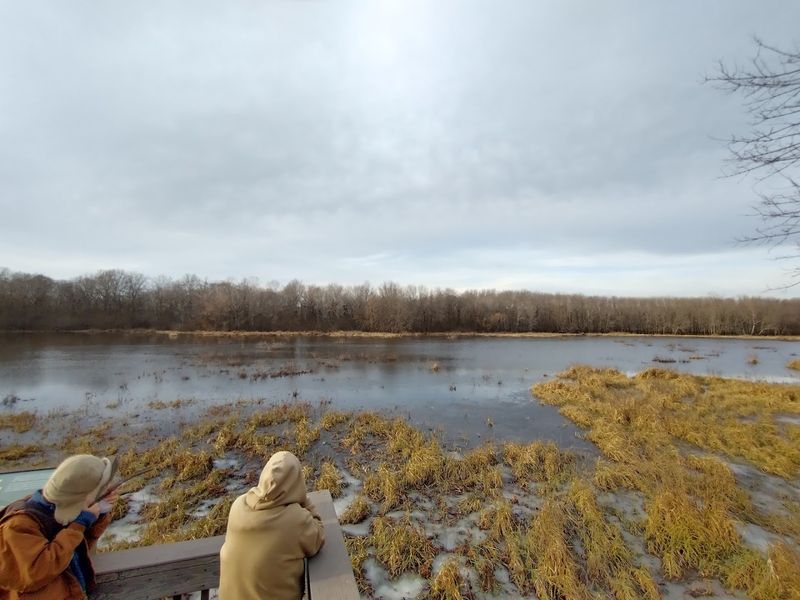
Timing your visit to the Cussetah Bottoms Boardwalk can make a noticeable difference in what you experience. Spring is widely considered the most dynamic season here, as the forest comes back to life, migratory birds arrive in large numbers, and the wetland fills with the sounds of frogs calling from every direction.
Fall brings a quieter but equally compelling atmosphere. The hardwood trees turn shades of gold, copper, and rust, and those colors reflect off the still water below the boardwalk in a way that feels almost too photogenic to be real.
Migratory birds are on the move again, and the cooler air makes for a much more comfortable walk than the humid Oklahoma summers.
Summer visits are certainly possible, but the heat and humidity in eastern Oklahoma during July and August can be intense. Insects are also more active during those months.
Winter strips the trees of their leaves, which actually opens up longer sight lines through the forest and can make wildlife spotting easier, particularly for birds perched high in the bare branches above the water.
How to Prepare for Your Visit
A little preparation goes a long way when visiting a remote natural area like this one. The trail is free to access as part of the Deep Fork National Wildlife Refuge, but because it sits in a rural part of Oklahoma, you should not count on finding food, restrooms, or cell service right at the trailhead.
Bringing water is essential, especially during warmer months when the humidity in the bottomland forest can sneak up on you faster than expected. Comfortable walking shoes with some grip are sufficient for the boardwalk itself, but if you plan to explore any surrounding areas, waterproof footwear is a smarter choice given the wetland terrain.
Bug repellent is genuinely useful here from late spring through early fall, as mosquitoes and other insects thrive in wetland environments. A pair of binoculars will transform your birdwatching experience significantly, and a camera with a zoom lens lets you capture wildlife from the boardwalk without disturbing the animals below.
Arriving early in the morning gives you the best light for photography and the best odds of seeing active wildlife before the day heats up.
The Atmosphere That Sets This Trail Apart
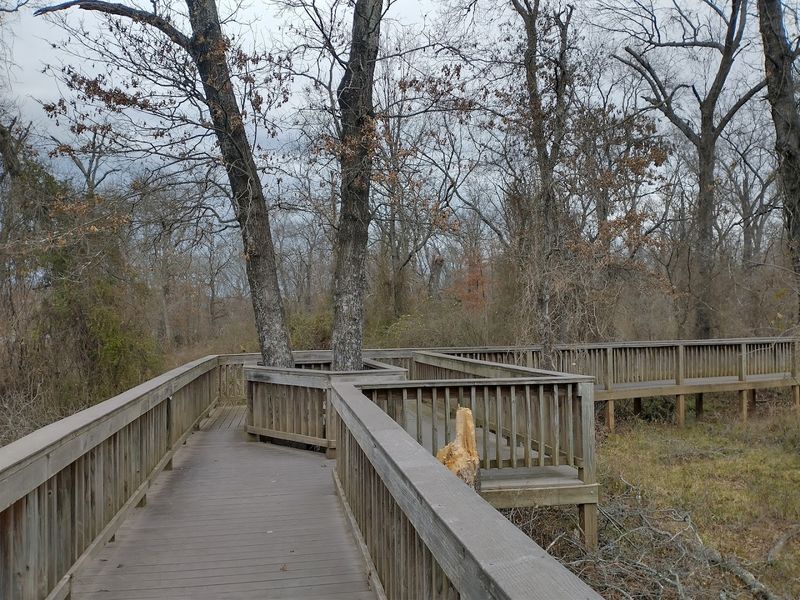
There is a particular kind of quiet that settles over the Cussetah Bottoms boardwalk, especially in the early morning hours before other visitors arrive. The water below the planks barely moves, the tree canopy absorbs most ambient sound, and the only things breaking the silence are birdsong and the occasional soft creak of the wood beneath your feet.
The forest here has a layered quality that feels different from upland hiking trails. Towering trees form the upper canopy, while smaller understory trees fill the middle layer, and the water surface below reflects all of it back upward.
That visual depth makes the space feel much larger than its half-mile length would suggest.
Visitors who have come here describe the experience as unexpectedly moving, the kind of place that slows you down without asking you to. One person who discovered it through a family member called it a blessing, and that word fits the atmosphere well.
The boardwalk does not demand anything of you except your attention, and in return it offers a version of Oklahoma’s natural world that most people never get to see up close.
Who Will Enjoy This Trail Most
The accessibility of this trail is one of its most underrated qualities. Because the boardwalk is a flat, paved-style wooden surface, it is manageable for a wide range of visitors, including older adults, young children, and anyone who finds uneven terrain challenging.
You do not need to be an experienced hiker to enjoy everything this trail has to offer.
Families with kids tend to have a great time here because the elevated walkway above the water keeps things visually interesting at every step. Children are naturally drawn to spotting turtles, frogs, and birds below the railings, and the short distance means the trail rarely outlasts their enthusiasm.
A visitor who brought her two sons and her grandson described the experience as a genuine blessing, and that multi-generational appeal is real.
Birdwatchers and nature photographers will find the trail particularly rewarding due to the variety of species and the unique angles the boardwalk provides for observation. Solo hikers looking for a contemplative walk away from crowds will also feel right at home here.
The trail manages to serve all of these groups without feeling crowded or compromised, which is a genuine rarity in outdoor recreation.
The Surrounding Deep Fork Refuge and What Else to Explore
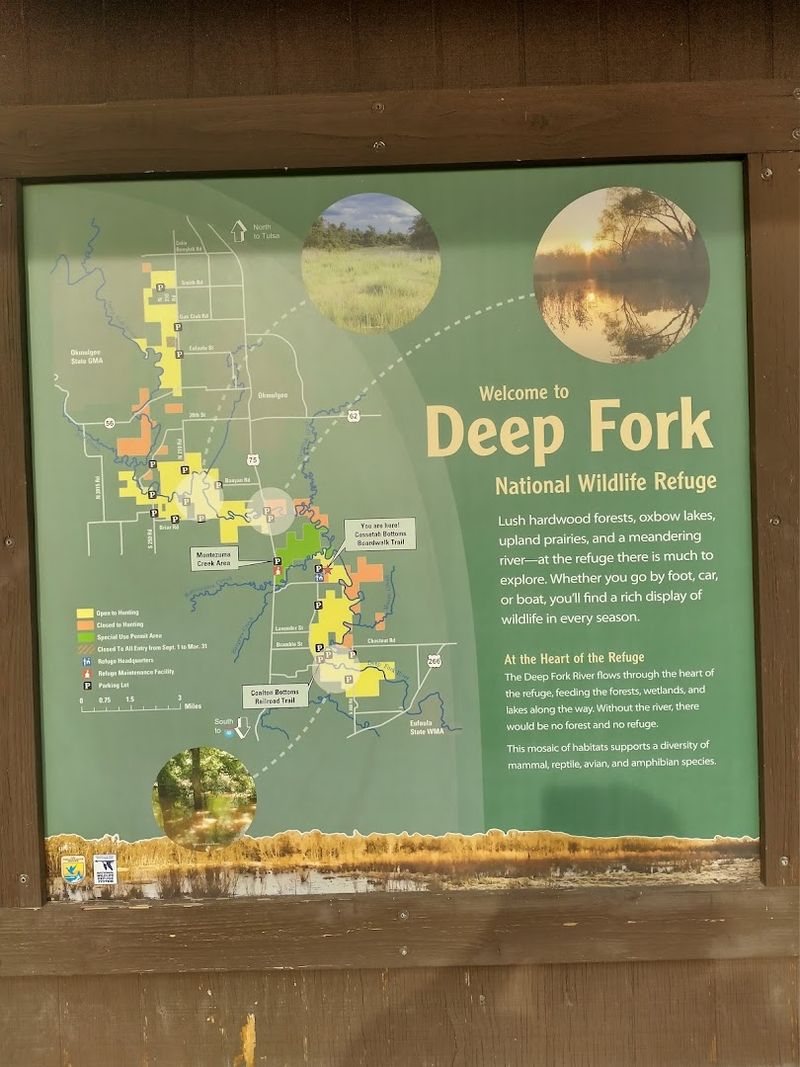
The Cussetah Bottoms boardwalk is the most accessible point of entry into the Deep Fork National Wildlife Refuge, but the refuge itself covers a much broader area worth knowing about. The refuge stretches along the Deep Fork River through parts of Okfuskee, Creek, and Hughes counties, encompassing a variety of habitats beyond the boardwalk trail.
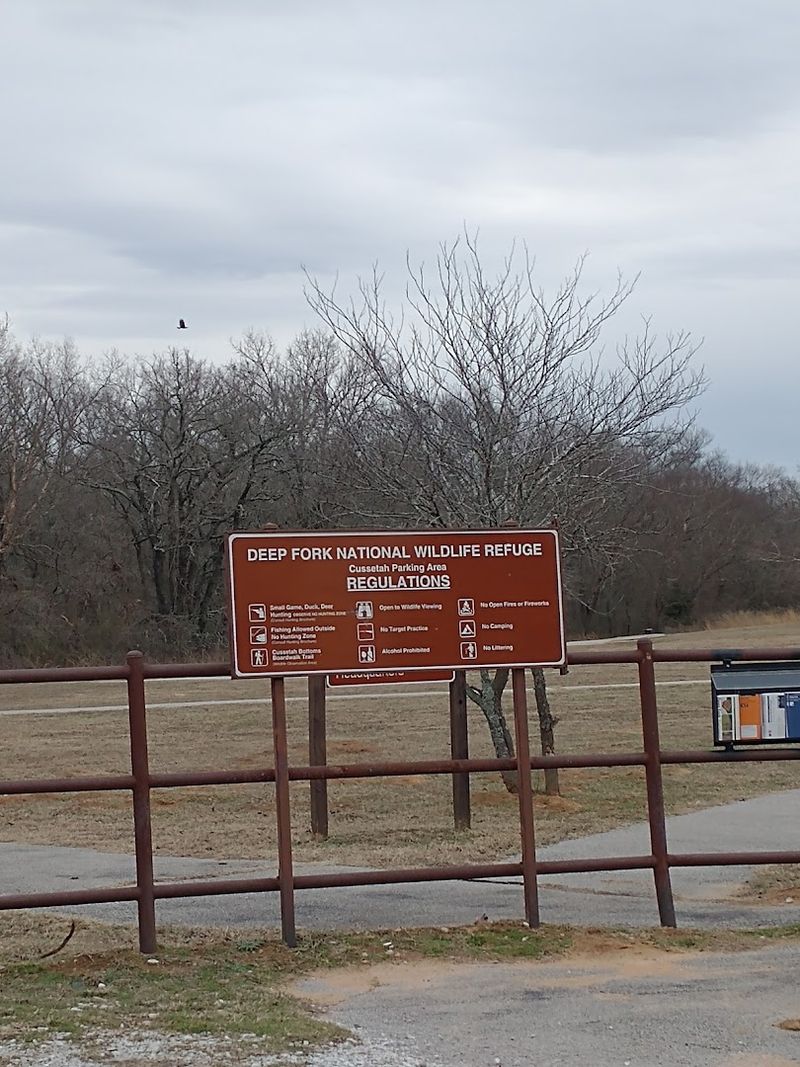
Additional wildlife observation areas, boat ramps, and seasonal hunting zones are part of the refuge’s offerings for different types of outdoor visitors. Fishing is permitted in designated areas, and the Deep Fork River itself provides a different but equally rewarding way to experience the bottomland ecosystem from the water level rather than above it.
The broader region around Morris, Oklahoma also has connections to the history and culture of the Muscogee Nation, adding a meaningful cultural dimension to any visit to this part of the state. Taking a little extra time to explore the surrounding countryside after your boardwalk walk can turn a short trail visit into a fuller day outdoors.
The refuge truly rewards those who slow down and look beyond the obvious path.
Why This Hidden Trail Deserves Far More Attention
Trails with a perfect five-star rating and only a handful of reviews are either brand new or genuinely under the radar, and the Cussetah Bottoms Boardwalk is firmly in the second category. Every person who has reviewed it has given it the highest possible rating, and the language they use is not casual praise but genuine enthusiasm from people who were clearly moved by what they found.
That kind of unanimous response from visitors who stumbled onto the trail by chance says something meaningful about the quality of the experience. This is not a trail that needs marketing or hype to deliver on its promise.
The forest, the water, the boardwalk, and the wildlife do all the convincing on their own.
Oklahoma has no shortage of beautiful outdoor spaces, but the Cussetah Bottoms trail occupies a specific niche that is hard to fill elsewhere in the state. It is accessible without being crowded, short without being shallow, and free without feeling underfunded.
If you have been looking for a reason to get outside and explore a corner of Oklahoma that most people have never heard of, this boardwalk trail is exactly the reason you needed.



