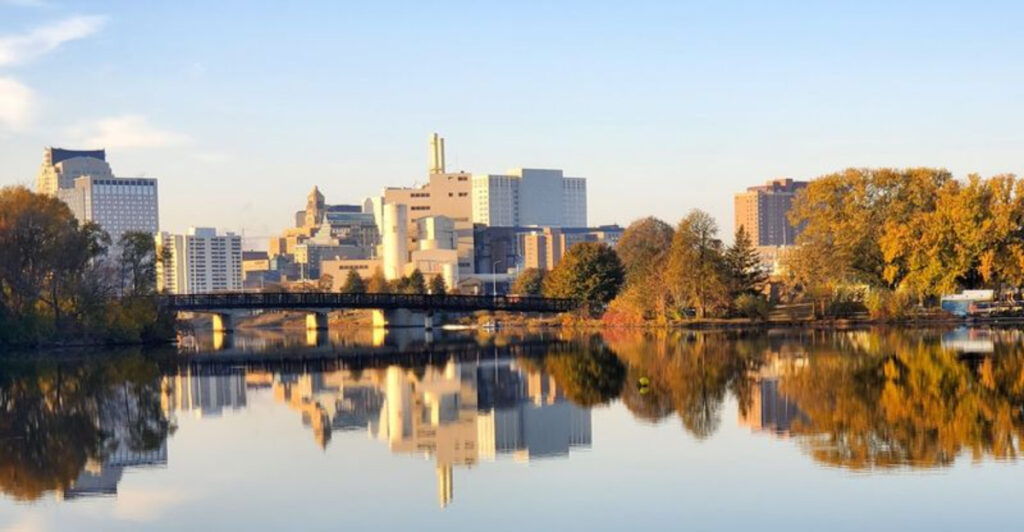
There is a city in southern Minnesota where world-class medical care, riverside trails, and a surprisingly rich arts scene all share the same zip code. Most people know it for one very famous reason, but long-time residents will tell you that the real story goes far deeper than any single landmark.
Retirees who relocate here often say they came for the healthcare and stayed for everything else, and honestly, that tracks. The Zumbro River winds quietly through town, the parks are well-kept, the pace is human-sized, and the community feels like the kind of place where neighbors still wave from their porches.
Whether you are thinking about retiring here or simply curious about what makes this city tick, the next few sections will walk you through everything worth knowing.
Rochester, Minnesota: The City That Earns Its Reputation
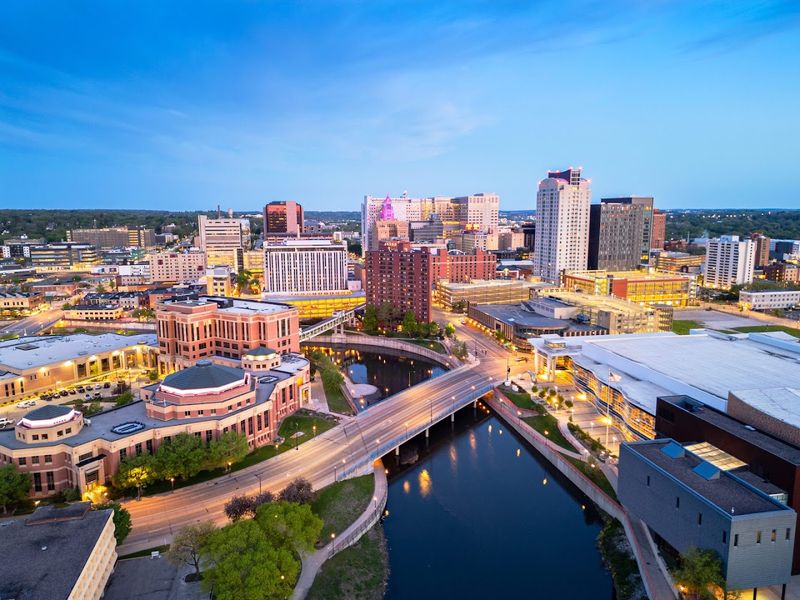
Rochester, Minnesota sits in the southeastern corner of the state, roughly 90 minutes south of Minneapolis, and it has a reputation that precedes it almost everywhere you go.
The full address most visitors and new residents reference is Rochester, a city that consistently ranks among the best places to live and retire in the entire Midwest.
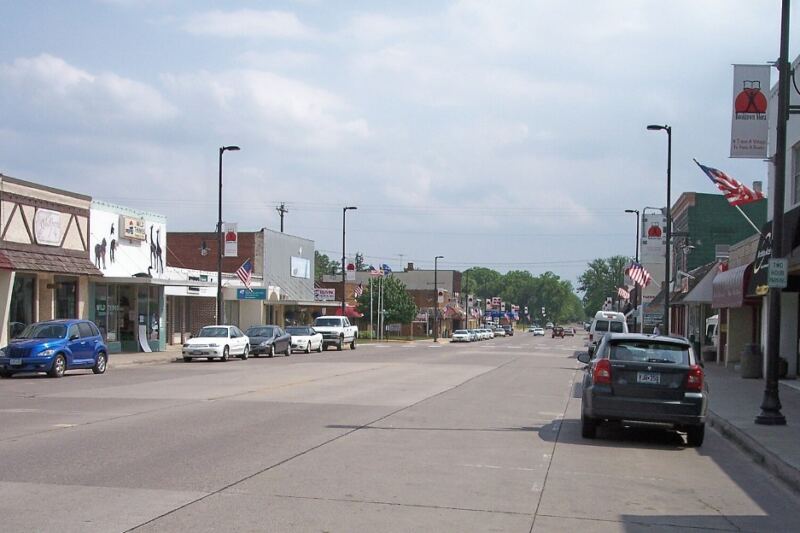
With a population hovering around 125,000, it manages the rare balance of feeling genuinely urban in its core while still carrying that small-town warmth in its neighborhoods.
The city is bisected by the Zumbro River, which adds a natural, calming element to everyday life that you simply cannot manufacture.
For retirees especially, the combination of top-tier infrastructure, green space, and community investment makes this place feel less like a compromise and more like a very deliberate, very good decision.
The Mayo Clinic Legacy That Shapes Everything
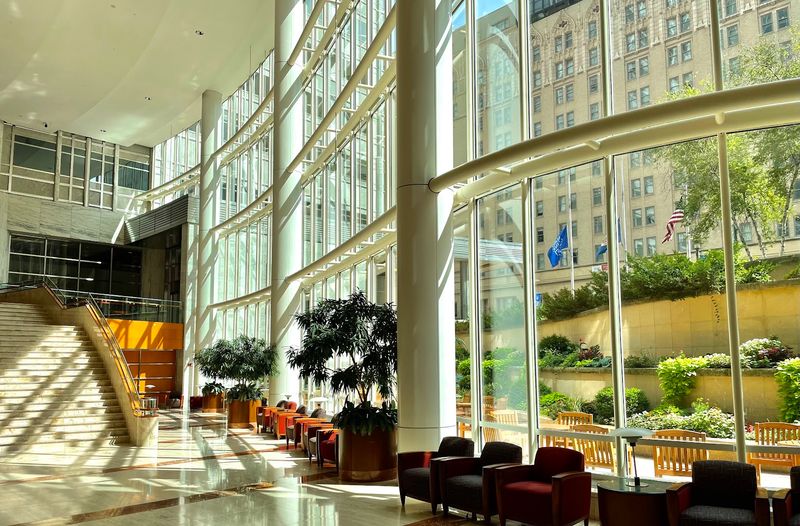
Few institutions have shaped a city quite the way Mayo Clinic has shaped Rochester, and that influence touches nearly every corner of daily life here.
Founded in the late 19th century and now one of the most respected medical organizations on the planet, Mayo Clinic draws patients and researchers from more than 140 countries every single year.
The iconic 1928 Plummer Building, with its ornate stone facade and clock tower, stands as a landmark that locals pass daily without ever fully taking it for granted.
For retirees, having this level of medical expertise within walking or driving distance is not just convenient, it is genuinely life-changing in the most practical sense.
The clinic also drives a culture of wellness throughout the city, from community fitness programs to nutrition resources, that benefits everyone who calls Rochester home, not just patients.
Plummer House: A Slower Pace With Period Charm
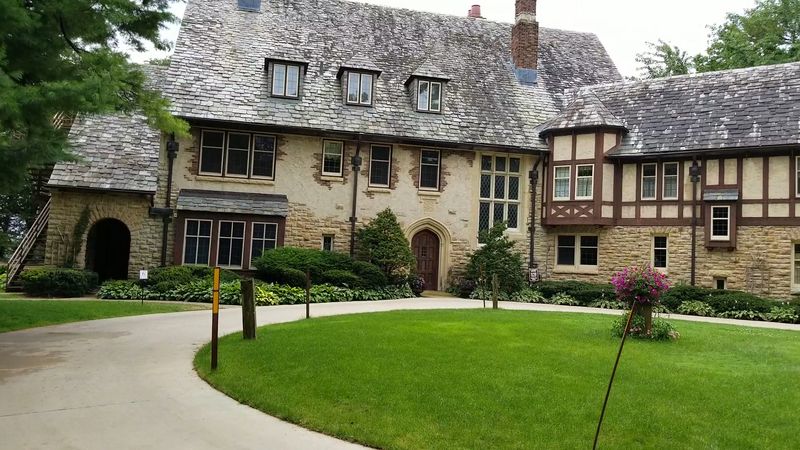
Not far from the Mayo Clinic campus, the Plummer House offers a completely different kind of afternoon than anything you will find in a typical Midwestern city.
Built in the early 20th century by Dr. Henry Plummer, one of the key figures in Mayo Clinic’s organizational development, the house is a Tudor-style stone mansion that still carries its original period furnishings and architectural character.
The grounds are expansive and beautifully maintained, making them a favorite spot for quiet walks, photography, and the kind of slow-paced exploration that retirees tend to appreciate most.
Inside, the rooms feel like a time capsule in the best possible way, with details that tell a story about how Rochester’s most prominent families lived during a particularly transformative era in American history.
It is the sort of place you visit once and then find yourself recommending to every out-of-town guest who passes through.
Rochester Art Center And The Zumbro River Views
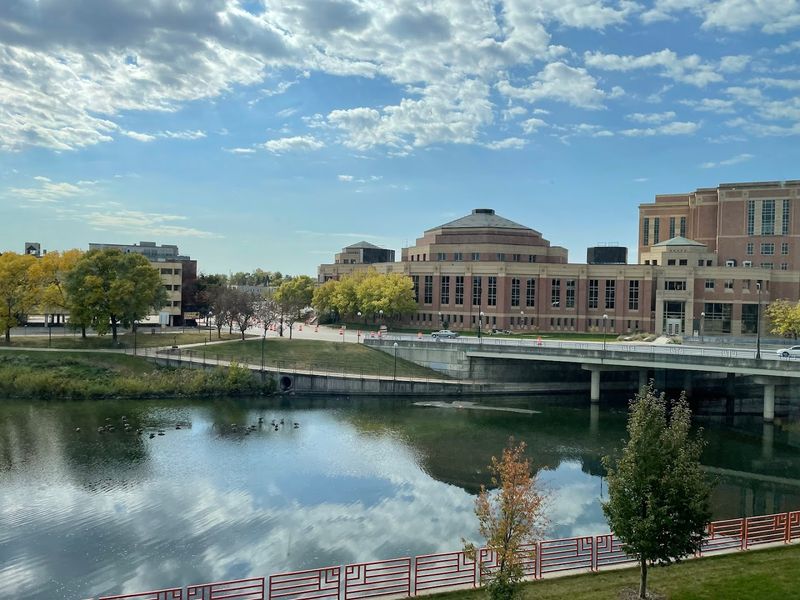
Contemporary art and river views are not always packaged together, but Rochester Art Center manages both with a confidence that feels entirely earned.
The center hosts rotating exhibitions that span painting, sculpture, photography, and mixed media, drawing artists and curators from well beyond Minnesota’s borders.
What makes the space especially appealing for retirees is the combination of intellectual stimulation and physical comfort, the building is accessible, the galleries are unhurried, and the views of the Zumbro River through the large windows add a natural backdrop that no amount of interior design could replicate.
Programming here goes beyond passive viewing and regularly includes workshops, artist talks, and community events that make it easy to get genuinely involved rather than just passing through.
For anyone who moved to Rochester seeking cultural engagement alongside natural beauty, this is one of the first places that will make you feel like you made exactly the right choice.
The Zumbro River Trail System For Active Retirees
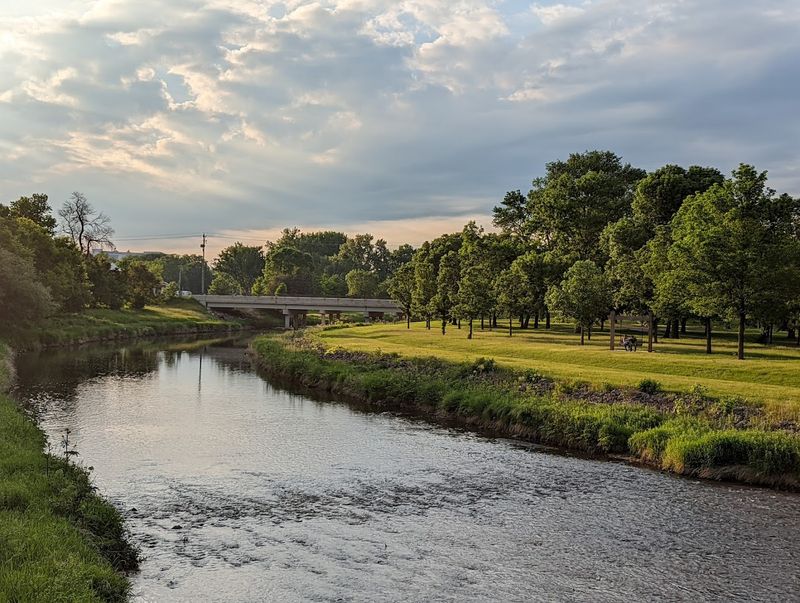
One of the most underrated aspects of retiring in Rochester is the trail network that runs alongside the Zumbro River and connects much of the city in a way that makes car-free exploration genuinely practical.
The trails are well-maintained, mostly flat, and pass through a mix of wooded stretches, open meadows, and urban parkland that keeps every walk or bike ride feeling fresh.
For retirees who want to stay active without the intensity of mountain terrain, this network hits a perfect middle ground between challenge and accessibility.
Early mornings on the river trail have a particular quality to them, especially in late spring and early fall when the light is low and the air carries just enough crispness to make movement feel rewarding.
The city continues to expand and connect these paths, which means the experience only gets better the longer you live here.
Silver Lake Park And The Famous Trumpeter Swans
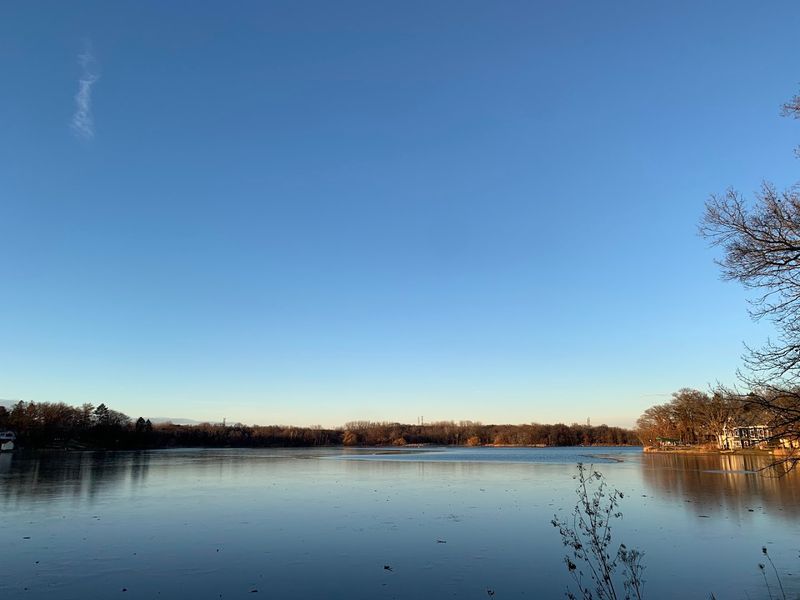
Silver Lake Park is one of those places that locals mention almost casually, as if a warm-water lake in the middle of a city that hosts hundreds of trumpeter swans through the winter is somehow ordinary.
The swans began wintering here thanks to the warm water discharge from a nearby power plant, and over the decades they have become one of Rochester’s most beloved and photographed natural features.
The park itself is well-designed for leisurely visits, with walking paths, open lawn areas, and benches positioned to give you a front-row view of the water and wildlife without any barriers between you and the experience.
Retirees who enjoy birdwatching will find Silver Lake a reliable and rewarding spot across multiple seasons, not just winter.
It is the kind of place that reminds you why a city’s relationship with its natural environment matters as much as any building or institution within it.
Quarry Hill Nature Center: Where The City Meets The Wild
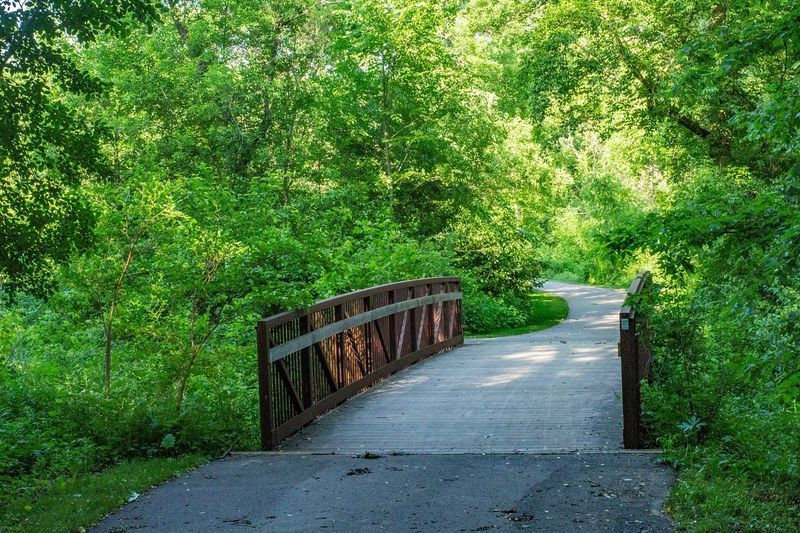
Just east of downtown, Quarry Hill Nature Center offers something that most cities Rochester’s size cannot deliver, a genuine natural sanctuary that feels removed from urban life while remaining completely accessible.
The center sits on more than 300 acres of bluffs, wetlands, and restored prairie, and its trail system winds through habitats that support a surprising range of local wildlife.
Inside the nature center building, exhibits cover regional geology, native plants, and local animal life in a way that is engaging for adults without being dumbed down.
For retirees who want regular contact with the natural world as part of their daily rhythm, Quarry Hill provides that without requiring a long drive or significant physical effort.
The seasonal changes here are dramatic enough to make returning throughout the year feel worthwhile, from ice-covered wetlands in January to wildflower blooms that take over the prairie by late June.
A Downtown That Actually Works For Walkability
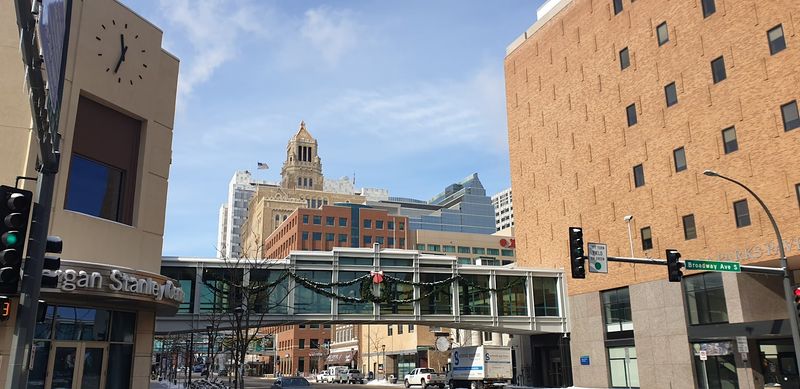
Downtown Rochester has something that many mid-sized American cities have spent decades trying to engineer and still cannot quite get right, genuine walkability that feels organic rather than forced.
The Peace Plaza area anchors the commercial core, and from there you can reach restaurants, shops, coffee spots, and cultural institutions on foot without ever feeling like the city was not designed with pedestrians in mind.
For retirees who want to reduce car dependence without sacrificing access to daily conveniences, this compact and connected downtown is a real quality-of-life asset.
The city has also invested meaningfully in skyway and subway connections that link key buildings, which means even Minnesota’s famously harsh winters do not completely shut down the walkable experience.
There is a lived-in, functional quality to Rochester’s downtown that feels less like a curated destination and more like a place where actual life happens every day.
Four Seasons With Character: What Weather Actually Looks Like Here
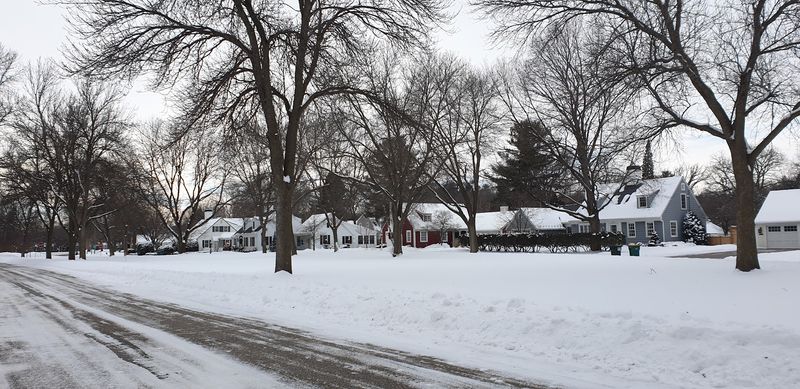
Minnesota weather has a reputation that is either exaggerated or perfectly accurate depending on the year, and Rochester sits squarely in the middle of that conversation.
Winters are cold and snowy, with temperatures regularly dropping well below freezing between December and February, which is something any prospective retiree should factor honestly into their decision-making.
That said, the city handles winter well, with responsive snow removal, indoor public spaces designed for cold-weather living, and a community culture that treats winter as a season to engage with rather than simply survive.
Spring and fall in Rochester are genuinely beautiful, with the kind of leaf color and fresh-air quality that make outdoor living feel like a reward rather than a routine.
Summers are warm, green, and long enough to feel satisfying, making the full four-season experience here more varied and interesting than many retirees initially expect.
Cost Of Living: More Affordable Than You Might Expect
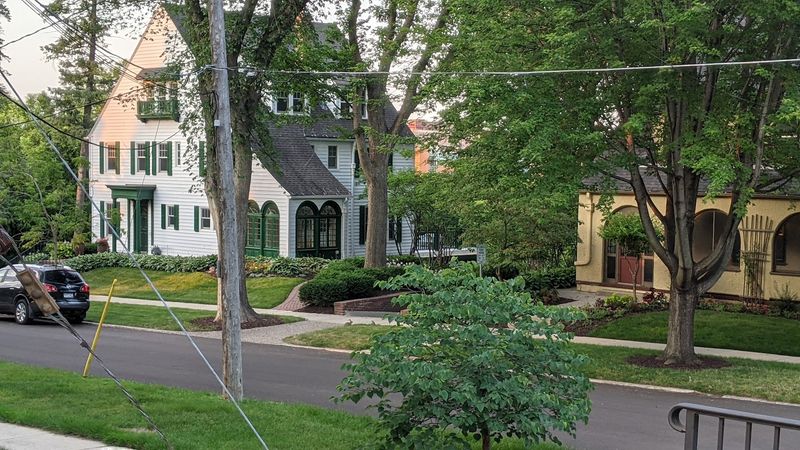
One of the first questions retirees ask about any potential new home city is whether their savings and fixed income will actually go far enough, and Rochester tends to answer that question favorably.
Compared to coastal cities or even some larger Midwest metros, Rochester’s housing market offers solid value, with a range of options from low-maintenance condos to single-family homes in quiet residential neighborhoods.
Property taxes in Minnesota are worth researching carefully, as they vary by county and situation, but the overall cost of daily life in Rochester, including groceries, utilities, and healthcare access, compares well against national averages.
The presence of Mayo Clinic also means the local economy is stable and relatively recession-resistant, which has a positive downstream effect on property values and community investment over time.
For retirees on a fixed income who want quality of life without financial strain, Rochester presents a genuinely compelling case.
Community Events And Local Culture Worth Showing Up For
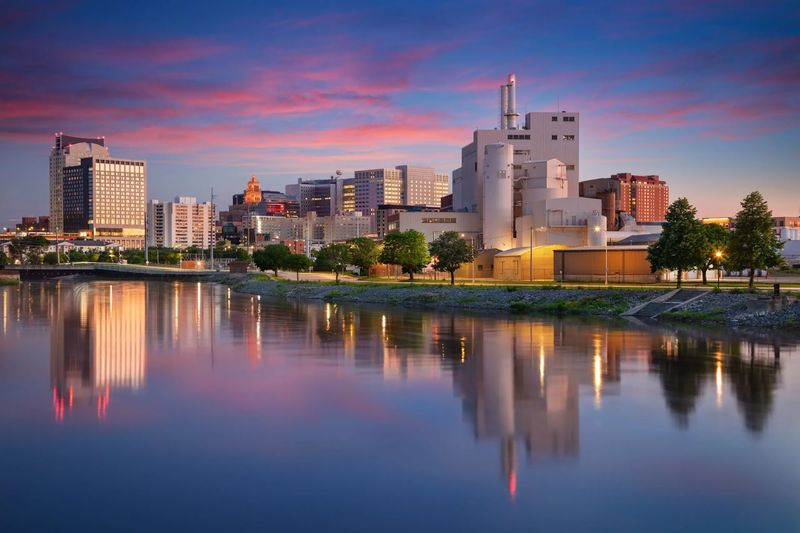
A city’s cultural calendar says a lot about how its residents actually spend their time, and Rochester’s lineup of community events reflects a population that values connection and creativity in equal measure.
The Rochester Farmers Market runs seasonally and draws vendors from across the region, offering everything from locally grown produce to handmade crafts in a setting that feels genuinely community-centered rather than commercially manufactured.
Rochesterfest, the city’s signature summer celebration, brings live music, family activities, and local food vendors together in a multi-day event that has become a beloved annual tradition for long-time residents.
For retirees who want to build social connections quickly after relocating, events like these provide natural, low-pressure entry points into the community fabric.
The arts, music, and festival programming here may not rival a major metropolitan city, but it is consistent, well-attended, and genuinely reflects the character of the people who live here.
Nearby Natural Escapes Within An Easy Drive
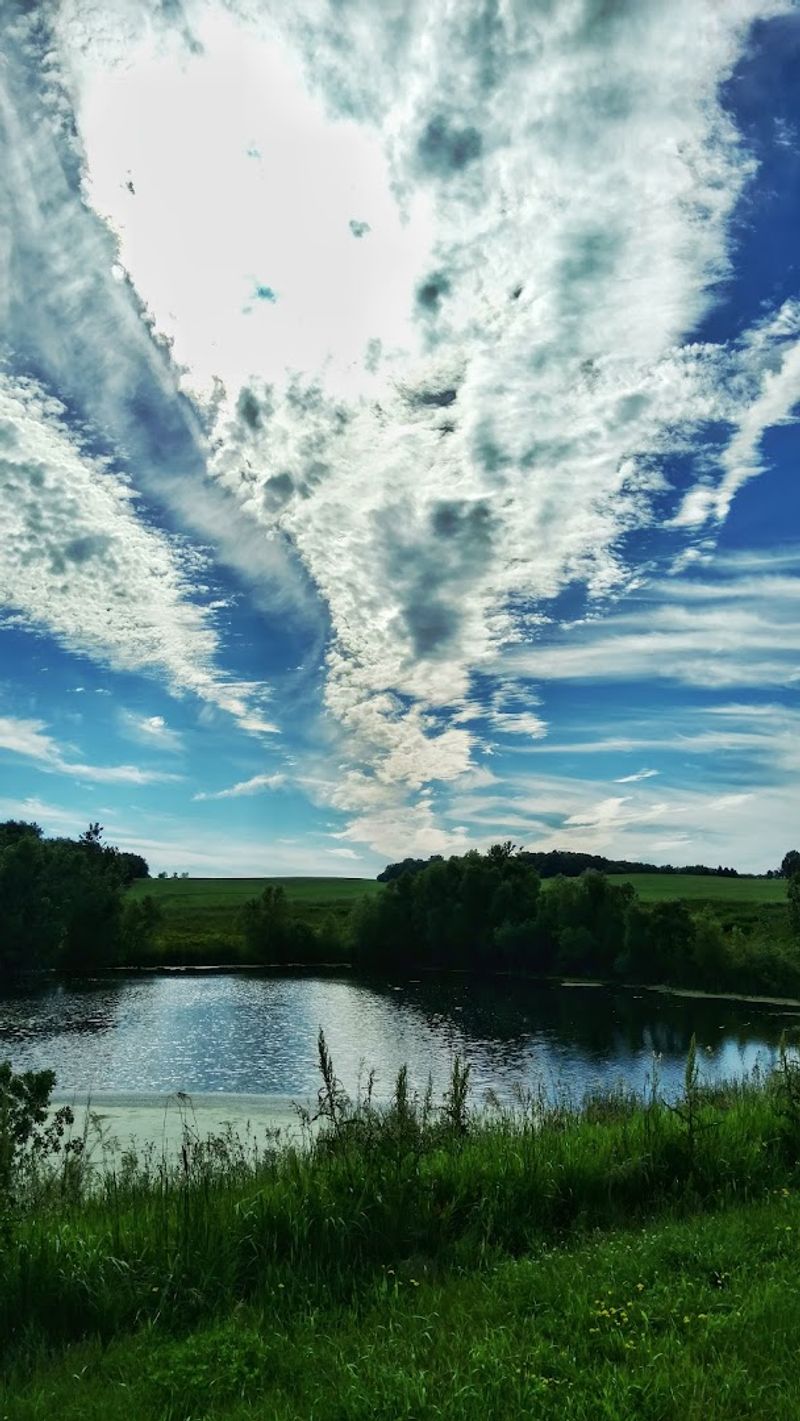
Rochester’s location in southeastern Minnesota puts it within easy reach of some of the most scenic natural areas in the entire state, which is a bonus that many new residents do not fully appreciate until they start exploring.
Whitewater State Park, about 25 miles north of the city, features dramatic limestone bluffs, a clear spring-fed river, and hiking trails that range from gentle walks to more challenging ridge-top routes with sweeping valley views.
Forestville and Mystery Cave State Park, roughly an hour to the south, offers a completely different experience with underground cave tours and a restored 19th-century townsite that history enthusiasts tend to find genuinely compelling.
For retirees who want access to wild, beautiful landscapes without committing to a rural lifestyle, Rochester’s geography delivers that access reliably and conveniently.
A full weekend of outdoor exploration is never more than a short drive away, no matter the season.
Senior Living Options That Match The City’s Quality Standards
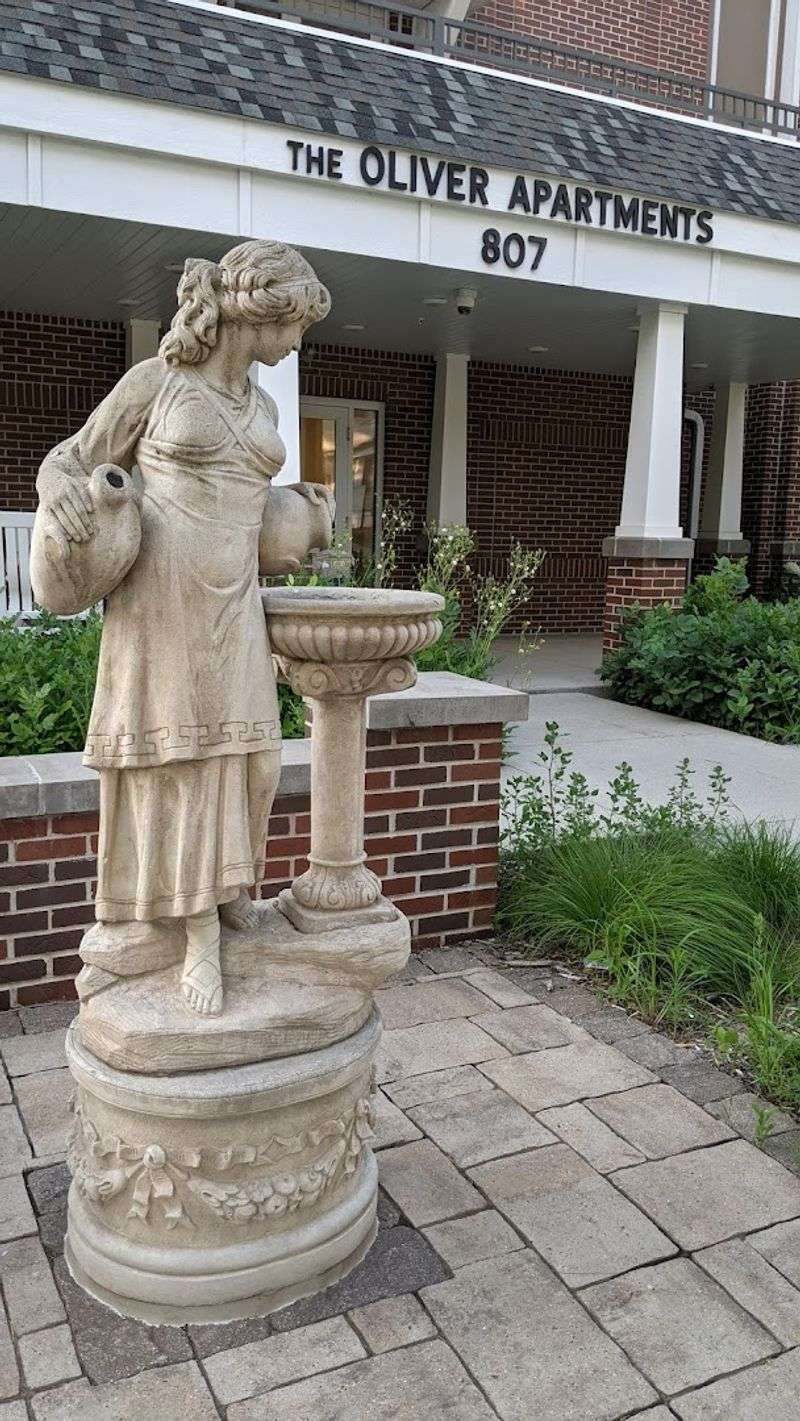
Rochester’s reputation as a retirement destination is supported not just by its amenities and natural setting but by the actual quality and variety of its senior living infrastructure.
The city offers a broad spectrum of options, from independent living communities designed for active retirees to assisted living and continuing care facilities that provide more comprehensive support as needs evolve over time.
The proximity to Mayo Clinic means that many of these facilities have direct relationships with the healthcare system, which simplifies care coordination in ways that retirees and their families genuinely appreciate.
The neighborhoods surrounding these communities tend to be safe, well-maintained, and connected to the broader city by transit and trail systems that preserve independence for longer.
For anyone evaluating retirement destinations with a practical eye, the depth and quality of senior living options in Rochester is one of the most compelling arguments for choosing this city over many of its competitors.
Why Retirees Keep Choosing Rochester Over Bigger Cities
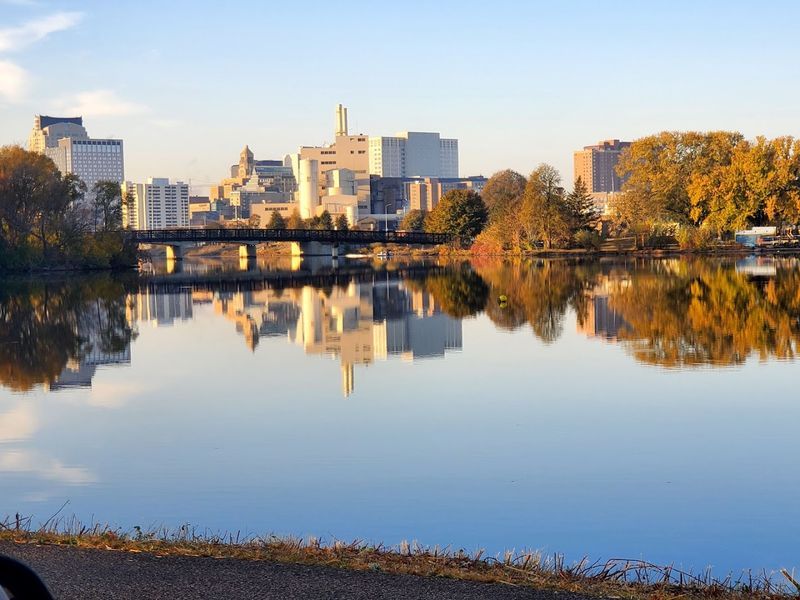
There is a pattern that comes up repeatedly when you talk to retirees who have settled in Rochester, most of them considered larger cities and walked away feeling like those places asked too much in exchange for too little.
Rochester offers something that is genuinely difficult to replicate at larger scale, a city that functions well, looks after its residents, invests in its public spaces, and still feels like a place where individuals matter and neighbors know each other.
The combination of Mayo Clinic’s presence, the natural beauty of the river and surrounding landscape, the walkable downtown, and the accessible trail system creates a daily quality of life that retirees consistently describe as exceeding their expectations.
The city is not perfect, no place is, but its particular mix of practical strengths and genuine charm makes it one of the most thoughtful choices a retiree can make in the entire Midwest.
Rochester does not need to shout about what it offers because the people who live here already know.
Share this story