There is a place in Nevada where the ground glows red, the rocks twist into wild shapes, and the whole landscape feels like it belongs somewhere far beyond Earth. Less than an hour from the Las Vegas Strip, this state park has been quietly stunning visitors for decades with formations that shift from deep crimson to blazing orange depending on the light.
I had heard people describe it as otherworldly, and after visiting, I completely understand why. Every trail, every overlook, and every canyon wall tells a story that goes back millions of years, and the best part is that most people have no idea it even exists.
Keep reading, because what I found inside this park genuinely surprised me at every turn.
Where Exactly You Will Find This Red Rock Wonder
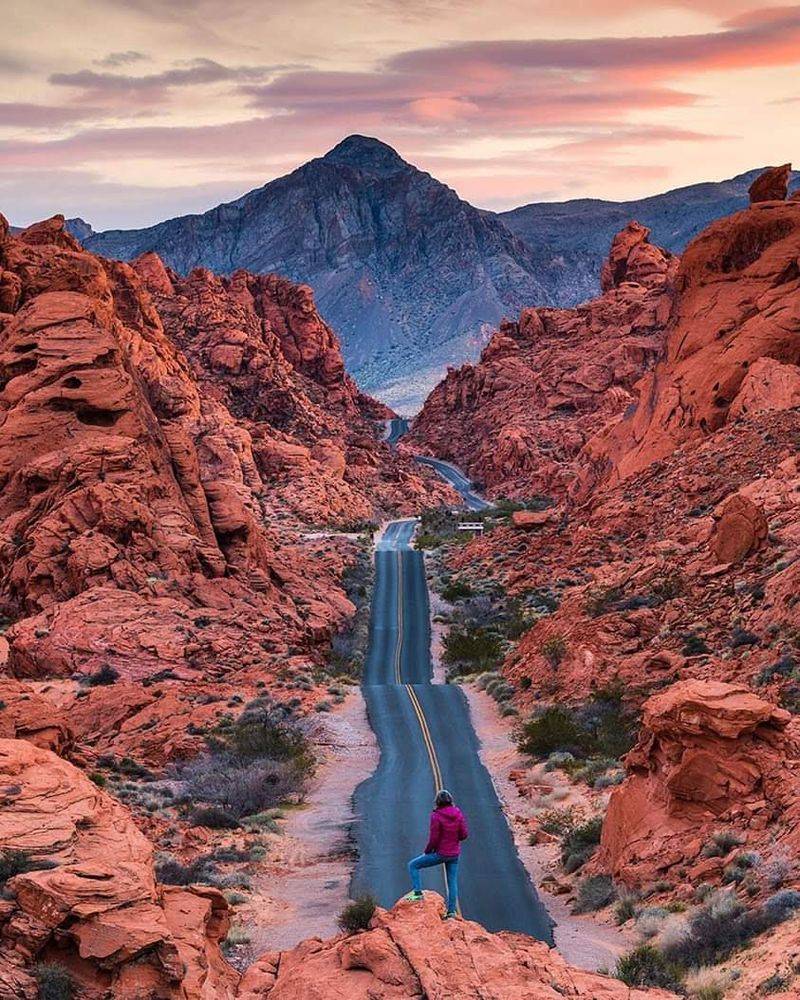
Valley of Fire State Park sits in Moapa Valley, Nevada, with a mailing address of Moapa Valley, and it holds the title of Nevada’s oldest and largest state park. The drive from Las Vegas takes roughly 50 to 60 minutes, heading northeast along Interstate 15 before turning onto the scenic park road.
The west entrance greets you with layered rock formations that rise on both sides of the road, making it feel like you are entering a completely different world. There are two entrances to the park, and both lead to the same main scenic loop road.
Admission costs around $10 to $15 per vehicle, which is a fair price for everything this park delivers.
The Ancient Geology Behind Those Fiery Colors
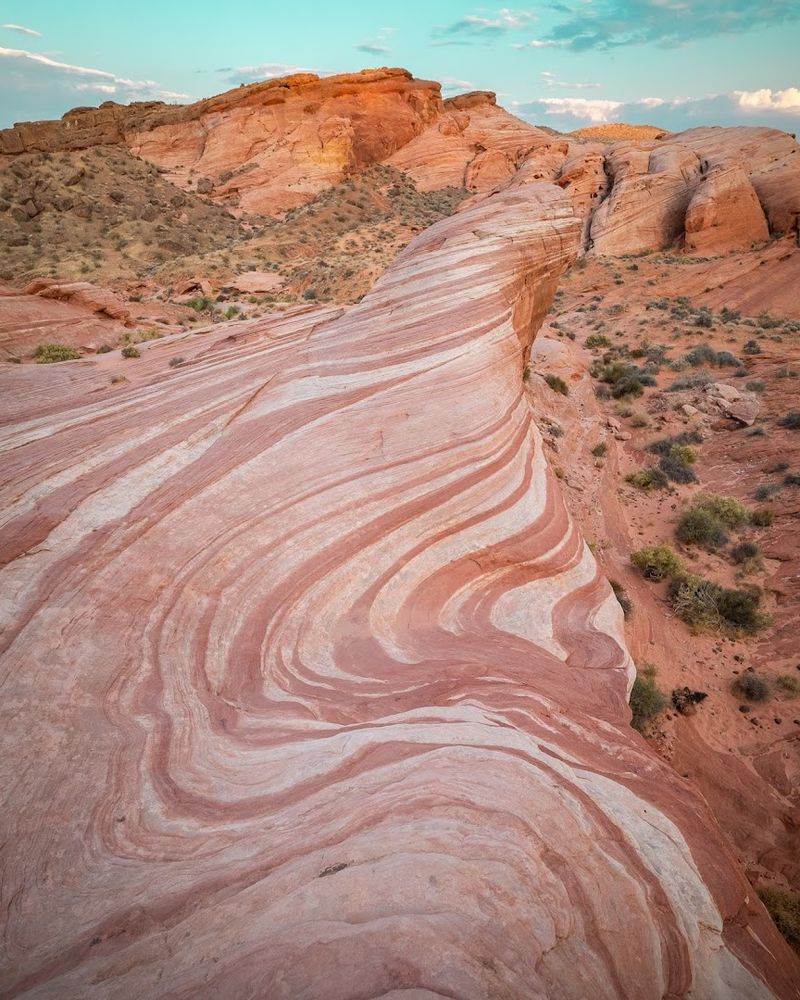
The red color that makes this park so striking comes from Aztec sandstone, a rock type formed from ancient sand dunes that were compressed over roughly 150 million years. Iron oxide, the same compound that makes rust red, gives the formations their vivid, warm tones.
When sunlight hits the rock at certain angles, especially during the golden hour before sunset, the entire landscape appears to glow from within. The colors range from deep burgundy to soft peach and cream, depending on the mineral content and the time of day.
Layers of different geological eras are stacked on top of each other throughout the park, creating a natural history lesson you can actually walk through. Geologists consider this area one of the most visually accessible examples of desert rock formation in the American Southwest, and honestly, the rocks do most of the explaining themselves.
Petroglyphs That Have Lasted Thousands of Years
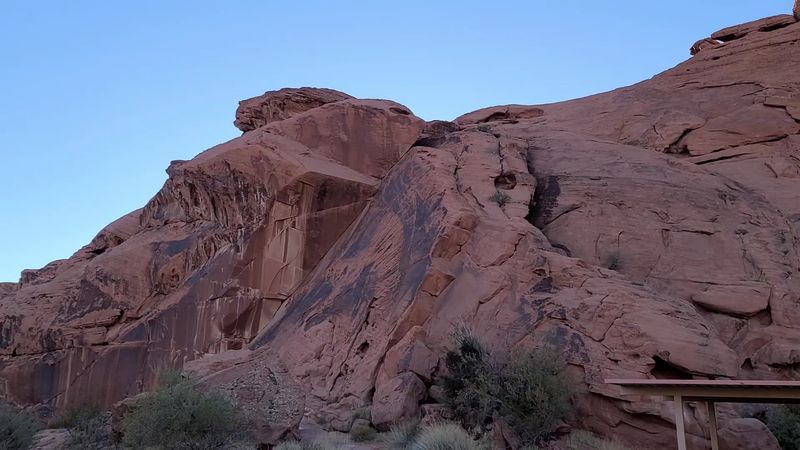
Some of the most compelling things to see in the park are the petroglyphs, ancient carvings left by the Ancestral Puebloans and other Native American groups who lived in this region thousands of years ago. These carvings appear on rock walls throughout the park, depicting animals, human figures, and geometric patterns.
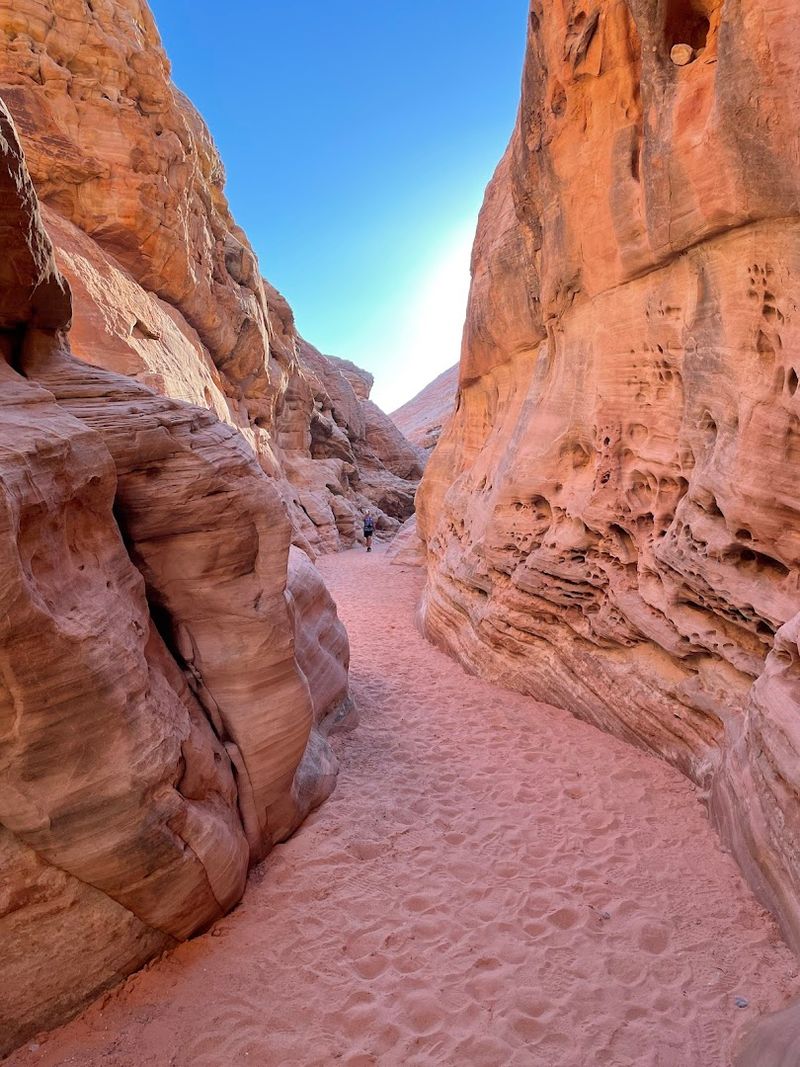
Atlatl Rock is one of the most well-known petroglyph sites, featuring a viewing platform and a metal staircase that gets you close enough to appreciate the detail without touching or damaging the carvings. Mouse’s Tank is another popular trail that leads past dozens of petroglyphs along a sandy canyon floor.
The fact that these images have survived desert heat, wind, and time for so long is remarkable. Standing in front of them, you get a real sense of how long humans have been drawn to this landscape, long before it ever had a name on a map.
Top Trails Worth Lacing Up Your Hiking Boots For
The park has trails for just about every fitness level, from short scenic walks to longer routes that take you deep into the formations. The White Domes Loop is a favorite, running about 1.25 miles through a slot canyon, past eroded sandstone domes, and alongside the ruins of an old movie set.
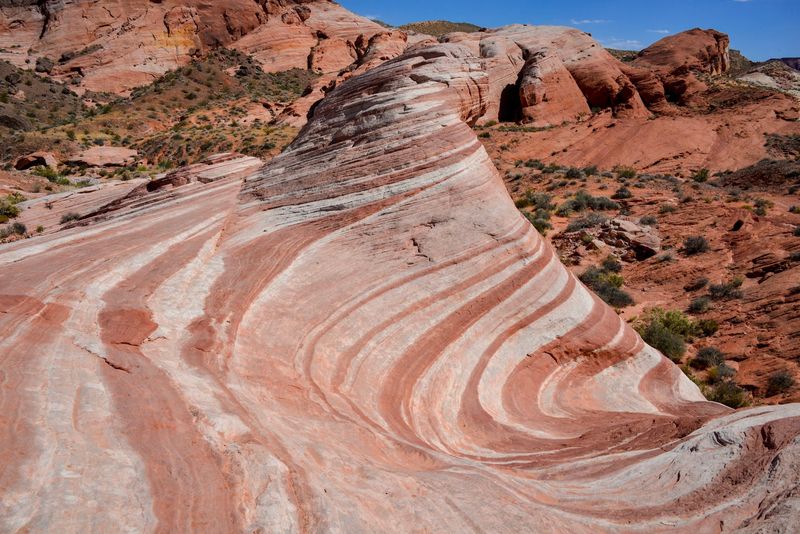
The Fire Wave Trail is roughly 1.5 miles round trip and leads to a swirling, striped rock surface that looks like a frozen ocean wave painted in red and white. The Seven Wonders Trail connects several distinct rock features in a single loop and takes about an hour to complete at a relaxed pace.
For those who prefer a quick stop over a full hike, many of the most photogenic spots are accessible directly from roadside pullouts. You really do not need to be an experienced hiker to get a lot out of this park, which is part of what makes it so welcoming.
Why Sunrise and Sunset Are the Best Times to Visit
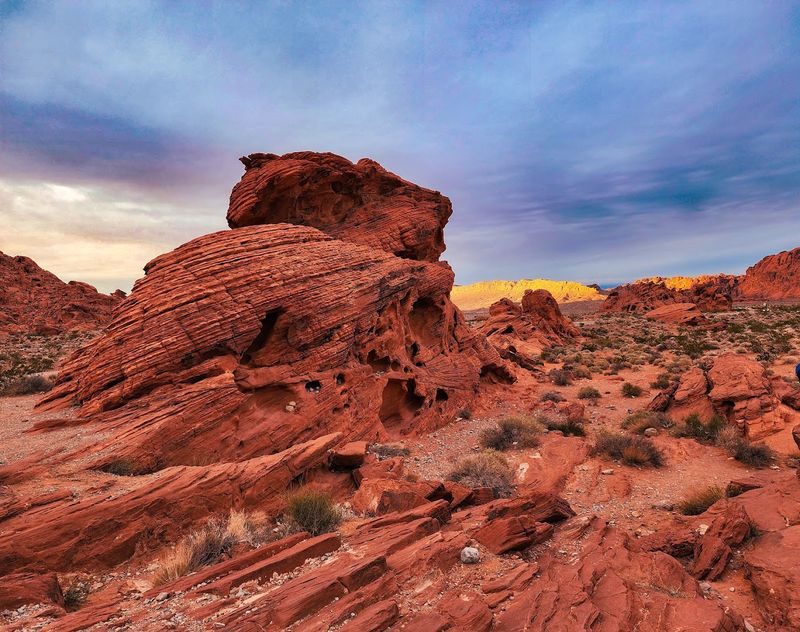
The light at Valley of Fire changes the entire character of the landscape depending on the time of day, and nothing beats the golden hour. During sunrise, the rocks take on a soft amber glow that feels almost warm to the touch, and the park is usually quiet enough that you can hear the wind moving through the canyons.
Sunset is equally spectacular, and many visitors specifically plan their arrival in the late afternoon to catch the colors as the sun drops behind the surrounding mountains. The Fire Canyon Overlook parking area is a particularly good spot to watch the sky shift from gold to deep red to purple.
Midday visits during summer can be brutal due to extreme heat, so timing your trip around the cooler ends of the day is both a safety tip and a photography tip. The park rewards those who plan around the light rather than just showing up at noon.
Wildlife You Might Actually Spot on Your Visit
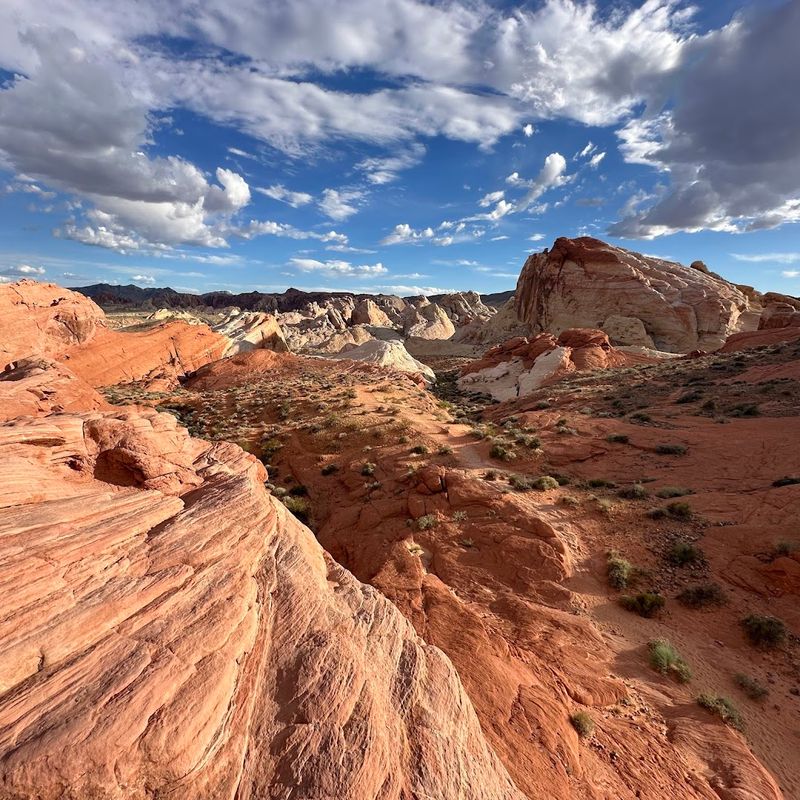
The park is more alive than it might first appear. Bighorn sheep are the most exciting wildlife sighting, and several visitors have spotted small herds moving down from the cliffs in the early morning to graze near the campground areas.
Mountain goats also make occasional appearances near the rocky hillsides.
Smaller creatures are everywhere once you start paying attention. Lizards dart across the sun-warmed rocks, small birds hop between desert shrubs, and the occasional prairie dog pops up near the trail edges.
After a rare desert rain, the wildflowers bloom in surprising bursts of color that contrast beautifully against the red rock backdrop.
Visiting in spring, especially right after a rainfall, gives you the best chance of seeing the park at its most lively and colorful. The desert ecosystem here is fragile but remarkably resilient, and spotting even one bighorn sheep on the cliffs above you makes the whole trip feel like a genuine adventure.
Petrified Wood and Other Natural Curiosities
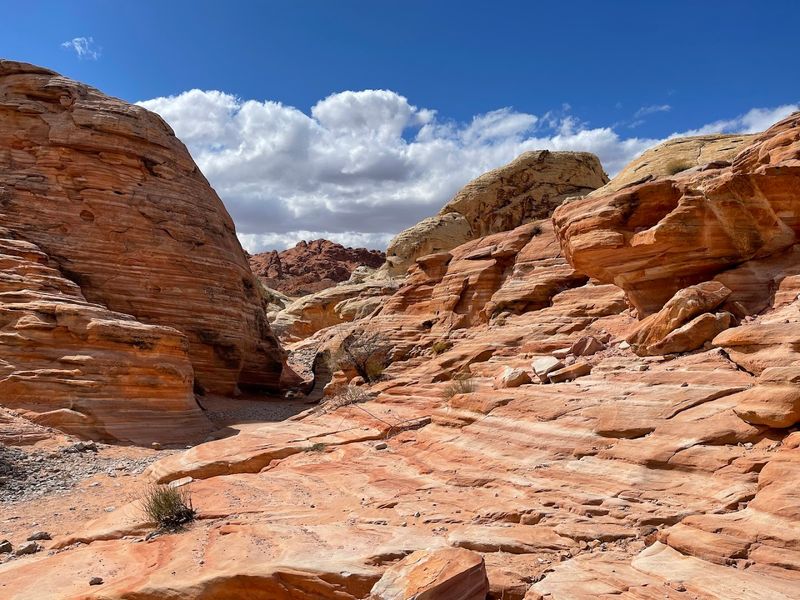
One of the lesser-known highlights of the park is the petrified wood scattered throughout certain areas. These ancient tree remains were once living forests that grew here around 225 million years ago during the Triassic period, long before the desert took over.
Over time, mineral-rich groundwater replaced the organic wood material cell by cell, turning the logs into stone while preserving their original shapes and textures. The result is chunks of rock that look exactly like wood, complete with visible grain patterns and knots, but are heavier and harder than any tree you have ever picked up.
The Petrified Logs area of the park has several specimens on display along a short trail, and interpretive signs explain the science behind the transformation in accessible terms. It is one of those natural features that seems impossible until you are standing right in front of it, running your hand along something that was once a living tree.
The Visitor Center Is Worth More Than a Quick Glance
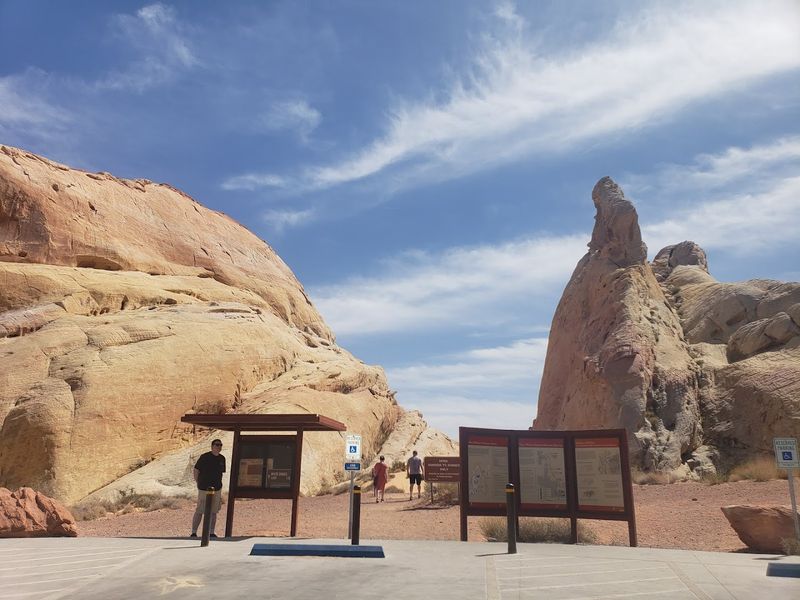
The visitor center at Valley of Fire is genuinely worth spending time in, especially if you want to understand what you are looking at before you head out on the trails. The exhibits cover the park’s geology, its human history, and the wildlife that calls the desert home, all presented in a clear and engaging way.
Staff members at the center are knowledgeable and happy to answer questions about trail conditions, wildlife activity, and the best spots to visit depending on your interests and fitness level. They also hand out paper maps, which are helpful since cell service inside the park is limited and GPS signals can be unreliable.
The new visitor center replaced an older building and is much easier to access from the main park road. A quick stop here before you start exploring sets you up with context that makes every rock formation and petroglyph site feel more meaningful once you encounter it on the trail.
Camping Under a Sky Full of Stars
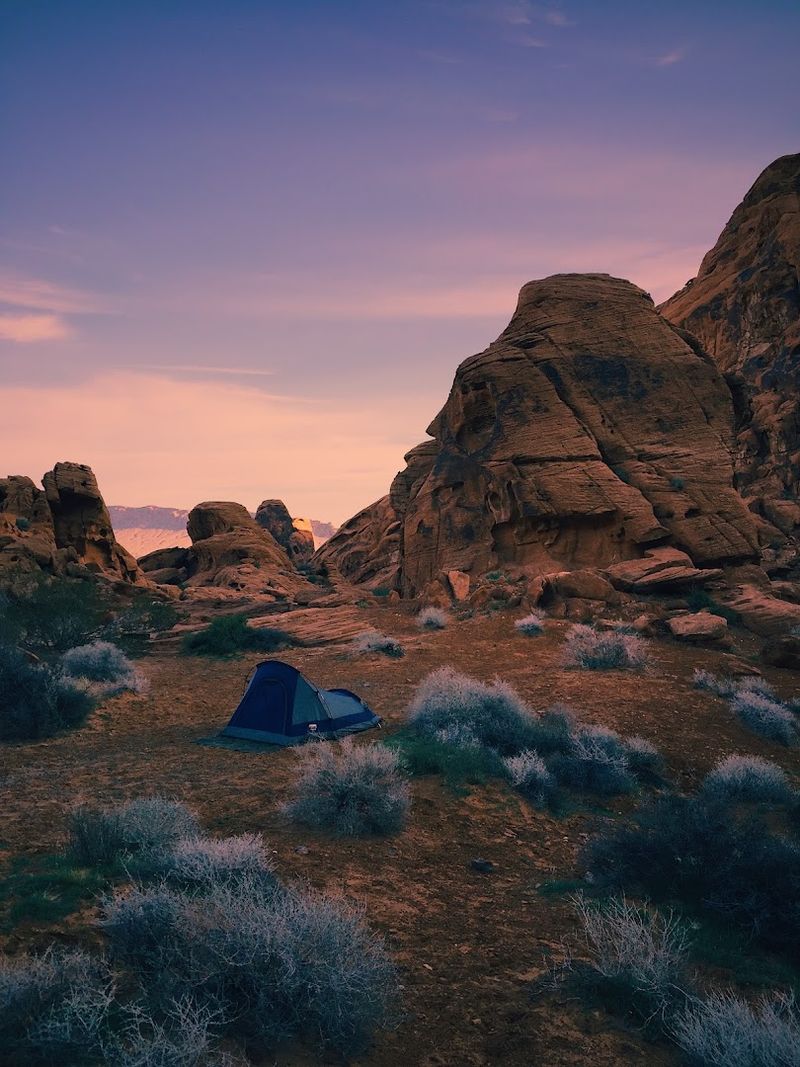
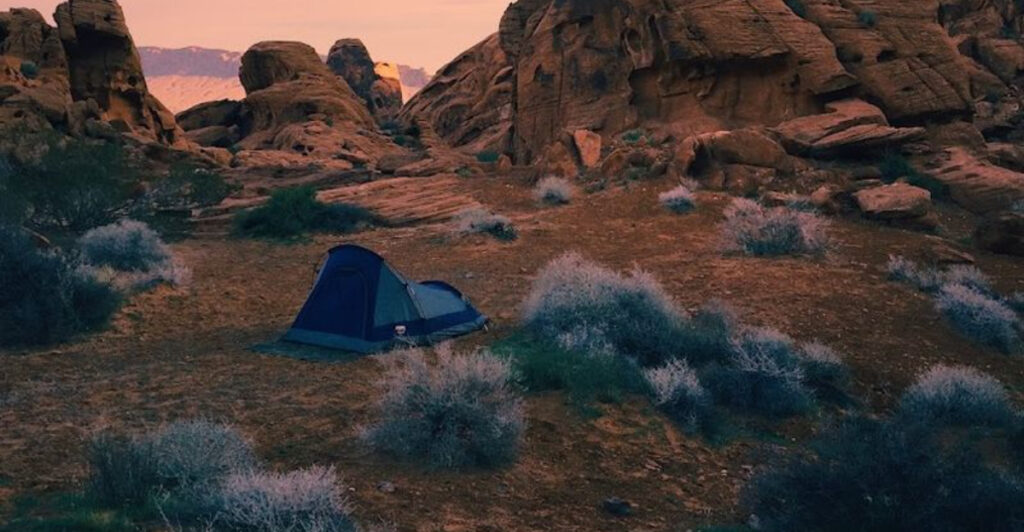
Spending the night inside Valley of Fire is a completely different experience from a day trip. The park has two campgrounds, Atlatl Rock Campground and Arch Rock Campground, both of which offer sites positioned right up against the red rock formations for a setting that feels genuinely dramatic.
Some campsites are tucked into natural alcoves in the rock, giving you the feeling of sleeping inside the landscape rather than just beside it. Amenities include restrooms, fire rings, and picnic tables, and the campgrounds fill up quickly during spring and fall, so booking ahead is strongly recommended.
Once the sun goes down and the park quiets, the night sky above the desert is extraordinary. The absence of city lights means you can see the Milky Way on clear nights, and waking up at sunrise to watch the first light hit the canyon walls from your campsite is the kind of morning that is genuinely hard to forget.
Practical Tips to Make Your Visit Run Smoothly
A few simple preparations make a big difference at this park. Bringing more water than you think you need is the top priority, since Nevada desert air is dry and the sun reflects off the rocks with real intensity even on cooler days.
A minimum of two liters per person is a reasonable starting point for any hike.
Footwear with good grip matters more here than in many other parks because some of the sandstone surfaces are smooth and can be slippery, particularly after rain. Sturdy sneakers or light hiking shoes work well for most trails, though flip-flops will let you down quickly on the rockier paths.
Arriving early on weekends helps you avoid crowded parking areas, especially at popular spots like the Fire Wave trailhead. Downloading a trail app like Gaia GPS before you arrive is smart since cell service is spotty throughout the park, and having a downloaded map keeps you oriented even without a signal.
Share this story