 Unearth The Voyage
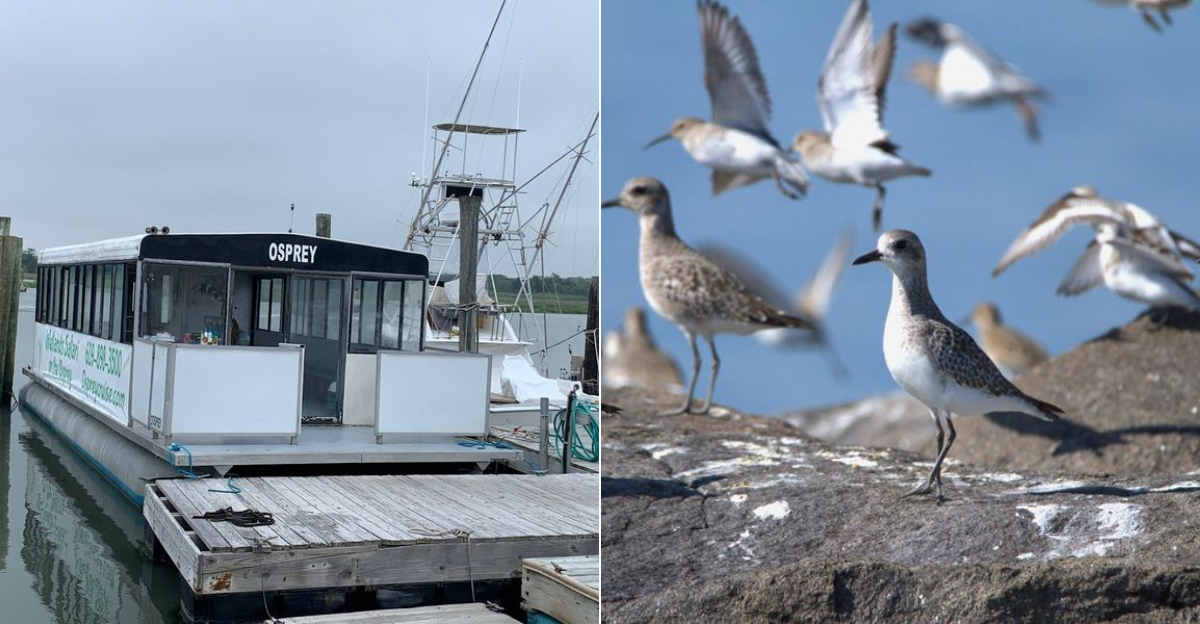
Cape May, New Jersey has long been known as one of the top birding destinations in North America, and for good reason. Every year, during spring and fall migration, thousands of birds funnel through this narrow peninsula, turning the marshes and bays into a spectacular natural event.
Most people watch from the shore, but there is a way to get even closer to the action. A pontoon boat tour through Cape May’s back bays puts you right in the middle of it all, gliding past herons, eagles, ospreys, and dozens of other species in their natural habitat.
The combination of a knowledgeable naturalist, a skilled captain, and the unique vantage point of being on the water makes this one of the most memorable outdoor experiences the Jersey Shore has to offer. Read on to find out exactly what makes this boat tour so worth your time.
Where the Adventure Begins: Location and Access
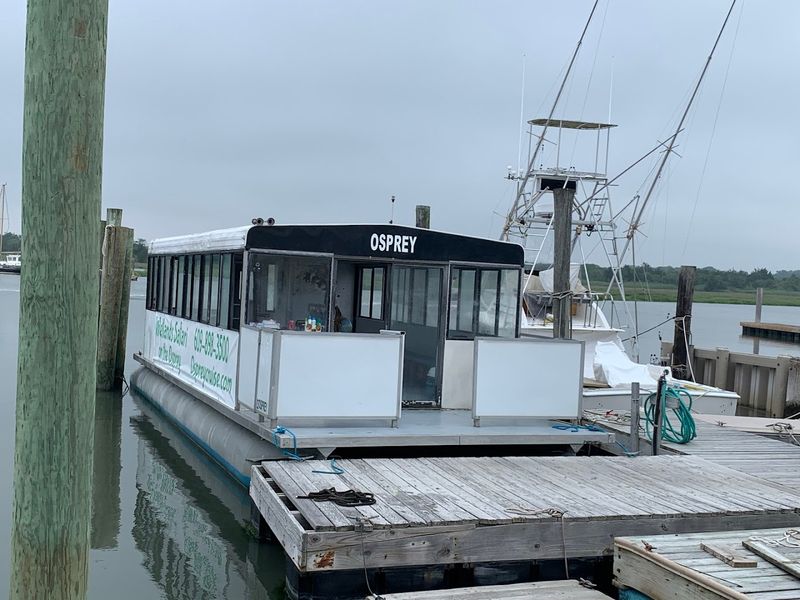
The tour departs from 1212 Wilson Dr, Cape May, NJ 08204, right at the edge of the Cape May waterway system. The location is easy to find, and parking is available on site, which takes a lot of stress out of planning your visit.
Cape May sits at the very southern tip of New Jersey, where the Delaware Bay meets the Atlantic Ocean. That geography is no accident when it comes to birding.
The peninsula acts like a natural funnel during migration, concentrating huge numbers of birds in a relatively small area.
Getting to the dock is straightforward, and the setup at the marina is welcoming. There are restrooms available both on the dock and on the boat itself, so you can focus entirely on the experience once you board.
The whole operation runs smoothly from the moment you arrive.
The Boat That Makes It All Possible
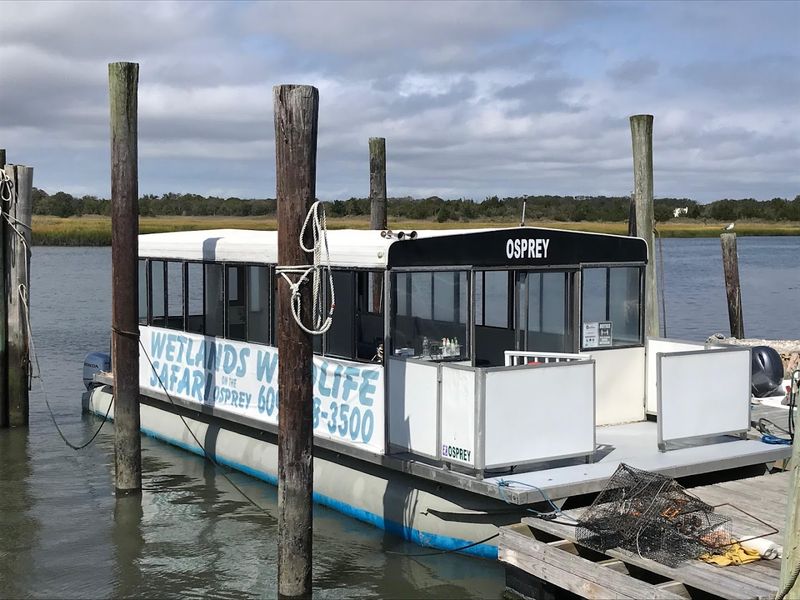
Not every boat is built for birding, and that is exactly what makes the Osprey stand out. The pontoon design is a smart choice for this kind of tour, allowing the captain to navigate shallow marshes and narrow channels that larger vessels simply cannot reach.
The flat, open deck gives everyone on board a clear line of sight in every direction. There are no obstructed views, no fighting for position near a railing, and no awkward angles.
When a bird appears, everyone can see it at the same time.
The boat moves at a pace that works perfectly for wildlife watching, slow enough to observe without startling the birds, and agile enough to reposition quickly when something interesting shows up. It also comes equipped with a bathroom, comfortable seating, and enough space to feel relaxed throughout the entire trip.
It is a well-thought-out setup from start to finish.
The Naturalist On Board: Your Bird Expert for the Day
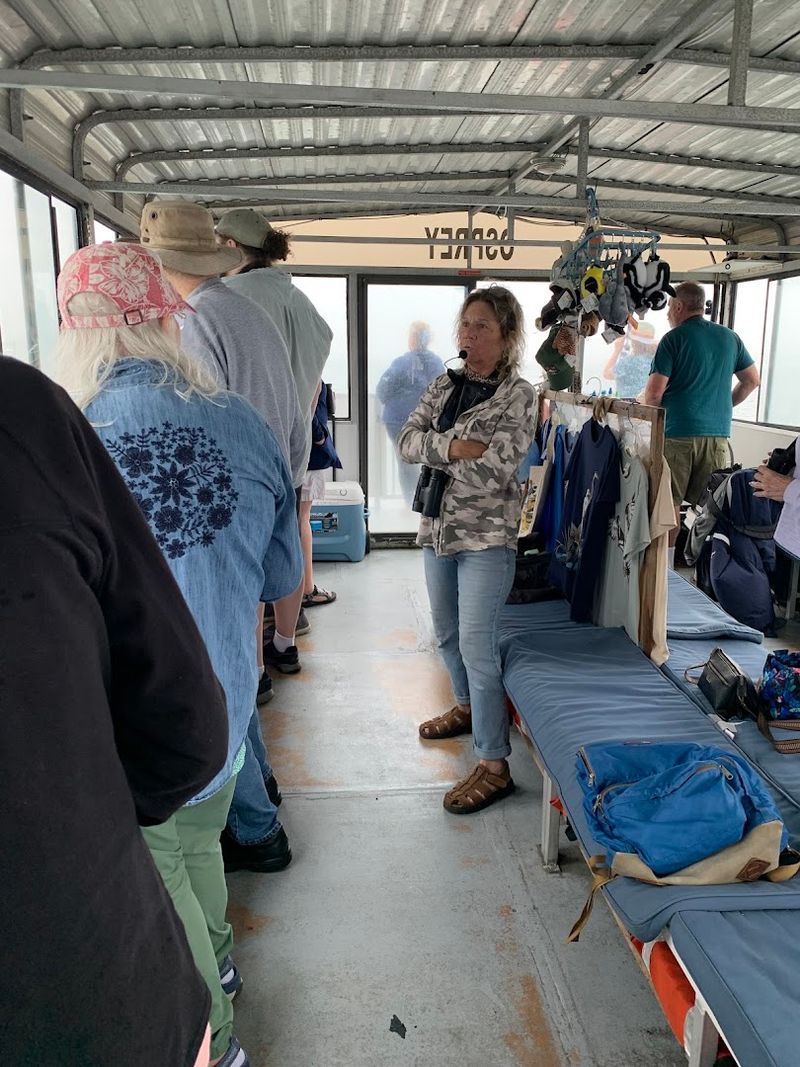
Every tour includes a naturalist on board, and their role is central to the whole experience. These are people who have spent years studying the birds of Cape May and the surrounding coastal ecosystem.
They do not just name the birds; they explain behavior, migration patterns, habitat preferences, and interesting biological details that make each sighting genuinely fascinating.
The naturalist keeps a careful eye on the surroundings throughout the trip, alerting passengers to new arrivals and making sure no one misses a highlight. For people who are new to birding, having that expert guidance transforms what might otherwise be a confusing collection of brown and gray shapes into a rich, identifiable cast of characters.
Even experienced birders find value in the naturalist’s commentary, particularly when it comes to tricky shorebird identification. The combination of enthusiasm and deep knowledge creates an atmosphere that feels educational without ever feeling like a lecture.
Migration Season: When Cape May Truly Comes Alive
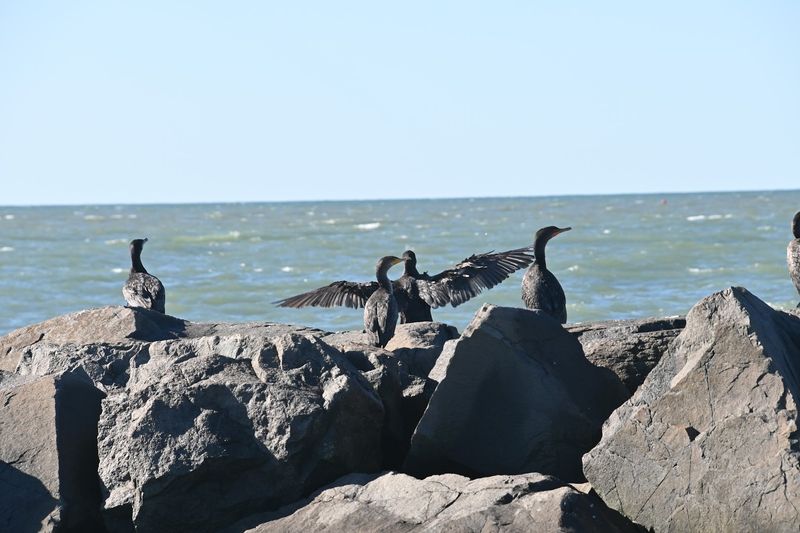
Cape May has earned its reputation as one of the premier birding locations in the entire country, and migration season is the main reason why. Every spring and fall, millions of birds travel along the Atlantic Flyway, and the Cape May peninsula is one of the most important stopover points along the entire route.
During these peak periods, the variety and concentration of species in the area is extraordinary. Shorebirds, warblers, raptors, waterfowl, and seabirds all pass through in overlapping waves, making each day on the water feel different from the last.
Fall migration tends to run from late July through November, while spring migration peaks from April through May. Both seasons offer remarkable birding, though the fall tour schedule often extends longer due to the extended migration window.
Booking a boat tour during either of these windows dramatically increases the number and variety of species you are likely to encounter.
The Birds You Can Expect to See
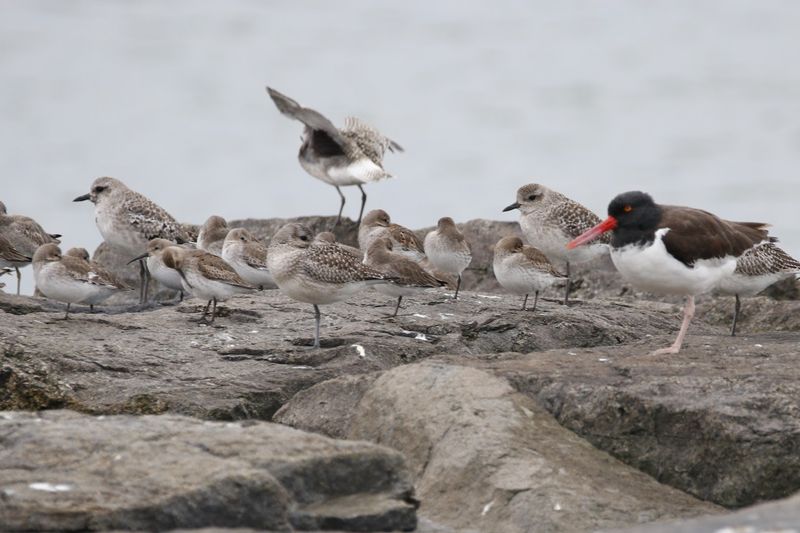
The species list on any given tour can be genuinely surprising. Common sightings include ospreys, great blue herons, snowy egrets, great egrets, willets, oystercatchers, black skimmers, various terns and gulls, cormorants, and ibis.
During migration, the list expands considerably.
Rarer highlights have included bald eagles, northern harriers, whimbrels, American golden-plovers, red knots, clapper rails, and great cormorants. Spotting a bald eagle soaring above the marsh is one of those moments that tends to stop everyone on the boat cold.
Dolphins have also made appearances on tours, and there have even been reports of coyotes spotted along the shoreline. The back bays of Cape May are rich with wildlife beyond birds alone, which means the tour can surprise you in ways you might not expect.
On a good day, the species count can reach 35 or more, covering a wide range of families and habitats.
The Marshes and Back Bays: A World Few People Get to See Up Close
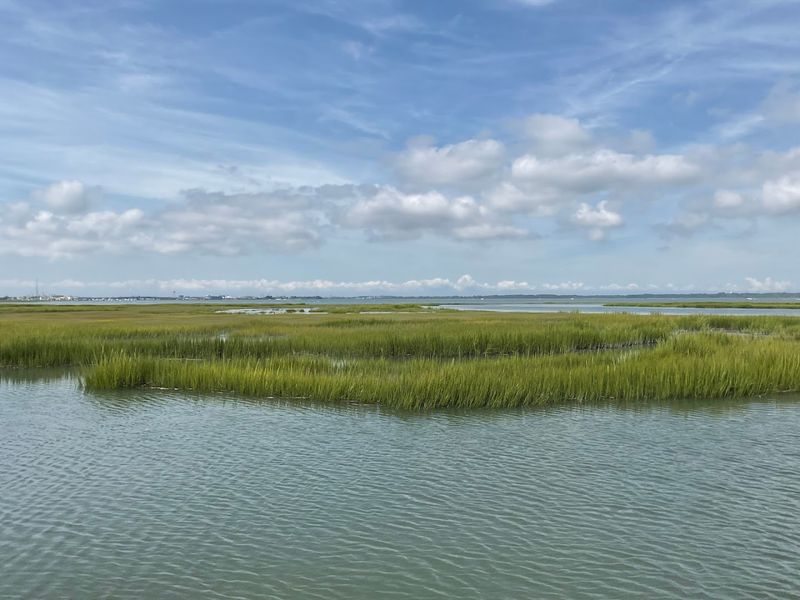
Cape May’s back bays and salt marshes are a remarkable ecosystem, and the boat tour gives you direct access to areas that are completely inaccessible by land. The network of tidal channels, shallow flats, and marsh islands stretches for miles behind the barrier beaches, creating a habitat that supports an enormous diversity of wildlife.
The sea grasses and cordgrass marshes serve as nurseries for fish, feeding grounds for wading birds, and nesting cover for a wide range of species. The visual contrast between the open water, the dense green marsh, and the wide sky overhead makes for a compelling backdrop throughout the trip.
The pontoon boat can navigate water that is only a few feet deep, which means the tour reaches corners of the bay that most people never see. That access is a big part of what separates this experience from a standard sightseeing cruise along the coast.
Binoculars, Snacks, and Everything You Need On Board

One of the practical strengths of this tour is how well-prepared the boat is for a day of wildlife watching. Extra binoculars are available for use during the excursion, which is a genuine help for anyone who does not own a pair or forgot to bring them along.
Snacks and drinks are available for purchase on board, so there is no need to load up before you leave the dock. Reference materials and field guides are also on hand, and some are available to purchase if you want to take something home.
The boat even carries hands-on natural materials used for educational purposes, which younger passengers tend to find especially engaging.
Souvenirs are also available on board for those who want a memento of the trip. The overall setup reflects an operation that has thought carefully about what passengers actually need to have a comfortable and enjoyable time on the water.
A Tour That Works for Every Age and Experience Level
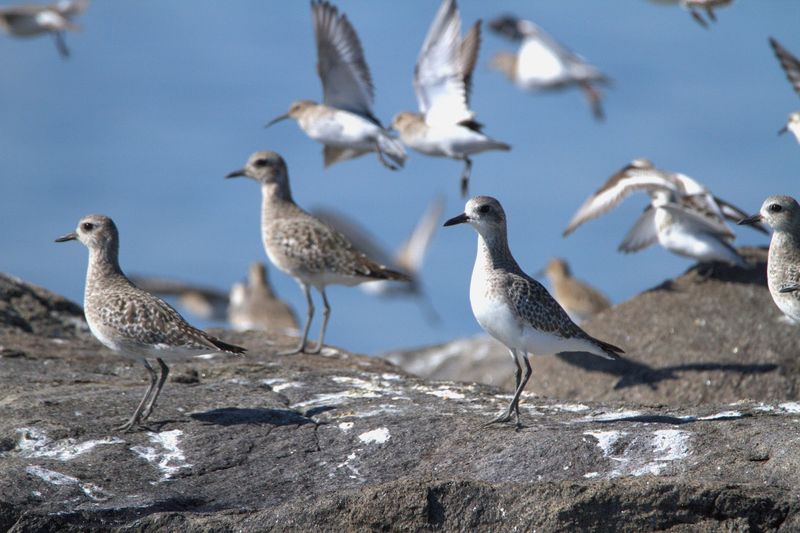
One of the most consistent things noted about this tour is how well it works for such a wide range of participants. Families with young children, solo birders with decades of experience, couples looking for something different to do, and complete beginners with no background in wildlife watching have all come away with positive experiences.
The guides adjust their approach depending on who is on the boat. With younger kids, there is more focus on hands-on materials and simple, engaging facts.
With experienced birders, the conversation can go deeper into identification, migration ecology, and rare species behavior.
Children as young as three years old have taken the tour and thoroughly enjoyed it. The boat is also accessible for passengers with mobility considerations, which is not always the case with smaller or more rugged watercraft.
The inclusive design of the experience makes it easy to recommend to just about anyone.
Sunset Tours: A Different Kind of Birding Experience

The evening tours run by the Osprey have their own distinct character. As the light shifts toward golden hour, the marsh takes on a different quality, and the birds that come out in the late afternoon and early evening are often different from those active during the day.
Black-crowned night herons are a classic evening sighting, and the guides have been known to linger past the scheduled end time to make sure passengers get to watch them feed. That kind of flexibility says a lot about the priorities of the people running the tour.
The setting sun over the Cape May backwaters creates a striking visual backdrop that makes the whole experience feel even more special. Many people who take the morning tour end up staying in town specifically to catch the sunset version as well.
It is a completely different trip in terms of atmosphere, and both are worth doing if the schedule allows.
How to Book and What to Know Before You Go
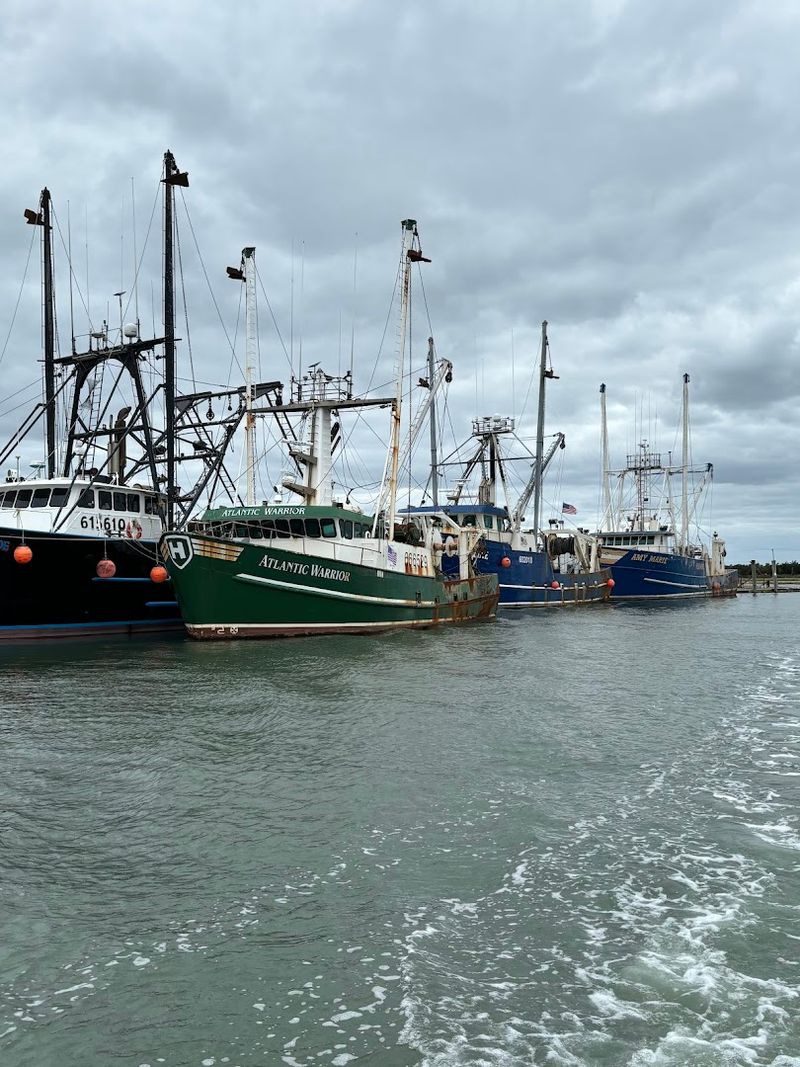
Booking is straightforward through the official website at ospreycruise.com. Reservations can be made in advance, and it is worth booking early during peak migration season since tours fill up quickly.
Last-minute bookings are sometimes possible, but availability is not guaranteed during busy periods.
Booking directly through the website rather than third-party platforms can save a few dollars on the ticket price. Tours typically run for around two to three hours, so plan your day accordingly and arrive a little early to get settled before departure.
The dock is located at 1212 Wilson Dr, Cape May, NJ 08204, and parking is available on site. Dress in layers if you are visiting during spring or fall, since temperatures on the water can be cooler than on land, especially in the early morning or evening.
Bringing a camera with a decent zoom lens will make a noticeable difference in how much you enjoy the experience.
Why Cape May Birding by Boat Stands Apart
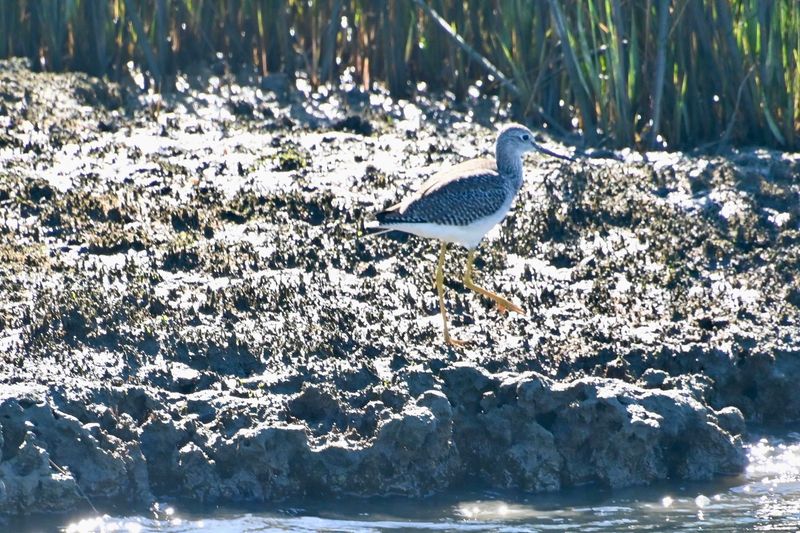
There are plenty of ways to experience Cape May’s wildlife, from hawk watches at the point to walking the trails through the nature reserves. But the boat tour offers something that none of those options can match: direct access to the water and marsh habitats where many of the most sought-after species actually live.
The combination of an expert naturalist, a skilled captain who knows every productive corner of the bay, a well-designed vessel, and one of the best birding locations in North America creates an experience that is genuinely hard to replicate anywhere else. The tour has earned a perfect five-star rating across hundreds of reviews, and that consistency reflects the quality of what is being offered.
Whether it is a first-time visitor to Cape May or someone who has been birding the peninsula for years, the Osprey tour tends to deliver something new every single time out on the water.



