 Unearth The Voyage
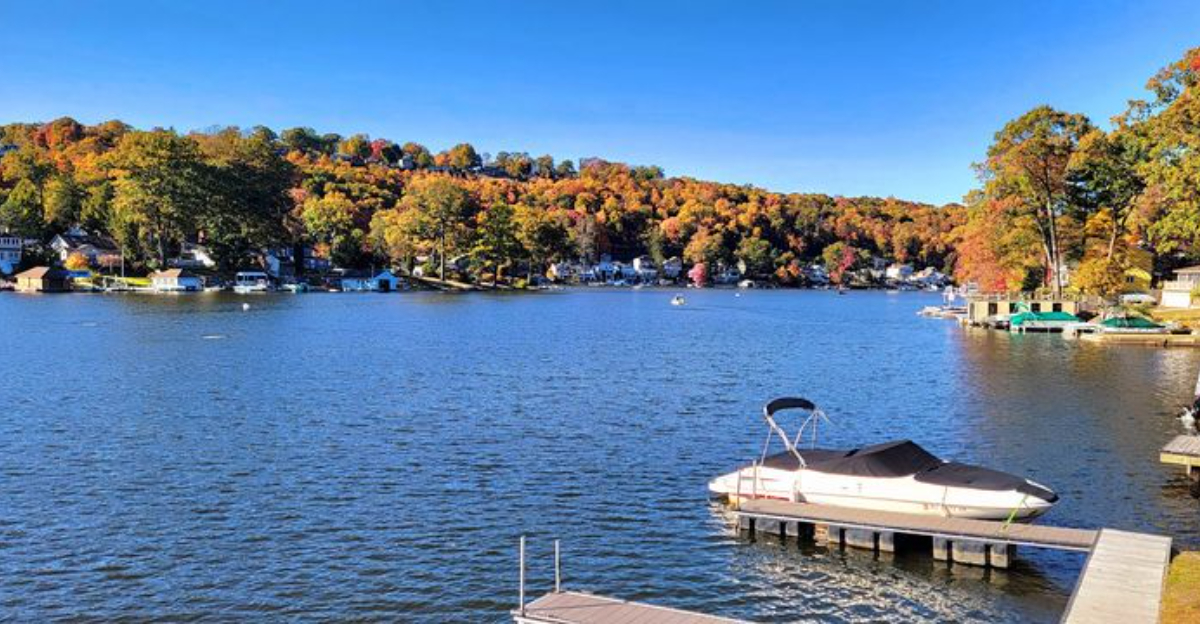
New Jersey does not always get credit for its natural beauty, but tucked away in Morris and Sussex counties sits a lake that has been turning heads for well over a century. It is the largest lake in the state, and its story is packed with railroad barons, gilded-age resort culture, bootleggers, and a surprising comeback that keeps drawing people back year after year.
The lake went from being a backwoods reservoir to a playground for the wealthy, then fell into a long quiet spell before finding new life as a recreational hub for boaters, anglers, paddlers, and families looking for a genuine outdoor escape. What makes this place so fascinating is not just the water itself, but the layers of history sitting just beneath the surface.
By the time you finish reading, you will want to plan a trip to this overlooked corner of the Garden State.
Where Exactly This Lake Sits and How to Get There
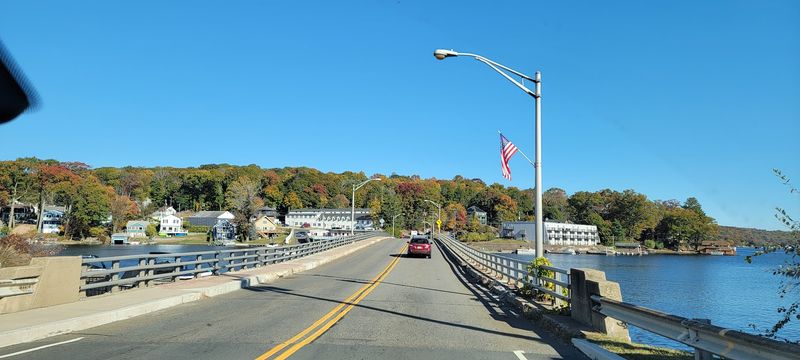
Lake Hopatcong is located in northern New Jersey, straddling the border of Morris and Sussex counties. The lake sits within Lake Hopatcong State Park, with a main access point at 1 Lakeside Boulevard, Landing, New Jersey 07850.
The surrounding towns of Landing, Jefferson Township, Hopatcong, and Mount Arlington all share the shoreline, which stretches across roughly 40 miles of coastline. That is a lot of waterfront for a state that most people associate with highways and suburbs.
Getting there by car is straightforward, with Interstate 80 and Route 46 both providing easy access from the east or west. From New York City, the drive typically runs about an hour depending on traffic.
The state park entrance is well marked, and park rangers are regularly on site to assist with directions and general questions. Parking is available but fills quickly on warm weekends, so arriving before 10 a.m. is strongly recommended.
The Surprising Size of New Jersey’s Largest Lake
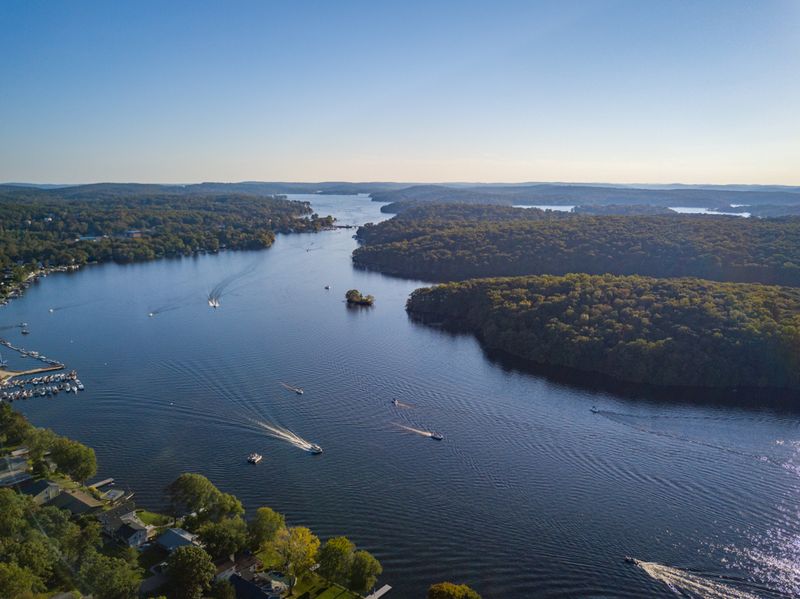
Most people who visit Lake Hopatcong for the first time are caught off guard by how large it actually is. Covering approximately 2,686 acres of surface area, it holds the title of New Jersey’s biggest lake by a considerable margin.
The lake has an irregular, sprawling shape with multiple coves, inlets, and peninsulas that make it feel like several smaller lakes stitched together. That geography means there is always a quieter corner to find, even on busy summer weekends when boat traffic picks up considerably after mid-morning.
Water depth varies across the lake, with some areas running relatively shallow while other sections drop further down. The shoreline stretches roughly 40 miles, giving the lake a scale that surprises even longtime New Jersey residents who assumed the state’s bodies of water were all modest in size.
For anyone who has only experienced smaller ponds or reservoirs in the region, the open expanse of this lake genuinely reframes what New Jersey has to offer outdoors.
A Reservoir With a Very Unusual Origin Story
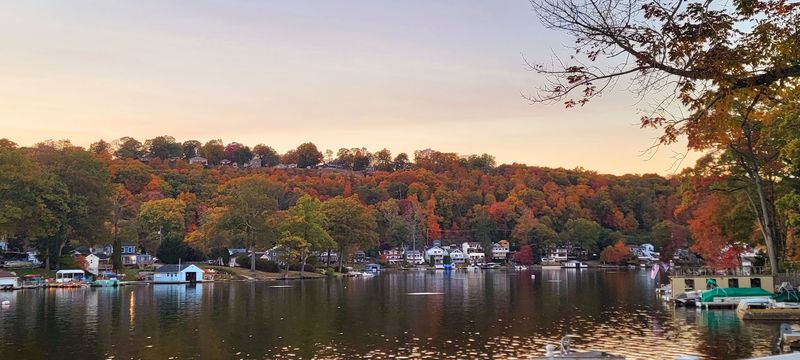
Long before anyone was skiing behind a motorboat on these waters, Lake Hopatcong had a much more industrial purpose. The lake was originally expanded and controlled in the early 1800s to serve as a feeder reservoir for the Morris Canal, a waterway designed to transport coal and iron across northern New Jersey.
The Morris Canal was an engineering marvel of its time, using a system of inclined planes to move boats up and over hills rather than relying solely on locks. Lake Hopatcong supplied the water that kept the whole operation running.
When the canal fell out of use and was eventually abandoned in the late 19th century, the lake lost its industrial role but gained something far more interesting: recreational potential. The infrastructure that had kept it dammed and full of water now made it perfect for leisure.
That shift from working reservoir to vacation destination happened faster than anyone anticipated, and it set the stage for one of New Jersey’s most colorful chapters in tourism history.
When Railroad Money Turned the Lake Into a Gilded Resort
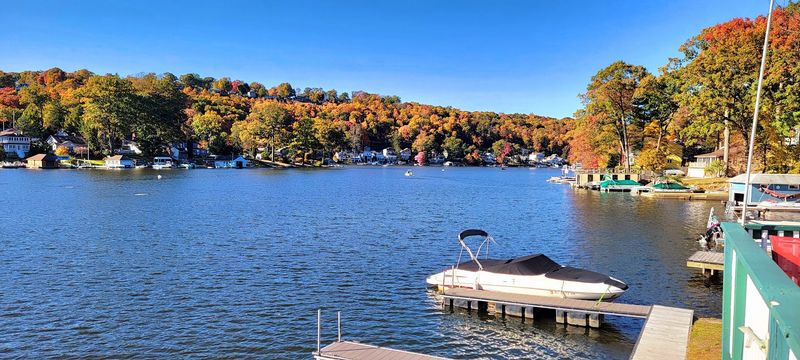
The late 1800s brought something unexpected to this corner of New Jersey: serious wealth and ambition. The Lackawanna Railroad extended its line to the lake’s edge, and suddenly what had been a remote rural area became accessible to wealthy New Yorkers looking for a summer escape.
Grand hotels and resort cottages began appearing along the shoreline at a rapid pace. Names like the Breslin House and the Hotel Breslin became synonymous with upscale lakeside retreats, drawing socialites, industrialists, and their families for extended summer stays.
The lake became fashionable in a way that is hard to picture today. Regattas, formal dances, and elaborate social events filled the summer calendar.
Wealthy families built large seasonal cottages that were more mansion than cabin.
This era gave Lake Hopatcong a reputation that stretched well beyond New Jersey, positioning it alongside more famous resort destinations of the Gilded Age. That glamour would not last forever, but its echoes are still visible in the architecture and layout of communities surrounding the lake today.
The Bootlegger Chapter Nobody Talks About Enough
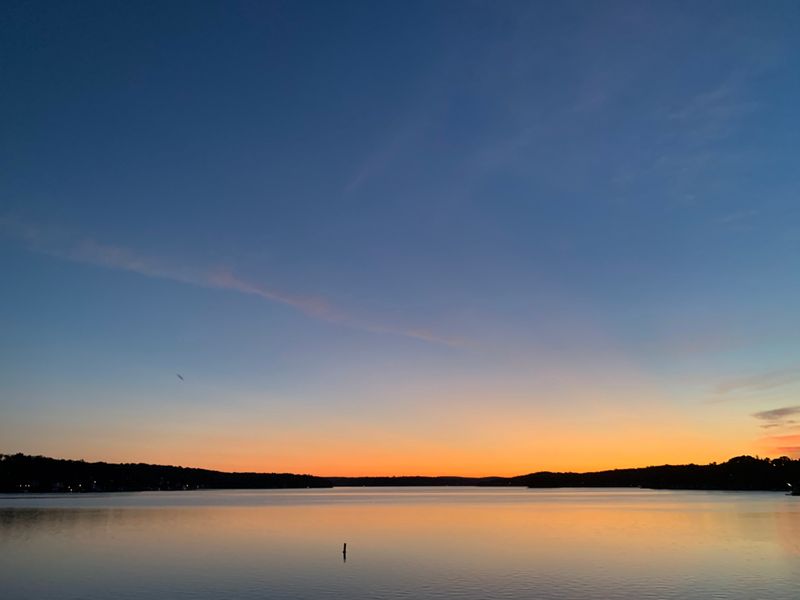
The Gilded Age resort scene eventually gave way to a far more shadowy chapter in the lake’s history. During Prohibition in the 1920s, Lake Hopatcong reportedly became a hub for bootlegging operations, with its many coves and inlets providing convenient cover for moving contraband.
The lake’s geography, with its irregular shoreline and numerous private docks, made it easier to operate quietly away from prying eyes. Speedboats that had once been used for leisurely racing were allegedly repurposed for more profitable nighttime runs.
Local legend and historical accounts both suggest that underground establishments near the lake did a brisk business during this period, serving as gathering spots that were not exactly advertising their activities to law enforcement.
This chapter adds a genuinely roguish dimension to what might otherwise be a straightforward story about a pretty lake. It also helps explain why the area developed such a dense network of private properties and hidden waterfront access points that still make the lake tricky to reach by car today.
How the Lake Lost Its Glamour and Found Itself Again
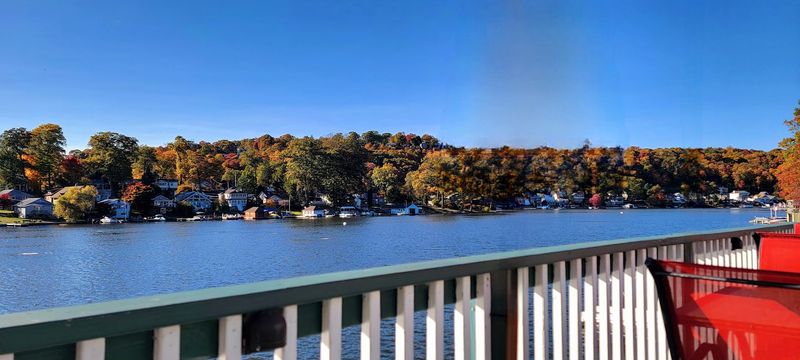
After World War II, the grand resort culture that had defined Lake Hopatcong for decades began to unravel. Changing vacation habits, the rise of automobile travel, and the growing accessibility of destinations further afield all contributed to a slow decline in the lake’s status as a premier summer destination.
The big hotels closed one by one. Some burned down, others were demolished, and a few were converted into private residences.
By the mid-20th century, the lake had shifted from a resort community to a more working-class recreational area, popular with day-trippers and seasonal cottage owners rather than the wealthy elite.
Water quality issues in later decades added another complication, with algae blooms and pollution concerns affecting the lake’s reputation and usability at various points through the 20th century.
Restoration efforts, improved water management, and renewed community investment have gradually brought the lake back to a healthier and more vibrant state. Today it occupies a comfortable middle ground between its glamorous past and a more democratic, accessible present that welcomes a much wider range of visitors.
Boating Culture That Defines the Summer Season
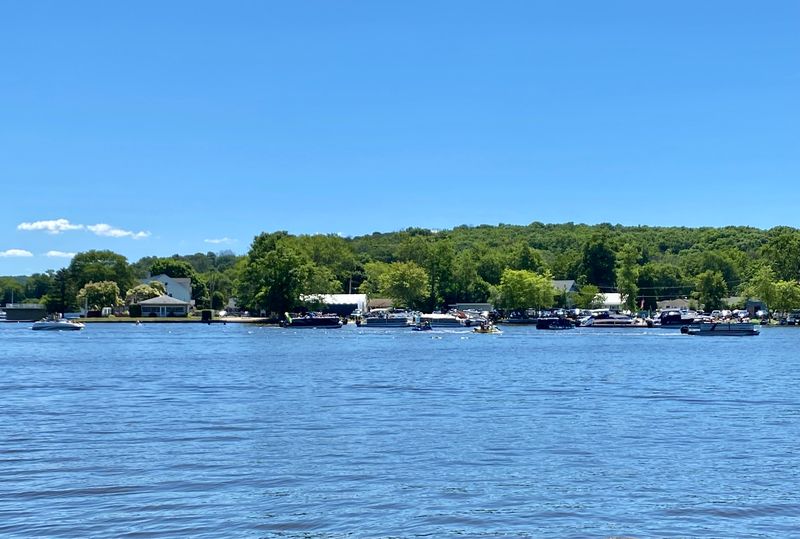
On any given summer weekend, Lake Hopatcong transforms into one of the busiest boating destinations in the northeastern United States. The lake supports a wide range of watercraft, from fishing boats and kayaks to jet skis and larger cabin cruisers.
Water skiing and tubing are especially popular, and the lake’s size means there is generally enough room for different types of activity to coexist without too much conflict. Weekdays tend to be noticeably calmer, with boat traffic picking up significantly after mid-morning on Saturdays and Sundays.
Several marinas operate around the lake, offering rentals, fuel, and dock services for those who do not own their own watercraft. Bringing your own boat requires a launch ramp, and multiple public and private ramps are available around the shoreline.
The boating community here has its own rhythm and culture, with regulars who know the lake’s quirks and quieter spots. New arrivals are generally welcomed, though having your dock fenders ready before pulling up to any waterfront establishment is considered basic courtesy.
Fishing at the Lake: What Anglers Actually Find Here
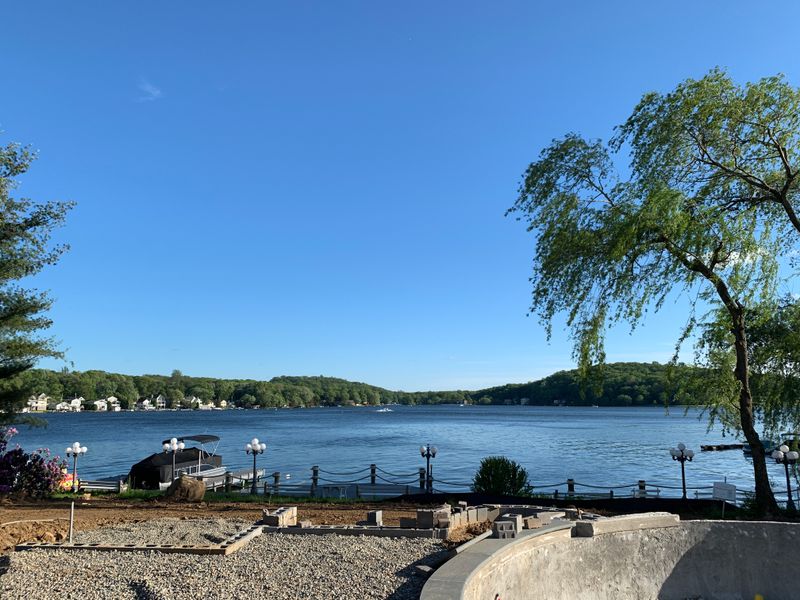
Lake Hopatcong has a long history as a fishing destination, and the lake continues to hold a solid variety of species that keep anglers coming back. Hybrid striped bass, largemouth bass, perch, catfish, and pickerel are among the fish regularly pulled from these waters.
Guided charter fishing trips are available for those who want local expertise, and they can make a significant difference in results, especially for first-time visitors who are unfamiliar with the lake’s structure and the best spots to target specific species.
The lake fishes differently depending on the season. Spring and fall tend to produce more active feeding, while summer fishing often requires adjusting to the increased boat traffic and the way it affects fish behavior throughout the day.
After heavy storms, the lake can clear of typical recreational traffic, which sometimes creates surprisingly productive fishing conditions with less competition from other watercraft. The variety of species available makes Lake Hopatcong one of the more well-rounded freshwater fishing spots in the entire state of New Jersey.
The Waterfront Dining Scene That Keeps Boaters Happy
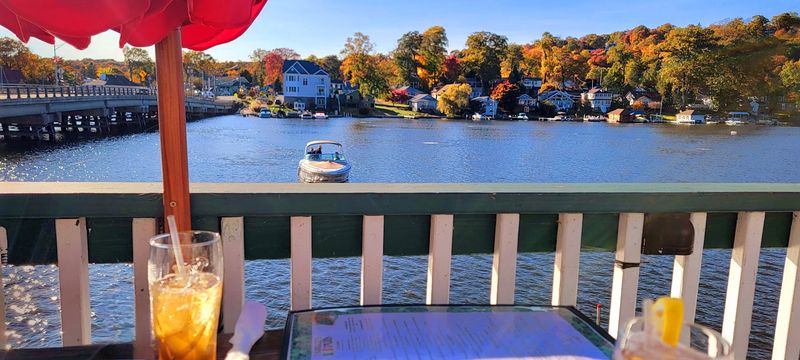
One of the more distinctive features of Lake Hopatcong is its collection of waterfront restaurants that welcome boats directly at their docks. Rather than trailering a boat out and driving to a restaurant separately, boaters can tie up and walk straight in for a meal with a view of the water they just came from.
Several establishments around the lake offer this kind of dock-and-dine access, making it a genuinely practical and enjoyable part of a day on the water. The experience of pulling up by boat, securing at a slip, and sitting down at an outdoor table with the lake right there is something that sets Hopatcong apart from many other New Jersey recreational areas.
The waterfront dining options range from casual spots to more sit-down establishments, giving boaters choices depending on what kind of afternoon they are looking for. Having dock bumpers and fenders properly in place before approaching any restaurant dock is standard practice and keeps the arrival smooth for everyone involved.
Lake Hopatcong State Park: What the Public Area Offers
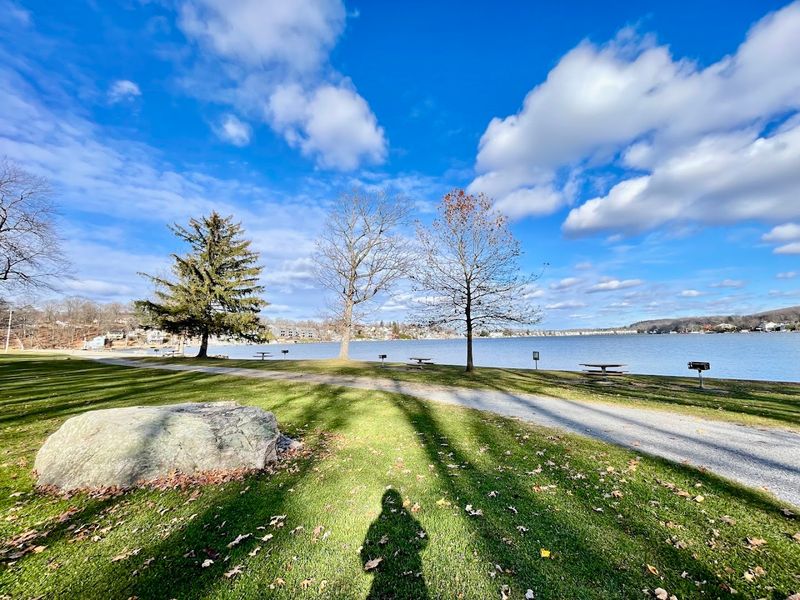
Lake Hopatcong State Park provides the most accessible public entry point to the lake for those who do not own lakefront property or a boat. The park features a beach area, picnic tables on the grass, grilling stations, and a small playground that makes it a practical destination for families with younger children.
Swimming is permitted on Wednesdays through Sundays from 10 a.m. to 5:30 p.m., and the beach area is staffed accordingly during those hours. The park opens at 8 a.m. daily, giving early arrivals time to settle in before the swimming period begins.
Parking fees are modest, running six dollars on weekdays and ten dollars on weekends and holidays. The lot fills quickly on warm days, and the park does close entry once capacity is reached, so arriving well before 10 a.m. is the practical move on any sunny weekend.
Park rangers are regularly present and available to answer questions, which makes the overall experience feel organized and well-managed compared to some other public lake access points in the state.
Year-Round Appeal That Goes Beyond Summer
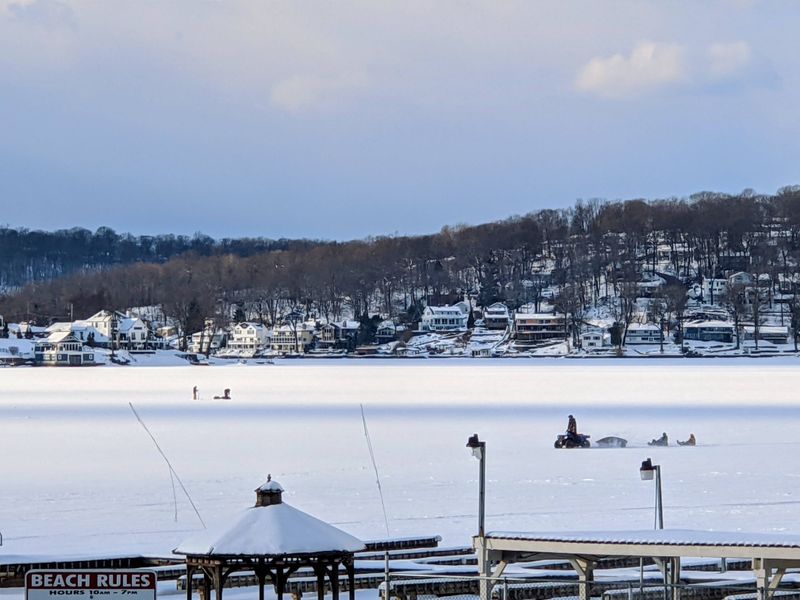
Summer gets most of the attention at Lake Hopatcong, but the lake holds its own appeal across every season. Fall brings a significant shift in the atmosphere, with the surrounding hillsides turning color and the boat traffic thinning out considerably after Labor Day.
Winter transforms the area into something quieter and more contemplative. The park fills with snow during cold snaps, and the lake takes on a completely different character that long-time residents and regular visitors genuinely appreciate.
Ice fishing has a history at the lake, though conditions vary year to year.
Spring signals the return of activity, with anglers typically leading the charge back onto the water before the recreational boating crowd fully returns. The restaurants that operate year-round see a steady uptick in business as temperatures climb through April and May.
The four-season rhythm of Lake Hopatcong is one of the reasons so many people who visit for a summer weekend eventually end up returning in other months, and sometimes making a more permanent connection to the community surrounding the water.
Wildlife Around the Lake Worth Paying Attention To
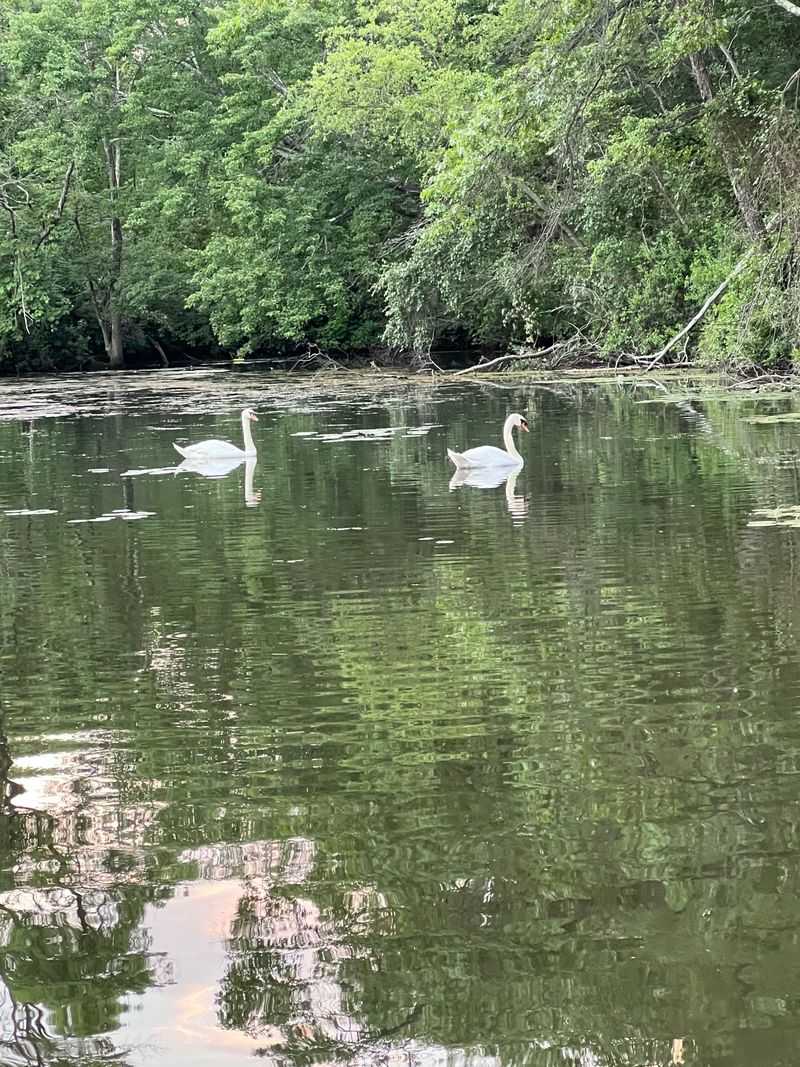
Lake Hopatcong sits within a landscape that supports a solid variety of wildlife, and paying attention to what is moving around the shoreline and on the water adds a different dimension to any visit. Great blue herons are a common sight, often standing motionless along the shallower edges of the lake.
Canada geese are present in large numbers and are a noticeable part of the lakeside environment. Their droppings along the grassy areas near the water are a practical reality that visitors should be prepared for, particularly in the state park area where the grass meets the waterfront.
Osprey, kingfishers, and various duck species also use the lake regularly, making it a worthwhile spot for anyone who pays attention to birds. Paddlers and kayakers who move quietly and stay patient tend to have the closest encounters with local wildlife.
Deer, turtles, and other woodland animals appear around the lake’s more wooded sections, particularly in the quieter coves that see less motorized traffic throughout the day.
Why People Keep Coming Back, and Some Even Stay for Good
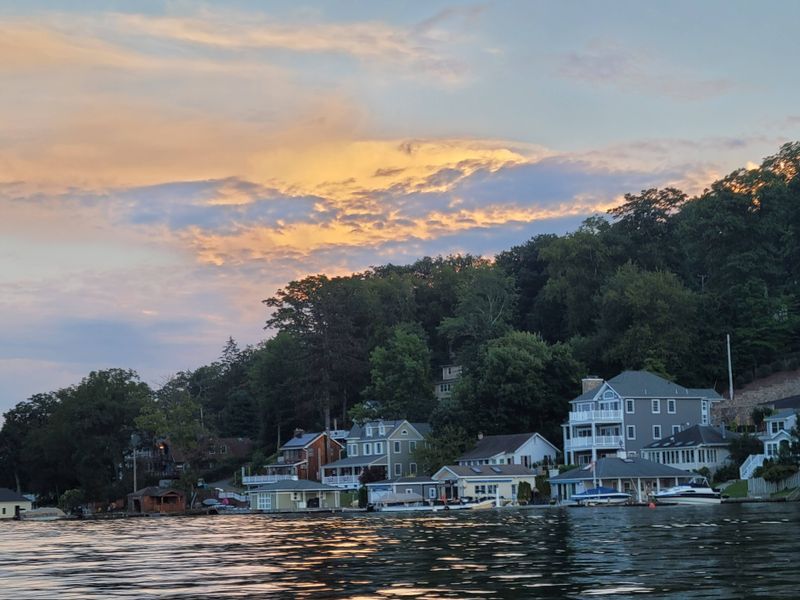
There is something about Lake Hopatcong that tends to turn first-time visitors into regulars. The combination of size, activity options, waterfront dining, and genuine natural beauty creates an experience that holds up across multiple visits rather than feeling like a one-time novelty.
The surrounding communities have developed a strong sense of local identity centered on the lake. Lakefront property here is private and in high demand, which is part of why accessing the lake by car outside of the state park can be challenging.
Most of the shoreline belongs to homeowners who have built their lives around proximity to the water.
The fact that people move to the area specifically because of the lake says something real about its pull. That kind of loyalty is not manufactured by marketing; it develops from repeated positive experiences across different seasons and different kinds of days on the water.
Lake Hopatcong is the rare New Jersey destination that rewards the curious traveler with more than expected, and that keeps the story going long after the first visit ends.



