 Unearth The Voyage
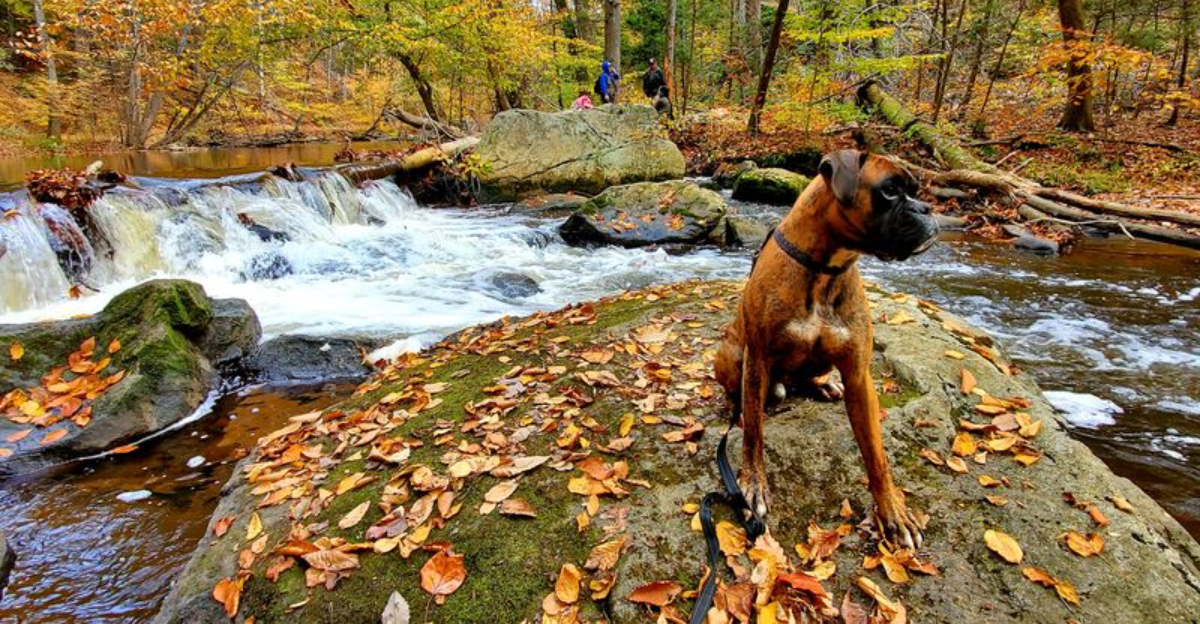
New Jersey does not always get credit for its wild, rugged landscapes, but tucked away in Morris County, there is a 1,200-acre state park that tells a story most people never expect. Long before it became a favorite weekend destination for hikers and families, this land was carved up by iron ore mining operations that powered the region’s industrial past.
The Black River still cuts through the park today, flowing past boulders and small waterfalls that have nothing to do with industry and everything to do with natural beauty. What makes this place even more fascinating is how completely the land has reclaimed itself, turning a former work site into one of the most scenic hiking destinations in the entire state.
This article takes a close look at everything that makes this park worth the trip, from its mining history to its best trails and practical tips for planning your visit.
Where the Park Sits and How to Get There
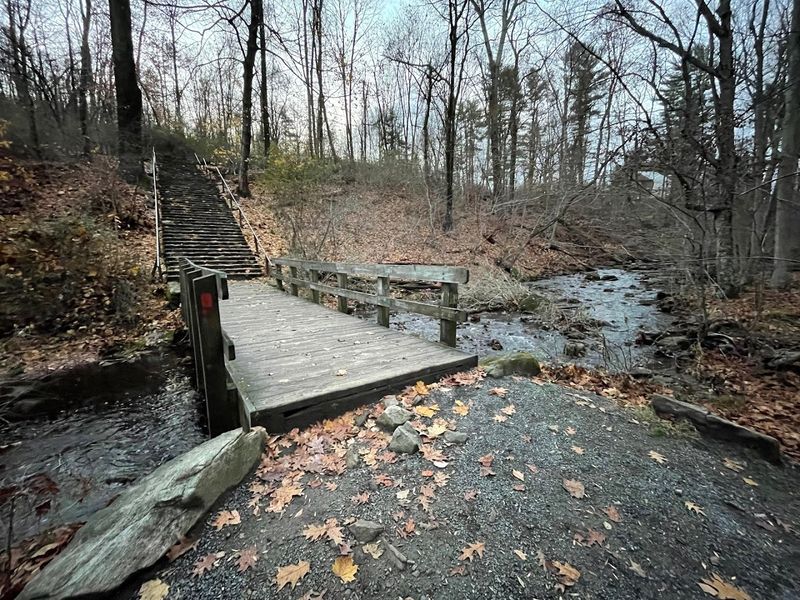
Hacklebarney State Park is located at 119 Hacklebarney Rd, Long Valley, NJ 07853, in Morris County, New Jersey. The park sits in a quiet, rural corner of the state where winding country roads pass farms and woodlands before arriving at the main parking area.
Getting there is straightforward from most parts of northern and central New Jersey. The drive itself passes through some of the most pastoral scenery in the state, and the transition from suburban roads to rolling countryside happens quickly once you leave the main highways behind.
The park opens at 6 AM every day of the week and closes at 9 PM, giving visitors a generous window to explore. There is no entry fee, which makes it an accessible option for families, solo hikers, and anyone looking for a full day outdoors without spending much.
Parking is available near the trailheads, and the lot fills up fast on warm weekends.
The Iron Ore Mining History You Did Not Expect
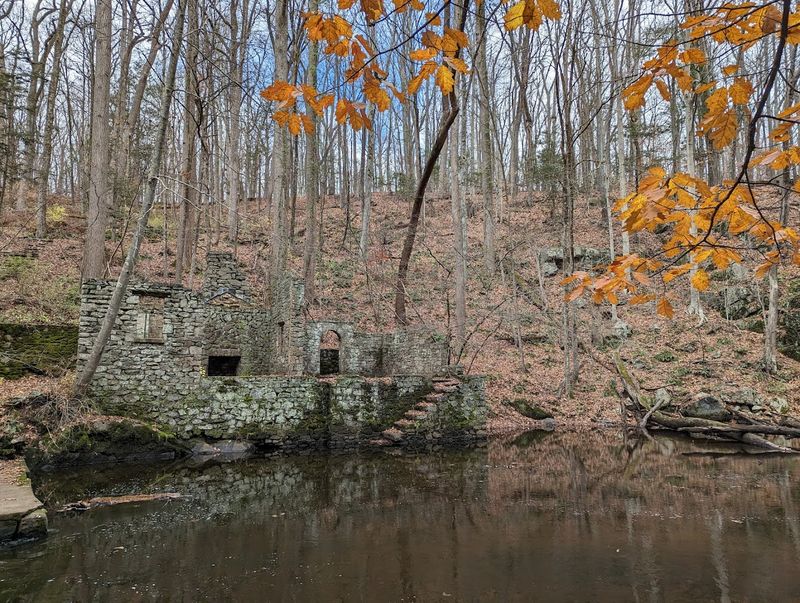
Before this land became a place for weekend hikes and family picnics, it was a working iron ore mining site. The Hacklebarney area was part of New Jersey’s broader iron industry, which thrived during the 18th and 19th centuries when the state was one of the country’s leading producers of iron.
Ore was extracted from the land and processed at nearby forges, contributing to the industrial output that helped build early American infrastructure. The Black River, which runs through the park today, was likely used as a power source for some of these operations, as was common practice in the region during that era.
When the iron industry declined, the land was left to recover on its own. New Jersey eventually acquired it for public use, and what was once a site of heavy extraction became a protected natural area.
That transformation from industrial land to scenic park is part of what gives Hacklebarney its layered and surprisingly compelling character.
The Black River: The Park’s Defining Feature
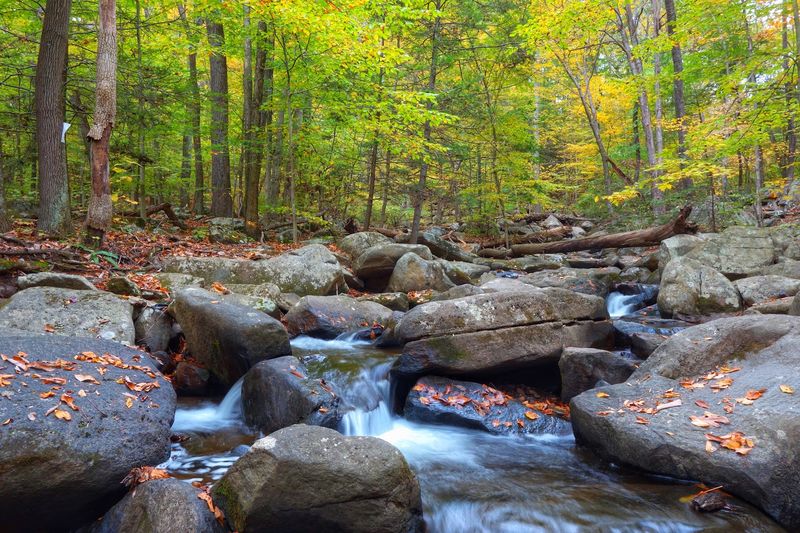
The Black River is the backbone of Hacklebarney State Park, and every major trail in the park eventually brings you close to it. The river moves through a rocky gorge, passing over and around large boulders that were shaped over thousands of years by water and geological pressure.
The river is stocked with fish, making it a draw for anglers who come specifically to cast a line in a setting that feels far removed from the surrounding suburbs. Trout fishing is particularly popular here, and the park’s natural conditions keep the water cold and clear through much of the year.
What makes the Black River so central to the park experience is how consistently it appears along the trails. Whether you are on the red trail navigating rocky terrain or on an easier path near the water’s edge, the river stays close.
It adds a consistent visual anchor that ties the entire park together from trailhead to turnaround point.
Waterfalls and Cascades Along the Trails
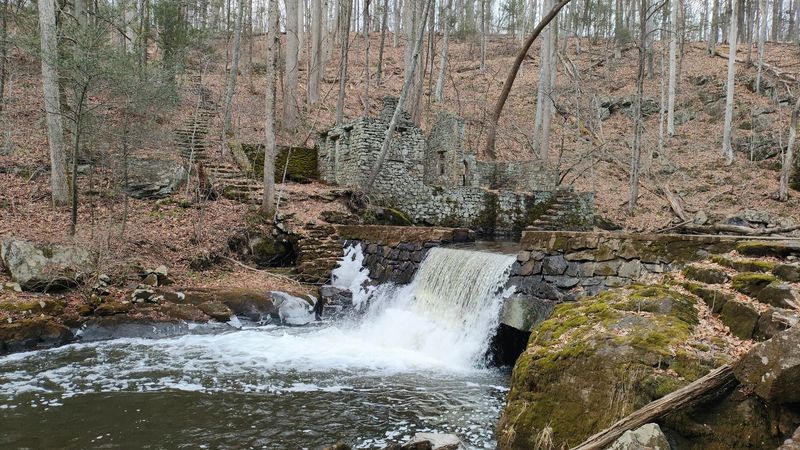
One of the most talked-about features of Hacklebarney State Park is the series of small waterfalls and cascades scattered along the trails. These are not dramatic cliffside drops, but rather natural formations where the Black River and its tributaries tumble over layered rock shelves and squeeze through narrow channels.
After a period of heavy rain, the waterfalls become notably more active, with stronger flow and more visible mist rising from the base of each drop. Visiting shortly after a wet week is considered by many regulars to be the best time to see the falls at their most impressive.
The cascades also make for excellent photography spots throughout the year. In autumn, the surrounding foliage adds a warm backdrop of orange and red that turns an already appealing scene into something worth framing.
Even in winter, when the flow slows and ice forms along the edges of the rocks, the falls have a quiet, stark beauty that rewards those willing to brave the cold.
Trail Options for Every Fitness Level
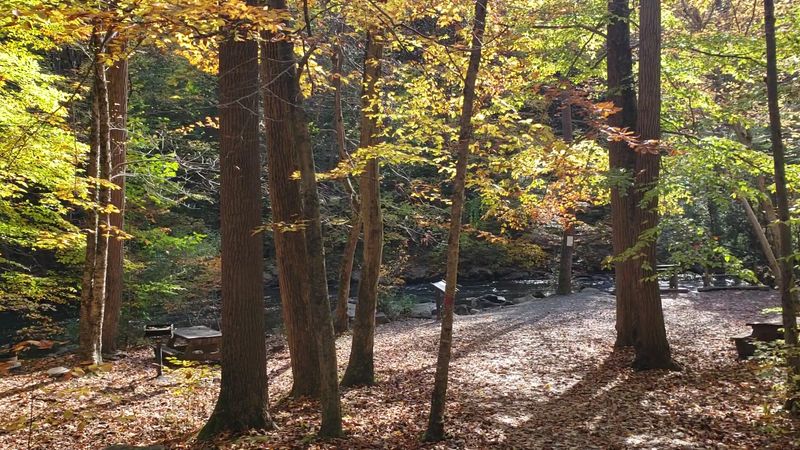
Hacklebarney State Park offers a range of trails that cater to different fitness levels and hiking preferences. The main river trail runs approximately 1.8 miles and follows the Black River through the gorge, offering a mix of flat stretches and moderate rocky sections that keep things interesting without becoming overwhelming.
The red trail is the most well-known route in the park. It hugs the river closely, passes the waterfalls, and includes a stretch of rocky terrain in the middle that requires careful footing.
It is well-suited for adults and children over seven years old, but the rocky section makes it unsuitable for strollers.
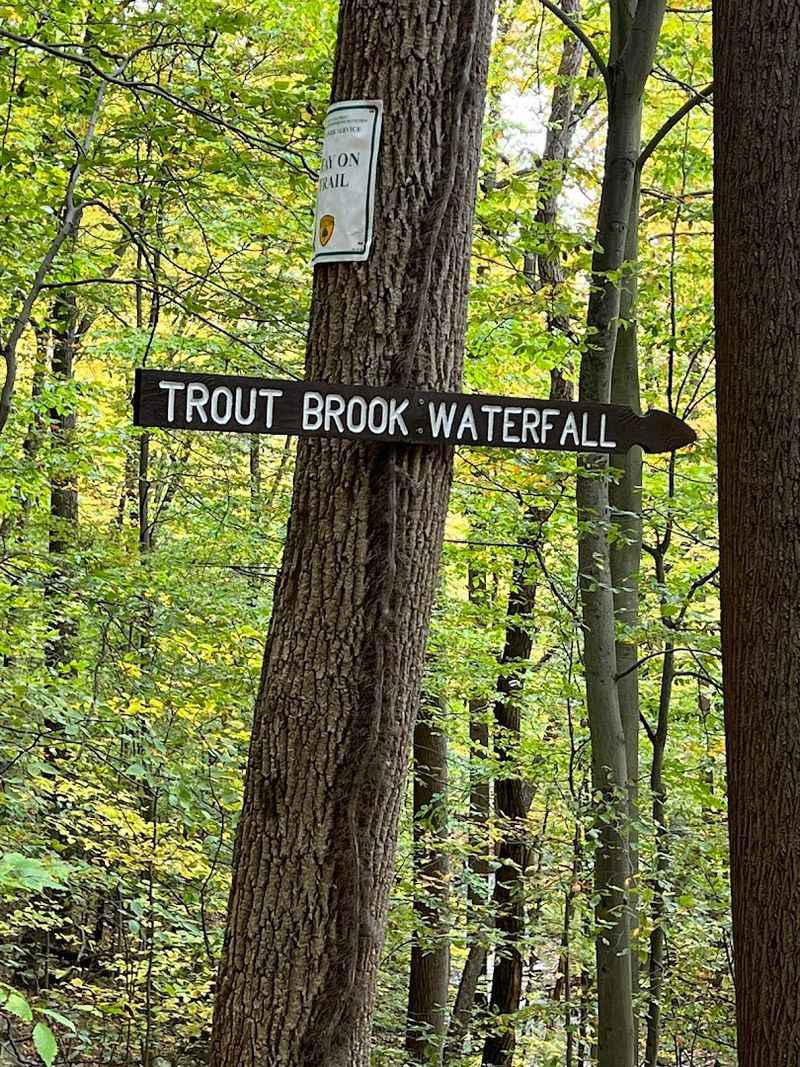
For those who prefer a shorter or easier outing, a modified route avoids the most technical rocky portions and cuts the overall distance down considerably. Trail signs throughout the park are clear and consistent, and printed maps are available at the parking area.
Using a trail navigation app as a backup is a practical move for first-time visitors.
What Makes It a Great Spot for Families
Hacklebarney State Park has built a reputation as one of the more family-friendly hiking destinations in New Jersey, and the layout of the park helps explain why. The combination of a river trail, open picnic areas, a small playground near the parking lot, and scattered benches gives families multiple ways to spend their time without everyone needing to complete the same hike.
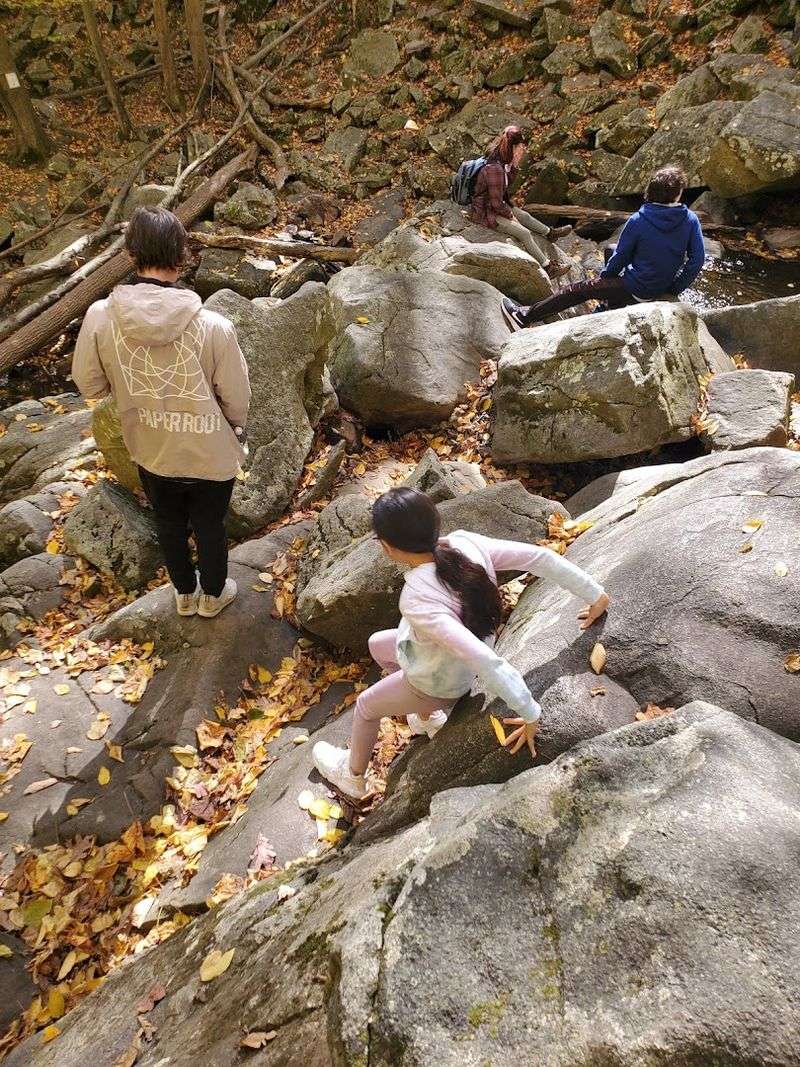
Younger children tend to gravitate toward the boulders along the river, which provide natural climbing opportunities in a setting that feels adventurous without being dangerous. Parents with kids who love clambering over rocks will find that the park practically designs itself around that instinct.
The picnic tables distributed throughout the park make it easy to bring a packed lunch and turn the outing into a full half-day trip. The park is also carry-in and carry-out, meaning there are no trash cans on the trails, so bringing a bag for waste is essential.
That policy also keeps the park notably cleaner than many comparable sites in the region.
Bringing Your Dog to the Park
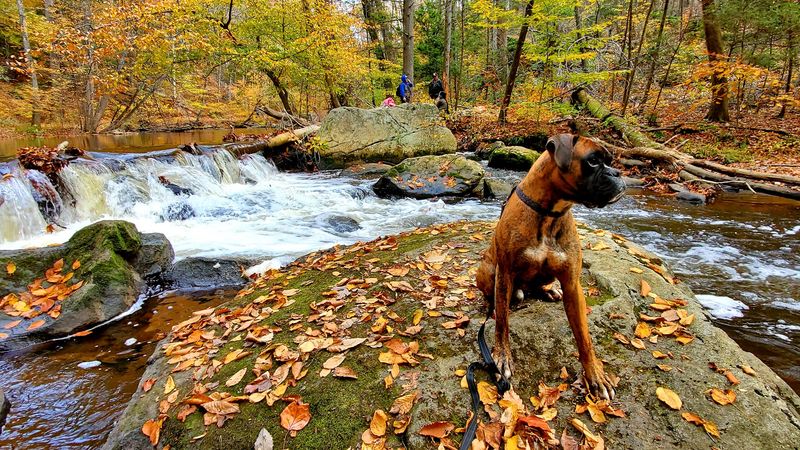
Dogs are welcome at Hacklebarney State Park, which makes it a popular destination for pet owners looking for a trail that accommodates four-legged companions. The rule is straightforward: all dogs must remain on a leash at all times throughout the park.
The terrain along the river trail is manageable for most dogs, though the rocky stretch on the red trail can be challenging for smaller breeds or older animals. The river provides natural spots where dogs can cool down during warmer months, which adds to the appeal for those visiting in summer.
One practical note for dog owners is that the park operates on a carry-in, carry-out policy, so waste bags are a must. The trail can get busy on weekends, especially when the weather cooperates, so keeping dogs close and under control is important for everyone’s comfort.
Dogs that handle crowds and other animals calmly tend to do best in a park setting like this one.
Fall Foliage: The Park’s Most Spectacular Season
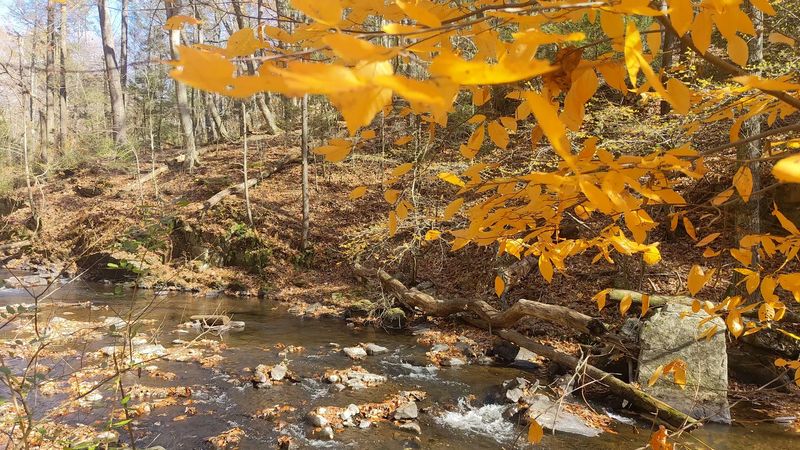
Hacklebarney State Park earns particular attention in October and early November when the surrounding hardwood forest shifts into its autumn display. The combination of the river, the rocky gorge walls, and the dense tree canopy creates a layered visual effect that draws photographers and casual hikers alike during peak foliage weeks.
The red trail along the Black River is considered the best route for fall foliage viewing because it keeps you close to the water, where reflections of the colored canopy add another dimension to the scenery. The waterfalls take on a different character in autumn, framed by leaves rather than the full green of summer.
Weekends during peak foliage season are noticeably busier than the rest of the year, and the parking lot can fill up by mid-morning on a clear Saturday. Arriving early, ideally at or shortly after the 6 AM opening, gives you the best chance of finding a spot and experiencing the trails before the crowds arrive.
Weekday visits in October offer a noticeably quieter alternative.
What to Know About the Rocky Terrain
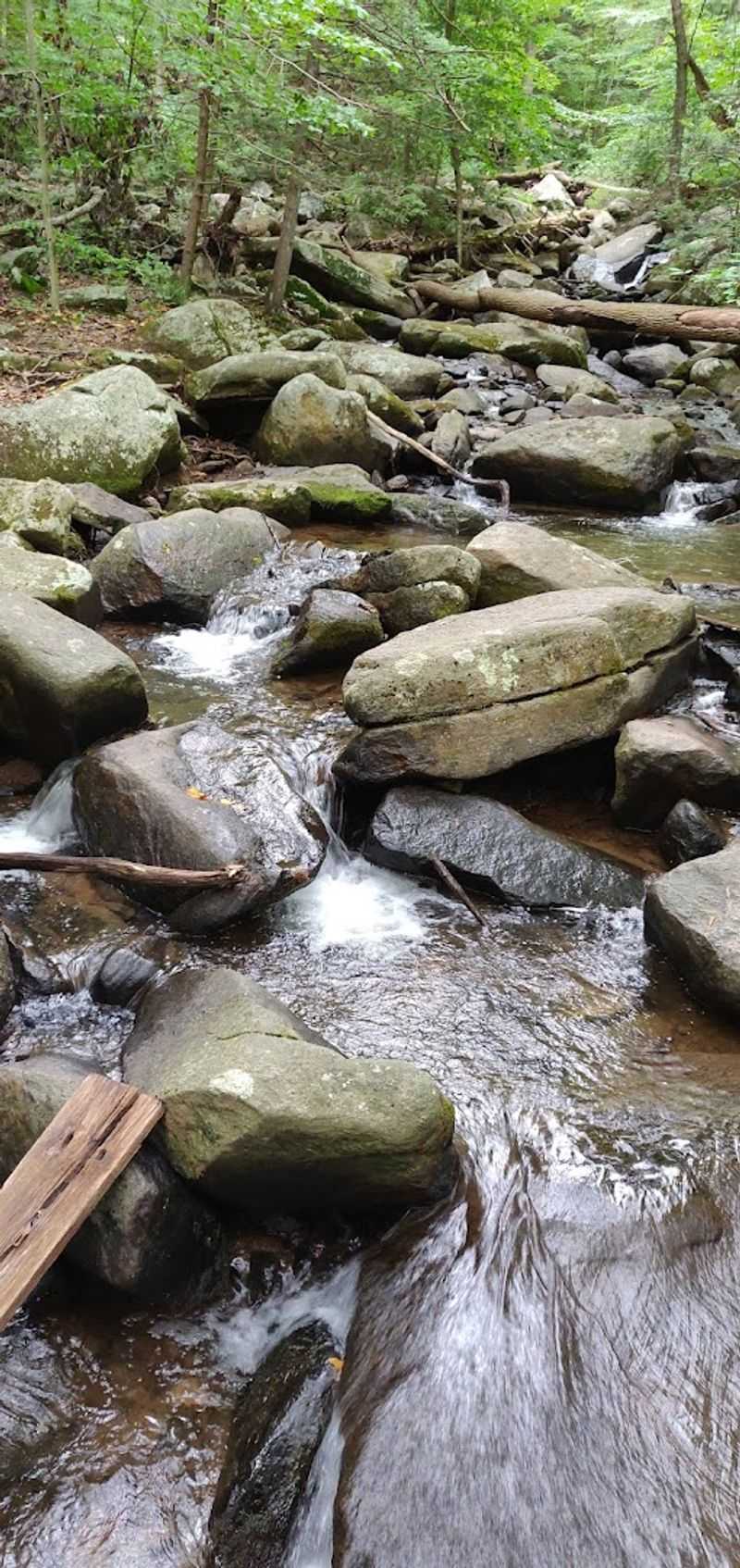
The rocky terrain along the red trail at Hacklebarney State Park is one of its most distinctive features, but it also requires some preparation. The middle section of the trail runs directly alongside the river and involves navigating a stretch of exposed boulders and uneven rock surfaces that demand steady footing and a bit of physical confidence.
Proper footwear is not optional here. Sturdy hiking boots or trail shoes with good grip make a significant difference on the wet and sometimes slippery rock surfaces.
Sandals, flip-flops, or flat-soled shoes create unnecessary risk on this section of the trail, and ankle injuries have been reported among those who underestimate the terrain.
The rocky section is not technically difficult by hiking standards, but it does require attention and patience. Children who enjoy climbing tend to find it exciting rather than challenging, while adults with mobility concerns may prefer the shorter, easier trail option that bypasses the most rugged portions.
Trekking poles can also help on the rockier parts of the route.
Fishing in a Stocked River
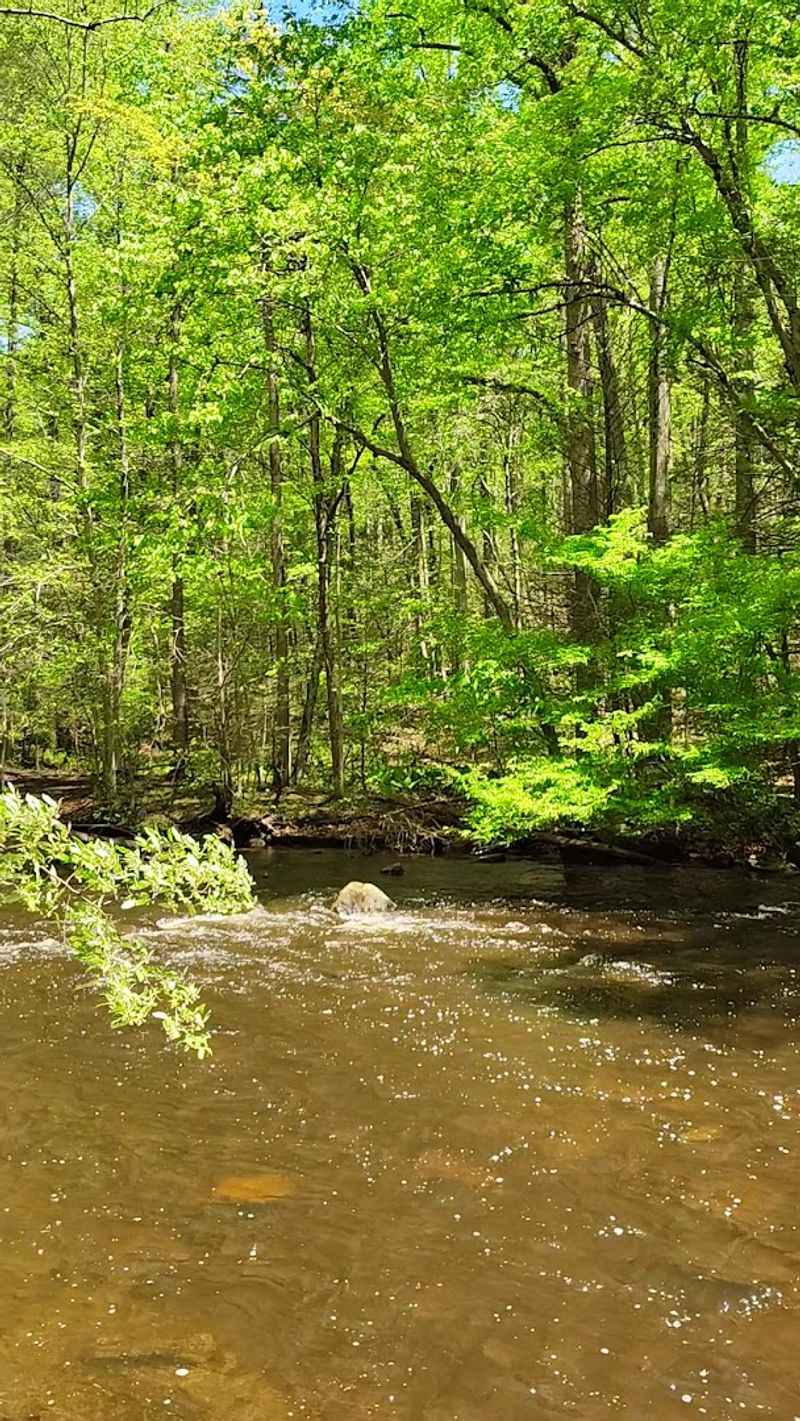
Fishing is one of the quieter pleasures available at Hacklebarney State Park, and the Black River provides a genuinely appealing setting for it. The river is stocked with fish, and trout fishing in particular attracts anglers who appreciate the combination of natural surroundings and accessible water access along the trails.
New Jersey fishing regulations apply within the park, meaning a valid state fishing license is required for anyone over the age of 16. The stocking schedule and specific regulations for the Black River can be found through the New Jersey Division of Fish and Wildlife, which manages the program in coordination with the park.
The best fishing spots tend to be in the calmer pools that form downstream of the rocky sections, where fish gather in slower-moving water. Early morning visits, when the park first opens at 6 AM, give anglers the quietest conditions and the least foot traffic along the riverside.
The park’s no-fee entry policy makes it an economical option for a full day of fishing.
Picnic Areas and Rest Spots Throughout the Park
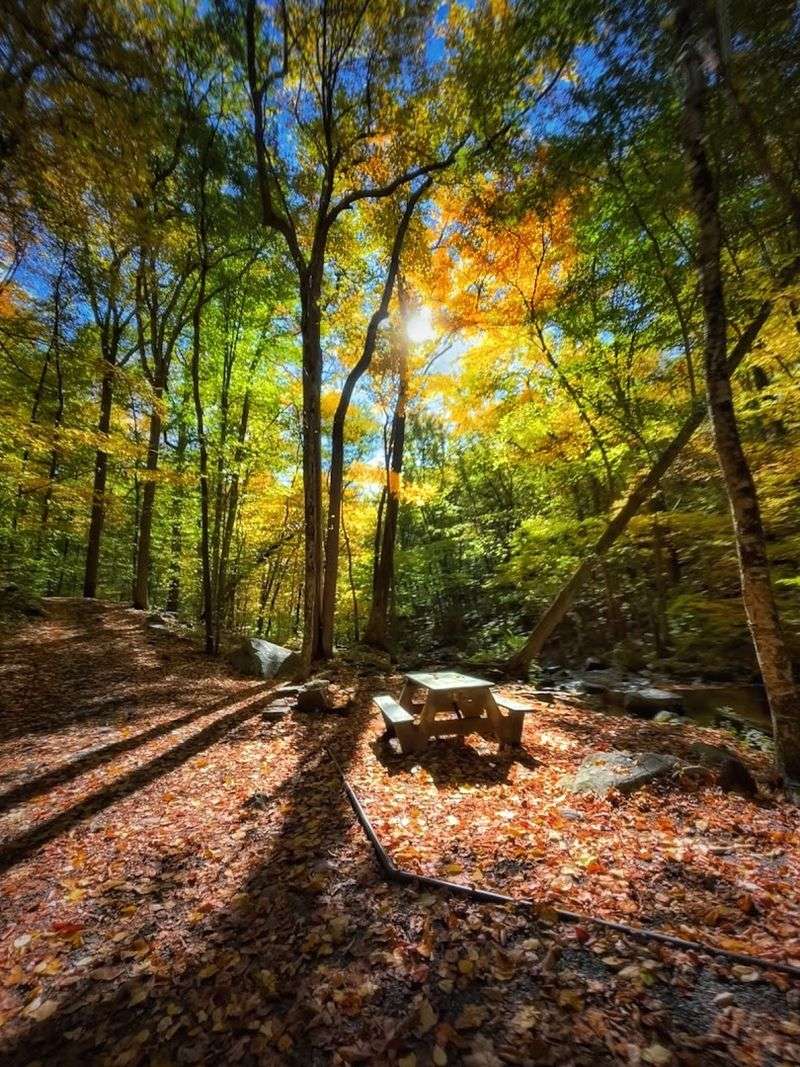
One of the practical strengths of Hacklebarney State Park is the number of rest and picnic spots distributed along the trails. Wooden tables, benches, and in some areas fire rings with grills are positioned at regular intervals, making it easy to take a break, eat a packed lunch, or simply sit near the river without having to backtrack to the parking area.
The placement of these spots is well thought out. Many of them sit close to the water or near viewpoints along the gorge, so resting does not mean missing the scenery.
Some areas include BBQ grills, which adds an option for those who want to cook on-site rather than pack pre-made food.
Because the park is entirely carry-in and carry-out, every visitor is responsible for taking their own trash home. This policy is enforced through signage throughout the park and is a significant reason why the trails remain noticeably clean compared to other popular outdoor sites in New Jersey.
Packing a reusable bag for waste is a simple but important step before heading out.
Planning Your Visit: Practical Tips Before You Go
A few practical details can make a Hacklebarney State Park visit significantly smoother. The park is free to enter and open every day from 6 AM to 9 PM, which gives visitors flexibility in timing.
Arriving early on weekends, especially during peak seasons like summer and fall, is the most reliable way to secure parking and enjoy a less crowded trail experience.
Restroom facilities have historically been limited to portable toilets in the parking area, though a permanent bathroom facility has been planned for construction in 2025. Checking the park’s official website at nj.gov before visiting is a good way to confirm current facility status and any seasonal closures or trail updates.
The park operates on a carry-in, carry-out policy with no trash cans on the trails, so bringing waste bags is essential. Wearing sturdy footwear is non-negotiable for the rocky sections of the red trail.
A printed or downloaded trail map, along with a navigation app as backup, helps first-time visitors stay oriented throughout the park without unnecessary detours.



