 Unearth The Voyage
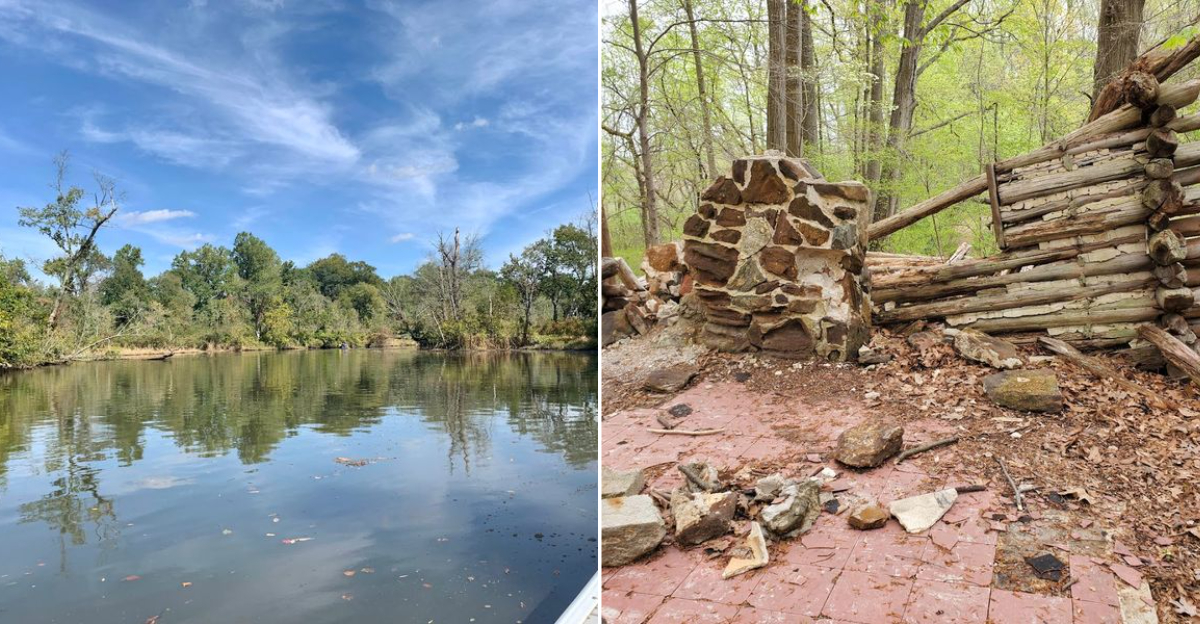
There is a quiet stretch of land in Swedesboro, New Jersey, where old scouting signs still hang between the trees and the faint outline of a former camp lingers in the landscape. Most people driving through Salem County have no idea it exists.
The trails wind through woodlands, dip toward a creek, and pass remnants of a place that once buzzed with young hikers, campfire smoke, and the energy of organized outdoor adventure. Today, the South Jersey Land and Water Trust manages this property as a public nature preserve, open to anyone curious enough to explore it.
What makes this spot so compelling is not just its natural beauty, but the layered history underneath it. Former scout camp infrastructure, native plant labels, a kayak dock, and well-marked trails all coexist in a compact, accessible space that rewards both casual walkers and anyone with a genuine interest in local history.
Where to Find This Hidden Preserve
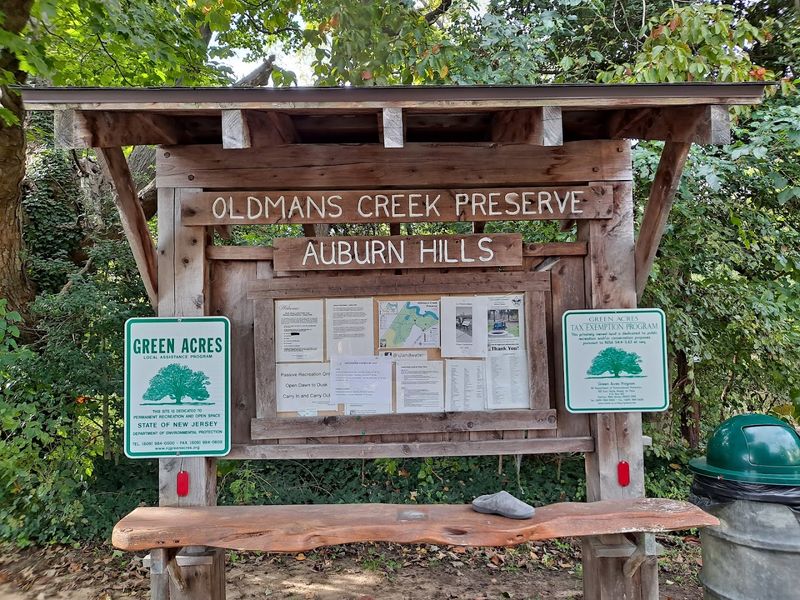
Camp Kimble, Oldmans Creek Preserve sits at 21 Main St, Swedesboro, NJ 08085, tucked into a corner of Salem County that most GPS apps treat as an afterthought. The preserve is managed by the South Jersey Land and Water Trust, an organization dedicated to protecting natural and agricultural land across the region.
Getting there is straightforward, and the entrance is marked with a main sign out front where trail maps are available. Parking is limited, so arriving early on weekends or during good weather is a practical move that pays off.
The address places it within easy reach of communities throughout Gloucester and Salem counties, making it a reasonable stop for anyone in the area with a free afternoon. There are no admission fees, and the preserve operates as a publicly accessible green space.
First-time visitors are encouraged to grab a map at the kiosk near the entrance before heading out on the trails.
The Scout Camp That Time Partially Forgot
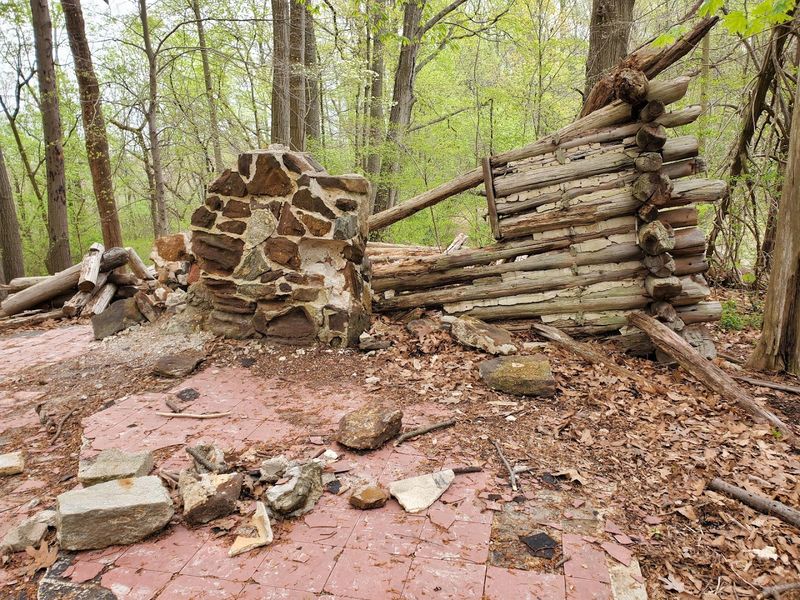
Before it became a public nature preserve, this land operated as a Boy Scout camp, and the evidence has not completely disappeared. Scouting signs still hang in various spots throughout the property, and the bones of the old camp layout remain readable in the landscape if you know what to look for.
A fire pit circle sits on the grounds, a clear holdover from the days when troops gathered around flames after a long day on the trails. Old roads that once connected camp facilities now serve as hiking paths, worn down by decades of boots and weather.
The transition from active scout camp to conservation preserve was not a full erasure. Basic upkeep continues, but the character of the former camp has been preserved rather than scrubbed away.
That combination of natural beauty and living history is a big part of what makes this spot feel different from a standard county park.
How the Trails Are Laid Out
The trail network at Oldmans Creek Preserve covers roughly two to three miles in total, which makes it compact but far from boring. Most of the paths are unpaved and mostly flat, with some light elevation changes that feel surprisingly significant given the generally low terrain of South Jersey.
Well-placed trail markers keep navigation manageable, and maps available at the entrance kiosk help orient first-time visitors. The outer trails are not perfectly represented on the printed maps, but the preserve is small enough that getting genuinely turned around is unlikely.
Multiple trail options allow hikers to vary their route on return visits, which is part of why the preserve draws repeat walkers from nearby towns. The whole network can be covered in under two hours at a relaxed pace.
For anyone who wants a longer outing, combining multiple loops adds variety without requiring advanced navigation skills or specialized gear of any kind.
A Preserve Built for Families and Beginners
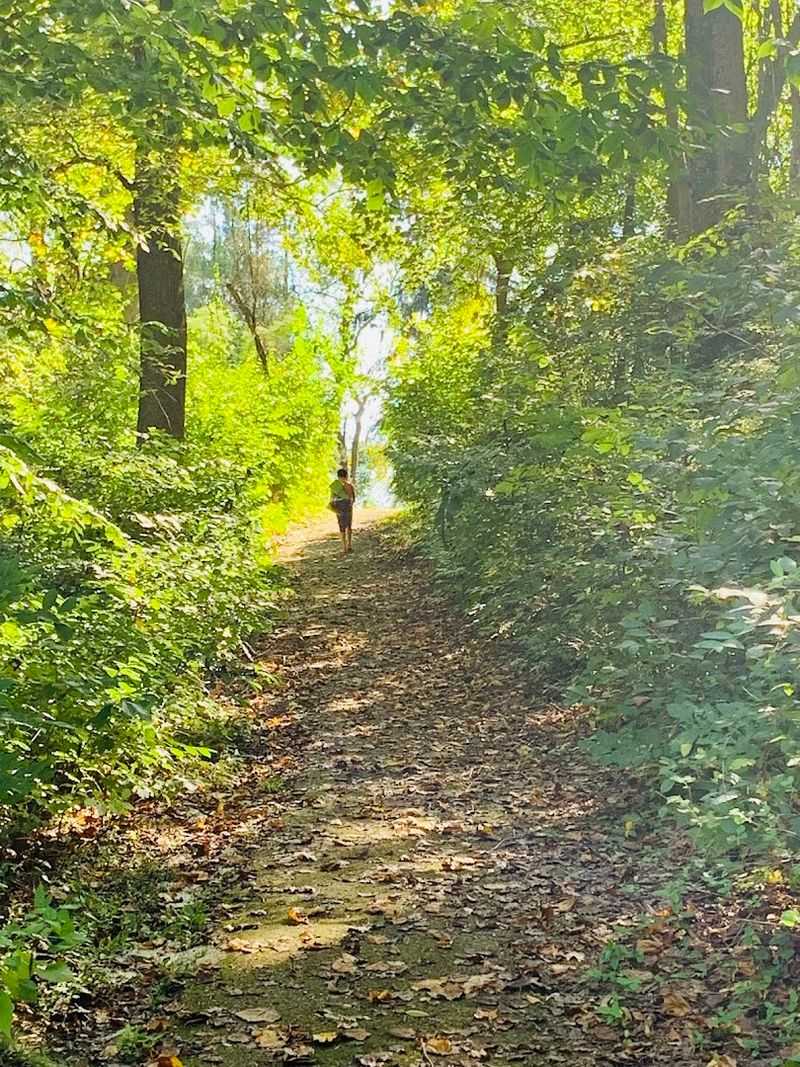
Few preserves in South Jersey are as welcoming to newer hikers and families as this one. The terrain is accessible to most age groups, and the trail surfaces are forgiving enough for kids who are just getting comfortable on outdoor paths.
Flat stretches dominate the route, with occasional gentle inclines that add just enough challenge to keep things interesting.
Strollers are not well suited to the unpaved surfaces, so carriers or older children on foot are the better option. Dogs are welcome on the trails, and the quiet, wooded setting gives them plenty to investigate along the way.
The preserve has hosted school field trips, which speaks to how genuinely family-oriented the experience is. Children who visit often leave with a new awareness of native plants and local wildlife, thanks in part to the informational signs posted throughout the grounds.
It is the kind of place that makes outdoor time feel both easy and worthwhile for the whole group.
Native Plants and the Labels That Name Them
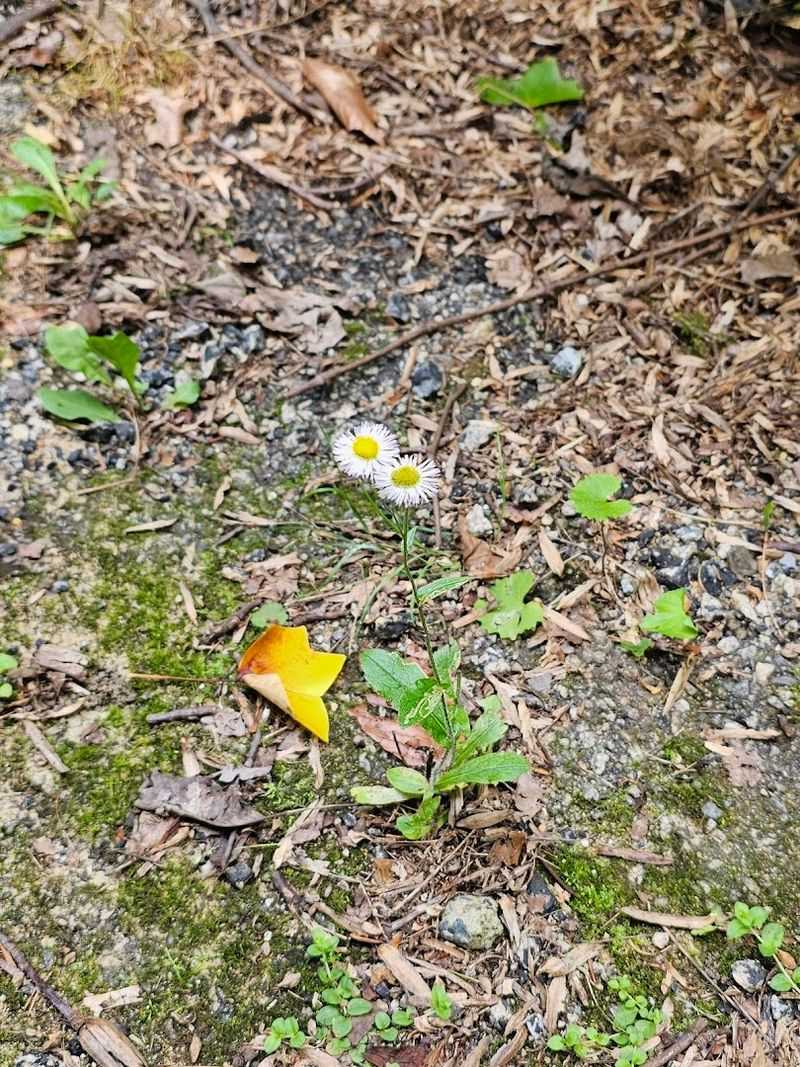
One of the quieter highlights of a walk through this preserve is the collection of species labels posted near trees and plants along the trails. Common and scientific names appear on small signs, turning an ordinary hike into something closer to an outdoor classroom experience.
The native plant diversity here is notable for a property of this size. Hikers with an interest in botany will find enough variety to keep them occupied, and even casual walkers tend to slow down when a well-placed label catches their eye.
Apps like Seek and iNaturalist pair well with a visit here, allowing users to cross-reference what they spot with a broader database of regional species.
The educational dimension of the preserve reflects the South Jersey Land and Water Trust’s broader conservation mission. Connecting the public to the natural landscape through accessible, informative signage is a low-cost strategy that clearly works.
Repeat visitors often report noticing new details on each return trip through the property.
Oldmans Creek and the Water Access Point
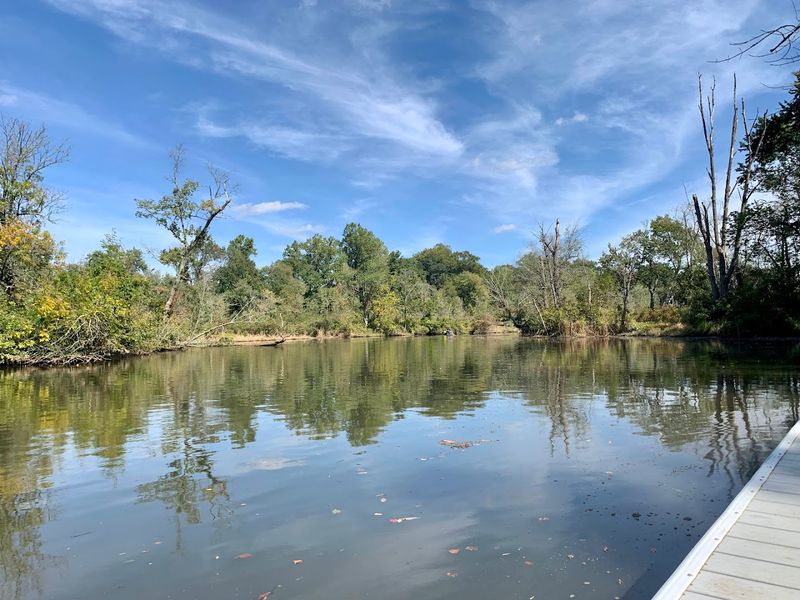
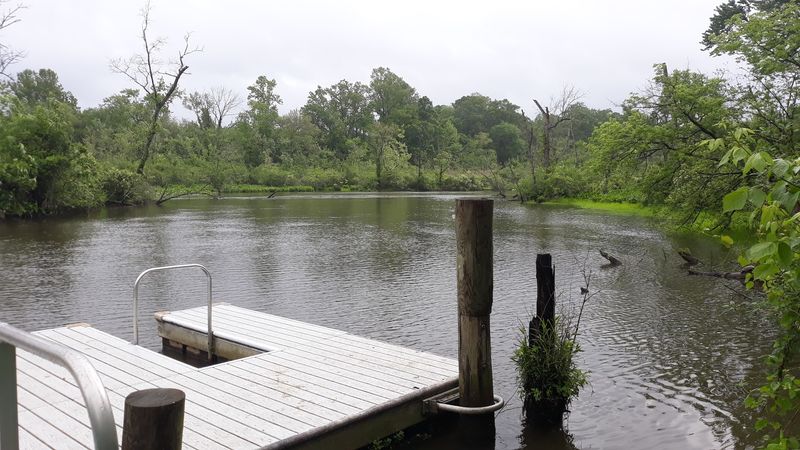
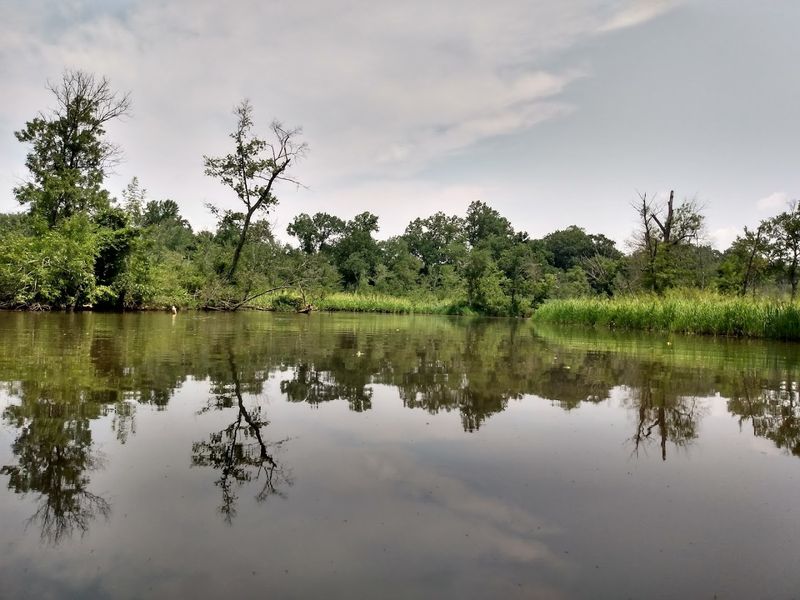
Oldmans Creek runs along the edge of the preserve, and reaching it requires a short walk down a steep trail from the main area. The creek offers surprisingly long stretches of navigable water in both directions, making it a worthwhile destination for anyone arriving with a canoe or kayak loaded on their vehicle.
A dock sits at the water’s edge, and while it functions as a launch point, it is worth noting that the access trail is steep and the bridge near the dock is narrow. Solo launching can be awkward, so arriving with a partner simplifies the process considerably.
On warmer days, the dock area becomes a gathering spot, with people occupying the structure and cooling off in the creek during summer heat. The water access adds a dimension to the preserve that most hiking-only spots lack entirely.
For paddlers looking to explore a quiet, tree-lined creek in Salem County, this remains one of the few public access points available on Oldmans Creek.
The Elevation Surprise in Flat South Jersey
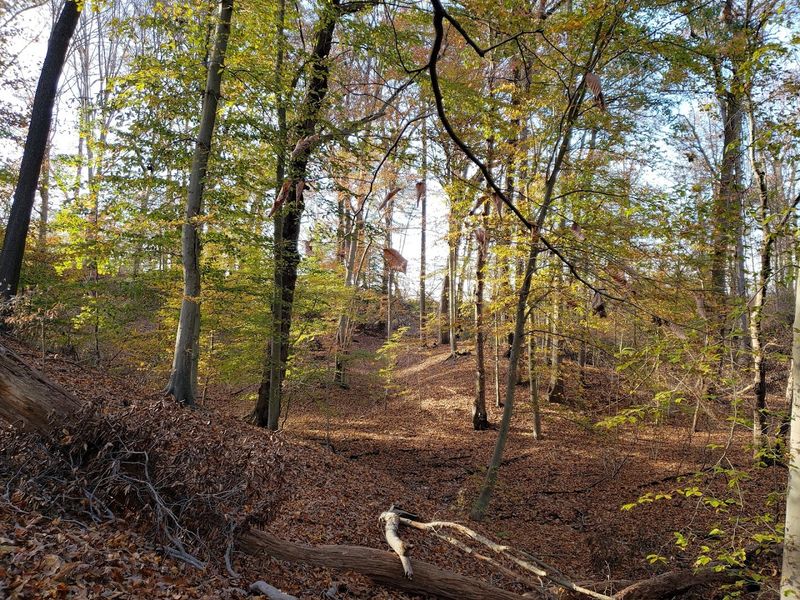
South Jersey is not exactly known for dramatic topography, which is part of why the elevation changes at Oldmans Creek Preserve tend to catch first-time visitors off guard. The terrain shifts more than expected for this part of the state, and the inclines add a physical element that sets the preserve apart from the flat rail trails and boardwalk paths found elsewhere in the region.
The climbs are not strenuous by any objective measure, but they are enough to elevate the heart rate and make the hike feel like genuine exercise rather than a casual stroll. Descending toward the creek involves a notably steep section, which rewards effort with a clear view of the water below.
For hikers accustomed to the pancake-flat terrain of coastal South Jersey, the rolling character of this preserve can feel like a genuine discovery. That physical variety is one reason the trails here hold up well across multiple visits rather than becoming predictable after the first walk-through.
Trail Conditions Across the Seasons
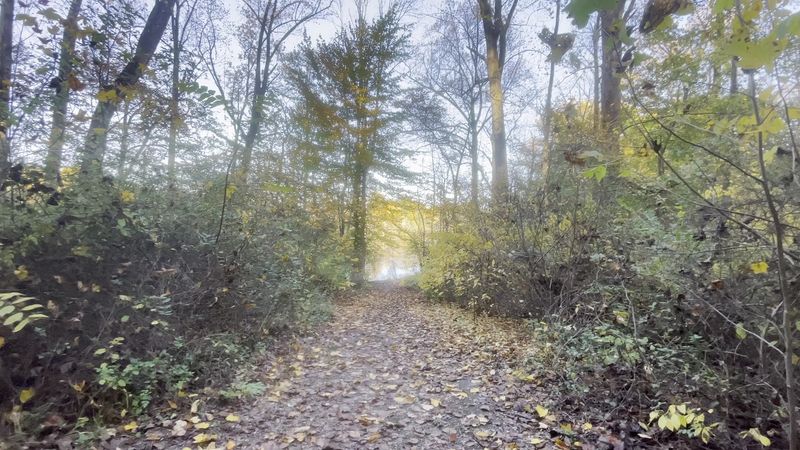
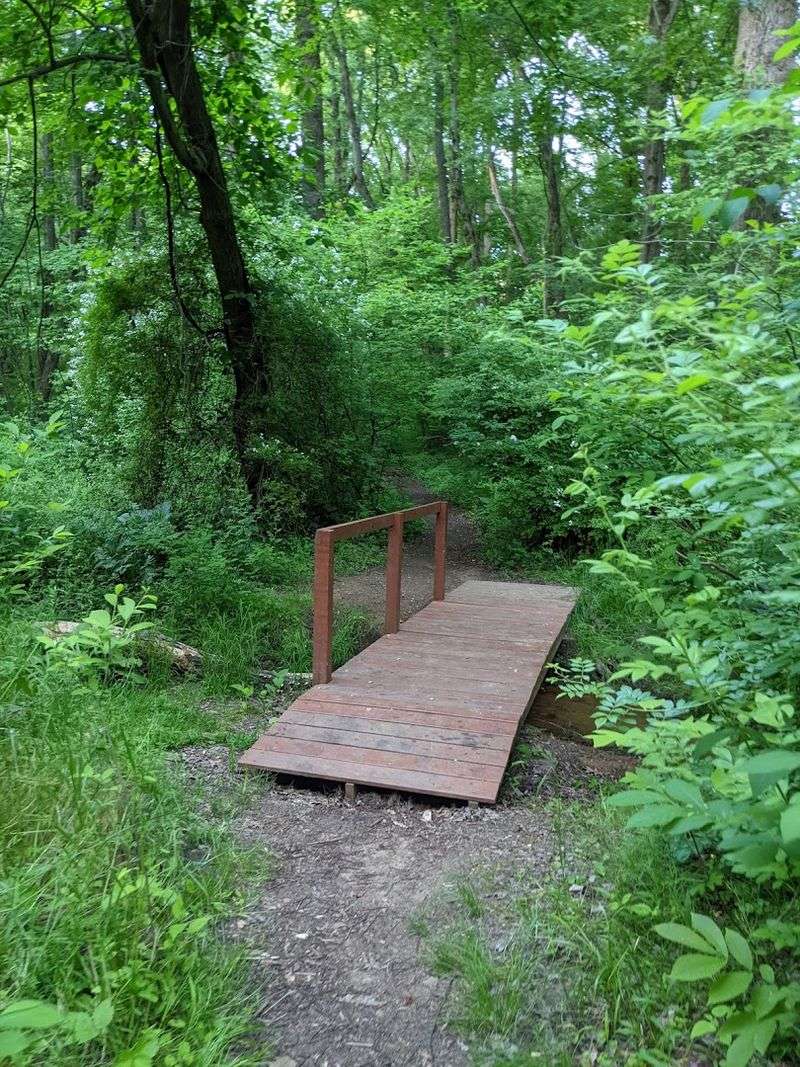
The trails here shift character considerably depending on the season and recent rainfall. After heavy rain, lower sections of the path can become soggy or temporarily flooded, but a series of plank bridges helps hikers cross the wet spots without turning back.
The bridges are a practical touch that reflects the level of care put into maintaining the property.
Leaf cover in autumn makes certain stretches slippery underfoot, so footwear with grip is a reasonable precaution during that season. Spring brings the most vivid plant growth and bird activity, making it a popular time to visit for those interested in wildlife observation.
Summer draws people to the creek for cooling off, while winter offers a stripped-down version of the preserve with bare trees and quiet trails. Each season presents a different version of the same landscape, which is part of the reason regular visitors return throughout the year rather than treating this as a one-time outing.
Waterproof boots are rarely a bad idea here.
Wildlife and Birds Along the Creek

Oldmans Creek and the surrounding woodland attract a consistent variety of bird species, making the preserve a reliable spot for casual birdwatching. Water birds are a common sight near the creek, particularly in the calmer stretches accessible from the dock area.
The tree canopy overhead supports a broader mix of woodland species throughout the spring and summer months.
Beyond birds, the native plant diversity creates habitat for a range of insects, small mammals, and amphibians that add movement and interest to the trails. Informational signs throughout the preserve identify some of the wildlife and ecological features visitors are likely to encounter, which adds context to what might otherwise seem like an ordinary woodland walk.
The preserve’s relatively undisturbed character is a key factor in the wildlife presence here. Without heavy foot traffic or development pressure, the creek corridor functions as a corridor for local species moving through the broader landscape.
Patient and quiet walkers tend to spot the most activity along the water’s edge.
The Fire Pit Circle and What It Represents
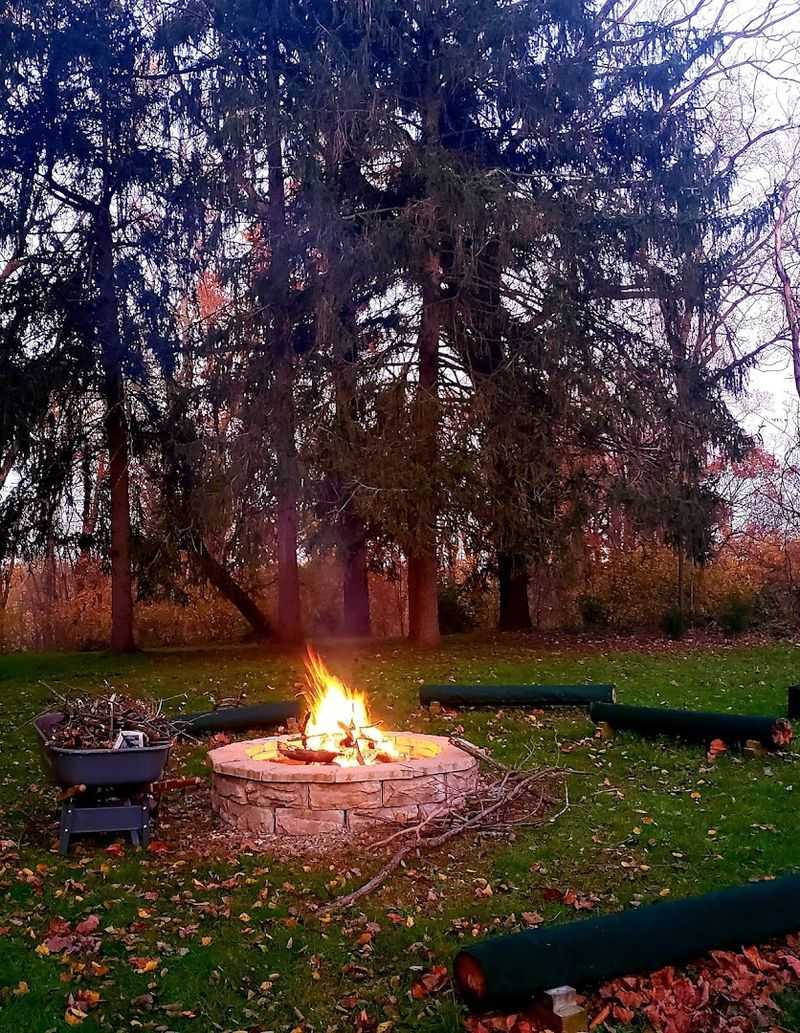
A fire pit circle remains on the preserve grounds, and it is one of the most direct connections to the property’s former life as a scout camp. Circular fire pit arrangements were standard in organized camp settings, used for group gatherings, ceremonies, and the kind of communal outdoor time that defined the scouting experience for generations of young people.
The pit is no longer in active use for public campfires, but its presence gives the preserve a layered quality that purely modern parks lack. Standing near it, the outline of what this place once was becomes easy to fill in mentally, even without photographs or detailed records of the camp’s history.
Structures and features like this one are part of what gives Oldmans Creek Preserve its distinctive character. Rather than clearing the land entirely and starting over, the transition to a conservation property allowed these historical traces to remain, giving every visit a dual quality, part nature hike and part quiet archaeology of a place well lived in.
Parking, Facilities, and What to Bring
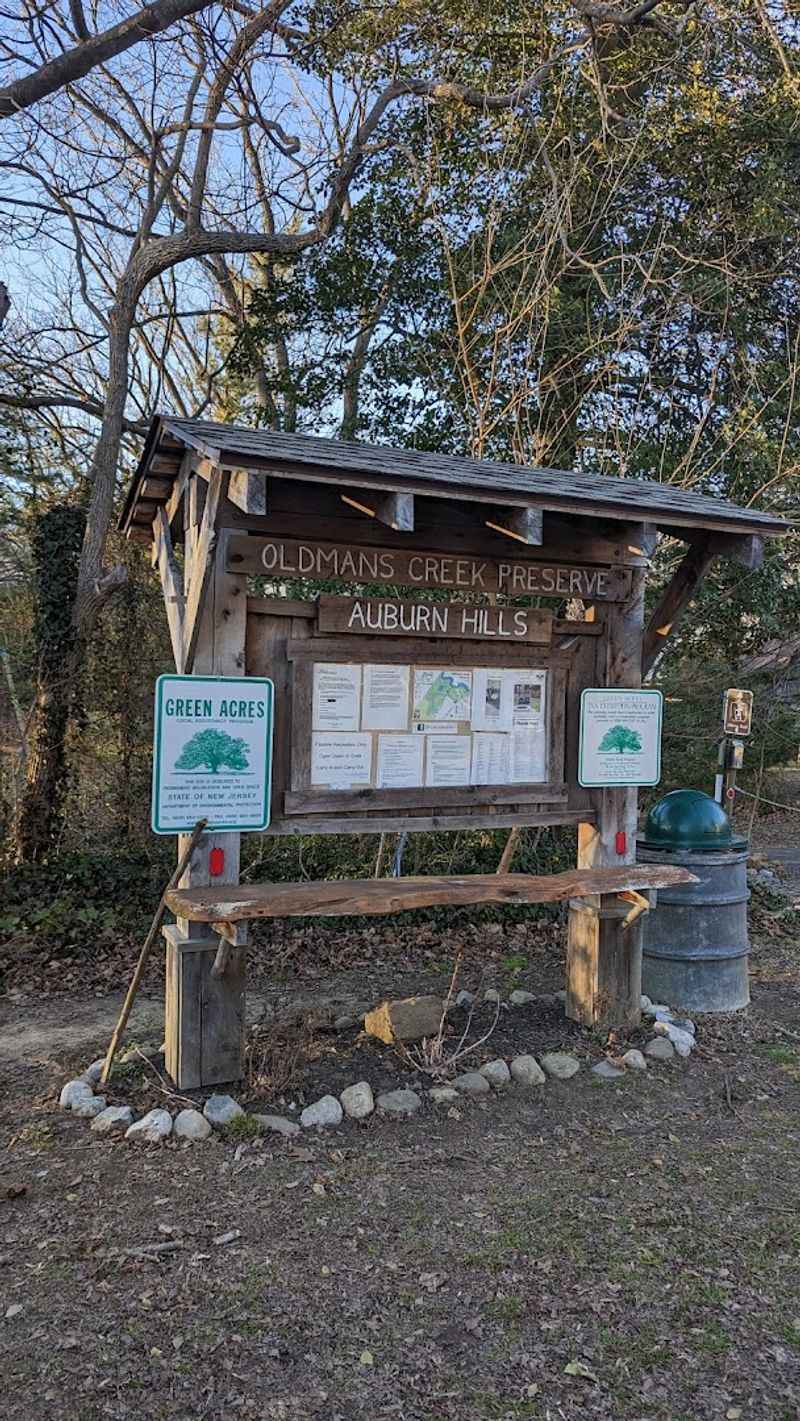
Parking at the preserve is limited to a small lot near the entrance, and on popular weather days it fills up faster than most visitors expect. Arriving early in the morning is the most reliable way to secure a spot without circling or parking along the road.
Weekday visits offer the most flexibility in terms of space.
There are no restroom facilities on site, which is worth knowing before the drive out. Packing water, snacks, and any personal necessities before arrival is the practical approach, especially for families with young children or longer outings planned.
Trail maps are available at the entrance kiosk and inside the office, so there is no need to print anything in advance. The preserve is free to enter, with no registration or reservation required for standard trail use.
Bringing a charged phone with a nature identification app loaded is a small addition that can turn a good hike into a genuinely educational one for curious minds of any age.
Why the Preserve Feels Unlike a Typical County Park
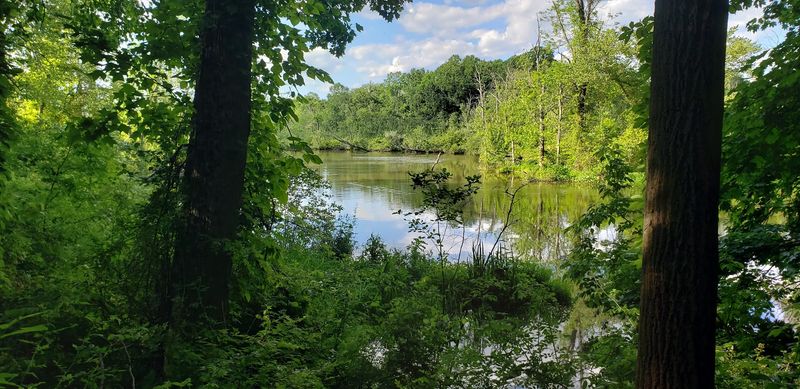
Most county parks in South Jersey follow a familiar template: paved paths, maintained lawns, picnic tables, and minimal ecological complexity. Oldmans Creek Preserve operates on a different set of values, prioritizing conservation, education, and low-impact access over manicured convenience.
The unpaved trails, native plant labels, creek access, and remnants of the former scout camp all contribute to an atmosphere that feels genuinely different from a standard municipal green space. The property has the texture of a place that has been used and loved over many decades, rather than designed from scratch for recreational throughput.
That authenticity is not always easy to find in a densely developed state like New Jersey. The South Jersey Land and Water Trust has maintained the preserve in a way that honors both its natural and human history, which gives every visit a sense of depth that goes beyond the mileage on the trail map.
It is the kind of place that earns its way onto the regular rotation.
What to Know Before Your First Visit
A few practical notes can make a first visit to Oldmans Creek Preserve go more smoothly. The maps at the entrance kiosk are helpful for the main trail network, though the outer trails are not perfectly represented on the printed version.
The preserve is compact enough that a wrong turn is correctable, but keeping the map in hand during the first visit is still a sensible habit.
Footwear with traction is a better choice than casual sneakers, particularly after rain or during autumn when fallen leaves cover the path. The creek access trail is steep, so anyone planning to use the kayak dock should factor that into their gear plan and arrive with a partner if possible.
Cell service in the area is generally functional, but downloading an offline map or trail reference before arriving adds a useful backup. The preserve does not have a staffed visitor center during all operating hours, so self-sufficiency is the right mindset for anyone heading out on the trails for the first time.
A Closing Walk Through a Place Worth Returning To
There are not many places in South Jersey where a two-mile walk covers this much ground in terms of history, ecology, and quiet outdoor character. Camp Kimble, Oldmans Creek Preserve manages to be a legitimate nature destination and a living record of a community’s relationship with the land across multiple generations.
The scout camp signs, the fire pit circle, the creek dock, the native plant labels, and the well-worn trails all tell a story that goes beyond what any single visit can fully absorb. That layered quality is exactly why people return, sometimes for the hike, sometimes for the paddling, and sometimes just to walk quietly through a place that has clearly meant something to a lot of people over a long stretch of time.
For anyone in the Swedesboro area looking for a meaningful outdoor outing that does not require driving far or spending anything, this preserve delivers more than its modest footprint suggests. Some of the best places are the ones that take a second visit to fully appreciate.



