 Unearth The Voyage
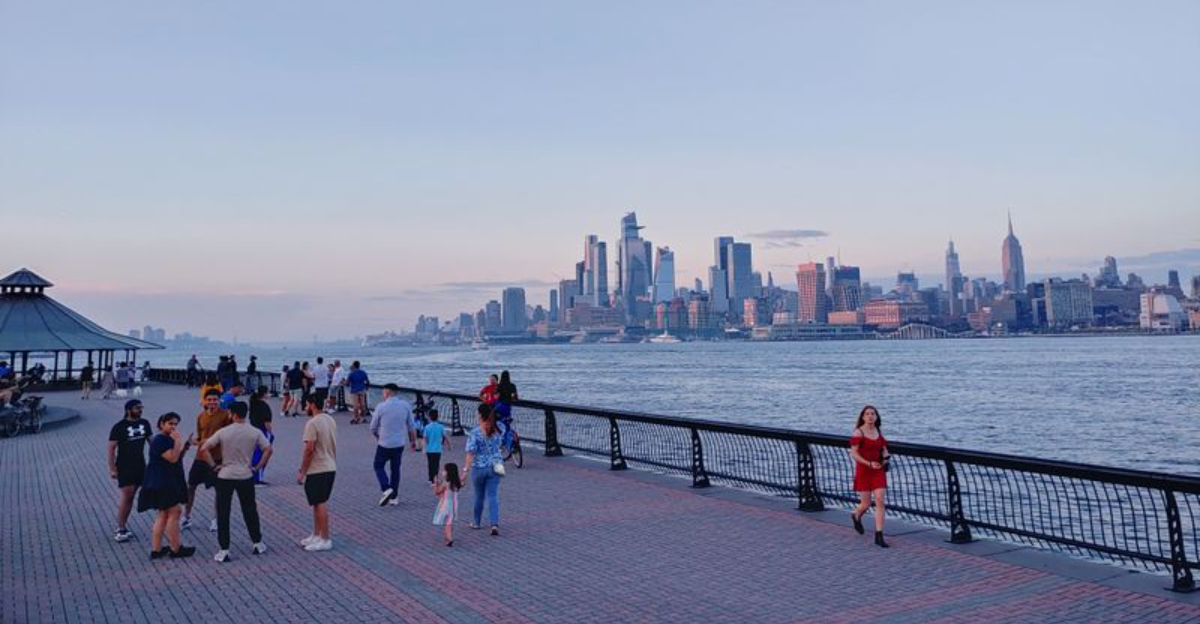
New Jersey’s river edge lines up a front row seat to one of the most recognizable skylines on Earth, and this path strings it together in a satisfying way. You get a connected route across several towns with parks, piers, public art, and ferry slips that make planning easy and fun.
I spent a day hopping along segments, linking views and neighborhoods like a choose-your-own-adventure on pavement. Keep reading for a clear game plan, practical tips, and a few surprising spots that make this walkway feel like a greatest hits album of the Hudson’s west side.
Start Here: Address, Scope, and How It All Connects
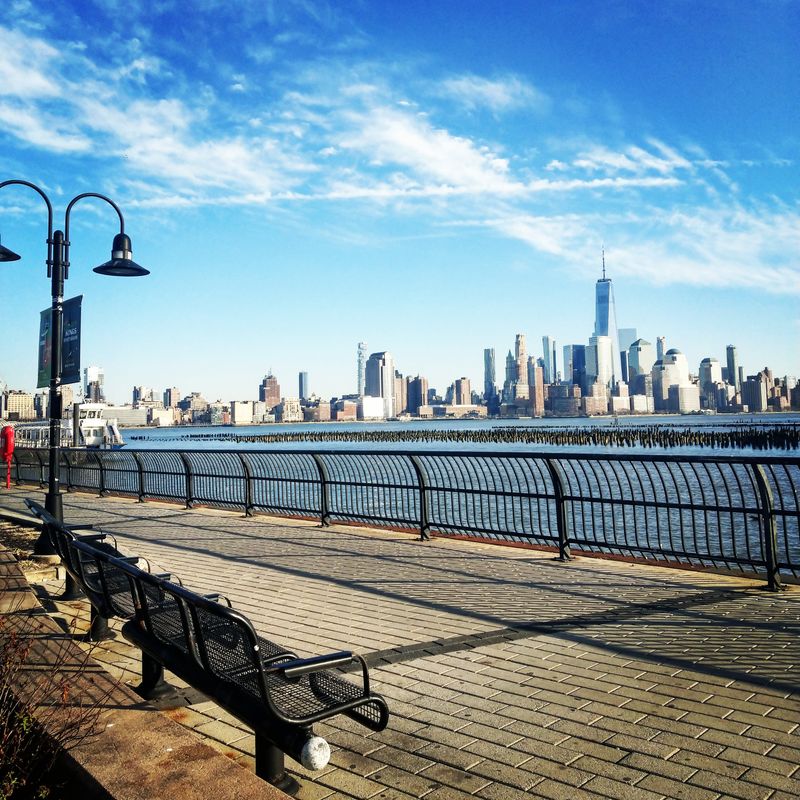
The Hudson River Waterfront Walkway is a continuous public promenade along New Jersey’s Hudson River edge, with mapped segments beginning near Bayonne, NJ 07002 and continuing through Jersey City, Hoboken, Weehawken, West New York, Guttenberg, North Bergen, and beyond. I treat it as one destination with many entrances, and Bayonne’s shoreline serves as a clear southern anchor for planning a first step.
This walkway is a collaboration between municipalities and private developments, which means surface styles and widths change but public access remains the rule. You can expect railings, wayfinding signs, and periodic parks that break the route into friendly chunks.
I like to choose two or three adjacent towns for a manageable outing, then add a link as time and energy allow.
Transit helps the entire plan. Light rail, PATH, and ferries bring you within a quick stroll of the river, while parking garages appear near major piers.
Starting in Bayonne grounds the day, and the path keeps rewarding every turn north with new skyline angles and easy connections.
Route Basics and Easy Navigation
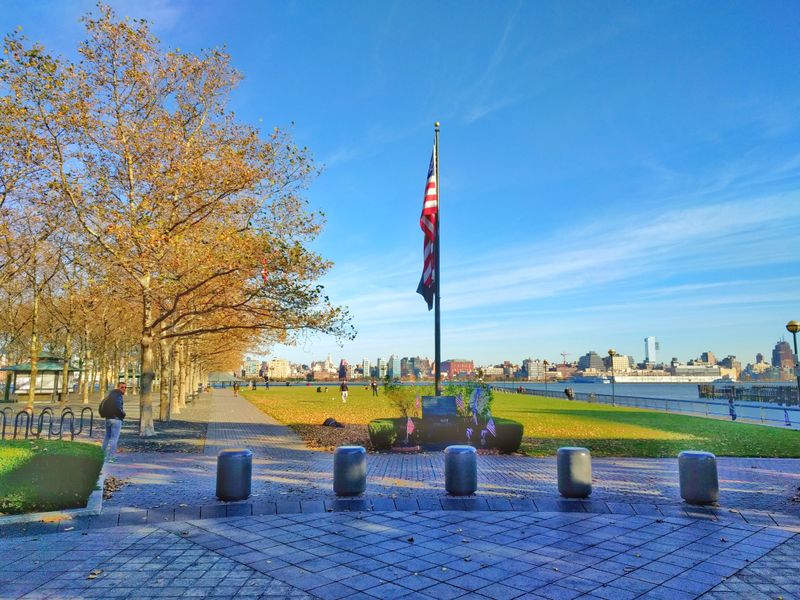
Think of the walkway as a necklace of segments threaded by consistent public access rules and occasional signs that say Hudson River Waterfront Walkway. I watch for branded medallions set into pavement, informational kiosks, and municipal park boards that confirm I am still on the designated river route.
Digital maps help, yet I rely more on landmarks. Ferries, marinas, and piers become natural checkpoints, and streets like Sinatra Drive in Hoboken or Port Imperial Boulevard in Weehawken align closely with the water.
If a condo courtyard seems private, the official route typically skirts it on a signed ribbon of path.
Wayfinding improves every year as towns update signage and add mile markers. I save offline maps, pin restrooms, and mark transit stops to keep momentum strong.
A simple plan works best. Pick a start, pick an end, and let bridges, parks, and ferry slips connect the dots.
Skyline Viewing Spots That Deliver
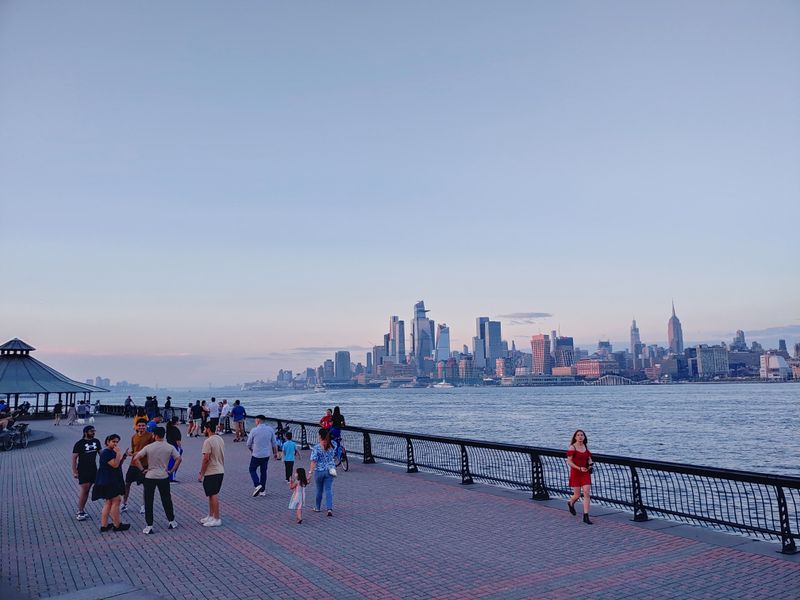
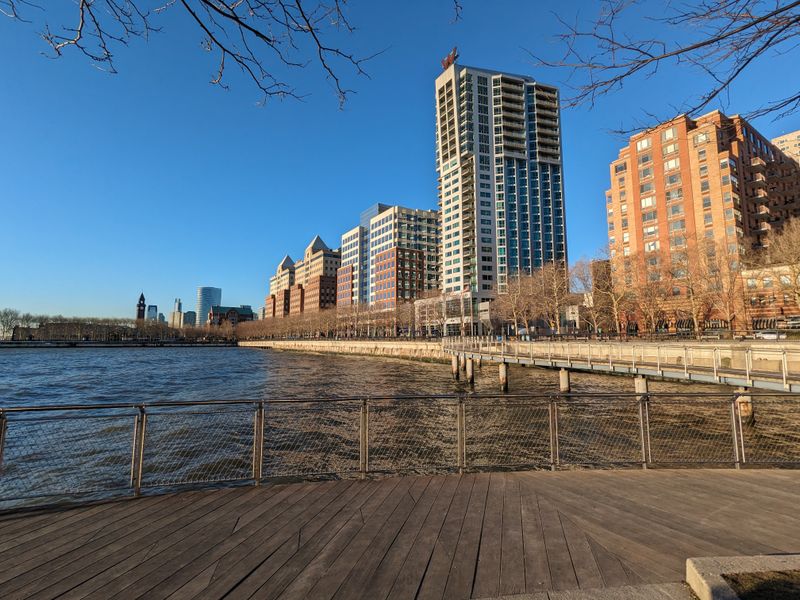
Certain overlooks on the walkway make the skyline feel close and commanding. Hoboken’s Pier A Park frames Lower Manhattan with tidy lawns and a long pier that extends straight toward the towers.
Weehawken’s waterfront trims the Midtown profile with clean lines and clear angles that settle neatly into photos.
Jersey City’s Exchange Place and J. Owen Grundy Park put the water plaza-fronted and wide, with ferries sliding across.
I like to pause near Newport Green for a geometric view that separates the skylines of Jersey City and Manhattan. Each stop offers seating, railings, and unobstructed sightlines that turn a casual break into a postcard moment.
The trick is to build a loop that collects multiple vantage points in a single outing. Shift north for Midtown, south for the Battery area, and watch how the river’s slight bends recompose the scene.
The walkway keeps refreshing the backdrop without requiring long detours.
Parks, Piers, and Pocket Greens
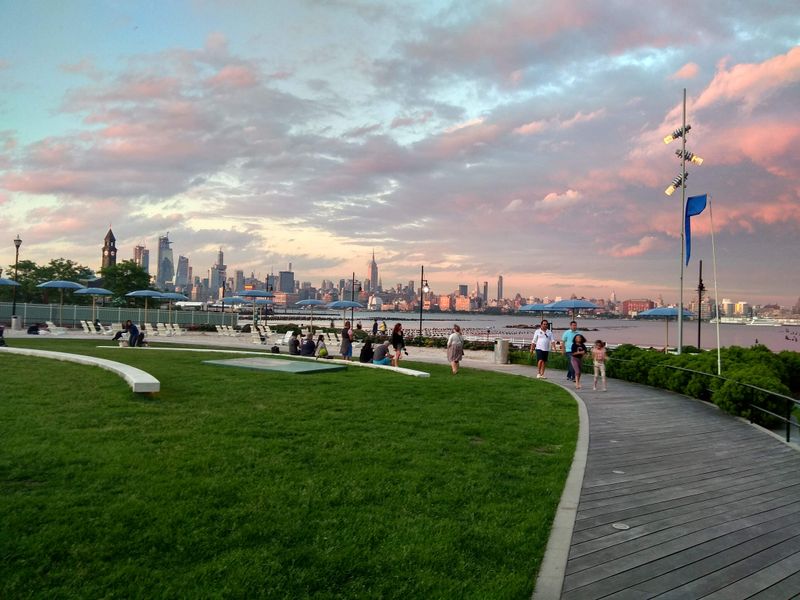
Small parks dot the route like rest stations with personality. Pier C Park in Hoboken builds playful structures and curving paths, while Newport Green serves a neighborhood crowd with an urban lawn and riverfront seating.
J. Owen Grundy Park runs along wooden decking that makes moving around simple and direct.
In Weehawken, Harbor Boulevard’s edges host benches and small lawns that make short breaks feel planned rather than improvised. Bayonne’s waterfront segments lean quiet, good for a measured start before busier sections.
I appreciate how each pier adds a distinct layout, so even short hops feel fresh.
These pocket greens lower the pressure to plan everything perfectly. If a segment looks crowded, the next pier often feels calmer.
I keep a flexible mindset, grab a seat when a spot opens, and let the path’s rhythm return naturally with the next curve of river.
Biking the Waterfront Smoothly
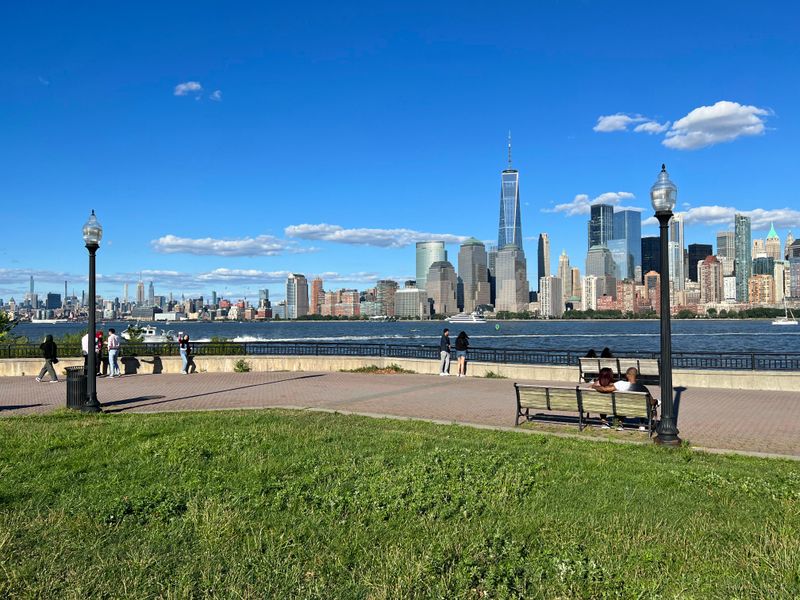
Two wheels turn the walkway into a flexible ride that links towns without complex road traffic. Many stretches are comfortably wide, though I slow for shared spaces and dismount where signs request it.
Bike racks appear near major parks and ferry terminals, which keeps quick stops easy.
The Hudson Bergen Light Rail runs parallel in sections, creating simple bailout options. I plan rides around stations like Liberty State Park, Hoboken, and Port Imperial, then stitch segments depending on energy and time.
Rental kiosks and bike share docks pop up in nearby streets, so a one-way ride becomes realistic.
Surface transitions vary from smooth pavers to boardwalk-style planks. I check tires, bring lights for tunnels, and pack a small lock.
The joy of this route is steady motion mixed with frequent viewpoints. A short spin becomes a full tour once those skyline pullouts keep inviting another pause.
Public Art and Waterfront Design
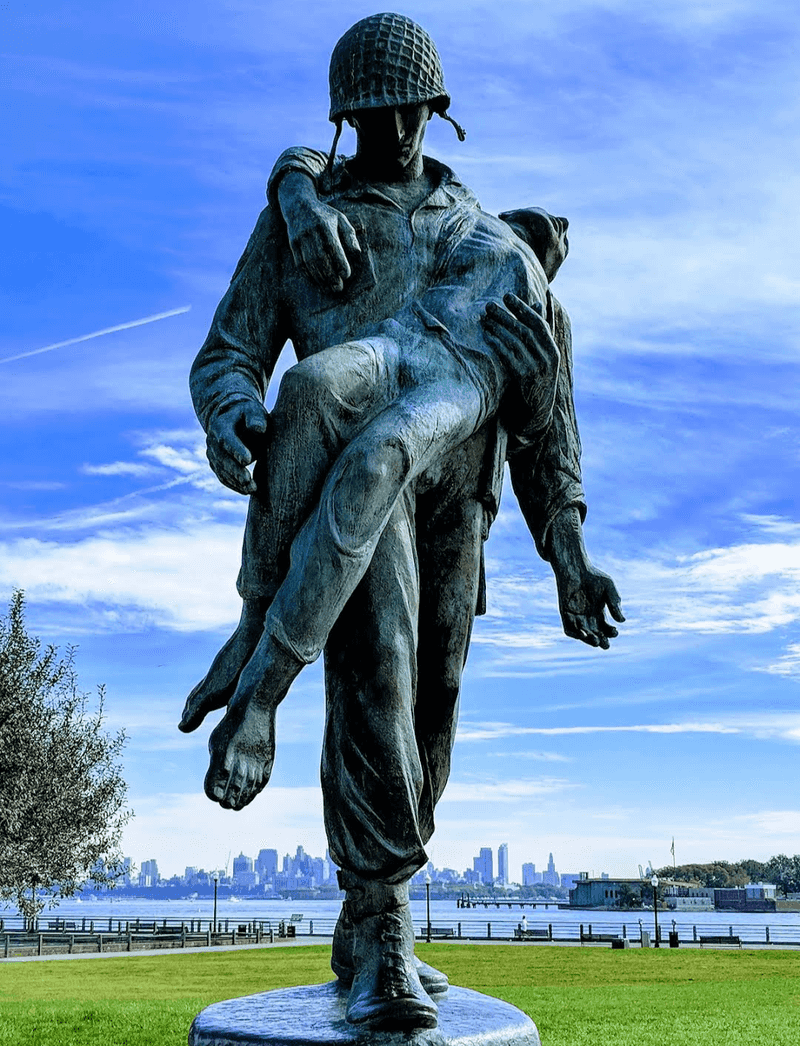
Public art pieces along the riverfront create anchors for memory. Sculptures near Exchange Place and along Hoboken’s piers add form and story that complement the linear path.
I like reading plaques because they frame neighborhoods through artists’ eyes and local timelines.
Design details matter here. Railings, benches, lighting, and plantings vary by town yet still align under the walkway’s public-access spirit.
Curbs stay low, ramps appear where needed, and the materials handle weather while keeping edges inviting. The effect is a series of coherent rooms instead of a single endless hallway.
Art invites short breaks that do not interrupt momentum. I plan a few minutes for installations that catch attention, then move on with a clearer sense of place.
The walkway’s design blends durability and character so the next sculpture, pier, or plaza feels like a purposeful chapter.
Transit Shortcuts and Ferries
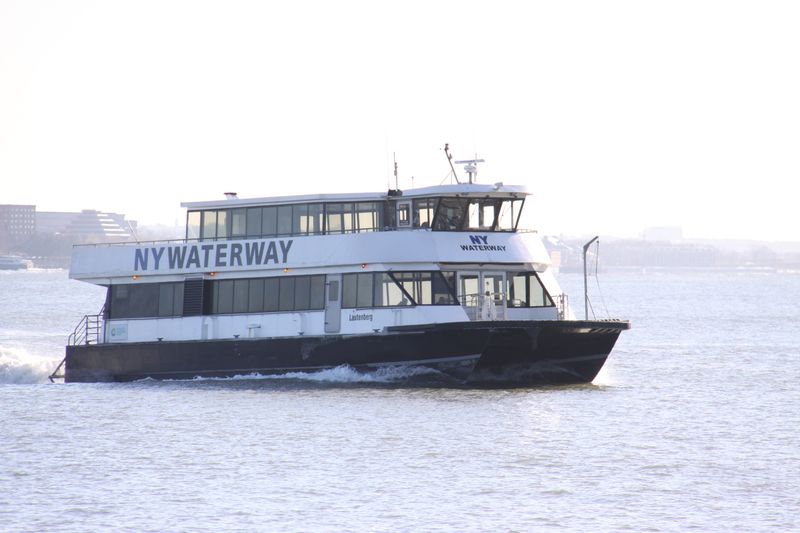
Transit unlocks one-way adventures. NY Waterway ferries run between several New Jersey piers and Manhattan, and the Hudson Bergen Light Rail shadows key sections on the Jersey side.
I often ride north, stroll back, and then hop a ferry for a quick return with minimal backtracking.
PATH stations at Hoboken and Jersey City plug directly into regional rail, so day trips scale up without extra planning. Timetables shift seasonally, which makes a quick check smart before you commit to a long leg.
I also pin bus routes along Boulevard East and other streets that float above the river for optional viewpoints.
Ferry slips double as landmarks, keeping your orientation simple. With multiple modes in play, the walkway becomes modular and low stress.
A synced plan turns a series of segments into a smooth, efficient loop that ends right where you want to be.
Food Breaks and Easy Refuels
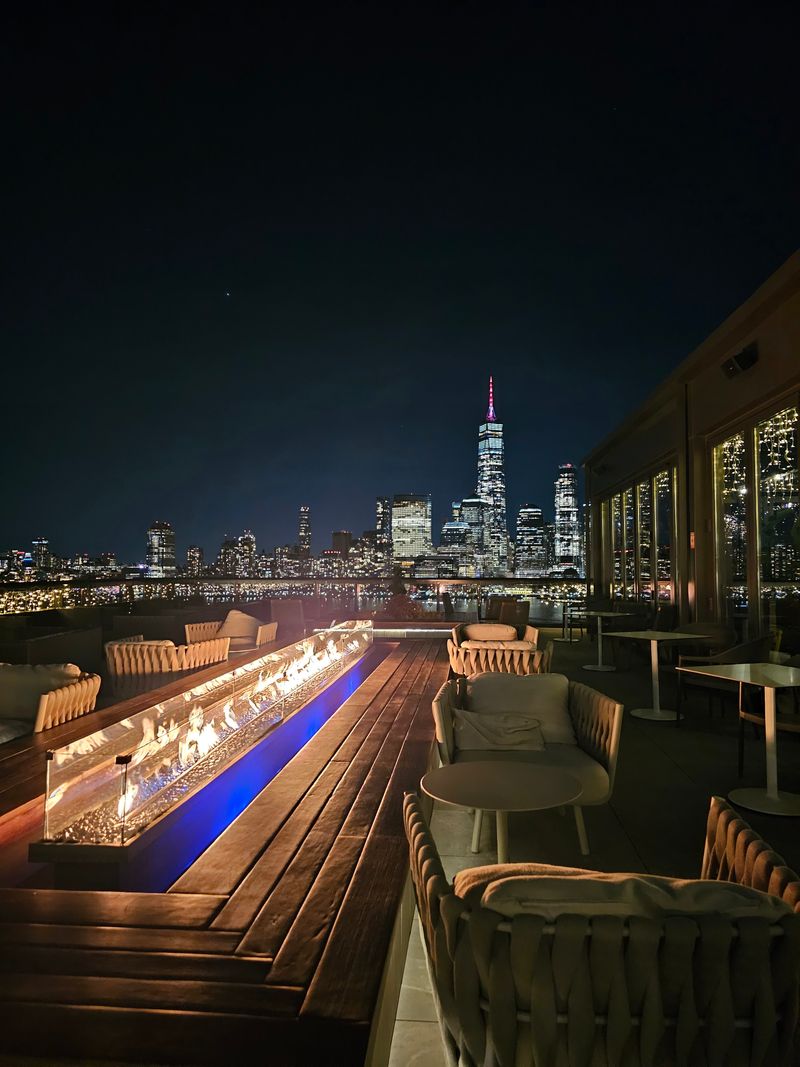
Food options line nearby avenues, with many casual spots just a short turn from the path. Hoboken’s river-adjacent streets stack quick bites and sit-down menus, while Jersey City’s Exchange Place area offers convenient grab-and-go for park benches.
I prefer simple snacks to keep the pace moving and the schedule flexible.
Weekend mornings deliver bakery lines that move briskly, and weekday afternoons often feel quicker. Water fountains appear in several parks, though I still carry a bottle to skip detours.
Picnic tables and benches are frequent enough to turn a five-minute pause into a useful reset without losing momentum.
Local cafes reward a short detour. I mark a couple options near each segment, then decide based on timing.
The goal is to refuel without drifting too far from the shoreline, so the skyline remains part of the plan while the next pier waits patiently.
Best Times and Seasonal Strategy
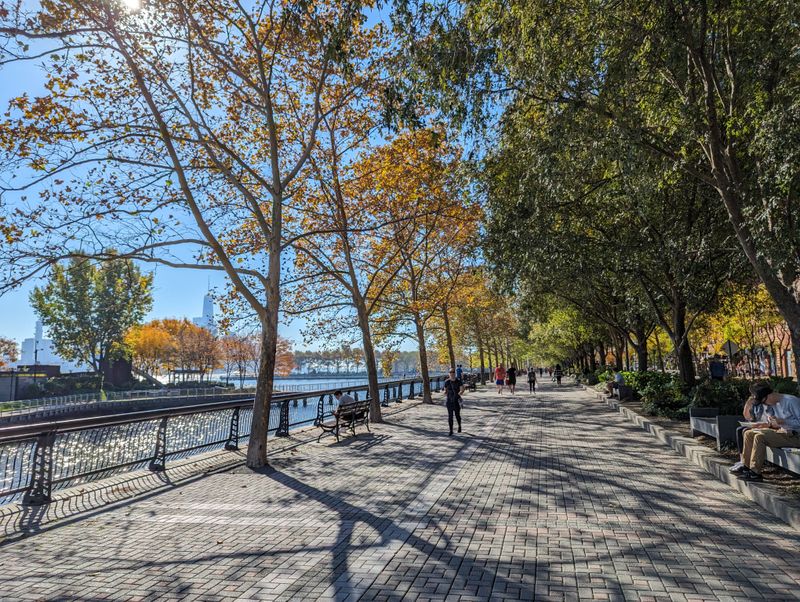
Timing shapes the experience as much as route choice. Weekday mornings often bring light foot traffic, while late afternoons welcome casual strollers.
Shoulder seasons feel comfortable for unhurried movement, and winter offers calm paths paired with open views that remain just as striking.
Summer draws more visitors, so I start earlier and string together the widest segments. Event calendars occasionally add pop-up crowds around piers and plazas.
A quick scan of town websites keeps surprises helpful instead of disruptive, and transit backups give you pivots if one area looks busy.
Sun angles shift dramatically through the year and reshape photos. I plan endpoints around parks with good seating so the last rest feels intentional.
No matter the season, the walkway’s consistent access and dependable amenities keep it friendly, adaptable, and ready for a return visit.
Accessibility and Family-Friendly Logistics
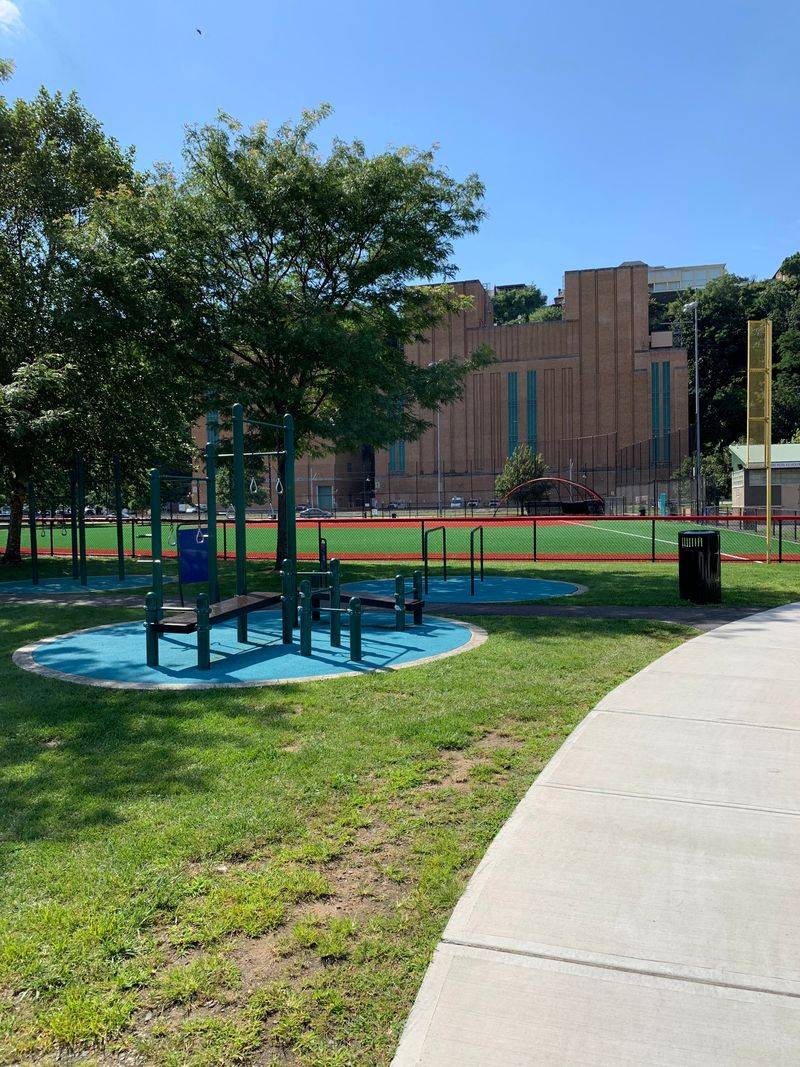
Accessibility is built into much of the route with ramps, level surfaces, and frequent seating. Curb cuts and elevators appear near large developments and ferry terminals, while parks typically provide wide entries.
Families with strollers benefit from the same features, which keeps group logistics simple.
Restrooms cluster around major parks and transit nodes. I note these ahead of time and plan breaks near playgrounds and lawns where kids can reset.
Railings along the water keep edges clear, and straight sightlines help groups stay together without micromanagement of every step.
Because segments vary by town, I double-check any construction notices before visiting. Detours usually post clear signs that return you to the river.
The overall impression is practical and friendly, and that reliability makes it easy to recommend this walkway to visitors across ages and abilities.
History Threaded Through the Shoreline
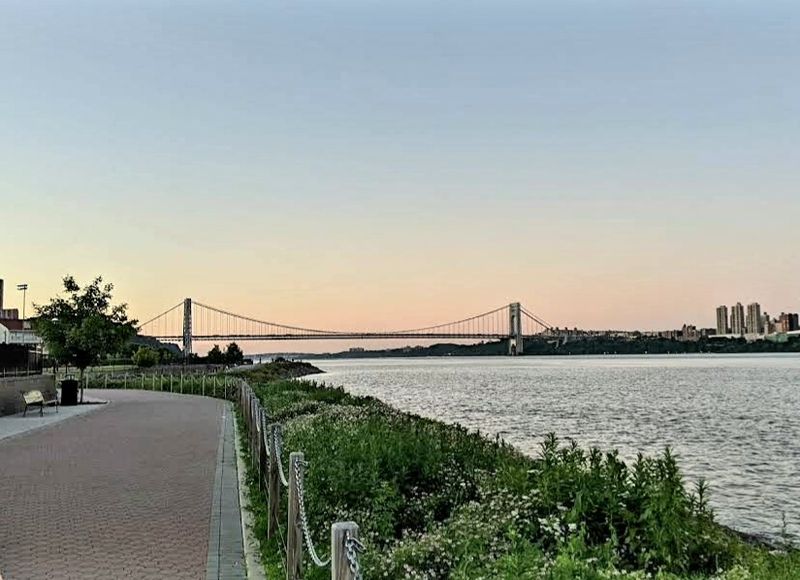
Layers of regional history sit beside the path in plaques, rail remnants, and adapted piers. Shipping, ferries, and railroads once organized this edge of the river, and parts of that framework still guide today’s alignments.
Reading a sign near a pier can turn a quick pause into a helpful timeline.
Jersey City’s waterfront rebirth shows how rail yards became neighborhoods with public edges. Hoboken’s piers shifted from work platforms to civic stages, while Weehawken’s bluff-top streets continue to overlook a transport corridor.
I follow the walkway and watch old alignments echo in today’s straight runs and gentle curves.
These stories add purpose to a simple stroll. I enjoy how public access allows you to connect fragments without a formal tour guide.
The walkway becomes a quiet museum of infrastructure, where each segment reveals another chapter without slowing your pace.
Safety, Etiquette, and Practical Prep
Shared paths run best on simple courtesy. I keep to the right, announce passes, and slow near playgrounds and piers.
Leashes, bells, and a patient mindset protect the easygoing tone that makes this route enjoyable for everyone.
Daylight hours feel most straightforward, and I check weather, transit alerts, and any town notices before heading out. A small kit with water, a portable charger, and a light layer covers most needs.
I share plans with a friend when exploring less familiar segments and pin meeting points like ferry slips or parks.
Clear communication smooths group outings. Quick texts about rest stops and exit stations reduce confusion.
With a few polite habits and light preparation, the walkway turns into a reliably pleasant thread through New Jersey’s riverfront towns.
Closing Thoughts and A Simple Game Plan
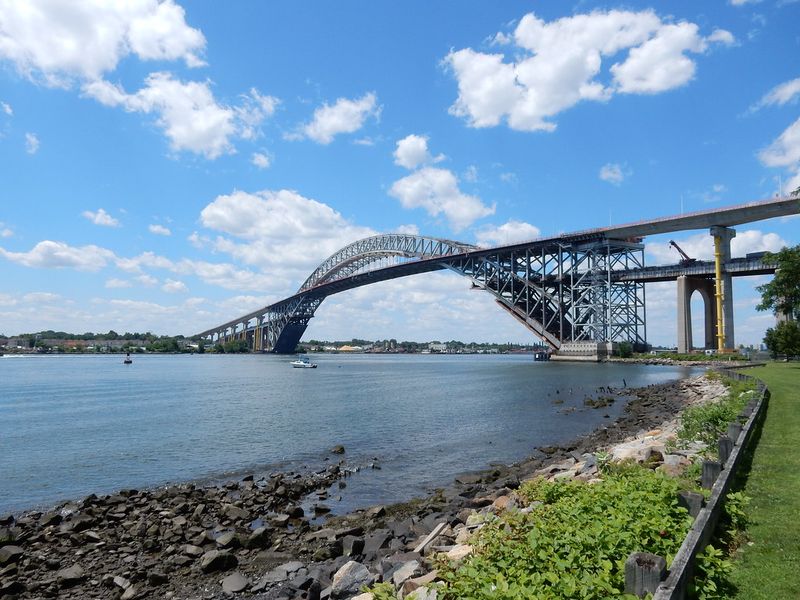
A good plan pairs a clear start with two or three highlights. Begin near Bayonne’s shoreline anchor, ride or walk through a couple towns, then finish by a ferry slip for a quick jump back.
That structure turns an open-ended waterfront into a neat, satisfying loop.
The Hudson River Waterfront Walkway rewards curiosity without demanding complexity. You explore parks, pause at art, and collect skyline angles that keep changing as the river shifts.
On the next visit, add a new segment and a fresh view, and the path keeps telling its story in easy chapters.
I leave with pins saved, shoes ready, and a short list of piers for round two. Simple steps and steady pacing win the day.
This walkway proves that New Jersey’s river edge knows how to host a great, repeatable outing.



