 Unearth The Voyage
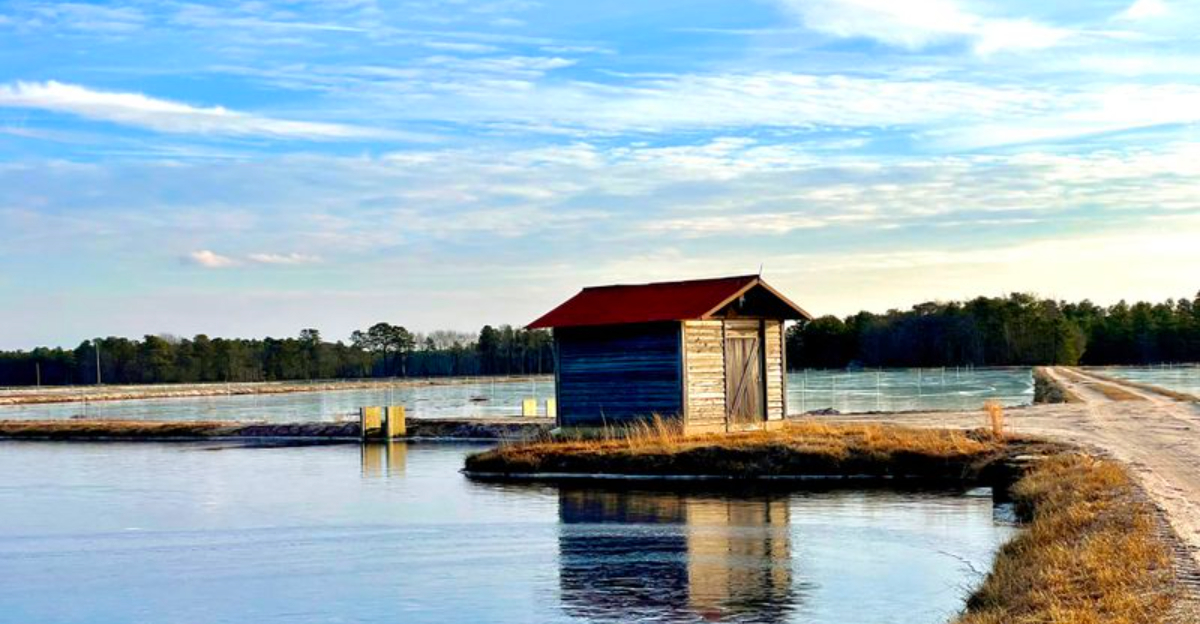
New Jersey’s Pine Barrens hide a gem most people drive right past without realizing what they’re missing. Tucked among quiet wetlands and winding boardwalks, Whitesbog Village feels like the kind of place you only hear about from locals who like to keep it that way.
It’s not just a pretty walk in the woods. This is where cranberry bogs shaped a way of life, and where American agricultural history still feels close enough to touch.
It’s also tied to a surprising first that gives the whole visit an extra layer of meaning.
If you’re craving a quick reset from the noise, or you want a longer, unrushed stroll with real scenery and real stories, Whitesbog Village delivers. You can choose easy loops, follow historic routes, and wander without the crowds that usually come with the biggest parks.
1. Get Your Bearings Before You Hit The Trail
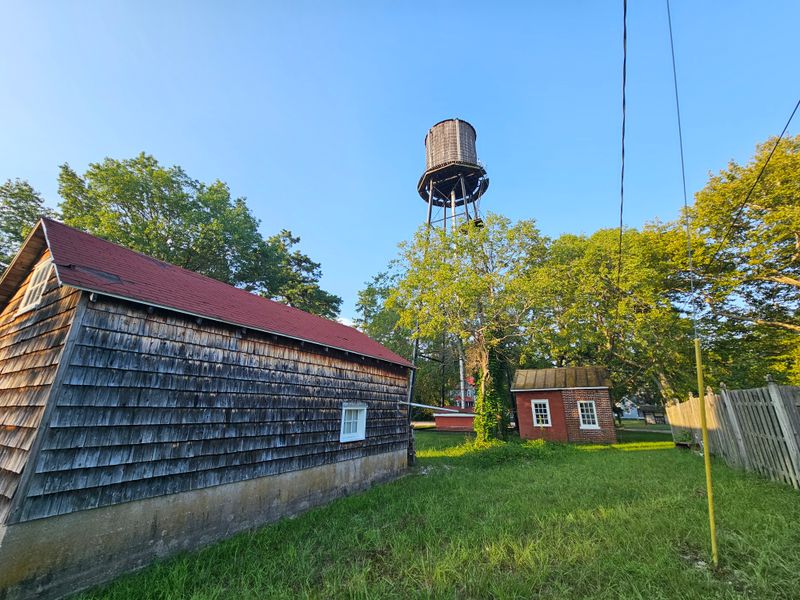
Your GPS needs this address: 120 W Whites Bog Road #34, Browns Mills, NJ. Don’t rely on vague directions or you’ll end up circling the Pine Barrens like a confused heron.
Whitesbog’s trails open at sunrise and close at sunset, which means you can show up early for that golden-hour glow or squeeze in an evening stroll after work. No gate hours to stress about.
No entry fees to fumble with at a booth.
I rolled up one Saturday morning without a reservation or a plan, and within five minutes I was already walking past cranberry bogs. That’s the beauty of this place, it rewards spontaneity.
Pack water, wear comfortable shoes, and bring a phone or camera. The trails aren’t grueling, but you’ll want to stay hydrated, especially in summer when the Pine Barrens heat up fast.
If you’re the type who likes to know what you’re getting into, check the village’s website before you go. Trail conditions, special events, and seasonal closures pop up occasionally.
But honestly? Most days, you just show up and start walking.
2. Step Into A Real Company Town That Time Forgot
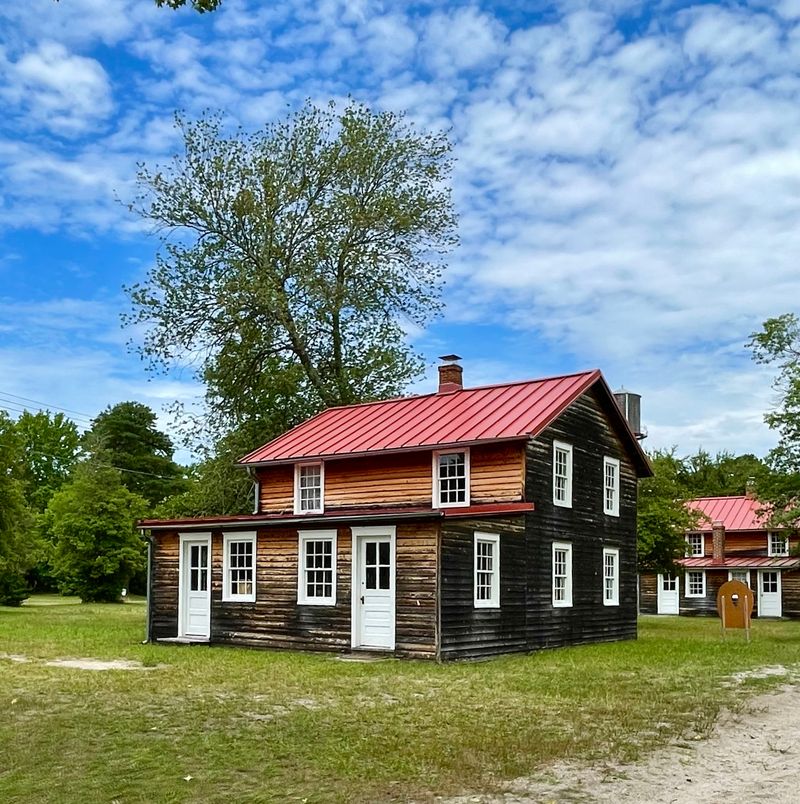
Forget the fake frontier towns at theme parks. Whitesbog is the real deal.
A historic company town where workers lived, farmed, and built an empire on cranberries and blueberries.
Twenty-five historic buildings still stand here, and they’re not replicas. These structures earned spots on both the National and State Registers of Historic Sites, which means you’re walking through genuine American agricultural history.
As you wander the trails, you’ll spot worker cottages that housed the families who ran the cranberry operation. You’ll see buildings where berries were sorted, packed, and shipped.
You’ll notice details – weathered wood, old foundations, rusted equipment that tell stories without a single placard.
I love how Whitesbog doesn’t try too hard. There’s no gift shop at every corner, no actors in period costume.
Just the buildings, the land, and the quiet sense that people once lived full lives here.
The village operated as a working farm for decades, and that legacy soaks into every corner. Walk slowly.
Look closely. The history reveals itself when you pay attention to the architecture and the layout of the town itself.
3. Let The Farm History Trail Connect The Dots
Some people just want to walk. Others want to understand what they’re seeing.
If you fall into the second category, grab the Whitesbog Village and Farm History Trail brochure before you start.
This isn’t a boring pamphlet full of dates and names. It’s a guide that ties the landscape to the actual operation that once thrived here.
You’ll learn how the site grew into a major cranberry powerhouse and how it eventually transitioned into a state-managed historic site.
The brochure points out specific buildings, explains their functions, and gives context to the fields and bogs you’re walking past. Suddenly, those old structures aren’t just pretty backdrops, they’re pieces of a much bigger story.
I picked one up on my second visit and wished I’d done it the first time. Knowing that a certain building was a barrel factory (cranberries were shipped in barrels) made the whole place click into focus.
You can usually find brochures near the parking area or the general store. If they’re out, check online, the village often posts a digital version.
Either way, this little guide turns a nice walk into an educational adventure without feeling like homework.
4. Circle The Cranberry Bogs On The Most Photogenic Loop
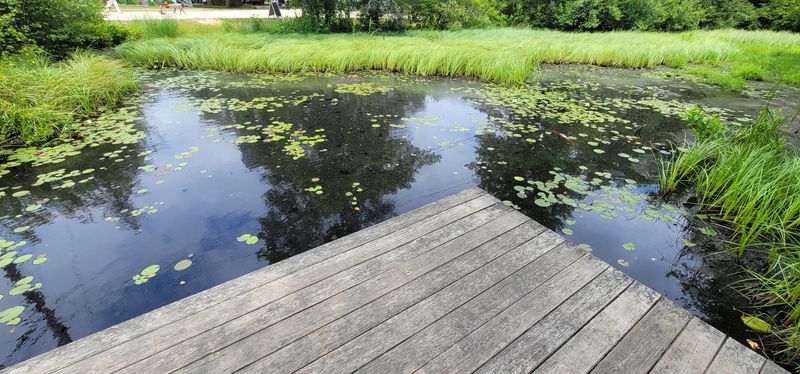
Want the full Whitesbog experience in under an hour? The Historic Cranberry Trail delivers bogs, buildings, and that classic Pine Barrens atmosphere without demanding your entire afternoon.
This loop winds past worker cottages and cranberry-related structures, then circles a demonstration cranberry bog that looks like it belongs on a postcard. It’s short, flat, and ridiculously photogenic.
I’ve taken out-of-state visitors on this trail, and they always stop to snap photos of the bog reflecting the sky. The contrast between the dark water, the low vegetation, and the historic buildings creates a scene that feels both peaceful and slightly haunted in the best way.
The trail doesn’t require serious hiking skills or stamina. You can wear casual sneakers and still be comfortable.
Families with young kids handle it easily, and older visitors appreciate the gentle terrain.
If you’re tight on time or testing the waters before committing to a longer hike, start here. You’ll get a taste of everything Whitesbog offers – history, wetlands, and that quiet Pine Barrens magic without investing hours.
And if you love it? The other trails are waiting.
5. Stroll The Boardwalks Where Wetlands Come Alive
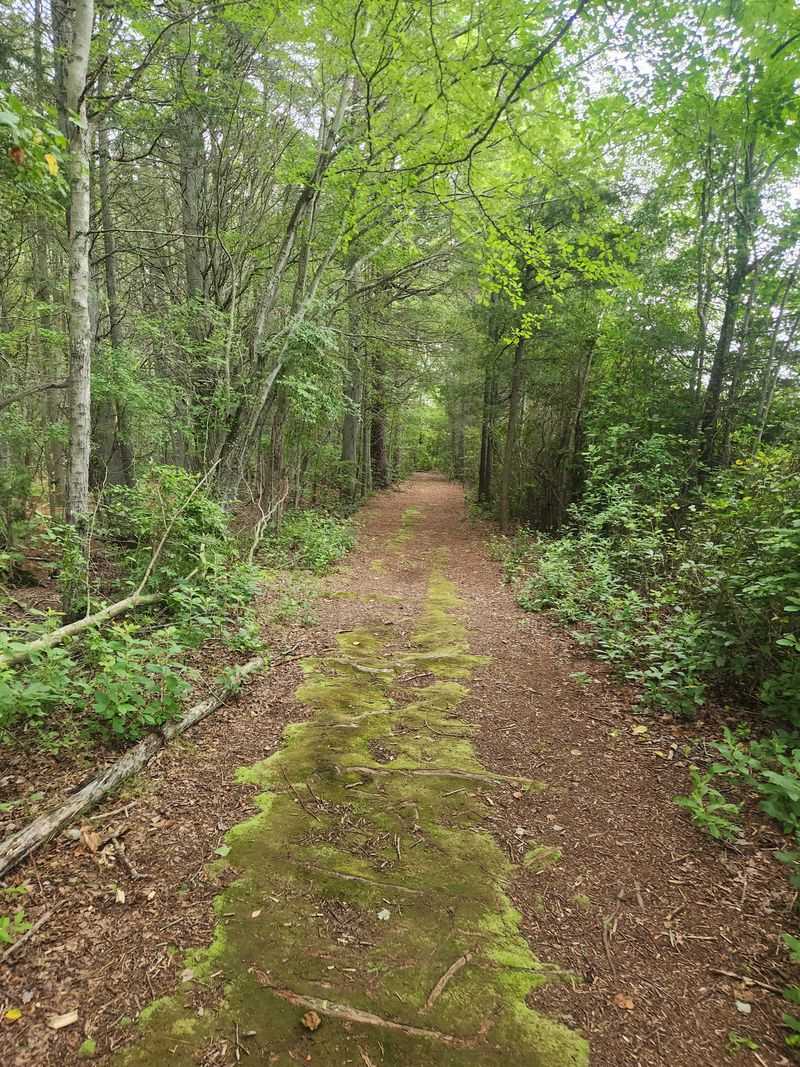
This is the trail that sells people on Whitesbog. The Nature Trail is pure wetland magic, mossy paths, boardwalks over ponds, and gardens that showcase native Pine Barrens plants.
It’s short enough for families with little kids who can’t handle a marathon hike, but interesting enough that adults don’t feel like they’re just babysitting. The boardwalks keep your feet dry while giving you front-row views of the wetland ecosystem.
I brought a friend here who claimed to hate hiking, and she spent twenty minutes crouched on the boardwalk watching dragonflies. That’s the vibe – low pressure, high reward.
The trail isn’t challenging. There are no steep hills or tricky footing.
You’re basically strolling through a living science lesson, watching how water, plants, and wildlife interact in the Pine Barrens.
Summer brings the fullest greenery and the most active wildlife. Spring offers blooming native plants.
Fall turns the surrounding trees into a tapestry of rust and gold. Winter?
Quiet, stark, and beautiful in a minimalist way.
If someone in your group doesn’t want a real hike, this is your answer. It feels like an adventure without the effort, and that’s exactly what makes it perfect.
6. Walk Where The First Cultivated Blueberry Was Born
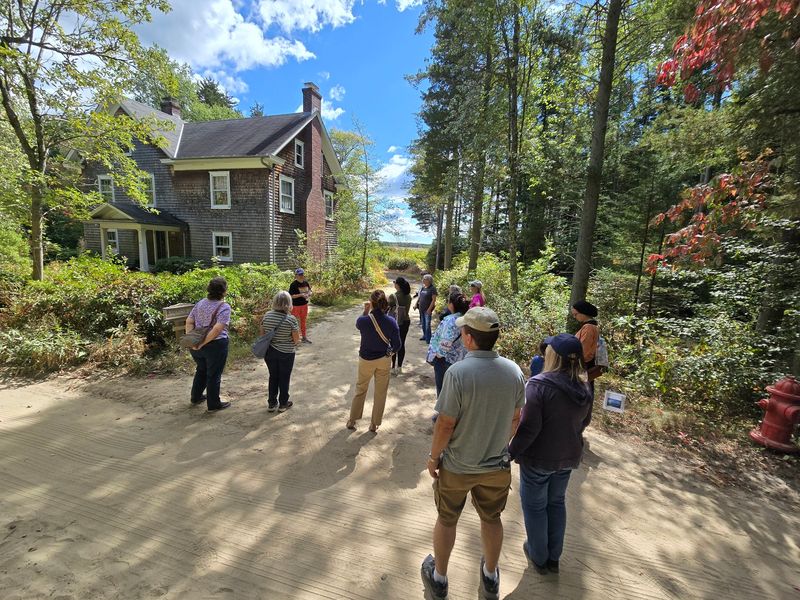
Every blueberry muffin you’ve ever eaten owes a debt to Whitesbog. This is where Elizabeth Coleman White teamed up with USDA botanist Frederick Coville to develop the first cultivated blueberry, achieving commercial success in 1916.
The Blueberry Trail starts near the home of the Blueberry Queen herself and leads toward a historic test field where the magic happened. Along the way, you might spot wild blueberry bushes clinging to the edges of the path.
I walked this trail in late summer and found tiny wild berries hiding among the leaves. They’re not the plump grocery-store kind – they’re smaller, darker, and more intense in flavor.
Picking a few felt like tasting history.
The trail isn’t just about berries, though. It’s about innovation, agriculture, and how one woman’s vision changed American food culture.
White didn’t just grow blueberries, she created an industry.
If you’re a food history nerd or just someone who appreciates the origin stories behind everyday things, this trail hits differently. You’re not just walking through woods.
You’re following the footsteps of agricultural pioneers who literally changed what Americans eat for breakfast.
7. Find Peace In The Gardens Around Suningive
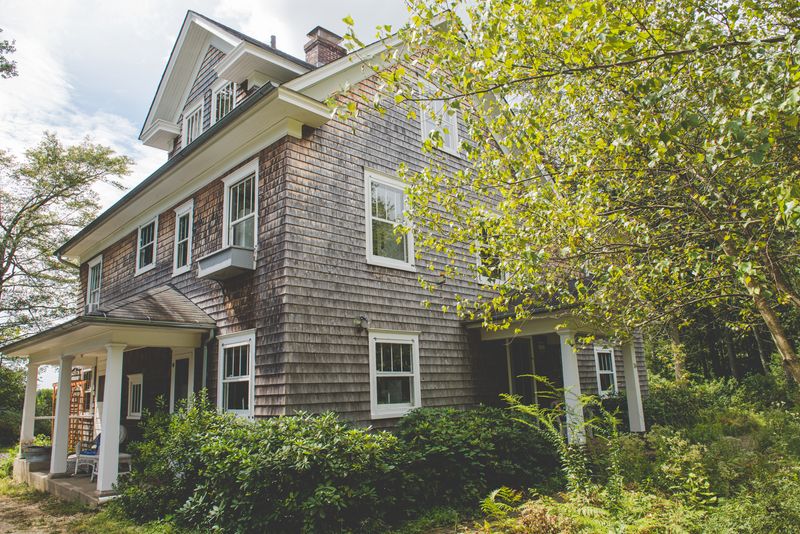
Suningive sounds like a word from a fantasy novel, but it’s actually the name Elizabeth Coleman White gave her home in 1923. The house sits surrounded by gardens filled with native Pine Barrens plants and holly trees.
Even if you don’t care about history, this section of the village offers something special – calm. The gardens aren’t flashy or overly manicured.
They’re thoughtful, native, and designed to blend with the landscape rather than dominate it.
I sat on a bench near the gardens during my last visit and watched a rabbit hop between the holly bushes. No one else was around.
Just me, the rabbit, and the sound of wind moving through the pines.
The gardens showcase plants that naturally thrive in the Pine Barrens ecosystem, which means you’re seeing the real vegetation of the region rather than imported ornamentals. It’s subtle landscaping that respects the environment.
If you’re feeling overwhelmed by the busier trails or just need a moment to breathe, wander over to Suningive. The gardens provide a quiet pocket of the village where you can linger without feeling rushed.
History people will love the connection to White. Everyone else will just enjoy the beauty.
8. Reflect By The Water On Rome Village Trail
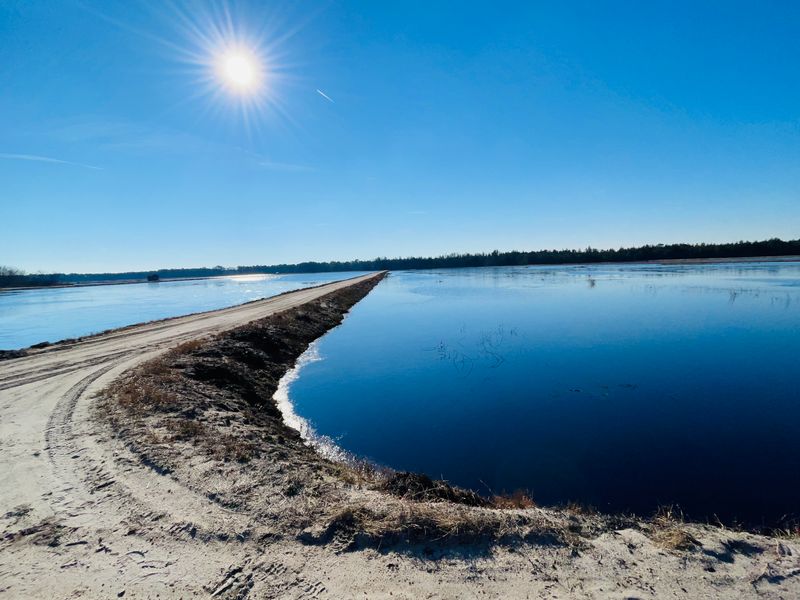
Some trails are about history. Some are about exercise.
The Rome Village Trail is about reflection, literally and figuratively.
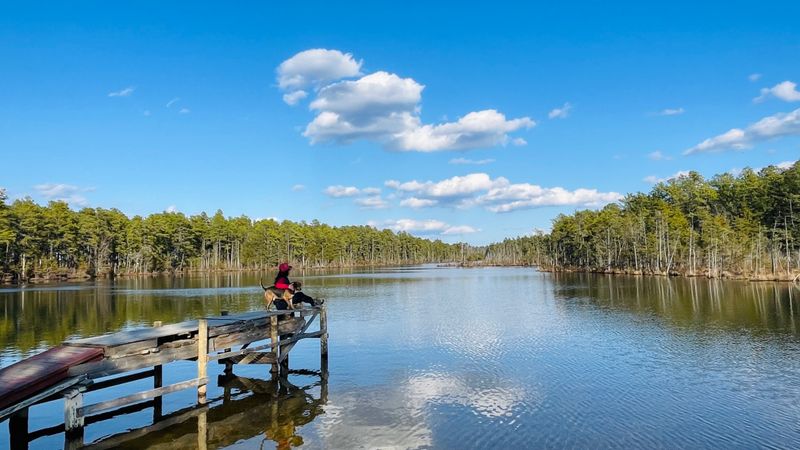
Built around Rome Pond, this trail offers scenic water views and photo-friendly spots where the pond mirrors the sky and surrounding vegetation. It’s quieter than the more popular loops, which makes it perfect when you need actual solitude.
I walked this trail on a weekday morning and didn’t see another person for forty-five minutes. Just me, the water, and a great blue heron standing motionless at the pond’s edge like a statue.
The trail doesn’t demand much from you physically. It’s flat, well-maintained, and easy to navigate.
But it gives back plenty in terms of atmosphere and scenery.
Photographers love this spot because the pond creates natural compositions, reflections, wildlife, changing light throughout the day. Even if you’re just using your phone, you’ll get shots that look surprisingly professional.
If you’re visiting Whitesbog for the peaceful escape part rather than the historic village part, Rome Village Trail is your move. It leans into the wetland beauty without adding layers of story or context.
Sometimes you just want to walk by water and think. This trail gets it.
9. Loop Around Union Pond When Time Is Tight
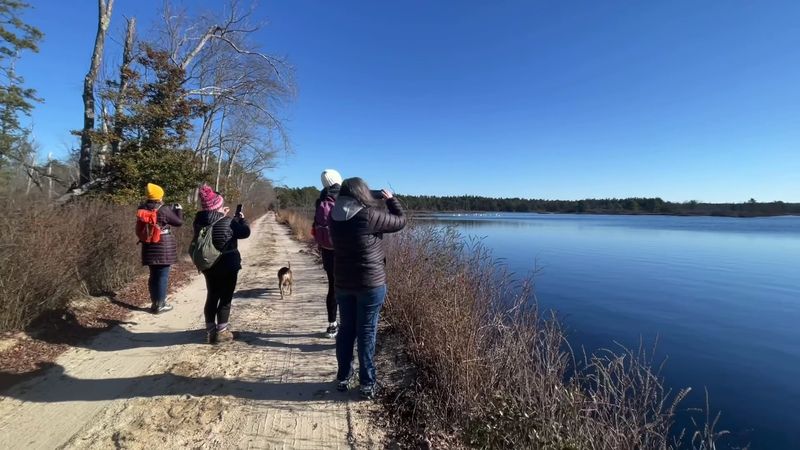
Not every visit needs to be an expedition. Sometimes you’ve got thirty minutes and you just want to see something beautiful.
Union Pond Trail understands the assignment.
This quick loop heads out toward the bogs and back, offering summer water lilies and big sky reflections when conditions cooperate. It’s short enough that you won’t feel guilty squeezing it into a busy day, but satisfying enough that you’ll feel like you actually experienced something.
I’ve used this trail as a quick reset between errands. Park, walk, breathe, leave.
It’s the nature equivalent of a power nap, brief but surprisingly restorative.
The pond itself is smaller than Rome Pond, which makes it feel more intimate. You’re not staring across a massive body of water, you’re circling a cozy wetland feature that shows you its entire personality in one loop.
Summer brings the water lilies, which float on the surface like nature’s own decorations. Early morning or late afternoon light makes the whole scene glow.
If you’re testing Whitesbog for the first time and don’t want to commit to a long visit, Union Pond Trail is your preview. It’s quick, pretty, and gives you a solid sense of whether you want to come back and explore more.
10. Spot The Hidden Stories In Old Farm Infrastructure
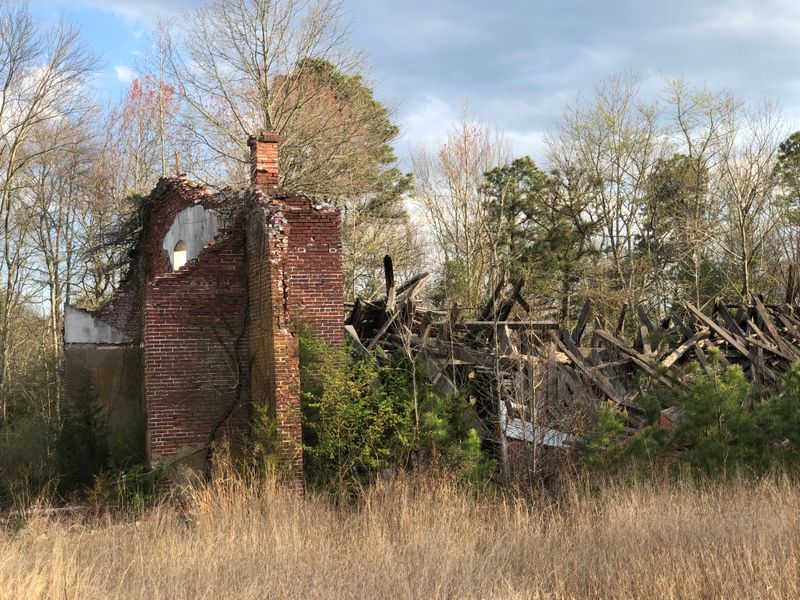
Whitesbog’s history doesn’t shout at you from giant signs. It whispers from the details, old buildings, rusted equipment, and structures that once served very specific purposes in the cranberry operation.
Take the former barrel factory. Cranberries were shipped in wooden barrels, so the farm needed a constant supply.
That building wasn’t decoration, it was infrastructure that kept the entire business running.
The barrel storage warehouse, built in 1911, now connects to the site’s cranberry and blueberry museum. Even the ruins matter here.
The brochure documents fires and lost sections of the former cranberry sorting and packing warehouse, treating destruction as part of the story rather than something to hide.
I spent twenty minutes examining the foundation of a collapsed building and realized I was looking at the skeleton of a once-thriving operation. The stones, the layout, the proximity to other structures, everything had a reason.
Most people walk past these details without noticing. But if you slow down and pay attention, the farm infrastructure reveals how the whole system worked.
It’s like reading the footnotes of history, less glamorous than the main story, but often more interesting.
Bring curiosity. Ask questions.
Look closely. The old farm structures reward attention with insight.
11. Choose Your Season For Maximum Impact
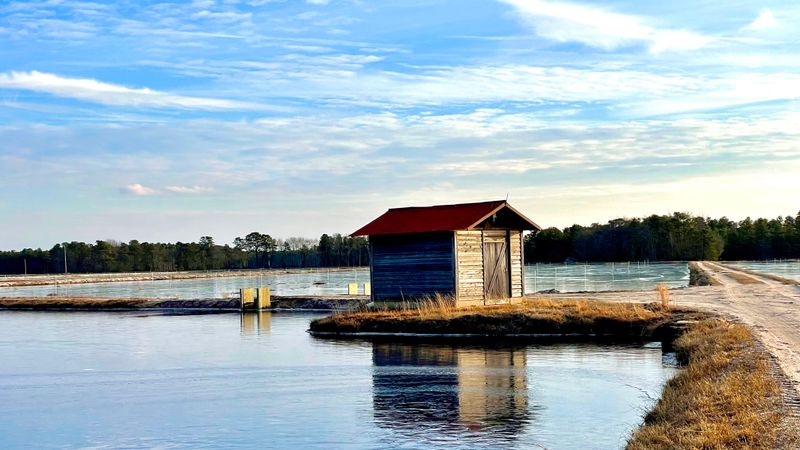
Whitesbog changes personality with the seasons, and timing your visit right makes a huge difference in what you experience.
Early morning delivers the best chance for quiet trails and soft light washing over the bogs. Trails open at sunrise, which means you can catch that golden-hour glow when the world feels brand new.
I’ve arrived at dawn and had entire trails to myself, watching mist rise off the ponds like something out of a nature documentary.
Fall brings drama. Cranberry country looks especially vivid in autumn, and Whitesbog’s deep connection to cranberry history and education makes the season feel extra appropriate.
The surrounding foliage adds layers of rust, gold, and crimson to the landscape.
Summer offers the fullest green Pine Barrens experience, ponds reflecting blue sky, boardwalks over lush wetlands, and that thick, humid air that makes everything feel alive. It’s also when the water lilies bloom and the gardens around Suningive look their best.
Winter? Stark, quiet, and beautiful in a minimalist way.
The bogs look dramatic under gray skies, and you’ll have the trails almost entirely to yourself. Just dress warm, the Pine Barrens wind cuts through everything.
Pick your season based on the vibe you want. There’s no wrong answer.
12. Double-Check Hours Before You Plan Around The Store
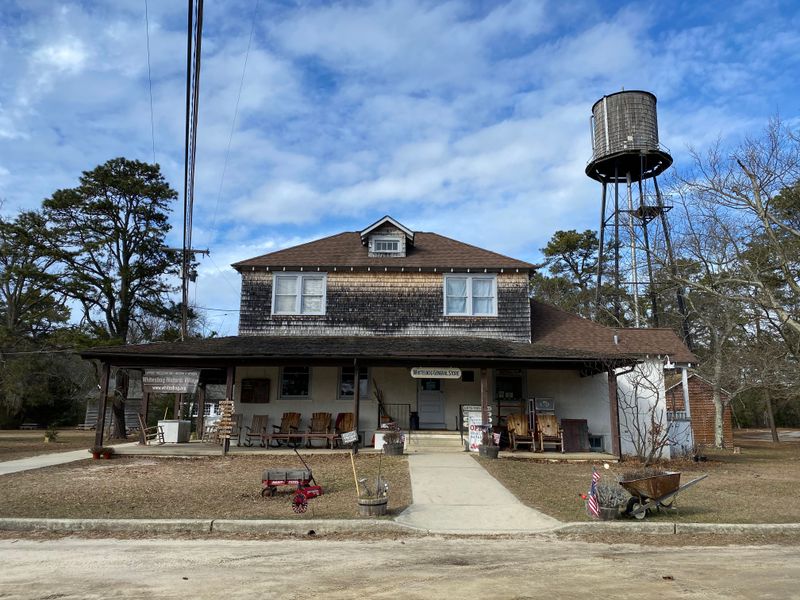
The Whitesbog general store adds charm to any visit, but its hours are inconsistent enough that you shouldn’t build your entire trip around it being open.
The official brochure lists the store as open Fridays and Saturdays (plus occasional Sundays) from 10 a.m. to 2 p.m. Sounds simple, right?
Except other local sources list different hours – weekends with longer availability, seasonal changes, and random closures.
I drove out specifically to check out the store once and found it locked up tight on a Saturday afternoon. Frustrating?
Yes. But the trails were still open, so the day wasn’t wasted.
If you want to browse the store, buy local products, or grab a snack, verify hours before you go. Call ahead, check their website, or peek at their social media.
The village is managed by a small team, and things change based on staffing and season.
But here’s the thing. The store is a bonus, not the main event.
The trails, the history, the bogs, and the wetlands are always available during daylight hours. The store adds flavor, but Whitesbog delivers its magic whether the store is open or not.
Come for the trails. If the store happens to be open, consider it a lucky bonus.



