There is a place along the North Carolina coast where the roads end, the crowds thin out, and the only sounds you hear are waves and wind. No bridges connect you to it.
No fast food signs clutter the horizon. To get there, you board a ferry and watch the mainland shrink behind you, and something in your chest loosens with every nautical mile.
I have visited a lot of coastal spots up and down the Eastern Seaboard, but nothing quite prepared me for how completely this barrier island strips away the noise of everyday life. By the time the ferry docks and you step onto the sand, you already feel like you have crossed into a different world entirely.
Where Exactly This Remote Island Sits
Cape Lookout National Seashore sits at the southern tip of Core Banks, one of a chain of barrier islands hugging the Atlantic coast of North Carolina. The official address is simply North Carolina 28531, which tells you everything you need to know about how remote this place truly is.
There are no paved roads, no hotels, no grocery stores, and no bridges connecting it to the mainland. To reach Cape Lookout, visitors board ferries that depart from towns like Harkers Island, Beaufort, and Atlantic, North Carolina.
The ferry ride itself sets the tone for the whole experience.
The park covers roughly 56 miles of undeveloped barrier island, split between Core Banks to the north and Shackleford Banks to the south. It separates Onslow Bay to the west from Raleigh Bay to the east, forming a distinctive hook-shaped tip at its southern end.
That hook shape is actually what gave the cape its name, since early sailors used it as a navigational landmark along this stretch of unpredictable coastline.
The Lighthouse That Has Stood the Test of Time
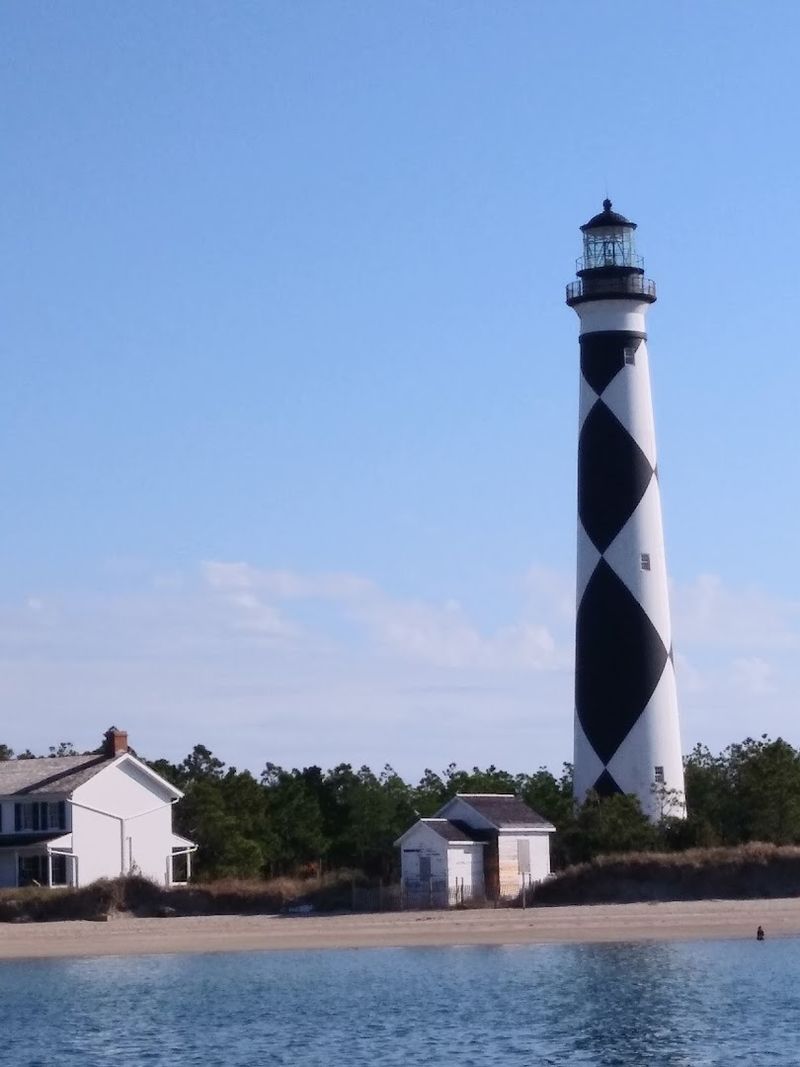
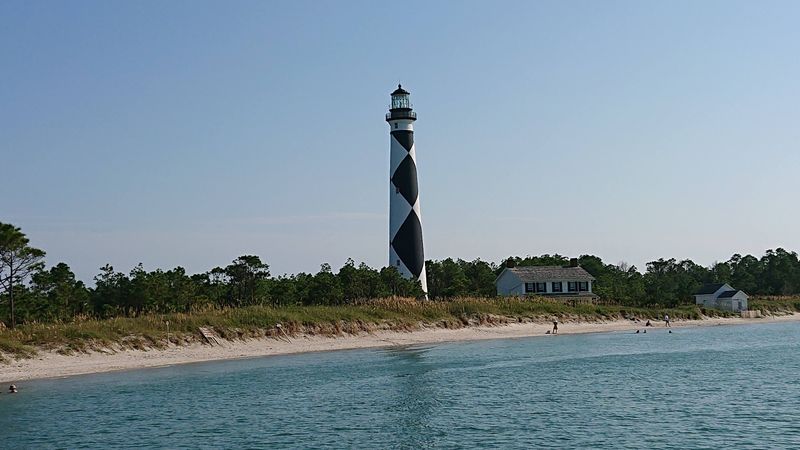
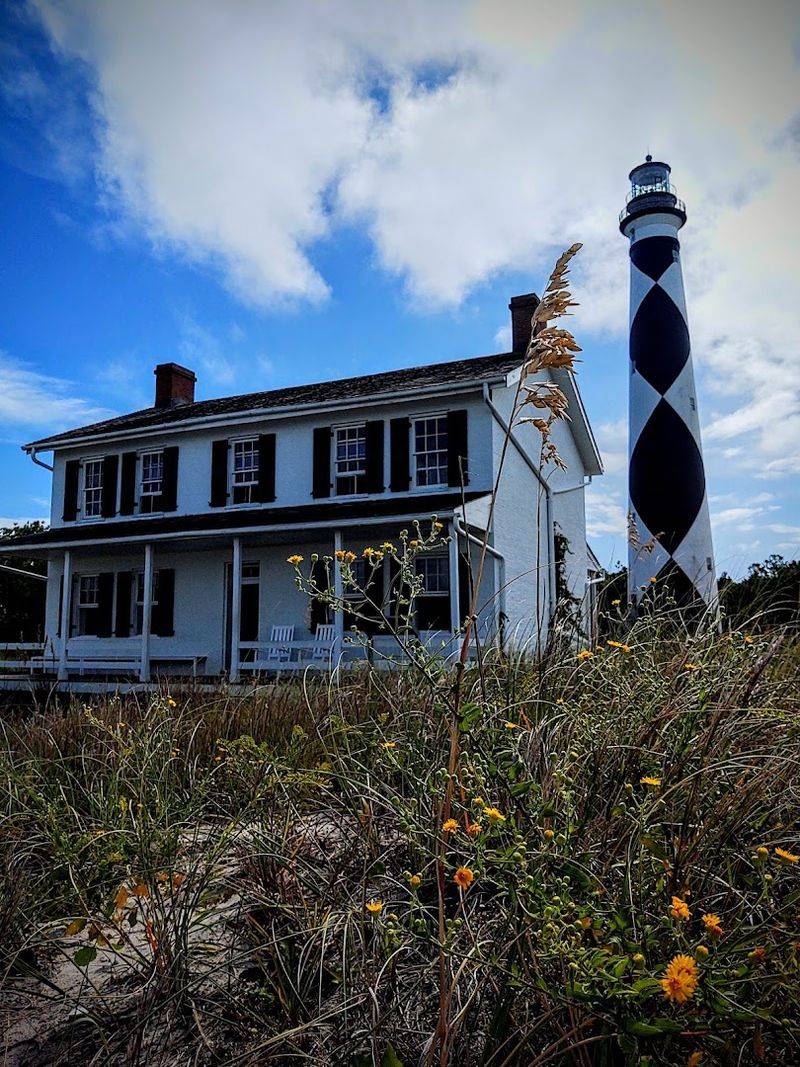
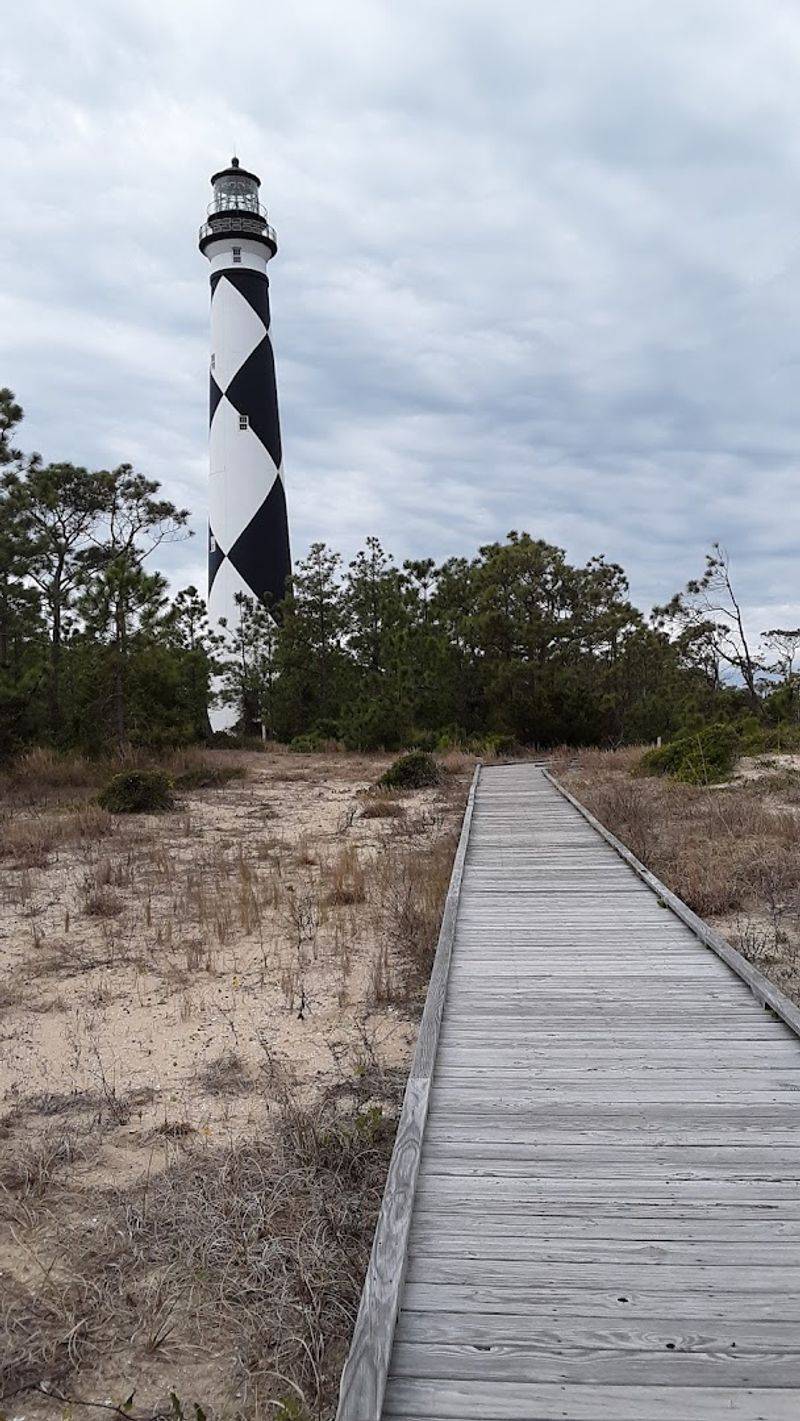
Few structures on the East Coast carry as much quiet authority as the Cape Lookout Lighthouse. Rising 163 feet above the sandy ground, it wears a bold black and white diamond pattern that makes it instantly recognizable from both sea and land.
The current lighthouse was completed in 1859, replacing two earlier structures that sailors found too dim and too short to be reliably useful. For much of its working life, the lighthouse used a first-order Fresnel lens, one of the largest lens types ever made, capable of projecting its beam far out into the Atlantic.
The lighthouse is still an active aid to navigation today, which means it is not just a pretty relic but a working piece of maritime history. Visitors can climb to the top during the summer season and be rewarded with sweeping views of the cape, the surrounding shoals, and the open ocean stretching to the horizon.
The keeper’s quarters next to the tower have been restored and now serve as a small museum where you can learn about the lives of the lighthouse keepers who once called this isolated spot home.
A Beach With Almost No One On It
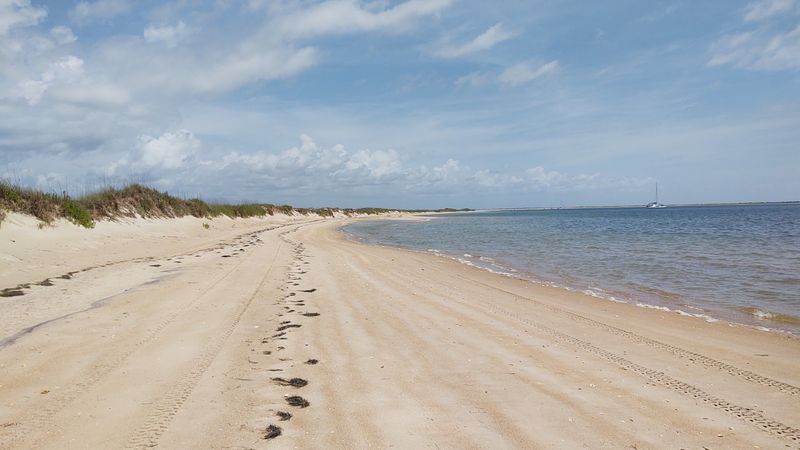
The sheer size of the undeveloped shoreline here means that even on a busy summer weekend, you can walk ten minutes from the ferry dock and find yourself completely alone on the beach. That kind of solitude is genuinely rare on the Eastern Seaboard.
The sand at Cape Lookout is fine and pale, and the water shifts between shades of green and blue depending on the light and the depth. Because there is no development on the island, there are no lifeguards, no concession stands, and no beach chairs for rent.
You bring everything you need and you take everything back with you when you leave.
That self-sufficiency is part of the appeal. Packing a cooler, setting up a folding chair near the water’s edge, and having nothing to look at but open ocean and sky for hours at a stretch is the kind of reset that most people desperately need but rarely find.
The swimming here is best near the lighthouse area, where the beach curves slightly and the water tends to be calmer than on the exposed ocean side of the banks.
Wild Horses of Shackleford Banks
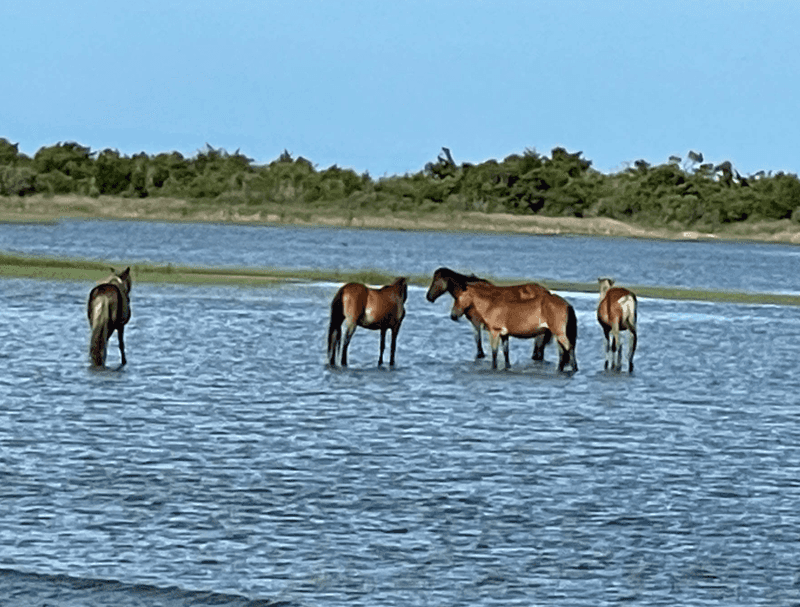
One of the most surprising things about this national seashore is that you share it with horses. The wild ponies of Shackleford Banks have lived on this barrier island for centuries, descendants of horses brought over by early Spanish explorers and later settlers.
These are not large, sleek horses bred for show rings. They are compact, sturdy, and weathered by years of living on salt air, scrubby vegetation, and whatever fresh water they can find by pawing through the sand to reach the water table below.
Watching a small herd move along the shoreline at low tide is one of those travel moments that stays with you long after you get home.
The National Park Service manages the herd carefully to maintain a healthy population, and the Shackleford Banks wild horses are protected by federal law. You are required to stay at least 50 feet away from them at all times, which is a rule worth taking seriously since these animals are wild and unpredictable.
The ferry from Beaufort to Shackleford Banks is a short ride and well worth adding to your Cape Lookout trip itinerary.
Shell Collecting Like You Have Never Experienced
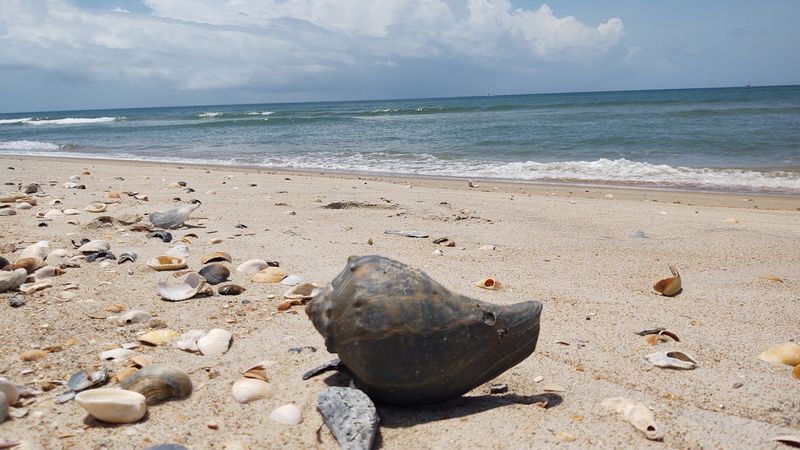
Cape Lookout is one of the best shell-collecting spots on the entire East Coast, and that is not an overstatement. The hook-shaped tip of the cape acts like a natural net, catching shells as they drift in with the currents and depositing them in dense, colorful rows along the tideline.
Scotch bonnets, which are North Carolina’s official state shell, turn up here with enough regularity that even first-time visitors have a reasonable chance of finding one. You will also come across whelks, angel wings, moon snails, sand dollars, and occasionally the kind of large, intact specimens that you only usually see in souvenir shops.
The best collecting happens at low tide, particularly in the early morning before other visitors have had a chance to walk the area. The southern tip of the cape, right near the lighthouse, tends to concentrate the best shells because of how the currents converge there.
Bring a mesh bag so the water drains easily, and check the park regulations before you go since there are limits on how many shells you can take home with you.
Fishing on the Outer Banks’ Quieter Cousin
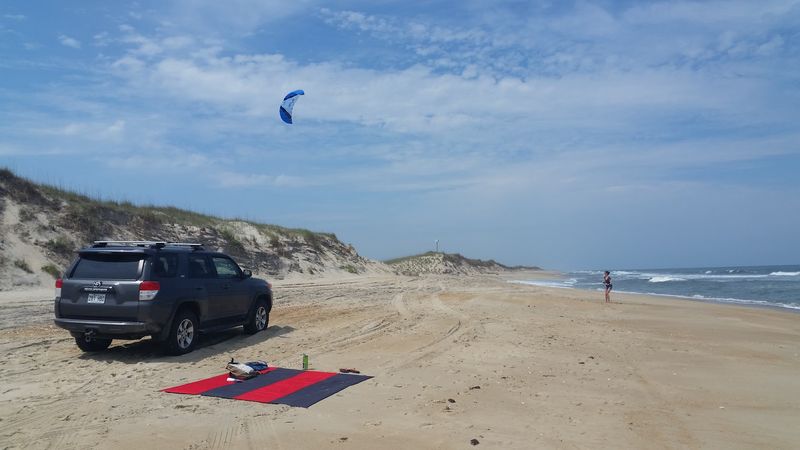
Serious anglers have known about Cape Lookout for decades, and the fishing here has a reputation that draws people from several states away. The waters around the cape are productive year-round, but the fall months are particularly legendary for red drum runs that bring large schools of fish close to shore.
Surf fishing is the most common approach, and you do not need a boat to have a genuinely excellent day of fishing here. The convergence of currents at the tip of the cape creates a feeding zone that attracts a wide variety of species, including bluefish, flounder, Spanish mackerel, and sheepshead.
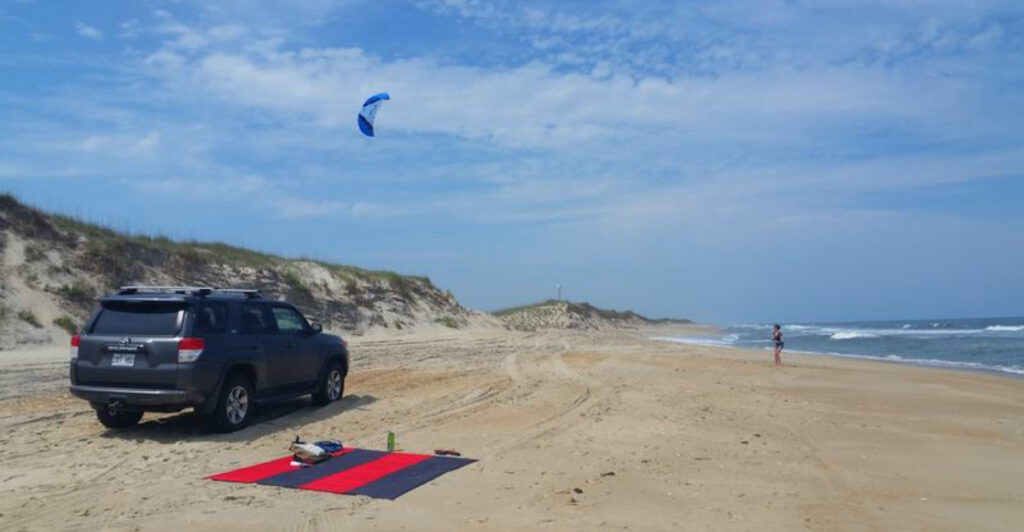
Off-road vehicles with permits are allowed on parts of Core Banks, which means you can drive along the beach and set up in spots that most people never reach on foot.
The national park requires a fishing license from the state of North Carolina for anyone over a certain age, so make sure you have yours sorted before you arrive. There are no bait shops on the island itself, so everything you need has to come with you on the ferry.
Camping Under More Stars Than You Thought Possible
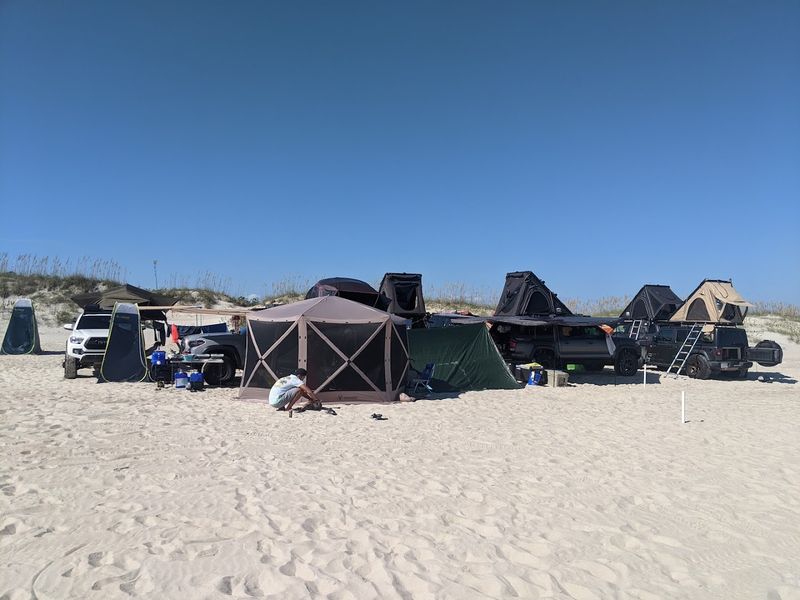
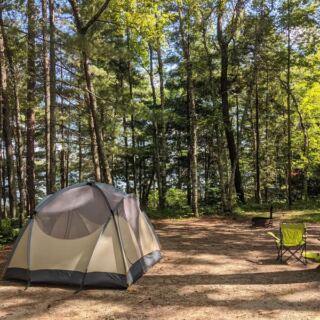
Camping at Cape Lookout is about as close to true backcountry camping as you can get on the East Coast without actually heading into a wilderness area. There are no designated campsites with hookups or amenity buildings.
You pick a spot, set up your tent, and that is your home for the night.
What you get in return is something money cannot buy: a night sky so dark and clear that the Milky Way is visible on cloudless evenings. The absence of light pollution from the island itself, combined with its distance from major population centers, makes stargazing here genuinely extraordinary.
The National Park Service allows primitive camping throughout the seashore, and there is no fee to camp, though you do need to pay for the ferry. Cabins are also available for rent near the lighthouse area through a concessionaire, which is a good option if you want a roof over your head without giving up the feeling of being completely off the grid.
Reservations for the cabins fill up quickly, especially in summer.
The Ferry Ride That Sets the Mood
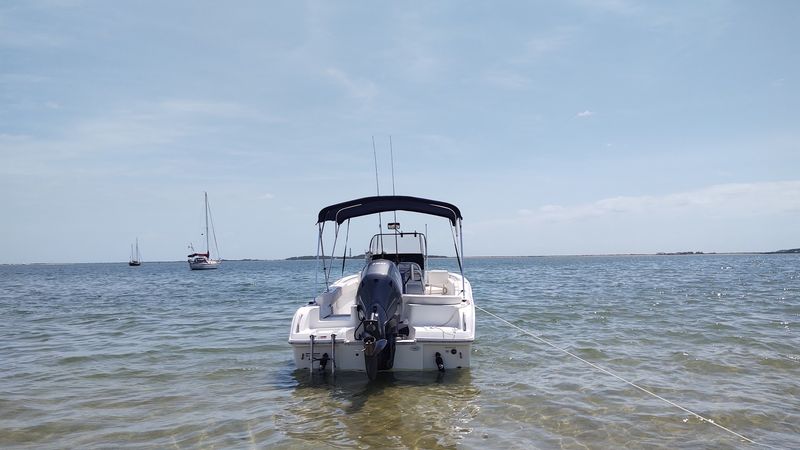
Getting to Cape Lookout is part of the experience, and the ferry crossing does something that a simple drive never could. The moment the engine hums and the dock falls away behind you, the mental shift begins.
Phones lose signal, schedules stop mattering, and the conversation on the boat tends to get lighter and more relaxed with every passing minute.
Several ferry operators serve the national seashore from different departure points. Ferries from Harkers Island are among the most popular and run frequently during the warmer months.
The crossing takes roughly 15 to 20 minutes depending on the operator and the conditions, and on a calm day, the ride itself is a pleasure.
Dolphins frequently follow the ferries, riding the bow wake and surfacing close enough that you could almost reach out and touch them, though obviously you should not try. Pelicans and laughing gulls tend to accompany the boats as well, swooping low over the water in a way that feels almost like a formal welcome to the island.
The return ferry at the end of the day always feels bittersweet, in the best possible way.
History Buried in the Sand
The national seashore holds more history than most visitors expect. Portsmouth Village, located at the northern end of Core Banks, was once a thriving maritime community and one of the most important ports of entry on the North Carolina coast.
At its peak in the early 1800s, Portsmouth was home to several hundred residents who made their living helping large ships transfer cargo to smaller, shallow-draft vessels capable of crossing the treacherous shoals. When shipping routes shifted and the economy of the village declined, residents gradually left, and by 1971 the last two permanent inhabitants departed, leaving the village essentially frozen in time.
Today, Portsmouth Village is a ghost town preserved by the National Park Service, where you can walk among restored and stabilized buildings including a church, a post office, a life-saving station, and several homes. The village is only accessible by private boat or ferry, which adds to its sense of being a place that time genuinely forgot.
Ranger-led tours are available seasonally and offer context that makes the quiet streets feel alive with the stories of the people who once walked them.
Practical Tips for Making the Most of Your Visit
A trip to Cape Lookout rewards preparation, and a few practical details make the difference between a smooth visit and a frustrating one. The island has no stores, no restaurants, and no running fresh water available to visitors, so everything you consume during your time there needs to arrive with you on the ferry.
Sun protection is not optional here. The lack of shade on the open beach, combined with the reflection off the water and sand, means that sunburn happens faster than you might expect.
A wide-brimmed hat, quality sunscreen, and a lightweight long-sleeve shirt are worth their weight in gold on a full-day visit.
Bug spray is equally important, particularly in the warmer months when biting insects can be relentless, especially near the marsh areas on the sound side of the island. Check the ferry schedules before you go, since they vary by season and operator, and missing the last boat back is not a situation you want to find yourself in.
The National Park Service website has current ferry contact information, camping details, and seasonal alerts that are genuinely useful for planning your trip.
Share this story