 Unearth The Voyage
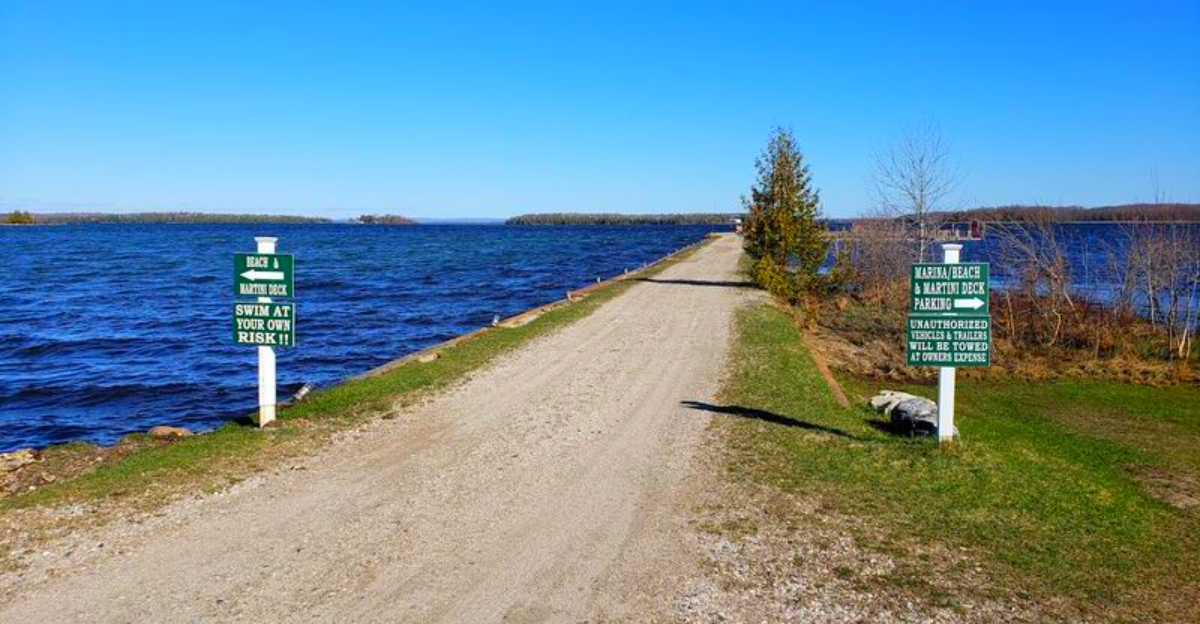
Drummond Island is one of the largest freshwater islands in the world, yet most travelers skip right past it. Getting there requires a ferry, and that alone keeps the crowds away.
Set in Michigan’s Upper Peninsula, this island is known for its fishing, off-road trails, and direct access to Lake Huron. Anglers come for walleye and pike.
Adventurers come for miles of rugged terrain that you will not find on typical tourist routes.
It is not built for convenience, and that is exactly the point. With limited development and few chain businesses, Drummond Island offers a quieter, more self-directed kind of trip that stands out from the usual Midwest destinations.
Where Exactly This Hidden Island Township Sits
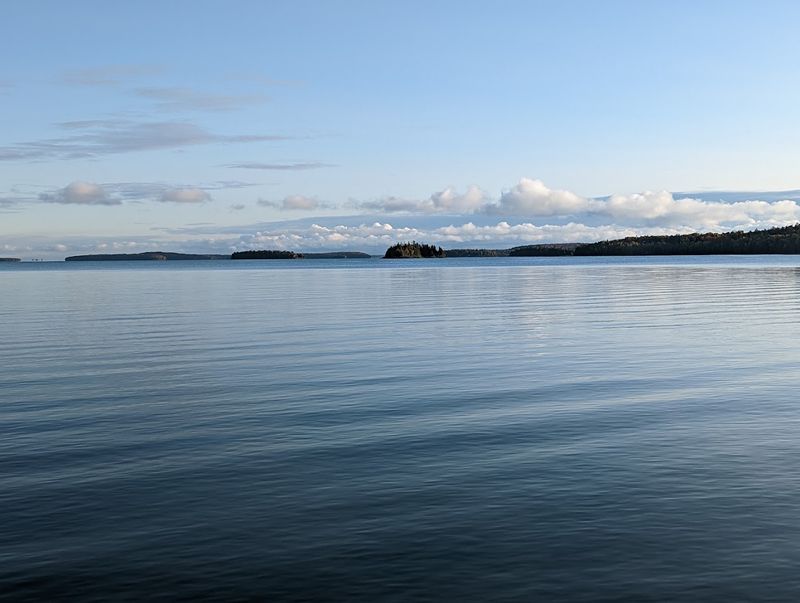
Drummond Township is a civil township of Chippewa County, Michigan, and its address is Drummond Township, MI 49726, located at approximately 46.02 degrees north latitude and 83.73 degrees west longitude in the northeastern Upper Peninsula.
The township wraps around Drummond Island and a collection of smaller surrounding islands, all tucked into the northern reaches of Lake Huron near the Canada border.
Getting here requires a ferry ride from De Tour Village on the mainland, which immediately sets the tone for the kind of trip this is going to be. That short water crossing is the unofficial signal that you are leaving the ordinary world behind.
The population of the township was recorded at 973 people in the 2020 census, which means the island feels refreshingly uncrowded even during its busiest seasons. Wide open space is genuinely part of the daily experience here, not just a marketing promise.
The Staggering Scale of the Seventh-Largest Lake Island on Earth
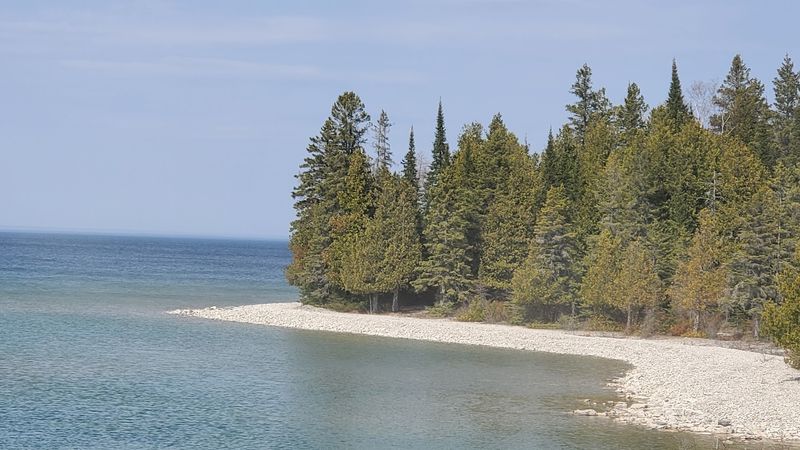
Most people do not realize that Drummond Island holds a remarkable global ranking: it is the seventh-largest lake island in the entire world, covering roughly 136 square miles of land.
That is a serious amount of territory for an island most travelers have never even heard of, and it means you could spend multiple trips here without running out of new ground to explore.
The island is dominated by thick forests of maple, birch, and cedar, broken up by inland lakes, wetlands, and dramatic rocky outcroppings that give the landscape a rugged, unhurried character.
Compared to better-known Michigan islands like Mackinac, Drummond feels almost impossibly large and wonderfully wild. There are no fudge shops crowding every corner, no horse-drawn carriage tours competing for your attention.
What you get instead is raw, honest Great Lakes scenery that rewards the curious traveler willing to put in a little effort to reach it. The scale of this place genuinely earns its place on that global list.
The Ferry Crossing That Starts the Adventure Early
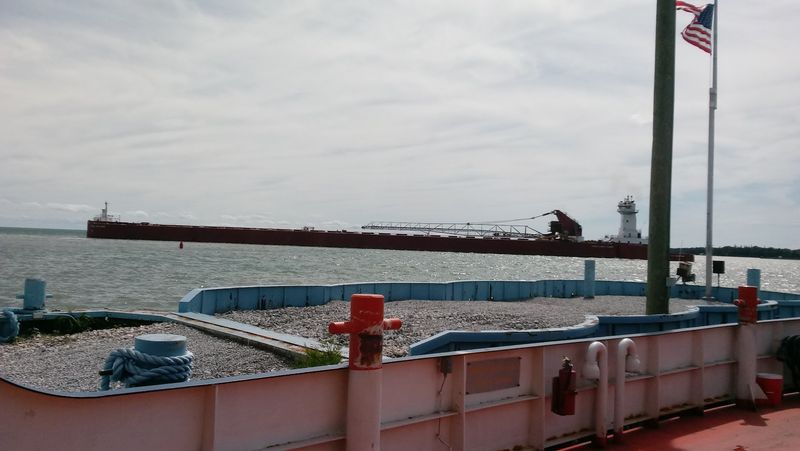
The only way to reach Drummond Island by road is through the Arnold Line ferry service operating out of De Tour Village, and that crossing is genuinely part of the experience rather than just a logistical hurdle.
The ferry runs year-round, which is a reassuring detail for anyone thinking about a late-autumn or winter visit, and the ride itself takes only a few minutes across the De Tour Passage.
On a calm summer morning, standing on the deck with Lake Huron stretching out in every direction, you start to understand why people come back to this island year after year. The water has a particular shade of blue-green that feels almost tropical despite the northern latitude.
In winter, the passage can be dramatic, with ice forming along the shoreline and the air carrying that sharp, clean bite of a true Upper Peninsula cold snap. Either way, the crossing sets a mood that the rest of the island is more than happy to deliver on.
World-Class Rock Hounding on the Shoreline
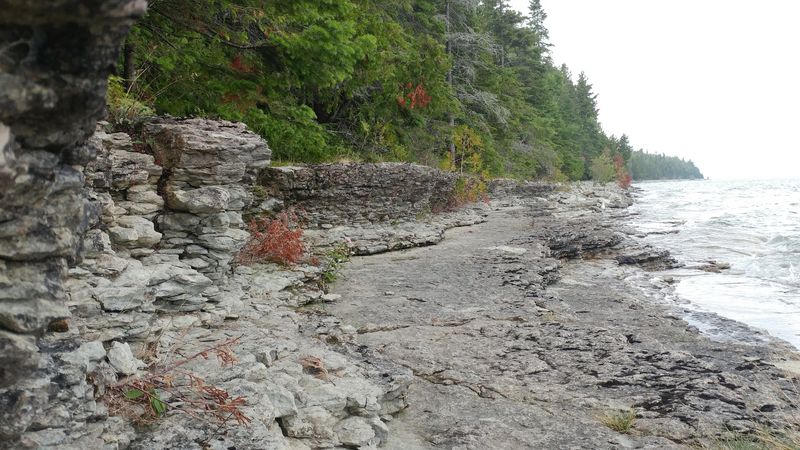
Rock hounding on Drummond Island is not a casual hobby here; it is practically a local institution, and the island’s limestone-rich geology produces some genuinely exciting finds for anyone willing to walk the shoreline with eyes pointed downward.
Petoskey stones, which are fossilized coral unique to Michigan, turn up along the rocky beaches with satisfying regularity, especially after storms have churned the shallows and rearranged the gravel.
The island also yields calcite crystals, dolomite formations, and various fossils embedded in the exposed bedrock along the water’s edge. Geology enthusiasts have been coming specifically for this purpose for decades.
Beyond the collectibles, the shoreline itself is a spectacle of weathered limestone pavements, tide pools, and wave-carved formations that look like they belong in a natural history museum rather than a quiet township in the Upper Peninsula.
Children and adults alike tend to lose track of time entirely while combing the beaches. A good pair of water shoes and a small collecting bag are all the equipment you really need for a genuinely rewarding afternoon out here.
The Hiking and ORV Trails That Go Deeper Into the Wild
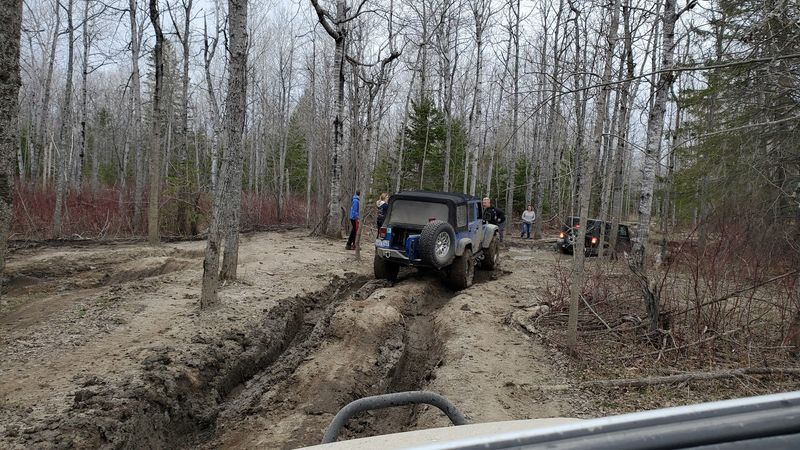
Drummond Island has an extensive network of trails covering everything from gentle woodland walks to rugged off-road vehicle routes that wind through the interior of the island’s most remote sections.
The Drummond Island Township Park and various state land parcels give hikers access to hardwood forests, wetland boardwalks, and coastal bluffs that most visitors never reach simply because they do not know these paths exist.
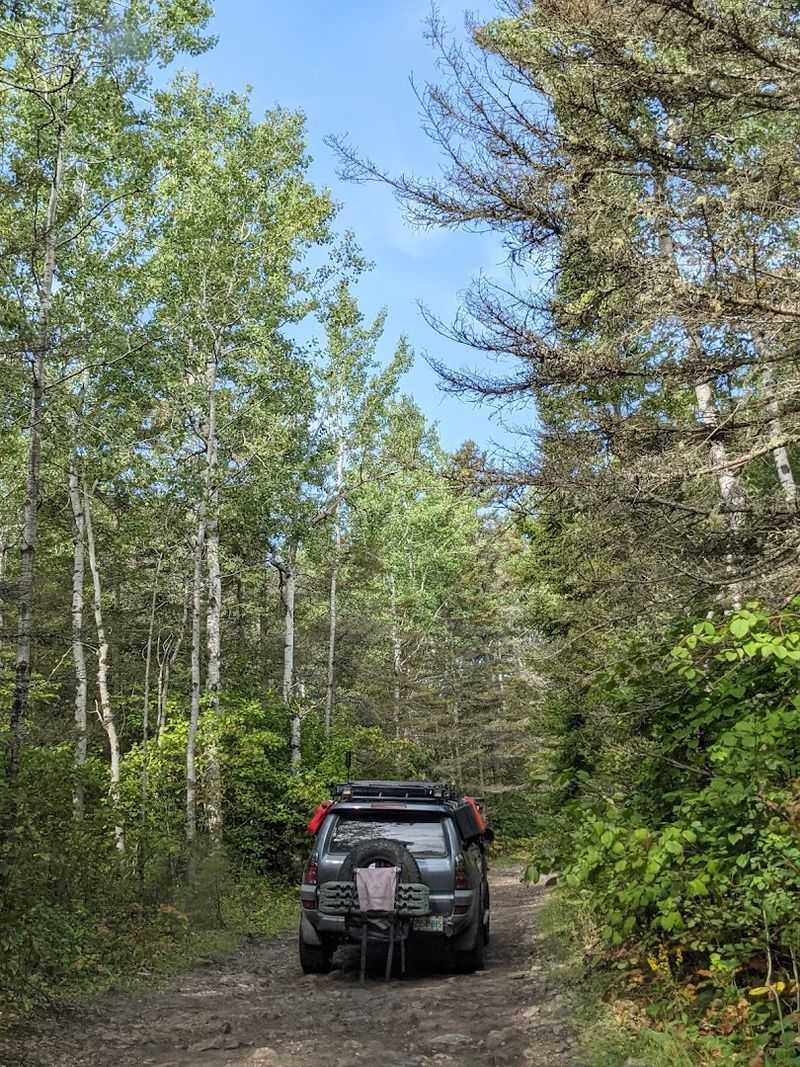
ORV enthusiasts have their own dedicated trail system here, and the island is well known in off-road communities across Michigan as one of the more challenging and scenic destinations for that kind of adventure.
The terrain shifts constantly as you move through the island, from open rocky flats near the water to dense cedar swamps inland, each environment carrying its own sounds, smells, and wildlife encounters.
White-tailed deer are almost guaranteed sightings on any trail, and black bears, bald eagles, and great blue herons make regular appearances for anyone patient enough to move quietly. The deeper you go, the better the reward tends to be.
Fishing So Good It Almost Feels Unfair
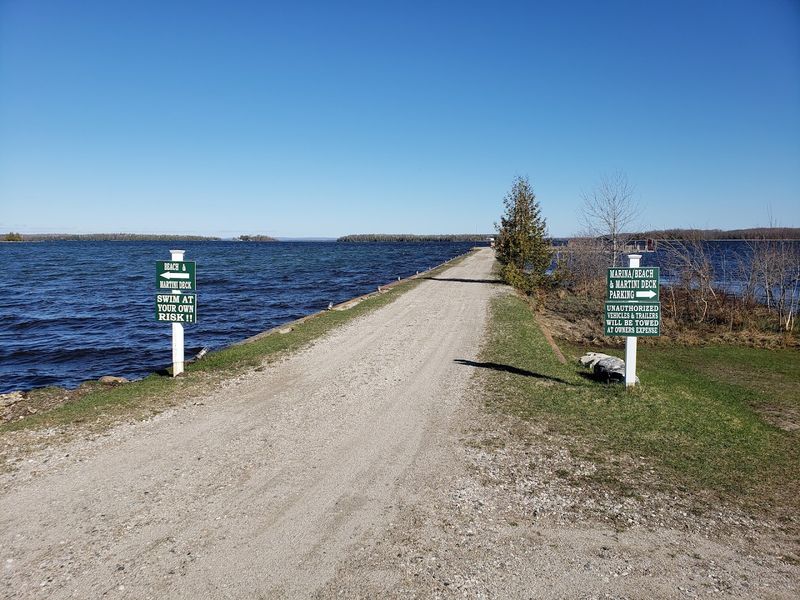
Fishing on and around Drummond Island is the kind of experience that spoils you for more crowded fishing destinations, partly because the water quality is exceptional and partly because the pressure from other anglers is so much lower than on the mainland.
The surrounding waters hold strong populations of walleye, northern pike, smallmouth bass, yellow perch, and lake trout, giving visiting anglers a wide variety of targets across different seasons.
Ice fishing is equally popular here in winter, when locals and visitors set up shanties on the frozen bays and spend long, satisfying days pulling perch through holes cut in thick ice. The quiet of a winter fishing morning on Drummond is something genuinely hard to describe.
Charter captains operating out of the island know these waters with a depth of familiarity that only comes from decades on the same stretch of lake.
Whether you prefer casting from a rocky shoreline at sunset or drifting over a deep walleye flat in a small boat, the fishing here has an honest, old-school quality that feels increasingly rare in modern travel.
What Winter on the Island Actually Looks Like

Winter does not chase people away from Drummond Island so much as it transforms the place into a completely different kind of destination, one that rewards the adventurous traveler who does not mind cold temperatures and limited services.
Snowmobiling is a major draw during the winter months, with trail systems connecting to the broader Upper Peninsula network and plenty of open terrain to cover across the island’s interior.
Cross-country skiing and snowshoeing through the silent, snow-loaded forests have a meditative quality that is genuinely hard to replicate anywhere else. The only sounds are your own breath and the occasional creak of a snow-weighted branch.
Ice fishing shanty communities pop up on the frozen bays, creating small temporary villages that feel like something out of a different era entirely.
The ferry continues operating through winter, though conditions can occasionally cause delays, so building flexibility into a winter trip is just practical planning. For those willing to embrace the season rather than resist it, Drummond in January is an experience that tends to leave a lasting impression.
The Quiet Culture of a Year-Round Island Community
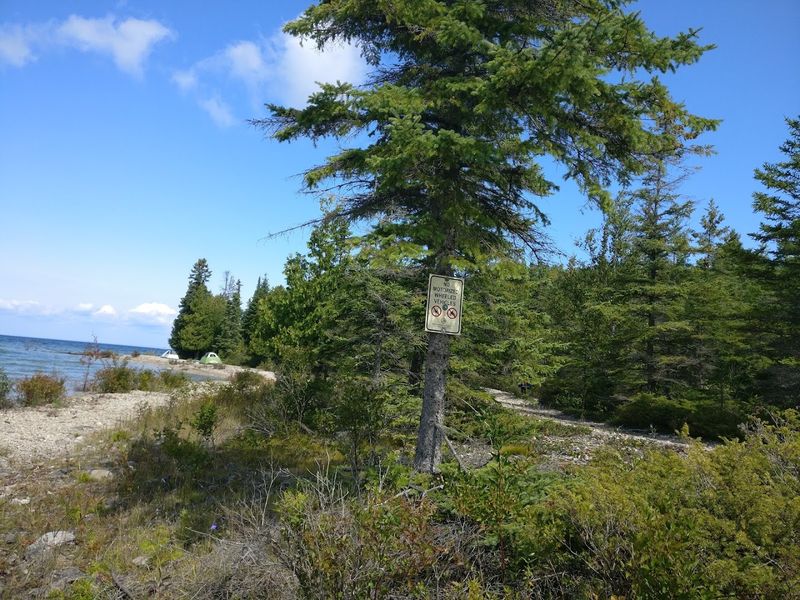
With fewer than a thousand full-time residents, Drummond Township operates with the rhythms of a true island community, one where people know each other by name, where the general store doubles as a social hub, and where newcomers are welcomed with genuine rather than performative warmth.
The island has a handful of small businesses including lodges, a golf course, a few eateries, and outfitters catering to the outdoor recreation crowd, but nothing about the commercial scene feels forced or overdeveloped.
Local events like community fish fries and seasonal gatherings bring residents and visitors together in a way that feels organic rather than staged for tourist consumption.
There is a deep pride among island residents in keeping Drummond the way it is, unspoiled, uncrowded, and genuinely connected to the natural world around it.
That attitude shapes the experience for visitors in subtle but meaningful ways. The pace here is set by the land and the water, not by a tourism board, and that distinction makes every interaction feel a little more real and a little more worth remembering.
Kayaking and Paddling Through Island Channels
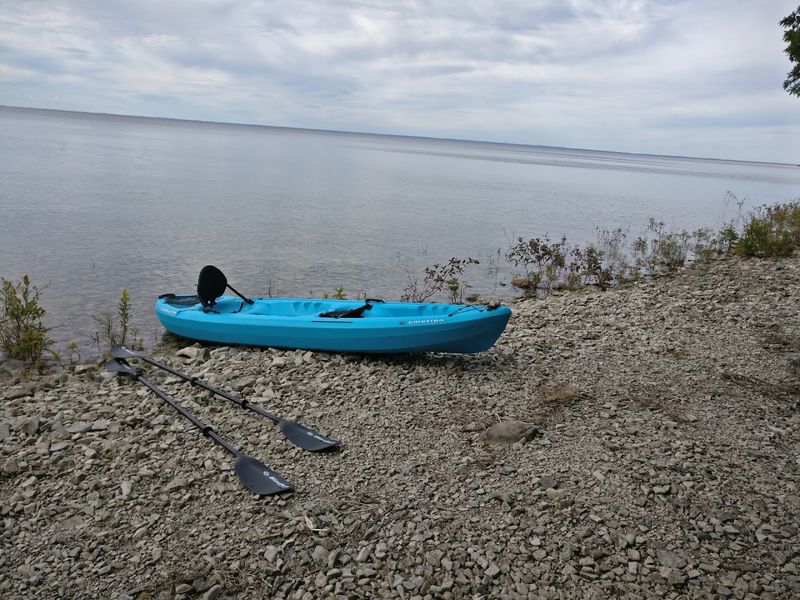
The smaller islands surrounding Drummond Township create a paddling landscape that is genuinely extraordinary, with protected channels, hidden coves, and stretches of open water that shift between glassy calm and lively chop depending on the wind.
Sea kayaking is one of the most popular ways to explore the area, and experienced paddlers come specifically for the multi-day routes that thread through the archipelago between Drummond and the Canadian shore.
The water clarity in this part of Lake Huron is remarkable, and paddling over rocky shoals in shallow water gives you the odd sensation of floating in mid-air when the sun hits at the right angle.
Canoe camping on some of the smaller uninhabited islands is possible for those with the equipment and experience to manage it, creating a kind of wilderness adventure that feels genuinely remote despite being technically accessible from a paved road.
Rentals and guided trips are available through local outfitters for visitors who arrive without their own equipment. The channels around Drummond are the kind that make you reach for your camera every fifteen minutes without fail.
Wildlife Watching That Requires No Special Equipment
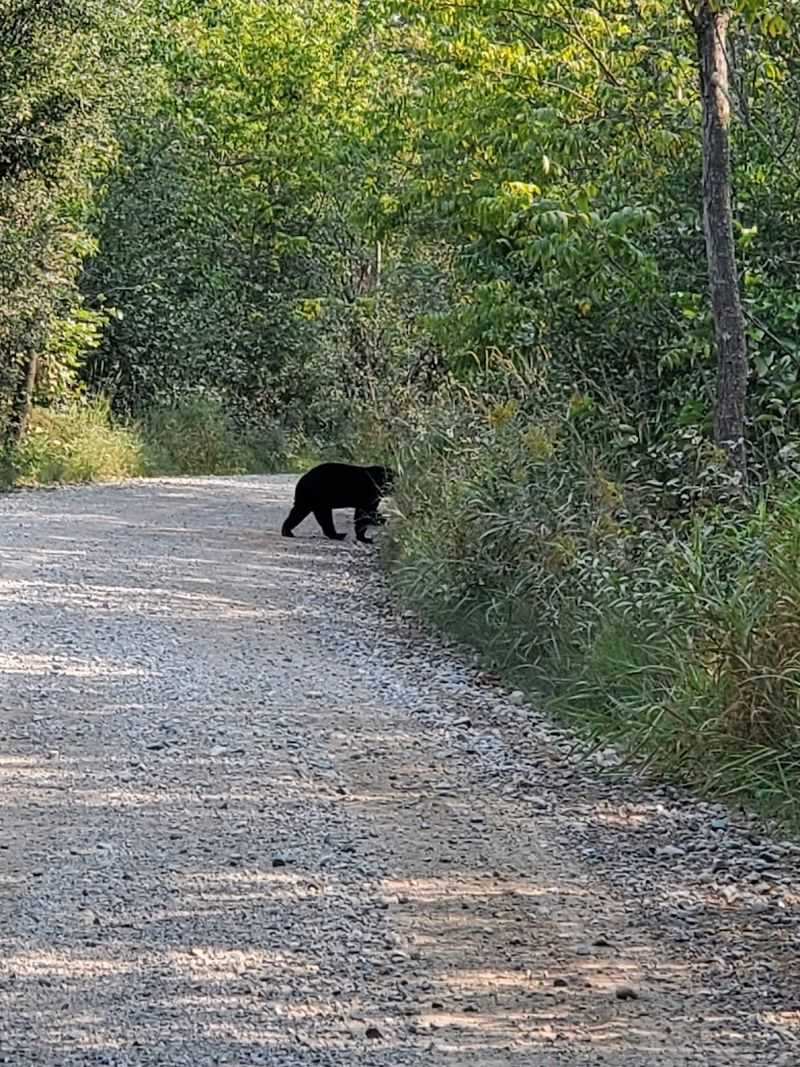
Drummond Island’s combination of forest, wetland, and shoreline habitats makes it one of the more reliably productive wildlife watching destinations in the Upper Peninsula, and you do not need a guide or specialized gear to have memorable encounters.
Bald eagles are a common sight here, often spotted perching over the water or circling the tree line in the early morning hours when the light is still soft and golden.
The island’s interior wetlands support sandhill cranes, great blue herons, osprey, and a variety of waterfowl that move through during spring and fall migrations in impressive numbers.
White-tailed deer are practically residents in the campgrounds and roadsides, and black bear sightings, while not guaranteed, are common enough that locals take them in stride.
Loons are perhaps the most emotionally resonant wildlife experience here, their calls carrying across the water at dusk with an almost haunting beauty that makes even the most phone-addicted traveler put the screen down and simply listen. The island’s wild residents have a way of recalibrating your attention.
Practical Tips for Planning Your Trip to Drummond
A few practical details make the difference between a smooth Drummond Island trip and an unnecessarily complicated one, starting with the ferry schedule, which runs regularly but has limited late-night crossings, so arriving with a plan is smarter than arriving and hoping for the best.
Cell service on the island is limited and inconsistent, which is either a bug or a feature depending on your relationship with your phone. Download offline maps before you leave the mainland.
Accommodation options include the well-regarded Drummond Island Resort and Conference Center, several smaller lodges, and private cabin rentals that give you a more independent experience closer to the forest.
The island has a small grocery and supply situation, so bringing essentials from the mainland is a practical habit rather than an overreaction. Fuel is available on the island but tends to run at a premium compared to mainland prices.
The best months to visit for outdoor activities are June through September, though fall color season in October is genuinely spectacular and significantly less busy than the summer peak. Plan ahead, pack light, and let the island do the rest.



