 Unearth The Voyage
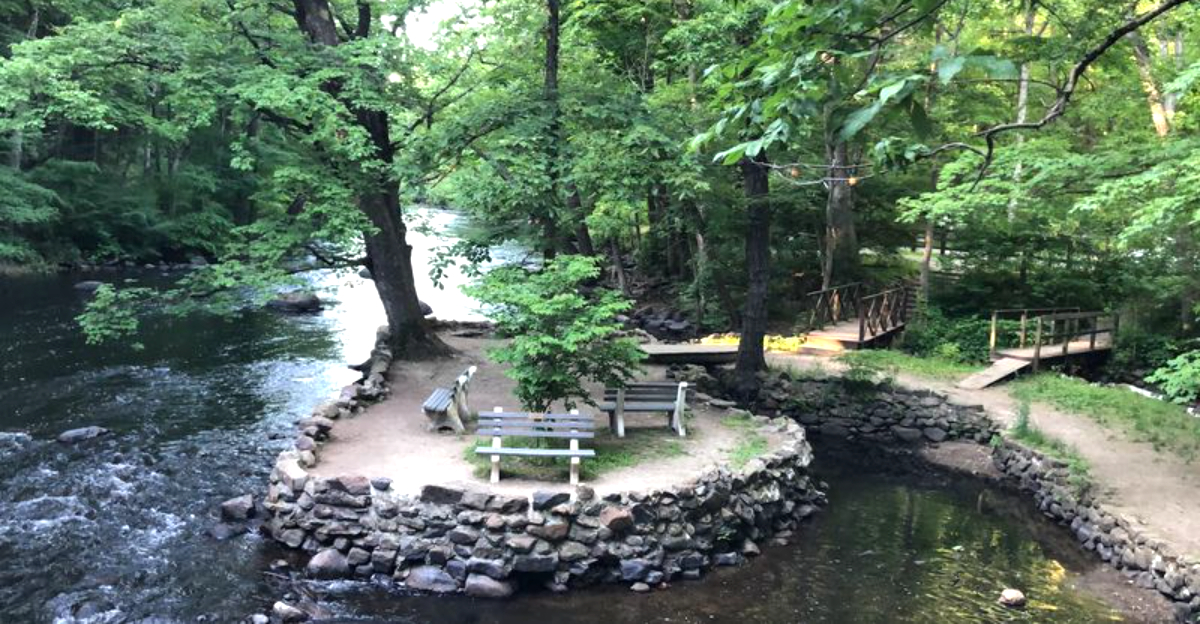
There is a state park tucked into the hills of Warren County, New Jersey, that most people drive right past without a second thought. It sits along the Musconetcong River, surrounded by wooded ridges and quiet trails, and it has been hiding in plain sight for decades.
The park covers 805 acres, holds six miles of marked trails, and offers camping, fishing, picnic areas, and a playground, yet it rarely shows up on the usual lists of top New Jersey outdoor spots. That is exactly what makes it worth talking about.
Whether you live nearby in Hackettstown or are making the trip from across the state, this place rewards anyone willing to look past the more famous destinations. By the end of this article, you will know everything you need to plan a visit and understand why regulars keep coming back season after season.
Where Exactly This Park Hides
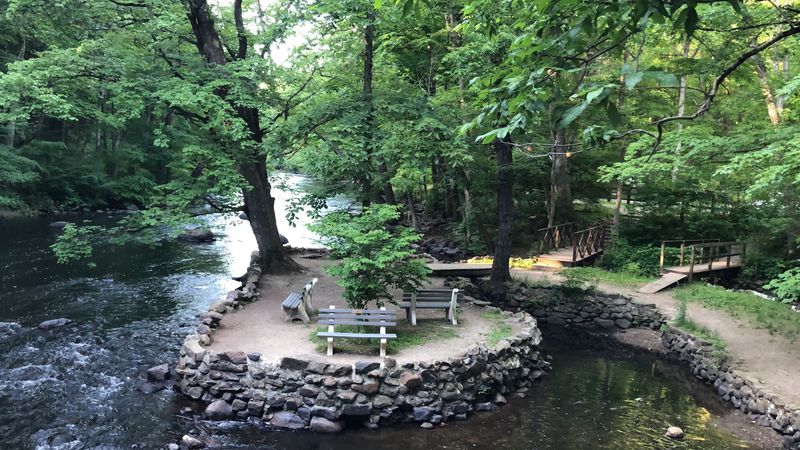
Stephens State Park sits at 800 Willow Grove St, Hackettstown, NJ 07840, right in Warren County in the northwestern corner of New Jersey. The park borders the Musconetcong River, and that river is genuinely the backbone of the whole place.
Getting there the first time can catch you off guard. The campground and the main day-use area are technically separate sections, so first-time visitors sometimes find themselves turning around in a parking lot wondering where the trails went.
Grabbing the map posted at the bulletin board near the trailhead entrance clears up most of that confusion fast.
The park opens at 6 AM every day of the week and closes at 8 PM. Parking is free, though the main lot fits roughly 15 cars, so arriving early on summer weekends is genuinely good advice rather than just a suggestion.
The address is easy to plug into any navigation app, and the drive through the surrounding hills is worth it on its own.
The History Behind the Name
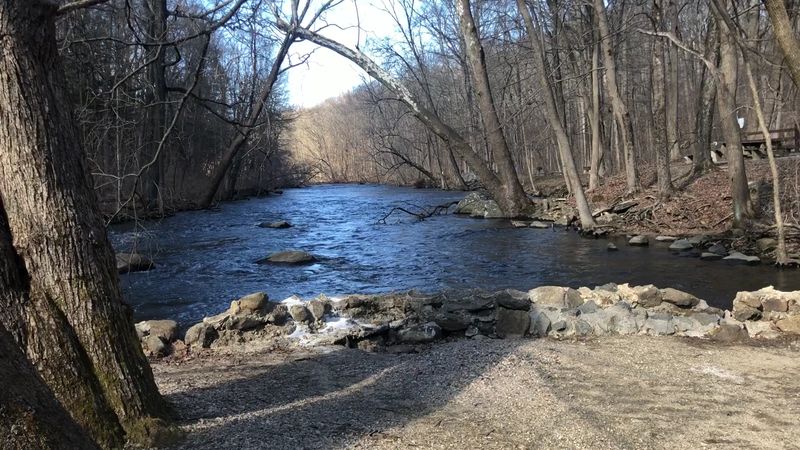
The park carries the Stephens name in honor of the Stephens family, who were among the early settlers of the Hackettstown area along the Musconetcong River valley. The river itself has a long history tied to the iron industry that once powered much of northwestern New Jersey during the 18th and 19th centuries.
The Musconetcong served as a water source for mills and forges that helped supply materials during the colonial period. That industrial past is long gone now, replaced by clean water, stocked trout, and quiet trails where the biggest noise most days is a woodpecker working on a dead tree.
New Jersey’s Division of Parks and Forestry has managed the land for decades, maintaining it as a public natural area while keeping development minimal. That hands-off approach is a big part of why the park still feels genuinely wild in spots, even though it sits within easy driving distance of several suburban towns.
The River That Runs Through It All
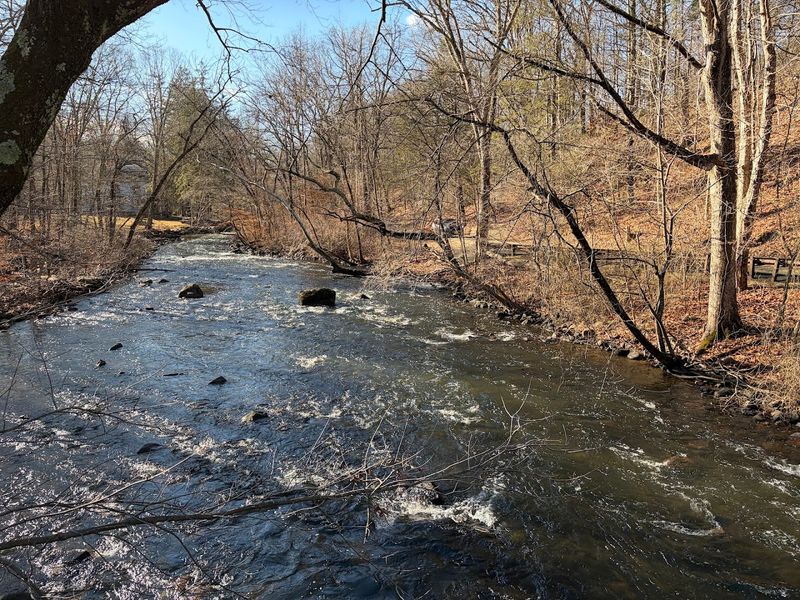
The Musconetcong River is not just a backdrop here. It is the main event for a large portion of visitors who come specifically to fish or simply sit near the water and decompress from the week.
The river is stocked with trout, which makes it a reliable destination for anglers from early spring through the season. Fishing is permitted, but swimming and wading are not allowed, so the riverbanks stay relatively calm and uncrowded compared to beach-style parks.
Plenty of flat, grassy spots along the water are set up with picnic tables, and the combination of moving water and tree cover keeps those areas comfortable even on warm days.
The water runs clear over smooth rocks in most stretches, and the banks are accessible enough that kids can crouch down and watch the current without any real difficulty. It is the kind of spot that makes you forget you are less than two hours from New York City.
Trail Options for Every Fitness Level
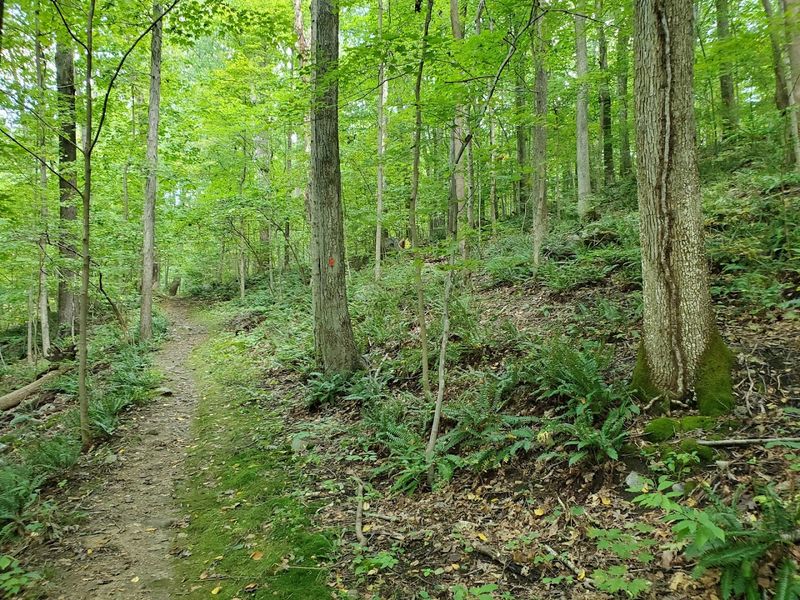
Three color-coded trails give visitors real options depending on how much of a workout they want. The red trail is the most accessible, running close to the river and staying flat enough to work as a stroller or wheelchair-friendly route.
It is a solid choice for families with younger kids or anyone who just wants a relaxed walk without a lot of climbing.
The orange trail is a different story entirely. It is steep, relatively short, and delivers a genuine cardiovascular challenge.
Hikers who have done it describe needing breaks on the sharper inclines, especially when the ground is wet. Mossy rocks and leaf-covered sections can get slippery, so footwear with good grip matters on that one.
The yellow trail connects into the red trail and offers a middle-ground experience through mixed forest terrain. Trail markers on yellow and red are well placed, but the orange markers can be inconsistent, so picking up the free map at the bulletin board before heading out is a habit worth forming.
Mountain Biking That Goes Way Beyond Six Miles
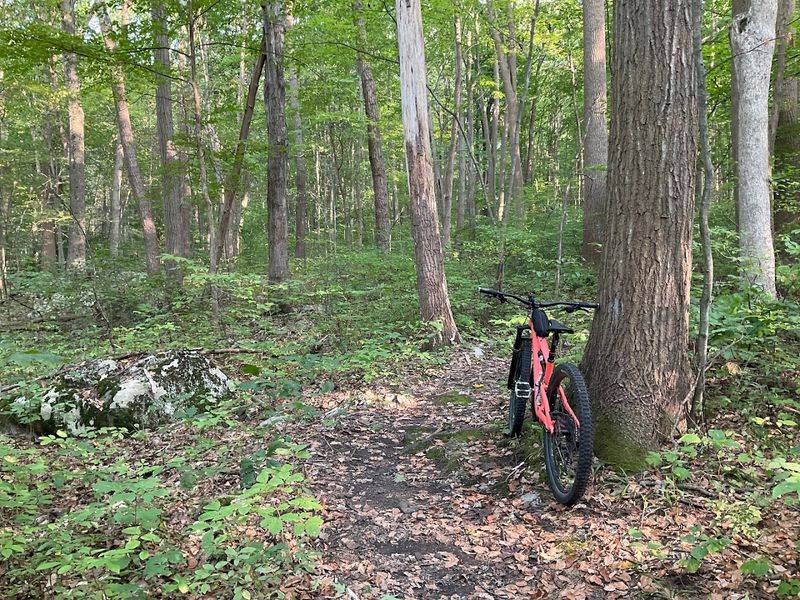
The official trail count listed for Stephens State Park is six miles, but mountain bikers who have explored the area consistently report riding far more than that. One rider logged 17 miles without covering everything the park and its connecting back roads have to offer.
The trail network links up with routes that lead toward Waterloo Village, either through the woods or via back roads, which turns a simple park ride into a longer regional adventure. The terrain is varied enough to keep experienced riders engaged without being so technical that casual cyclists feel shut out.
One practical note for anyone planning to camp and bike: everything in the forest tends to stay damp, especially after rain. Firewood brought from outside the park burns much better than anything collected on the ground.
The combination of camping and biking over a weekend gives the park a completely different character than a quick day visit, and regulars who do both tend to become very loyal repeat visitors.
Camping Under the Trees
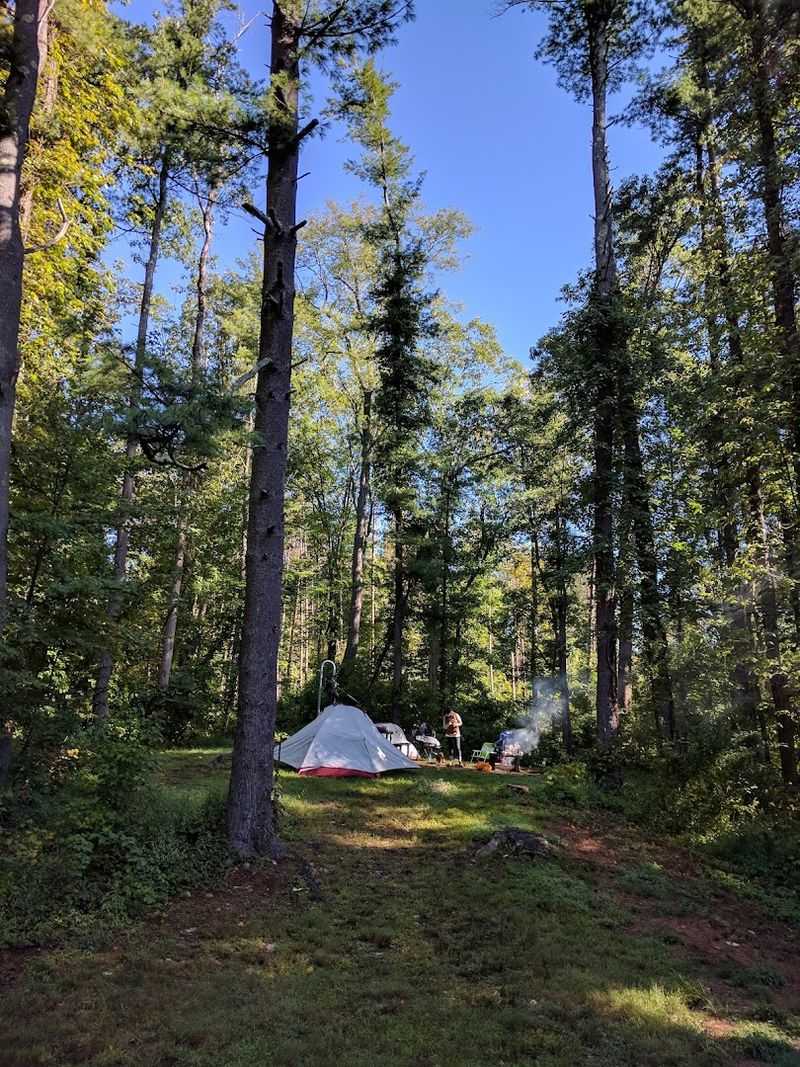
The campground at Stephens State Park is the kind of place that fills up quietly without ever making the top-ten lists. Sites are spread through the trees, and the overall atmosphere leans toward calm rather than the party-style energy that some campgrounds carry on summer weekends.
A few practical things stand out from the camping experience. Odd-numbered sites tend to sit on flatter ground, while even-numbered spots have a slight slope that can make sleeping less comfortable.
Showers are available but vary in quality, and hot water is not always guaranteed, so packing a backup plan for washing up is a reasonable move.
Restrooms are maintained well and kept separate from the shower facilities. A dishwashing station near the restrooms is a detail that regular campers appreciate more than newcomers realize.
The campground fee is reasonable by New Jersey state park standards, and reservations through the state system are the safest way to lock in a spot during peak spring and summer weekends.
Picnic Areas That Actually Deliver
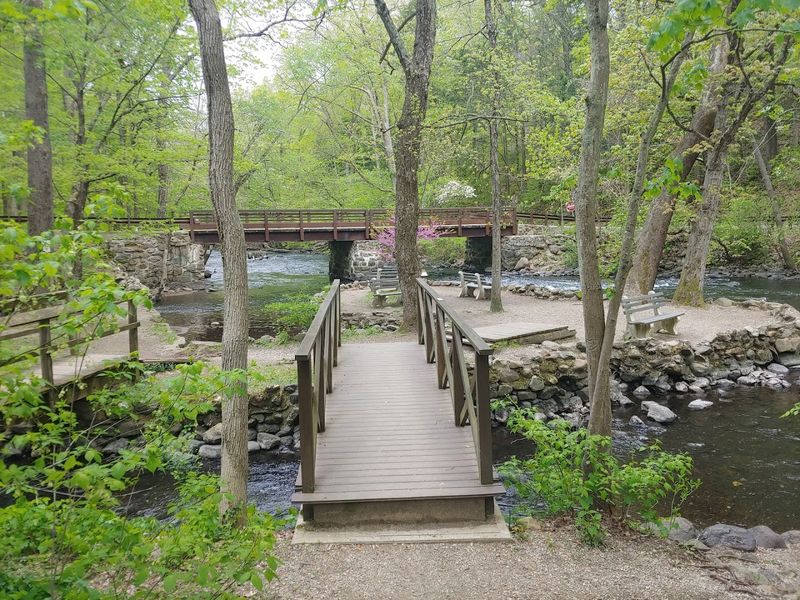
Not every state park manages to get picnic areas right, but Stephens pulls it off without overcomplicating things. Tables and grills are positioned along the river, and the flat ground makes setup easy whether you are feeding a family of four or a larger group.
Grills are charcoal-style, so bringing your own charcoal and lighter is necessary. A few visitors have also noted that grill cleaning supplies and table covers make the experience noticeably more comfortable, since the equipment gets heavy use during busy weekends and is not always spotless when you arrive.
The picnic spots closest to the water fill up fastest on weekends, especially in summer. Arriving by mid-morning on a Saturday gives you a real shot at one of the better riverside tables.
Groups who come later in the day often find themselves setting up further from the water, which is still pleasant but loses a bit of the charm that makes this park worth the drive in the first place.
Wildlife and Birdwatching Surprises
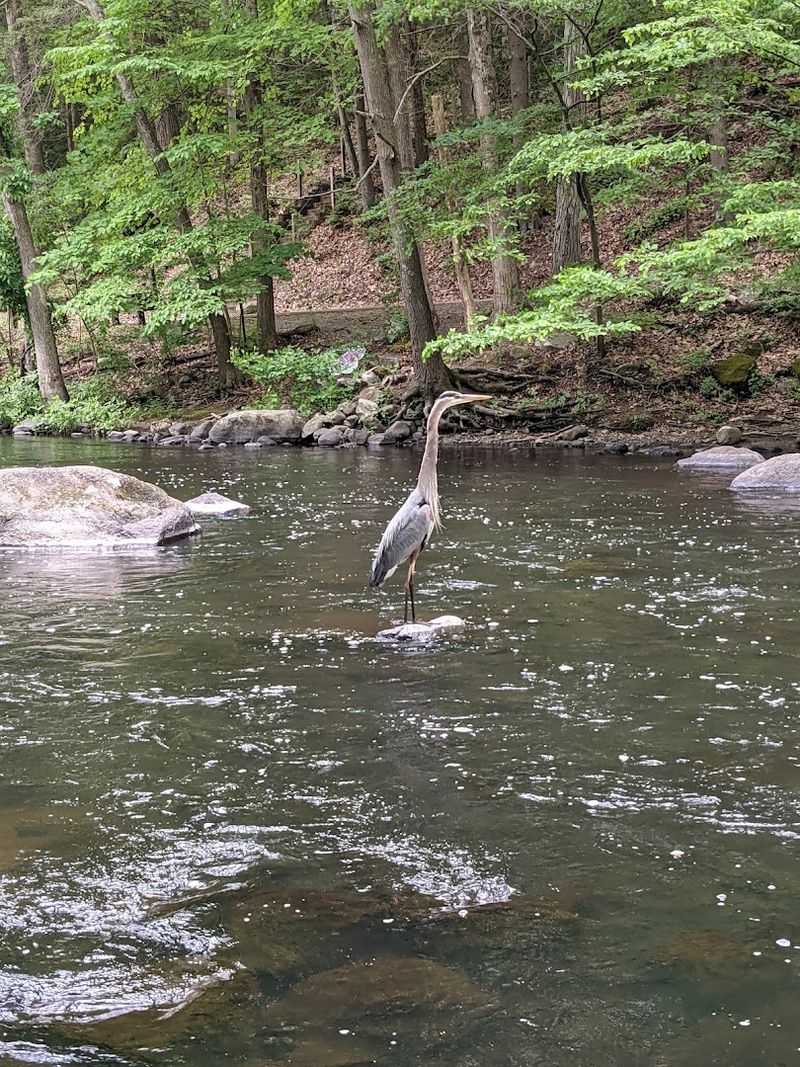
Wildlife sightings at Stephens are common enough that they feel like a regular part of any visit rather than a lucky bonus. The park sits within a broader forested corridor in Warren County, which means animals move through the area regularly rather than staying in one fixed zone.
Birds are particularly abundant, and the river draws species that prefer moving water habitats. The mix of forest edge, open riverbank, and dense canopy creates varied habitat that supports a wide range of bird activity across seasons.
Binoculars are worth packing even if birdwatching is not your main reason for visiting.
Deer show up regularly along the trails, and rabbits appear near the campground with enough frequency that they barely startle anymore. Ticks are present throughout the park, particularly in warmer months, so checking clothing and skin after any trail time is genuinely important rather than optional.
Bug spray is standard gear here, and anyone who skips it on a humid summer hike tends to regret that decision fairly quickly.
The Playground and Family-Friendly Setup
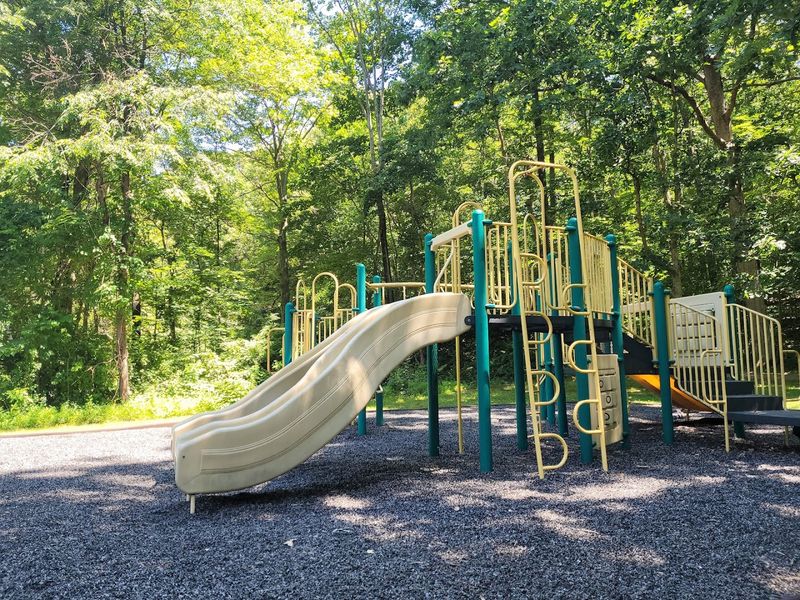
Families with younger kids get a lot out of Stephens in ways that go beyond the trails. Two separate playground areas are scattered across the park, one positioned near the campground and another at the start of the red trail on the far side of the park.
The red trail itself functions well as a family walk. It stays close to the river, avoids major elevation changes, and is wide enough that kids can move around without anyone feeling cramped.
The combination of flat trail, river views, and a playground at the end gives younger hikers a clear destination to work toward rather than just an abstract walk through the woods.
Restrooms are available at two locations: one near the main parking area and one further inside the park. Both are described as well-maintained in most conditions, which matters a lot when you have kids who need reliable facilities.
The park is also pet-friendly, so bringing the family dog along is entirely reasonable.
Fishing the Stocked Musconetcong
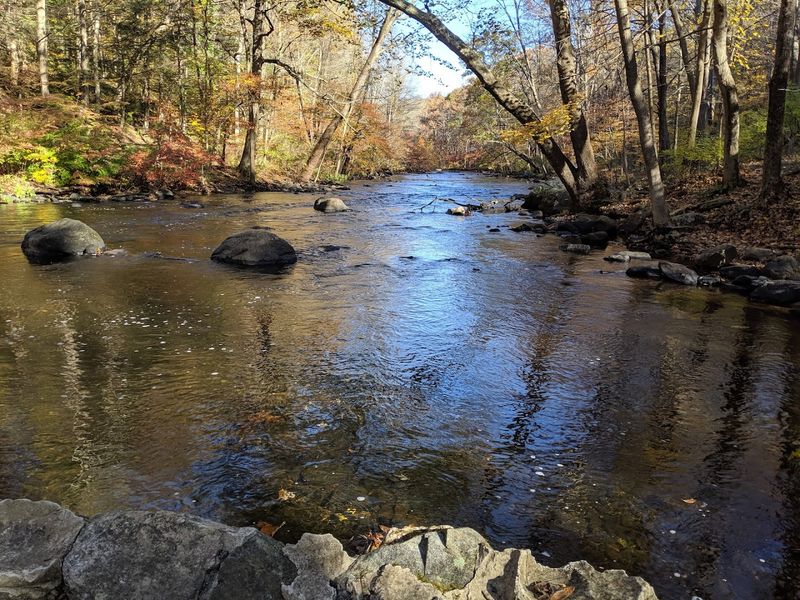
Trout fishing is one of the main draws that brings repeat visitors to Stephens year after year. The Musconetcong River is a stocked waterway, meaning the state regularly adds fish to keep the population at a level that makes fishing genuinely productive rather than a waiting game.
A valid New Jersey fishing license is required, and trout stamps apply during the designated season. The river runs clear in most stretches, which means fish are visible from the bank in shallow areas.
That visibility cuts both ways though, since fish in clear water can also see anglers more easily, so patience and quiet movement along the bank improve results noticeably.
Access points along the park make it easy to find a stretch of river without walking far from the parking area. Early morning tends to produce the best fishing conditions before foot traffic picks up.
For anyone who has not fished a stocked river before, the Musconetcong at Stephens is about as approachable a starting point as New Jersey offers.
Best Times to Visit and What to Expect
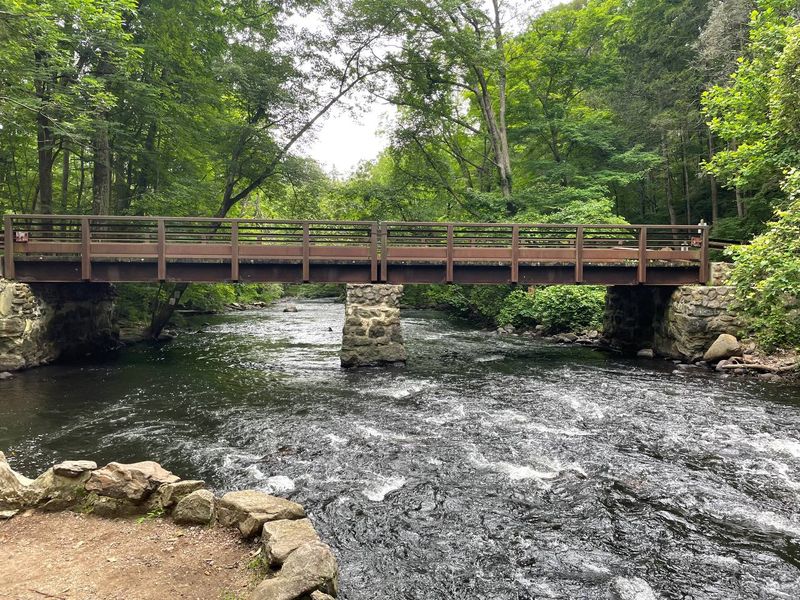
Spring and fall are the strongest seasons for a visit to Stephens. Spring brings the trout stocking season and green-up along the river corridor, while fall turns the surrounding ridges into a rotating display of color that makes even the simpler trails feel more rewarding.
Summer works well too, especially for camping, though the combination of humidity and insects requires preparation. Bug spray is not optional during July and August hikes.
Parking fills faster in summer, and arriving before 9 AM on weekends is the practical move for anyone who wants a riverside picnic table without a competition for it.
Winter visits are quieter, and the trails stay passable in most conditions, though the park hours and some facilities may adjust outside peak season. Checking the official New Jersey Division of Parks and Forestry website before a winter trip saves potential frustration.
The park holds up well across all four seasons, which is part of what makes it a genuinely versatile destination rather than a one-trip spot.
Why This Park Keeps Pulling People Back
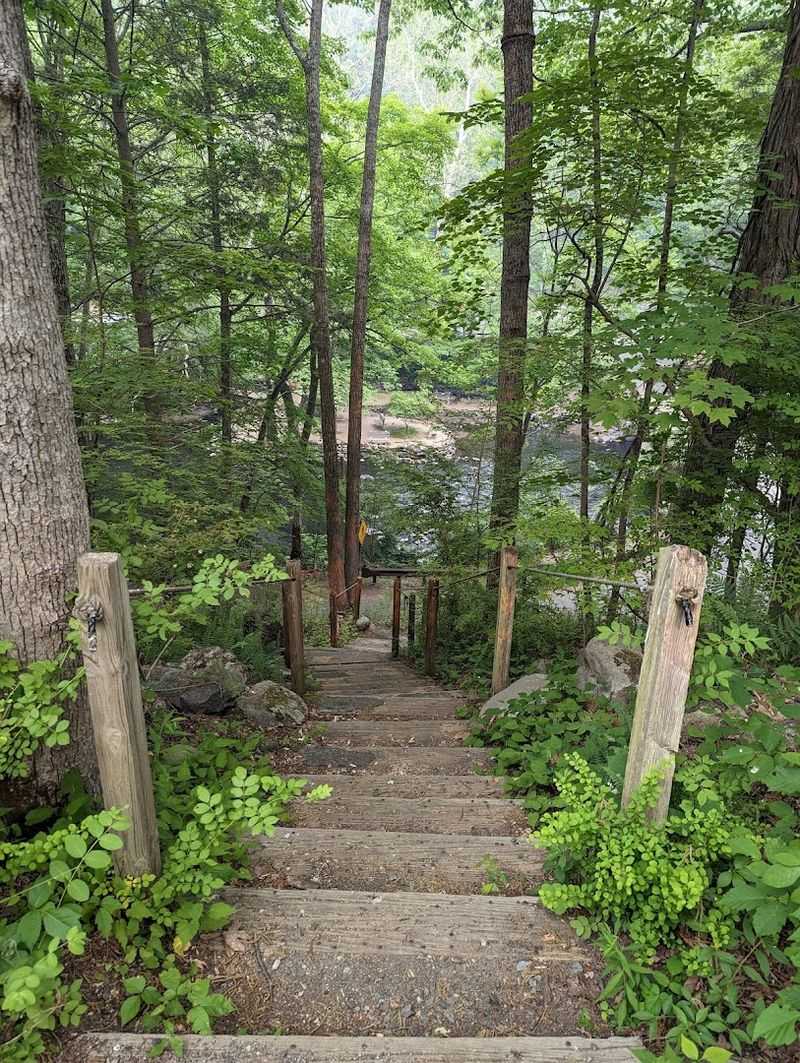
A 4.6-star rating across hundreds of reviews is not an accident. Stephens State Park earns that number through consistency: trails that are well-marked on the easier routes, facilities that are generally clean and functional, and a natural setting that holds up across repeated visits without feeling worn out.
The park does not try to be everything. There is no boat launch, no swimming area, and no grand visitor center.
What it offers instead is straightforward access to the outdoors in a form that works whether you have two hours or two nights to spend there. That simplicity is increasingly rare in parks that get heavy promotion.
People who find Stephens tend to return, and they tend to bring others with them. The fact that it remains relatively uncrowded compared to more famous New Jersey parks is either a well-kept secret or a happy accident of geography, and either way, the people who know about it are not exactly rushing to change that.



