 Unearth The Voyage
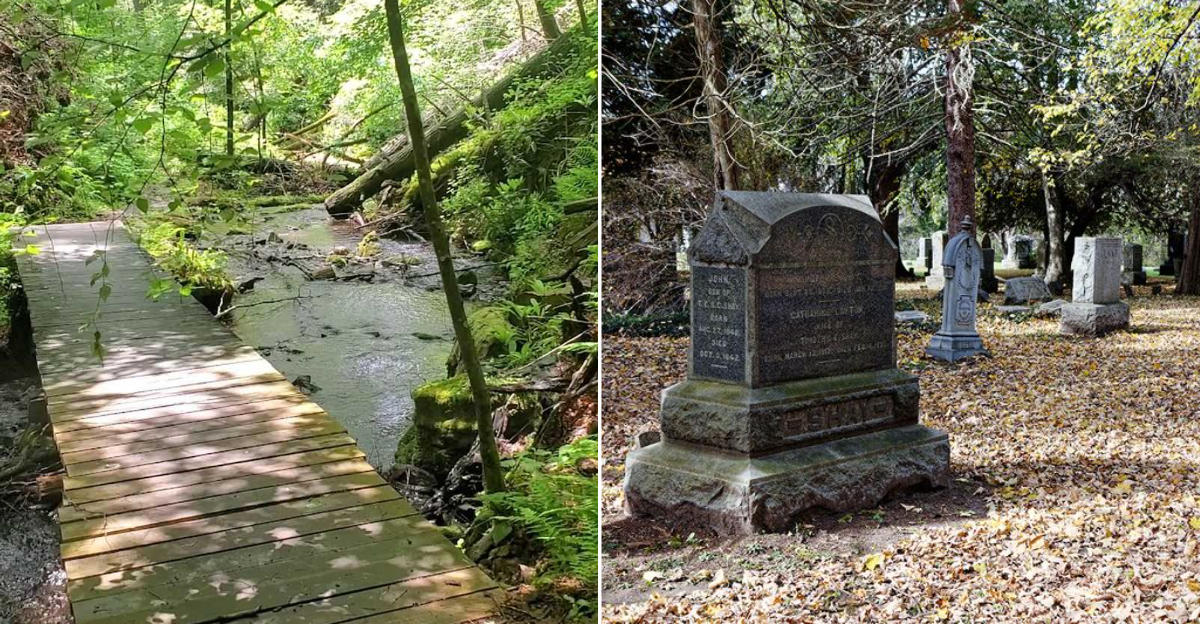
Northwestern New Jersey has no shortage of trails, but one short route near Branchville keeps earning the kind of praise usually reserved for places people try not to share. This ravine packs a stream, small cascades, rocky stretches, quiet woods, and enough route options to turn a simple outing into a longer day without making the whole thing feel overplanned.
It also comes with a few real-world quirks, including limited parking, uneven road access, and trail sections that can be less polished than the postcard version of hiking. Keep reading, because this is the kind of place where the practical details matter just as much as the scenery, and knowing how Tillman Ravine works is the difference between a pleasant ramble and a muttered conversation with your GPS.
Where to Find It
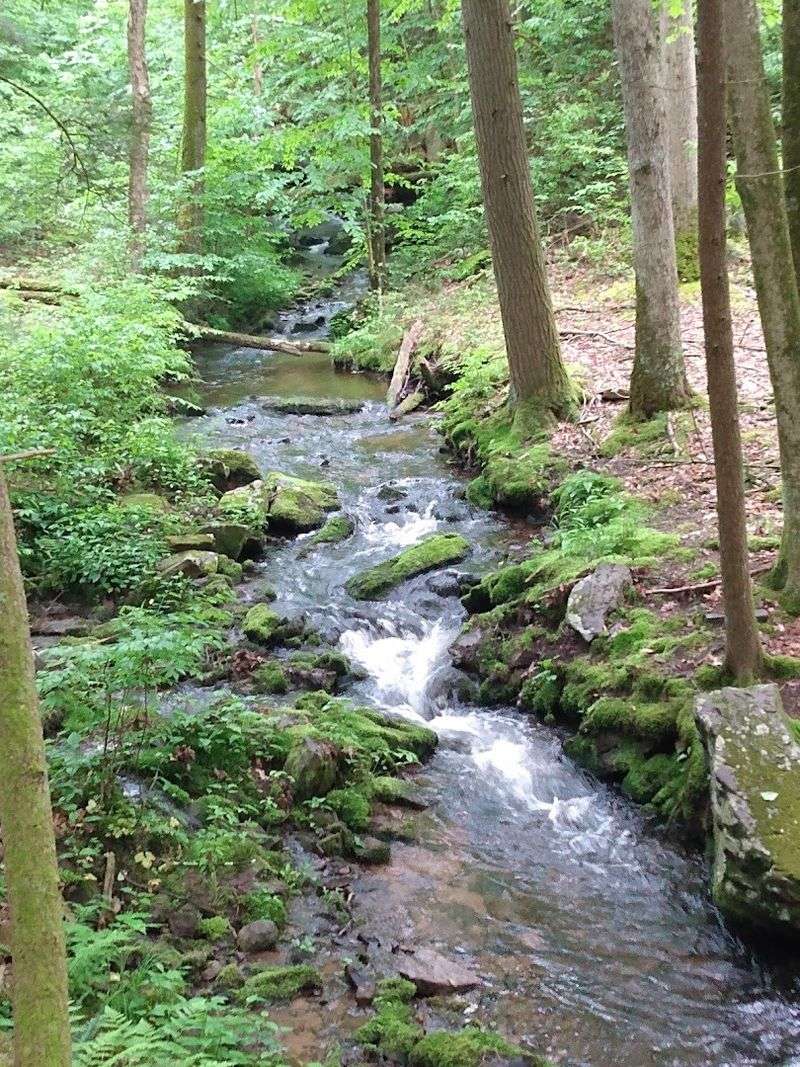
The mystery ends at Tilman Rd, Branchville, NJ 07826, in the United States, where Tillman Ravine sits as a hiking area in the Kittatinny region of northwestern New Jersey. That exact address matters, because this is not the sort of place with a flashy entrance, oversized lot, or big roadside buildup announcing that adventure has clocked in for the day.
What visitors actually find is a trail destination known for short hikes, streamside scenery, and access to longer outings that connect with nearby routes. Branchville is the closest town named in the listing, but the setting feels more remote than that might suggest, which is part of the appeal and part of the planning challenge.
Anyone expecting a polished visitor center should lower the thermostat on those expectations immediately. Tillman Ravine works best for people who like a trailhead that gets to the point and saves the grand speech for the hike itself.
Why It Feels Hidden
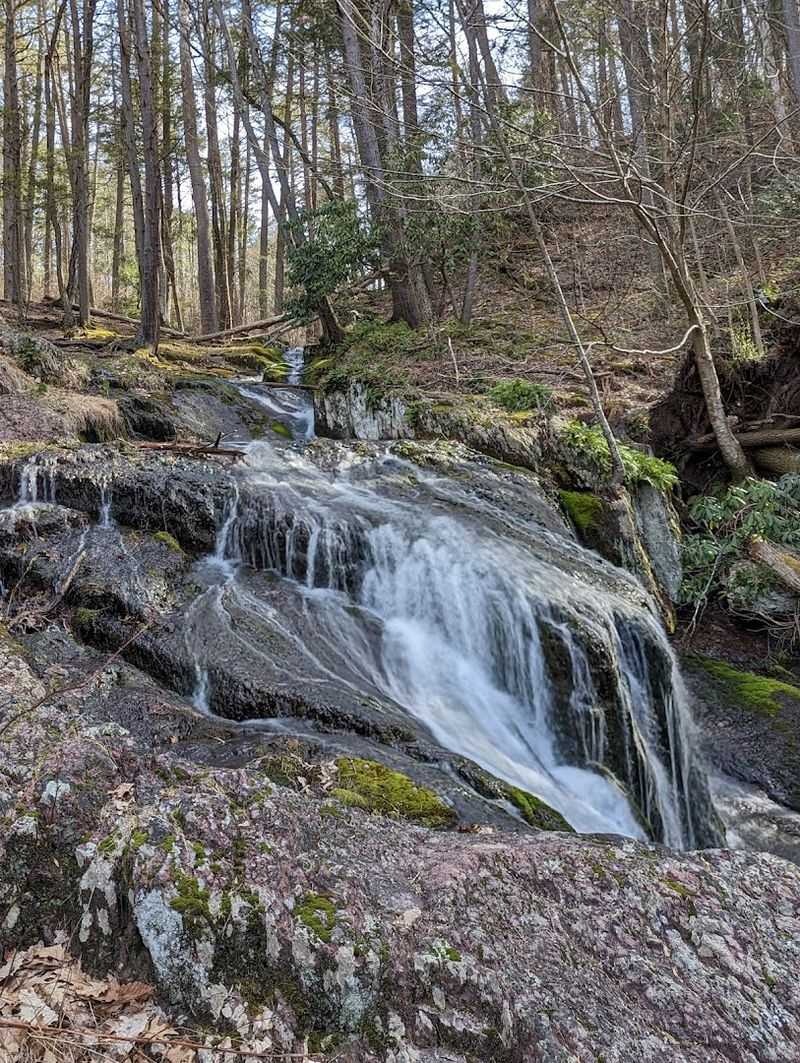
Some trails make their case with a giant overlook or a famous summit, but this one leans on privacy, twists in the terrain, and a stream corridor that keeps the route feeling tucked away. Even with strong ratings and steady foot traffic, Tillman Ravine still reads like a place hikers mention carefully, as though too much attention might ruin the trick.
Part of that secret-paradise reputation comes from the compact scale. The hike is not a marathon, yet it offers enough variety, including cascades, rockier stretches, and side features, that the route feels fuller than its mileage suggests.
Another part is the way the ravine organizes the landscape into a clear little world of its own. Once the trail settles in beside water and stone, the outside world stops acting important, and that is a very effective talent for such a short New Jersey walk.
A Short Hike With Options
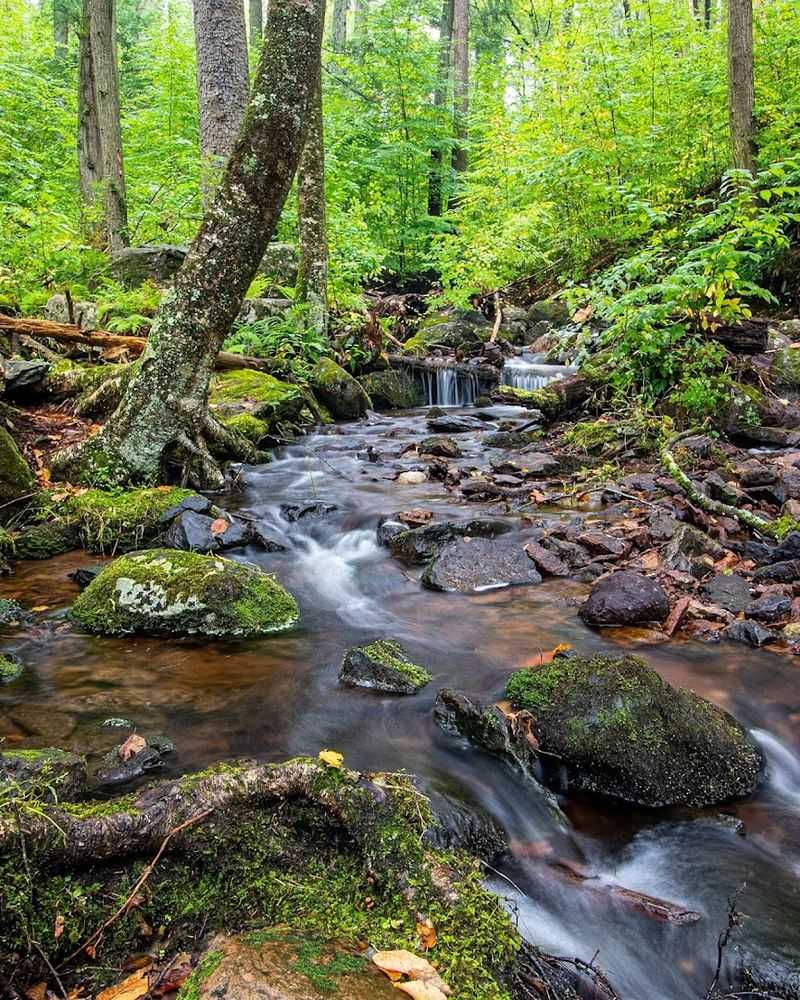
Length is where Tillman Ravine starts playing both sides of the conversation, and that is a compliment. On its own, it is often described as a short hike, with some visitors putting the basic route at under two miles, while others use it as the beginning of something much longer.
That flexibility makes it friendly to different kinds of hikers without pretending everyone wants the same day outdoors. Families, casual walkers, and people easing into trail life can stick with the easier sections, while more ambitious hikers can build a loop with nearby routes and add real elevation.
The useful part is that the trail does not force a big commitment before it offers anything worthwhile. It gives a quick payoff, then leaves the door open for more, which is a smart move and frankly better manners than some hikes with far bigger egos.
Water Does the Heavy Lifting
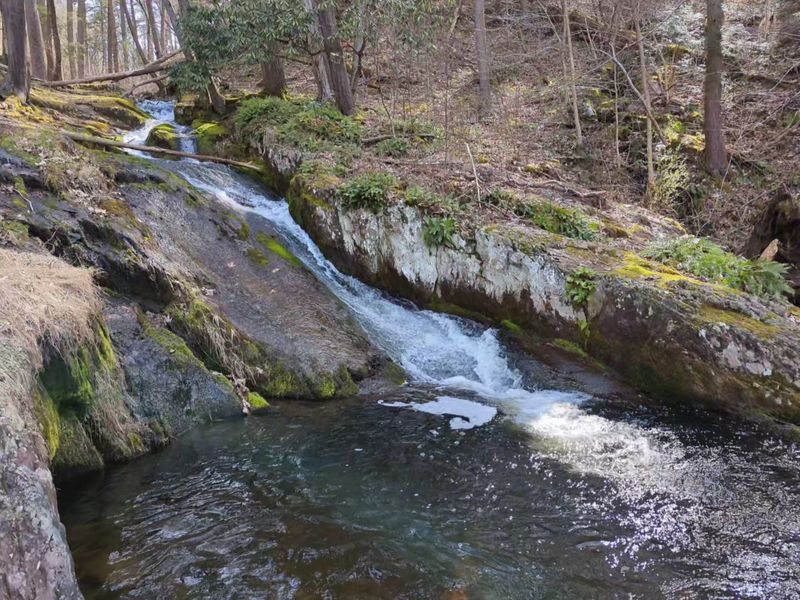
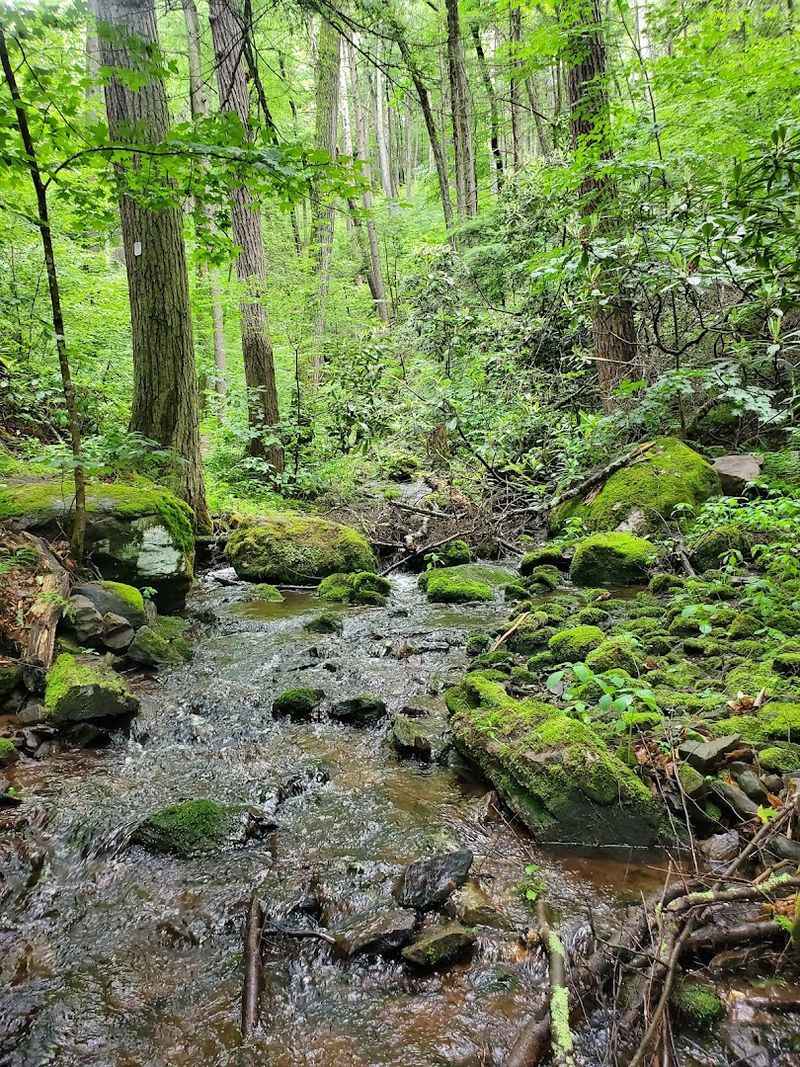
Streams do a lot of work at Tillman Ravine, and the route benefits from every bit of it. Reviews consistently point to moving water, low falls, and creekside sections as the reason this hike punches above its mileage and keeps people talking long after shorter trails usually disappear from memory.
The water features are not limited to one grand finale either, which helps the trail feel active from start to finish. Small cascades and rock-lined channels create a steady thread through the ravine, so the route keeps changing shape without turning into a scavenger hunt for one specific viewpoint.
That steady presence also explains why many hikers treat this as more than a quick errand in hiking boots. Tillman Ravine does not rely on a single dramatic reveal, and that restraint gives it a stronger hand than places that spend the whole day waiting for one photo stop.
The Teacup and Silver Spray
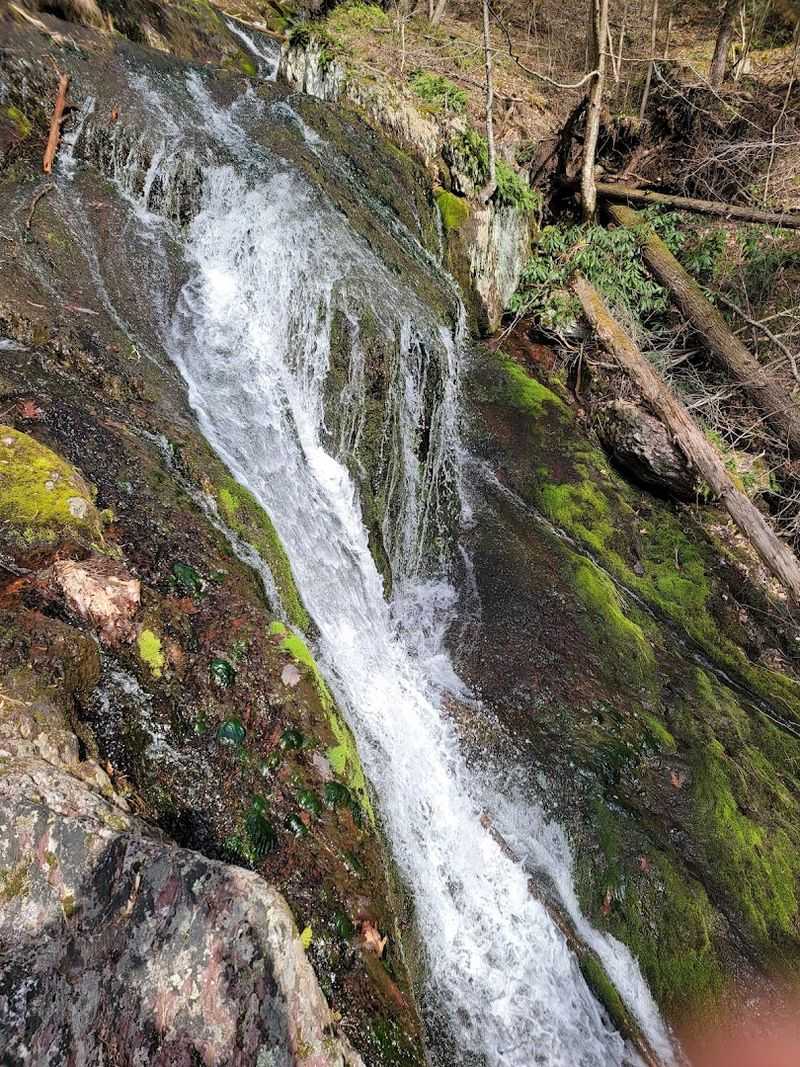
Two names come up again and again here: the Teacup and Silver Spray Falls. That matters because Tillman Ravine is not just a generic trail through woods, but a place with distinct features that hikers actively seek out and remember.
The Teacup tends to get the attention first, and several visitors treat it as the headline attraction on the route. Silver Spray Falls, meanwhile, has a reputation for being easier to miss, which gives it an almost backstage quality even though it is part of what makes the ravine more layered than expected.
Together, these spots create the sense that the hike rewards people who stay observant rather than rushing to collect miles. It is a short trail with named features, and somehow that makes the outing feel more like a small adventure and less like exercise wearing a scenic disguise.
Easy, Moderate, Then a Wake-Up Call
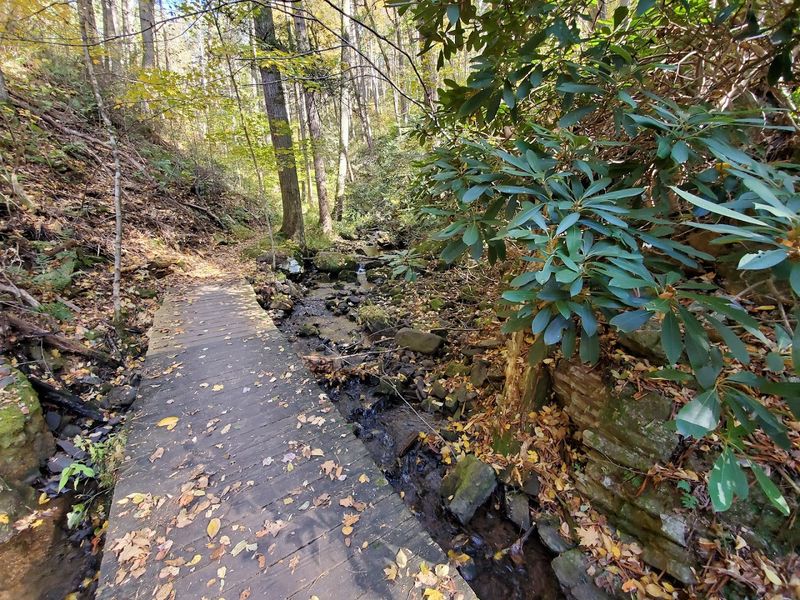
Difficulty at Tillman Ravine depends on the route choices and on how honestly a person interprets the word easy. Many hikers describe the main ravine trail as manageable for beginners, children, and dogs, but that does not mean the area is flat, groomed, or free of sections that ask for attention.
There are steeper parts, rocky scrambles, and climbs that feel more noticeable on the return, especially when the route heads back upward. Several hikers specifically mention the haul back up, which is useful information because gravity has a sense of humor and loves a delayed punch line.
The good news is that the challenge seems reasonable rather than punishing for most prepared visitors. Tillman Ravine is the sort of place where a moderate label fits better than a dramatic warning sign, and that balance is part of why people come back across seasons.
Best for a Loop Day
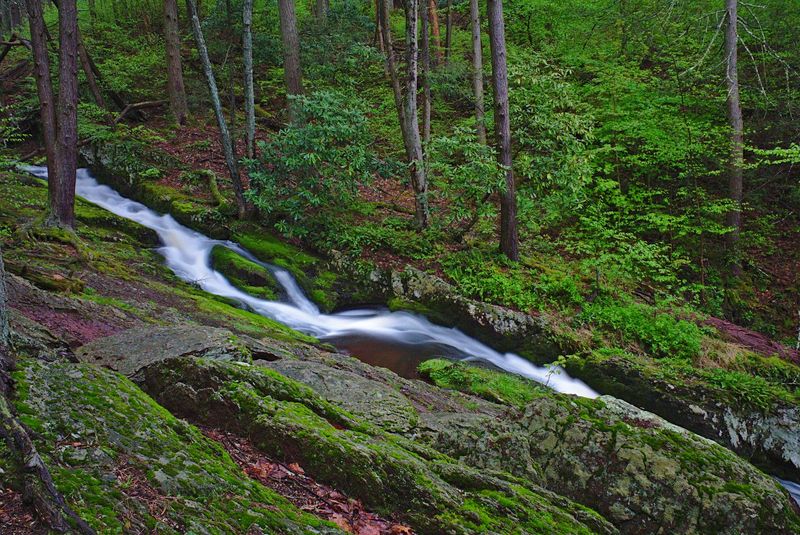
Here is where Tillman Ravine stops being just a short hike and starts behaving like a strategic piece of a bigger day. Hikers regularly connect it with Buttermilk Falls and sections of the Appalachian Trail, creating longer loops that add mileage, elevation, and more variety without changing the overall character of the outing.
That connection works especially well because the ravine ascent is often described as the more gradual way to climb when compared with nearby alternatives. For people planning a longer circuit, using Tillman Ravine as the uphill route can make the day feel better paced and less like an argument with the terrain.
The result is a trail that serves both casual visitors and mileage collectors, which is a neat trick for one ravine to pull off. It is the hiking equivalent of a supporting actor quietly stealing scenes from the blockbuster next door.
Parking and Road Reality
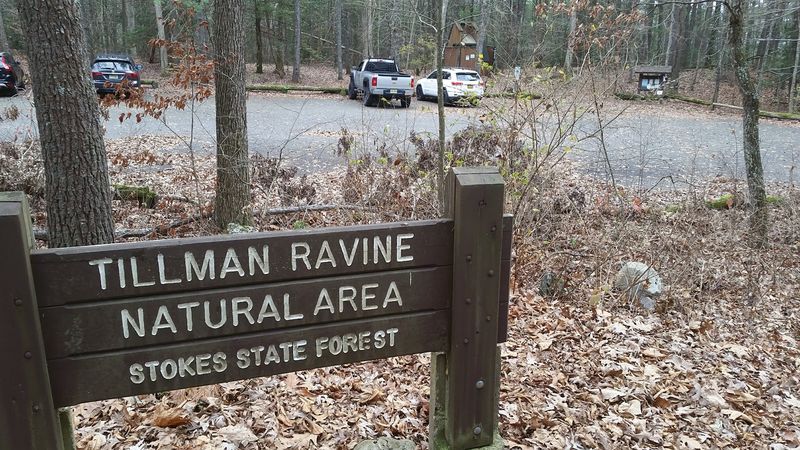
Not every part of the Tillman Ravine experience earns glowing applause, and access is the section most likely to test patience first. Reviews mention limited parking, crowded conditions on nicer days, and roads that can feel rough enough to make the trailhead seem like it is screening applicants before allowing entry.
There is also practical advice hidden in the comments: the lower parking area often has more available space than the main lot, especially on busier weekends. That kind of detail matters here because showing up late with unrealistic parking confidence is a fast way to begin a peaceful hike with unnecessary drama.
None of this makes the place unworthy, but it does mean timing and expectations should be adjusted before arrival. Tillman Ravine rewards a little logistical humility, which may not be glamorous, yet it is often the difference between a smooth start and a gravelly mood.
Trail Markers and Attention Span
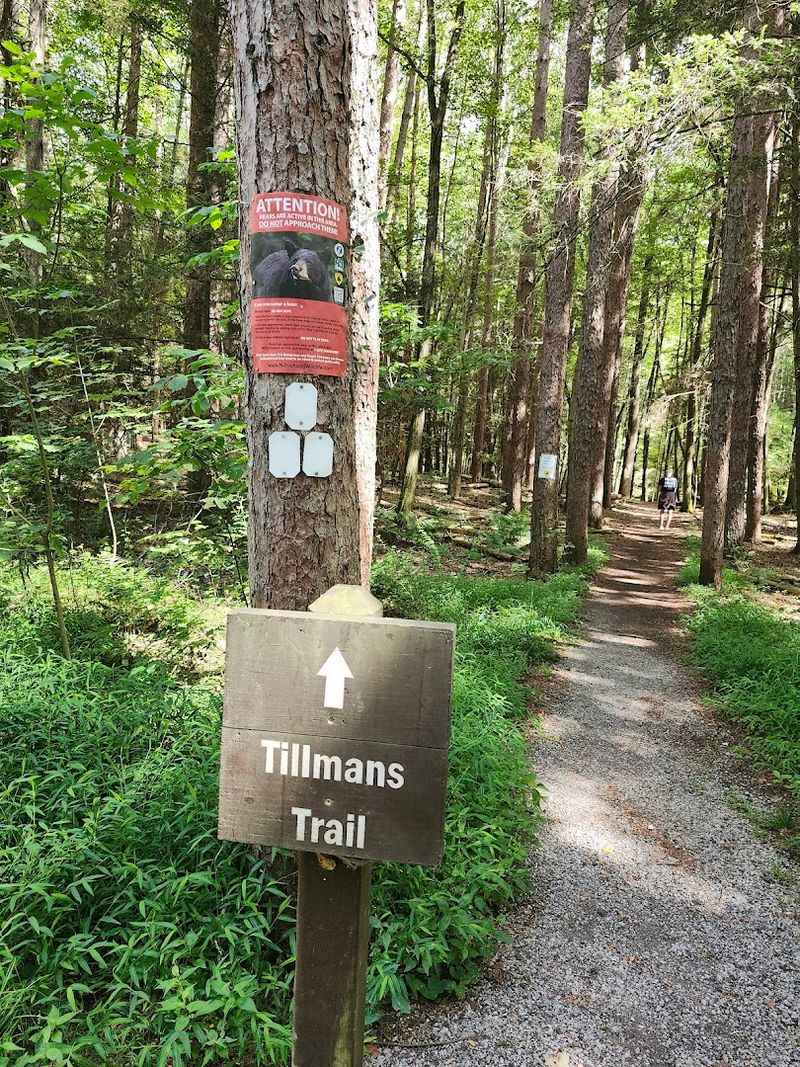
Wayfinding at Tillman Ravine lands somewhere between straightforward and mildly cheeky. Some hikers report that the trail is well traveled and not too hard to follow, while others note that markings can be inconsistent enough to make people pause and double-check that they are still on the right route.
That mixed reputation means this is not the best place for switching off every navigational instinct. A map, downloaded route, or at least a careful eye at turns can save time and prevent the kind of wandering that feels romantic only in stories written after someone has already found the car again.
The encouraging part is that confusion does not seem to define the hike for most visitors. Tillman Ravine asks for attention rather than expertise, and that is a fair trade for a trail whose charm comes partly from feeling a little less choreographed than the average weekend standby.
What Families and Dog Walkers Should Know
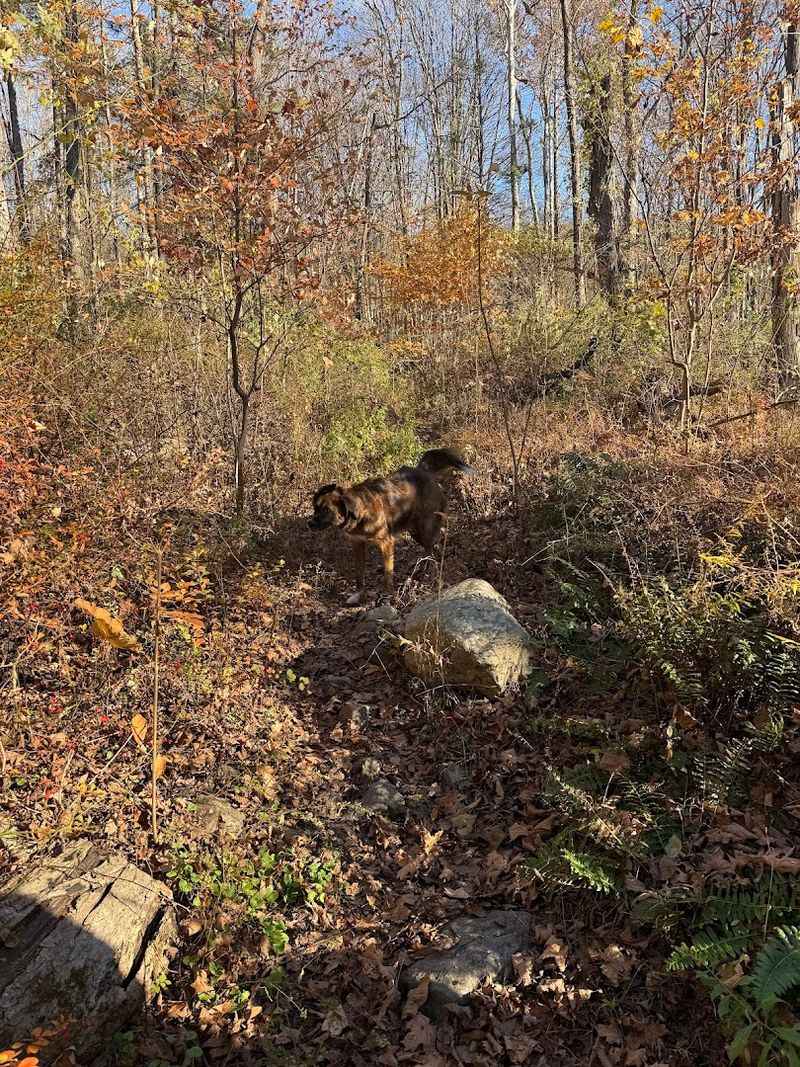
Plenty of signs point to Tillman Ravine being approachable for mixed-age groups, including families with children and hikers bringing dogs. Reviews describe it as manageable for inexperienced hikers on the main loop, which is a strong argument for anyone seeking a trail that feels rewarding without turning into an all-day campaign.
That said, approachable does not mean careless. Uneven footing, occasional steeper sections, rocks, and route confusion still require preparation, and pets should stay controlled and on the trail, especially since wildlife, water, and rough edges all change the equation quickly.
Families who choose the easier sections and allow enough time generally seem to get the best version of the place. Tillman Ravine is not a paved stroll with a souvenir stand at the end, and that is exactly why it can feel like a small win for both new hikers and seasoned grownups.
Wildlife Means Staying Alert
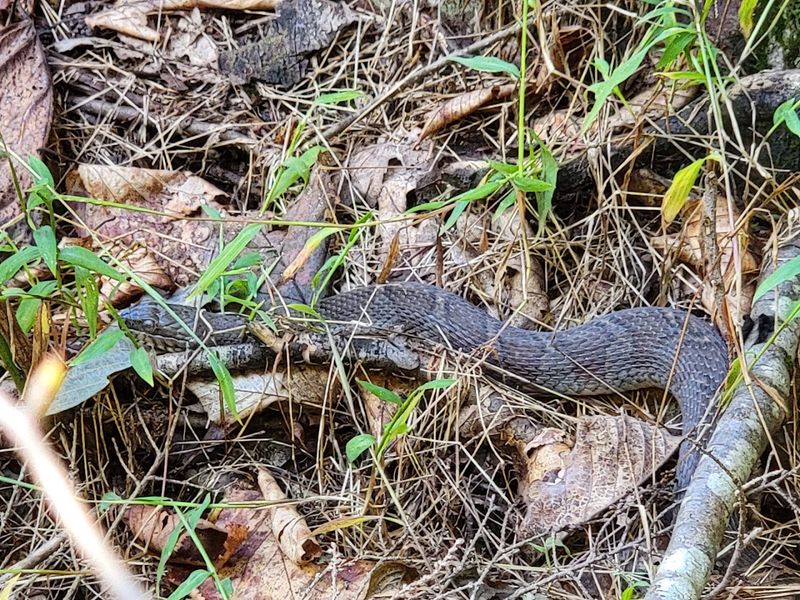
Nature here comes with an important footnote: stay on the trail and pay attention. Hikers have reported snakes in the area, including venomous ones, along with frogs, salamanders, chipmunks, squirrels, and other wildlife, which means the ravine is active in ways that deserve respect rather than casual overconfidence.
That is especially relevant near water, rocks, and boulder sections, where hand and foot placement matter more than usual. The smartest approach is simple and not very glamorous: watch the trail, avoid reaching blindly, keep pets close, and skip any urge to wander off because a shortcut looked convincing for three whole seconds.
This does not turn Tillman Ravine into a danger zone, but it does make awareness part of the experience. A little caution goes a long way here, and the hike is much more enjoyable when the only surprises are the scenic ones.
The Old Cemetery Connection
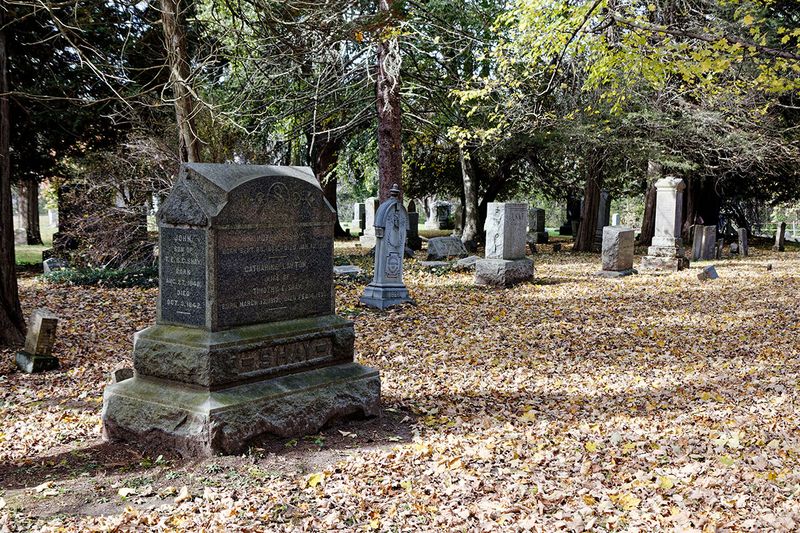
One of the more unusual details in the Tillman Ravine area is the nearby old cemetery reached from a connecting trail. Visitors mention it as part of the route network, and its presence adds a note of local history that changes the mood from simple stream walk to a hike with a little extra context.
The cemetery trail is also described as steeper than the easier ravine loop, so it offers both a different subject and a different level of effort. That combination matters because it gives returning hikers another reason to come back without needing to abandon the area for a completely different destination.
Features like this help explain why Tillman Ravine has such loyal repeat visitors. It is not only about one path through one ravine, but about a small cluster of experiences that fit together and make the place feel richer than the mileage chart suggests.
Maintenance Is the Honest Caveat
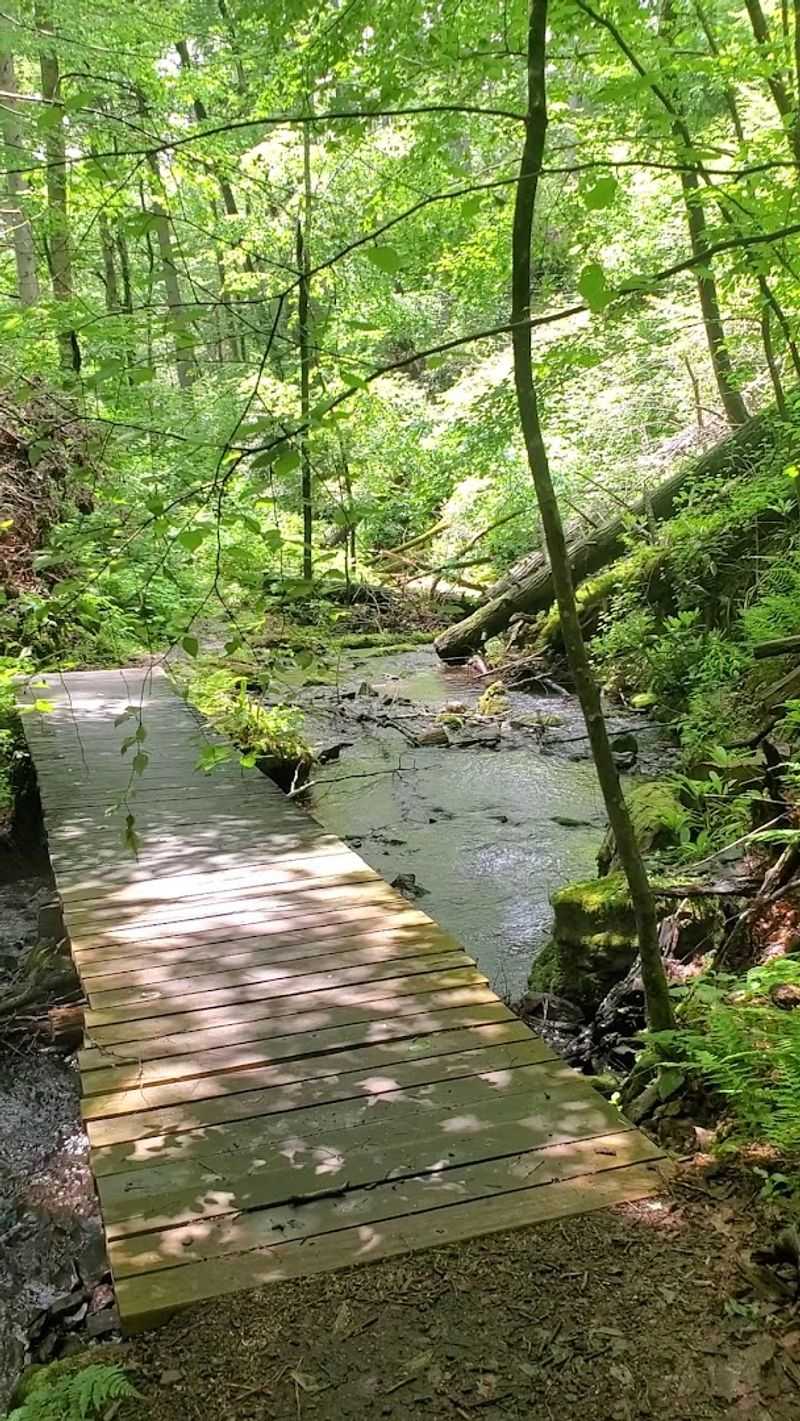
No fair account of Tillman Ravine should skip the maintenance issue. While many hikers describe the area as beautiful and worth the trip, others point to downed trees, overgrowth, graffiti on markers, litter, and a general sense that upkeep does not always match the quality of the landscape itself.
That gap matters because expectations shape satisfaction. People arriving for a lightly rugged trail may see character, while those expecting polished paths and clear wayfinding may spend more time critiquing logistics than enjoying the route.
Still, even the more critical comments tend to separate the trail conditions from the underlying appeal of the ravine. In other words, the setting keeps making its case even when management does not quite keep up, which is impressive and also a polite hint that the place deserves better support.
Why It Stays With People
What makes Tillman Ravine memorable is not a giant checklist of attractions, but the way several modest strengths line up at once. The trail is short enough to feel accessible, varied enough to stay engaging, and flexible enough to serve both a quick outing and a longer loop with neighboring highlights.
It also has a kind of loyalty effect. People return for years, bring relatives, hike with dogs, revisit in different seasons, and keep talking about the water, the route choices, and the sense that this ravine offers more than its mileage first suggests.
That is the real secret behind the so-called paradise label. Tillman Ravine in Branchville, New Jersey is not trying to overwhelm anyone, and that restraint may be its sharpest move, because the place keeps proving that a small hike can still leave a very large impression.



