There is a place in the Oregon wilderness where old-growth trees tower over crystal-clear water, and the ruins of a long-abandoned mining town sit quietly in the forest, waiting to be found. The hike is short enough for most skill levels, but the payoff feels enormous.
Ancient firs, turquoise pools, and a ghost town called Jawbone Flats make this one of the most surprising trails in the Pacific Northwest. I had no idea a single trail could pack so much history, natural beauty, and sheer wonder into just a few miles, and after visiting, I am convinced this spot deserves far more attention than it gets.
Getting There: The Road to Opal Creek Wilderness
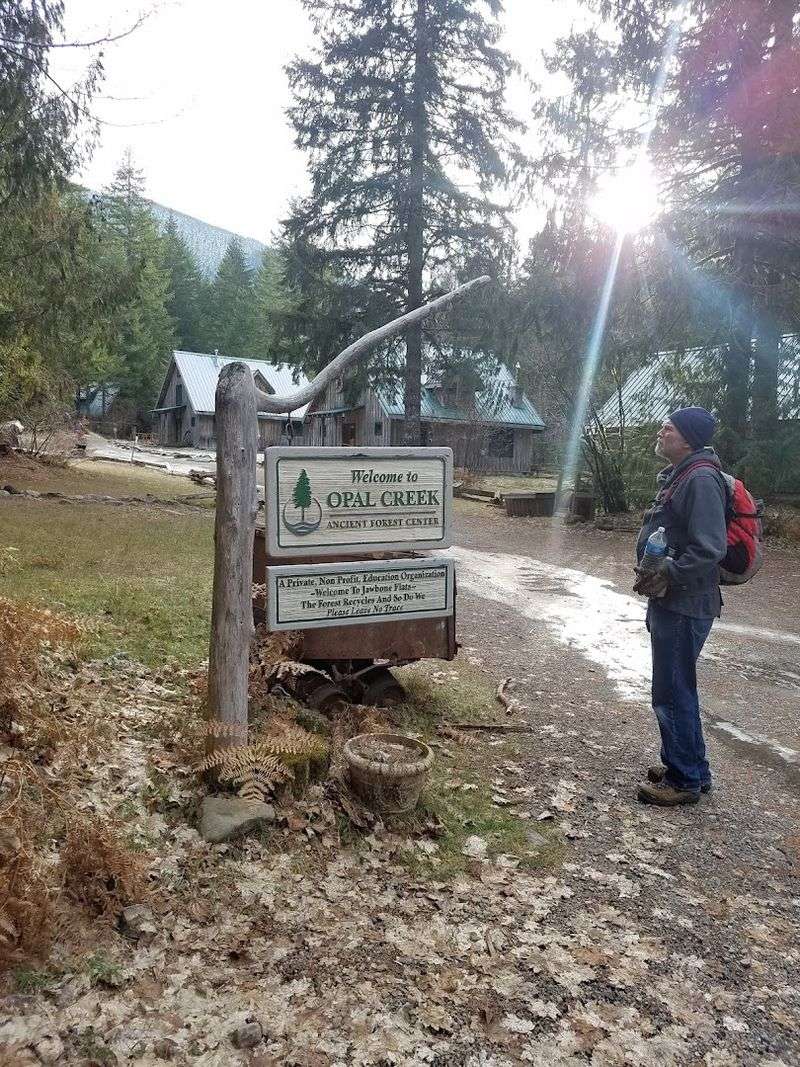
The address is 22985 N Fork Rd, Lyons, OR 97358, and getting there is half the adventure. From Salem, you head east into the Willamette National Forest, and the final stretch of road is a notorious nine-mile gauntlet of potholes that will test the patience of any driver.
A high-clearance vehicle is not strictly required, but it certainly helps. Many visitors joke that the road is the first trail of the day.
Plan for the drive to take longer than the map suggests, and keep your eyes open because deer frequently wander across the road without warning.
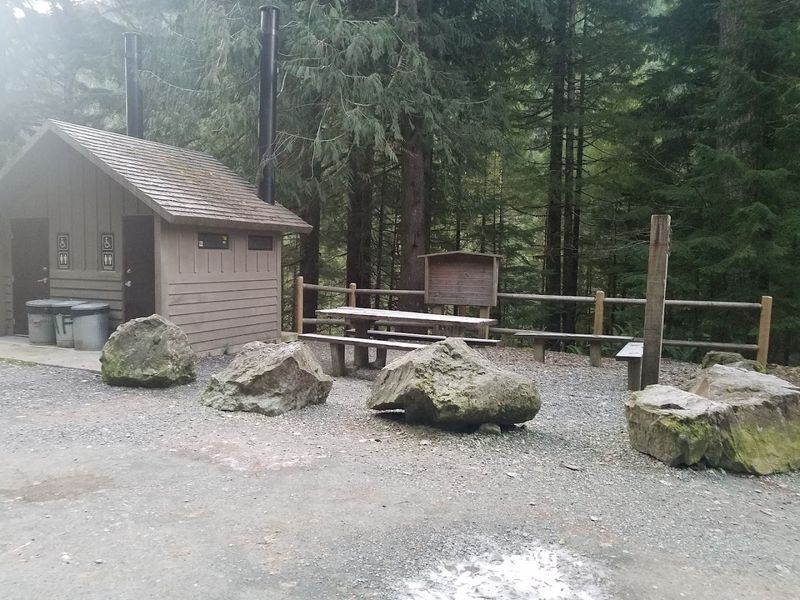
The trailhead parking area fills up fast on weekends, especially in summer. Arriving before 9 a.m. on a Saturday is a smart move if you want a spot without circling the lot.
The wilderness is open 24 hours every day of the week, so an early start is always an option and honestly the best way to enjoy it before the crowds arrive.
Ancient Trees That Make You Feel Small
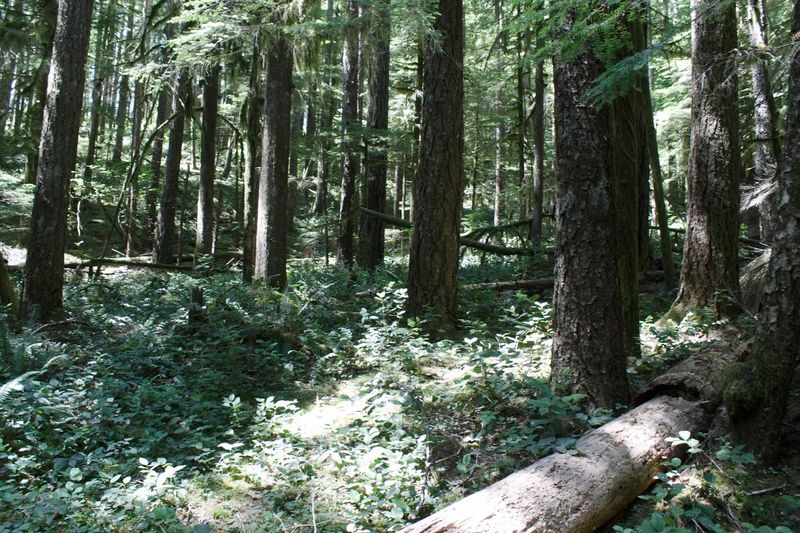
The moment you step onto the trail, the trees take over. These are not your average roadside pines.
The old-growth Douglas firs and western red cedars here have been growing for hundreds of years, and some of them have trunks so wide that three adults holding hands could not wrap around them.
The forest floor is carpeted with ferns and moss, and the light that filters through the canopy has a soft, greenish quality that makes the whole place feel like something from a nature documentary. Cedar groves appear farther up the creek, adding a different texture and a rich, earthy scent to the air.
What makes this forest so special is that it largely escaped the logging boom that cleared much of Oregon during the twentieth century. Activists fought hard to protect it, and their work paid off.
Walking among these trees, you get a rare sense of what the Pacific Northwest looked like long before roads and towns reshaped the landscape. Every step feels like a quiet privilege.
The Creek That Gives This Place Its Name
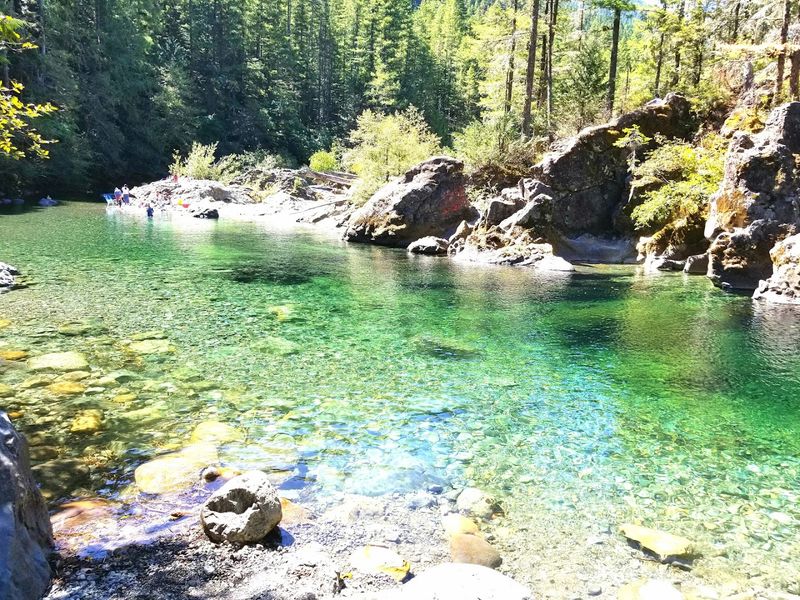
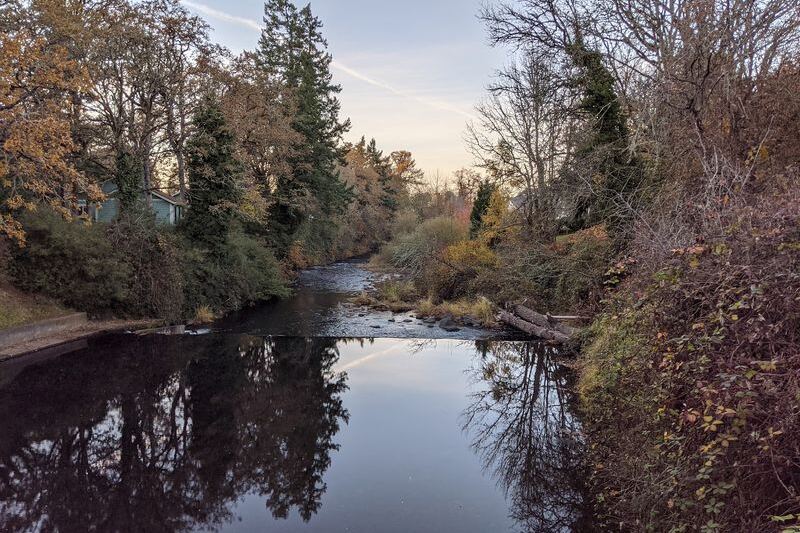
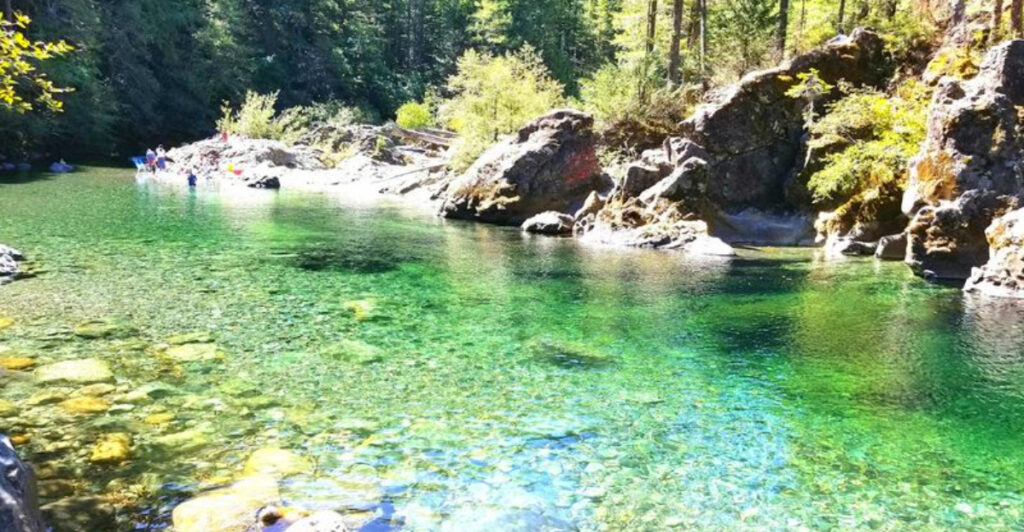
Opal Creek earns its name every single day. The water running through this wilderness is so clear and so brilliantly colored that first-time visitors often stop in their tracks just to stare.
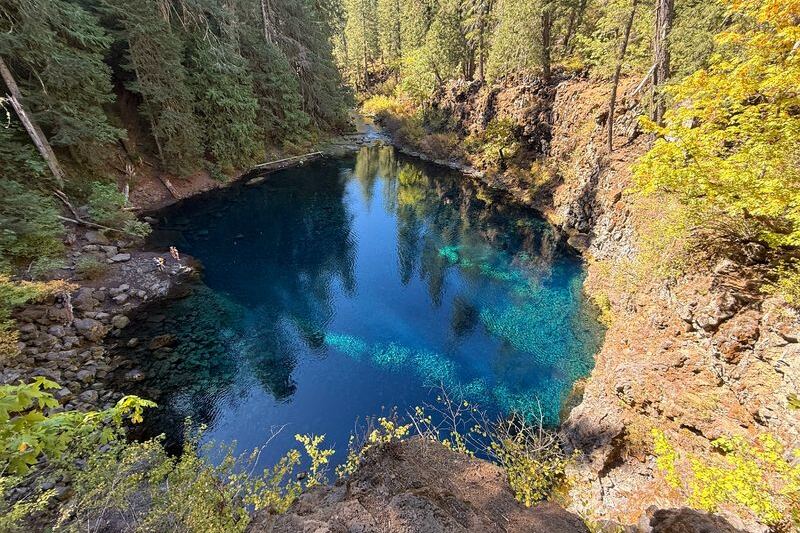
Depending on the light, the creek shifts between shades of pale blue, aquamarine, and a deep, jewel-like turquoise that really does look like liquid opal.
The clarity comes from the pristine nature of the watershed. Very little human development exists upstream, which means the water carries almost no sediment or pollution.
You can peer straight to the bottom even in spots where the creek runs several feet deep.
Fair warning: the water is cold. Even on the hottest summer day, a dip in Opal Creek is a bracing experience that will wake you up faster than any cup of coffee.
That said, on a trail where temperatures can climb in July and August, that shock of cold water feels less like a punishment and more like the best reward the forest has to offer.
Opal Pool: The Crown Jewel of the Trail
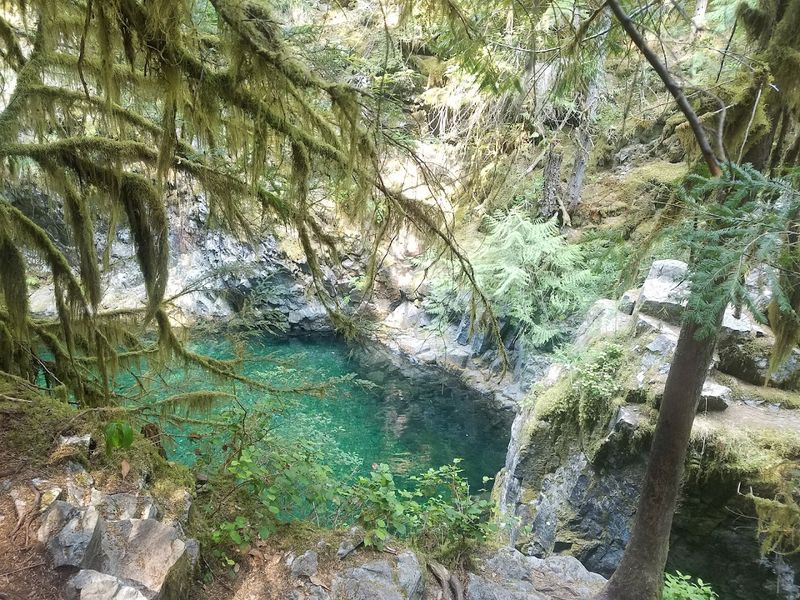
About three miles from the trailhead, the trail delivers its most celebrated reward: Opal Pool. This natural swimming hole sits at the base of a small waterfall, and the water collects into a deep, glassy pool that glows with that signature blue-green color.
On a warm weekday, the pool has a magical, almost private quality. On a summer weekend, it draws a crowd, which is why the weekday-visit advice from experienced hikers is worth taking seriously.
The rocks around the pool are smooth and flat, perfect for sitting and watching the water move.
The pool is gorgeous to look at from the bank, and brave souls do wade in, though the cold temperature keeps most people to ankle depth. Photographers love this spot in the early morning when the light hits the water at a low angle and the colors are most vivid.
A visit to Opal Pool alone is enough reason to make the drive out to this corner of Oregon, no matter how rough the road gets.
Jawbone Flats: The Ghost Town Hiding in the Trees
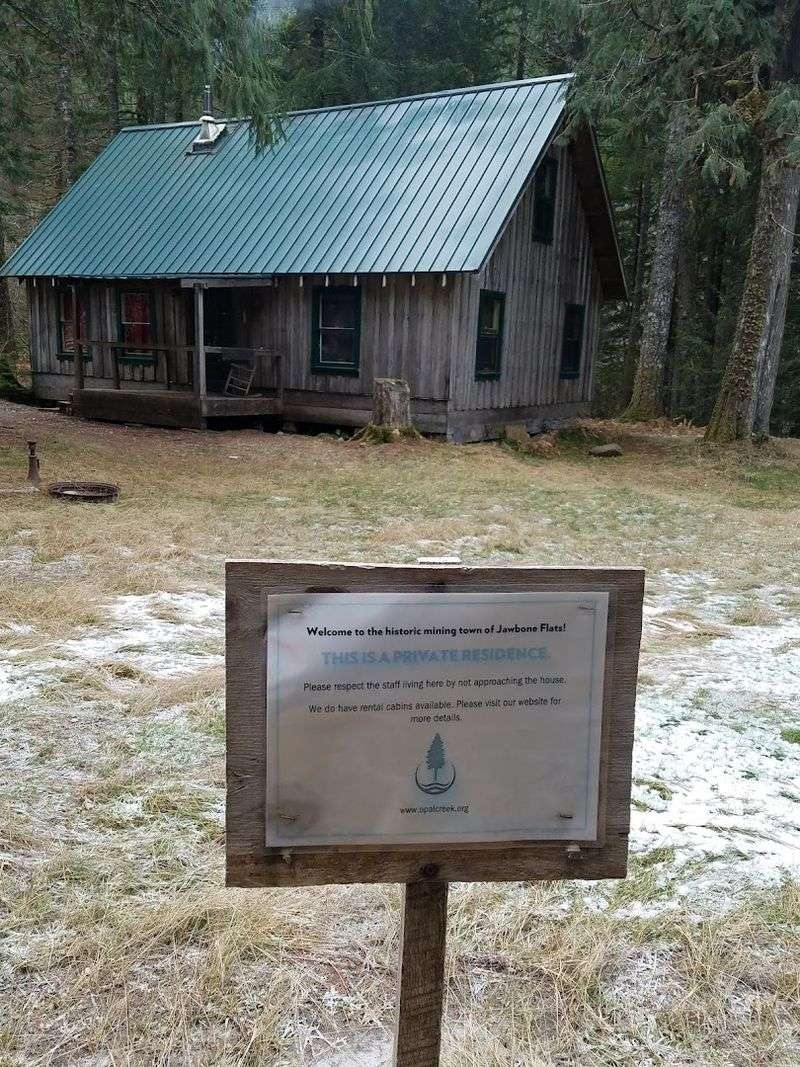
Here is the part that surprises most people: at the end of the main trail sits a real ghost town. Jawbone Flats is a collection of old wooden buildings that date back to the early twentieth century, when miners worked the surrounding hills for gold and silver.
The town once supported a small community of workers and their families, and the structures that remain give the place an eerie, time-capsule quality.
The buildings are in surprisingly solid shape for structures that have survived decades of Oregon winters. Some have been maintained by the Friends of Opal Creek, the nonprofit organization dedicated to preserving this wilderness area.
Walking through Jawbone Flats feels less like a hike reward and more like an unexpected field trip into regional history.
The town sits at roughly the three-and-a-half-mile mark, making the full round trip about seven miles. That is a manageable distance for most hikers with a moderate fitness level.
Unlike ghost towns in dry desert states such as Oklahoma, Jawbone Flats is wrapped in green forest, which gives it a softer, more atmospheric character that photographs beautifully in any season.
The Mining History Behind the Wilderness
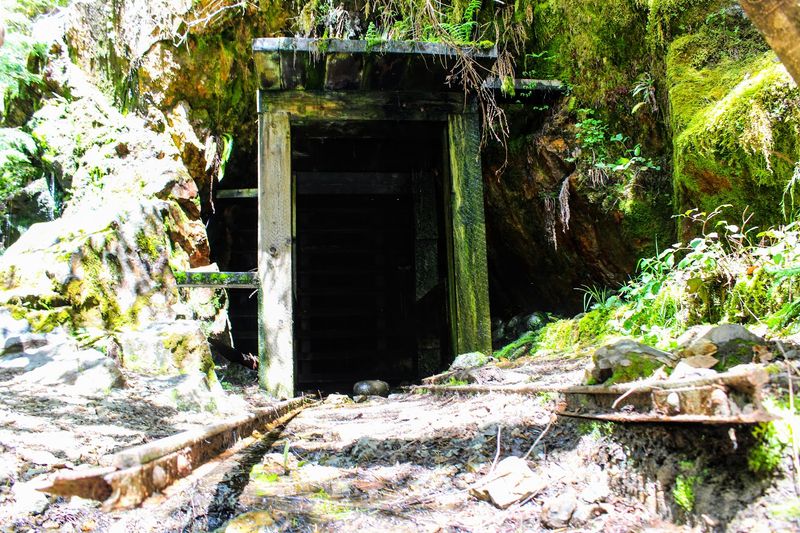
Long before this area became a protected wilderness, it was an active mining zone. Gold and silver were both extracted from the hills surrounding Opal Creek, and the operation at Jawbone Flats was part of the Amalgamated Sugar Company’s broader interests in the region during the early 1900s.
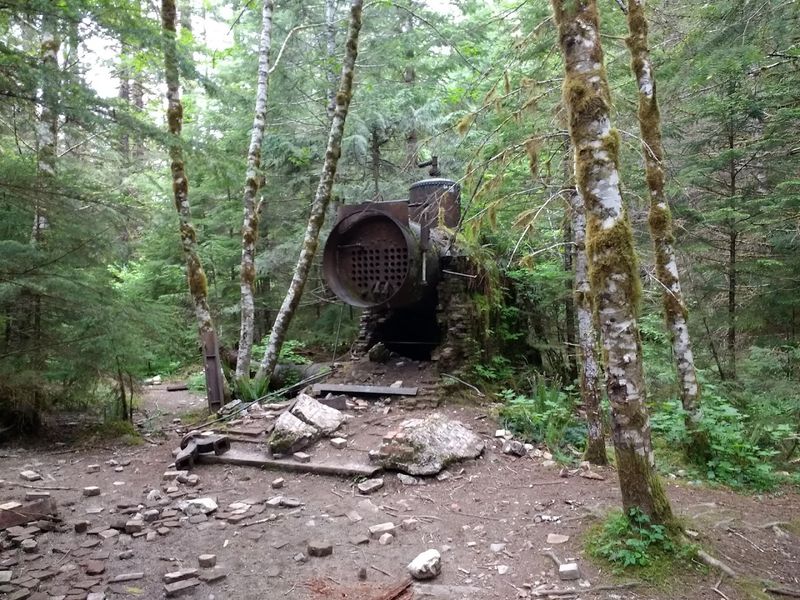
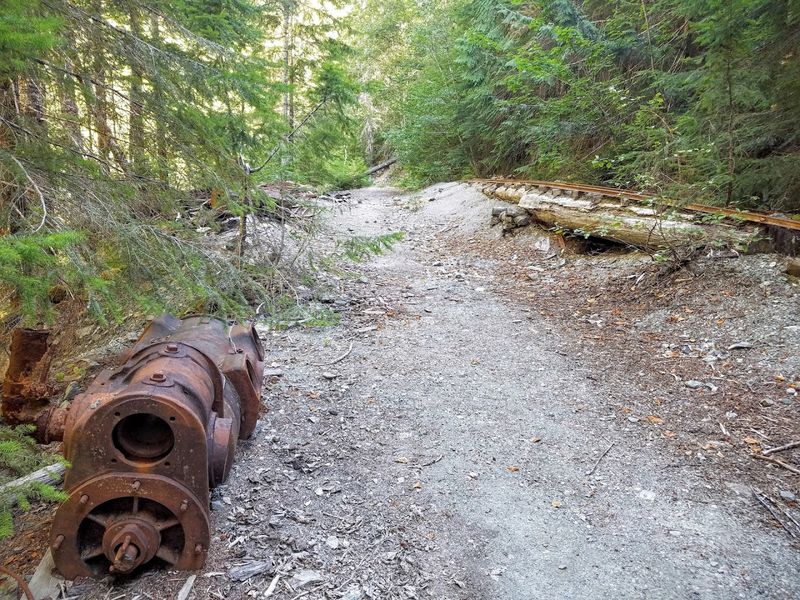
The Opal Creek Mining District attracted prospectors and workers who carved out a rough but functional community in a remote corner of the Oregon Cascades. The remnants of that era, including old equipment, building foundations, and the structures at Jawbone Flats, tell a story of ambition and hard labor in a landscape that was not exactly forgiving.
By the mid-twentieth century, mining activity had wound down significantly. The area sat in a kind of limbo for decades, fought over by logging interests and conservationists.
The battle to protect it drew national attention in the 1990s, and Congress finally designated it as a wilderness area in 1996. That hard-won protection is part of what makes a visit here feel meaningful beyond just the scenery.
History and nature are layered together at every step, much like the geology beneath your boots.
Waterfalls Around Every Bend
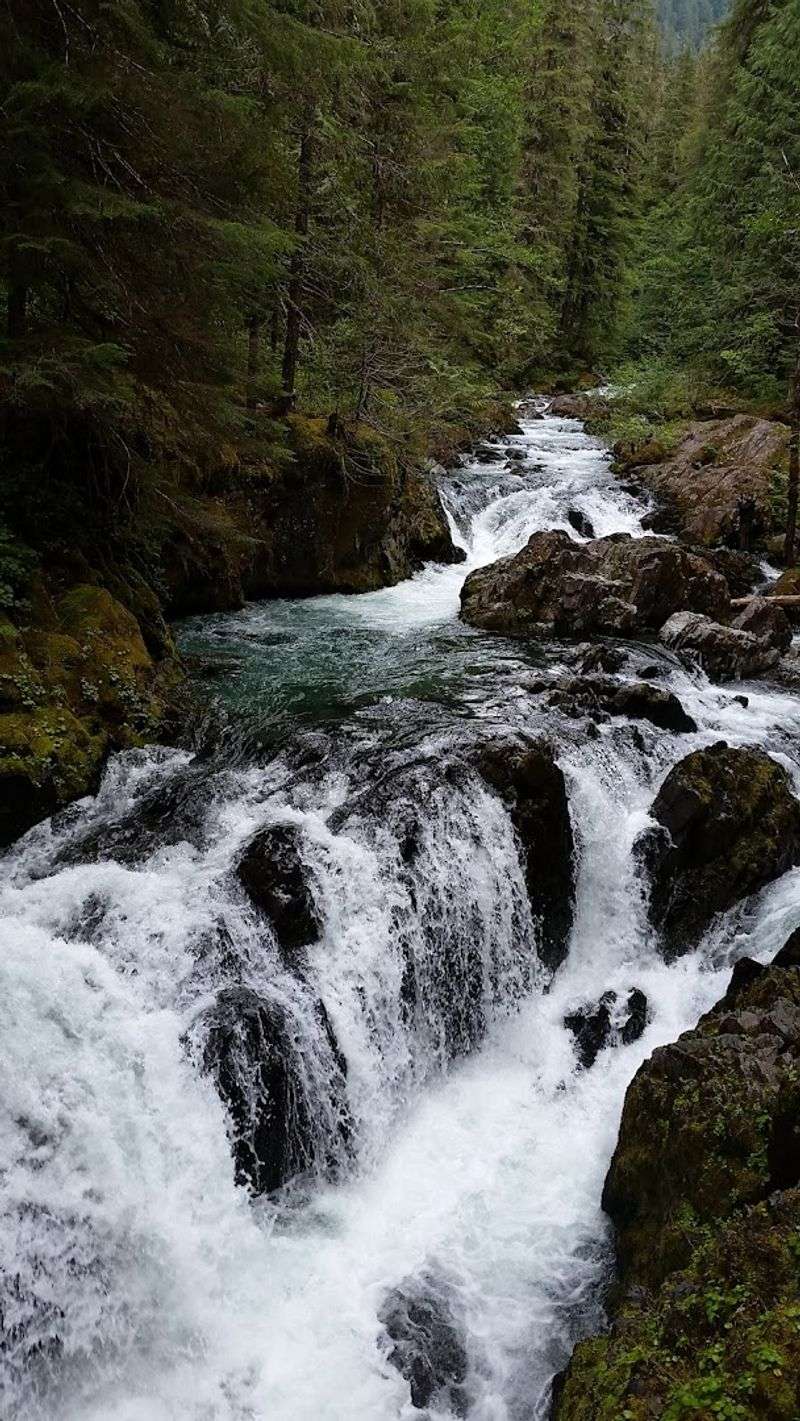
Opal Creek Wilderness is not a one-waterfall kind of place. The trail passes multiple cascades of varying sizes, and some of the most photogenic ones are easy to miss if you are moving too quickly.
Slowing down pays off here.
The falls range from gentle, wide curtains of water sliding over flat rock to narrow, forceful chutes that send spray drifting across the trail. After a rainy Oregon winter, the volume of water in late spring is particularly impressive.
The sound of running water is a constant companion on this hike, and it adds a rhythmic, almost meditative quality to the walk.
Fall is another excellent time to visit the waterfalls specifically. The surrounding maples turn brilliant shades of orange and red, and the contrast between the colorful foliage and the white rushing water makes for some of the best trail photography in the state.
A hiker who visited in early fall described the colors as stupendous, and that word feels accurate. Bring a camera with a good wide-angle lens and plan to stop far more often than you think you will need to.
Trail Conditions and What to Expect Underfoot
The main trail to Jawbone Flats follows an old mining road for much of its length, which means the path is wider and more stable than many wilderness routes in Oregon. That said, conditions change with the seasons, and a few stretches deserve attention.
Some sections of the trail are narrow, particularly where the route hugs a hillside above the creek. Footing can get slippery when wet, and in early spring or late fall, patches of snow may linger on shadier sections of the path.
Wearing proper hiking boots with ankle support is a smart call regardless of the season.
The elevation gain is moderate rather than brutal. The trail climbs steadily but never pitches into the kind of steep scramble that sends unprepared hikers back to the parking lot.
A review from one experienced visitor described it as mostly uphill going in and all downhill coming out, which is an accurate and encouraging summary. Hikers of varying fitness levels complete this route regularly, and the trail is also noted as dog-friendly, making it a solid choice for people who want to bring their four-legged hiking companions along for the day.
Best Times to Visit and Crowd Patterns
Summer is the most popular season at Opal Creek Wilderness, and the crowds on warm weekends can make the trail feel more like a city park than a remote wilderness area. July and August bring the highest visitor numbers, and the parking lot at the trailhead fills up early.
Early summer through fall is generally considered the sweet spot by regulars. Late June offers high water levels and lush green vegetation without the peak heat of midsummer.
September and early October bring the best fall color, particularly from the bigleaf maples that line the creek corridor.
Weekday visits are consistently recommended by people who know this trail well. The difference in crowd levels between a Tuesday morning and a Saturday afternoon is dramatic.
Spring visits are possible but come with the caveat that the access road can be rough even by its usual standards after a wet winter. Winter access is technically open around the clock, but the road conditions and potential for snow on the trail make it a trip best suited to experienced hikers who are prepared for unpredictable Pacific Northwest weather.
Oklahoma-style dry winters this is not.
Practical Tips Before You Hit the Trail
A few practical details can make the difference between a great day and a frustrating one at Opal Creek. The Friends of Opal Creek organization manages much of the visitor experience, and their website at opalcreek.org is worth checking before your trip for current conditions and any access updates.
The phone number for the area is +1 503-892-2782 if you need to call ahead. Cell service on the drive in and along the trail is essentially nonexistent, so download offline maps before leaving home.
Telling someone your plan before you go is always a sensible precaution in a remote area like this.
Bring more water than you think you need. The creek water looks pristine, but drinking untreated backcountry water always carries risk, so a filter or purification tablets are worth the extra weight.
Snacks, layers, and a rain jacket are standard Oregon hiking gear regardless of the forecast. The wilderness is open every day of the year with no set closing time, so you have flexibility on timing.
Whether you are a seasoned hiker from the Pacific Northwest or someone making a detour from a road trip that started in Oklahoma, this trail rewards preparation with an experience that is genuinely hard to forget.
Share this story