 Unearth The Voyage
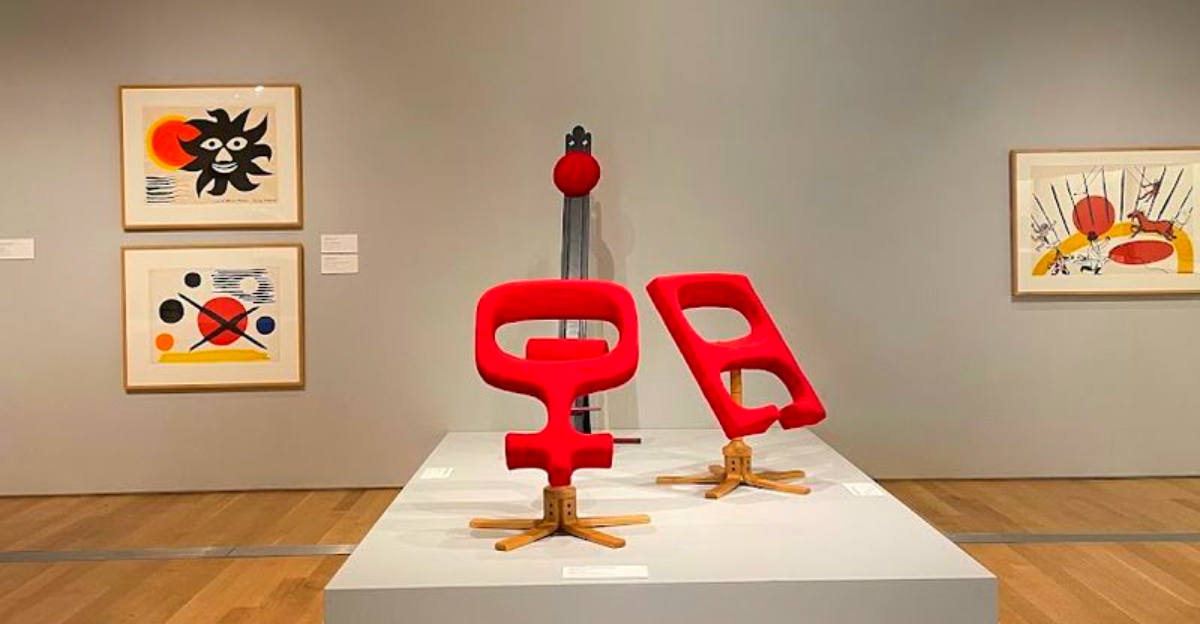
Downtown Grand Rapids has a way of surprising you, and this spot delivers that surprise in polished stone, broad glass, and room after room of art that keeps changing the mood. I came expecting a pleasant museum stop and left thinking about sunlight on gallery walls, smart design choices, and how rare it is to find a place that feels both calm and genuinely lively at the same time.
There is history here, but there is also a fresh, modern rhythm that makes the whole visit feel current instead of stuffy. Keep reading and I will show you why this museum works so well as an afternoon plan, a rainy-day save, a culture fix, and one of the most satisfying indoor experiences in the center of the city.
A downtown arrival worth planning for
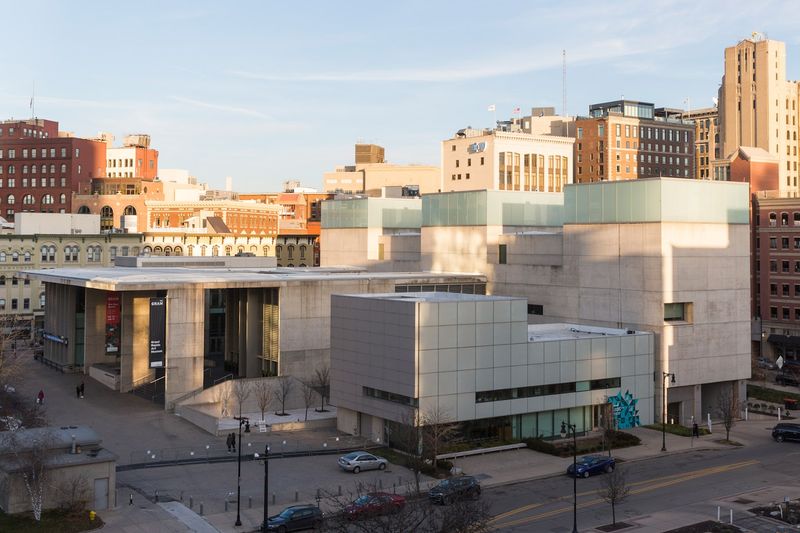
My first useful tip is simple: head to Grand Rapids Art Museum at 101 Monroe Center St NW, Grand Rapids, MI 49503, right in the heart of downtown Grand Rapids, Michigan, United States. I liked how easy it felt to pair the museum with the rest of the city center, since garages, restaurants, shops, and public events sit close enough to make the day flow naturally.
Instead of feeling tucked away, the building announces itself with confidence and still blends into the downtown rhythm.
That location matters more than you might expect. I could step outside and instantly understand how the museum fits into local life, with people crossing the plaza, heading to nearby businesses, or simply pausing to look at the architecture.
It feels civic in the best sense, connected rather than isolated.
For a visitor, that means less logistical grumbling and more time for art. I appreciate any cultural stop that makes arrival easy, because it lets curiosity take the wheel almost immediately.
The building steals a little of the spotlight
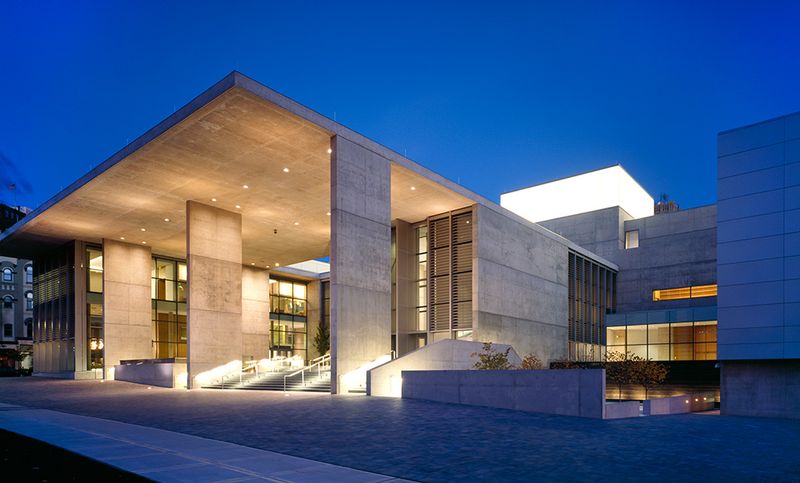
Before I even looked closely at a painting, the building itself had my attention. The museum opened in 2007, and its contemporary design still looks sharp, with broad glass surfaces, strong lines, and a façade that feels airy without drifting into coldness.
Plenty of museums ask you to admire the collection first, but here the architecture gently taps you on the shoulder and says, look up for a second.
I enjoyed how the exterior balances sleekness with approachability. The glass draws daylight inward, and the structure feels open to the street rather than sealed off from it.
That design choice changes the mood before the visit really begins, which is clever and very effective.
Inside, the visual calm continues, giving artworks room to breathe instead of crowding them with dramatic distractions. I left with the satisfying sense that the building was not trying to win a contest against the art, just frame it beautifully and know exactly when to hush.
A museum with a greener brain
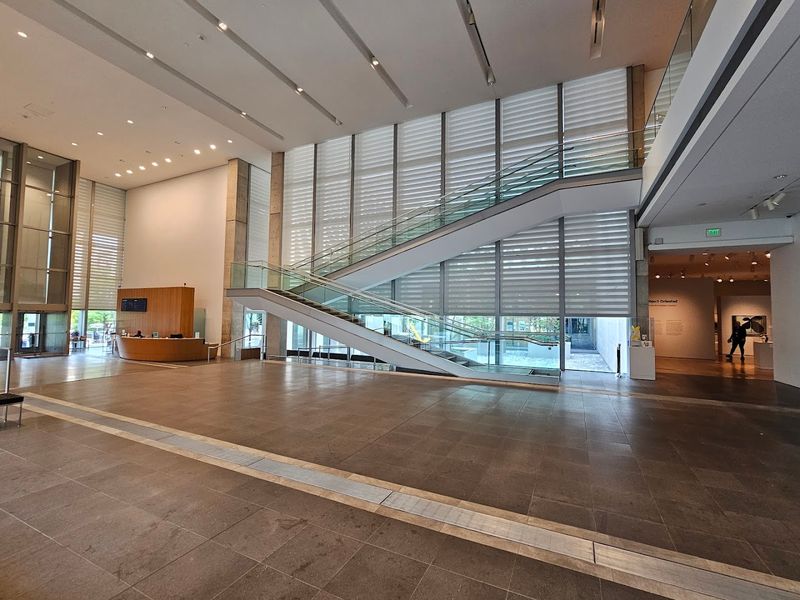
One detail I genuinely love is that this museum was the first art museum in the world built to LEED Gold standards. Sustainability can sound like a dry brochure word, yet here it becomes part of the experience because the building uses light, space, and materials in a way that feels thoughtful instead of preachy.
I never felt like I was touring a checklist of green features, but I could sense the care behind the design.
That awareness adds a nice layer to the visit. Art asks you to pay attention, and this building quietly does the same with energy use, daylight, and environmental responsibility.
In a downtown setting, that feels especially meaningful because it shows cultural spaces can be ambitious without being wasteful.
I came away admiring the museum not only for what hangs on the walls, but for how the place was imagined from the start. It is refreshing when a building has values built into the bones, not pasted on later like an afterthought wearing a very expensive nametag.
The collection keeps the visit grounded
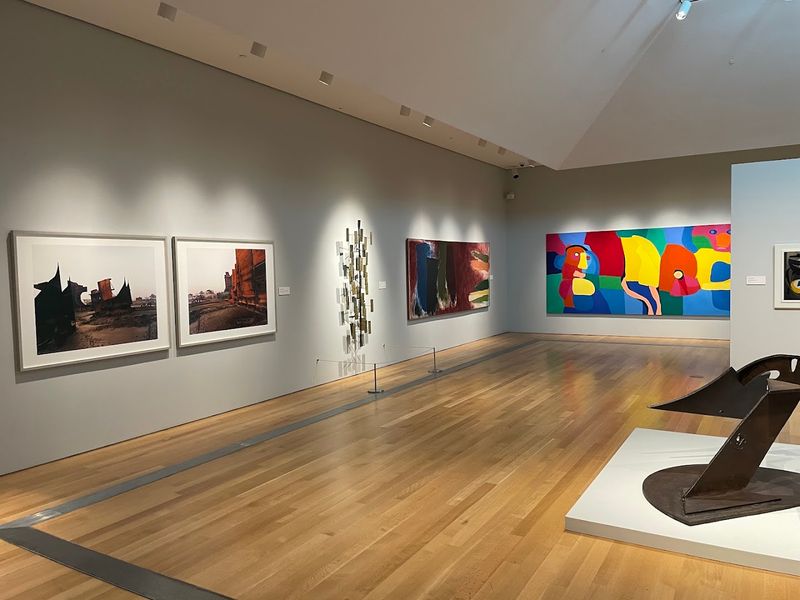
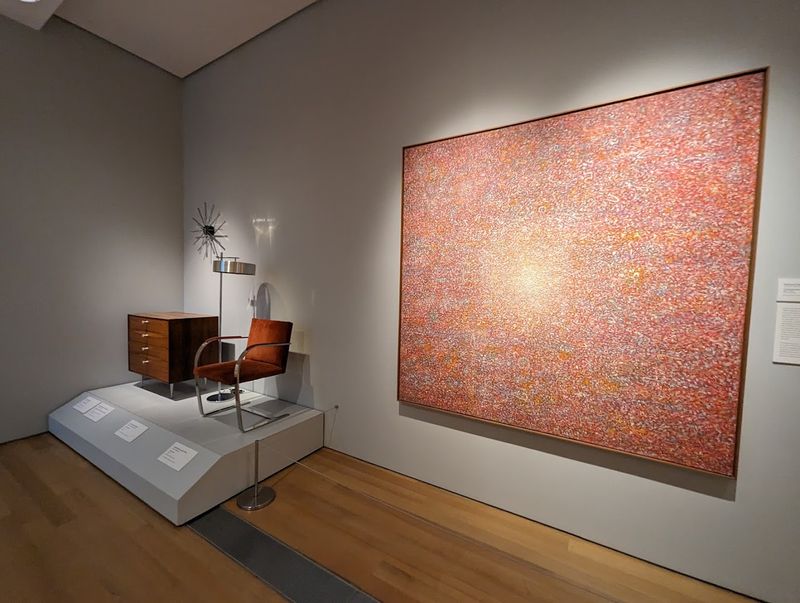
Once I reached the galleries, the museum’s collection gave the visit real substance. Grand Rapids Art Museum holds more than 7,000 works, with paintings, sculpture, design, and modern craft shaping the experience across different periods and styles.
I liked that range because it prevented the museum from feeling locked into one mood, one century, or one kind of audience.
The permanent collection is not about overwhelming you with endless corridors. Instead, it offers enough variety to reward careful looking, especially if you enjoy moving between older works and more recent pieces without the transition feeling awkward.
I found myself slowing down, noticing color relationships, textures, and how one room could reset my attention for the next.
That pacing makes the museum easy to enjoy even if you are not trying to conduct a grand academic march through art history. Some places make you feel behind before you start, but this one invites curiosity first and lets expertise join the conversation only if you want it to.
Temporary exhibitions keep it feeling fresh
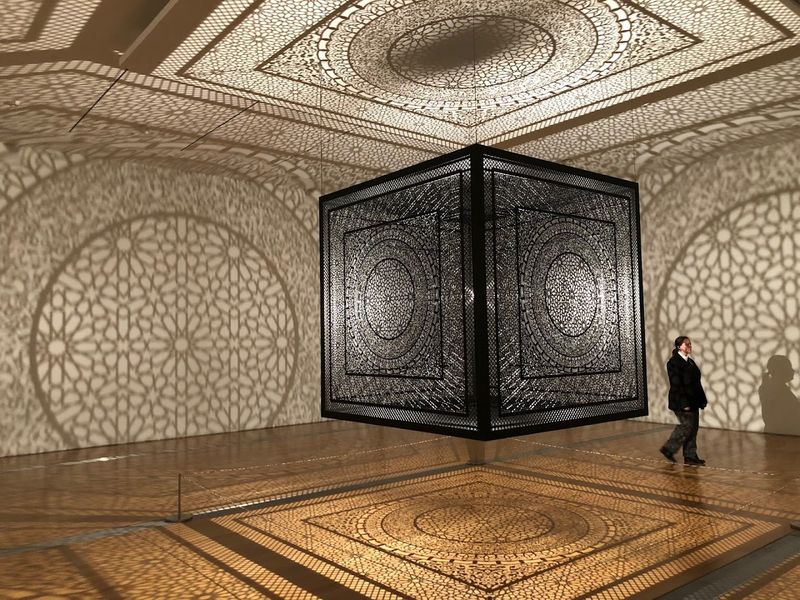
No two visits here seem destined to feel exactly the same, and that is a major strength. The museum regularly presents temporary exhibitions, which means there is often a fresh reason to return even if you have already seen the permanent collection.
I always appreciate a museum that gives regular visitors something new to talk about besides the gift shop pencil selection.
During special exhibitions, the atmosphere shifts in a satisfying way. Certain shows can take over multiple galleries and reshape how you move through the building, creating a stronger narrative arc or a more focused mood.
That kind of change keeps the museum active and current, rather than frozen in a permanent self introduction.
For travelers, it also means your experience may be distinct from someone else’s, which adds a little excitement to planning. I recommend checking the current exhibition calendar before you go, because a well-timed visit can turn a good museum stop into the sort of afternoon you keep replaying on the drive home.
Three floors, easy rhythm
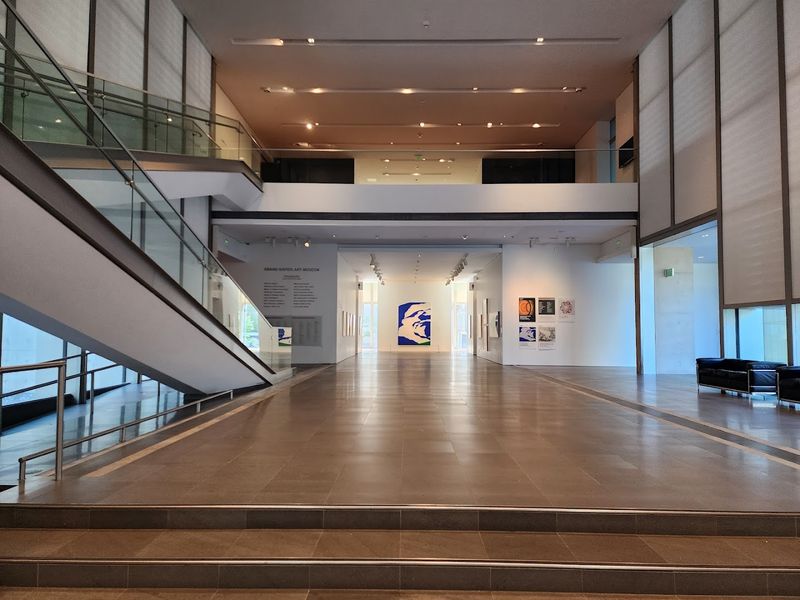
Some museums make me feel like I need a trail guide, a snack strategy, and possibly a compass. This one is much easier to navigate, with galleries spread across multiple floors in a way that feels manageable rather than maze-like.
I found the layout comfortable for wandering, doubling back, and taking breaks without losing the thread of the visit.
That matters because good museum flow is a hidden luxury. You want enough structure to understand where to go next, but enough freedom to follow your own interests when a particular room grabs you.
Here, I could move through the spaces at an unhurried pace and still feel like I saw plenty, which is ideal for travelers guarding their energy.
The museum’s scale also works in its favor. It offers depth without turning into an endurance event, so you can spend a focused hour or linger for much longer and still leave satisfied.
My feet appreciated that balance almost as much as my eyes did, and trust me, my feet are blunt critics.
A peaceful place that still feels alive
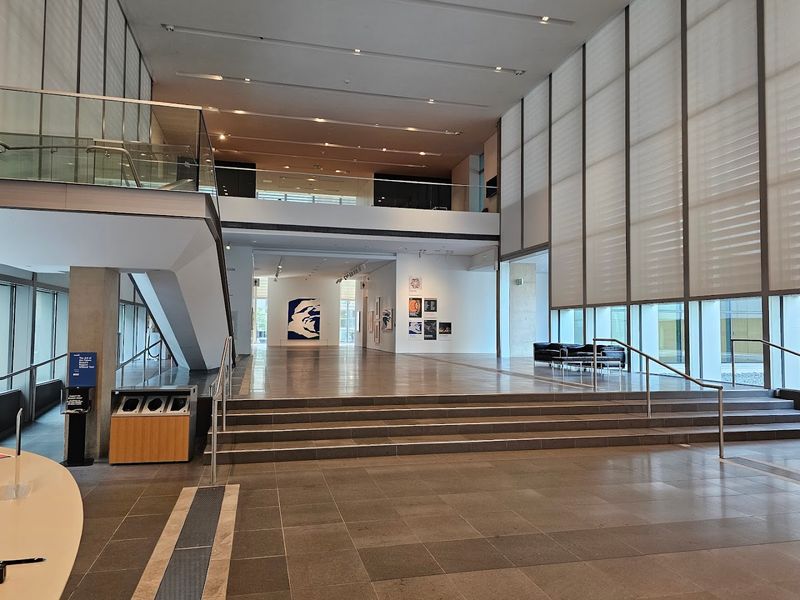
One of the most appealing things about this museum is its mood. The galleries feel peaceful, but not in a hushed, intimidating way that makes you afraid to breathe near the wall labels.
I noticed a calm atmosphere that encouraged slow looking, yet the space still felt active because of rotating exhibits, public programs, and the steady flow of visitors moving through downtown.
That balance is harder to achieve than it sounds. Some museums lean so hard into silence that they feel stiff, while others get so busy they lose the reflective quality art needs.
Here, I could think, look, sit for a moment, and still sense that the building was part of a living city rather than an isolated sanctuary.
I especially liked how the light and clean lines supported that tone. Nothing felt visually noisy, so the art had room to do its job without competition from clutter.
The result is a museum visit that settles your mind a little, which is a rare downtown bonus and far cheaper than a dramatic life reset.
Family friendly without talking down to adults
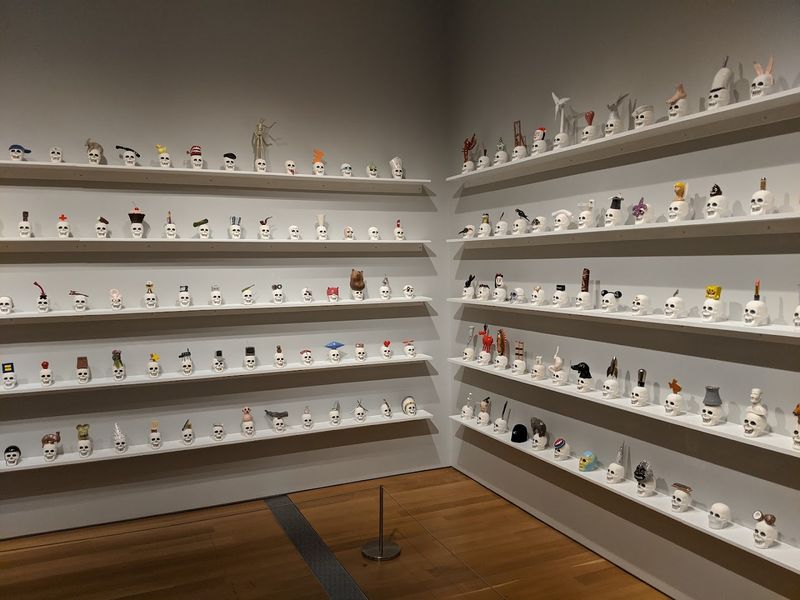
I was glad to see that the museum welcomes families without turning the experience into a cartoon. Educational programs, workshops, and hands-on activities help younger visitors connect with art, making the space feel accessible across age groups.
It is easy to imagine a child’s first museum memory starting here.
What I appreciated most is that this approach does not dilute the experience for adults. You can still explore serious galleries, spend time with the permanent collection, and enjoy temporary exhibitions while knowing there are entry points for newer visitors.
For parents, grandparents, or anyone introducing a child to art, that balance matters. The tone stays welcoming and respectful, which is exactly what you want when small art critics are wandering the galleries with big opinions.
Thursday evenings and event energy
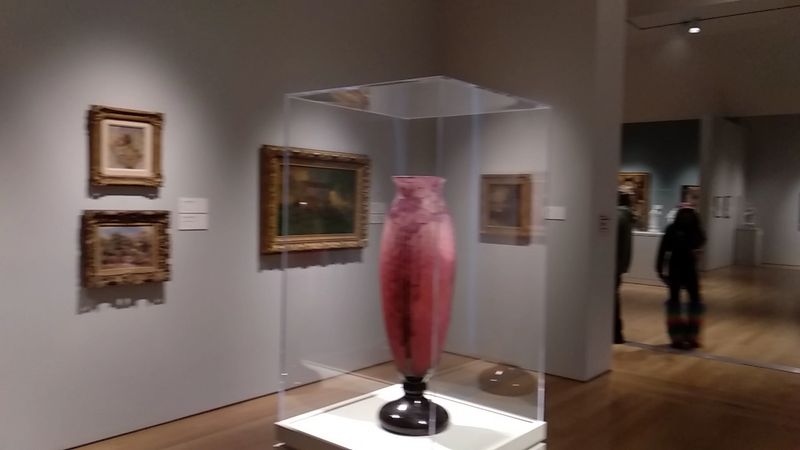
The museum becomes especially appealing when programming adds an extra spark to the galleries. Evening access on Thursdays and periodic events can change the whole personality of a visit, making the museum feel social and energetic while still centered on art.
I like that flexibility because not every museum trip needs to happen in the same quiet afternoon mode.
Special programs can include music, community activities, exhibition tie-ins, and seasonal happenings that pull more of downtown into the experience. Even when I prefer a calmer pace, it is nice to know the institution does not treat art as something sealed off from everyday civic life.
The museum seems comfortable being both reflective and engaged, which is a useful trick.
Practical planning helps here, since hours are not identical every day. At the time of writing, it is closed Monday and Tuesday, open Wednesday through Sunday, with longer hours on Thursday.
I always check the official schedule before going, because nothing ruins a cultural mood faster than admiring locked doors with great personal dignity.
Downtown views and the plaza effect
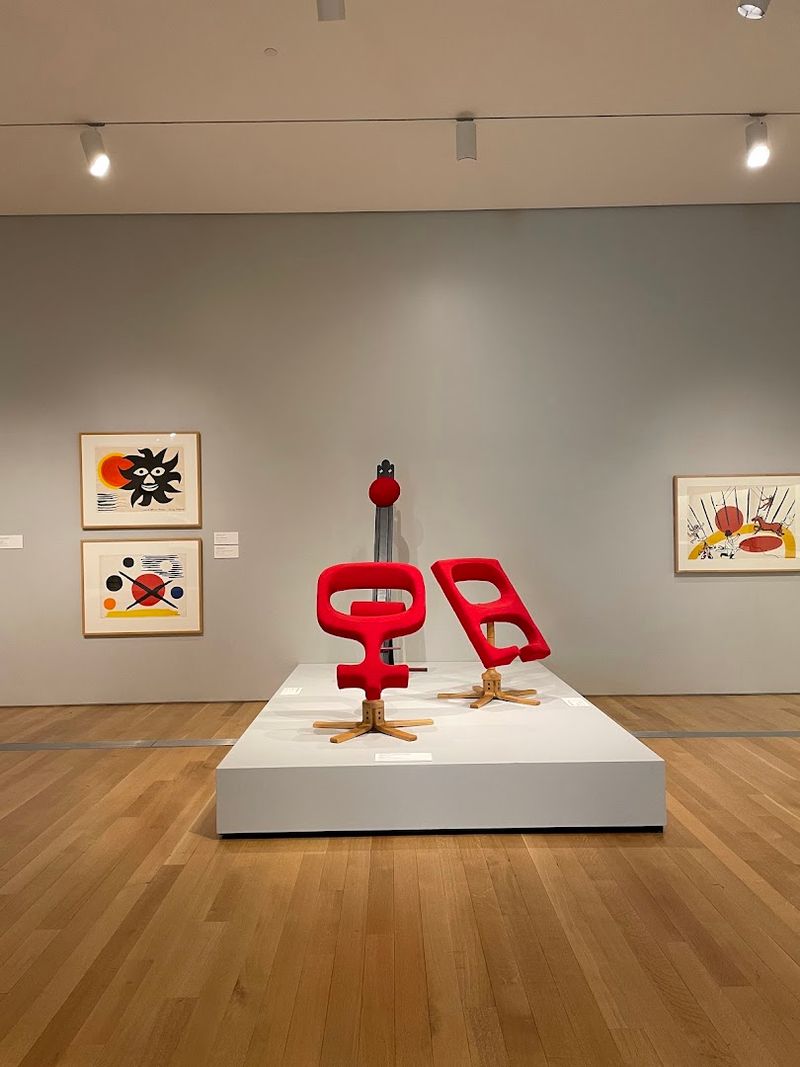
Another reason I enjoyed this museum is how naturally it connects with the space outside its walls. The surrounding area often feels lively, with downtown foot traffic, seasonal events, and a public-facing presence that gives the museum more civic texture than a stand-alone attraction.
I never felt like I was entering a remote cultural bunker guarded by silence and expensive shoes.
The plaza and streetscape strengthen that feeling. You can leave the galleries and still linger nearby, noticing the façade from different angles or watching downtown life move past.
In colder months, seasonal activities add extra visual interest, while warmer weather makes the setting feel especially open and inviting.
That connection also makes the museum an easy anchor for a day in central Grand Rapids. You can build an itinerary around it without forcing the schedule.
The best attractions do more than stand on their own—they quietly improve the neighborhood around them.
Helpful staff and an easygoing visit
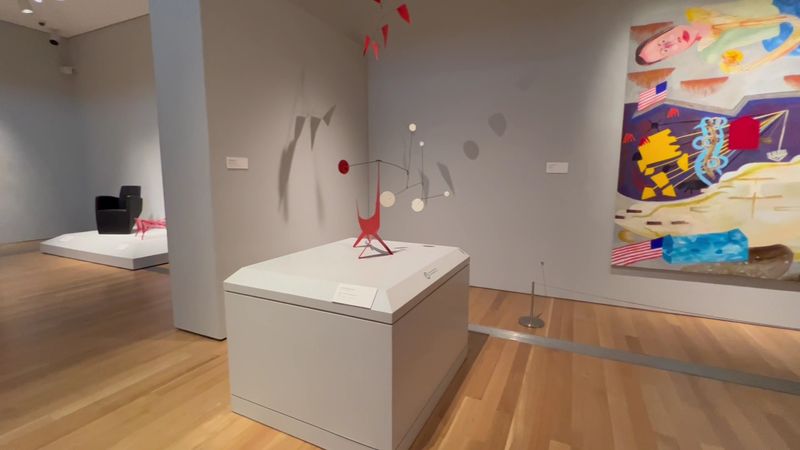
Even in a beautiful building, a museum can stumble if the human side feels cold. Here, I found the overall visitor experience refreshingly easygoing, helped by staff who have a reputation for being welcoming and practical rather than overly formal.
That tone matters more than people admit, especially when you have questions about tickets, exhibitions, or the smartest route through the galleries.
I also liked that the museum works well for different kinds of visitors. Serious art fans can settle in and read deeply, while casual travelers can enjoy a shorter stop without feeling out of place.
There is no need to pretend you already know everything in the room, and that makes the experience more open and more enjoyable.
Good museums quietly remove friction, and this one does that in several ways. Clear hours, central location, manageable scale, and approachable atmosphere all help the day go smoothly.
I left thinking that the museum understands a simple truth: people are more likely to return when they feel comfortable, curious, and not mildly defeated by the lobby.
Why it stays with me after the visit
By the end of my visit, what stayed with me was not one single artwork or one flashy architectural detail. It was the way the Grand Rapids Art Museum combines modern design, thoughtful curation, downtown energy, and a genuinely welcoming atmosphere into something that feels complete.
Plenty of places do one or two of those things well, but this museum ties them together with unusual confidence.
I would recommend it to travelers who want more than a quick photo stop and to locals who need a reminder that a good museum can reset the brain in the best possible way. The collection offers range, the exhibitions keep things moving, and the building itself earns your attention without begging for it.
That is a strong combination in any city.
If you only have time for one cultural stop in central Grand Rapids, this is an easy choice. I walked in hoping for a solid museum afternoon and walked out already planning a return, which is usually the clearest sign that a place got the last word and delivered it with style.



