 Unearth The Voyage
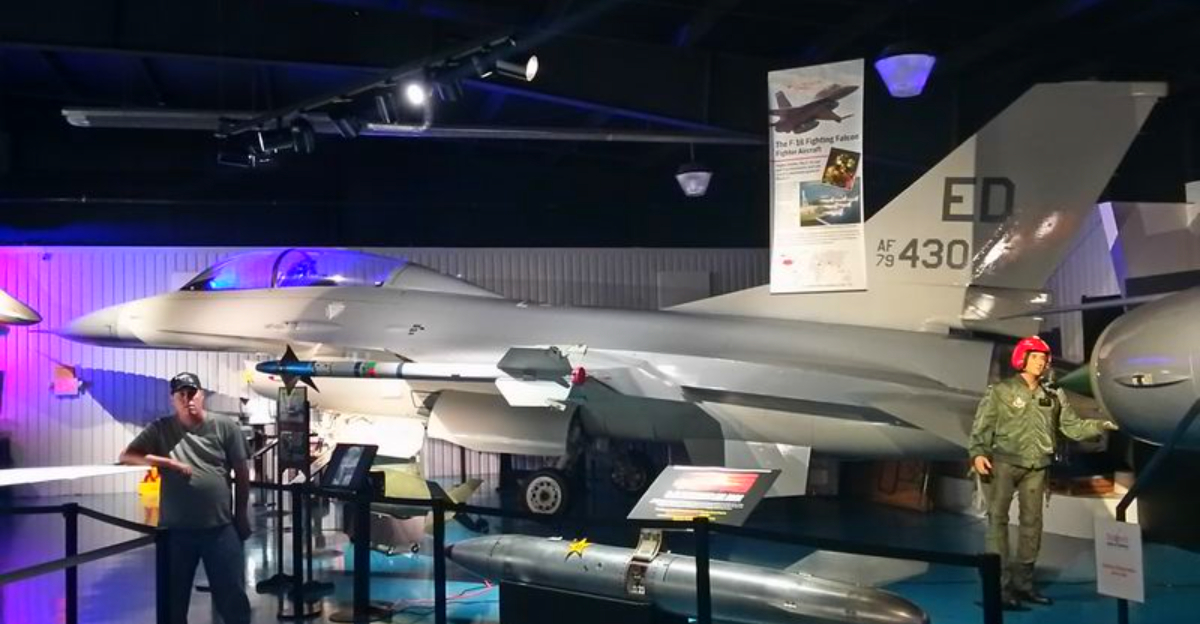
There is a town in western Oklahoma where the sky is not the limit. Weatherford, a quiet community along Route 66, is home to one of the most jaw-dropping aerospace collections you will find anywhere in the country.
The museum there holds over 3,500 artifacts, a real Moon rock, actual spacecraft, and a rare stealth fighter that has its own dedicated room. Whether you are a space enthusiast, a history lover, or just someone looking for a genuinely unforgettable road trip stop, this place will leave you speechless from the first exhibit to the last.
Where the Museum Calls Home
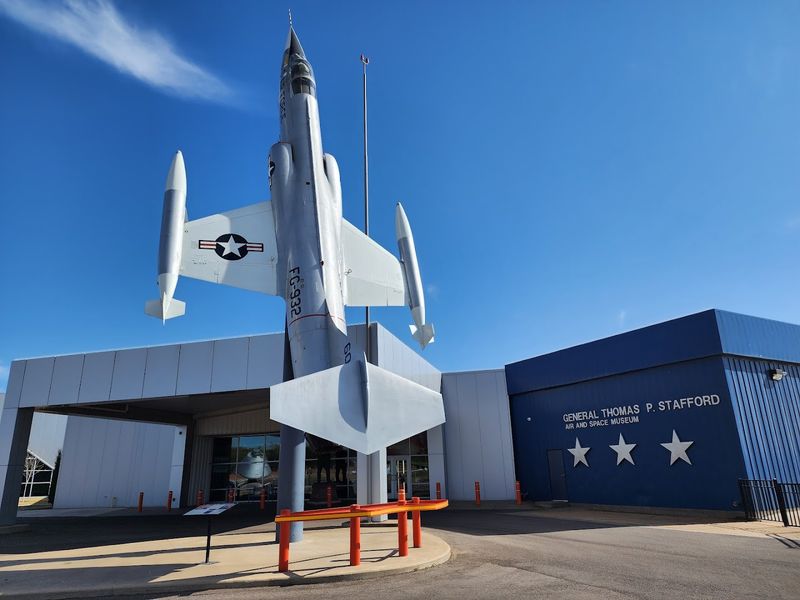
Right off Interstate 40 in Weatherford, Oklahoma, the Stafford Air and Space Museum sits at 3000 Logan Rd, Weatherford, OK 73096, and it is hard to miss once you know to look for it.
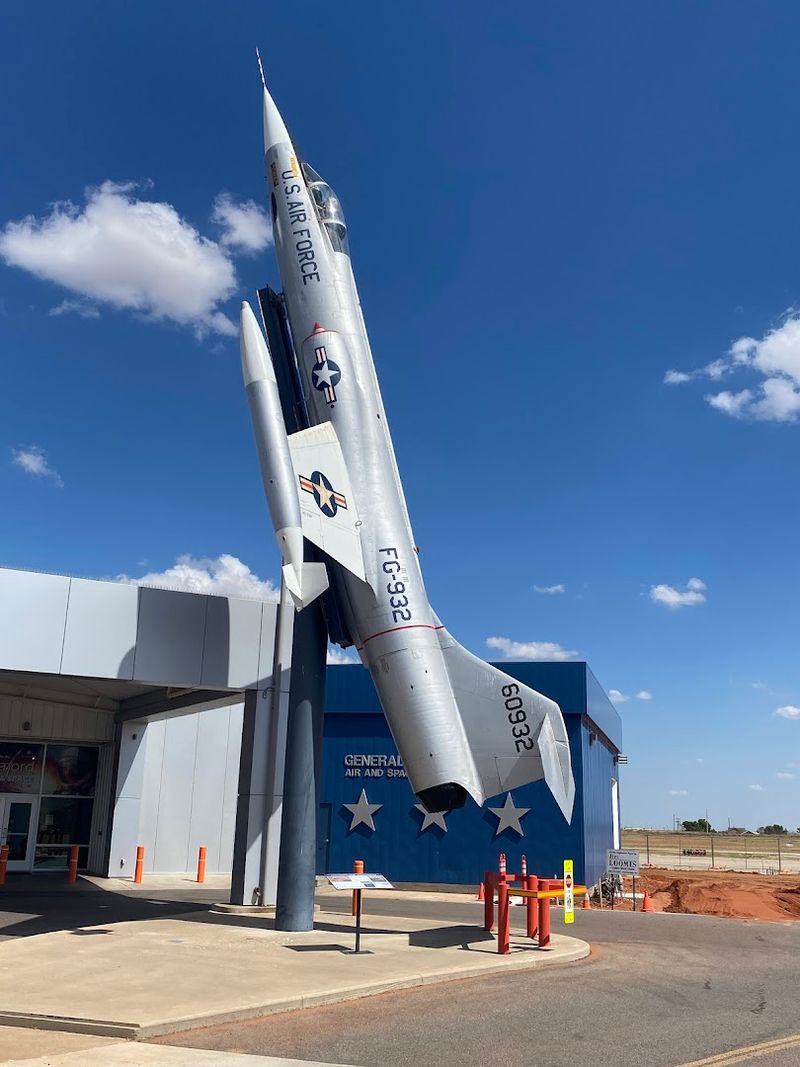
The building itself is modern and clean, with outdoor aircraft parked along the grounds that already hint at what is waiting inside.
Weatherford is a small city of around 12,000 people, but this museum gives it a presence that punches well above its weight class.
The location along Route 66 and I-40 makes it a natural stop for road-trippers crossing the country, and many visitors who planned a quick hour-long visit end up staying two or three hours without noticing the time pass.
The museum is open Tuesday through Saturday from 9 AM to 5 PM, Sunday from 1 to 5 PM, and Monday from 9 to 5 PM as well. You can reach them at +1 580-772-5871 or visit staffordmuseum.org for current admission details and event information.
The Man Behind the Name
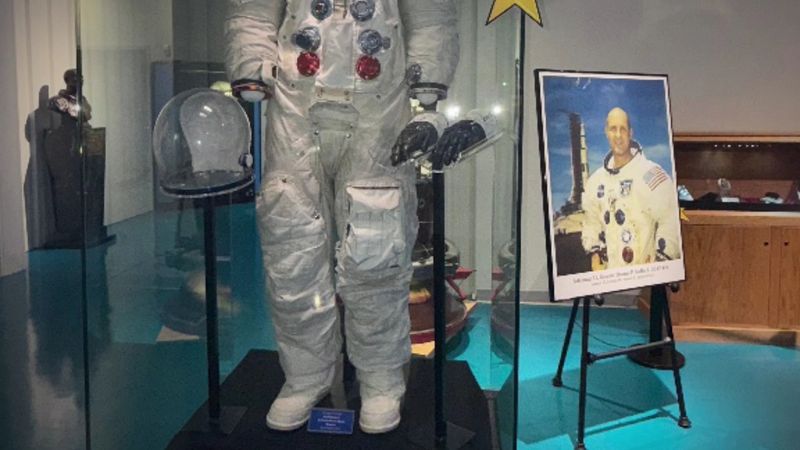
Not every museum is named after someone who actually walked among the stars, but this one is, and that backstory alone is worth knowing before you set foot inside.
General Thomas P. Stafford was born in Weatherford, Oklahoma, and went on to become one of NASA’s most accomplished astronauts.
He commanded the Apollo 10 mission, which flew to within 8.4 miles of the lunar surface in a dress rehearsal for the Moon landing, and he also commanded the Apollo-Soyuz Test Project in 1975, a historic joint mission between the United States and the Soviet Union.
Stafford logged over 507 hours in space across four missions, making him a genuine legend in aerospace history.
The museum honors his legacy not just with a name on a building but with personal artifacts, mission memorabilia, and exhibits that trace his entire career from small-town Oklahoma boy to commander of missions that shaped the Space Age.
Visiting feels like meeting someone extraordinary through the objects they left behind, and that personal connection gives the whole museum a warmth that most history institutions never quite manage to achieve.
The F-117 Nighthawk: The Crown Jewel
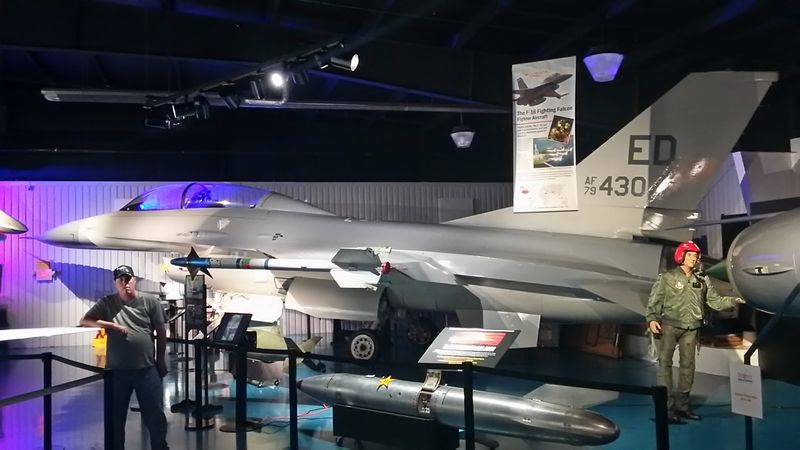
Very few museums in the country can say they have an F-117 Nighthawk on display, and the fact that this one in small-town Oklahoma pulled it off is genuinely remarkable.
The Nighthawk is the world’s first operational stealth aircraft, and its angular, almost alien design still looks futuristic even decades after it first flew.
The museum secured this aircraft and gave it its own dedicated room, which is exactly the kind of treatment a plane this rare deserves.
Standing next to it, you get a real sense of how unconventional this machine is. The flat, faceted surfaces are designed to deflect radar signals rather than reflect them, which means the plane looks nothing like any other fighter jet you have ever seen.
Only 64 of these aircraft were ever built, and the Air Force retired the fleet in 2008, making surviving examples increasingly hard to find in public collections.
The Stafford museum acquired one, and visitors who know the history of this aircraft tend to stop and stare for a long time before moving on to the next exhibit.
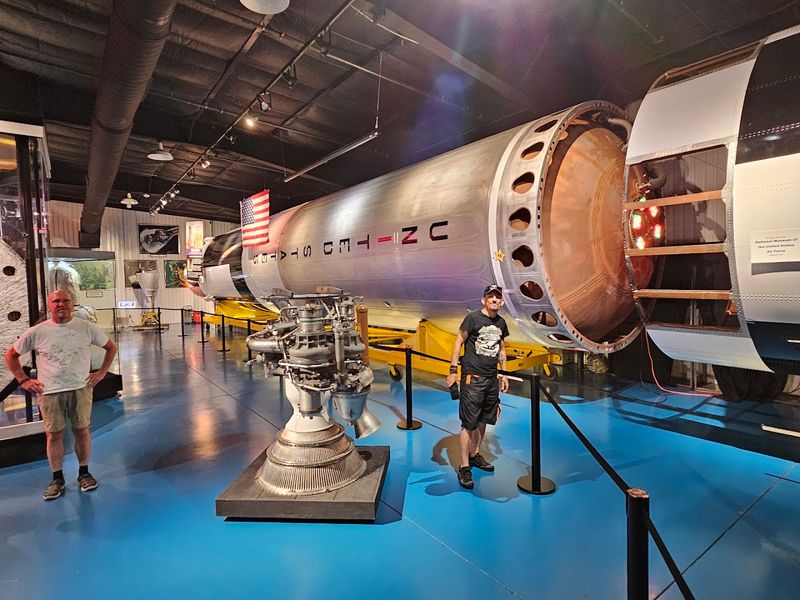
Spacecraft and Spacesuits Up Close
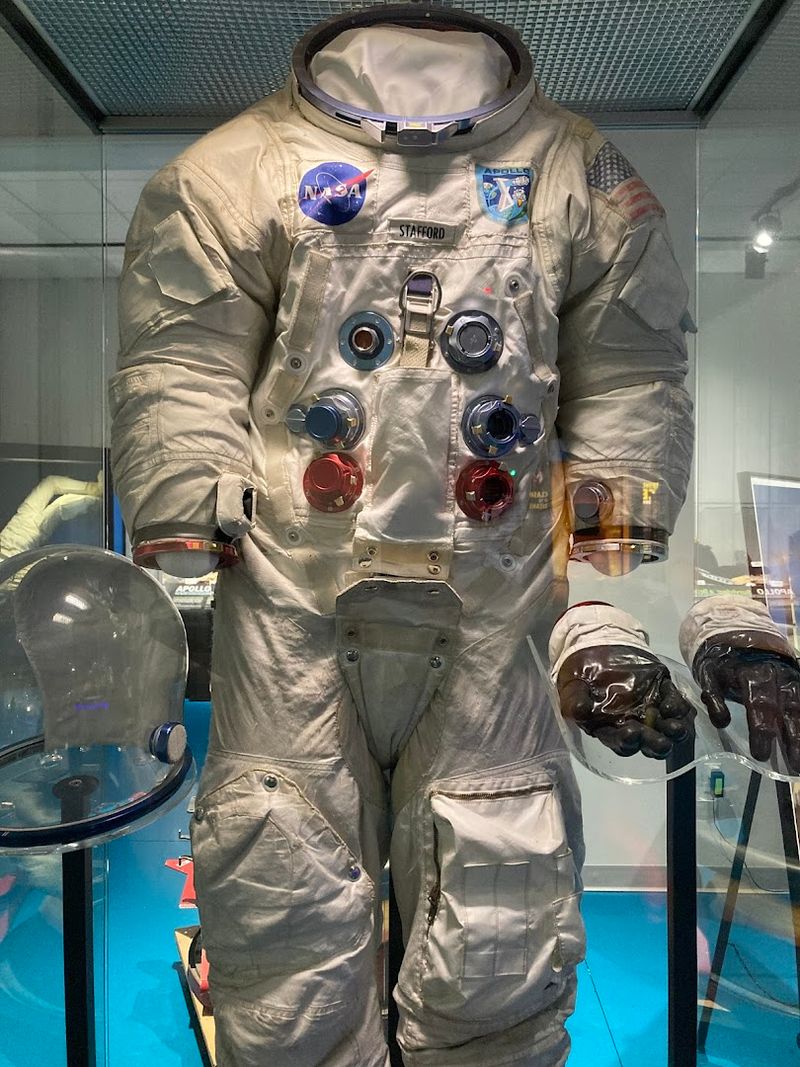
There is something almost surreal about standing a few feet away from a capsule that actually traveled to the edge of the Moon.
The Gemini 6A spacecraft on display here is the real deal, a flight-proven vehicle that carried astronauts Walter Schirra and Thomas Stafford on a mission in December 1965 that achieved the first orbital rendezvous in spaceflight history.
Alongside it, the Apollo 10 spacesuits remind you just how physically demanding spaceflight was for the people who suited up and climbed into those tiny capsules.
The museum also features artifacts from the Space Shuttle program, giving visitors a timeline that stretches from the earliest human spaceflights all the way through the shuttle era.
A Moon rock is also on display, and yes, you really are looking at a piece of another world. That kind of access is rare, and the museum presents it without excessive fanfare, letting the object speak for itself.
For anyone who grew up watching rocket launches on television, this section of the museum is the kind of thing that brings all of that wonder rushing back in the best possible way.
The Outdoor Aircraft Collection
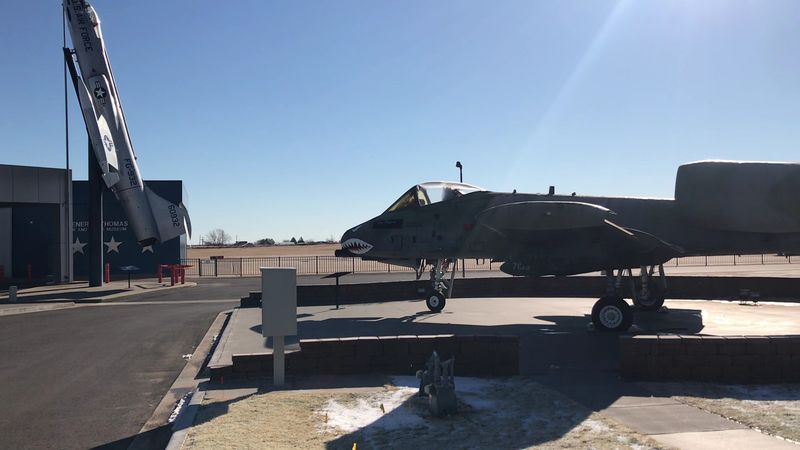
Before you even buy a ticket, the outdoor grounds give you plenty to look at, and the collection parked outside is far more impressive than what most museums display indoors.
A Titan II missile stands tall near the building, and its sheer size is a reminder of how ambitious and frankly intimidating the Cold War space race actually was.
An A-10 Thunderbolt II, affectionately known as the Warthog, is also on the grounds, along with a collection of other historic military aircraft that span several decades of aviation history.
The outdoor area is well-maintained and open to explore, so even visitors who arrive when the museum is closed can still walk the grounds and get up close to aircraft that would be the highlight of most air shows.
One review mentioned stopping on Christmas Day and finding the outdoor displays alone worth the visit, which says a lot about how much is available outside the main building.
The grounds are clean, the aircraft are clearly labeled, and the whole outdoor setup gives the museum an open-air quality that makes it feel more like a living collection than a static archive.
Interactive Exhibits and the Scavenger Hunt
A lot of museums are heavy on glass cases and light on engagement, but this one clearly put serious thought into making the experience hands-on and fun for younger visitors.
The educational center includes flight simulators that let you get a feel for what it might be like to actually pilot an aircraft, which is the kind of activity kids talk about long after the trip is over.
The scavenger hunt is a particularly clever touch. Kids are handed a booklet at the start of their visit and tasked with finding specific items and answers throughout the exhibits, which keeps them moving, curious, and genuinely invested in what they are looking at.
At the end of the hunt, children receive a small prize, and the whole activity turns a museum visit into something closer to an adventure.
There is also a kids’ library on site, and the exhibit flow is designed so that the content becomes progressively more technical as you move through the museum, which means younger visitors get plenty of accessible material early on before things get more detailed.
The staff is consistently praised for being welcoming and helpful, and the self-guided tour pamphlet they provide is thorough without being overwhelming.
From the Wright Brothers to the Space Race
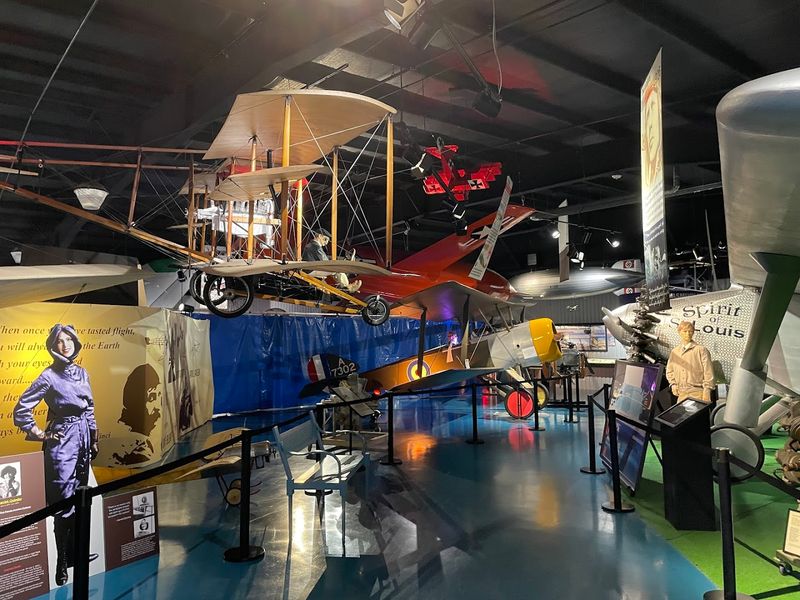
The scope of what this museum covers is genuinely ambitious, and the exhibits pull it off without feeling rushed or superficial.
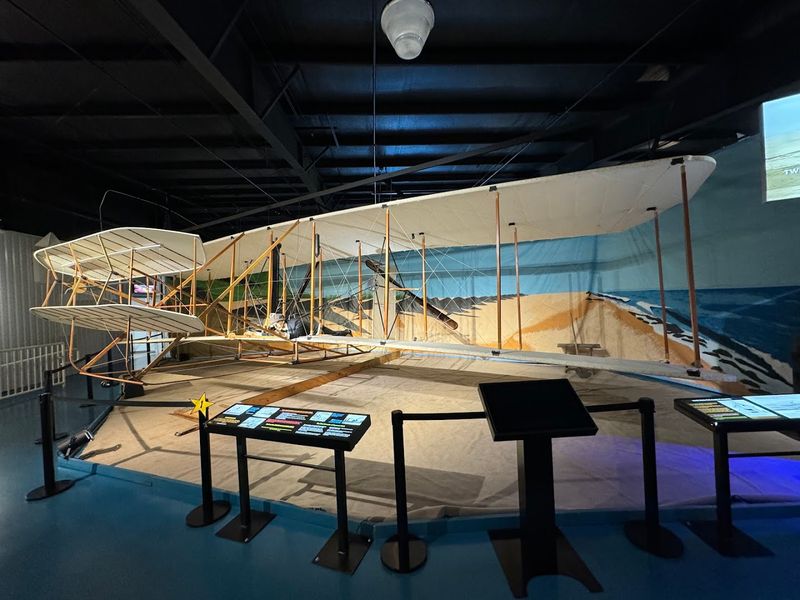
A full-sized model of the Wright Brothers’ Flyer anchors the early aviation section, setting the stage for a journey through more than a century of human flight.
From there, the story moves through World War-era aircraft, the Cold War, the early space program, the Apollo missions, and into the shuttle era and beyond.
The Cold War section is particularly compelling, with artifacts and context that explain how competition between the United States and the Soviet Union drove some of the most dramatic technological leaps in human history.
One of the more unusual items on display is a Cosmonaut survival pistol, a weapon Soviet cosmonauts carried in case they landed in a remote area after reentry. That kind of specific, unexpected detail is what separates a great museum from a good one.
The progression through the exhibits feels deliberate and well-paced, and by the time you reach the modern displays, you have a real sense of how far humanity has traveled, both literally and figuratively, since that first shaky flight at Kitty Hawk.
The Gift Shop and a Town Worth Exploring
The gift shop at the museum is well-stocked and reasonably priced, with aviation and space-themed merchandise that ranges from books and mission patches to toys and apparel.
It is the kind of shop where you go in planning to buy one thing and come out with a bag, which is not a complaint at all.
The staff in the shop, like the staff throughout the museum, gets consistently high marks for being friendly and genuinely enthusiastic about the place.
After the museum, Weatherford itself is worth a short drive around. The town has a charming small-city character, and there is a well-known astronaut statue on a street corner downtown that makes for a fun photo stop.
The museum also accommodates RV travelers, and members of Harvest Hosts can actually stay overnight on the property, which is a pretty remarkable perk for road-trippers making their way across Oklahoma or along Route 66.
Military admission discounts are available, and the pricing overall is considered very reasonable for the quality and volume of what is on display inside, making the whole experience feel like one of the better deals you will find on a cross-country drive.
Why This Museum Belongs on Your Road Trip List
A 4.9-star rating from over 1,470 reviews is the kind of number that makes you pay attention, and after spending time here, it is not hard to understand why the praise is so consistent.
The museum earns it not through spectacle alone but through the care and organization that goes into every exhibit, the quality of the artifacts on display, and the genuine passion of the staff who maintain and present it all.
Families with young children find it engaging and educational. Aviation enthusiasts find rare aircraft and technical depth.
History buffs find Cold War context and space program stories that connect to larger moments in American and world history.
The museum sits right along I-40 in western Oklahoma, making it one of the most accessible and rewarding stops on that stretch of highway.
Whether you are passing through on Route 66, making a dedicated trip, or just looking for something extraordinary in an unexpected place, the Stafford Air and Space Museum consistently delivers.
Some places surprise you because they exceed low expectations. This one surprises you because it genuinely has no business being this good in a town this size, and that contrast is exactly what makes it so memorable.



