There is a small town on the southern shore of Lake Okeechobee where sugarcane fields stretch as far as you can see, and the local museum packs more history into one building than most people expect. The Clewiston Museum holds stories about prehistoric creatures, Seminole culture, railroad pioneers, and the rise of the American sugar industry, all under one roof.
I had no idea what I was walking into when I first pulled open those front doors, and that surprise made the whole experience even better. By the time I left, I had a completely new understanding of why this quiet corner of Florida matters so much to the bigger story of the state.
A Tiny Building With a Big Story to Tell
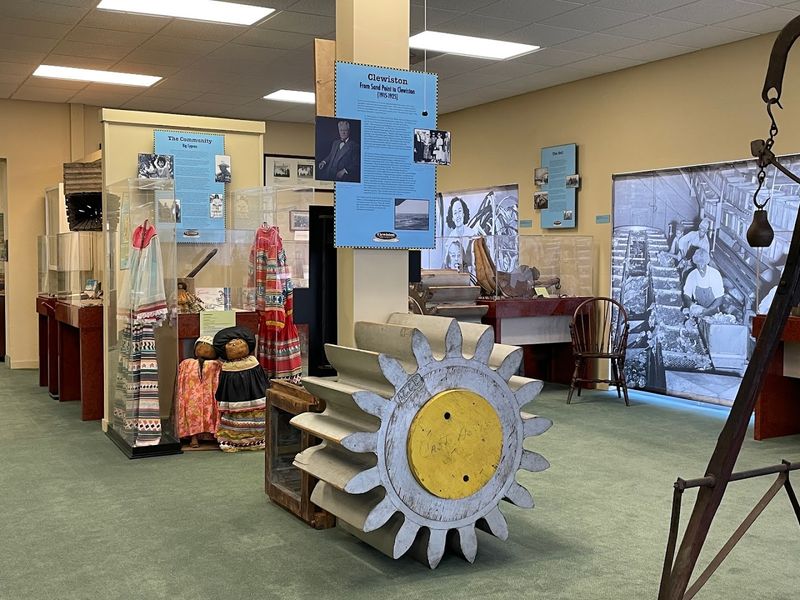
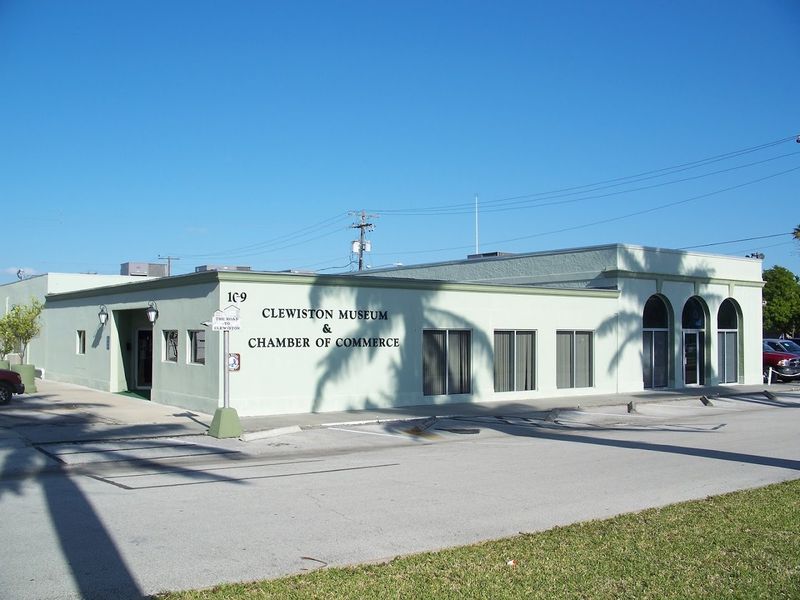
The Clewiston Museum sits at 109 Central Ave, Clewiston, right in the heart of this small sugarcane town on the southern edge of Lake Okeechobee in South Florida. From the outside, it looks modest, the kind of building you might pass without a second glance.
But that would be a mistake.
Once inside, the space opens up into a carefully arranged collection of exhibits that cover thousands of years of regional history. The staff greets you warmly, and the whole atmosphere feels personal rather than institutional.
The museum is open Monday through Friday from 9 AM to 4 PM and is closed on weekends. You can reach them at (863) 983-2870 or visit theclewistonmuseum.org to plan your trip.
For a town this size, the depth of what they have preserved here is genuinely impressive.
How Clewiston Came to Be the Sugar Capital of America
Clewiston did not grow slowly the way most towns do. It was essentially built on purpose, carved out of swampy South Florida land in the 1920s as part of an ambitious plan to grow sugarcane on a massive commercial scale.
The town earned the nickname “America’s Sweetest City,” and the museum explains exactly how that happened.
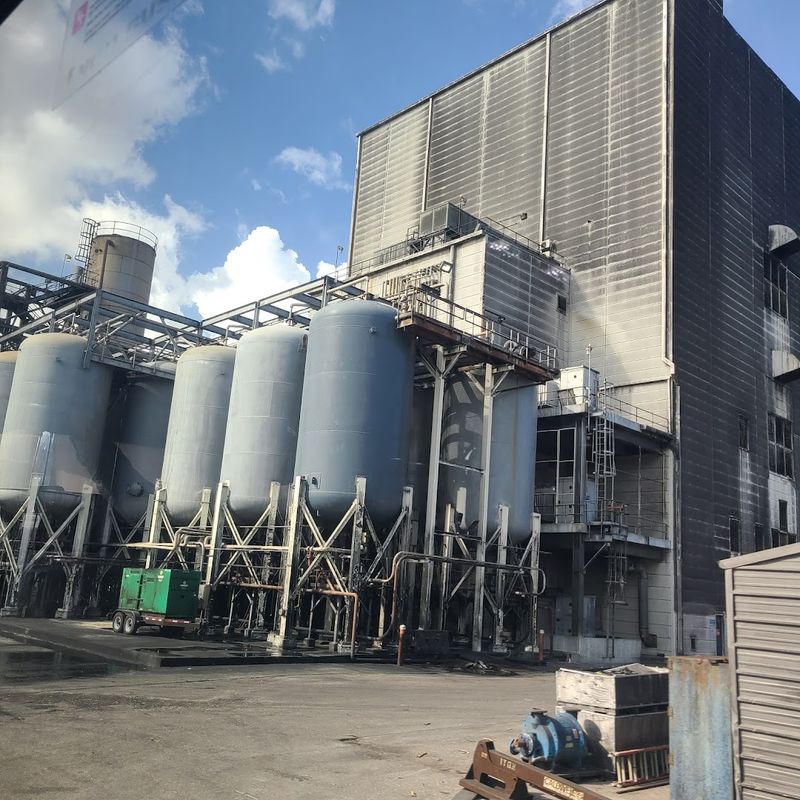
U.S. Sugar Corporation became the backbone of the local economy, and exhibits trace the company’s origins, growth, and lasting influence on the region.
You learn about the engineers, laborers, and investors who transformed wetlands into productive farmland.
What strikes me most is how the museum presents this history without glossing over the challenges, including the hard physical labor involved and the environmental tradeoffs that came with large-scale agriculture. The story of Clewiston is complicated, and the museum does not shy away from that complexity.
The Sugarcane Process Explained From Field to Bag
One of the most fascinating parts of my visit was learning exactly how raw sugarcane becomes the white granules you scoop into your morning coffee. The museum walks you through the entire process with detailed displays and informational panels that break it down in a way that actually makes sense.
There are also short documentary videos you can watch on-site, including one specifically about U.S. Sugar that covers harvesting, milling, refining, and distribution.
The ten-minute format moves quickly, and some visitors feel it covers a lot of ground fast, but it gives you a solid foundation.
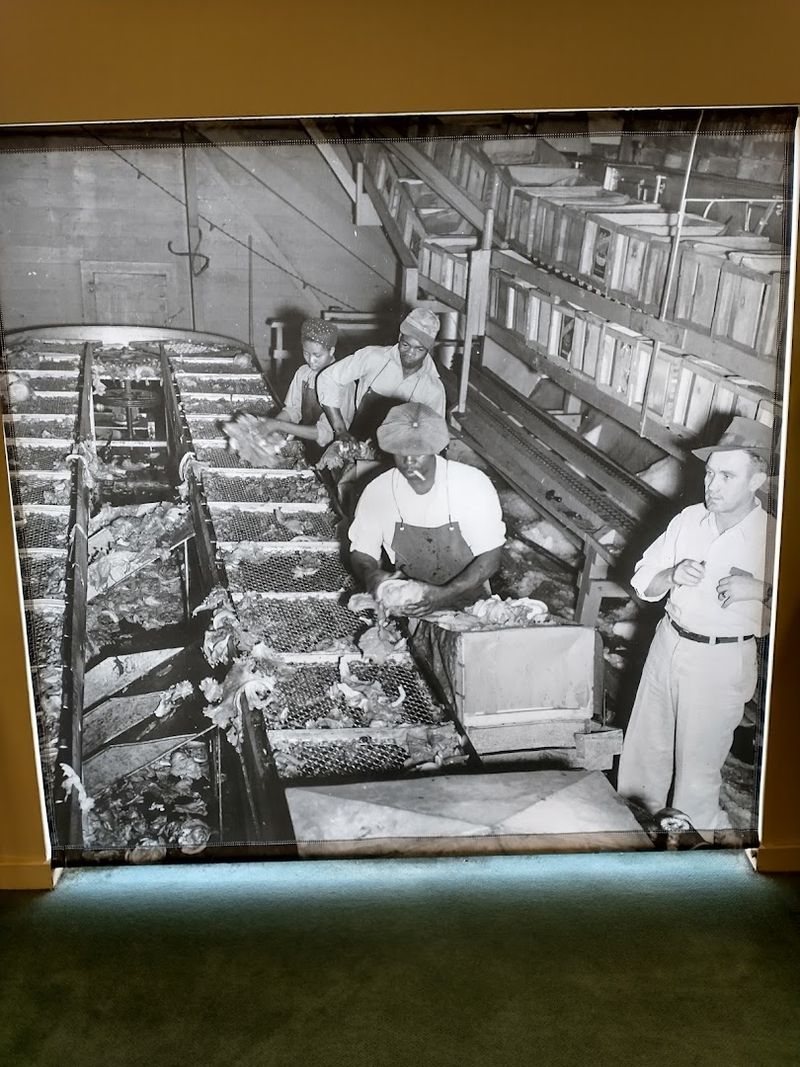
After watching the video, the surrounding exhibits hit differently because you already understand the basics. Seeing actual equipment, old photographs of harvest crews, and production records turns an abstract industrial process into something tangible and human.
I never thought a sugar exhibit could hold my attention this long.
Prehistoric Florida and the Fossils That Prove It
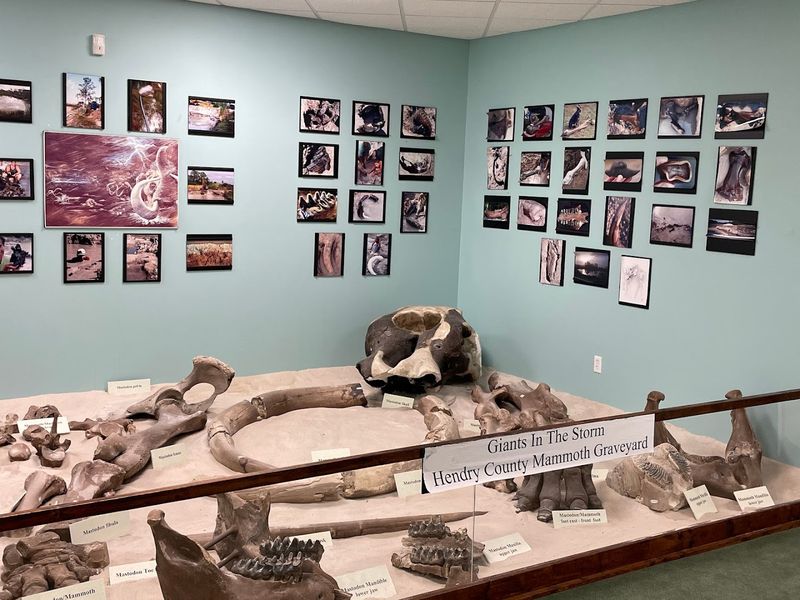
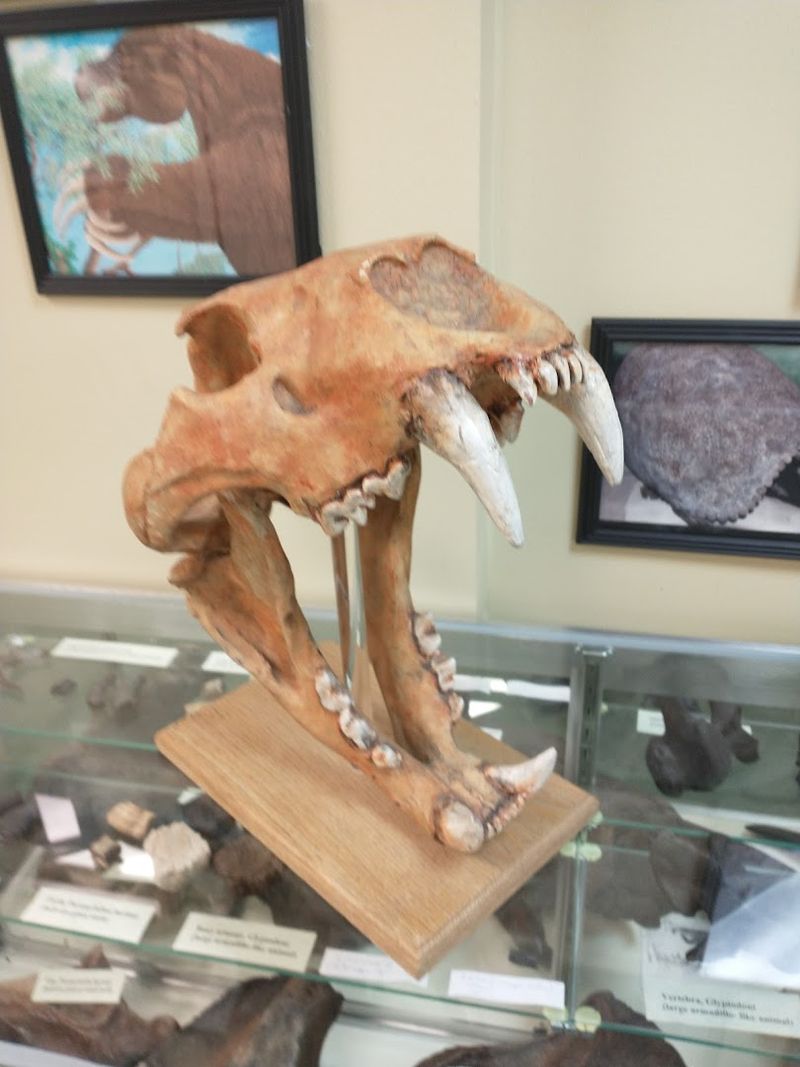
Long before sugarcane arrived, South Florida was home to creatures that would feel right at home in a science fiction story. The Clewiston Museum has an impressive fossil collection that includes mastodon bones recovered from the Caloosahatchee River near LaBelle, and the sheer size of these specimens stops you cold.
The fossils were collected locally, which makes them feel connected to the land you are standing on. Knowing that giant prehistoric mammals once roamed this same stretch of Florida adds a surreal layer to the whole experience.
Fossil club members and school groups visit specifically for this collection, and it is easy to understand why. The display is well-organized, with clear labels explaining the age and origin of each piece.
For kids especially, this section of the museum tends to spark the most excitement, and honestly, it had the same effect on me.
Seminole History and the People Who Shaped This Land
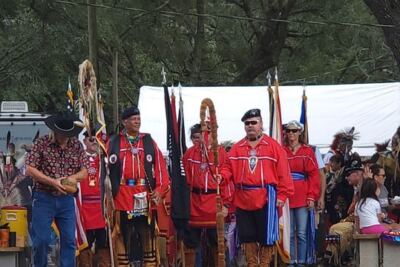
The Seminole people have deep roots in South Florida, and the Clewiston Museum dedicates meaningful exhibit space to their history and culture. The displays cover traditional ways of life, the conflicts that reshaped the region, and the resilience that allowed Seminole communities to survive and persist through enormous pressure.
Artifacts, photographs, and written histories work together to give visitors a layered understanding of what life looked like in this part of Florida before and after European settlement. The museum treats this history with respect rather than reducing it to a brief footnote.
What I appreciate most is that the exhibit connects Seminole history to the specific geography of the Lake Okeechobee region, showing how the land itself shaped the culture and how changes to that land affected the people who had lived there for generations. Context like that turns a display into a real story.
Railroads, Drainage, and the Engineers Who Changed Florida
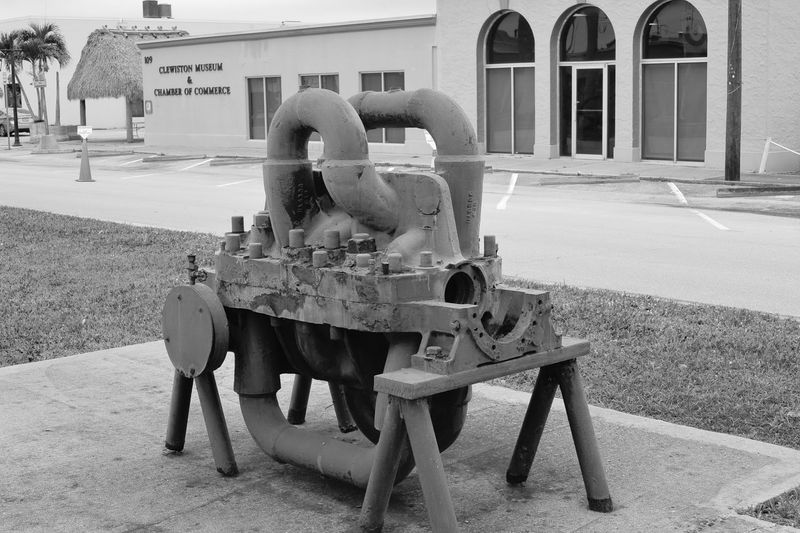
South Florida as we know it today would not exist without the massive drainage and railroad projects of the early twentieth century. The museum covers this engineering history in a way that makes you genuinely appreciate how much effort went into reshaping the landscape, for better and for worse.
Railroad expansion brought workers, supplies, and settlers into what had previously been nearly inaccessible wetland territory. The exhibits show old maps, construction photographs, and equipment records that document how quickly the region transformed once the infrastructure was in place.
The connection between railroads and agriculture is made clear throughout, because without reliable transportation, there was no way to move sugarcane, citrus, or other crops to market. Clewiston’s growth was directly tied to those rail lines, and seeing the original maps and photographs makes that relationship feel concrete rather than abstract.
Engineering history rarely feels this personal.
World War II and the RAF Connection Nobody Expects
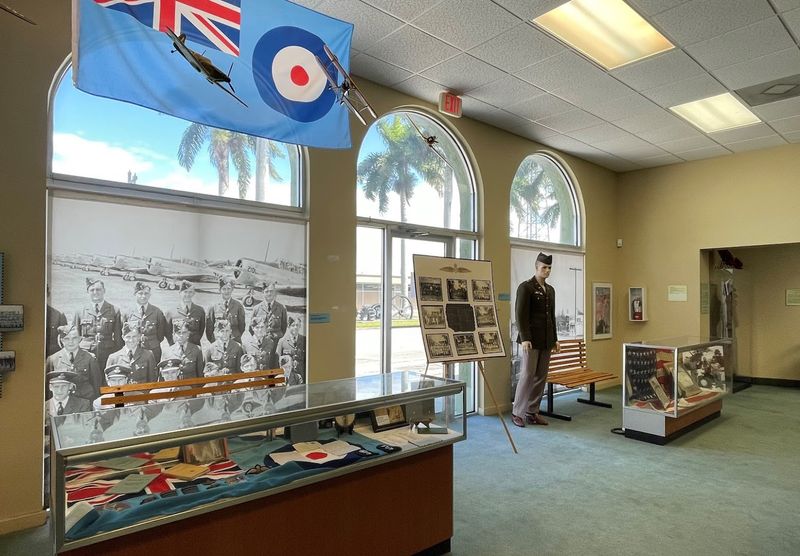
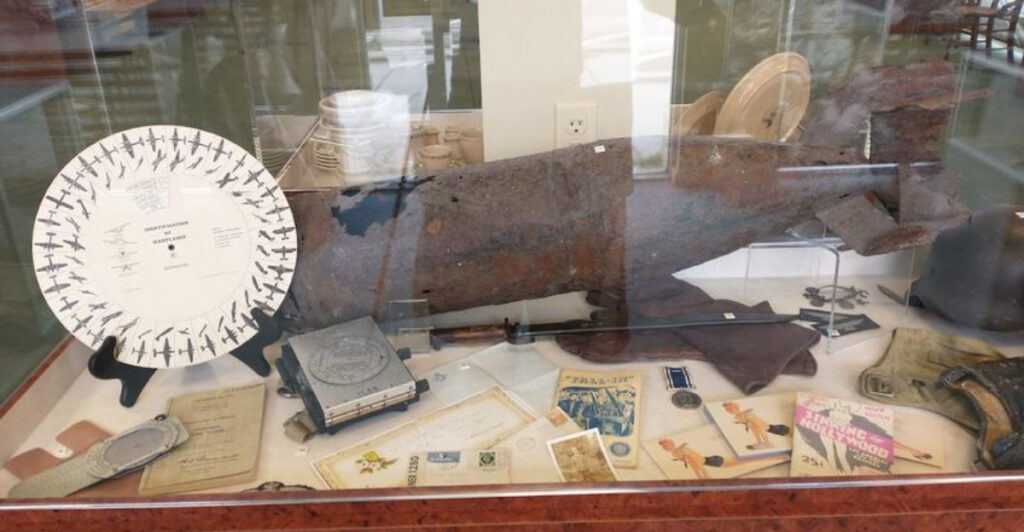
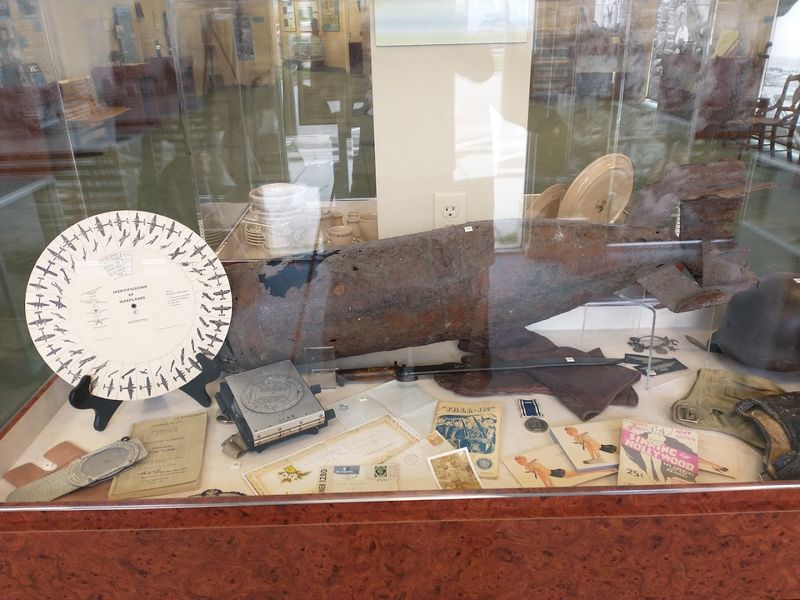
Here is something that genuinely surprised me: Clewiston played a real role in World War II as a training ground for British Royal Air Force pilots. The museum has an entire section dedicated to this chapter of local history, and it is one of those stories that makes you wonder why it is not more widely known.
The Riddle Field airbase, operated nearby, trained thousands of RAF cadets who came to Florida specifically because the clear weather allowed for consistent flying conditions. Many of these young pilots went on to serve in active combat after completing their training here.
The exhibit includes photographs, personal items, and historical documents that bring the human side of this story forward. For visitors with a military history background, this section alone is worth the trip.
The connection between a quiet Florida farming town and the British war effort is one of the more unexpected threads in Clewiston’s history.
Documentary Films That Bring the History to Life
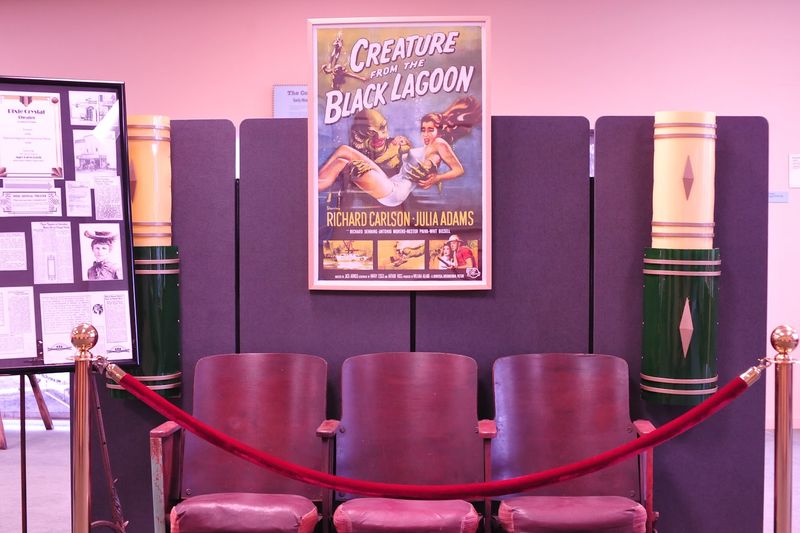
Before you start walking through the main exhibits, the staff typically invites you to watch a couple of short documentary films. These run about ten minutes each and cover topics like the history of Clewiston, the sugar production process, and the broader story of the Lake Okeechobee region.
The films are genuinely well-produced for a small local museum, and they do a good job of establishing context before you encounter the physical artifacts and displays. Watching them first means the exhibits make more sense and stick with you longer.
Some visitors feel the sugar documentary packs in a lot of information for a short runtime, but I found that rewatching key sections was easy enough. The staff is happy to answer questions after the screenings, and that conversation often turns into an impromptu guided tour.
The films are a smart way to start any visit here.
The Knowledgeable Staff Who Make the Whole Visit Better
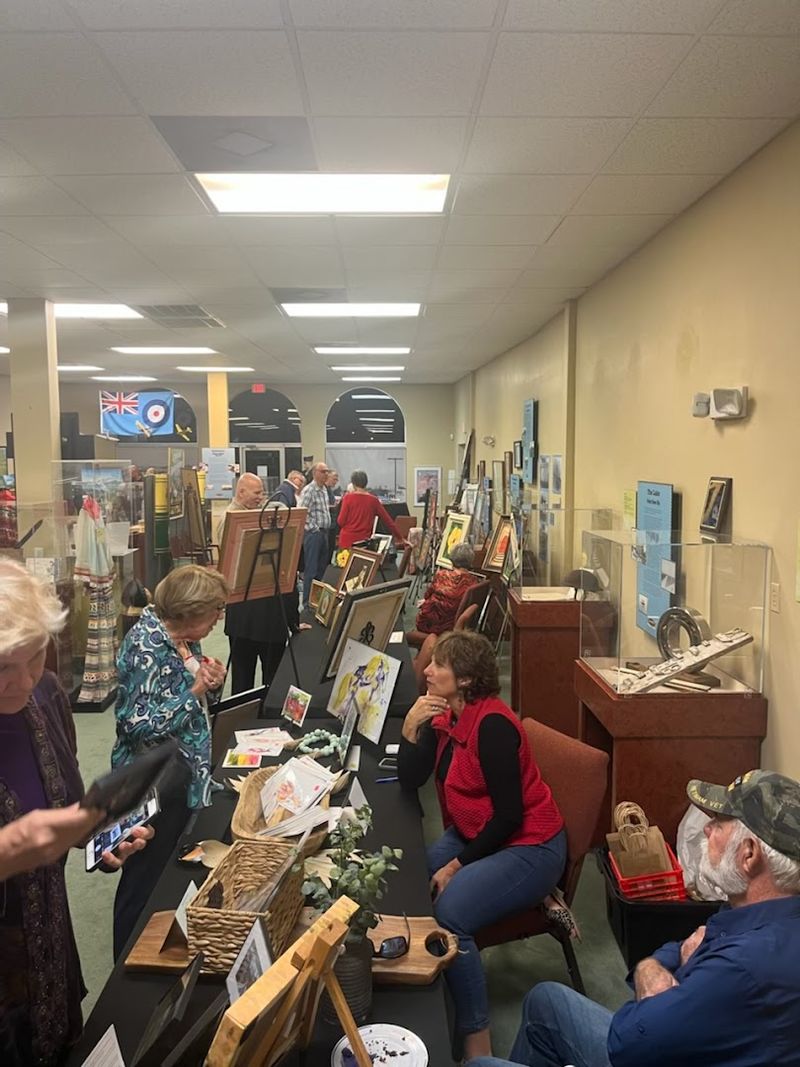
A museum is only as good as the people who bring it to life, and the staff at the Clewiston Museum genuinely elevate the experience. The docents here are enthusiastic, deeply knowledgeable, and clearly passionate about the history they are sharing.
On my visit, the person leading the informal tour knew the backstory behind nearly every artifact on display and could answer follow-up questions without missing a beat. That kind of depth is rare in a small community museum, and it transforms a self-guided browse into something much more engaging.
Groups visiting for field trips or organized tours tend to get a more structured walkthrough, which several fossil clubs and history organizations have taken advantage of. The staff adjusts their approach depending on the audience, keeping things accessible for kids while still offering enough detail to satisfy adults who want to go deeper into the history.
The Gift Shop and Bookstore Worth Browsing
Before heading out, most visitors make a stop at the gift shop and bookstore, and it is worth taking your time there. The selection leans toward local and regional history, with books covering topics like Florida prehistory, Seminole culture, the sugar industry, and the ecology of the Lake Okeechobee area.
The quality of the items is noticeably higher than the typical tourist shop fare. These are books and objects chosen by people who actually care about the subject matter, and that curatorial eye shows in what ends up on the shelves.
If you visit with kids, there are also age-appropriate educational materials that make great takeaways. Picking up a book or two here felt like a natural extension of the museum experience rather than a commercial afterthought.
The proceeds also support the museum’s operations, so every purchase goes directly back into keeping the exhibits running.
Maps, Guides, and What Else to See in Clewiston
The museum does not just tell you about Clewiston’s past; it also helps you explore the town’s present. Near the entrance, there is a map guide pointing out other interesting places to visit in and around Clewiston, which turns the museum into a useful starting point for a broader day trip.
The Lake Okeechobee area has plenty to offer beyond the museum itself, including wildlife viewing, fishing, and outdoor recreation along the lake’s shoreline. The museum staff can also offer suggestions based on what interests you most.
Clewiston is roughly half an hour from Lion Country Safari and reasonably accessible from eastern Palm Beach County, making it a practical addition to a longer South Florida itinerary. Having a local map in hand as you leave the museum makes it much easier to connect the historical context you just absorbed with the actual landscape waiting outside.
Planning Your Visit: Hours, Tips, and What to Expect
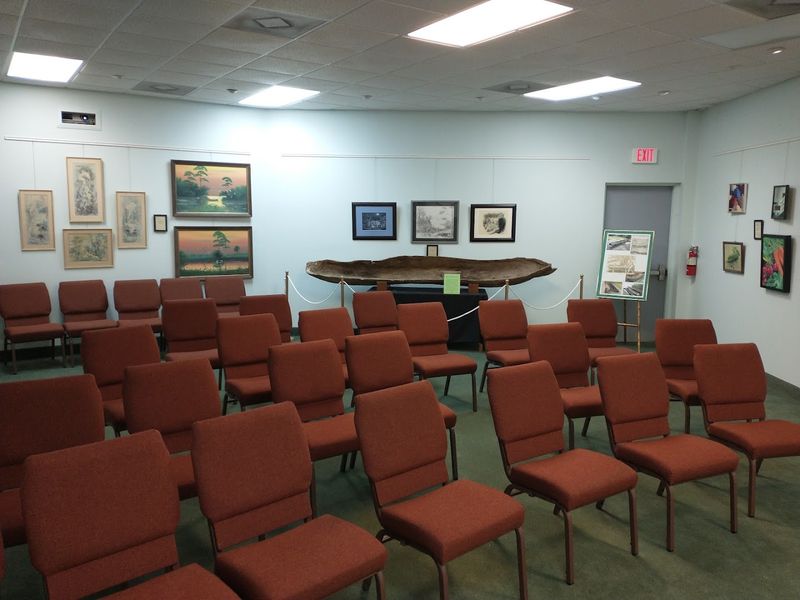
The museum is open Monday through Friday from 9 AM to 4 PM and is closed on Saturdays and Sundays. That schedule means a weekday visit is your only option, so planning ahead is worthwhile.
Arriving earlier in the day gives you more time to linger without feeling rushed toward closing.
Most visitors spend between one and two hours inside, which is enough time to watch the films, walk through all the exhibits, and browse the gift shop. The museum is compact but dense with content, so it rewards a slower pace.
The interior is air-conditioned, which is a genuine relief during the hot Florida months. Admission is reasonably priced, and the experience delivers solid value for what you pay.
If you are road-tripping through South Florida and want to add something genuinely educational and off the beaten path, this stop fits that description well.
Why a Small Museum in a Small Town Still Matters
There is a tendency to assume that bigger cities hold the most important history, but the Clewiston Museum pushes back against that assumption in the best possible way. The story of how this town was built, who lived on this land before it was developed, and how the sugar industry reshaped an entire ecosystem is a story with national significance.
Small museums like this one preserve the specific, granular details that larger institutions often overlook. The locally collected fossils, the personal photographs from RAF training days, the handwritten records from early sugar operations, these are things that exist here and nowhere else.
Supporting places like the Clewiston Museum matters because once those artifacts are lost or dispersed, the stories attached to them become much harder to tell. The staff here clearly understands that responsibility, and you can feel it in the care they bring to every exhibit on display.
A Closing Thought on Clewiston and Its Layered Past
By the time I walked back out onto Central Avenue, the sugarcane fields on the edge of town looked different to me than they had an hour earlier. They were not just scenery anymore.
They were the product of a century of deliberate human effort, engineering ambition, agricultural experimentation, and cultural change.
That shift in perspective is exactly what a good museum is supposed to deliver, and the Clewiston Museum does it without any pretension or fanfare. The exhibits are honest, the staff is genuine, and the history is real.
Whether you come for the fossils, the sugar story, the Seminole history, or the unexpected World War II connection, you will leave with a clearer picture of how this particular piece of Florida came to be. Some of the most interesting history in this state is hiding in plain sight, and Clewiston is proof of that.
Share this story