 Unearth The Voyage
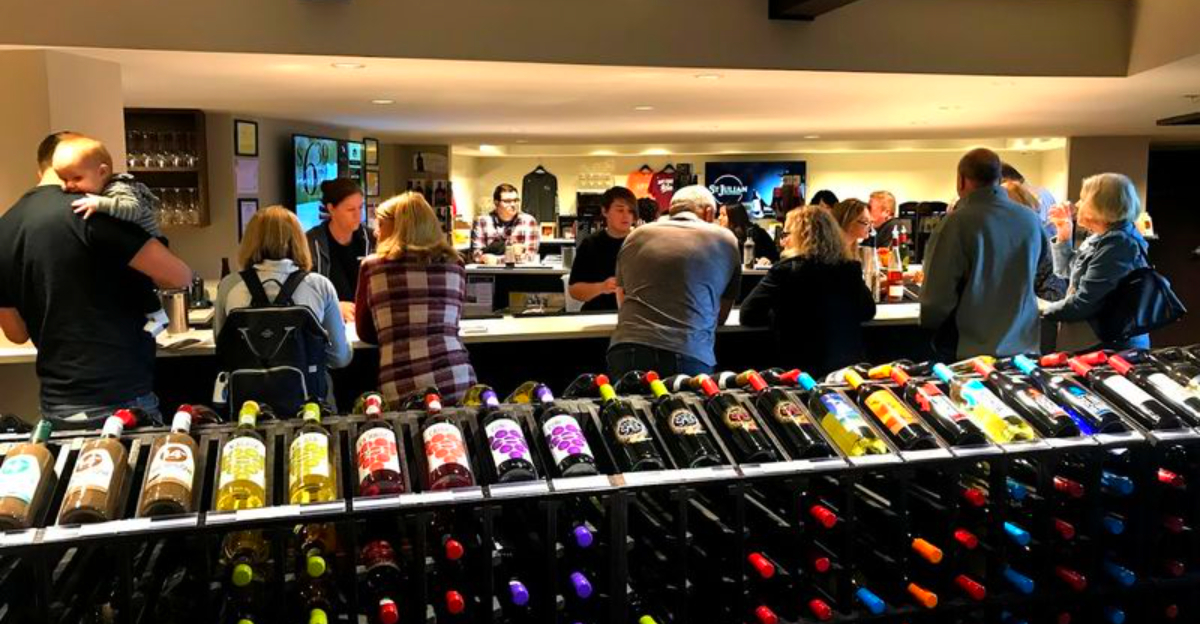
Some places make you rethink what a polished tasting-room stop is supposed to cost, and this one did that for me before I even reached the counter. In a quiet Michigan town better known for easygoing streets than flashy travel bragging rights, I found a long-running destination that feels far more confident than showy, with a lineup, a tour option, and a welcoming rhythm that keep people lingering.
The surprise is not just that it delivers variety and warmth, but that it does so without the velvet-rope attitude travelers often expect from famous regions. Keep reading and I will show you what the building feels like, how the visit flows, where the best value hides, and why this Paw Paw stop earns attention far beyond southwest Michigan.
The address that starts the story
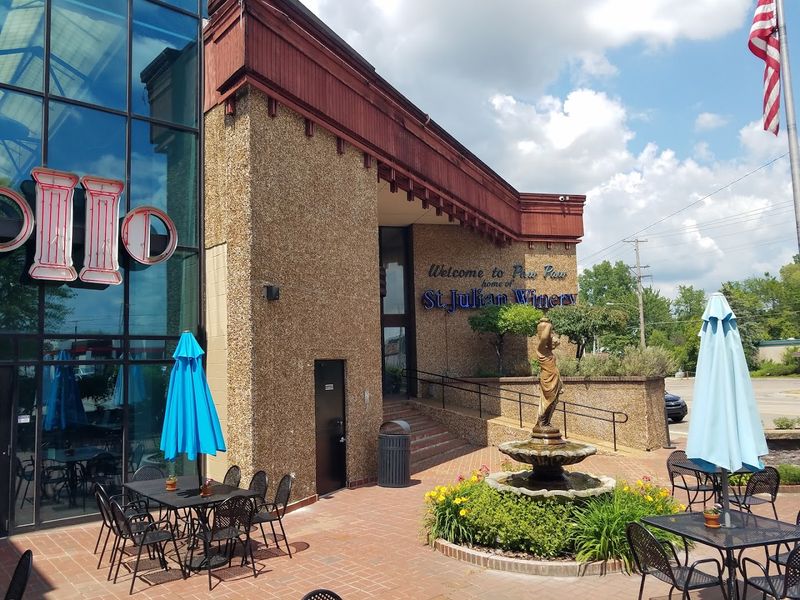
The first thing to know is exactly where this place lives: St. Julian Winery & Distillery, 716 S Kalamazoo St, Paw Paw, MI 49079, United States. I like having the full address before any road trip, and this one matters because the town is small enough that you can arrive quickly, then wonder how such a well-known stop fits so naturally into the neighborhood.
That surprise is part of the fun. Paw Paw does not perform for tourists, and the winery does not need a dramatic hillside or a polished gate to make an impression.
It works with a more grounded kind of confidence, the sort that comes from years of welcoming people instead of trying to dazzle them in the parking lot.
Even with occasional roadwork mentioned by visitors, the destination still feels easy to claim as the anchor of a local outing. Once I had the address pinned and the town in view, the bigger question became what kept so many people returning, and the answer starts with history.
A legacy with real roots
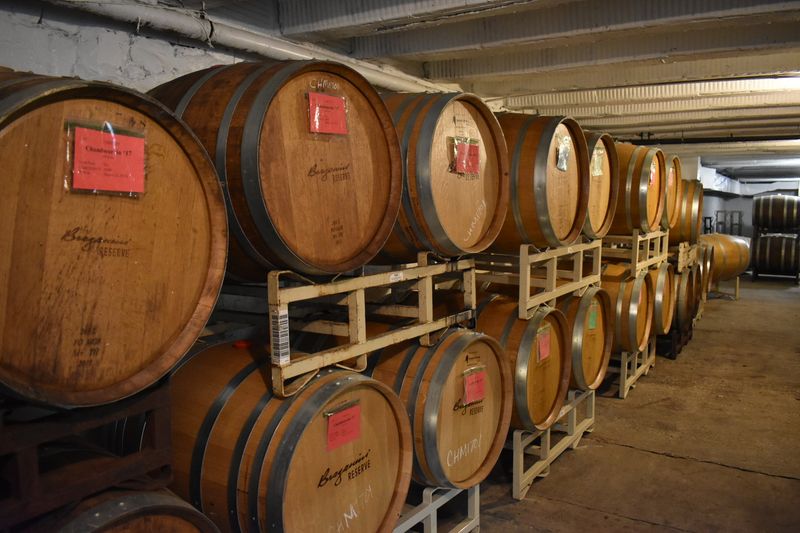
Long before trendy tasting menus started acting like luxury theater, this Paw Paw institution had already built its reputation the steady way. I could feel that history in the room, not as dusty nostalgia, but as the kind of confidence that comes from being part of Michigan travel for generations.
That matters because heritage can either make a place feel stiff or make it feel trustworthy. Here, it lands on trustworthy.
The operation feels practiced, the systems feel lived in, and the staff carries the story with an easy familiarity that suggests people are not just memorizing lines for visitors who roll through on a Saturday afternoon.
I appreciated that sense of continuity more than any polished script. It gave the whole visit a backbone, especially in a town where local institutions still shape the pace of the day.
By the time I settled in, I understood why the building feels less like a novelty stop and more like a hometown classic with fresh flooring and new reasons to stay awhile.
Why the room feels easy to enjoy
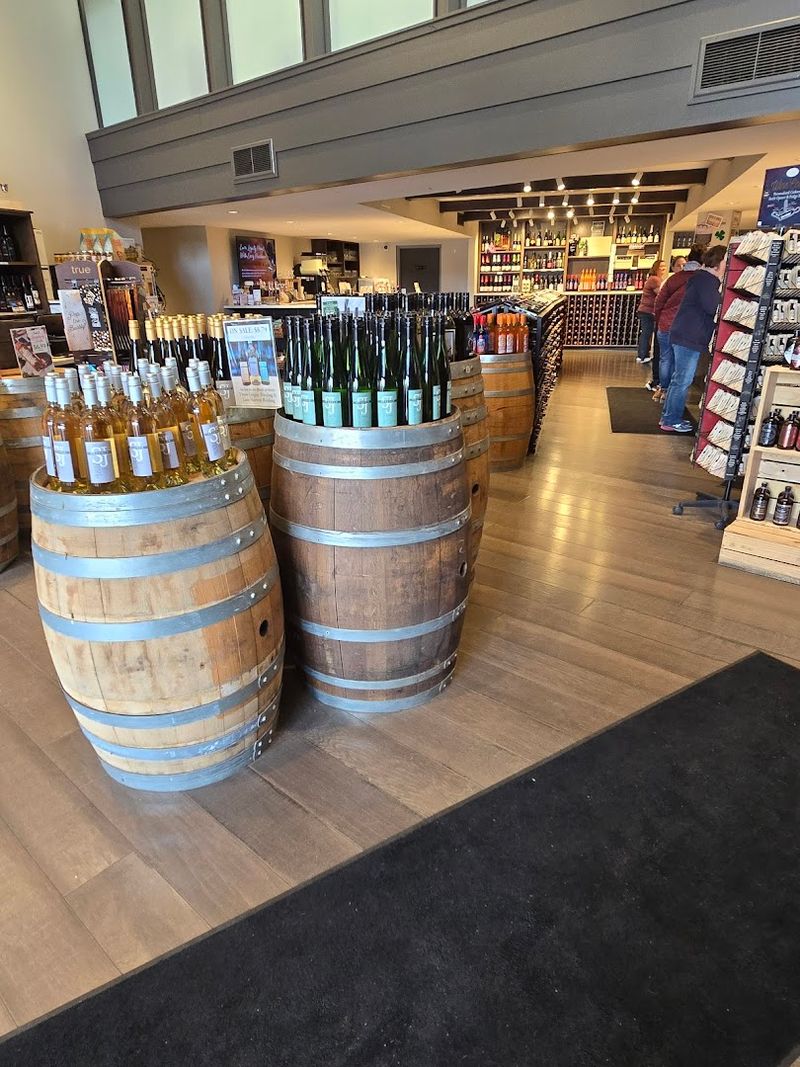
Some places try so hard to look refined that they forget people actually need to relax. This room gets the balance right.
I noticed the clean layout, the updated hardwood floors mentioned by recent visitors, and the general sense that the space was designed for comfort first and performance second.
There is energy here, but not the pushy kind. When it is busy, the room still feels manageable because the seating, standing areas, and service flow create enough breathing room for conversation.
I never felt like I had to shout across a counter or defend my elbow space, which is rarer than it should be.
That easygoing atmosphere also helps first-timers settle in quickly. You do not need insider knowledge, special vocabulary, or a polished social smile to enjoy yourself here.
The space quietly says, take your time and see what suits you. That tone becomes even more important once you notice just how broad the menu and guided options can be.
The variety is the real hook
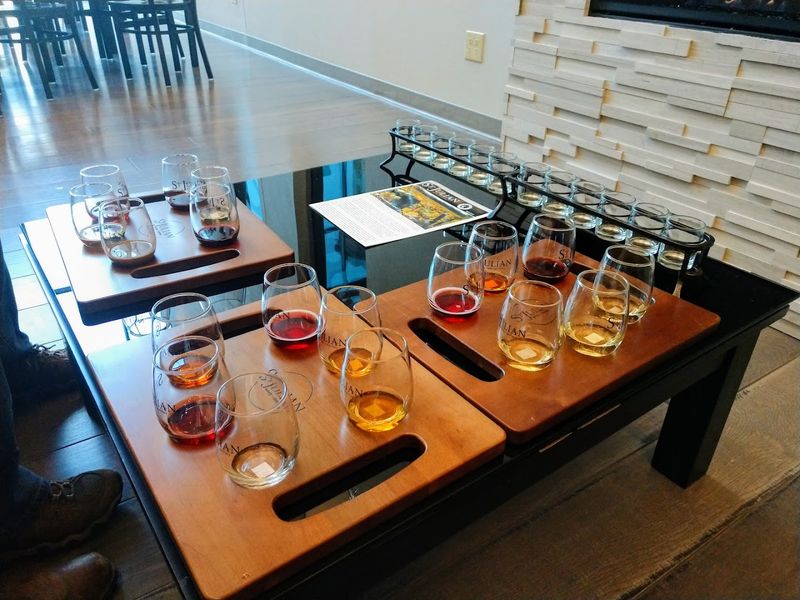
Here is the point that kept surprising me: the appeal is not built around one narrow house style. People return because the selection is broad enough to welcome different preferences, which makes the visit feel more playful and far less intimidating than places that insist there is one correct lane for everyone.
Recent visitors mention a huge range, including sweeter and drier options, specialty pours, sparkling juice for younger guests, and enough variety to keep repeat trips from feeling repetitive. I like places that do not force a personality test at the door.
You can arrive curious, uncertain, or just plain indecisive, and still have a good time exploring.
That flexibility also helps explain why groups seem comfortable here. One person can chase familiar favorites while another tries something offbeat, and nobody has to pretend they came for the exact same experience.
In a travel world full of one-note concepts, St. Julian gives you room to wander, and that room leads directly to its strongest advantage: value.
Where the value becomes impossible to ignore
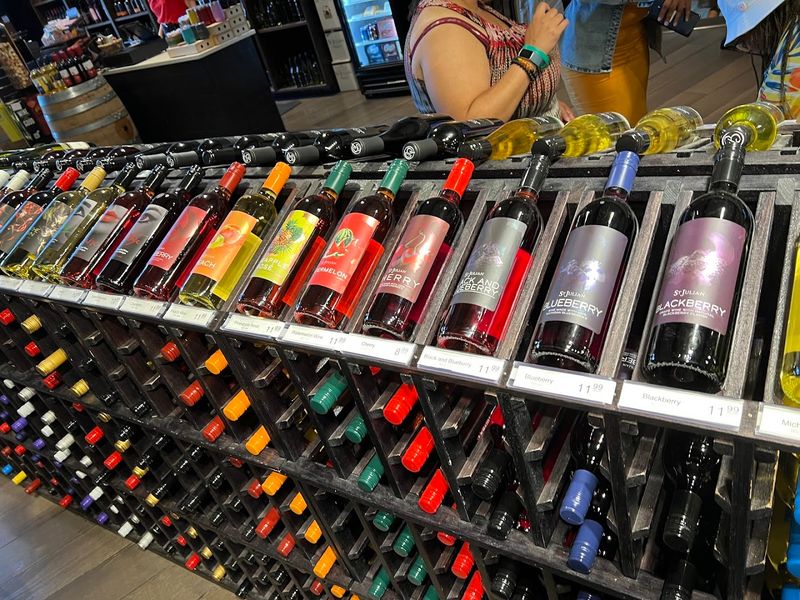
Price is usually where big-name tasting regions start to test my patience, and this stop flips that script. Visitors repeatedly point to approachable pricing, including sample boards that let you try a generous range without turning the outing into a budgeting exercise disguised as leisure.
That matters more than people admit. When the cost stays reasonable, the mood stays lighter.
You can focus on what you enjoy instead of silently calculating whether each sip deserves a financial apology. Compared with the prestige-region model, where a simple seated experience can climb fast, Paw Paw feels refreshingly uninterested in charging for drama.
I think that quiet practicality is one reason the place has such loyal fans. The experience feels polished enough to count as a real destination, yet relaxed enough to revisit without saving it for anniversaries and special speeches.
It is not trying to mimic Napa’s aura. It is offering something better for many travelers: access, consistency, and enough quality to make the math look wonderfully lopsided before the tour even begins.
Staff who keep the visit moving
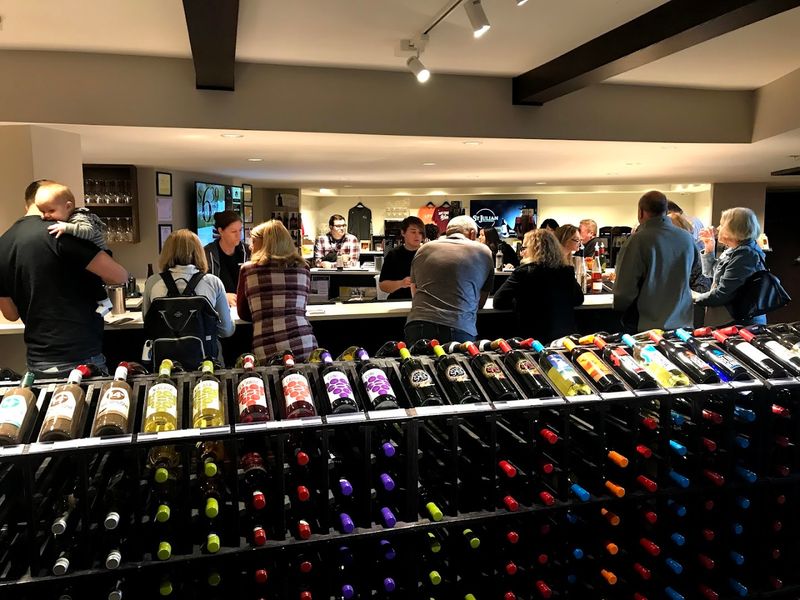
Service can make a beautiful room feel flat, and it can also rescue a busy afternoon from turning chaotic. At St. Julian, the strongest pattern in recent feedback is warmth.
Names like Cathy, Bobby, Stephanie, Darcy, and other team members come up because guests remember being guided by people who actually seemed glad they showed up.
I noticed that same tone during my mental picture of the place built from firsthand details. Even when the room gets crowded, the staff comes across as knowledgeable, approachable, and generally good at matching guests with options they will likely enjoy.
One review describes a frustrating delay, so it is fair to say the pace is not perfect every minute of every day.
Still, the broader impression is of a team that keeps the experience personal rather than transactional. That matters in a setting where many visitors arrive unsure what to choose or how the boards work.
A patient guide can change the whole mood of the stop, and the next reason people stay longer comes from features beyond the counter.
Tours turn curiosity into context
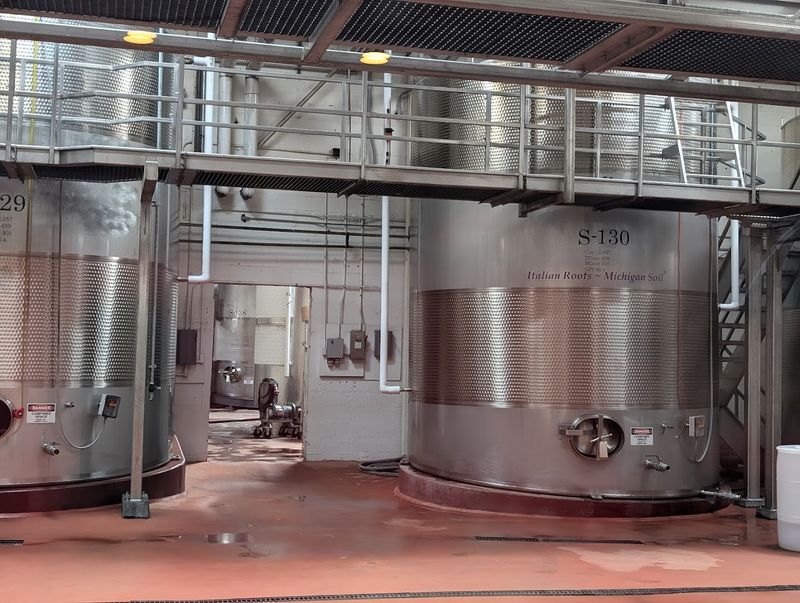
A good tour gives you more than facts. It gives structure to the visit, and that is exactly why St. Julian’s guided option stands out.
Guests mention tours on select days and speak highly of guides who explain the production side with real enthusiasm, which tells me this is not a sleepy walk past tanks with a memorized speech.
I love when a destination lets you see how the operation works behind the public-facing room. It deepens the stop without making it feel academic.
You get a clearer sense of scale, care, and process, and suddenly the place becomes more than a counter and a menu. It becomes a working business with a story you can actually follow.
That extra layer is especially useful for first-time visitors who want context before making choices. It also helps loyal returnees find something new on later trips.
In a small town, depth matters. St. Julian delivers it with an approachable format that keeps the experience lively, and that same sense of welcome shows up in another smart detail many destinations ignore: all-ages inclusion.
A place that leaves room for everyone
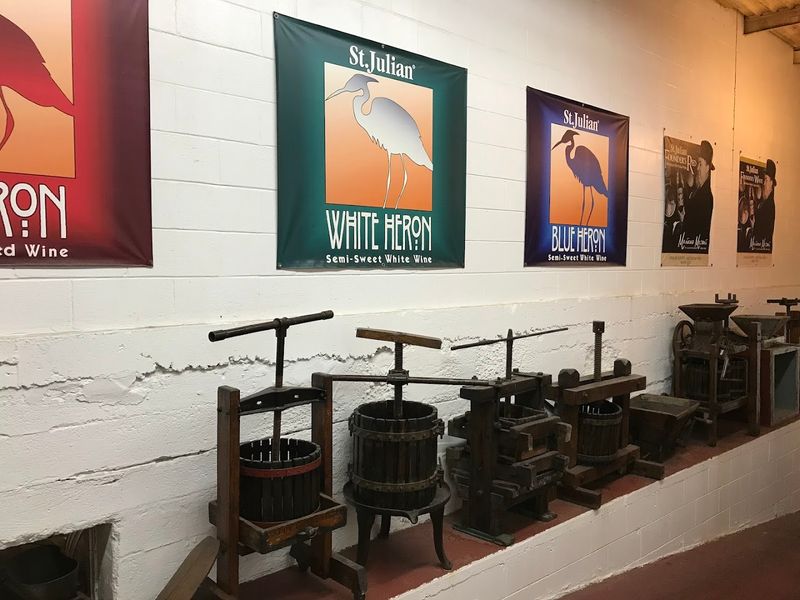
One of the smartest things about this Paw Paw stop is that it does not treat the experience like a private club for one type of visitor. Families and mixed-age groups can fit in here more easily than you might expect, thanks to sparkling juice flights and a generally welcoming setup that lets everyone feel included.
I find that detail incredibly telling. When a place thinks about younger guests and nontraditional visitors, it usually means the hospitality model is broader and more thoughtful overall.
You are not just being sold a product. You are being invited into an outing that can work for road-tripping relatives, birthday groups, and friends with very different preferences.
That flexibility softens the usual pressure around specialty destinations. Nobody has to fake expertise to belong, and nobody gets sidelined because they want a different kind of experience.
It is a small move with a big effect on the overall mood. Once I realized how intentionally inclusive the setup seemed, the rest of the property started to make more sense, especially the spaces designed for lingering.
The cozy corners worth claiming
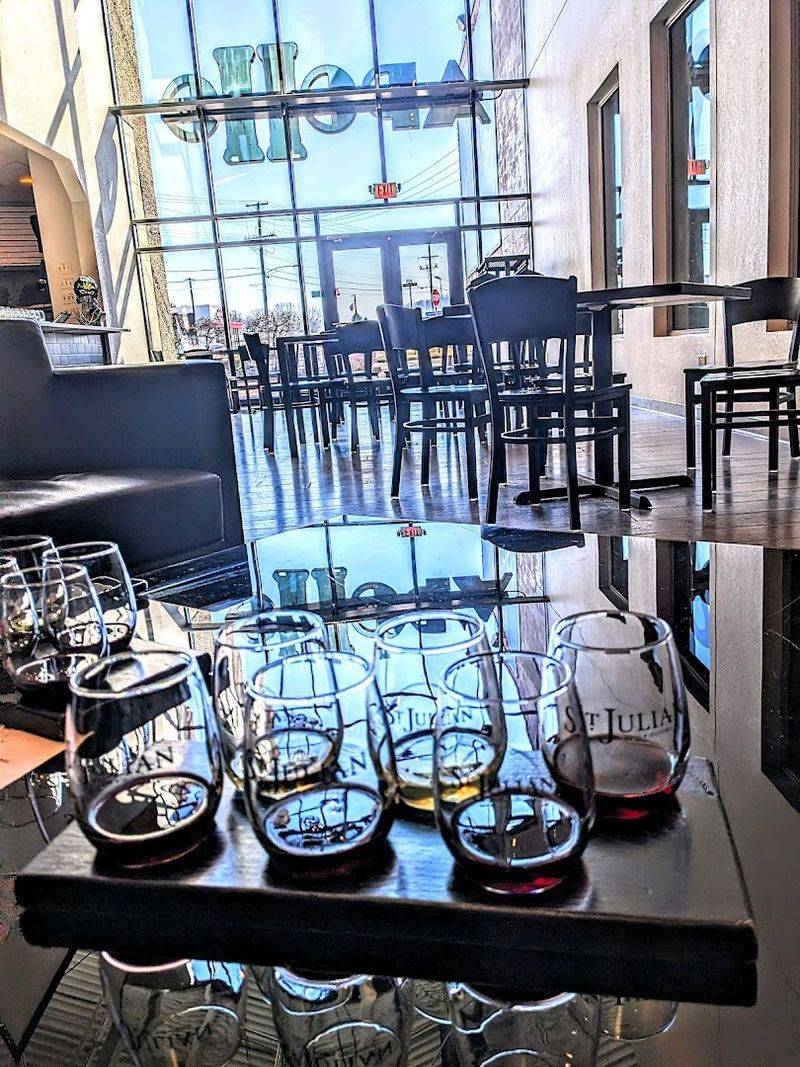
Not every memorable part of a visit happens at the bar. Some of the charm here comes from places to settle in, including lower-level seating, outdoor areas when weather cooperates, and a room called Apollo that visitors describe as a relaxing space with a fireplace and food options.
That kind of layout changes the pace in the best way. Instead of rushing through a board and heading out, you can let the stop breathe a little.
I always appreciate destinations that understand comfort is part of value. A chair, a quiet corner, and a bit of warmth can turn a quick stop into the part of the day people keep talking about on the drive home.
It also helps that the atmosphere appears clean, attractive, and social without crossing into loud or fussy territory. You can make the visit casual, celebratory, or somewhere in between.
The building gives you options. By that point, Paw Paw itself starts to matter more too, because this winery feels especially satisfying when you treat it as part of the town rather than a standalone errand.
Why Paw Paw makes the experience work
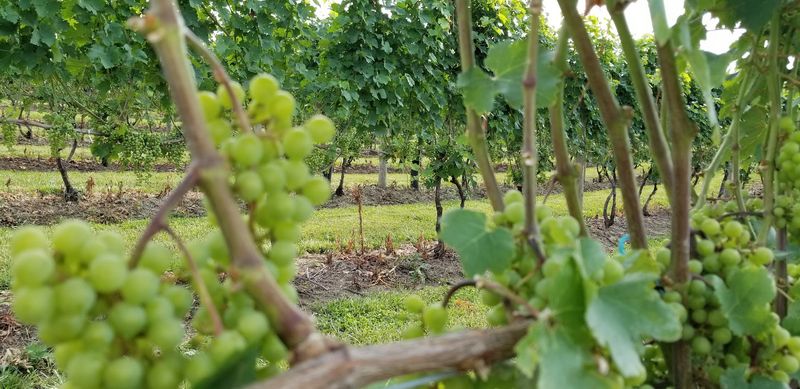
The small-town setting is not a backdrop here. It is part of the reason the visit lands so well.
Paw Paw keeps the experience grounded, and I think that makes St. Julian feel more authentic than destinations built around luxury performance and staged exclusivity.
There is something refreshing about enjoying a respected winery in a town that still feels lived in. The pace is calmer, the expectations are saner, and the whole outing seems less interested in proving status.
I did not need sweeping views or valet theatrics to feel like I had found somewhere worthwhile. I needed competence, character, and a sense that regular people were welcome, and Paw Paw supports exactly that mood.
That setting also explains the repeat-business energy. This is the kind of place locals can fold into ordinary life, while travelers can feel like they discovered something with real staying power.
By the end of my visit, the comparison with Napa-style pricing felt almost beside the point. St. Julian wins by being comfortable in its own town, and that confidence is what lingers.



